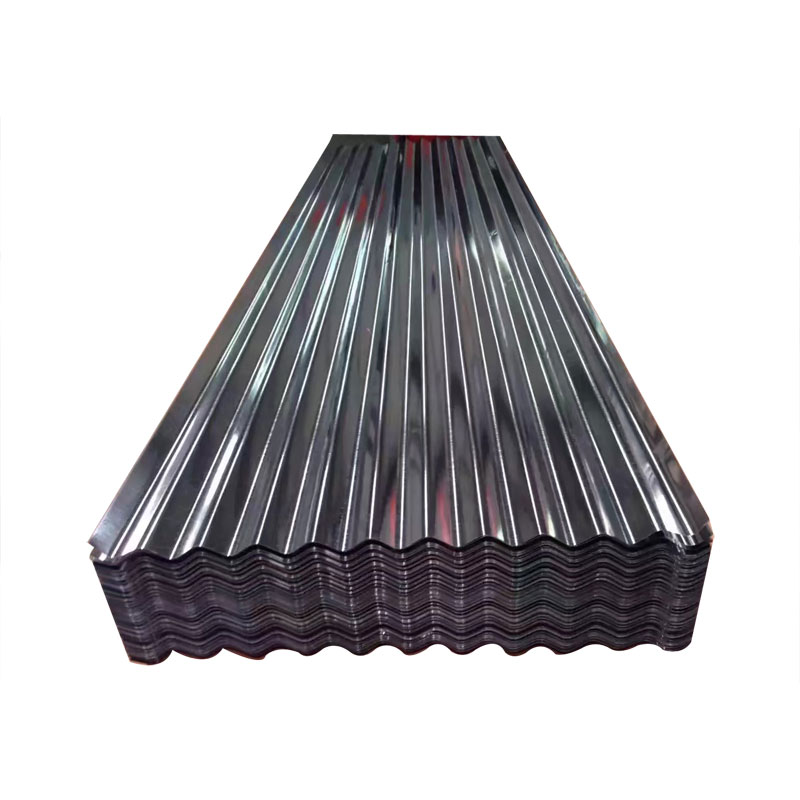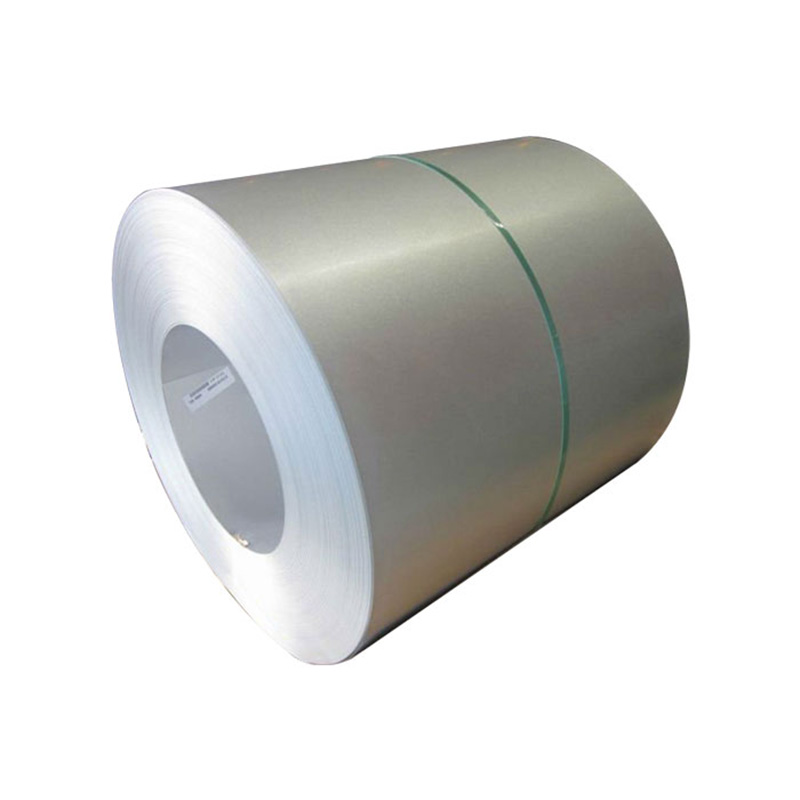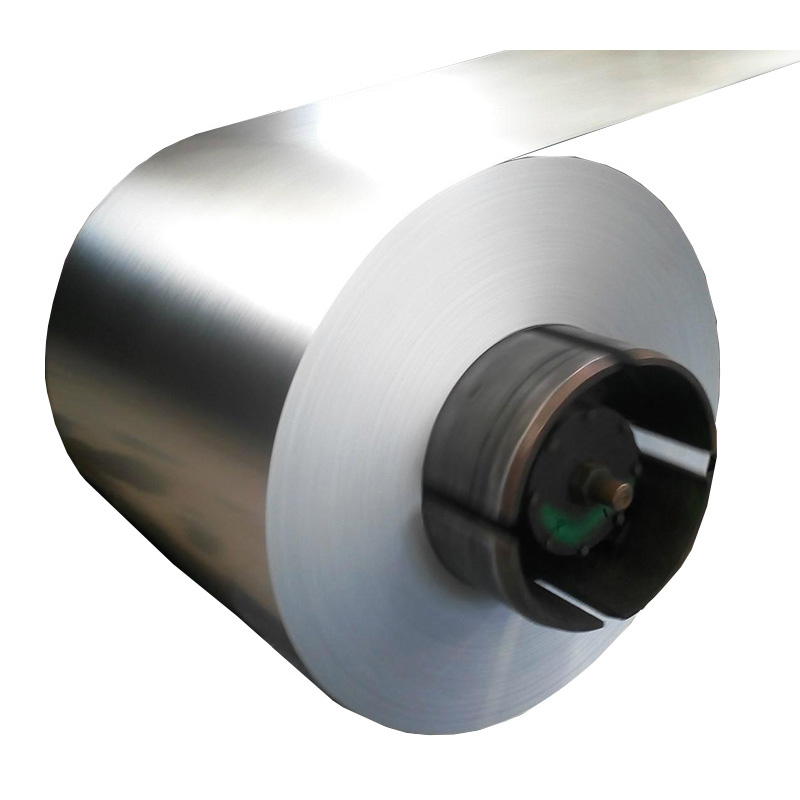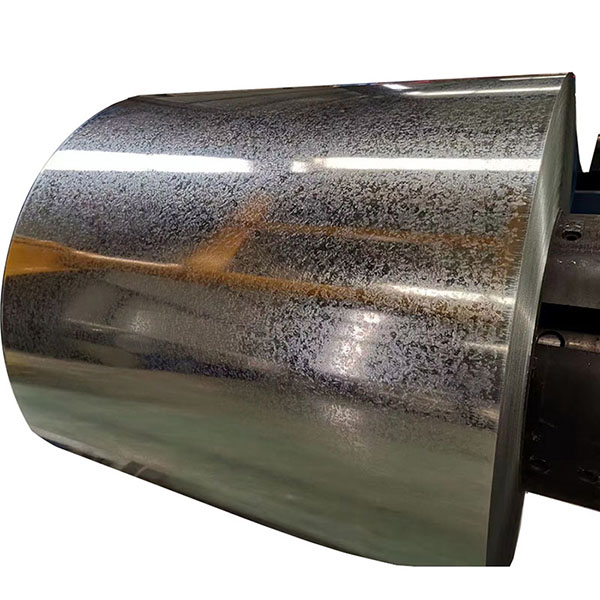
When you work with galvanized steel coils, you often face common quality problems in galvanized steel coil such as rust, uneven coating, surface defects, holes, and waves. These flaws matter because they can increase corrosion rates, raise maintenance costs, and shorten product lifespan. You might notice issues like white rust from moisture, edge creep from thin coatings, or handling damage that exposes steel to corrosion. Detecting these quality problems early and choosing suppliers with strict quality controls helps you protect your investment and ensure reliable performance.
Key Takeaways
- Rust and corrosion are major issues in galvanized steel coils. Inspect for black spots, white rust, and red rust to catch problems early.
- Uneven zinc coating can lead to bare spots or drips. Measure coating thickness regularly to ensure consistent protection.
- Surface defects like scratches and dents weaken the galvanized layer. Always check for visible damage before use.
- Holes and pinholes allow moisture to reach the steel, increasing corrosion risk. Inspect coils for tiny defects to prevent future issues.
- Edge and center waves affect the coil’s shape. Lay the coil flat to check for ripples and ensure it meets specifications.
- Proper handling and storage are crucial. Store coils in dry, ventilated areas to avoid rust and other quality problems.
- Regular inspections and quality control help catch defects early. Use tools like thickness gauges and visual checks to maintain quality.
- Choose suppliers with strict quality controls. This ensures better performance and longevity of your galvanized steel coils.
Common Quality Problems in Galvanized Steel Coils
Rust and Corrosion
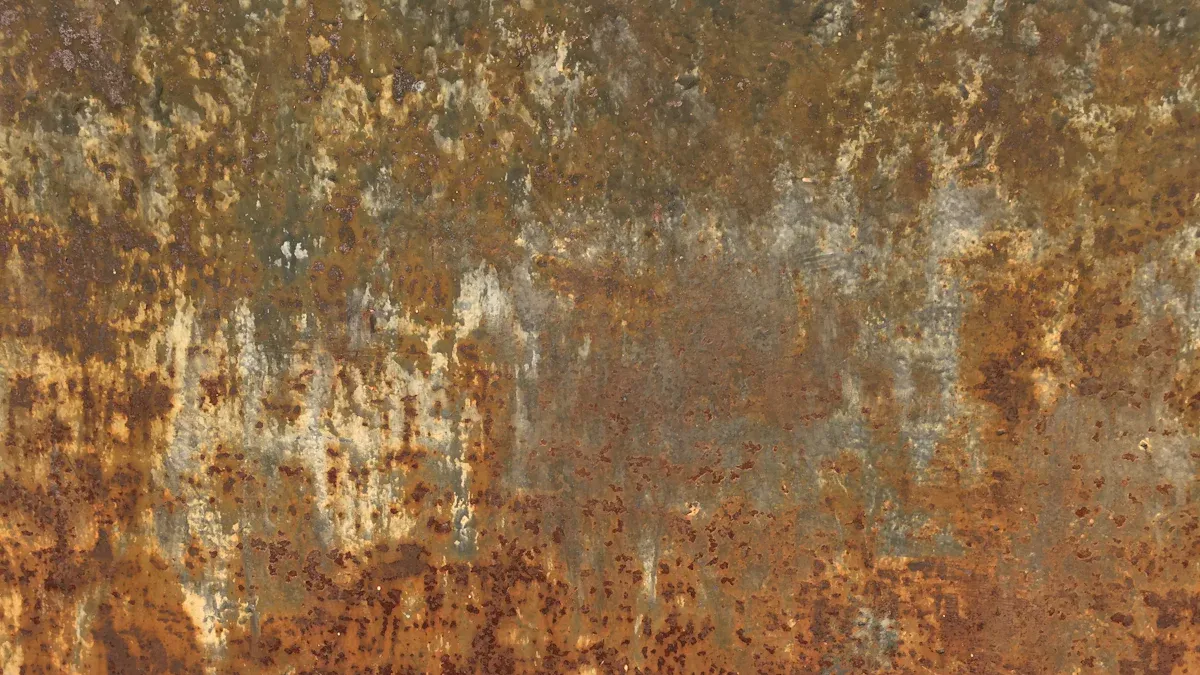
You often see rust and corrosion as some of the most common quality problems in galvanized steel coil. These issues can appear soon after production or during storage. You might notice black spots, which show up when the galvanized layer has impurities or contamination. White rust forms when moisture reacts with the zinc, creating a white powder that weakens the galvanized layer and reduces corrosion resistance. Red rust is a sign that the steel beneath the coating has started to corrode, which means the protection has failed.
Tip: Always check for signs of rust, especially if you store coils in humid or coastal environments. Salt in the air and high humidity can speed up corrosion. Air pollution and acid rain also make the galvanized layer break down faster.
You can spot rust and corrosion by looking for:
- Black spots on the surface
- White powdery patches (white rust)
- Reddish-brown areas (red rust)
- Uneven or dull galvanized layer
Mechanical damage, such as scratches or dents, can expose the steel coil and make it more likely to develop red rust. Chemical exposure, UV radiation, and poor storage conditions also increase the risk of corrosion.
Uneven Zinc Coating
Uneven zinc coating is another frequent defect you may encounter in galvanized steel coil. This problem affects both the appearance and the protective quality of the galvanized layer. If the coating is too thin in some areas, you get bare spots that lead to early corrosion. If it is too thick, you may see drips or rough patches.
You can measure the thickness of the galvanized layer using several methods:
| Method | Type | Description |
|---|---|---|
| Gravimetric Method | Destructive | Weigh a sample before and after removing the zinc coating to calculate thickness. |
| X-ray Fluorescence (XRF) | Non-destructive | Use X-rays to analyze the zinc coating’s composition and thickness. |
| Magnetic Induction | Non-destructive | Measure changes in magnetic field to determine zinc coating thickness on ferromagnetic substrates. |
| Eddy Current | Non-destructive | Induce eddy currents in the zinc coating to measure thickness on non-ferromagnetic substrates. |
You often see uneven zinc coating when the air knife’s pressure, distance, or speed is not set correctly during the galvanizing process. If the air knife does not wipe the molten zinc evenly, you get streaks or patches. Scratches or roughness on the steel coil surface can also cause the galvanized layer to vary in thickness. Even though the galvanizing process can smooth out some defects, you may still see unevenness in the final product.
Surface Defects
Surface defects are common quality problems that affect both the look and performance of galvanized steel coil. You may find several types of defects on the surface:
- Steel substrate defects: Slivers, scratches, and mechanical damage that become more visible after galvanizing.
- Bare spots: Areas with no galvanized layer, often caused by poor cleaning before the coating process.
- Exfoliation or peel-off: The galvanized layer separates from the steel coil, usually because of poor adhesion or contaminants.
- Dents: Indentations or marks caused by solid particles or droplets during processing.
These defects can reduce the protective power of the galvanized layer and make the steel coil more likely to develop red rust or other corrosion problems. You should always inspect the surface for any signs of damage, missing coating, or irregularities. Early detection helps you avoid bigger issues later.
Note: Surface defects not only affect the appearance but also the durability of your galvanized steel coil. Regular inspection and proper handling can prevent many of these problems.
Holes and Pinholes
You may notice holes and pinholes as one of the common quality problems in galvanized steel coil. These tiny defects can appear anywhere on the surface. Sometimes, you see them as small dots or clusters. Holes and pinholes weaken the protective layer and allow moisture to reach the steel coil. This leads to faster corrosion and reduces the lifespan of your product.
You often find that holes and pinholes come from several sources during production. If the steel coil is not cleaned properly, oil residue or dust can block the zinc coating. Sometimes, the rolls used in the coating process are dirty or worn. This causes scratches or leaves residue on the surface. The paint or zinc may have the wrong viscosity, or bubbles and impurities can form during mixing. Factory conditions also play a role. If the production line is unstable or the environment is dusty, defects become more likely.
Here is a table that shows the main causes of holes and pinholes:
| Cause Category | Specific Issues |
|---|---|
| Poor Substrate Pre-treatment | Oil residue, surface oxides or dust, defective conversion coating |
| Problems with the Roll Coating System | Worn or dirty rolls, uneven roll pressure |
| Problems with the Paint Itself | Wrong viscosity, bubbles or impurities |
| General Factory Issues | Unstable production line, defective substrate, unclean environment |
Tip: You should inspect the galvanized steel coil for holes and pinholes before using it. Early detection helps you avoid costly repairs and prevents further damage.
Edge and Center Waves
Edge and center waves are also common quality problems in galvanized steel coil. You see these defects as wavy patterns along the edges or in the middle of the coil. Edge waves make the sides of the coil ripple, while center waves cause the middle to bulge or dip. These waves affect the flatness and shape of the steel coil.
You often find that waves form during the rolling or coiling process. If the tension is not controlled, the coil stretches unevenly. Temperature changes during galvanizing can also cause the steel coil to expand or contract. Sometimes, the steel coil has uneven thickness, which leads to waves. These defects make it harder to cut or shape the coil for your project.
You should check for edge and center waves by laying the coil flat and looking for ripples or bulges. If you see waves, the coil may not fit your specifications. Waves can cause problems during further processing, such as bending or welding.
Note: You can prevent waves by choosing suppliers who use precise tension and temperature controls. Regular inspection helps you catch these defects early.
Surface Defects in Hot-Dip Galvanized Steel Coils
Scratches and Abrasions
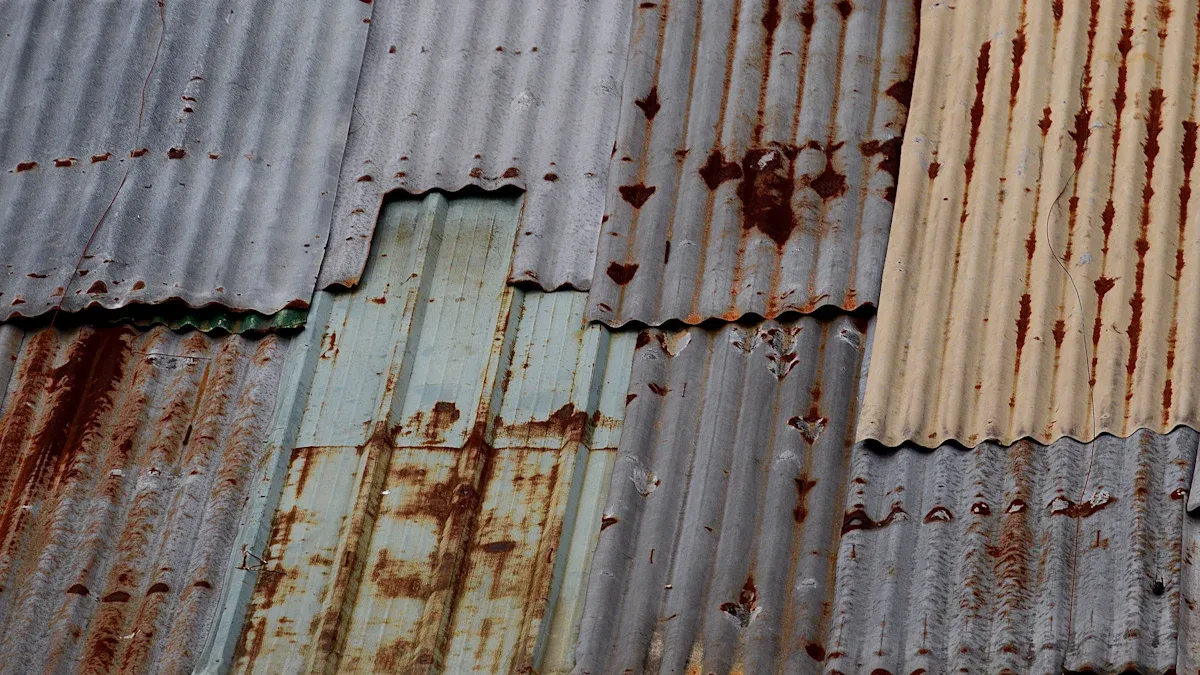
When you inspect hot-dip galvanized steel coils, you often find scratches and abrasions on the surface. These defects can appear as lines, marks, or scuffs that run along the coil. Scratches usually come from problems with the coater roller system. If the roller has nicks or rough spots, it can leave continuous lines on the galvanized layer. Contaminants like dried paint particles or small foreign objects can also scratch the wet coating. The paint and doctor blade system can cause issues too. If you do not filter the paint well, particles can scratch the surface. A damaged doctor blade can make the paint go on unevenly, which leads to more surface defects.
You should always check for scratches and abrasions before using the coil. These defects can reduce the coil’s corrosion resistance and make it look less attractive. If you see scratches, you may need to adjust the roller system or improve your cleaning process.
Tip: Keep rollers clean and check them often to prevent scratches on galvanized steel coils.
Creases and Roller Marks
Creases and roller marks are common surface defects in hot-dip galvanized steel coils. You can spot creases as lines or folds that run across the coil. Roller marks look like tracks or streaks left by the rollers during processing. These defects often form when the coil makes mechanical contact with the rollers. If the roller surface has damage or contamination, it can leave marks on the galvanized layer. Dried paint particles or foreign objects on the roller can also cause these surface defects. Problems with the paint and doctor blade system, such as foreign particles in the paint or a damaged blade, can make the marks worse.
Roller marks and creases can affect the smoothness of the surface and make it harder for paint to stick. You should inspect the coil for these defects, especially if you need a smooth finish for your project.
- Roller marks come from mechanical contact between the coil and rollers.
- Surface roughness and mechanical damage during rolling can lead to uneven coating thickness.
- High spots from thick coatings may get abraded in temper rolling, which can smooth out the surface.
Pitting and Zinc Slag Inclusions
Pitting and zinc slag inclusions are serious defects you may find in hot-dip galvanized steel coils. Pitting looks like small holes or craters on the surface. Zinc slag inclusions appear as rough or raised spots. These defects can weaken the galvanized layer and make the coil more likely to rust.
You can see the main causes of pitting and zinc slag inclusions in the table below:
| Cause | Explanation |
|---|---|
| Annealing Furnace Atmosphere Issues | If the dew point is wrong or there is not enough hydrogen, oxides stay on the steel and block zinc. |
| High Impurity Content in Zinc | Too much iron in the zinc creates slag, which gets trapped in the coating and causes surface defects. |
| Air Knife Interference | If the air knife is not set right, it can make pinhole-like defects in the galvanized layer. |
| Coating Solidification Process | Bad conditions during solidification can create micropores that turn into pinholes on the surface. |
You should always check for these defects because they can lower the quality and durability of the coil. If you find pitting or inclusions, you may need to adjust the furnace atmosphere, improve zinc purity, or check the air knife settings.
Note: Early detection of surface appearance defects helps you avoid bigger problems and keeps your galvanized steel coils in top condition.
Blisters, Peeling, and Dross Pimples
When you inspect hot-dip galvanized steel coils, you may notice blisters, peeling, or dross pimples on the surface. These defects can affect both the appearance and the performance of your material. You need to understand what causes these problems and how to spot them early.
Blisters look like small bubbles or raised spots on the surface. You see these when gas or moisture gets trapped under the zinc coating during the galvanizing process. If the steel surface is not clean or dry, blisters can form as the zinc layer cools. Sometimes, you find blisters if the steel has oil, paint, or rust before dipping. These blisters can break open and expose the steel, which leads to faster corrosion.
Peeling happens when the zinc coating separates from the steel. You might see large flakes or sheets of zinc coming off. This usually means the bond between the steel and the zinc is weak. Poor surface preparation, contamination, or incorrect bath temperature can cause peeling. If you bend or shape the coil, peeling can get worse. You should always check for peeling before using hot-dip galvanized steel coils in construction or manufacturing.
Dross pimples appear as small, rough bumps on the surface. These form when iron and zinc react to create hard particles called dross. If the zinc bath has too much iron, or if the temperature is not right, dross can stick to the coil. You may see these pimples as tiny gray or black spots. They make the surface rough and can cause problems if you need a smooth finish.
Here is a table to help you identify these defects:
| Defect | Appearance | Main Cause | Impact on Coil |
|---|---|---|---|
| Blisters | Bubbles or raised spots | Trapped gas or moisture | Weakens coating, corrosion |
| Peeling | Flakes or sheets of zinc | Poor adhesion, contamination | Loss of protection, rust risk |
| Dross Pimples | Rough bumps or spots | Excess iron in zinc, bad temp | Rough surface, paint issues |
Tip: You can prevent many surface defects by making sure the steel is clean and dry before galvanizing. Always control the temperature and composition of the zinc bath.
You should inspect hot-dip galvanized steel coils for blisters, peeling, and dross pimples before you use them. Early detection helps you avoid costly repairs and keeps your projects safe and long-lasting. If you find these defects, talk to your supplier about improving their process or quality checks. By understanding these problems, you can make better choices and get the best results from hot-dip galvanized steel coils.
Coating Flaws and Bare Spots
Bare Spots and Missing Zinc
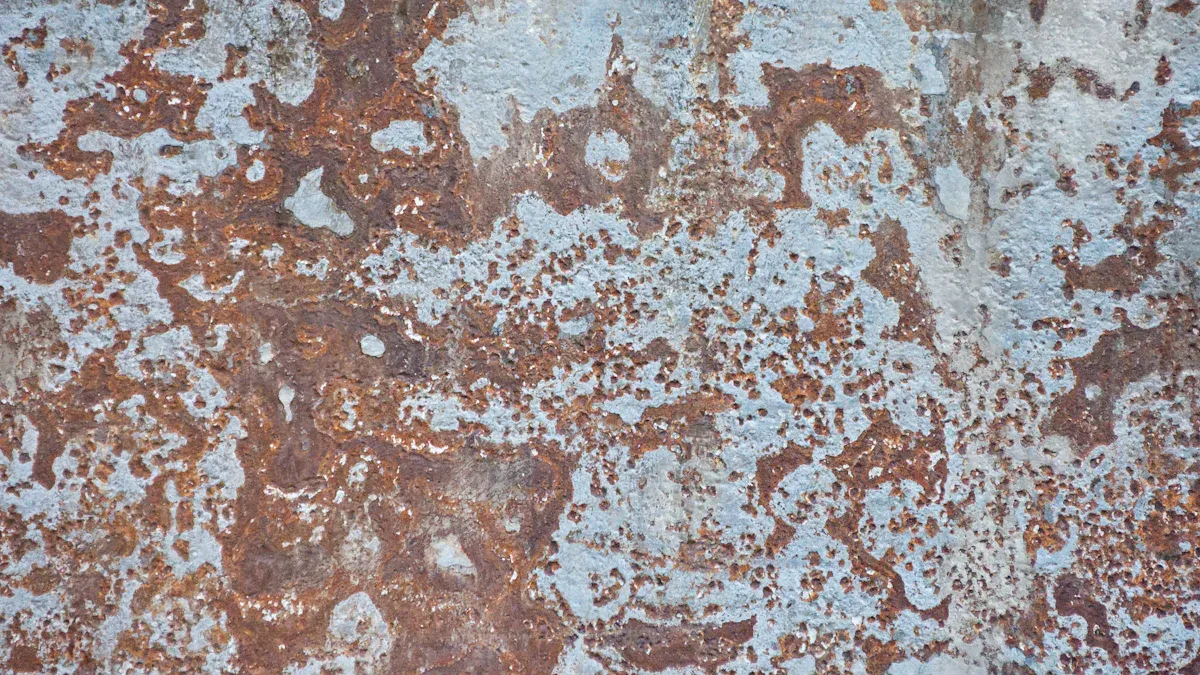
When you inspect galvanized steel coils, you may find bare spots or areas with missing coating of zinc layer. These defects appear as shiny steel patches where the zinc did not stick. Bare spots often result from poor surface preparation. If oil, dust, or rust stays on the steel, the zinc cannot bond during the galvanizing process. Sometimes, incomplete wetting during dipping leaves parts of the coil uncoated. You may also see these flaws if the furnace atmosphere is not controlled or if the steel enters the zinc bath at the wrong temperature.
Common causes of bare spots and missing zinc include:
- Surface contamination, such as oil or oxides
- Irregular furnace atmosphere before coating
- Incorrect strip temperature entering the zinc bath
Tip: Always check the coil for bare spots before use. These defects can lead to fast rusting and reduce the coil’s lifespan.
Dull Gray or Mottled Coating
You might notice that some galvanized coils have a dull gray or mottled coating instead of a bright, shiny finish. This appearance comes from the chemistry of the steel, especially the levels of silicon and phosphorus. These elements make the zinc-iron layers grow quickly, which changes the look of the coating. Highly reactive steels often show a matte gray or patchy surface. Cooling rates and how you process the steel also affect this appearance.
You can spot dull gray or mottled coating by looking for uneven color or texture on the surface. These defects do not usually harm the coil’s corrosion resistance, but they may not look as good for visible projects.
- Dull gray or mottled coatings are common with certain steel grades.
- You can detect these defects through simple visual inspection.
Note: Even if the surface looks dull or patchy, the galvanized coating still protects the steel from rust.
Air Knife Streaks
Air knife streaks are another type of coating flaw you may find on galvanized steel coils. During the galvanizing process, an air knife blows off extra zinc to control the thickness of the coating. If the air knife pressure, angle, or distance is not set right, it can leave streaks or lines on the surface. These streaks look like stripes or bands that run along the coil.
You should watch for air knife streaks because they can make the coating uneven. This can lead to weak spots that rust faster. Air knife streaks are easy to see during inspection. If you find these defects, you may need to adjust the air knife settings or check for blockages.
Here are some common coating flaws and bare spots you might see during quality checks:
- Bare spots from poor surface cleaning
- Dull gray or mottled coatings from reactive steel
- Dross pimples or inclusions
- White storage staining from moisture
- Ash staining from unremoved ash
- Deformation from high temperatures
- Spangled coatings from zinc crystals
- Lumpiness and runs from quick removal or low bath temperature
Regular inspection helps you catch these defects early and keep your galvanized steel coils in top condition.
Dezincification
Dezincification is a coating flaw you might see in galvanized steel coils. This problem happens when zinc leaves the steel surface, exposing the iron underneath. You can spot dezincification as reddish or dull gray patches where the zinc layer looks thin or missing. These spots often appear after the coil has been in a humid or corrosive environment.
You should know why dezincification matters. When zinc disappears, the steel loses its main protection against rust. This flaw can lead to fast corrosion, especially if you use the coil outdoors or in places with chemicals. If you ignore dezincification, you may face costly repairs or even product failure.
How to Identify Dezincification
You can look for these signs to spot dezincification:
- Reddish or brown stains on the coil surface
- Dull gray or faded areas where the zinc looks thin
- Pitting or rough spots that feel different from the rest of the coil
- Areas where rust forms faster than on other parts
Tip: Use a magnifying glass or a simple surface test to check if the zinc layer is still present. If you see iron or rust, dezincification has started.
What Causes Dezincification?
Several factors can cause dezincification in galvanized steel coils. Here are the most common reasons:
| Cause | Description |
|---|---|
| Exposure to Acidic Chemicals | Acids or industrial fumes can dissolve zinc from the surface. |
| High Humidity | Moisture speeds up the loss of zinc, especially in storage or transport. |
| Poor Coating Quality | Thin or uneven zinc layers make dezincification more likely. |
| Mechanical Damage | Scratches or dents break the zinc layer, letting corrosion start. |
| Contaminated Steel Surface | Oil, dust, or rust before galvanizing can weaken the bond between zinc and steel. |
You should always check the environment where you store or use galvanized coils. Acid rain, salt spray, or chemical fumes can all speed up dezincification.
How to Prevent Dezincification
You can take simple steps to prevent this flaw:
- Store coils in dry, well-ventilated places.
- Avoid contact with acids, salts, or harsh chemicals.
- Inspect coils for scratches or damage before use.
- Choose suppliers with strict quality control for zinc coating thickness.
- Clean the steel surface well before galvanizing.
Note: Early detection and good storage practices help you avoid dezincification. Always inspect your coils before and after delivery.
If you find dezincification, talk to your supplier right away. You may need to replace the coil or improve your storage and handling methods. By understanding this flaw, you can keep your galvanized steel coils strong and rust-free for years.
Other Common Quality Flaws
White Rust
You often see white rust as one of the most common quality flaws in galvanized steel coils. This defect appears as a white, powdery substance on the surface. It forms when moisture reacts with the zinc coating. You can spot white rust easily because it looks different from regular rust. The main environmental conditions that cause this problem include high humidity, sudden temperature changes, surface contamination, and poor storage practices.
- High humidity above 60% increases moisture on the coil, which promotes white rust.
- Temperature changes can cause condensation, leading to dew and rusting.
- Dirt and dust trap moisture and damage the zinc layer.
- Inadequate packaging or storage traps moisture around the coils.
Tip: Store coils in dry, well-ventilated areas and use breathable packaging to prevent white rust.
Oil Stains and Contamination
Oil stains and contamination are defects that affect the surface quality of galvanized steel coils. You may notice greasy patches or dirty spots on the coil. These flaws usually happen during production and handling. The steel passes through several steps, including heating in an annealing furnace, dipping in molten zinc, and passing through a temper mill. Gas knives remove excess zinc, and a treatment section protects the coating. Forming oil is applied before rewinding to prevent rust. If oil is not applied evenly or if contamination occurs during any step, you see stains and dirty spots.
- Oil stains can make the coil slippery and reduce paint adhesion.
- Contamination can weaken the zinc layer and increase corrosion risk.
- Proper cleaning and careful handling help prevent these defects.
Note: Inspect coils for oil stains before use. Clean the surface if you find contamination to ensure the best performance.
Zinc Ash and Dross Inclusions
Zinc ash and dross inclusions are common quality flaws that you may find during inspection. These defects appear as rough spots, bumps, or gray patches on the coil. Dross forms when iron from the steel reacts with molten zinc in the galvanizing bath. High bath temperature, long immersion time, and poor maintenance increase dross formation. If dross is not managed, it leads to coating defects and inclusions.
- Dross inclusions make the surface rough and can cause paint problems.
- Zinc ash can stick to the coil and reduce corrosion resistance.
- Regular maintenance of the zinc bath and proper temperature control help prevent these defects.
Here is a table showing other prevalent defects found in galvanized steel coils:
| Defect Name | Description |
|---|---|
| Coil Set | Metal keeps a curved shape due to improper tension or uneven thickness. |
| Edge Wave | Ripples form on the edges, caused by longer edges compared to the center. |
| Center Buckle | The center is longer than the edges, creating ripples in the middle. |
| Crossbow | The top surface is longer than the bottom, causing bowing at the ends. |
| Camber | Edges curve slightly, not remaining parallel, often from cutting issues. |
Regular inspection and proper process control help you avoid these defects and keep your coils in top condition.
Causes of Quality Problems in Galvanized Steel Coils
Understanding why defects happen helps you prevent them. You can group the main causes of quality problems in galvanized steel coils into three areas: process control, handling and storage, and material or equipment factors.
Process Control Issues
You need to control every step of the galvanizing process to get high-quality coils. If you miss a step or set the wrong temperature, you can create defects. Poor furnace temperature is a leading cause of many issues. When the furnace runs too hot or too cold, the zinc coating may not stick well or may become uneven. Poor furnace temperature also leads to surface peeling, flaking, and missed coating. If you do not control the air knife settings, you may see stripes or streaks on the coil. Loose coils often result from improper coiling tension or poor furnace temperature during cooling.
Here is a table showing common process control issues and their effects:
| Process Control Issue | Reasons for Quality Problems |
|---|---|
| Air knife stripe | Zinc is too dense, poor furnace temperature, high aluminum, low air knife position, blockage |
| Loose coil | Improper coiling tension, poor furnace temperature, loose binding tape |
| Edge wave or middle wave | Poor quality raw plate, poor working condition of stabling roller |
You should also watch for poor pre-treatment degreasing. If you do not clean the steel well before coating, oil or dust can block the zinc from sticking. This leads to bare spots and weak protection.
Tip: Always check furnace temperature and cleaning steps to avoid process-related defects.
Handling and Storage Problems
How you handle and store galvanized steel coils matters as much as how you make them. Rough handling can dent, bend, or scratch the edges. You may see surface scratches from loading and unloading. If you do not use the right tools, you can deform the coil shape. Storing coils in damp or poorly ventilated places causes rust and white stains. Poor storage lets moisture build up, which damages the zinc layer.
- Edge damage: Dents, nicks, and tears from rough handling
- Surface scratches: Marks from moving or stacking coils
- Deformations: Changes in shape from poor lifting or stacking
- Corrosion: Rust from storing coils in humid or wet places
You should always use proper lifting tools and store coils in dry, clean areas. Good handling and storage keep your coils in top condition.
Material and Equipment Factors
The materials and machines you use can also cause defects. If the steel surface is uneven, the zinc may not cover it fully. Missed coating happens when the equipment does not supply enough zinc or when the line speed does not match the process. Poor furnace temperature can make the zinc too thick or too thin. Residual moisture from pretreatment can cause black rust, which looks shiny and appears randomly on the coil. Overheating the zinc or putting a hot strip into the pot can cause the coating to peel or flake.
White rust forms when you expose the zinc coating to moisture without enough air flow. Poor packaging or storage can make this worse by letting water in during shipping.
- Coating equipment defects
- Insufficient zinc supply or quality
- Uneven steel surface
- Production line speed mismatch
- Residual moisture from pretreatment
Regular checks on your equipment and materials help you catch problems early and keep your coils free from defects.
Impact and Prevention of Quality Problems
Effects on Performance and Durability
Quality problems in galvanized steel coil can change how long your finished products last. If you see defects like uneven coating, white rust, or surface scratches, you risk faster corrosion and weaker protection. The type of coating you choose also affects durability. You can use the table below to see how different coating classifications perform in various environments:
| Coating Classification | Environment Type | Expected Lifespan |
|---|---|---|
| Z60 | Dry indoor environments | Works well |
| Z120 | General construction | 15 to 25 years |
| Z275 | Marine or high-humidity regions | Better corrosion protection |
If you use a galvanized steel coil with a thin or damaged coating, you may see rust form quickly. In marine or humid areas, a thicker coating like Z275 gives you better protection. Surface flaws can let moisture reach the steel, which leads to rust and shortens the product’s life.
Impact on Processing and End Use
Defects in galvanized steel coil can cause problems during processing. You may find that surface waves, holes, or bare spots make it hard to cut, bend, or weld the coil. If the coating is uneven, paint or adhesives may not stick well. This can lead to peeling or poor appearance in the final product. Surface defects like scratches or dross pimples can also make the coil look less attractive. If you use coils with white rust or missing coating, you risk early failure in construction, appliances, or automotive parts.
You should always inspect the surface before using galvanized steel coil in your project. Early detection helps you avoid costly repairs and keeps your products strong.
Quality Control and Prevention Tips
You can prevent most quality problems in galvanized steel coil by following industry best practices. Here are some tips you can use:
- Conduct thorough inspections of metal components to identify defects early.
- Ensure proper surface preparation before galvanizing to enhance coating adhesion.
- Implement systematic troubleshooting and root cause analysis in the coil coating process.
- Use data collection and monitoring systems to detect irregularities in real-time.
- Utilize sensors and inline inspection cameras to monitor production processes.
- Maintain uniform film thickness with automated thickness gauges to prevent coating defects.
You should also store galvanized steel coil in dry, well-ventilated places to reduce the risk of white rust. Handle coils carefully to avoid surface damage. Work with suppliers who use strict quality control for every step of the galvanizing process.
Regular inspection and good process control help you keep your galvanized steel coil free from defects and ready for any application.
You play a key role in keeping galvanized steel coils free from defects. Early detection and strong quality control help you avoid costly repairs and ensure reliable products. For ongoing improvement, you should:
- Use thorough sampling and testing that meets international standards.
- Clean and prepare surfaces well before galvanizing.
- Monitor humidity in your facility to prevent moisture problems.
- Set clear inspection thresholds for early defect detection.
- Follow strict quality criteria and use accredited labs.
These steps help you deliver high-quality coils every time.
FAQ
What is the most common defect in galvanized steel coils?
You often see rust and white rust as the most common defects. These flaws develop when moisture or poor storage damages the zinc coating. Early inspection helps you spot these issues before they cause bigger problems.
How can you identify uneven zinc coating?
You can check for uneven zinc coating by looking for streaks, patches, or dull spots. Use a magnetic thickness gauge for accurate measurement. Uneven coating often appears as visible lines or rough areas on the coil surface.
Why do holes and pinholes form in galvanized steel coils?
Holes and pinholes usually form from poor cleaning, dust, or oil on the steel before galvanizing. Worn rollers or dirty equipment can also cause these defects. You should always inspect coils for tiny dots or clusters.
How do you prevent white rust during storage?
You should store coils in dry, well-ventilated areas. Use breathable packaging and avoid stacking coils in humid places. Quick drying after exposure to moisture also helps prevent white rust.
Can you repair surface scratches on galvanized steel coils?
You can repair minor scratches with zinc-rich paint or spray. For deep scratches, you may need to cut out the damaged section. Always check with your supplier for the best repair method.
What tools help you inspect galvanized steel coil quality?
You can use visual inspection, magnetic thickness gauges, and X-ray fluorescence (XRF) analyzers. These tools help you measure coating thickness and spot surface defects quickly.
Does a dull gray coating mean poor quality?
No, a dull gray or mottled coating often comes from the steel’s chemistry. It does not usually affect corrosion resistance. You can use these coils for most applications without worry.
When should you reject a galvanized steel coil?
You should reject coils with large bare spots, peeling zinc, deep scratches, or severe waves. These defects lower performance and may cause early failure in your project.