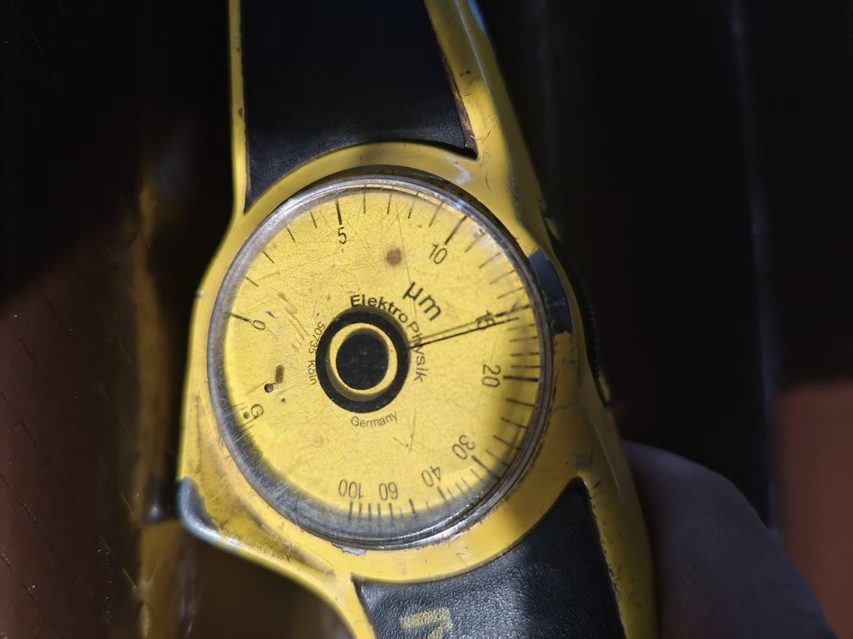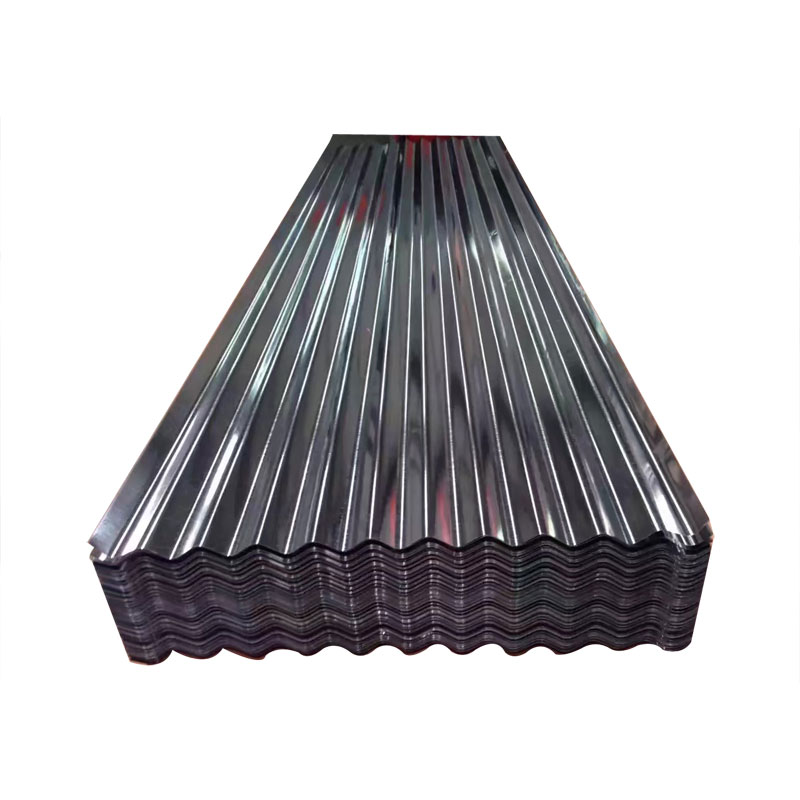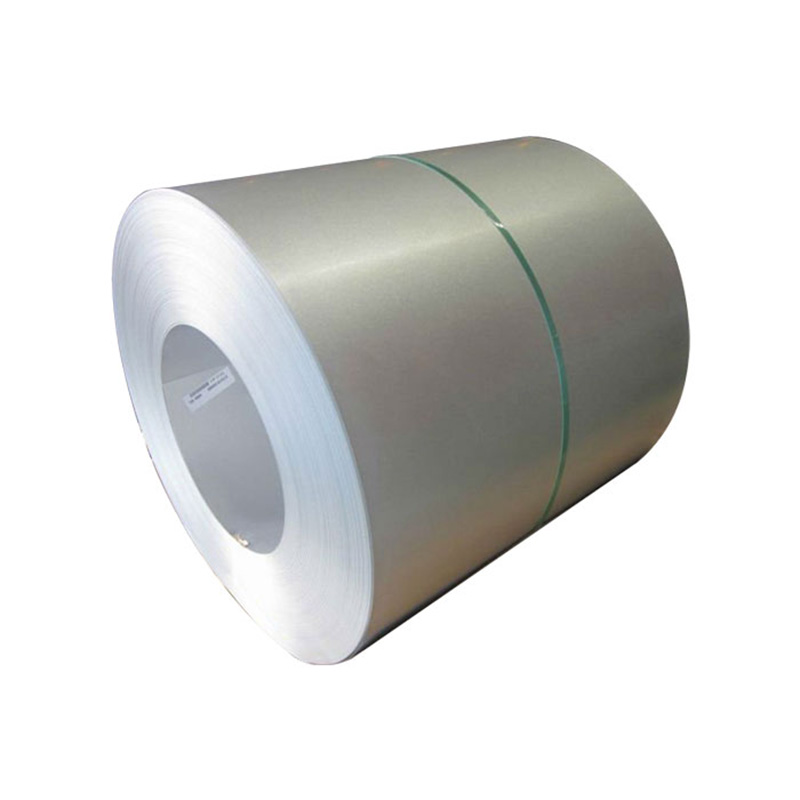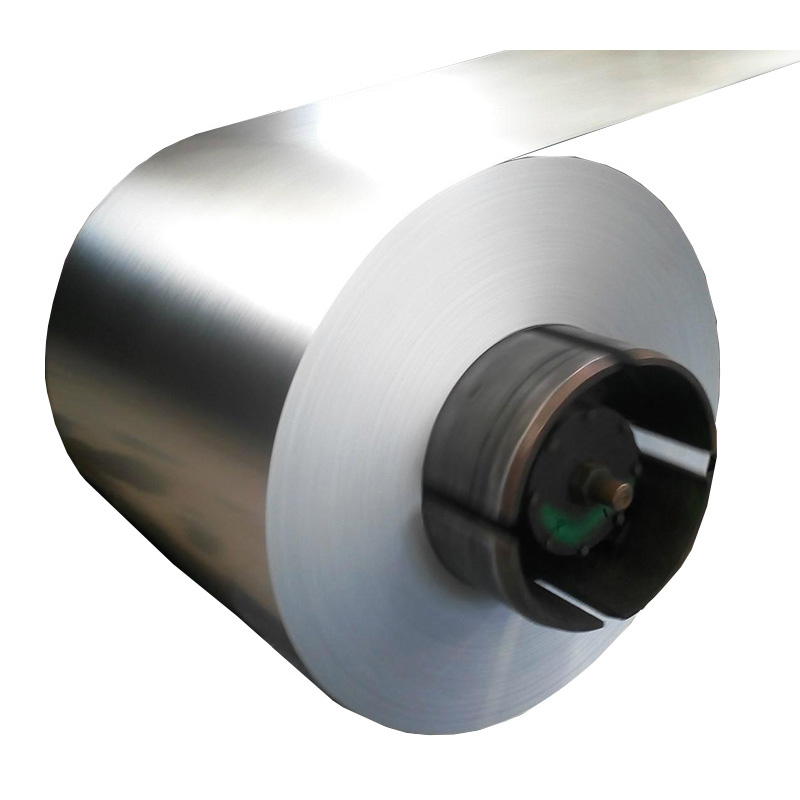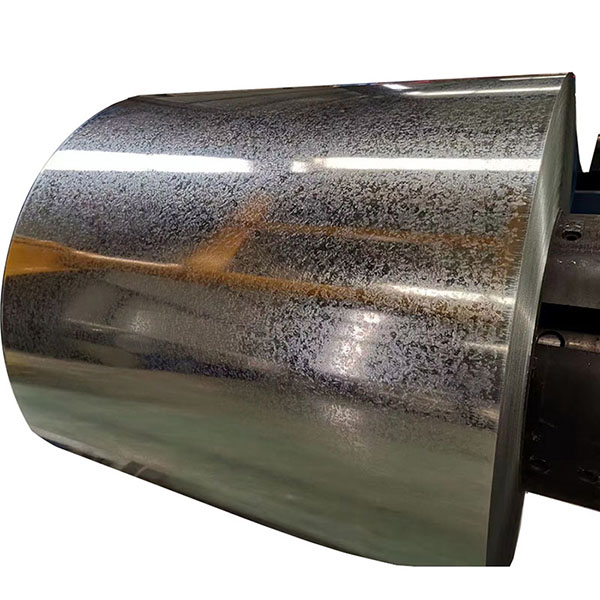
Steel Supply Chain Challenges in South America stem from several key factors. Global oil market turmoil raises energy prices, making steel production more expensive. Material shortages create gaps in supply, while rising costs reduce profitability for steel producers. Logistics problems, such as poor planning and unreliable transport, slow down deliveries. Policy and legal issues add further complications. These challenges limit steel availability and push prices higher for businesses and consumers.
Key Takeaways
- Material shortages slow down steel production. Companies must secure reliable sources of iron ore, coal, and scrap metal.
- Rising energy prices increase production costs. Steel producers need to manage energy expenses to maintain profitability.
- Logistics issues, like poor planning and outdated transport routes, lead to delivery delays. Efficient coordination is essential for timely shipments.
- Political and economic instability creates uncertainty. Companies must adapt to changing regulations and currency fluctuations.
- Trade barriers and tariffs raise costs for imported steel. Understanding these factors helps businesses navigate the market.
- Environmental laws require investment in cleaner technologies. Companies must balance compliance costs with the need for sustainable practices.
- Global market influences, such as oil prices and foreign competition, impact local steel prices. Staying informed on these trends is crucial for success.
- Addressing these challenges can strengthen the steel industry in South America. Improved infrastructure and clear policies will support future growth.
Steel Supply Chain Challenges in South America
Material Shortages
Steel Supply Chain Challenges in South America often begin with material shortages. Steel production depends on raw materials like iron ore, coal, and scrap metal. When these materials become hard to find, the entire supply chain slows down. Many countries in South America rely on imports for some of these resources. If suppliers cannot deliver on time, factories must wait. This delay affects construction, automotive, and manufacturing industries.
Supply Disruptions
Supply disruptions create serious problems for steel producers. Weather events, mining strikes, and transportation breakdowns can stop the flow of raw materials. For example, heavy rains may flood mines or block roads. Workers may strike for better pay or safer conditions. These events cause factories to run out of materials. Production lines stop, and companies lose money.
Note: Even a short disruption can lead to weeks of delays in steel delivery.
Demand Gaps
Demand gaps also play a role in Steel Supply Chain Challenges in South America. Sometimes, demand for steel rises quickly because of new construction projects or government spending. Producers may not have enough raw materials to meet this demand. At other times, demand drops, and suppliers cut back on shipments. This mismatch between supply and demand makes it hard for companies to plan. Prices can swing up or down, creating uncertainty for buyers and sellers.
Rising Production Costs
Rising production costs add another layer to Steel Supply Chain Challenges in South America. Factories need energy, labor, and equipment to make steel. When these costs go up, profits go down. Companies may pass these costs to customers, making steel more expensive for everyone.
Energy Price Impact
Energy prices have a big impact on steel production. Steel plants use large amounts of electricity and fuel. Global oil market turmoil often causes energy prices to rise. When oil prices spike, electricity and transportation become more expensive. Steel producers in South America must pay more to keep their factories running. Higher energy costs can force some companies to slow down or stop production.
| Factor | Impact on Steel Supply Chain |
|---|---|
| Oil price increases | Higher energy costs |
| Electricity shortages | Production delays |
| Fuel price spikes | Expensive transportation |
Profitability Issues
Profitability issues result from high costs and unstable supply. When expenses rise faster than steel prices, companies earn less money. Some may even operate at a loss. This situation makes it hard for businesses to invest in new technology or expand production. Smaller companies may close, reducing competition and supply. As a result, Steel Supply Chain Challenges in South America become even more difficult to solve.
In summary, material shortages and rising production costs form the foundation of many supply chain problems. These challenges affect every part of the steel industry, from mining to manufacturing to delivery.
Logistics and Transportation Issues
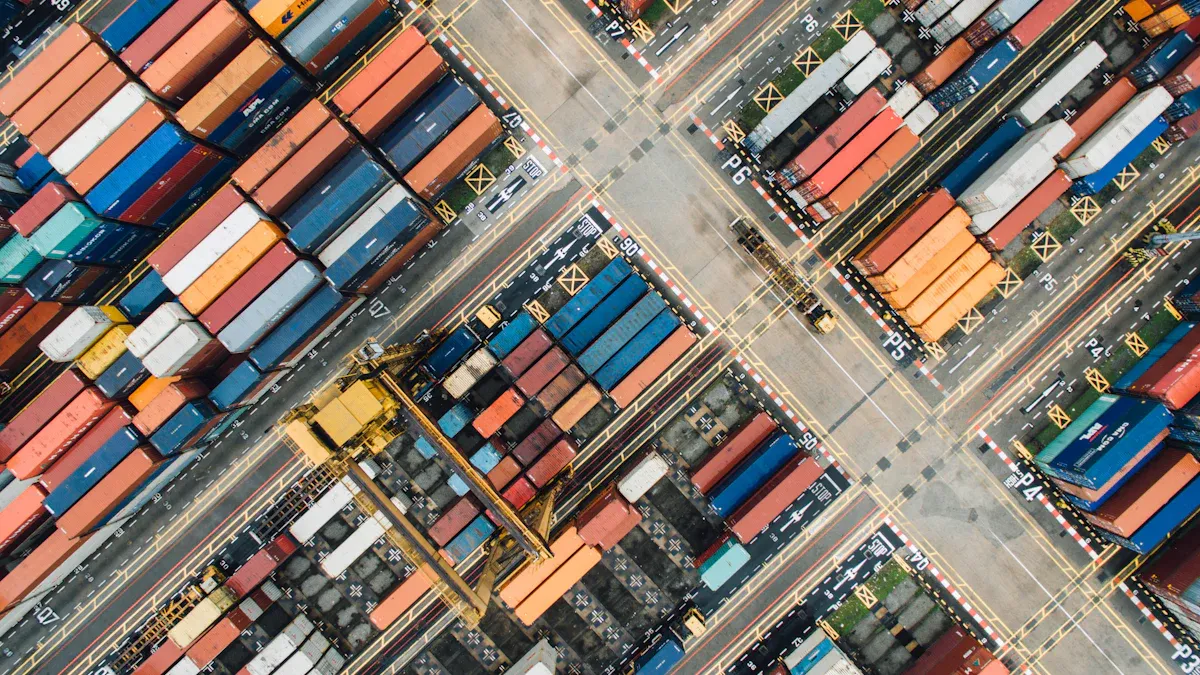
Logistics and transportation play a major role in the movement of steel across South America. Many companies face obstacles that slow down deliveries and increase costs. These problems make it harder for businesses to get the steel they need on time.
Improper Logistics Planning
Poor logistics planning often leads to wasted time and resources. Companies must coordinate many steps, from picking up raw materials to delivering finished steel products.
Inefficient Routes
Many steel shipments travel on inefficient routes. Trucks and trains sometimes take longer paths because of poor road networks or outdated maps. This increases fuel use and delivery times. In some regions, drivers must avoid unsafe areas, which adds extra miles to each trip.
- Longer routes mean higher costs.
- More time on the road increases the risk of damage or theft.
Coordination Problems
Coordination problems arise when companies do not communicate well. Factories, warehouses, and transport companies must work together. If one group misses a deadline, the whole supply chain slows down. For example, a late truck can cause a factory to wait for materials, stopping production.
Good coordination helps reduce delays and keeps steel moving smoothly.
Lack of Secured Supply Routes
Secured supply routes are essential for reliable steel delivery. Many areas in South America lack safe and dependable transport options.
Unreliable Transport
Unreliable transport creates uncertainty. Trucks may break down on rough roads. Railways sometimes face maintenance issues or lack modern equipment. These problems can stop shipments for hours or even days.
| Problem | Effect on Steel Delivery |
|---|---|
| Vehicle breakdowns | Missed deadlines |
| Poor infrastructure | Increased risk of accidents |
| Outdated equipment | Slower transport speeds |
Delivery Delays
Delivery delays hurt both suppliers and customers. When steel arrives late, construction projects and factories must wait. This can lead to higher costs and missed business opportunities.
Port Issues
Ports serve as key gateways for steel imports and exports. Many South American ports face challenges that slow down the steel supply chain.
Congestion
Port congestion happens when too many ships arrive at once. Workers and equipment cannot handle all the cargo quickly. Ships must wait in line, sometimes for days, before unloading.
- Congestion increases shipping costs.
- Delays at ports affect the entire supply chain.
Limited Capacity
Limited capacity means ports cannot process large shipments efficiently. Some ports lack enough cranes, storage space, or trained workers. This slows down the movement of steel and creates bottlenecks.
Note: Steel Supply Chain Challenges in South America often start at the port, where delays ripple through the entire system.
Political and Economic Instability
Political and economic instability creates major obstacles for the steel supply chain in South America. Governments often change policies, currencies fluctuate, and social unrest disrupts operations. These factors make steel production and delivery unpredictable.
Policy Shifts
Policy shifts occur when governments introduce new rules or change existing ones. These changes affect how companies operate and plan for the future.
Regulatory Uncertainty
Regulatory uncertainty makes it difficult for businesses to predict costs and risks. Leaders may change environmental laws, tax rates, or trade regulations without warning. Companies must adjust quickly, which increases expenses and slows decision-making.
Regulatory uncertainty forces steel producers to pause investments and delay expansion plans.
Business Impact
Policy shifts impact business operations. Firms face new compliance requirements or lose access to certain markets. Some companies must pay higher taxes or follow stricter safety standards. These changes reduce profits and limit growth.
- New regulations increase paperwork.
- Sudden policy changes disrupt supply contracts.
- Companies may struggle to meet new standards.
Currency Fluctuations
Currency values in South America often change rapidly. These fluctuations affect steel prices and import costs.
Price Instability
Price instability results from currency swings. When the local currency loses value, steel becomes more expensive. Buyers pay more for imported materials and finished products. Sellers struggle to set stable prices.
| Currency Change | Effect on Steel Supply Chain |
|---|---|
| Devaluation | Higher import costs |
| Appreciation | Lower export profits |
| Volatility | Unpredictable pricing |
Import Costs
Import costs rise when currencies weaken. Steel producers must pay more for raw materials from abroad. Transport and logistics expenses also increase. These higher costs force companies to raise prices or cut production.
Currency fluctuations make budgeting and planning difficult for steel businesses.
Social Unrest
Social unrest disrupts the steel supply chain. Workers may strike, and protests can block roads or ports.
Strikes
Strikes stop production and delay shipments. Workers demand better pay or safer conditions. Factories close, and deliveries halt. Customers wait longer for steel products.
- Strikes reduce output.
- Companies lose revenue.
- Projects face delays.
Disruptions
Disruptions from protests or civil unrest affect transportation and logistics. Roads may close, and ports may shut down. Steel shipments get stuck, and supply chains break.
Social unrest adds uncertainty and risk to steel supply in South America.
Political and economic instability creates a challenging environment for steel producers and buyers. Policy shifts, currency fluctuations, and social unrest combine to make steel supply less reliable and more expensive.
Trade Barriers and Tariffs
Trade barriers and tariffs shape the steel supply chain in South America. These obstacles affect how steel moves across borders, how much it costs, and who can access it. Companies must navigate customs rules, taxes, and disputes between countries. These factors often slow down trade and raise prices for everyone involved.
Import Restrictions
Import restrictions limit the flow of steel into South American countries. Governments use these rules to protect local industries or respond to economic pressures.
Customs Delays
Customs delays often occur when officials inspect shipments or require extra paperwork. These checks can take days or even weeks. Steel sits at ports or borders, waiting for approval. Construction projects and factories must wait for materials, which slows down progress. Delays also increase storage costs and create uncertainty for buyers.
Limited Access
Limited access results from strict import quotas or bans on certain types of steel. Some countries only allow a set amount of steel to enter each year. Others block imports from specific regions. These limits make it hard for companies to find enough steel, especially during periods of high demand. Local producers may not have the capacity to fill the gap.
Note: Chile has experienced operational suspensions in its steel mills due to a heavy reliance on foreign steel imports. Argentina has responded by lowering import taxes and changing regulations to make steel imports easier, which can impact local steelmakers.
Tariffs
Tariffs are taxes placed on imported steel. Governments use tariffs to protect domestic industries or respond to unfair trade practices.
Higher Costs
Higher costs result when tariffs raise the price of imported steel. Companies must pay more for materials, which increases the final price of steel products. These extra costs often pass to consumers. In Mexico, the government has imposed tariffs to counter low-priced steel from Asia. This move aims to strengthen regional supply chains but also raises costs for some businesses.
Reduced Competition
Reduced competition happens when tariffs make foreign steel less attractive. Local producers face less pressure to lower prices or improve quality. However, this can also lead to shortages if domestic supply cannot meet demand. The influx of Chinese steel, sold at low prices, has created a competitive disadvantage for local producers in Latin America. Overproduction and low-priced imports from China threaten to deindustrialize the region.
| Country | Tariff Action | Impact on Market |
|---|---|---|
| Mexico | Tariffs on Asian steel | Higher costs, stronger local supply |
| Argentina | Lowered import taxes | Easier imports, local impact |
| Chile | Reliance on imports | Mill suspensions, supply risk |
Regional Disputes
Regional disputes between South American countries can disrupt steel trade. Disagreements over trade agreements, border controls, or quality standards may lead to new barriers. These disputes slow down shipments and create uncertainty for businesses. Companies must adapt quickly to changing rules, which increases costs and complicates planning.
Experts note that artificially low-priced Chinese steel exports flood local markets, making it difficult for South American producers to compete. This challenge adds another layer to the region’s trade barriers and tariffs.
Institutional and Policy Challenges
Steel supply chains in South America face significant institutional and policy challenges. These issues affect the ability of companies to produce, transport, and deliver steel efficiently. Two main areas stand out: decarbonization limits and legal incompetence.
Decarbonization Limits
Steel producers in South America must adapt to new environmental policies. Decarbonization aims to reduce carbon emissions from steelmaking. Many governments push for cleaner production methods, but several obstacles slow progress.
Policy Capacity Issues
Policy capacity varies across the region. Each country starts the decarbonization journey from a different point. Some nations have modern steel plants, while others rely on older facilities. The age of assets and the existing steelmaking capacity influence how quickly companies can adopt low-carbon technologies. Energy availability and access to finance also play a role. Regulatory environments differ, making it hard for companies to plan long-term investments.
- Countries begin decarbonization with different resources and infrastructure.
- The success of low-carbon technology depends on the age and condition of steel plants.
- Energy supply, financial support, and government regulations shape the transition.
Decarbonization policies increase production costs and limit capacity. Companies must invest in new equipment and cleaner energy sources. Without state subsidies, many steelmakers struggle to afford these changes.
Technological Gaps
Technological gaps hinder progress toward cleaner steel production. Electric arc furnaces and other low-carbon technologies require significant investment. South American steel producers often lack access to these tools. Global competition and environmental expectations add pressure. The industry needs a fair transition that considers local circumstances. Aligning policies with global decarbonization goals remains a challenge.
- The transition to electric arc furnaces is slow due to limited subsidies.
- Steelmakers face rising costs and capacity constraints from environmental demands.
- Local policies must balance economic needs with global standards.
Legal Incompetence
Legal incompetence affects the steel supply chain at multiple levels. Weak laws and poor coordination between public and private sectors create bottlenecks.
Inadequate Laws
Many countries lack satisfactory laws governing logistics and steel production. The road and rail network remains underdeveloped, slowing transportation. Customs processes suffer from excessive paperwork and outdated digital systems. Frequent errors and delays result from these legal shortcomings.
| Challenge | Impact on Steel Supply Chain |
|---|---|
| Weak logistics laws | Inefficient transport |
| Excessive red tape | Customs delays |
| Poor digital infrastructure | Frequent errors and slow processing |
Inadequate laws make it difficult for companies to move steel efficiently. Delays at borders and ports increase costs and reduce reliability.
Poor Coordination
Coordination problems arise when public and private sectors fail to work together. Legal frameworks do not support smooth collaboration. Companies face obstacles in planning and executing shipments. The lack of clear rules and communication leads to confusion and missed opportunities.
- Underdeveloped infrastructure hampers transportation.
- Customs errors disrupt supply chains.
- Poor coordination increases risks and costs.
Institutional and policy challenges create a complex environment for steel producers in South America. Decarbonization limits and legal incompetence combine to restrict capacity, raise costs, and slow progress toward a more efficient supply chain.
Global Market Influences
Global market forces shape the steel supply chain in South America. These influences come from oil market turmoil, changes in international steel prices, and strong foreign competition. Each factor creates unique challenges for local producers and buyers.

Oil Market Turmoil
Geopolitical Conflicts
Geopolitical conflicts often disrupt oil markets. When countries in major oil-producing regions face tension or war, oil prices can rise quickly. South American steel producers depend on oil for energy and transportation. Higher oil prices increase the cost of running factories and moving steel products. For example, conflicts in the Middle East or sanctions on oil exporters can send shockwaves through global energy markets.
Note: Even a small conflict in a distant country can raise costs for South American steelmakers.
Energy Supply Impact
Oil market turmoil affects energy supply reliability. When oil becomes scarce or expensive, electricity and fuel prices also rise. Steel plants need steady energy to keep production lines running. Unstable energy supplies can cause shutdowns or slowdowns. Companies may struggle to plan ahead when they cannot predict energy costs.
- Unstable oil prices lead to unpredictable production expenses.
- Energy shortages can halt steel manufacturing.
International Steel Prices
Price Volatility
International steel prices change often. Global events, such as trade disputes or changes in demand, can make prices swing up or down. South American companies must react quickly to these changes. When prices rise, buyers pay more for steel. When prices fall, local producers may earn less money.
| Factor | Effect on Steel Market |
|---|---|
| Trade disputes | Sudden price increases |
| Oversupply | Falling prices |
| Global shortages | Higher costs for buyers |
Global Demand Shifts
Global demand for steel shifts with economic growth or decline. When countries like China or the United States build more infrastructure, they buy more steel. This increased demand can drive up prices worldwide. If demand drops, prices fall and South American producers may face oversupply. These shifts make it hard for companies to plan production and sales.
Steel producers must watch global trends to stay competitive.
Foreign Competition
Foreign competition puts pressure on South American steelmakers. Large producers from Asia and Europe often export steel at lower prices. These imports can flood local markets and make it difficult for regional companies to compete. Some countries use government support or subsidies to lower their export prices. Local producers may lose market share or reduce production as a result.
- Foreign steel can be cheaper than local products.
- Regional companies must improve efficiency to survive.
South American steel supply chains must adapt to these global market influences. Companies that monitor oil prices, track international steel trends, and respond to foreign competition can better manage risks and stay competitive.
Environmental and Regulatory Factors
Environmental Laws
Compliance Costs
Steel producers in South America face strict environmental laws. These regulations require companies to reduce emissions and manage waste responsibly. Meeting these standards often means investing in new equipment or changing production methods. Compliance costs can rise quickly. Companies must pay for environmental audits, permits, and cleaner technologies. Many steelmakers in the region do not receive government subsidies to help with these expenses. As a result, they struggle to keep up with global competitors who have more financial support.
High compliance costs can limit a company’s ability to invest in growth or innovation.
Production Delays
Environmental laws can also slow down steel production. Companies must complete environmental impact assessments before starting new projects. These reviews take time and can delay construction or upgrades to factories. If a company fails to meet environmental standards, it may face fines or be forced to stop production until it fixes the problem. Delays like these disrupt supply chains and make it harder for businesses to deliver steel on time.
| Challenge | Effect on Steel Production |
|---|---|
| Environmental reviews | Project delays |
| Fines for violations | Temporary shutdowns |
| Permit requirements | Slower expansion |
Sustainability Requirements
Cleaner Tech Needs
Sustainability requirements push steelmakers to adopt cleaner technologies. Many countries encourage the use of electric arc furnaces instead of traditional blast furnaces. Electric arc furnaces use less energy and produce fewer emissions. However, these technologies require large investments. In South America, many companies cannot afford to upgrade their equipment without financial help. The lack of subsidies makes it difficult for them to compete with steelmakers in wealthier countries.
- Electric arc furnaces reduce pollution.
- Upgrading equipment costs millions of dollars.
- Many companies lack access to affordable financing.
Investment Challenges
Investment decisions in the steel industry depend on both environmental rules and economic realities. Companies must balance the need to meet sustainability goals with the risk of higher costs and longer production timelines. The Paris Agreement recognizes that not all countries can move at the same pace. In Latin America, economic constraints make it hard for companies to invest in new technologies. Without support, millions of workers and families could face hardship during the transition to greener steel production.
The path to sustainable steel in South America requires careful planning and support from both governments and industry leaders.
Steel supply chains in South America face ongoing challenges from logistics, policy shifts, global market pressures, and environmental demands. Key issues include:
- Imports from China and Southeast Asia strain local production.
- Over 40% of steel consumed in Latin America comes from imports.
- Countries like Brazil and Colombia respond with tariffs and investigations.
- Economic growth lags, and steel consumption remains below global averages.
These factors limit steel availability and raise costs. Addressing these challenges will help strengthen the region’s steel industry and support future growth.
FAQ
What causes steel shortages in South America?
Steel shortages often result from limited raw materials, import delays, and production issues. Weather events, strikes, and global supply disruptions also contribute. These factors slow down manufacturing and delivery.
How do rising energy prices affect steel production?
Higher energy prices increase the cost of running steel plants. Companies must spend more on electricity and fuel. This reduces profits and can lead to higher steel prices for buyers.
Why do logistics problems slow steel deliveries?
Logistics problems, such as poor planning, bad roads, and port congestion, create delivery delays. Trucks and trains may take longer routes or face breakdowns. These issues make it hard for companies to deliver steel on time.
How do government policies impact the steel supply chain?
Frequent policy changes and unclear regulations create uncertainty. Companies must adjust to new rules, taxes, or trade barriers. This increases costs and complicates planning.
What role do tariffs play in steel prices?
Tariffs raise the cost of imported steel. Local producers may benefit, but buyers pay more. Tariffs can also reduce competition and limit choices for businesses.
How does foreign competition affect local steelmakers?
Foreign producers, especially from Asia, often sell steel at lower prices. Local companies struggle to compete. This can lead to reduced production and job losses.
Are environmental laws making steel production harder?
Yes. Environmental laws require cleaner production methods. Companies must invest in new technology and follow strict rules. This increases costs and can slow down projects.
What can help improve the steel supply chain in South America?
Better infrastructure, clear policies, and investment in technology can help. Stronger coordination between governments and businesses also improves efficiency and reliability.