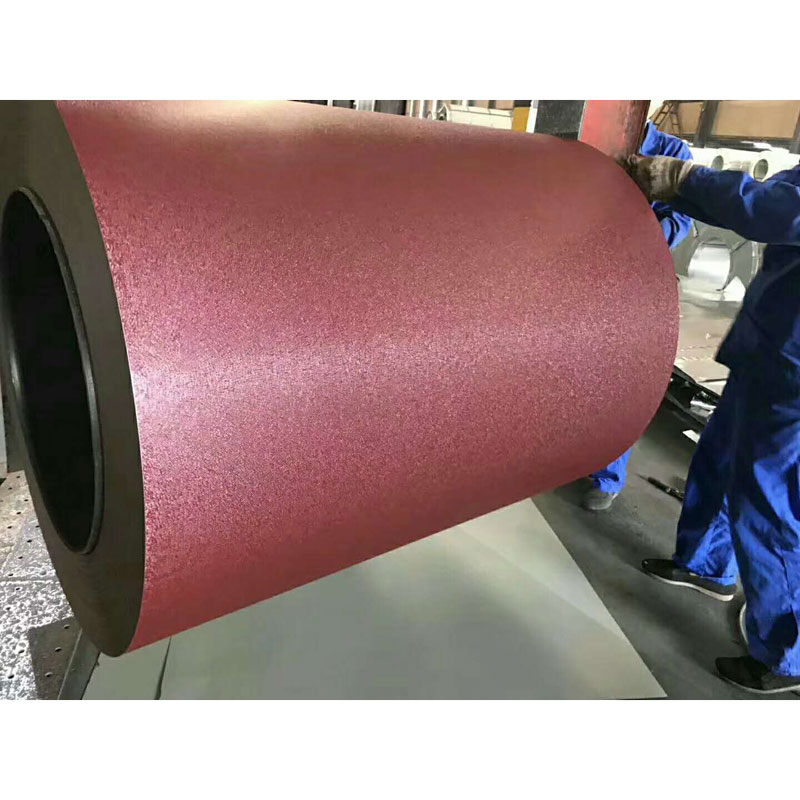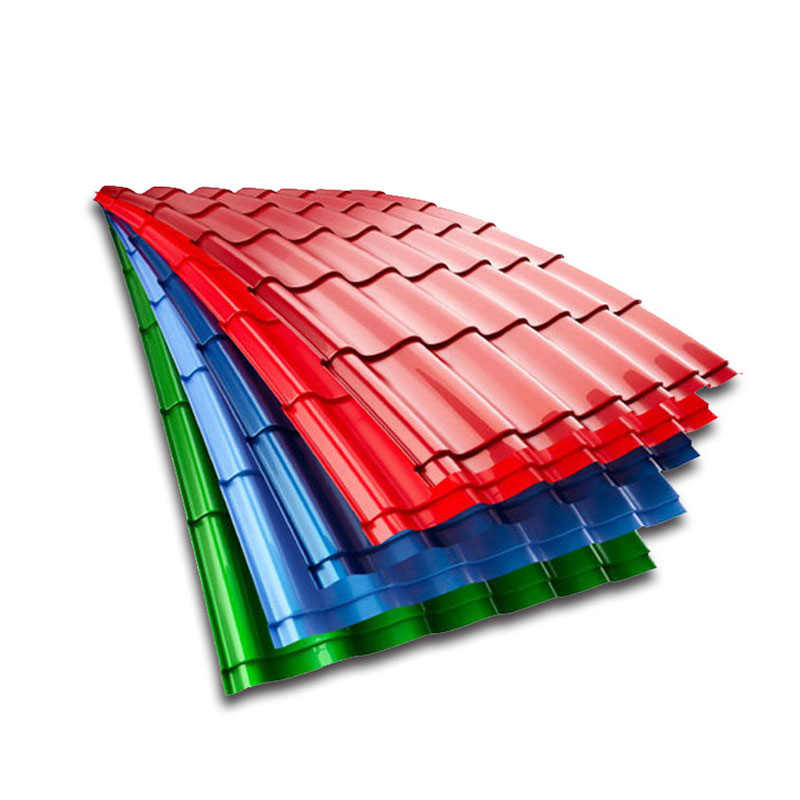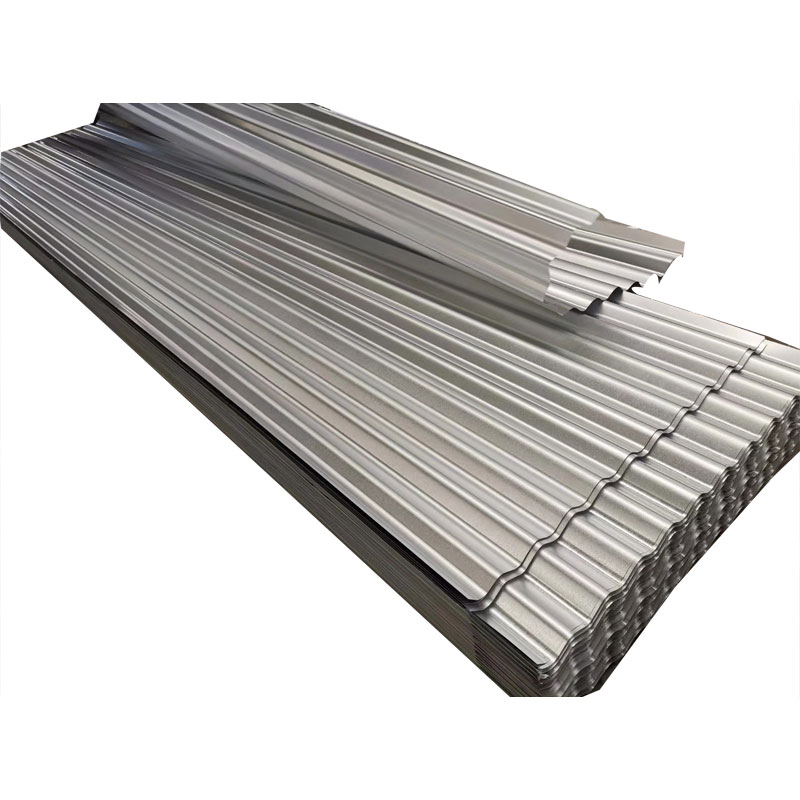

You can build a resilient long-term procurement strategy for roofing factories by prioritizing data-driven decisions and aligning procurement goals with your business objectives. Strategic sourcing, supplier evaluation, risk mitigation, and digital transformation serve as essential pillars. Industry studies show that early-payment discounts, inventory optimization, supplier performance management, and a total cost of ownership approach improve cost savings and operational efficiency.
| Strategy | Impact on Cost Savings and Efficiency |
|---|---|
| Early-Payment Discounts | Immediate cost savings during contract renewals; requires coordination for long-term optimization. |
| Inventory Optimization | Reduces hidden costs and boosts operational performance by improving planning accuracy. |
| Supplier Performance Management | Enhances cost control through improved supplier quality and reliability. |
| Total Cost of Ownership (TCO) | Promotes sustainable savings by considering all costs beyond the purchase price. |
You gain practical benefits by taking actionable steps, whether you manage procurement or oversee factory operations.
Key Takeaways
- Define clear procurement goals to guide your strategy. Focus on measurable outcomes like cost savings and supplier performance.
- Use spend analytics to track progress and adjust your targets. This helps ensure your procurement activities align with business objectives.
- Build a cross-functional procurement team. Include members from various departments to gain diverse perspectives and improve decision-making.
- Regularly assess supplier performance using a scorecard. Evaluate quality, reliability, and cost to select the best partners for your factory.
- Implement centralized data systems for better visibility and compliance. This approach streamlines procurement processes and enhances decision-making.
- Adopt sustainable procurement practices. Choose eco-friendly suppliers and materials to reduce environmental impact and attract conscious customers.
- Conduct regular audits of your procurement processes. This helps identify gaps and areas for improvement, ensuring ongoing efficiency.
- Embrace digital tools to automate tasks and improve communication. Digital platforms enhance transparency and allow for real-time monitoring of supplier performance.
Strategic Objectives & Planning
Setting Procurement Goals
You set the foundation for procurement success by defining clear, measurable goals. Start by identifying what you want to achieve—cost savings, improved supplier performance, or enhanced delivery reliability. Use spend analytics to track your progress and adjust your targets as needed. When you set specific objectives, you create a roadmap for your team and ensure everyone works toward the same outcomes.
Tip: Break down large goals into smaller, actionable steps. This approach helps you monitor progress and celebrate quick wins.
You can measure your procurement strategy’s success using several key metrics. These include cost savings, supplier performance, delivery reliability, and ESG compliance. Tracking these metrics gives you a clear picture of how well your procurement activities support your business.
| Metric | Description |
|---|---|
| Cost Savings | Reduction in costs associated with procurement activities. |
| Supplier Performance | Evaluation of suppliers based on quality, reliability, and service. |
| Delivery Reliability | Consistency in meeting delivery schedules and timelines. |
| ESG Compliance | Adherence to Environmental, Social, and Governance standards. |
Creating a Procurement Planning Team
You need a dedicated team to drive your procurement strategy forward. Select members from different departments, such as operations, finance, and quality control. This cross-functional approach ensures you cover all aspects of procurement and gain diverse perspectives. Assign clear roles and responsibilities to each team member. For example, one person can focus on supplier evaluation, while another manages contract negotiations.
Hold regular meetings to review progress and address challenges. Encourage open communication so your team can quickly adapt to changes in the market or supply chain. When you build a strong planning team, you create a solid foundation for your Long-Term Procurement Strategy for Roofing Factories.
Aligning with Business Strategy
You align procurement with your business strategy by connecting your goals to the company’s overall objectives. Use frameworks that focus on strategic alignment, core operational areas, automation, and continuous improvement. These pillars help you create a procurement function that supports growth and resilience.
| Pillar | Description |
|---|---|
| Strategic Alignment and Goal Setting | Align procurement strategies with enterprise-wide objectives, focusing on measurable goals and leveraging spend analytics to track progress. |
| Core Operational Focus Areas | Prioritize foundational capabilities like spend analysis, vendor management, and risk management, integrated within a unified platform. |
| Automating Workflows and Aligning Stakeholders | Implement procurement automation paired with stakeholder alignment to enhance efficiency and drive results, focusing on performance tracking tied to business KPIs. |
| Measuring and Improving Procurement Strategy Performance | Utilize data-driven approaches for continuous improvement across key metrics, with regular performance reviews to adapt and refine processes. |
You should review your procurement goals regularly to ensure they stay relevant as your business evolves. When you align procurement with your business strategy, you create a more agile and effective organization.
Market & Self-Analysis

Supply Market Evaluation
You need to understand the supply market for roofing materials before you make strategic decisions. Start by profiling the category. Define your sourcing needs and analyze your current spend. Research the supplier landscape and benchmark pricing. This approach helps you identify trends, risks, and opportunities.
You can use several market analysis frameworks to evaluate suppliers and market dynamics. The following table highlights the most effective tools:
| Framework | Description |
|---|---|
| Kraljic Matrix | Segments suppliers into categories based on supply risk and business impact to prioritize resources. |
| Porter’s Five Forces | Evaluates market dynamics by analyzing supplier power, buyer power, and competitive rivalry. |
| SWOT Analysis | Identifies strengths, weaknesses, opportunities, and threats in sourcing strategy. |
| Total Cost of Ownership | Considers all costs associated with a product, not just the purchase price. |
Tip: Use the Kraljic Matrix to prioritize suppliers that impact your factory’s resilience and profitability.
You gain a competitive advantage when you combine these frameworks. You can anticipate supply disruptions, negotiate better terms, and select suppliers that align with your long-term goals.
Internal Procurement Assessment
You must assess your internal procurement processes to identify strengths and weaknesses. Review your procurement policies, workflows, and team capabilities. Evaluate how well your team manages supplier relationships and contract negotiations. Look for gaps in communication or areas where automation can improve efficiency.
Create a checklist to guide your assessment:
- Review procurement policies for clarity and compliance.
- Evaluate supplier management practices.
- Analyze contract negotiation outcomes.
- Assess team skills and training needs.
- Identify opportunities for process automation.
You build a stronger procurement function when you address these areas. You reduce errors, improve collaboration, and support your factory’s strategic objectives.
Expenditure Analysis
You need to analyze your procurement spend to uncover hidden savings and optimize costs. Start by collecting data on all purchases, including materials, services, and logistics. Categorize expenditures by supplier, product type, and frequency. Use spend analytics to track trends and identify areas for improvement.
Follow these steps to conduct a thorough expenditure analysis:
- Gather procurement data from all departments.
- Categorize spend by supplier and material type.
- Benchmark costs against industry standards.
- Identify high-cost areas and negotiate better terms.
- Monitor spend trends for ongoing optimization.
Note: Regular expenditure analysis helps you control costs and supports data-driven decision making.
You gain valuable insights when you analyze your spend patterns. You can negotiate more favorable contracts, reduce waste, and ensure your procurement strategy delivers measurable results.
Supplier Segmentation & Risk
Supplier Categorization
You need to categorize your suppliers to manage risk and maximize value. Start by grouping suppliers based on their impact on your operations and the complexity of their products or services. This process helps you focus your resources where they matter most.
Critical Suppliers
Critical suppliers provide materials or services that are essential for your roofing factory. If these suppliers fail, your production could stop. You must identify these partners and give them special attention.
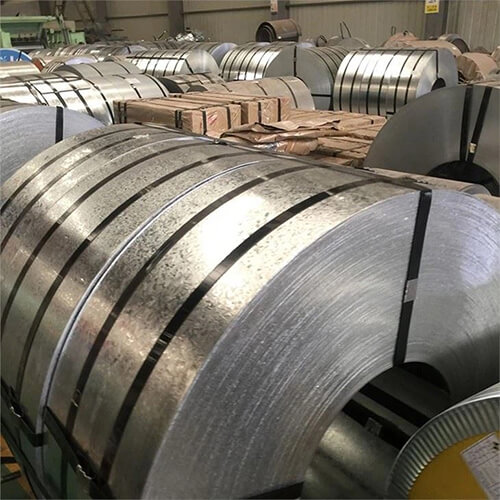
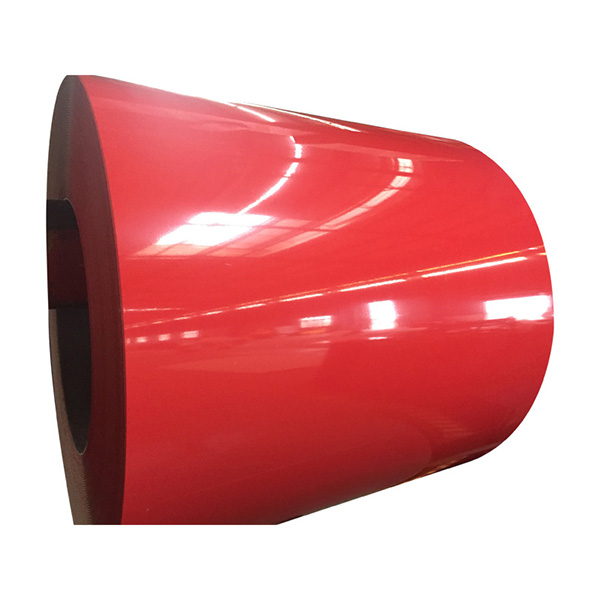
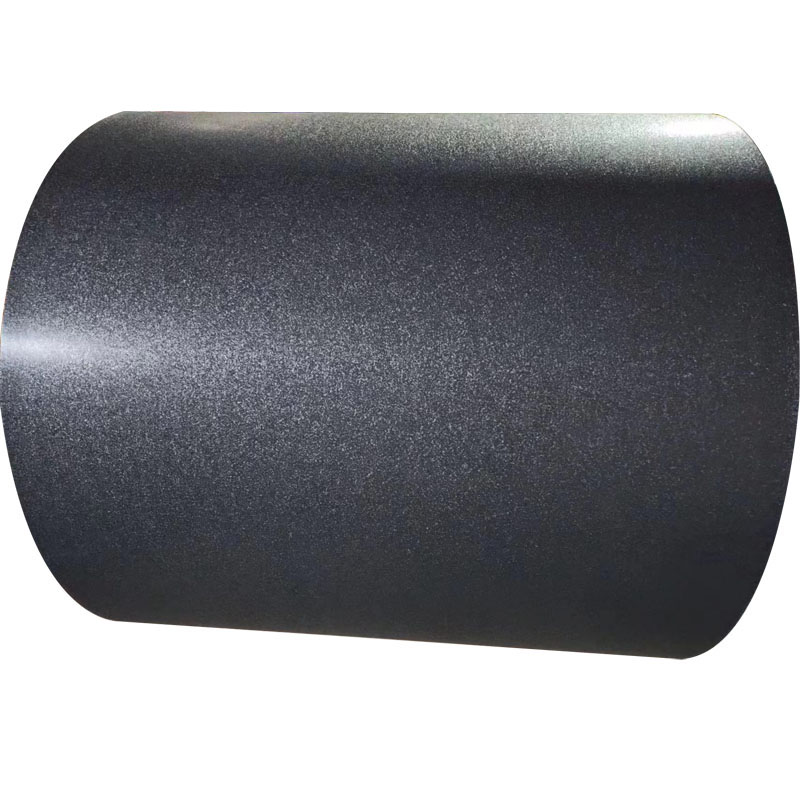
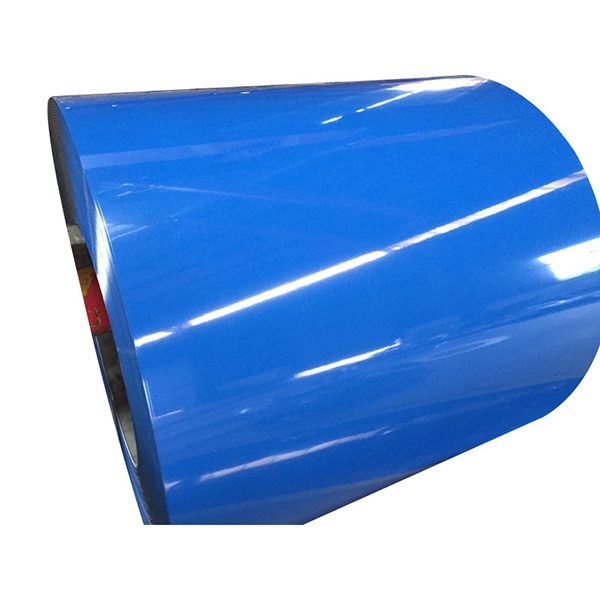
- Examples of critical suppliers: Providers of roofing membranes, steel coils, or specialized adhesives.
- Key actions: Monitor their performance, maintain open communication, and develop contingency plans.
Tip: Build strong relationships with critical suppliers. Schedule regular meetings and share forecasts to ensure supply continuity.
Non-Critical Suppliers
Non-critical suppliers support your operations but do not pose a significant risk if they fail. You can manage these suppliers with standard processes.
- Examples of non-critical suppliers: Office supply vendors, packaging providers, or general maintenance services.
- Key actions: Use automated ordering systems and review contracts annually.
A clear supplier segmentation strategy lets you allocate your time and resources efficiently.
Supplier Risk Assessment
You must assess risks for each supplier category. This step protects your factory from unexpected disruptions and financial losses.
Financial Stability
Check the financial health of your suppliers. A supplier with weak finances may not deliver on time or could go out of business.
| Risk Indicator | What to Check |
|---|---|
| Credit Ratings | Review credit reports |
| Payment History | Look for late payments |
| Financial Reports | Analyze profit and loss trends |
Note: Request updated financial statements from key suppliers every year.
Disruption Risks
You should evaluate risks that could interrupt your supply chain. These risks include natural disasters, labor strikes, or geopolitical events.
- Map supplier locations to spot regional risks.
- Ask suppliers about their own contingency plans.
- Diversify your supplier base to reduce dependency.
A proactive risk assessment helps you avoid costly surprises.
Relationship Management
You build strong supplier relationships by communicating clearly and setting mutual expectations. Use regular performance reviews and feedback sessions. Recognize top-performing suppliers with awards or preferred status.
- Set clear KPIs for quality, delivery, and service.
- Share your production forecasts to help suppliers plan.
- Resolve disputes quickly to maintain trust.
Strong relationships with suppliers lead to better pricing, improved quality, and reliable deliveries. Invest in these partnerships for long-term success.
Strategic Sourcing & Contract Management

Long-Term Procurement Strategy for Roofing Factories
You build a strong foundation for your factory when you focus on strategic sourcing. This approach helps you secure the best materials and services for your roofing production. You must look beyond short-term deals and develop a Long-Term Procurement Strategy for Roofing Factories. This strategy allows you to anticipate market changes, manage supply risks, and support your business growth.
You start by mapping your sourcing needs. Identify the materials and services that drive your factory’s performance. You analyze market trends and supplier capabilities. You set clear sourcing objectives that match your production goals. You use data to guide your decisions and track your progress.
Tip: You gain more control over costs and quality when you build long-term relationships with key suppliers.
You should review your sourcing plan every year. You adjust your strategy as the market evolves. You keep your factory resilient and competitive by staying proactive.
Key steps for strategic sourcing:
- Define your sourcing requirements.
- Analyze supplier markets and trends.
- Set long-term sourcing goals.
- Build strong supplier partnerships.
- Monitor and adjust your strategy regularly.
You create value for your factory when you follow these steps. You ensure steady supply, reduce risks, and improve your bottom line.
Supplier Evaluation
You must evaluate suppliers carefully to support your Long-Term Procurement Strategy for Roofing Factories. You look at more than price. You assess quality, reliability, and service. You use a structured process to compare suppliers and select the best partners.
You start with a supplier scorecard. You list the criteria that matter most to your factory. You assign weights to each factor. You score suppliers based on their performance.
| Evaluation Criteria | Description | Weight (%) |
|---|---|---|
| Quality | Consistency and durability | 30 |
| Reliability | On-time delivery | 25 |
| Cost | Competitive pricing | 20 |
| Service | Responsiveness and support | 15 |
| Innovation | New solutions and products | 10 |
You review supplier performance every quarter. You share feedback and set improvement targets. You reward top suppliers with preferred status or longer contracts.
Note: You reduce supply risks when you diversify your supplier base. You avoid disruptions and keep your factory running smoothly.
You use supplier evaluation to drive continuous improvement. You build a network of reliable partners who support your Long-Term Procurement Strategy for Roofing Factories.
Contract Management
You protect your factory’s interests when you manage contracts effectively. You set clear terms and conditions. You define service levels, delivery schedules, and payment terms. You use contracts to hold suppliers accountable.
You track contract milestones and deadlines. You review performance against contract requirements. You resolve issues quickly to maintain strong relationships.
Best practices for contract management:
- Use digital tools to store and track contracts.
- Set reminders for renewals and reviews.
- Monitor compliance with contract terms.
- Document changes and amendments.
- Conduct regular contract audits.
You gain transparency and control when you follow these practices. You minimize risks and ensure your suppliers meet their obligations.
Callout: You strengthen your Long-Term Procurement Strategy for Roofing Factories when you manage contracts proactively. You build trust and drive better results for your factory.
You make contract management a core part of your procurement process. You support your factory’s growth and resilience with strong agreements and clear expectations.
Data, Compliance & Analytics
Centralized Data Systems
You gain a strategic advantage when you implement centralized data systems in your roofing factory’s procurement process. Centralized systems allow you to consolidate purchasing for common materials, which leads to volume discounts and cost savings. You standardize specifications and receiving protocols, making your operations more efficient. These systems help you build institutional knowledge about supplier performance and market conditions.
- You improve visibility across all procurement activities.
- You enhance compliance by tracking every transaction.
- You unify spend data, which supports better decision-making.
Jabil, a global manufacturer, centralized its purchasing and saw improved visibility and compliance across its operations. This approach gave the company a unified view of spend data and maintained flexibility for local sites while ensuring global alignment. You can achieve similar results by adopting centralized data systems.
Tip: Choose a procurement platform that integrates with your existing systems and supports real-time data sharing.
Compliance Management
You protect your factory from risks when you manage compliance effectively. Compliance management ensures that your procurement activities follow legal, regulatory, and internal standards. You set clear policies and monitor supplier adherence to these requirements. You use digital tools to automate compliance checks and flag potential issues.
| Compliance Area | Action Steps |
|---|---|
| Regulatory | Track changes in laws and standards |
| Contractual | Review supplier contracts regularly |
| Internal Policies | Audit procurement workflows |
You conduct regular audits to verify compliance. You train your team on best practices and update protocols as regulations evolve. You reduce the risk of fines, supply disruptions, and reputational damage by staying proactive.
Note: Document every compliance check and keep records for easy access during audits.
Data-Driven Decision Making
You make smarter procurement choices when you rely on data-driven decision making. Data analytics reveal patterns in spend, supplier performance, and market trends. You use dashboards to monitor key metrics and identify areas for improvement. You set targets based on real-time data and adjust your strategy as conditions change.
- Track spend by category and supplier.
- Analyze delivery reliability and quality scores.
- Benchmark costs against industry standards.
You share insights with your team to drive continuous improvement. You use data to negotiate better terms, optimize inventory, and forecast demand. Data-driven decisions help you build a resilient procurement strategy that supports your factory’s growth.
Callout: Data and analytics empower you to anticipate risks, seize opportunities, and align procurement with your business goals.
Digital Transformation & Sustainability

Embracing Digital Tools
You drive efficiency and transparency when you adopt digital tools in your procurement process. Digital platforms automate repetitive tasks and reduce manual errors. You gain real-time visibility into supplier performance and inventory levels. Cloud-based procurement software lets you track orders, manage contracts, and analyze spend data from any location.
- Use e-procurement platforms to streamline purchasing.
- Implement supplier portals for faster communication.
- Leverage analytics dashboards to monitor key metrics.
Tip: Choose digital tools that integrate with your existing systems. This approach ensures smooth data flow and avoids duplication.
You empower your team with mobile apps and automated workflows. These tools speed up approvals and help you respond quickly to supply chain disruptions. You build a more agile procurement function that adapts to market changes.
Sustainable Procurement Practices
You strengthen your factory’s reputation when you prioritize sustainability in procurement. Sustainable practices reduce environmental impact and support long-term business growth. You select suppliers who follow ethical standards and use eco-friendly materials. You track your factory’s carbon footprint and set targets for waste reduction.
| Practice | Benefit |
|---|---|
| Eco-friendly sourcing | Lowers environmental risks |
| Supplier audits | Ensures ethical compliance |
| Recycled materials | Reduces waste and costs |
| Energy-efficient logistics | Cuts emissions and saves money |
You ask suppliers for certifications like ISO 14001 or FSC. These credentials show commitment to sustainability. You include environmental clauses in contracts and monitor compliance regularly.
Callout: Sustainable procurement attracts customers who value green products. You gain a competitive edge and build trust in the market.
Futureproofing Procurement
You prepare your factory for future challenges by futureproofing procurement. You invest in technology that scales with your business. You train your team to use new tools and adapt to evolving industry standards. You diversify your supplier base to reduce risks from market volatility.
- Monitor emerging trends in roofing materials.
- Evaluate new suppliers for innovation and reliability.
- Update procurement policies to reflect industry changes.
You review your procurement strategy every year. You adjust goals and processes to stay ahead of competitors. You build resilience by planning for disruptions and maintaining strong supplier relationships.
Note: Futureproofing ensures your procurement strategy remains effective as your factory grows. You stay ready for new opportunities and challenges.
You lead your factory toward sustainable growth and operational excellence when you embrace digital transformation and futureproof your procurement practices. 🚀
Performance & Continuous Improvement
Procurement KPIs
You need to track the right Key Performance Indicators (KPIs) to measure your procurement strategy’s success. KPIs give you clear data on how well your team performs. They help you spot trends and make better decisions.
Here are some important procurement KPIs for roofing factories:
| KPI | What It Measures | Why It Matters |
|---|---|---|
| Cost Savings | Reduction in procurement expenses | Shows efficiency improvements |
| Supplier Lead Time | Time from order to delivery | Impacts production schedules |
| Contract Compliance Rate | Percentage of orders following contracts | Reduces risk and errors |
| Quality Defect Rate | Number of defective items received | Affects product reliability |
| On-Time Delivery Rate | Orders delivered as scheduled | Supports factory output |
Tip: Review your KPIs every quarter. Adjust your targets as your business changes.
You should share KPI results with your team. This practice builds accountability and motivates everyone to improve.
Regular Audits
You keep your procurement process strong by conducting regular audits. Audits help you find gaps, errors, or risks in your system. You can use both internal and external audits to get a full picture.
Follow these steps for effective procurement audits:
- Set a clear audit schedule.
- Review all procurement documents and contracts.
- Check compliance with company policies and industry standards.
- Interview team members about their workflows.
- Document findings and create action plans.
Note: Use digital tools to track audit results and follow up on corrective actions.
You should treat audits as opportunities to learn, not just as checks for mistakes. Regular audits help you build trust with stakeholders and keep your procurement process reliable.
Feedback & Optimization
You drive continuous improvement by collecting feedback and optimizing your processes. Ask for input from your procurement team, suppliers, and internal customers. Use surveys, meetings, or suggestion boxes to gather ideas.
- Analyze feedback for common themes.
- Prioritize changes that will have the biggest impact.
- Test new solutions on a small scale before rolling them out.
- Track the results and adjust as needed.
Callout: Small improvements add up over time. You create a culture of excellence when you encourage feedback and act on it.
You should celebrate wins and share success stories. This approach keeps your team engaged and focused on long-term goals. Continuous improvement ensures your procurement strategy stays effective as your factory grows.
You build a resilient procurement strategy by focusing on strategic sourcing, digital transformation, and supplier relationship management.
- Segment suppliers to align sourcing with business priorities.
- Use analytics to monitor supply networks and identify risks.
- Measure supplier performance with scorecards for continuous improvement.
- Adopt sustainable practices and digital tools to futureproof your operations.
Evaluate your current processes and take action to enhance efficiency, quality, and resilience in your roofing factory’s procurement.
FAQ
What is the first step in building a procurement strategy for roofing factories?
You start by setting clear procurement goals. Define what you want to achieve, such as cost savings or improved supplier reliability. Use spend analytics to track progress and adjust targets.
How do you evaluate suppliers for long-term partnerships?
You use a supplier scorecard. Assess quality, reliability, cost, service, and innovation. Assign weights to each factor and review performance quarterly.
| Criteria | Weight (%) |
|---|---|
| Quality | 30 |
| Reliability | 25 |
| Cost | 20 |
| Service | 15 |
| Innovation | 10 |
Why is supplier segmentation important?
You categorize suppliers to manage risk and maximize value. Focus on critical suppliers for essential materials. Use standard processes for non-critical suppliers. This approach helps you allocate resources efficiently.
What digital tools help streamline procurement?
You use e-procurement platforms, supplier portals, and analytics dashboards. These tools automate tasks, reduce errors, and provide real-time visibility into procurement activities.
Tip: Choose tools that integrate with your current systems for smooth data flow.
How can you ensure compliance in procurement?
You set clear policies and monitor supplier adherence. Use digital tools to automate compliance checks. Conduct regular audits and document every compliance check for easy access.
What KPIs should you track for procurement performance?
You track cost savings, supplier lead time, contract compliance rate, quality defect rate, and on-time delivery rate. These KPIs show efficiency and help you spot areas for improvement.
How do you futureproof your procurement strategy?
You invest in scalable technology, train your team, and diversify your supplier base. Monitor industry trends and update procurement policies regularly. Review your strategy every year.
What are the benefits of sustainable procurement practices?
You reduce environmental impact, attract customers who value green products, and build trust in the market. Choose suppliers with eco-friendly certifications and set targets for waste reduction.