You might notice changes in the color of your steel roof over time. Sun, rain, and pollution can make your roof lose its shine. These problems often leave you wondering why paint does not last as long as you expect. Why Paint Fading Happens in Roofing Steel is a common question for many homeowners. When you know what causes fading, you can take smart steps to keep your roof looking fresh and strong.
Key Takeaways
- Sunlight and UV rays are the main culprits behind paint fading on steel roofs. Choose UV-resistant coatings to protect your roof’s color.
- Moisture from rain and humidity can cause paint to peel and rust. Regularly inspect your roof for signs of water damage.
- Air pollution and chemicals can break down paint. Clean your roof often to remove dirt and pollutants that contribute to fading.
- Chalking indicates that the paint is deteriorating. If you see a white powdery residue, it’s time to take action to protect your roof.
- Select high-quality paint designed for metal roofs. Quality materials ensure longer-lasting color and protection against fading.
- Proper surface preparation is crucial before painting. Clean and prime the roof to help the paint adhere better and last longer.
- Regular maintenance, including cleaning and inspections, helps catch fading early. Address small issues before they become costly repairs.
- Consider professional restoration for severe fading or damage. Experts can provide the right materials and techniques for a lasting finish.
Why Paint Fading Happens in Roofing Steel
UV Exposure and Sunlight
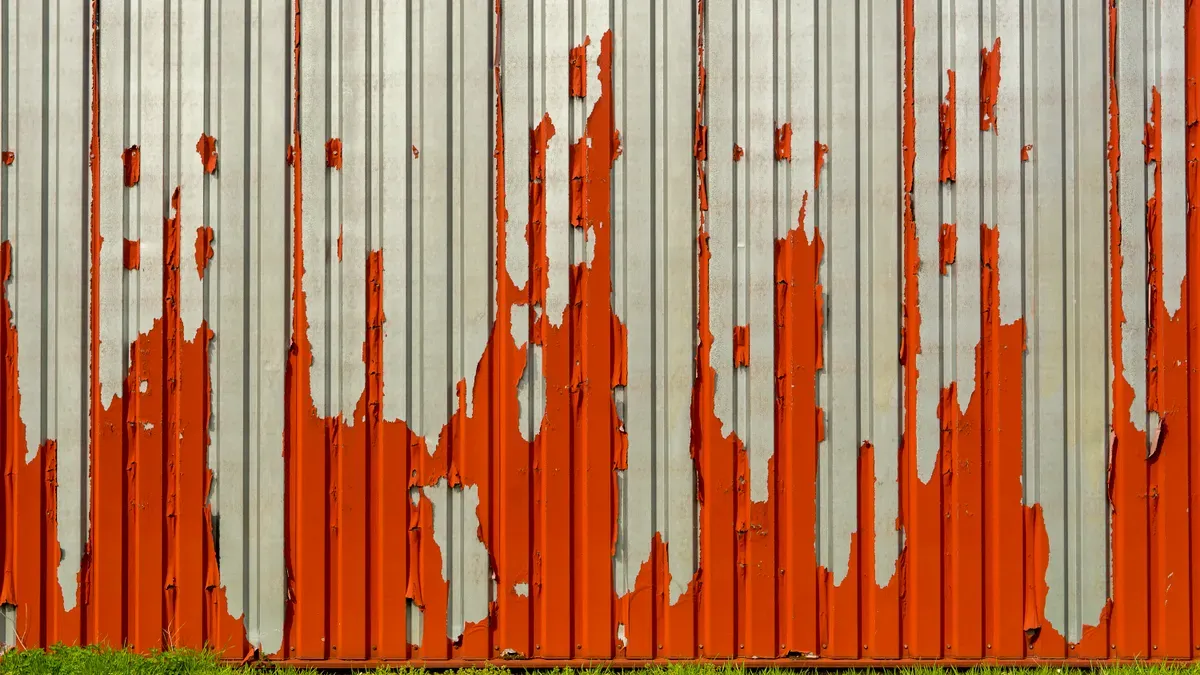
Sunlight is one of the main reasons you see color changes on your steel roof. When your roof sits under the sun every day, ultraviolet (UV) rays break down the paint’s pigments. This process causes the color to fade and lose its original brightness. You may notice that areas exposed to direct sunlight fade faster than shaded spots.
Many paints are altered, sometimes quickly and sometimes more slowly, due to dirt, pollutants and especially the proportion of UV rays present in sunlight. Dirt reduces the shine of a color, but UV light can alter the paint itself. Due to the effects of UV light, many organic pigments modify their chemical structure and consequently their color.
Heat from the sun also speeds up this fading. Darker colors absorb more heat, so they often fade faster than lighter shades. If you want to know Why Paint Fading Happens in Roofing Steel, you should always consider how much sunlight your roof receives.
Moisture and Weathering
Rain, snow, and humidity all play a part in paint fading. Water can seep into tiny cracks or seams in the paint. Over time, this moisture causes the paint to peel, blister, or lose its grip on the steel. When water sits on the roof, it can also lead to rust, which damages both the steel and the paint.
Weathering happens when your roof faces changing temperatures, wind, and storms. These conditions wear down the paint layer. You may see fading, chalking, or even bare spots where the paint has worn away. If you want to understand Why Paint Fading Happens in Roofing Steel, you need to look at how moisture and weathering affect your roof over the years.
Pollution and Chemicals
Airborne contaminants can land on your roof and react with the paint. Pollution from cars, factories, or even nearby construction sites can settle on the surface. Chemicals in the air, like acid rain, can break down the paint’s protective layer. This makes the color fade and the finish look dull.
Here are some of the most common causes of paint fading on roofing steel:
- Exposure to sunlight
- Heat
- Moisture
- Airborne contaminants
- Coating chemistry
- Color
- Maintenance practices
If you live in an area with high pollution or frequent chemical exposure, your roof may fade faster. Regular cleaning and maintenance help reduce the impact of these factors.
Chalking on Metal Roofs
Chalking is a common issue you may see on painted steel roofs. When you touch the surface, you might notice a white, powdery residue on your fingers. This powder comes from the breakdown of the paint’s binder, which holds the color pigments together. Sunlight, rain, and wind speed up this process. Over time, the paint loses its ability to stick to the steel, and the color fades.
You can spot chalking by looking for dull patches or streaks on your roof. These areas often appear lighter than the rest of the surface. Chalking does not just affect how your roof looks. It also signals that the paint is losing its protective qualities. If you ignore chalking, your roof may become more vulnerable to rust and further fading.
Tip: If you rub your hand across the roof and see white dust, you are dealing with chalking. This is a sign that the paint needs attention.
Chalking happens because the paint’s binder breaks down under harsh conditions. UV rays, moisture, and pollution all play a role. You may ask yourself, Why Paint Fading Happens in Roofing Steel? Chalking is one of the main reasons. It shows that the paint is deteriorating and needs maintenance.
Here are some ways you can reduce chalking:
- Choose high-quality paint designed for metal roofs.
- Clean your roof regularly to remove dirt and pollutants.
- Inspect your roof for early signs of chalking.
- Apply UV-resistant coatings to slow down the breakdown process.
Chalking is easy to spot and simple to test. If you catch it early, you can take steps to protect your roof and keep its color looking fresh.
Effects of Paint Fading
Appearance and Curb Appeal
Paint fading on your steel roof changes how your home looks. When the color loses its brightness, your house can appear older or less cared for. A faded, chalky metal roof stands out in a negative way. You may notice that your home does not attract as much attention from visitors or potential buyers. A freshly painted roof, on the other hand, creates a strong first impression and builds buyer confidence.
- A faded, chalky metal roof negatively impacts a home’s appearance.
- A freshly painted roof improves first impressions and buyer confidence.
- Curb appeal contributes about 7% to a home’s perceived value, indicating a correlation between roof condition and property marketability.
If you want your home to look its best, you need to keep your roof color vibrant. The roof covers a large part of your house, so any fading becomes obvious. Good curb appeal can even help you sell your home faster and for a better price.
Roof Protection and Longevity
Paint on your steel roof does more than add color. It acts as a shield against sun, rain, and pollution. When the paint fades, it often means the protective layer has started to break down. This makes your roof more vulnerable to rust, corrosion, and leaks. You may see small cracks or peeling, which let water reach the steel underneath.
A strong paint layer helps your roof last longer. If you ignore fading, you risk bigger problems in the future. You might need repairs or even a full roof replacement sooner than expected. Keeping the paint in good shape protects your investment and saves you money over time.
Tip: Regularly check your roof for signs of fading. Early action can prevent costly damage.
Signs of Fading
You can spot paint fading if you know what to look for. The most common signs include:
- Dull or washed-out color
- White, powdery residue (chalking) when you touch the surface
- Uneven patches or streaks
- Peeling or flaking paint
- Rust spots appearing on the steel
These signs show that your roof needs attention. If you notice any of them, you should act quickly. Understanding Why Paint Fading Happens in Roofing Steel helps you recognize these problems early. Quick action keeps your roof looking good and working well.
Preventing Paint Fading
Choosing Quality Paint and Steel
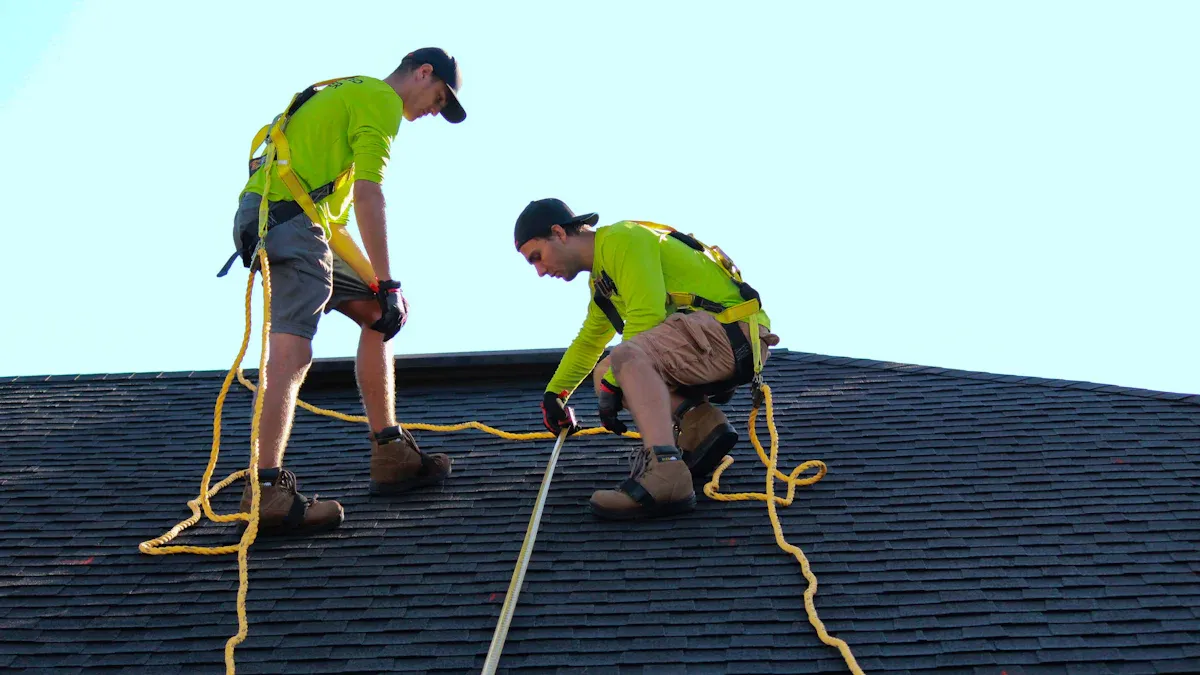
You can make a big difference in how long your roof color lasts by picking the right paint and steel. Not all paints work the same way on metal roofs. Some coatings resist fading much better than others. When you choose paint, look for products made for steel roofing. These paints hold their color longer and protect your roof from harsh weather.
Here is a table that shows two of the most effective paint types for steel roofs:
| Coating Type | Description |
|---|---|
| PVDF (Kynar®/Hylar®) | Known for long-term color retention and resistance to fading or chalking, ideal for architectural applications. |
| SMP (Silicone-Modified Polyester) | A cost-effective option that still provides reliable performance and consistent color quality. |
You should also check for certifications and standards that show the paint can handle sunlight and weather. Look for these features when shopping:
- Urethane finishes offer strong UV resistance, which helps keep color and finish looking fresh.
- Paints with proven fade resistance often meet industry standards for exterior steel.
If you want to avoid the problems described in Why Paint Fading Happens in Roofing Steel, start with quality materials. High-performance coatings and steel help your roof stay vibrant and strong for years.
Proper Surface Preparation
You need to prepare the steel surface before painting. This step helps the paint stick better and last longer. If you skip surface preparation, the paint may peel or fade quickly. Cleaning the roof removes dirt, grease, and old paint. You should use a wire brush or pressure washer to clear away debris. After cleaning, apply a primer made for metal. Primers create a smooth base and help the paint bond to the steel.
Proper surface preparation makes the paint color more durable and vibrant. When you clean and prime the roof, you prevent early paint failure. This process protects your roof from moisture and rust. You can extend the life of your roof color by spending time on preparation.
Tip: Always follow the manufacturer’s instructions for cleaning and priming. This ensures the best results and keeps your roof looking new.
Correct Application Methods
You must apply paint correctly to get the best results. Use the right tools, such as brushes, rollers, or sprayers, depending on the roof’s shape and size. Paint in dry weather to avoid moisture problems. Make sure the steel is completely dry before you start. Apply paint in thin, even layers. Thick coats may crack or peel.
You should let each layer dry before adding another. This helps the paint cure and stick to the steel. If you rush the job, you risk uneven color and early fading. Follow the paint manufacturer’s guidelines for temperature and drying times. These steps help you achieve a smooth, long-lasting finish.
Note: Careful application prevents streaks, bubbles, and weak spots. You protect your roof and keep its color bright.
By choosing quality materials, preparing the surface, and applying paint correctly, you can prevent fading and keep your steel roof looking its best.
UV-Resistant Coatings
You can protect your steel roof from fading by using UV-resistant coatings. These coatings act like sunscreen for your roof. They block harmful ultraviolet rays from the sun. When you apply a UV-resistant coating, you help the paint keep its color and strength for many years.
UV rays break down paint pigments and binders. This process causes fading, chalking, and even peeling. You can slow down this damage with the right coating. Many modern roof paints include UV-blocking chemicals. Some coatings use special resins or additives that reflect sunlight.
Benefits of UV-Resistant Coatings:
- Keep your roof color bright and fresh
- Reduce chalking and surface damage
- Extend the life of your roof paint
- Lower maintenance costs over time
Tip: Always check the product label for UV resistance. Look for terms like “UV-stable,” “UV-blocking,” or “solar reflective.”
You can find different types of UV-resistant coatings. Here is a simple table to help you compare:
| Coating Type | Key Feature | Typical Use |
|---|---|---|
| Acrylic | Flexible, easy to apply | Residential roofs |
| Polyurethane | Strong, durable, high UV resistance | Commercial and industrial |
| PVDF (Kynar®/Hylar®) | Superior color retention | High-end architectural |
You should choose a coating that matches your climate and roof type. If you live in a sunny area, pick a product with strong UV protection. If your roof faces harsh weather, select a coating known for durability.
How to Apply UV-Resistant Coatings:
- Clean the roof surface. Remove dirt, dust, and old paint.
- Repair any cracks or damaged spots.
- Apply a primer if needed. Some coatings require a special base layer.
- Use a brush, roller, or sprayer for even coverage.
- Let each coat dry fully before adding another layer.
Note: Always follow the manufacturer’s instructions for the best results.
You can ask a roofing professional for advice if you feel unsure about which product to use. A good UV-resistant coating helps your steel roof stay beautiful and strong. You save money and time by preventing early fading and damage.
Maintenance for Lasting Color
Regular Cleaning
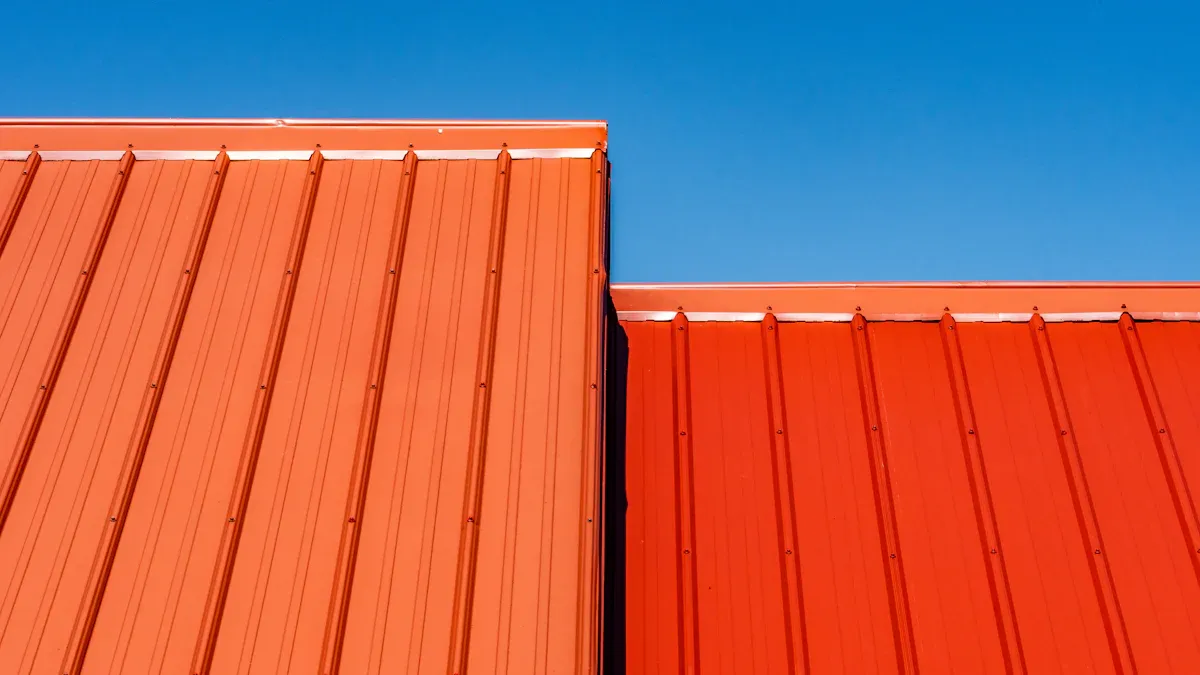
You can keep your steel roof looking bright by cleaning it regularly. Dirt, dust, and leaves can build up on the surface. These materials trap moisture and pollutants, which speed up paint fading. You should use a soft brush or a low-pressure hose to wash away debris. Avoid harsh chemicals or abrasive tools. These can scratch the paint and make fading worse.
Tip: Clean your roof at least twice a year. If you live near trees or in a city with heavy pollution, you may need to clean it more often.
A clean roof reflects sunlight better. This helps the paint last longer and keeps your home cooler. You also get a chance to spot any early signs of damage while you clean.
Inspections and Early Detection
You should inspect your steel roof often. Look for dull spots, chalky residue, or peeling paint. These signs show that the paint is starting to fade. Early detection lets you fix small problems before they become big repairs.
Walk around your home and check the roof from different angles. Use binoculars if you cannot get close. Pay special attention to seams, edges, and areas under trees. These spots often show wear first.
- Check for rust spots or scratches.
- Look for areas where water pools after rain.
- Notice any changes in color or shine.
Note: Early action saves you money. Small repairs cost less than a full repaint or roof replacement.
Touch-Ups and Repainting
You can restore your roof’s color and protection with touch-ups and repainting. Regular maintenance stops small issues from turning into costly repairs. If you see rust, treat it right away with a rust inhibitor. This stops the rust from spreading and keeps the steel strong.
When you repaint, choose coatings made for metal roofs. These products protect against sun, rain, and pollution. Apply the new paint in thin, even layers. Let each layer dry before adding the next. This method gives you a smooth finish and strong protection.
- Treat rust spots as soon as you find them.
- Use coatings designed for steel roofs.
- Recoat your roof every few years to prevent fading and rust.
Callout: Periodic recoating adds years to your roof’s life. It also keeps your home looking fresh and well cared for.
You do not need to wait for major fading to act. Small touch-ups and regular recoating protect your investment and keep your roof looking its best.
Common Mistakes to Avoid
Low-Quality Paints
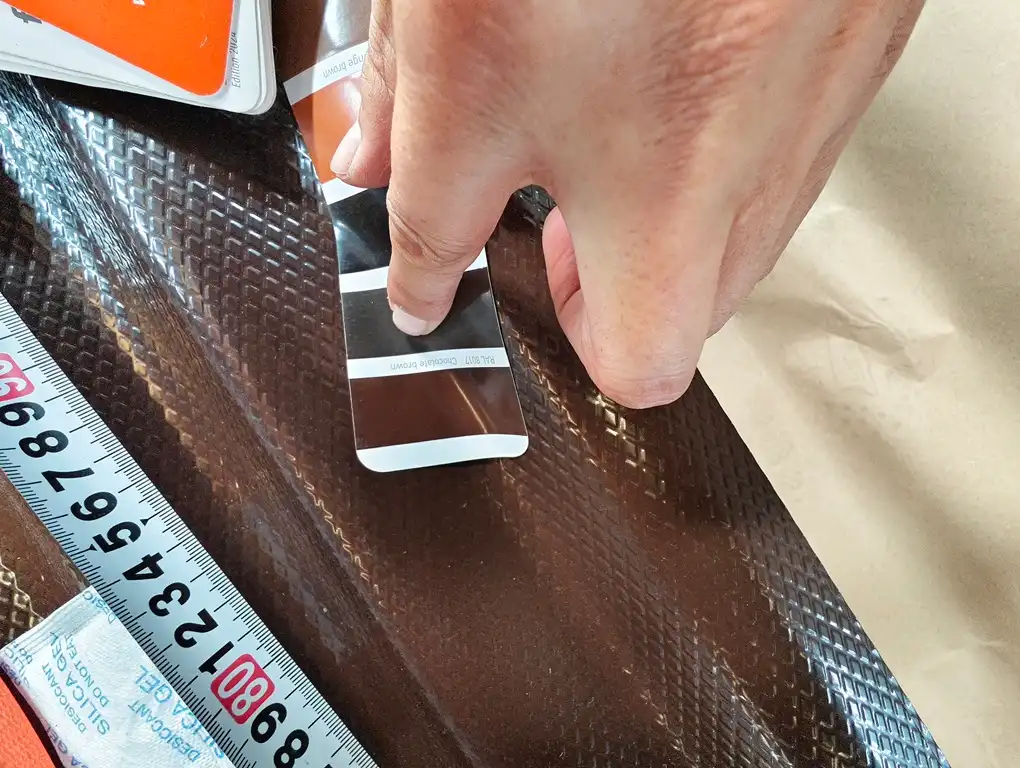
You might feel tempted to save money by choosing cheaper paints for your steel roof. This decision often leads to disappointment. Low-quality paints fade quickly and lose their protective power. You see dull colors and patchy spots much sooner than you expect. These paints usually lack strong binders and pigments. They cannot withstand sunlight, rain, or pollution for long.
Tip: Always check the paint label for features like UV resistance and metal roof compatibility. High-quality paints last longer and protect your roof better.
A good paint keeps your roof looking sharp and shields it from rust. You invest in your home’s value when you select premium coatings. Avoid paints that do not meet industry standards or lack certifications for exterior steel.
Skipping Prep Work
You may want to start painting right away, but skipping surface preparation causes big problems. Paint needs a clean, dry surface to stick well. If you skip prep work, the paint peels, cracks, or fades much faster. Dirt, grease, and old paint block the new coating from bonding with the steel.
Here are some consequences of skipping surface preparation:
- Poor adhesion of the coating
- Premature failure of the paint job
- Increased susceptibility to corrosion
You should always clean the roof thoroughly. Use a wire brush or pressure washer to remove debris. Apply a primer designed for metal roofs. This step creates a strong base for the paint and helps prevent rust. When you prepare the surface, you give your roof the best chance for lasting color and protection.
Alert: Skipping prep work makes your roof vulnerable to damage and shortens the life of your paint.
Ignoring Manufacturer Guidelines
You might think you know how to paint a steel roof, but ignoring manufacturer guidelines leads to fading and other issues. Paint makers test their products and provide instructions for the best results. These guidelines often include applying multiple coats, using specific tools, and following drying times.
Following manufacturer guidelines is essential for optimal performance. You achieve the best outcome when you use precise application techniques. Always use a good primer on clean, dry galvanized metal. This practice creates a long-lasting bond and prevents peeling or flaking.
- Apply the recommended number of coats.
- Use the right tools for even coverage.
- Allow each layer to dry fully before adding another.
Note: Manufacturer instructions help you avoid costly mistakes and keep your roof looking its best.
You protect your investment when you follow the guidelines. Your roof stays vibrant, strong, and resistant to fading. Take time to read and follow the instructions for every product you use.
Restoring Faded Steel Roofs
Repainting Options
You can bring your steel roof back to life with repainting. This process gives your roof a fresh look and restores its protective layer. You need to start by cleaning the surface. Remove dirt, chalking, and any loose paint. Use a wire brush or a pressure washer for best results. After cleaning, check for rust spots. Treat these areas with a rust converter or primer.
Choose a paint made for metal roofs. Look for products with UV resistance and strong binders. Apply a primer first if your roof has bare metal or rust. Use a brush, roller, or sprayer to cover the roof evenly. Thin coats work better than thick ones. Let each layer dry before adding the next.
Tip: Always follow the paint manufacturer’s instructions for drying times and number of coats.
You can repaint the whole roof or just touch up faded spots. Touch-ups work well for small areas. Full repainting gives your roof a uniform color and better protection.
Professional Restoration
You may want to hire a professional for roof restoration. Experts know how to handle steel roofs and use the right materials. They inspect your roof for damage, rust, and fading. Professionals clean the surface, repair any issues, and apply high-quality coatings.
Here are some benefits of professional restoration:
- You get expert advice on paint and coatings.
- Professionals use advanced tools for even coverage.
- Restoration teams spot hidden problems early.
- You save time and avoid mistakes.
Note: Professional restoration often includes warranties for labor and materials.
If your roof has severe fading, rust, or peeling, a professional can restore it safely. You protect your investment and ensure long-lasting results.
Cost Considerations
You need to plan for the costs of restoring a faded steel roof. Prices depend on the size of your roof, the extent of fading, and the method you choose. Repainting yourself costs less but takes more time and effort. Professional restoration costs more but offers better results and warranties.
Here is a simple table to help you compare costs:
| Restoration Method | Typical Cost Range | What’s Included |
|---|---|---|
| DIY Repainting | $500 – $2,000 | Paint, tools, cleaning supplies |
| Professional Restoration | $2,000 – $6,000 | Labor, materials, warranties |
You may pay extra for repairs, rust treatment, or special coatings. Always ask for detailed quotes before starting. Compare prices and services to find the best option for your budget.
Callout: Investing in restoration keeps your roof strong and your home looking great. You avoid bigger expenses from neglect or damage.
You see paint fading on steel roofs because of sunlight, moisture, pollution, and chalking. You prevent fading by choosing quality materials, preparing surfaces, and applying UV-resistant coatings. Roofing professionals recommend these actions:
- Prevent water damage by securing all components.
- Enhance structural integrity with proper installation.
- Improve energy efficiency through correct insulation.
- Extend roof lifespan with quality installation.
- Avoid safety hazards by using professional help.
Schedule a roof inspection soon. Protect your home’s value and keep your roof looking great.
FAQ
How often should you repaint your steel roof?
You should repaint your steel roof every 8 to 12 years. Inspect your roof yearly. If you see fading, chalking, or peeling, plan to repaint sooner.
What is the best paint for steel roofs?
Choose paints labeled for metal roofs. PVDF (Kynar®/Hylar®) and SMP coatings resist fading and chalking. Always check for UV resistance and weather durability.
Can you paint over old paint on a steel roof?
You can paint over old paint if the surface is clean and stable. Remove loose or peeling paint first. Use a primer for best results.
How do you clean a painted steel roof?
Use a soft brush or low-pressure hose. Mild soap and water work well. Avoid harsh chemicals or abrasive tools. Clean your roof twice a year for best results.
Does roof color affect fading speed?
Yes. Dark colors absorb more heat and fade faster. Light colors reflect sunlight and keep their color longer.
What causes chalky residue on your steel roof?
Chalking happens when paint binders break down from sun and weather. You see a white, powdery film. This signals the paint is losing protection.
Should you hire a professional to repaint your steel roof?
You can repaint your roof yourself if you follow instructions. For large roofs or severe damage, hire a professional. They ensure even coverage and lasting results.
How can you tell if your roof paint is UV-resistant?
Check the paint label for terms like “UV-resistant,” “UV-stable,” or “solar reflective.” Ask the manufacturer or supplier if you are unsure.