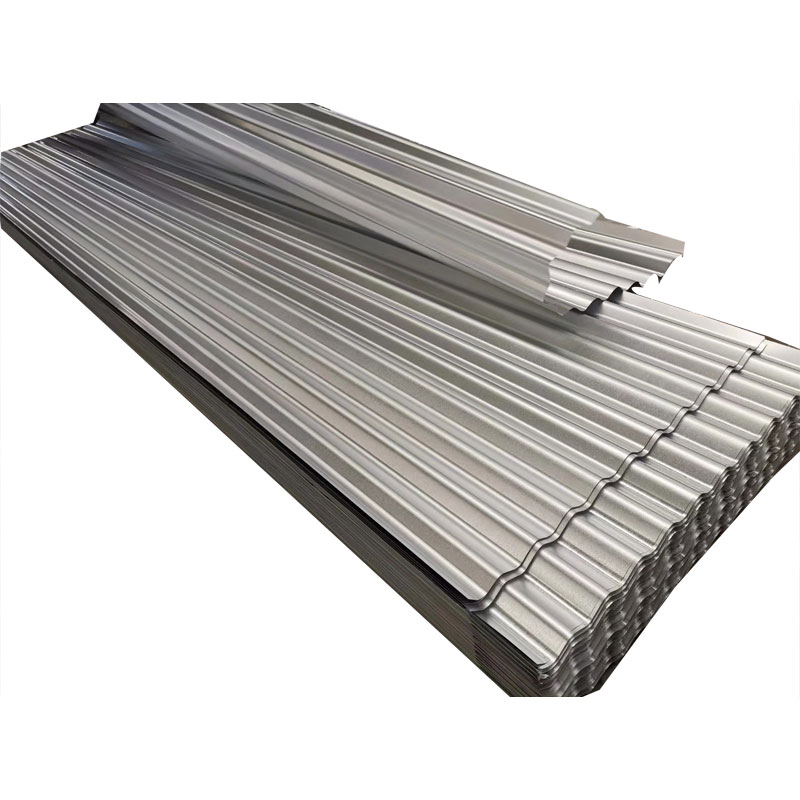
Yes, metal roofing sheets lose their gloss over time. Harsh uv radiation and atmospheric elements break down the chemical resins inside exterior paint coatings. Sunlight destroys polymer bonds over the years. This process creates microscopic surface roughness. The rough surface scatters light instead of reflecting it cleanly. Do metal roofs fade alongside this sheen reduction? Indeed, you will notice surface dullness and altered color over time. Why Roofing Sheets Lose Gloss comes down to continuous environmental exposure. However, you should not panic about your metal roof. This aging process happens naturally. Paint quality, roof orientation, atmospheric conditions, and routine maintenance directly control the speed and severity of this gloss drop on your building.
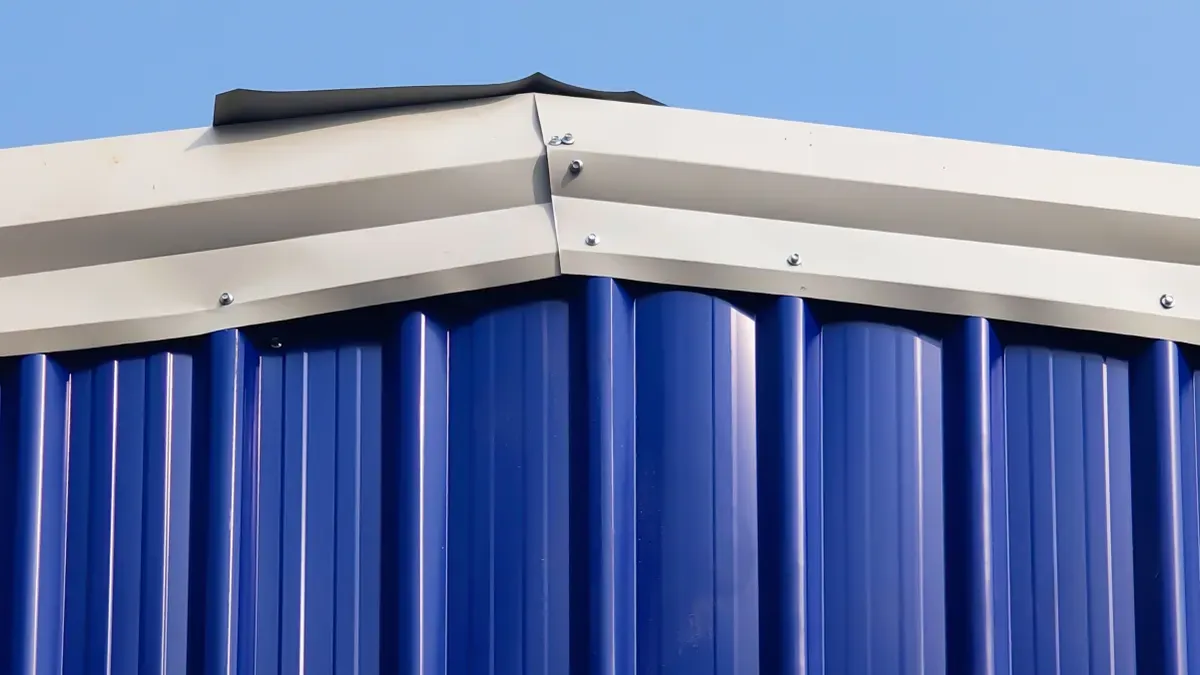
Key Takeaways
- Sunlight and harsh weather naturally break down the protective paint coat on metal roofs over time.
- Ultraviolet rays destroy the chemical bonds in paint and create a rough, light-scattering surface.
- Roof panels facing south lose their gloss faster because they receive more direct sunlight every day.
- Trapped water, wet leaves, and industrial air pollution speed up gloss loss and fade the paint color.
- Top-tier PVDF paint coatings offer maximum resistance against sun damage and keep their gloss the longest.
- Metal roofs lose most of their gloss during the first five years before the paint surface stabilizes.
- Selecting matte metal panels helps hide natural age-related dullness and reduces bright surface glare.
- Regular washing with mild detergent removes harmful dirt and preserves the original paint appearance.
Primary Causes: Why Roofing Sheets Lose Gloss
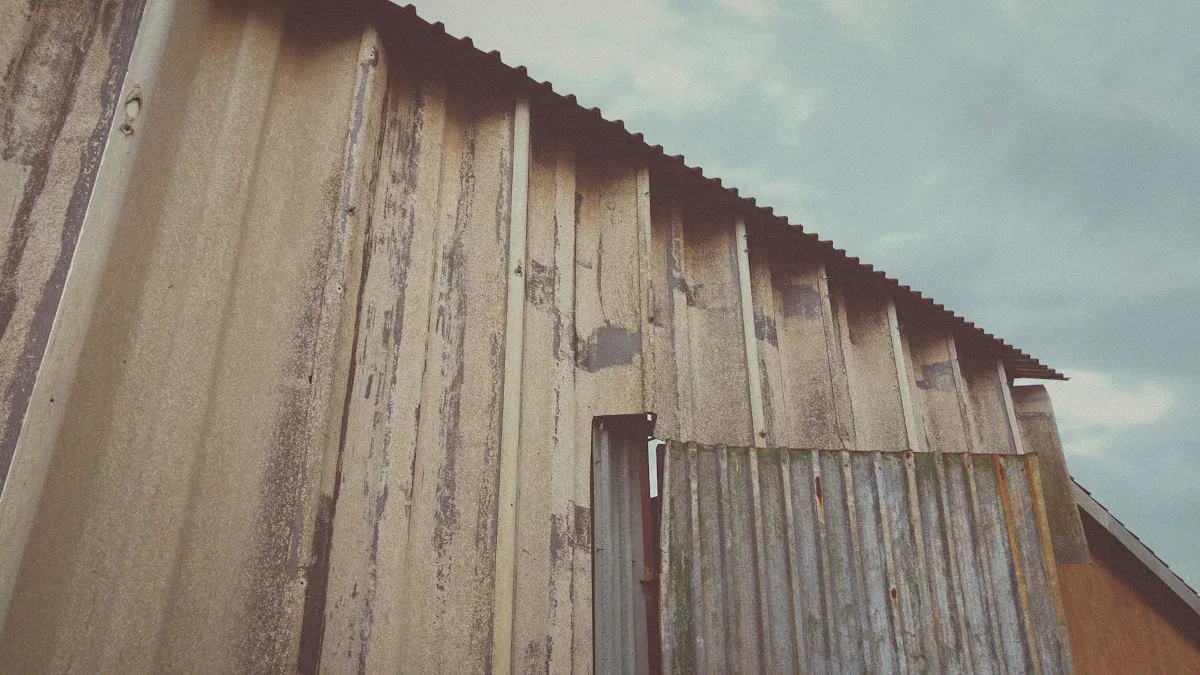
Understanding why roofing sheets lose gloss requires examining the interaction between sunlight and paint chemistry. Daily environmental elements constantly attack the exterior coat of your metal roof. Over time, these forces transform smooth, shiny surfaces into dull, chalky panels.
UV Radiation and Polymer Degradation
Sunlight acts as the primary driver behind sheen reduction. Continuous ultraviolet exposure damages the structural integrity of protective factory coatings on your roof panels.
Solar Energy Breaking Chemical Resin Bonds
High-energy photon rays hit your roof every single day. These invisible light waves attack the binders inside exterior paint systems. You can trace this damage through a clear degradation sequence:
- Ultraviolet (UV) radiation from sunlight breaks down the chemical bonds within the polymer resin of the coating.
- This photodegradation weakens the coating’s structure at the molecular level.
- The breakdown exposes pigment particles that were previously protected by the resin matrix.
- The exposed pigments create a fine, powdery residue on the surface, and the degraded surface scatters light instead of reflecting it uniformly.
This continuous process explains why roofing sheets lose gloss after years in open weather. Weak resins quickly succumb to solar radiation. Consequently, the protective layer thin out and loses its ability to reflect clean light.
Free Radical Formation and Surface Oxidation
Solar energy creates unstable free radicals within the coating layer. These reactive molecules react instantly with atmospheric oxygen. This chemical process triggers severe surface oxidation across your entire metal installation.
Oxidation accelerates underlying color fading while destroying gloss. As chemical bonds snap, you will notice surface dullness alongside progressive color loss. Standard factory coatings slowly break apart under this constant atmospheric pressure.
Uneven Sunlight Exposure Across Roof Angles
Your roof design alters how environmental forces strike different panels. Roof slopes create micro-climates that change aging speed significantly.
Solar Orientation and Shaded vs. Unshaded Panels
South-facing roof sections endure maximum solar radiation throughout the day. These southern slopes experience intense UV exposure compared to shaded northern sections. Consequently, south-facing panels show faster sheen drop and earlier color fading.
Excessive sun exposure speeds up degradation on unshaded sections. Nearby trees or tall structures shade certain panels, preserving their original luster. Mismatched sunlight creates uneven appearance differences across your building over time.
Resin Matrix Breakdown and Micro-Pitting
The physical destruction of paint resins directly alters light reflectivity. Understanding surface changes helps you anticipate aging patterns.
Surface Roughness and Scattered Reflectivity
As resins break down, microscopic pits form across the panel surface. Smooth surfaces bounce light back in parallel lines to produce high gloss. Micro-pitting forces light to scatter in random directions, making the surface look flat.
This micro-pitting also accelerates panel fading. Trapped dirt and degraded pigments fill these micro-cavities. Understanding why roofing sheets lose gloss helps you select superior resin systems. High-quality paints resist surface pitting and prevent premature aging across your building. Knowing why roofing sheets lose gloss ensures you maintain your property effectively. Knowing why roofing sheets lose gloss empowers you to select durable coatings.
Environmental Factors Accelerating Sheen Reduction
Environmental elements around your building speed up gloss loss on metal roofs. Local climate conditions and atmospheric pollution attack protective layers daily.
Trapped Moisture and Debris Accumulation
Standing water and organic dirt create a constant hazard for your roof surface. These elements break down protective coatings much faster than sunlight alone. Moisture accelerates surface breakdown whenever water remains on panels for long periods.
Water Trapped Beneath Panels and Underlayment
Water often collects under overlapping panel edges and underlayment materials. This standing moisture triggers chemical reactions that weaken factory finishes. Over time, trapped moisture accelerates surface oxidation and causes paint degradation.
Trapped water creates continuous moisture exposure on bare edges. Moisture eventually breaks down the protective coating and causes rust on exposed surfaces. This hidden rust forces the top layer to peel and lose its original shine.
Damp Organic Debris and Wet Leaves
Wet leaves and organic debris often collect in roof valleys. Decaying organic matter releases natural acids directly onto your painted metal panels. These acids trap moisture against the finish and destroy surface sheen.
Gloss refers to a coating’s ability to reflect light without it scattering. Direct UV exposure can degrade the luster of the topcoat.
Damp debris accelerates underlying color fading beneath the trapped piles. Clean your roof regularly to prevent organic buildup and preserve paint luster.
Industrial Atmospheric Pollution
Factory smoke and vehicle exhaust create airborne chemicals near urban areas. These pollutants harm the exterior finish on your building.
Corrosive Airborne Chemicals and Organic Pigment Erosion
Industrial pollutants create acidic rain that attacks topcoats continuously. Acidic condensation destroys pigment bonds and causes rapid finish breakdown. Standard finishes break down faster under acid rain compared to high-performance finishes.
| Environmental Factor / Performance Metric | PVDF Finish Performance | SMP Finish Performance |
|---|---|---|
| Gloss Retention (after 10 years) | Maintains 95% gloss retention | Maintains 70% gloss retention |
| Resistance to Industrial Pollutants / “Acid Rain” | Resists chemical degradation; superior corrosion resistance near manufacturing zones/highways | Breaks down faster under acid rain; accelerated finish breakdown from acidic condensation |
PVDF finishes offer superior corrosion resistance near manufacturing zones and busy highways. Standard coatings lose shine much faster under heavy chemical exposure. Atmospheric acids weaken factory finishes and spark surface corrosion.
Coastal Salt Air and Environmental Abrasives
Ocean air carries salt particles and sand across coastal communities. These abrasive elements damage protective coatings through physical impact. Coastal atmospheres accelerate degradation through combined mechanical and chemical wear.
Micro-Scratches Caused by Airborne Sand Particles
Airborne sand particles hit your roof and create microscopic scratches. These micro-scratches scatter light rays and strip away surface sheen. High winds turn fine sand into an abrasive force that destroys smooth factory coatings.
Salt spray also accelerates chemical damage on coastal properties. Tests show AAMA 2605 PVDF coatings endure more than 4,000 hours of accelerated salt spray exposure while monitoring gloss loss. Salt air without proper protection leads to rapid rust formation and surface corrosion.
Paint Systems and Stone Coated Roof Performance
Factory application methods and chemical formulas control how long your roof panel maintains its shine. Different resin systems react uniquely to continuous solar radiation and environmental pressure.
PVDF Fluoropolymer Paint Coatings
You gain maximum protection when you select a top-tier paint finish. Advanced chemistry shields your roof against relentless solar exposure.
High Resin Stability and Maximum UV Resistance
A 70% PVDF paint formula creates dense chemical bonds. These resilient bonds protect your paint layer from intense solar radiation. Fluoropolymer chemistry prevents premature resin breakdown under harsh weather conditions.
The standard AAMA 2605 requires 10 years of testing on a 45° South Florida exposure rack according to ASTM G7. This rigorous standard proves that PVDF resists chalking, retains stable color, and maintains surface sheen over decades of service.
Silicone-Modified Polyester and Standard Finishes
Mid-tier formulations offer reliable initial shine at a lower price point. However, chemical differences affect long-term appearance.
Mid-Tier Durability and Faster Gloss Drop Rates
Silicone-modified polyester systems blend polyester for flexibility with silicone for sheen retention. These finishes meet the AAMA 2604 standard, which mandates 5 years of South Florida rack testing. Five years of weathering on SMP finishes equals one year for conventional polyesters. Furthermore, SMP displays about 3 times better crack resistance than conventional polyester after 10+ years of outdoor exposure.
| Performance Factor | 70% PVDF Paint | SMP Paint System | Conventional Polyester Paint |
|---|---|---|---|
| AAMA Standard | AAMA 2605 | AAMA 2604 | Standard Grade |
| Testing Duration | 10 years (ASTM G7) | 5 years | 1 year equivalent |
| Gloss & UV Stability | Maximum UV resistance | Faster sheen loss and fading | Rapid gloss drop and chalking |
Polyester resin bonds break down faster under ultraviolet rays than fluoropolymers. This breakdown causes earlier chalking and sheen drop.
Basecoat Breakdown on Stone Coated Roof Panels
A stone coated roof relies on specialized adhesive layers rather than simple topcoats. Understanding this construction helps you spot early wear.
Protective Basecoat Erosion and Granule Retention Issues
Every stone coated roof uses an acrylic base layer to bond ceramic granules onto underlying metal panels. Environmental moisture and solar radiation gradually degrade this adhesive coating. Weathering thins the protective binder and causes surface erosion over time.
Basecoat erosion eventually triggers chip loss across exposed sections. Loose stone granules fall away from the panel, exposing the bare adhesive to direct sunlight. Homeowners with stone coated roofing sheets should inspect their panels for thin spots. Maintaining your stone coated roof protects the base layer and prevents premature wear.
Measuring Gloss Reduction and Timelines
You can measure the loss of sheen on your metal roof using clear technical metrics. Laboratory technicians use gloss meters to shine light onto the panel surface. The instrument calculates reflected light against standard baseline values.
Gloss Units and Reflectivity Testing Standards
Standard testing protocols allow manufacturers to quantify surface shine accurately. These measurements help you track panel appearance changes over extended service periods. Laboratory testing provides consistent data across different paint batches.
Specular Measurement at Standard Light Angles
The ASTM D523 standard governs specular measurement procedures for industrial paint finishes. Technicians project light rays onto the metal sheet at specific angles like 60 degrees. High-gloss finishes require a 20-degree angle, while low-sheen surfaces use an 85-degree measurement angle.
Smooth factory paint bounces light back at the exact specular angle. As environmental wear creates surface micro-pitting, the coat scatters light rays in multiple directions. Technicians assign a Gloss Unit value based on light reflection, which helps you monitor finish degradation over time.
Expected Timelines for Sheen Reduction
Exterior metal coatings follow predictable degradation cycles throughout their active service life. Solar ultraviolet radiation impacts surface sheen rapidly during early exposure years. Understanding these timelines helps you plan maintenance efficiently.
Initial Five-Year Gloss Drop versus Long-Term Stabilization
Your metal roof experiences its fastest sheen drop within the first five years after installation. The initial gloss drop stabilizes as the top coat adjusts to local weather patterns. Afterward, the surface maintains a consistent matte appearance for standard operating periods.
Silicone-Modified Polyester panels display specific long-term performance characteristics over decades of use:
- Performance spans a timeline of 15 to 20 years under normal weather conditions.
- The finish maintains adequate fade resistance during this operational timeframe.
- The coating protects panels against color loss after the initial breakdown period.
Aesthetic Wear versus Coating Failure
You must distinguish between normal cosmetic aging and structural finish breakdown. Weathered panels often lose original luster without losing underlying protective qualities. Regular visual inspections help you identify surface issues early.
Identifying Chalking and Dullness versus Peeling
Normal aging causes surface chalking and surface dullness over time. Chemical breakdown produces a white, powdery residue on top of the paint layer. This chalking accompanies gradual fading alongside progressive color fading across sunny exposures.
Coating failure occurs when you observe physical cracking, flaking, or peeling. Severe adhesion loss exposes bare metal sheets directly to atmospheric moisture. Peeling requires immediate repair, whereas color fading and minor sheen loss simply reflect natural cosmetic wear.
Prevention, Maintenance, and Surface Restoration
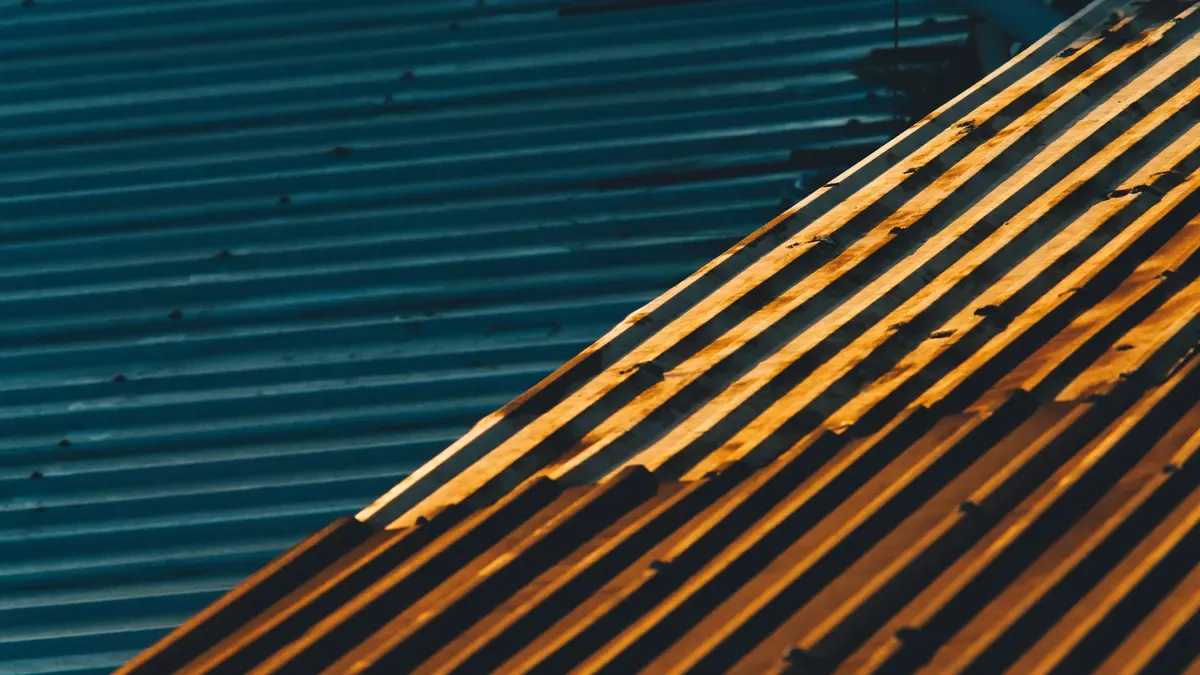
Choosing Low-Gloss and Matte Metal Panels
Hiding Natural Age-Related Gloss Drops With Matte Finishes
You can minimize visible sheen loss by selecting low-gloss panels initially for your building. Matte finishes feature tiny surface textures across the entire top layer. These micro-rough surfaces scatter incoming light rays in many different directions. Consequently, less light bounces directly back to your eyes, creating a smoother appearance with reduced glare.
Sheffield Metals tested three different light sources on factory finishes to evaluate glare performance. Low-gloss panels consistently produced better glare reduction than regular gloss options. A low-sheen metal roof disguises age-related sheen loss over decades of continuous exterior service. You preserve consistent surface color across all roof angles without displaying noticeable dull spots or uneven aging patterns.
Routine Cleaning and Maintenance Practices
Removing Environmental Grime and Organic Residue Safely
Routine washing removes atmospheric pollutants before they break down your factory paint system. You should clear organic debris like damp leaves and dirt regularly to preserve original surface luster. Follow these sequential steps to clean your roof panels safely without damaging the finish:
- Mix 1/4 cup of mild dish detergent or car wash soap per gallon of clean water.
- Apply the diluted solution using a soft cloth or a non-abrasive sponge.
- Scrub panels gently in a circular motion, working from the bottom upward to avoid streaking.
- Rinse thoroughly with clean water to remove all soap residue and loosened grime.
Avoid harsh chemicals like acetone, paint thinners, and high-concentration chlorine bleach during routine washing. These aggressive solvents destroy factory paint layers rapidly. Alternatively, non-toxic commercial solutions like Blue Gold Metal Roof Cleaner safely eliminate heavy grime without stripping paint protection. This specialized aqueous formula acts as a rust inhibitor, stopping flash rust on cut edges while shielding your building against airborne corrosion.
Protective Clear Coats and Restoration Coatings
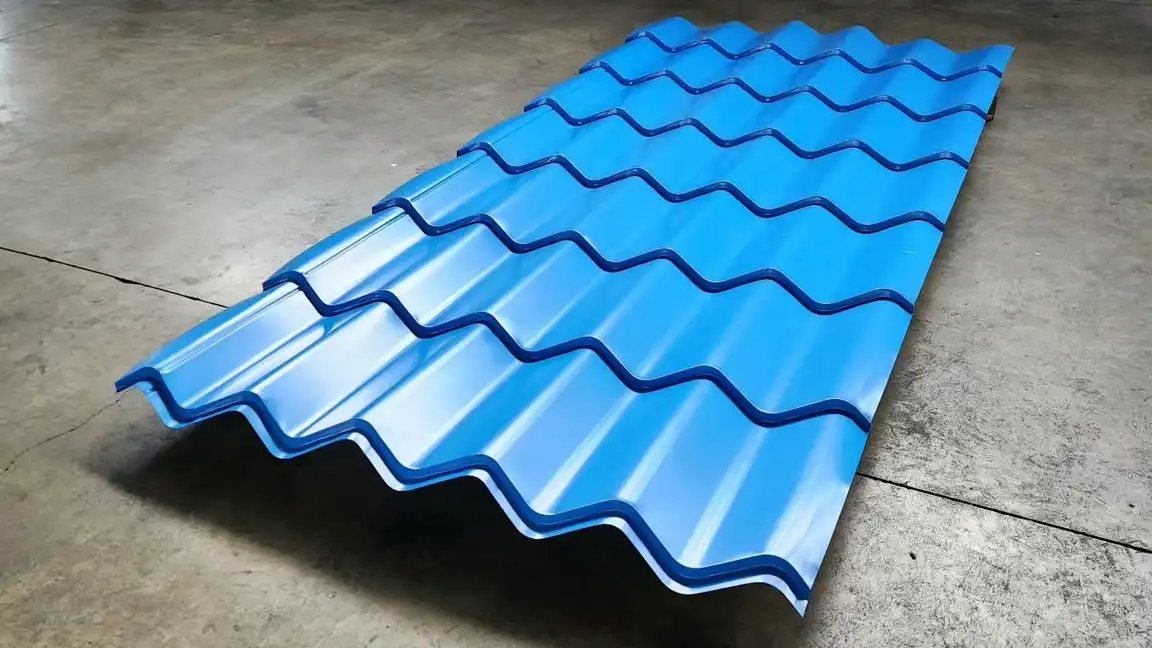
Refreshing Dull Metal Sheets With Field-Applied Finishes
You can restore dull panels using field-applied clear coats and specialized restoration treatments. Weathered factory paint coatings eventually develop microscopic surface pits over long operational periods. High-grade clear restoration coats fill these tiny cavities effectively, returning a smooth profile and restoring a uniform reflective finish across your building.
Applying a protective field coat halts active surface oxidation and prevents chemical corrosion. This extra barrier shields older panels against industrial atmospheric corrosion. Furthermore, restoration coatings bring back rich color depth across faded sunny slopes. Proper recoating prevents physical coating breakdown and stops destructive oxidation from forming on bare metal panels.
Warranty Coverage and Material Selection Guidelines
Understanding warranty terms helps you protect your roof investment over many decades. Factory coverage guarantees your paint finish against major cosmetic changes and structural breakdown.
Navigating Gloss Retention Warranties
Roof warranties explicitly define performance boundaries using scientific industry measurements. You must examine these documents carefully to recognize coverage limits for gloss and color integrity.
ASTM D523 Thresholds and Standard Exclusions
Manufacturers use standard test methods to evaluate gloss reduction over time. The ASTM D523 standard establishes precise measurement angles to calculate reflective loss on weathered panels. Warranty documents often separate natural sheen reduction from physical finish failures.
Major manufacturers cover chipping, cracking, peeling, and flaking under long-term finish guarantees, while treating minor gloss drop as natural surface wear.
| Coating Type | Warranty Period for Gloss/Color Retention | Key Coverage Details |
|---|---|---|
| PVDF (Kynar 500) | 30–40 years | High chalk resistance; protects original color depth |
| SMP | 25–30 years | Mid-tier weatherability; covers major color changes |
Specific manufacturer warranties set clear performance limits for long-term panel protection. Sheffield Metals provides a 40-Year Limited COOLR Paint Warranty that covers chipping, cracking, and peeling for 40 years. This same warranty covers chalking and fading for 30 years, limiting fading to no more than 5.0 Hunter ΔE units. Drexel Metals offers a Gold Standard Warranty that guarantees the finish will not lose more than 5 Hunter Units of color over 35 years while offering chalk protection up to 6 ASTM units.
Selecting Coatings for Specific Climates
Your local environment determines how quickly factory finishes age. Matching the right resin system to your regional climate extends panel life and maintains curb appeal.
Matching Paint Chemistries to Regional Solar Exposure
Intense sunlight and coastal air require high-performance resin formulations. Selecting the correct chemistry prevents premature aging across your building.
- Select Paints with Specialized Additives: Look for marine-grade options containing zinc phosphate pigments to inhibit corrosion, aluminum flakes to reflect UV rays, and rust-converting primers to secure base metals.
- Ensure Rigorous Surface Preparation: Confirm that the factory removes surface contaminants and applies an effective anti-corrosion primer before topcoat application.
- Verify Product Specifications: Check for high QUV resistance ratings, review ASTM B117 salt-spray test performance, and ensure substrate compatibility.
PVDF paint systems deliver the best long-term results for high UV regions and coastal environments. PVDF retains high chalk resistance scores above 8 for decades. SMP finishes offer a balance of performance and affordability for mid-tier applications, though they fade faster in harsh environments. Standard polyester options suit mild inland climates where lower initial cost remains your primary goal.
Gloss loss occurs naturally as continuous sunlight, harsh weather, and atmospheric pollutants attack your building. Continuous exposure breaks down resin bonds over time. Investing in premium factory coatings, such as PVDF fluoropolymers, delivers superior paint longevity. These advanced finishes offer maximum gloss retention and complete finish protection over decades of service. You can also select low-sheen or matte panels during initial installation. Textured matte finishes disguise natural surface aging and effectively prevent visible color loss across sunny slopes. Proactive cleaning routines remove aggressive environmental grime before damage starts. Informed material selection ensures your metal roof maintains its impressive curb appeal throughout its entire lifespan.
FAQ
Does gloss loss mean my metal roof is failing?
No, gloss loss does not mean your roof is failing. Sheen reduction represents natural cosmetic wear from daily ultraviolet exposure. Your metal panels retain their structural strength and weatherproofing protection even after losing their initial factory shine.
Which paint system retains its gloss the longest?
70% PVDF fluoropolymer paint coatings retain gloss best. These advanced finishes meet AAMA 2605 standards and withstand intense solar radiation for decades. They resist chemical breakdown much better than standard polyester or silicone-modified polyester paint systems.
Can I restore the original shine on my dull roof?
You can restore shine using field-applied clear restoration coats. These protective treatments fill microscopic surface pits created by environmental wear. Thoroughly clean your roof panels with mild soap and water before applying any restoration finish.
Will high-pressure washing bring back the paint sheen?
Pressure washing will not restore lost gloss. High pressure can strip away loose chalking, but harsh power washing damages the remaining paint layer. Use a soft sponge, clean water, and mild detergent to wash your panels safely.
How do initial matte finishes help hide gloss drops?
Matte panels feature micro-textured surfaces that scatter incoming sunlight naturally. Because low-gloss finishes do not reflect bright light, they hide natural age-related sheen drops. Your roof maintains a consistent visual appearance across all angles over decades of service.
Does my roof warranty cover natural sheen reduction?
Most standard warranties exclude natural gloss loss and minor color fading. Manufacturer warranties cover physical paint failures like cracking, peeling, and chipping. Specialized paint warranties limit allowable gloss drops based on standard ASTM D523 testing thresholds.