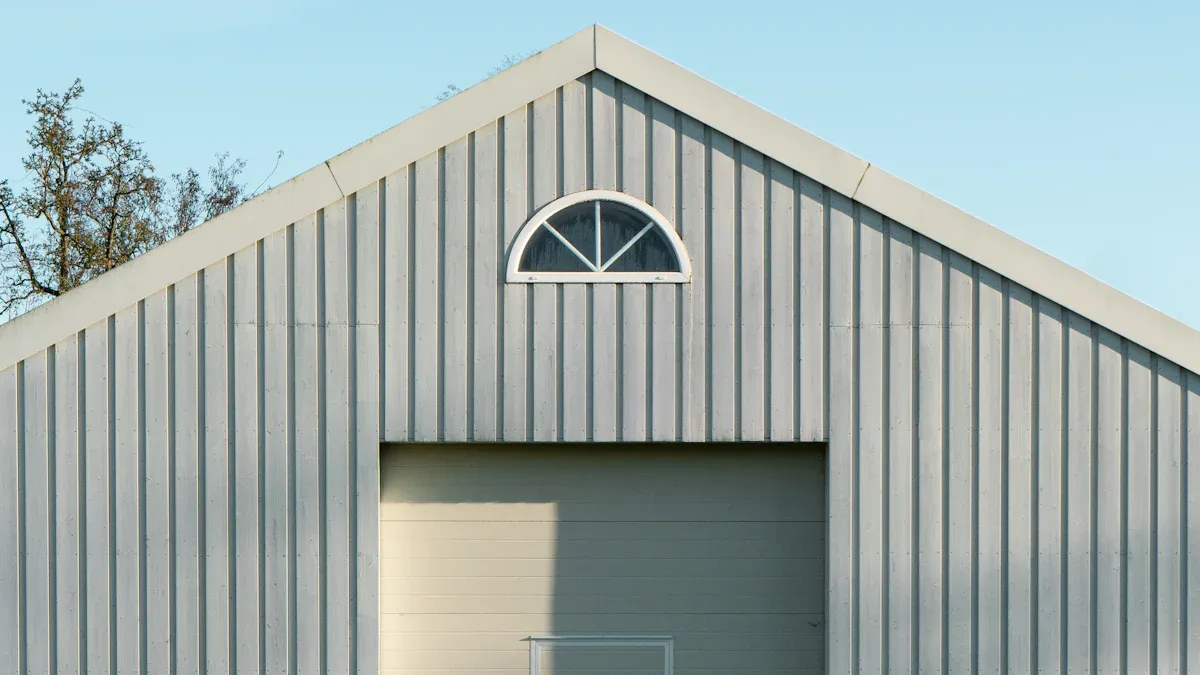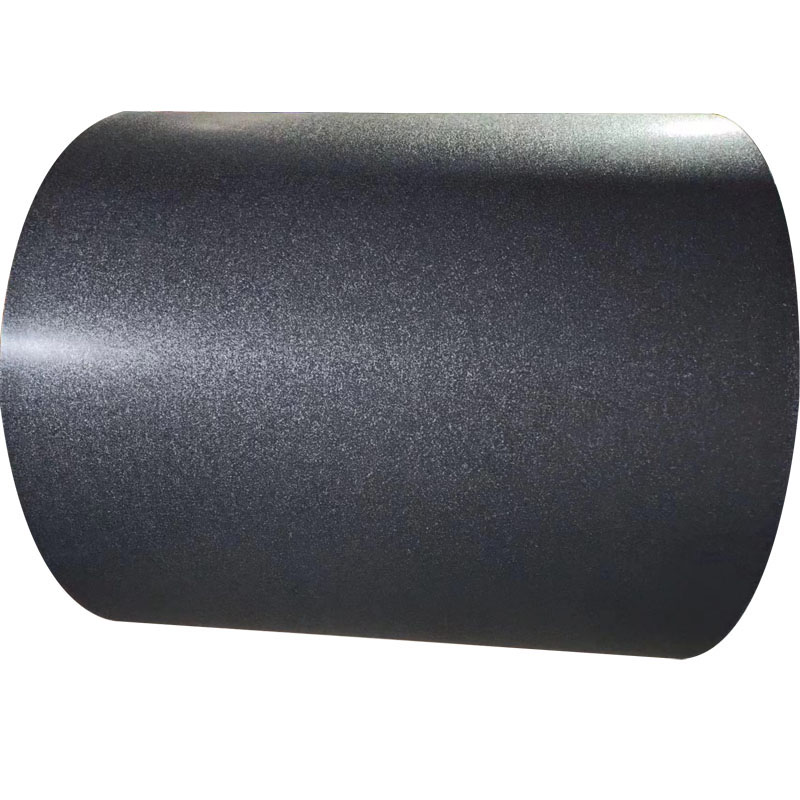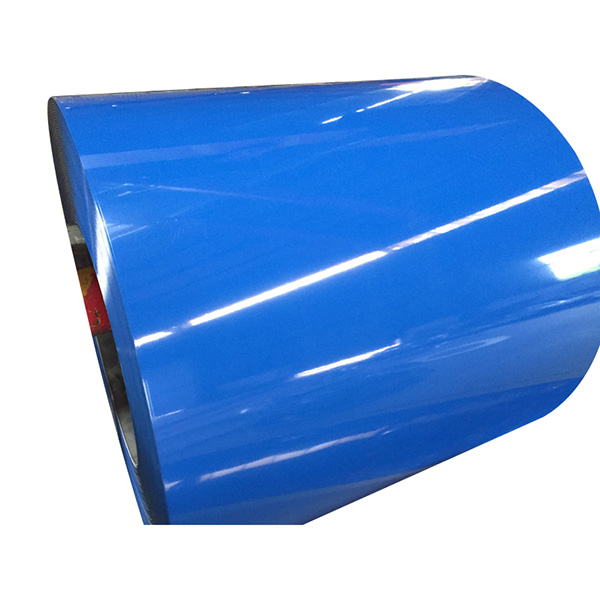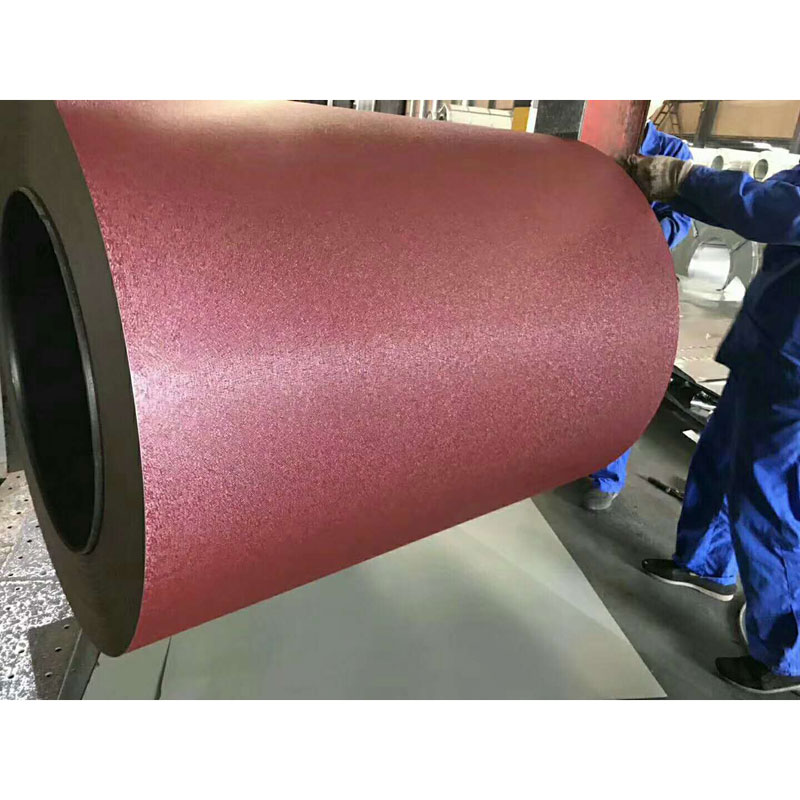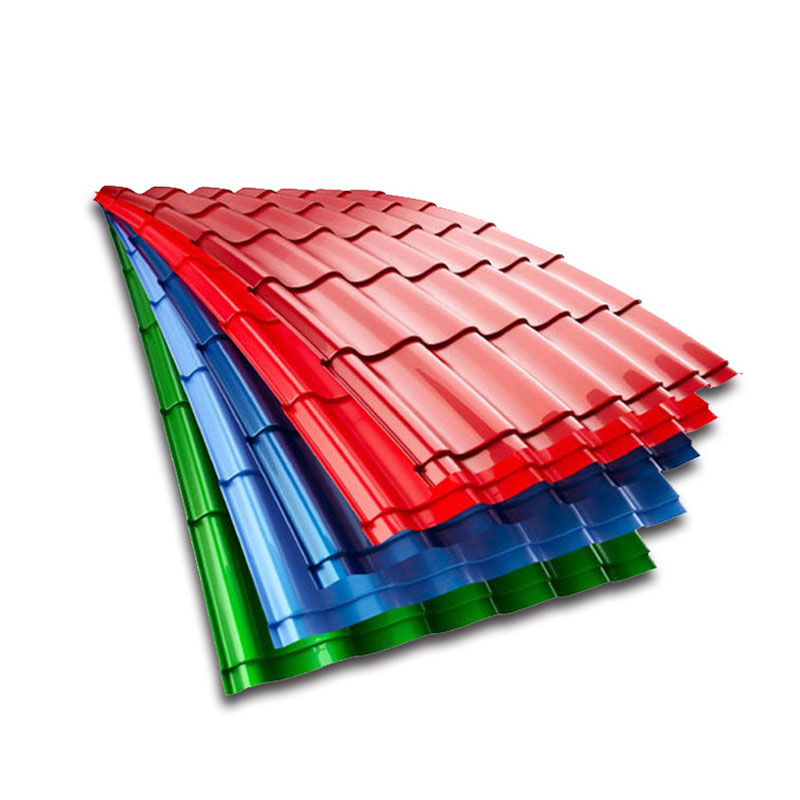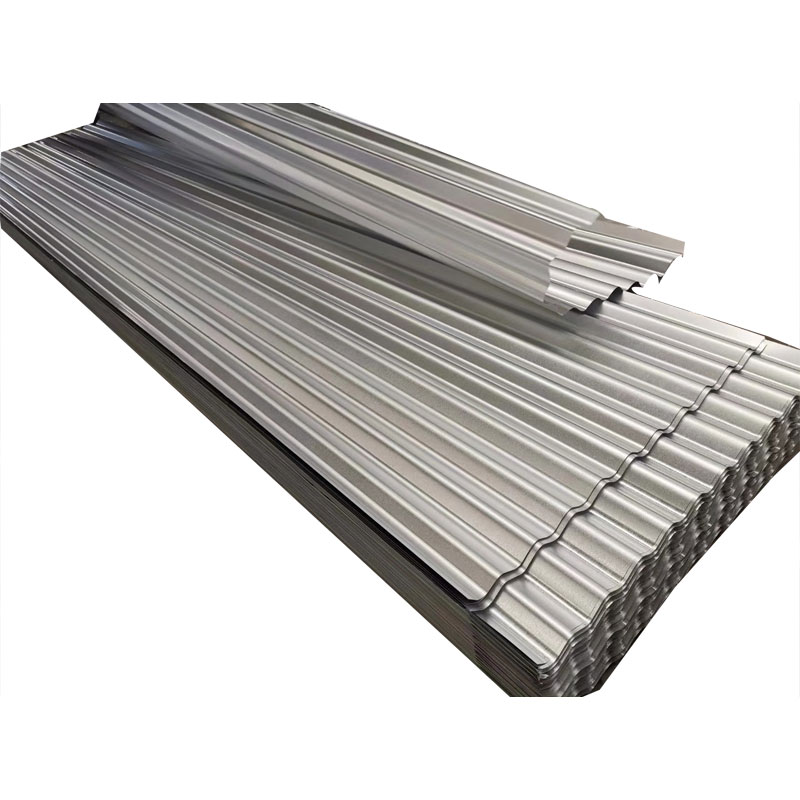
Two suppliers quote the same stated thickness and color for a warehouse roof (PPGI vs PPGL for warehouse roofing), yet one specifies PPGI and the other PPGL. The buyer now faces a familiar procurement problem. The opening answer is direct: no universal winner exists. A sound decision compares the metallic coating, paint system, thickness basis, mechanical requirements, exposure conditions, and written warranty. Four questions frame the review.
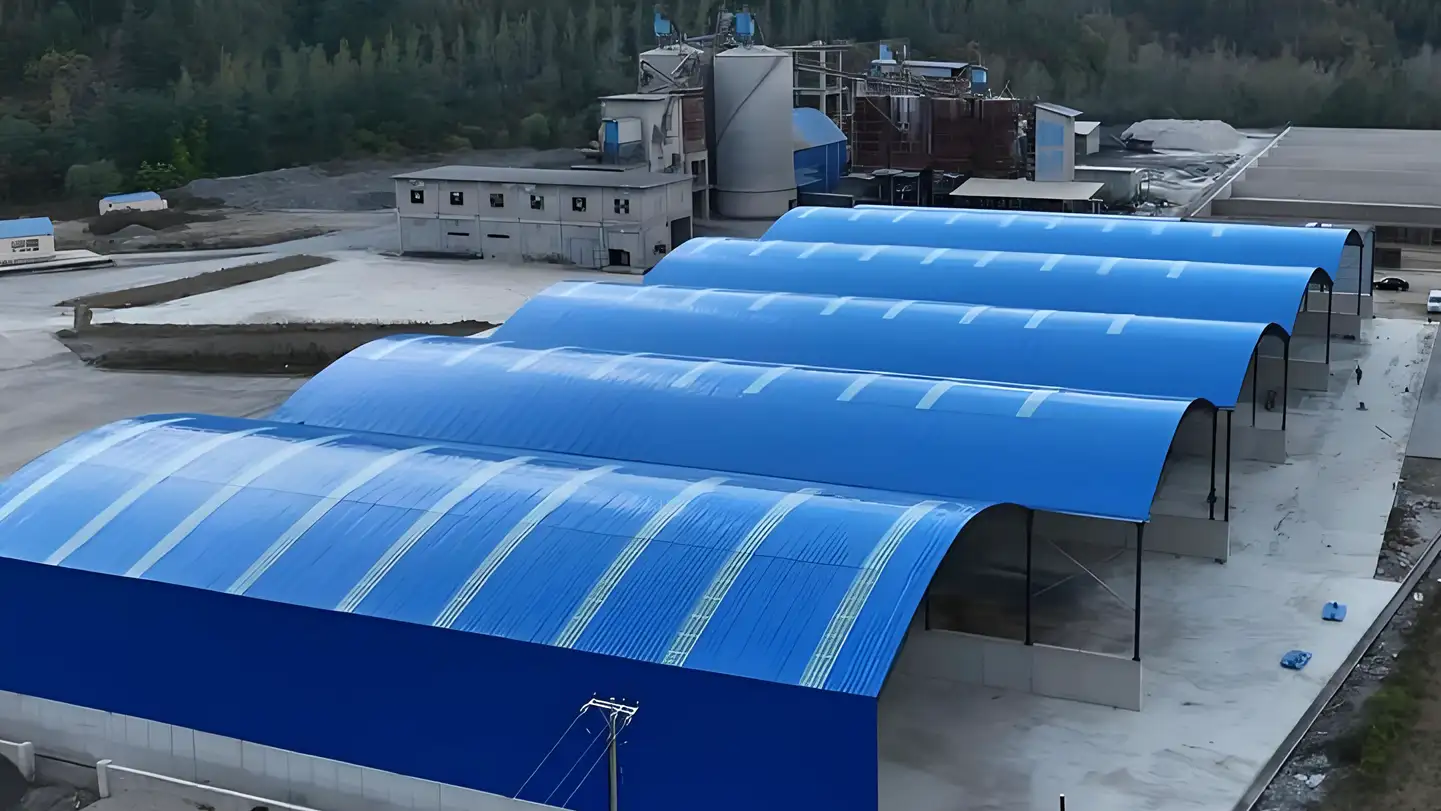
Are the quotes technically comparable? Which material suits the warehouse environment? What must buyers specify beyond the abbreviation? Which documents support approval? This guide to PPGI or PPGL for warehouse roofing: what project buyers should specify answers each question in procurement terms. The PPGI vs PPGL choice becomes clear once buyers treat roofing as a full specification, not a label.
Key Takeaways
- PPGI and PPGL differ in their metallic coating: zinc versus aluminum-zinc.
- The abbreviation alone does not specify steel grade, coating mass, or paint system.
- Assess your warehouse environment first: coastal, industrial, or dry inland.
- Specify thickness basis, tolerances, and coating requirements in writing.
- Compare quotes using cost per covered square meter, not just price per tonne.
- Request a written warranty and inspection documents for every order.
- Use a detailed RFQ checklist to make supplier quotes comparable.
- No single material wins everywhere; match the full specification to your site.
PPGI vs PPGL: Key Differences for Buyers
The Metallic-Coated Substrate
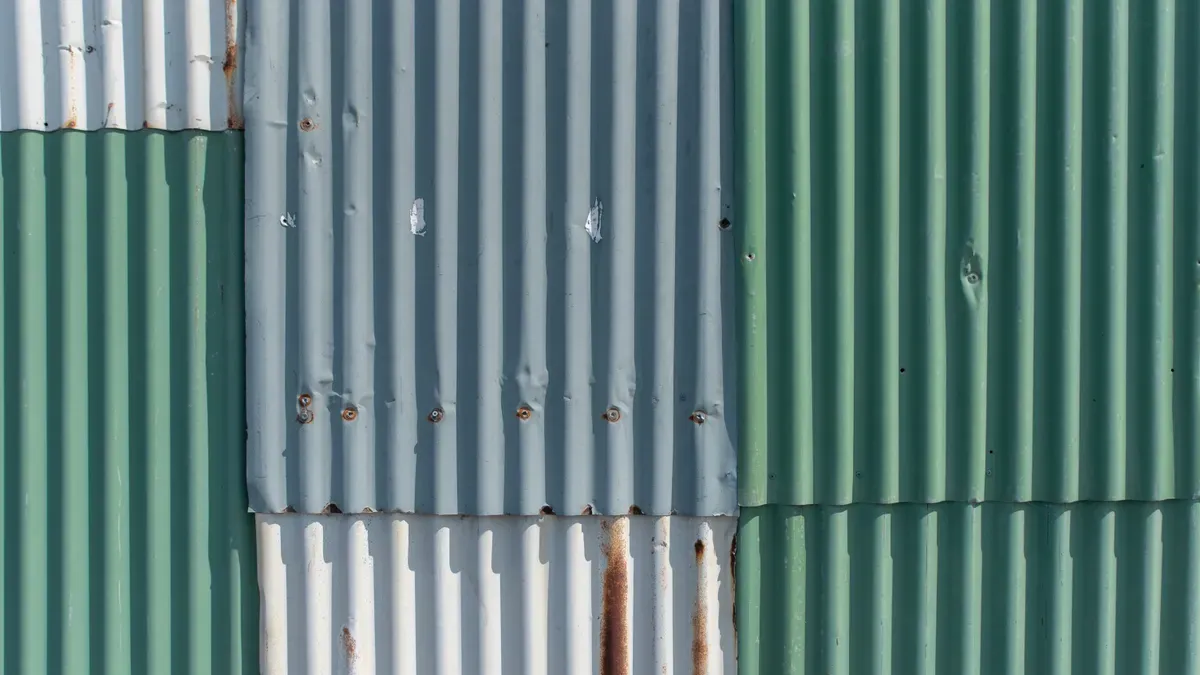
The substrate is the first point of separation. PPGI, or pre-painted galvanized steel, starts with a zinc coating applied over steel. That zinc layer works as a barrier and as a sacrificial anode. When moisture reaches the surface, the zinc corrodes first and protects the steel beneath. PPGL, or pre-painted galvalume, uses an aluminum-zinc alloy coating instead.
The galvalume coating typically contains about 55% aluminum, 43.4% zinc, and 1.6% silicon. The aluminum forms a tough barrier, and the zinc still provides sacrificial protection at cut edges and scratches. This coating composition matters at the purchasing stage. A buyer who compares only the paint color and the stated thickness will miss the layer that governs long-term corrosion performance. The difference between PPGI and PPGL begins here, in the metallic coating, not in the paint film on top.
What the Abbreviation Does Not Tell You
A quotation that says only “PPGI” or “PPGL” leaves most of the specification open. The abbreviation identifies the coating family. It says nothing about the steel grade, the base metal thickness, the coating mass, the paint chemistry, or the warranty terms. Two suppliers can both write “PPGL” and still deliver products with very different performance profiles. Buyers who treat the label as a complete specification invite disputes later.
The table below lists the purchasing factors that a quotation should address. It helps buyers spot missing information. It does not rank one material above the other.
| Purchasing factor | PPGI quotation | PPGL quotation | What the buyer should verify |
|---|---|---|---|
| Metallic coating type | Zinc coating over steel | Aluminum-zinc alloy coating (about 55% Al, 43.4% Zn, 1.6% Si) | Coating designation and mass per unit area |
| Corrosion protection mechanism | Sacrificial protection from zinc | Barrier protection from aluminum plus sacrificial protection from zinc | Suitability for the actual exposure conditions |
| Steel grade and mechanical properties | Often stated only as “galvanized” | Often stated only as “galvalume” | Grade name, yield strength, tensile strength |
| Thickness basis | May refer to base metal or total coated thickness | May refer to base metal or total coated thickness | Which thickness definition applies and the tolerance |
| Paint system | Primer and topcoat may be unspecified | Primer and topcoat may be unspecified | Paint chemistry, coating build, reverse-side coating |
| Color and surface finish | Color name only | Color name only | RAL reference or approved physical sample, gloss level |
| Warranty terms | Often verbal or generic | Often verbal or generic | Written warranty with exclusions and inspection basis |
The corrosion resistance of each option depends on the full coating system, not the abbreviation alone. In dry and moderate environments, both PPGI and PPGL steel sheets perform well. In harsh, humid, coastal, or industrial settings, the aluminum barrier in PPGL slows corrosion more effectively, and supplier data often shows a longer service expectation for galvalume-coated products. That does not make PPGL the automatic choice. A buyer still needs the coating mass, the paint specification, and the warranty in writing. The key differences between the two materials only become decision-ready when the quotation fills in these fields. Buyers who request the missing data before comparing prices avoid the common trap of comparing two technically unequal offers.
Assess the Warehouse Environment First
External Exposure
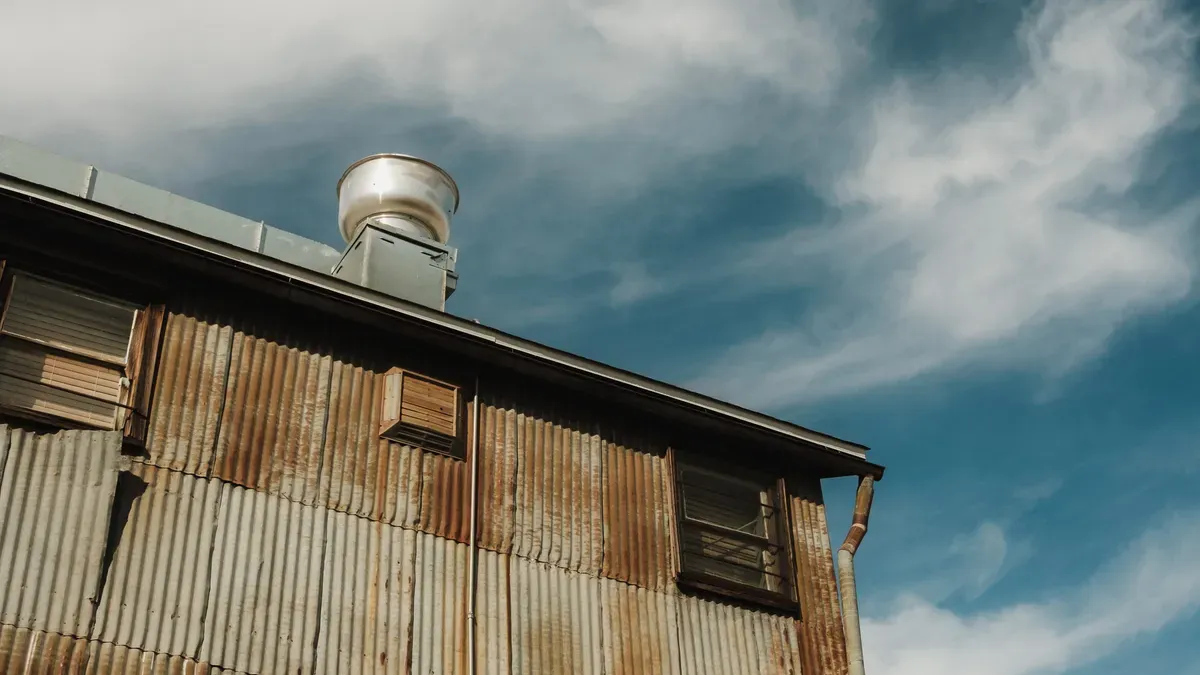
Buyers should document the site before comparing materials. A coastal site near breaking surf differs from an inland site with the same annual rainfall. Industrial zones vary too. A plant that releases sulfur compounds creates a different exposure profile than a clean logistics park. Buyers should record the distance to the shoreline, the prevailing wind direction, nearby emission sources, humidity patterns, and rainfall intensity. These facts shape the coating specification for industrial, coastal, or long-term roofing projects.
The same logic applies to sunlight. High-ultraviolet regions stress the paint film more heavily. Buyers should note the local climate rather than assume that every site in humid, coastal, or industrial environments is identical. A supplier can then match the metallic coating and paint system to the recorded conditions. This step supports corrosion resistance and durability planning from the start.
Internal Conditions
The inside face of the roof deserves equal attention. A dry goods warehouse presents a mild internal environment. A food processing plant, a laundry operation, or a facility that washes equipment frequently releases moisture into the air. Temperature-controlled spaces add another layer of complexity. Chilled storage between 2°C and 8°C and deep-freeze rooms from -18°C to -25°C make condensation a leading factor in the corrosion of steel structures.
Buyers should describe these operations in the request for quotation. They should also state whether stored products release chemical vapors. The reverse-side coating and the substrate choice then follow from the recorded conditions. A pre-painted galvanized or pre-painted galvalume product may both fit an ordinary dry warehouse. A demanding internal environment calls for a closer review of the full coating system.
Condensation and Roof Assembly
Condensation is a roof assembly issue, not a coating label issue. Switching from PPGI to PPGL does not, by itself, resolve condensation. Buyers who expect a substrate change to stop dripping will face the same problem after installation. The fix sits in the roof design and the building services.
Several measures support moisture control. Heat-reflective roof sheets limit heat absorption and keep the interior cooler. Thermal insulation cores such as rockwool or glasswool reduce heat transfer through the assembly. Natural ventilation through louvers or chimney-effect designs keeps air moving. Thermal bridges at bolts and aluminum profiles need proper treatment, or outside heat penetrates the warehouse and drives condensation. Compressor ducting should vent hot air away, and floor drains should manage condensate from compressors and dryers. Buyers should confirm these provisions with the design team before they approve either PPGI or PPGL for the roof.
When to Consider PPGI or PPGL
Ordinary Warehouse Projects
A standard distribution warehouse with dry storage and moderate climate exposure gives buyers the widest room to work. Both pre-painted galvanized and pre-painted galvalume products can serve this setting well. The decision then turns on the full specification rather than the coating family. Buyers should confirm the steel grade, the base metal thickness, the coating mass, and the paint system before they approve either option.
Project teams often treat this case as a simple price comparison. That approach works only when the quotations match on every technical field. A buyer who compares a PPGI offer against a PPGL offer with a different paint build is not comparing like with like. The difference between PPGI and PPGL matters less here than the completeness of each quote. Buyers should request the missing data first, then compare.
Demanding Exposure Conditions
Coastal sites, industrial zones, and warehouses with aggressive internal processes need closer review. The aluminum barrier in a PPGL coating slows corrosion in many humid and polluted settings, and supplier data often reflects that. Yet the buyer should not assume that PPGL steel sheets fit every harsh site. Local wind patterns, emission sources, and washing routines all shape the real exposure.
A PPGI roof may still suit a demanding site when the coating mass and paint system are specified to match. The reverse is also true. A PPGL label alone does not guarantee performance. Buyers should ask for supplier evidence tied to the actual product configuration. They should also confirm that the warranty covers the stated conditions. This is where the PPGI vs PPGL steel sheets comparison earns its keep, because the coating system and the exposure record decide the outcome together.
Availability, Forming, and Warranty
Supply practicalities can settle a close technical call. Buyers should check local stock, coil width options, delivery lead times, and the supplier’s ability to hold a consistent batch. Forming requirements matter too. A complex profile may call for a substrate with specific mechanical properties, and the grade matters more than the coating family here.
Warranty terms deserve the same scrutiny. A written warranty with clear exclusions carries more weight than a verbal promise. Buyers should compare the inspection basis, the claim process, and the party responsible for approval. The table below organizes these checks by project condition.
| Project condition | Information needed | Specification items to review | Approval required |
|---|---|---|---|
| Dry inland warehouse | Climate record, internal use | Grade, thickness basis, coating mass, paint system | Specification sheet and material certificate |
| Coastal or industrial site | Distance to shore, emission sources, humidity | Metallic coating type and mass, paint build, warranty scope | Supplier evidence and written warranty |
| Demanding internal environment | Washing routines, chemical vapors, temperature range | Reverse-side coating, full coating system | Design team and supplier sign-off |
| Tight delivery or complex profile | Lead time, coil width, forming needs | Grade, mechanical properties, batch traceability | Pre-production sample and inspection plan |
What Buyers Should Specify for Roofing
This section carries the practical weight of the guide. A material label cannot travel from a quotation to a purchase order without translation. Buyers must turn the ppgi or ppgl for warehouse roofing: what project buyers should specify question into a written schedule. That schedule covers product form, substrate, thickness basis, tolerances, and metallic coating. Each field closes a gap that the abbreviation leaves open.
Product Form and Substrate
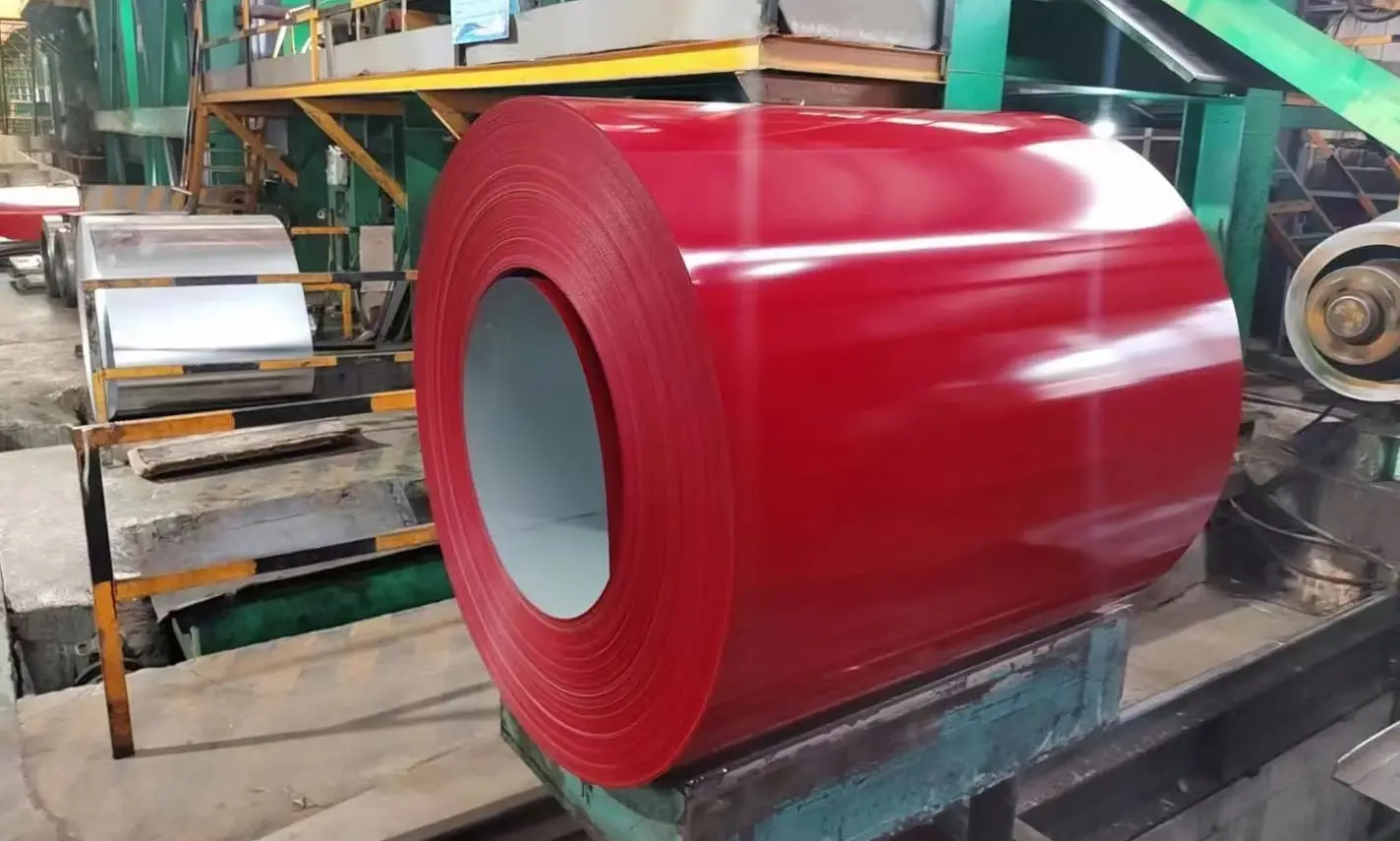
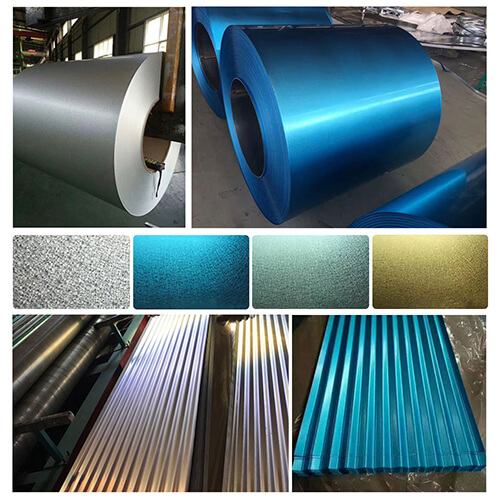
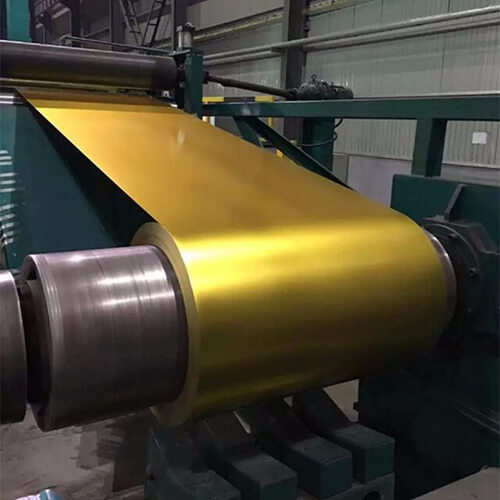
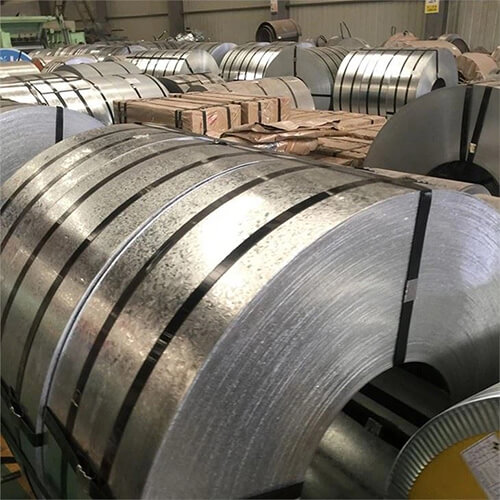
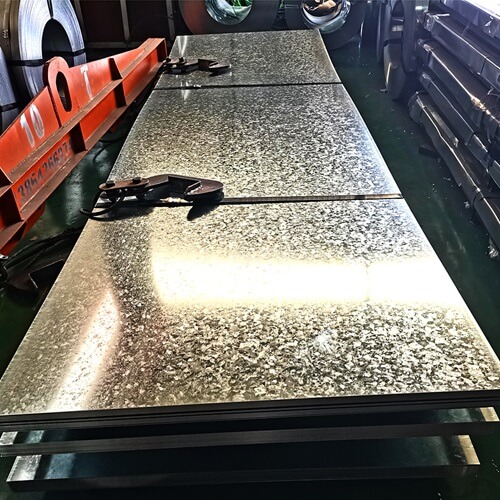
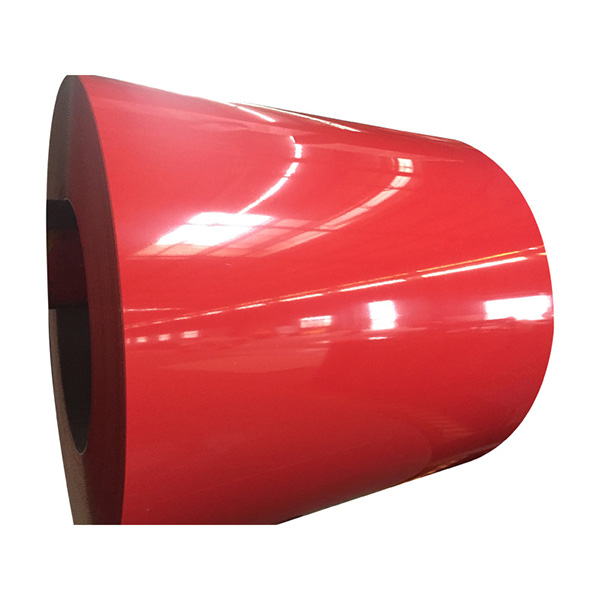
The first decision concerns form. Suppliers offer pre-painted material as coils, slit coils, and cut sheets. A project that runs its own roll-forming line orders ppgi steel coils or ppgl steel coils. A project that buys finished profiles orders roofing sheets cut to length. Both routes accept the same substrate families. Cold-rolled steel feeds the galvanizing, aluminum-zinc, and color-coating lines. Suppliers deliver it as coils, sheets, and slit strips under standards such as JIS, ASTM, EN, JFS, and AS.
The table below sets out common supply forms and coating ranges. Buyers should treat these as reference ranges, not as project values.
| Product | Supply forms | Thickness range | Coating mass |
|---|---|---|---|
| GI (galvanized) | Coils, slit coils, sheets | 0.30–3.0 mm | Z40–Z350 g/m² |
| GL (galvalume/alu-zinc) | Coils, slit coils, sheets | 0.18–2.0 mm | AZ30–AZ200 g/m² |
| PPGI/PPGL (pre-painted) | Coils, slit coils, sheets | 0.28–1.20 mm | Various paint systems |
Substrate choice does not set structural strength. Span, loading, fastening, and structural suitability need project-specific design approval. A buyer who treats pre-painted galvanized or pre-painted galvalume as a strength grade invites a design error. The coating family describes protection, not load capacity. The profile drawing and the structural calculation belong to the design package, not to the steel order.
Thickness Basis and Tolerances
Thickness is the field most often left ambiguous. One quotation may state 0.50 mm and mean base metal thickness. Another may mean total coated thickness. The two figures describe different products. Buyers should state the basis in writing and require the supplier to confirm it. They should hold ppgl steel coils and ppgi steel coils to that same definition before any price comparison begins.
Tolerances follow the same rule. Buyers should name the nominal thickness, the permitted deviation, and the measurement method. They should also name the acceptance basis at goods receipt. A micrometer reading taken at one point proves little. An agreed sampling plan proves more.
No universal thickness fits every warehouse roofing project. The right value follows from the profile, the purlin spacing, and the structural design. A thinner sheet with a deeper profile may carry the same load as a thicker flat sheet, and only the design check settles the case. Buyers should let the design team set the figure. They should then hold every quotation to that figure.
Metallic Coating Requirements
The metallic coating carries the corrosion duty. Buyers should specify the coating type, the coating mass with units, and the measurement basis. They should also request inspection records that tie the delivered batch to those figures. Vague terms such as “standard coating” give the supplier room to choose, and that room usually costs the buyer protection.
Zinc and aluminum-zinc coatings do not compare by designation alone. A Z figure and an AZ figure describe different coating composition and different protection mechanisms. The aluminum barrier in pre-painted galvalume slows attack in many humid settings. The zinc in pre-painted galvanized still sacrifices itself at cut edges. Neither number converts directly into the other.
Buyers should write coating specifications around the actual exposure record. They should ask for supplier data tied to the offered product, not to a generic grade. They should confirm how the supplier measures coating mass and which standard governs the test. Corrosion resistance then rests on a documented system rather than a label. Paint fields belong in the same schedule. Buyers should name the primer, the topcoat chemistry, the reverse-side coating, and the approved color sample.
The same discipline applies across roofing and cladding packages. One schedule, one thickness basis, one coating basis, and one acceptance plan keep every supplier on equal ground. Buyers who lock these fields before they request prices avoid disputes at delivery. A clear schedule also shortens technical review, because each supplier answers the same questions in the same order. Suppliers can then quote against a fixed baseline, and the buyer can compare offers field by field.
Compare PPGI vs PPGL Quotes Equally
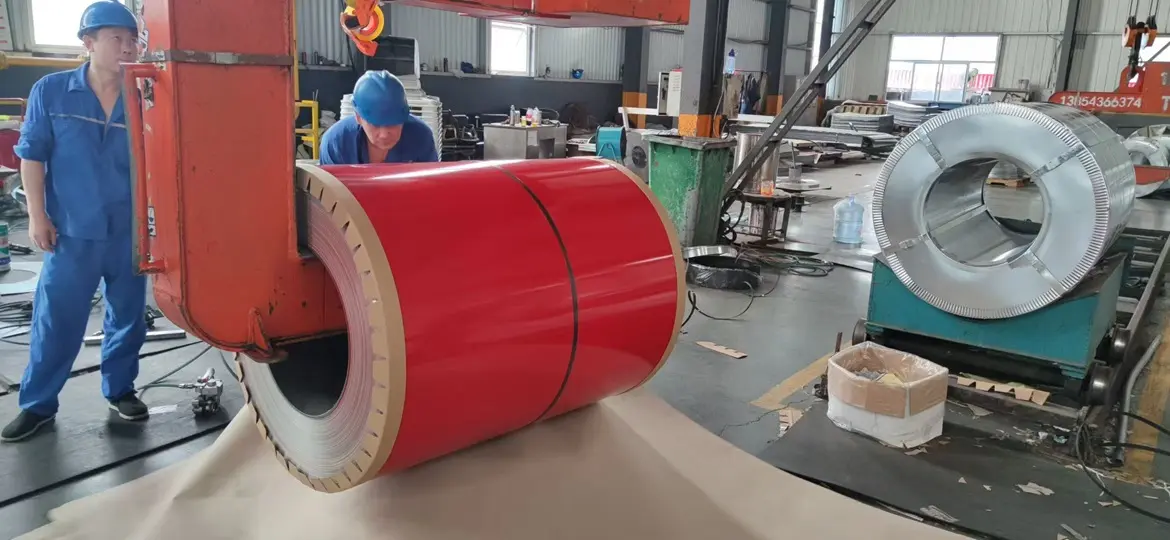
Why Price per Tonne Falls Short
A price per tonne tells the buyer very little on its own. The figure hides the thickness basis, the steel grade, the metallic coating mass, and the paint build. One supplier may quote a lighter coating and a thinner paint film at a lower rate. Another may quote a heavier system at a higher rate. The two numbers describe different products, so the comparison fails before it starts.
Bulk pricing does differ between the two families. PPGI usually carries the lower price per tonne, because the galvanized coating is simpler and more readily available. PPGL typically costs more, because the aluminum-zinc coating composition is more complex and less available. That gap reflects the coating, not the value of the finished roof. A buyer who stops at the tonne price may miss the corrosion performance behind the number.
Buyers should align every quotation on the same thickness definition, grade, metallic coating, approved paint requirements, profile, and effective cover width. Only then does the price per tonne mean something. The ppgi vs ppgl decision rests on that equal footing, not on the headline rate.
Cost per Covered Square Meter
Finished roofing sheets reward a different measure. Cost per covered square meter accounts for the effective cover width, the sheet length, and the profile. Two offers at the same tonne price can deliver different covered areas, because the profile and the overlap differ. Buyers who compare covered area see the real material cost of the roof.
A hypothetical example shows the method. Suppose a buyer needs 1,000 square meters of covered roof. Offer A uses a profile with a narrower effective cover width, so it needs more linear meters of sheet. Offer B uses a wider cover width and needs fewer. The buyer multiplies the required sheet quantity by the quoted unit rate for each offer, then divides by the covered area. All figures here are illustrative only, and the buyer should insert actual quoted rates.
Long-term cost belongs in the same review. PPGL generally offers better corrosion resistance, and that can lower total cost over the roof lifespan through less maintenance and replacement. PPGI fits tighter budgets and lower rust-resistance needs. Buyers should weigh the initial outlay against the expected service conditions, and they should confirm the coating mass on any ppgl steel coils before they accept the long-term case.
Documents and Approvals to Request
Specification and Traceability Records
A quotation becomes an order only when the paperwork matches the product. Buyers should request a supplier-confirmed specification sheet for the offered ppgi or ppgl material. That sheet should state the steel grade, the base metal thickness, the metallic coating designation and mass, and the paint system. It should also carry the applicable product standard and edition. A generic brochure does not serve this purpose. The document must describe the exact product the supplier will ship.
Material certificates and inspection records come next. Buyers should ask for mill certificates that tie the delivered batch to the stated grade and coating. Paint-system data should identify the primer, the topcoat chemistry, and the coating build. An approved color sample or RAL reference closes the appearance question, and a profile drawing fixes the shape and the effective cover width. Batch or coil traceability lets the buyer link each delivered coil back to its certificate. This chain supports any later claim about corrosion protection or coating quality.
Warranty and Inspection Plan
The warranty deserves the same scrutiny as the technical data. Buyers should request a written warranty that names the covered conditions, the exclusions, the claim process, and the responsible party. A verbal promise carries little weight at the point of a claim. The warranty should also state the inspection basis, so both sides know how a dispute gets measured.
An inspection and acceptance plan completes the package. The plan should define sampling, measurement methods, and the documents released with each shipment. Buyers should separate supplier statements from independently verified evidence. A supplier may report salt-spray test results, yet those hours do not translate into a guaranteed number of years on a warehouse roofing assembly. Accelerated tests compare coating systems under fixed laboratory conditions.
They do not predict real service life under local humidity, pollution, and roof design. Buyers should treat test data as one input and weigh it alongside the coating mass, the paint system, and the stated corrosion resistance of the full product. A clear document set lets the buyer approve ppgi or ppgl on evidence rather than on a label, and it keeps every corrosion claim checkable after delivery.
Warehouse Roofing RFQ Checklist
A written RFQ removes ambiguity before prices arrive. The checklist below gives buyers a copyable structure for warehouse roofing inquiries. Each line asks for a field that the abbreviation alone leaves open. Buyers should fill in project values where they have them and mark the rest as to be confirmed. Suppliers then answer the same questions in the same order, and the resulting quotations become comparable.
The list follows the buying sequence set out earlier in this guide. Location and exposure come first, because they shape every later field. Product form, substrate, and grade follow. Thickness, coating, and paint fields then fix the technical baseline. The final lines cover quantity, documents, and warranty. This schedule turns the ppgi or ppgl for warehouse roofing: what project buyers should specify question into one page of fields.
- Project location and warehouse use: [site address, distance to shoreline, stored goods].
- External exposure record: [humidity, rainfall, sunlight, nearby emission sources].
- Internal exposure record: [washing routines, chemical vapors, temperature range].
- Product form: [coils, slit coils, or finished sheets].
- Substrate family: [ppgi or ppgl].
- Applicable standard and steel grade: [standard name and edition, grade].
- Thickness basis, nominal value, and tolerances: [base metal or total coated, measurement method].
- Metallic coating: [type, mass with units, measurement basis].
- Paint system and coating build: [primer, topcoat chemistry, film thickness].
- Reverse-side coating requirement: [chemistry and build].
- Color and surface finish: [RAL reference or approved sample, gloss].
- Profile, effective cover width, and sheet length: [drawing reference, tolerances].
- Quantity and delivery schedule: [covered area, batch requirements, lead time].
- Inspection documents and warranty responsibilities: [certificates, inspection plan, written warranty with exclusions, responsible party].
The checklist doubles as a review tool once quotations return. Buyers can scan each offer against the numbered fields and flag every gap before negotiation starts. A supplier who leaves the thickness basis or the coating mass blank has not answered the question. These tips for buying ppgi and ppgl steel coils apply to both families equally. The same discipline protects a corrosion review, because each claim then traces back to a stated field.
Buyers who order ppgl steel coils or ppgi coils against this schedule hold every supplier to one baseline. Project-specific values stay blank until the design team confirms them. That rule keeps the RFQ honest. It also prevents a supplier from filling a gap with a default that suits the supplier rather than the roof.
PPGI vs PPGL Comparison Table
A quick-reference table helps buyers see where each material fits. The table below compares the two families across six practical factors. Each entry describes a tendency, not a fixed rule. Project conditions and the full specification still govern the final choice.
| Comparison factor | PPGI | PPGL | Best-fit conditions |
|---|---|---|---|
| Coating type | Zinc coating over steel | Aluminum-zinc alloy coating (about 55% Al, 43.4% Zn, 1.6% Si) | PPGI suits general environments; PPGL suits sites where a barrier layer adds value |
| Corrosion resistance | Zinc provides sacrificial protection at cut edges and scratches | Aluminum barrier slows attack, with zinc still protecting exposed edges | Both perform well in dry, moderate settings; PPGL often fits humid, coastal, or industrial exposure |
| Heat reflectivity | Moderate reflectivity from the zinc surface and paint | Higher reflectivity from the aluminum-rich coating | PPGL fits roofs where solar heat gain matters |
| Cost position | Usually lower price per tonne | Usually higher price per tonne | PPGI fits tighter budgets; PPGL fits projects that weigh long-term performance |
| Appearance options | Full range of paint colors and finishes | Full range of paint colors and finishes | Both offer the same color and gloss choices |
| Best-fit conditions | Dry inland warehouses, moderate exposure, budget-driven projects | Coastal, industrial, or demanding internal settings | Selection follows the recorded exposure and the written specification |
The difference between ppgi and ppgl starts with the coating, yet the table shows how many factors sit outside that coating. Heat reflectivity favors PPGL in sunny regions, where a cooler roof reduces interior heat load. Cost position favors PPGI when the budget is tight and the exposure is mild. Appearance options stay equal, because both substrates accept the same paint systems.
Buyers should read the table as a map of trade-offs. The ppgi vs ppgl: key differences do not produce a single winner. A dry inland warehouse may run a PPGI roof for years with proper coating mass and paint build. A coastal site may justify the higher PPGL cost through better corrosion resistance and durability. Neither choice is wrong when the specification matches the site.
The ppgi vs ppgl steel sheets comparison also depends on the paint system. A heavy paint build on PPGI can outperform a light build on PPGL in some settings. Buyers should weigh ppgi corrosion resistance and ppgl corrosion resistance against the actual exposure record, not against a generic ranking.
The ppgi &ppgl roof sheet decision then rests on evidence. A clear table, a recorded site, and a written specification turn the ppgi vs ppgl question into a defensible procurement choice. Buyers who review corrosion resistance and the full coating system together avoid the trap of choosing by label alone. The key differences matter most when the buyer applies them to real conditions.
The buying sequence settles the ppgi vs ppgl question. Buyers assess exposure first, then define the full specification, compare equivalent quotations, and approve supporting documents. This guide to ppgi or ppgl for warehouse roofing: what project buyers should specify makes one point clear. Material selection belongs inside a complete specification, never to an abbreviation alone. A label cannot carry grade, coating mass, paint build, or warranty terms. Buyers can send their project location, warehouse use, product form, dimensions, quantity, and delivery requirements for review. Suppliers then quote against a fixed baseline. No single material fits every site, and corrosion performance depends on the documented system.
FAQ
Is PPGL always the better choice for a warehouse roof?
No. Site exposure, steel grade, coating mass, paint system, and warranty terms all shape the outcome. A dry inland warehouse may suit either product. A demanding site needs a closer review of the full coating system. Buyers should compare complete specifications, not labels.
Does PPGL mean stronger roofing?
No. The coating family describes corrosion protection, not load capacity. Steel grade, base metal thickness, profile, purlin spacing, and fastening govern structural performance. Buyers should let the design team confirm span and loading before they approve either substrate.
Can a coastal warehouse use PPGI?
Possibly, but only after a documented exposure review. Distance to the shoreline, wind patterns, coating mass, paint build, and written warranty conditions all matter. Buyers should request supplier evidence tied to the offered product. The ppgi vs ppgl decision then rests on recorded site data.
Should buyers specify the underside coating separately?
Yes. Internal operations shape the reverse-side exposure. Washing routines, chemical vapors, and temperature-controlled storage all affect the inside face. Buyers should describe these conditions in the RFQ. The roofing assembly and ventilation strategy then follow from that record.
Do salt-spray hours predict roof service life?
No. Accelerated tests compare coating systems under fixed laboratory conditions. They do not model local humidity, pollution, or roof design. Buyers should treat test data as one input and weigh it alongside coating mass and the written warranty.
What single field most often causes unequal quotes?
The thickness basis. One supplier may mean base metal thickness, another total coated thickness. The difference between ppgi and ppgl quotes often starts there. Buyers should state the basis in writing and hold every offer to the same definition before comparing prices.
Which documents should support approval?
Buyers should request a supplier-confirmed specification sheet, mill certificates, paint-system data, an approved color sample, profile drawings, batch traceability, an inspection plan, and a written warranty with exclusions. Each document ties the delivered ppgl or ppgi product back to the agreed specification.