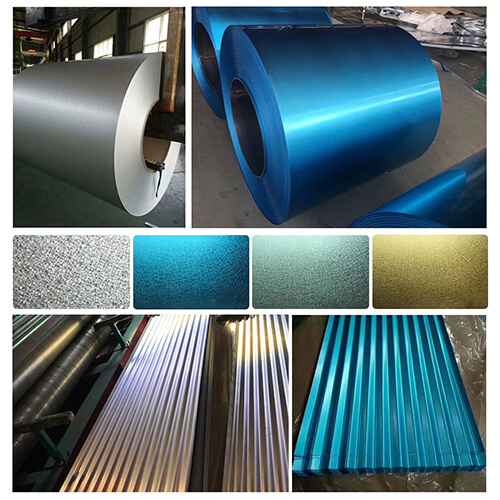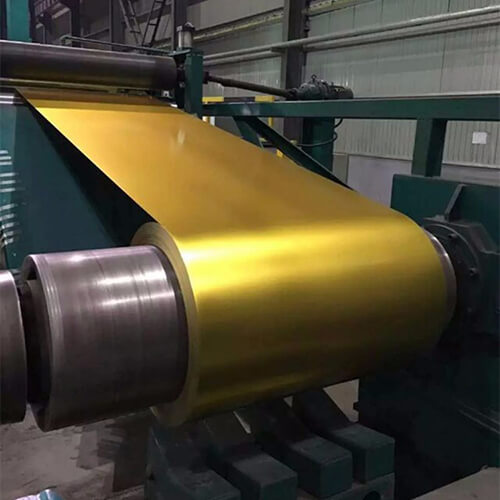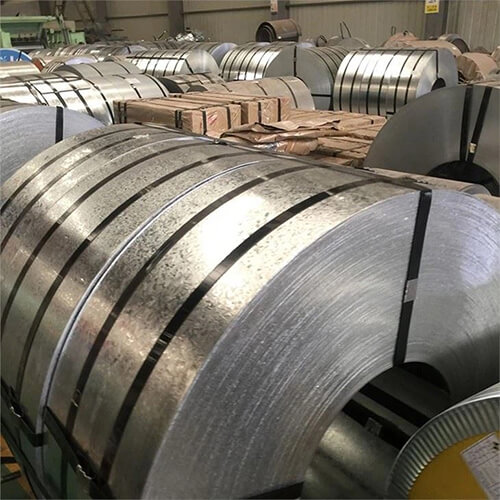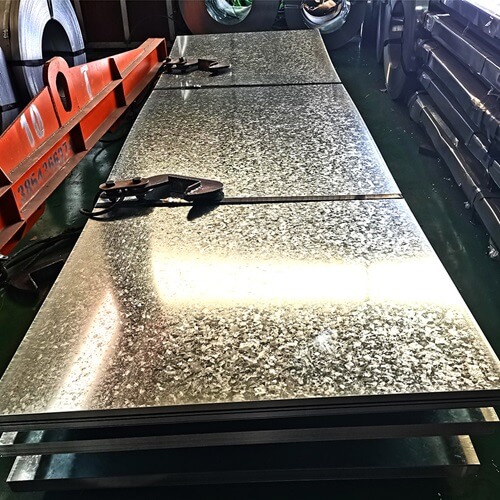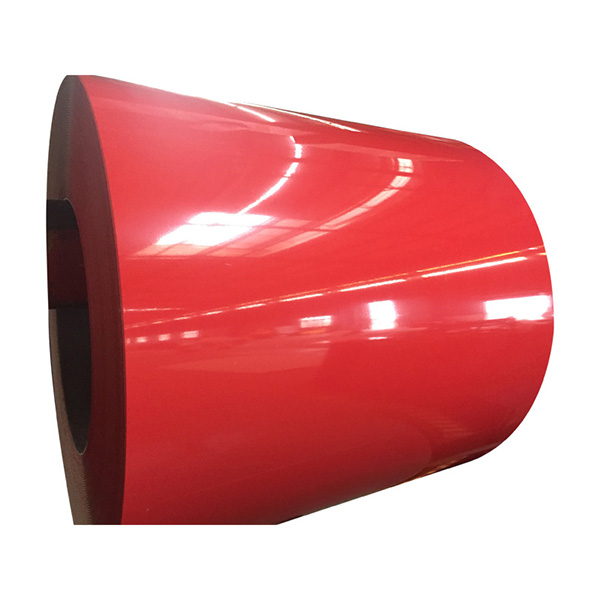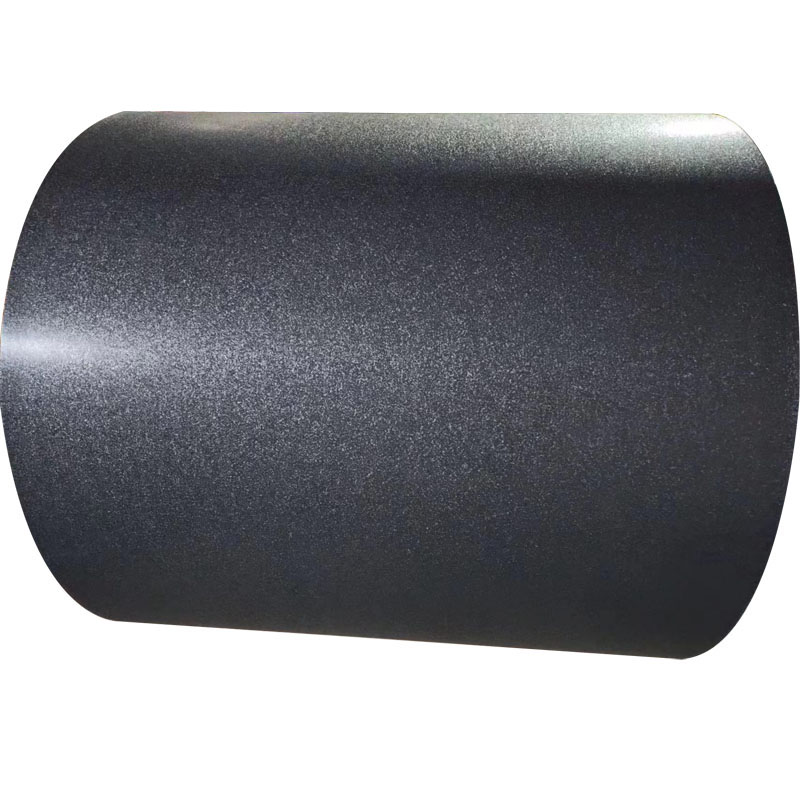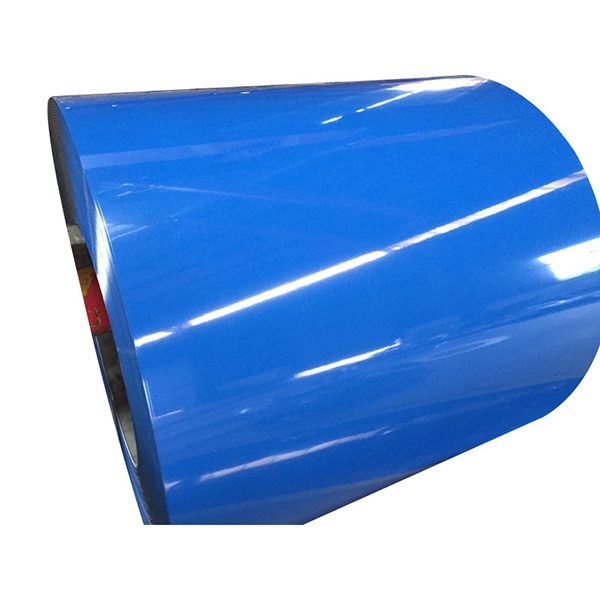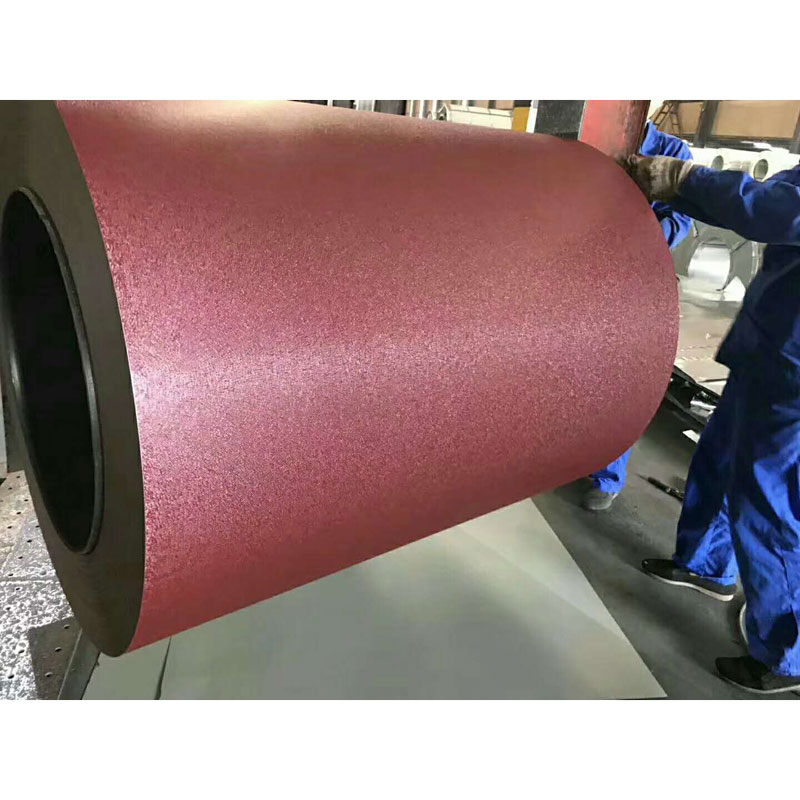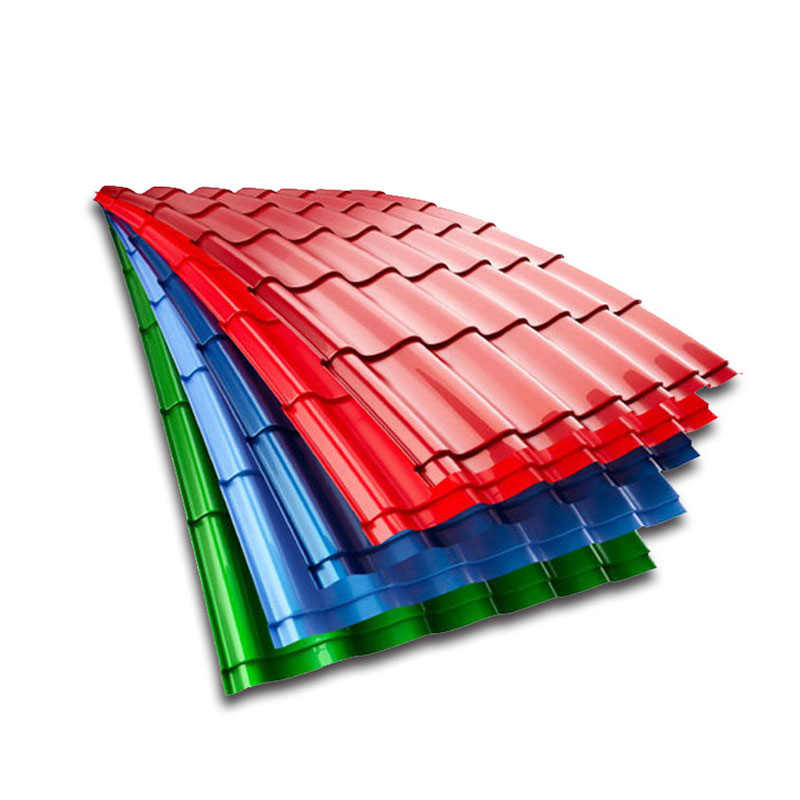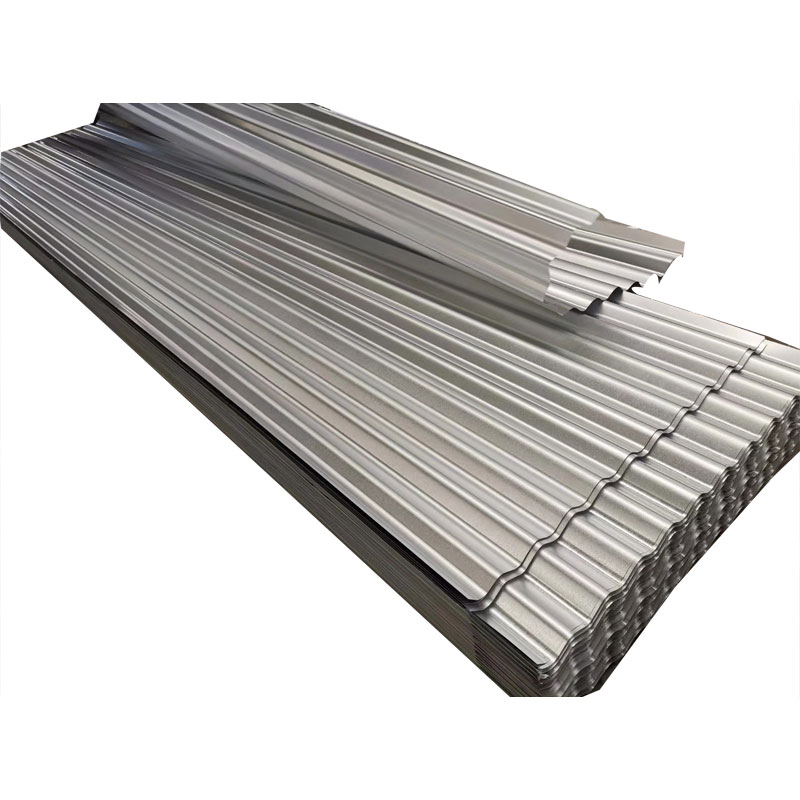
You are likely asking the same question: how to choose paint thickness for ppgi and ppgl? The right answer isn’t a single micron number. Standard PPGI coils often specify a 20-25 micron top coat, but this is only a starting point. Your decision depends on the paint type, the metallic coating, and the installation environment. A 20-micron PE coating differs from a 20-micron PVDF coating in performance. The micron count matters, but it cannot replace the need for a proper coating system. How do you determine the optimal thickness for your project, climate, and budget? This guide will help you make that informed choice.
Key Takeaways
-
Paint thickness alone does not determine performance.
-
Match paint type to your environment.
-
Consider the metallic coating weight.
-
Thicker paint is not always better.
-
Specify the full coating system.
-
Adjust specifications for coastal or high-UV areas.
-
Avoid common specification mistakes.
-
Consult your supplier for the best solution.
How to Choose Paint Thickness for PPGI and PPGL: The Core Factors
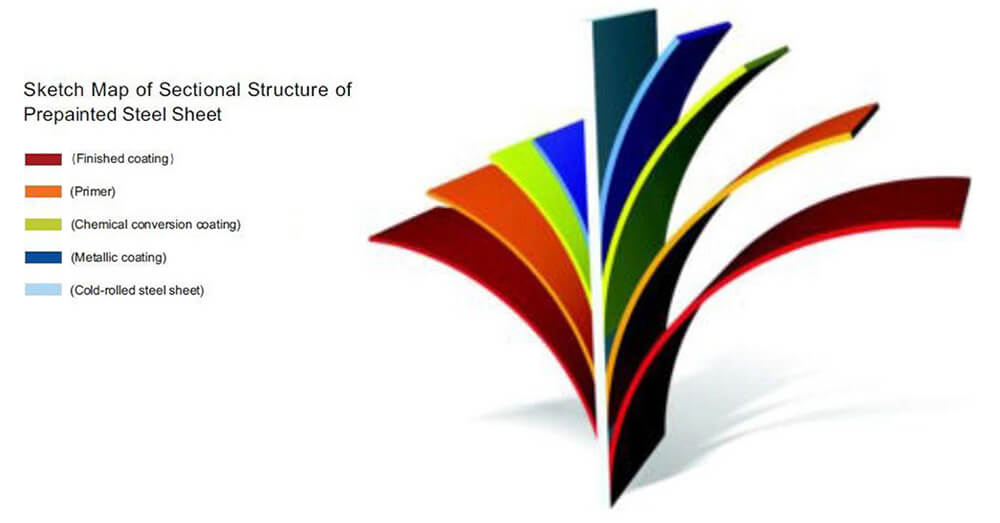
When you look at a coated steel sheet, you see a colored surface. But that surface is just one layer in a complex system. The full structure of a pre-painted galvanized iron (PPGI) or pre-painted galvalume (PPGL) sheet includes multiple layers: top coat, primer, pretreatment, metallic coating, and steel substrate. Each layer serves a specific purpose. Understanding how these layers work together is the key to understanding how to choose paint thickness for ppgi and ppgl.
Understanding the Multi-Layer Coating System
The coating system on a PPGI or PPGL sheet is not a single layer. It is a carefully engineered stack of materials. Each layer has a specific job. You cannot judge the quality of the system by looking at one number alone.
Primer, Top Coat, and Back Coat Roles
The top coat is the layer you see. It provides color, gloss, and protection against UV rays and weather. The primer sits below the top coat. Its main job is adhesion. It bonds the top coat to the metal surface and adds extra corrosion protection. The back coat protects the reverse side of the sheet. It prevents corrosion from the inside of the roof. The metallic coating sits between the primer and the steel. For PPGI, this is a zinc coating.
For PPGL, it is a zinc-aluminum alloy coating. This metallic layer provides the primary corrosion resistance for the sheet. The steel substrate is the base. It gives the sheet its strength and shape. Each layer contributes to the overall performance. A weak primer can cause the top coat to peel. A thin back coat can lead to early corrosion on the underside. An insufficient metallic coating leaves the steel exposed at cut edges. You must specify each layer correctly.
Why Total Film Thickness Is a Misleading Metric
Many buyers ask for a specific total paint film thickness. This is a mistake. A single number for total coating thickness can hide an insufficient primer, a weak back coat, or an unbalanced coating structure. You might think you are getting good protection, but the system is weak in one area. A thicker low-grade coating may not outperform a correctly designed system with a suitable primer, the right resin, proper pigment, and correct curing. Film thickness must be evaluated together with coating chemistry and the intended environment. You cannot look at thickness in isolation. Consider the metallic coating layer. The table below shows how the substrate changes the corrosion profile.
|
Parameter |
PPGI (Zinc base) |
PPGL (Zinc-Aluminium base) |
|---|---|---|
|
Corrosion mechanism |
Sacrificial protection from zinc |
Stronger barrier protection from aluminium content |
|
Cut-edge protection |
Zinc offers sacrificial action at cut edges |
Slightly less sacrificial action, but stronger overall barrier |
|
Corrosion resistance |
Good |
Better, especially in humid/coastal areas |
|
Typical service life |
Moderate |
Longer in corrosive environments |
This comparison shows that the metallic coating layer fundamentally changes the resistance you get from the sheet. This happens independently of the paint film thickness applied on top. You cannot compensate for a weak metallic coating by simply adding more paint.
The Interplay Between Paint Type and Thickness
The type of paint you choose matters as much as the thickness. Different paint systems use different resin chemistries. These chemistries determine how the paint performs under UV exposure, heat, and humidity.
Polyester (PE) vs. PVDF: Same Microns, Different Performance
Consider two sheets. One has a 20-micron polyester (PE) top coat. The other has a 20-micron PVDF top coat. The thickness is the same. The performance is not.
|
Property |
PE (20-micron) |
PVDF (20-micron) |
|---|---|---|
|
UV Resistance |
Good |
Excellent |
|
Gloss Retention |
Moderate |
Excellent |
The PVDF coating delivers superior UV resistance and gloss retention. Industry sources consistently position PVDF as the highest-performance choice for long-term color retention, gloss retention, and weather resistance on exterior building products. A 20-micron PVDF coating will outperform a 20-micron PE coating in outdoor exposure.
How Resin Chemistry Dictates Optimal Thickness
Different resin systems need different thickness ranges. The table below shows the documented thickness ranges for common paint systems.
|
Paint System |
Documented Thickness Range |
|---|---|
|
PE (Polyester) |
8–10 μm |
|
PVDF |
25–35 μm |
In a two-coat PVDF system, the color top coating is typically the thickest layer and is generally 25–30 microns thick. PE systems are applied at a thinner range. These values show that the resin chemistry dictates the optimal thickness. You cannot apply a PVDF system at 8 microns and expect it to perform. You cannot apply a PE system at 30 microns and expect it to form without cracking. The choice of paint system is often more critical than simply increasing the micron count.
A thicker PE coating is not automatically equivalent to a properly specified HDP or PVDF coating. You must match the paint chemistry to your environment. For high UV areas, choose PVDF. For standard indoor applications, PE may be sufficient. When you specify coated steel coils, you must think about the entire system. Whether you buy PPGI or PPGL, you must specify the full coating system. The top coat thickness matters. But so does the primer thickness, the metallic coating weight, and the paint type. A decision based on all these factors will give you a better product. A decision based on micron count alone will not.
Is Thicker Paint Always Better for PPGI and PPGL Coils?
The short answer is no. A thicker paint film can improve barrier protection. But it cannot fix a poor paint type choice or an insufficient metallic coating. You cannot solve a corrosion problem by simply adding more microns of paint. The coating system must work as a whole.
The Cost vs. Performance Trade-Off
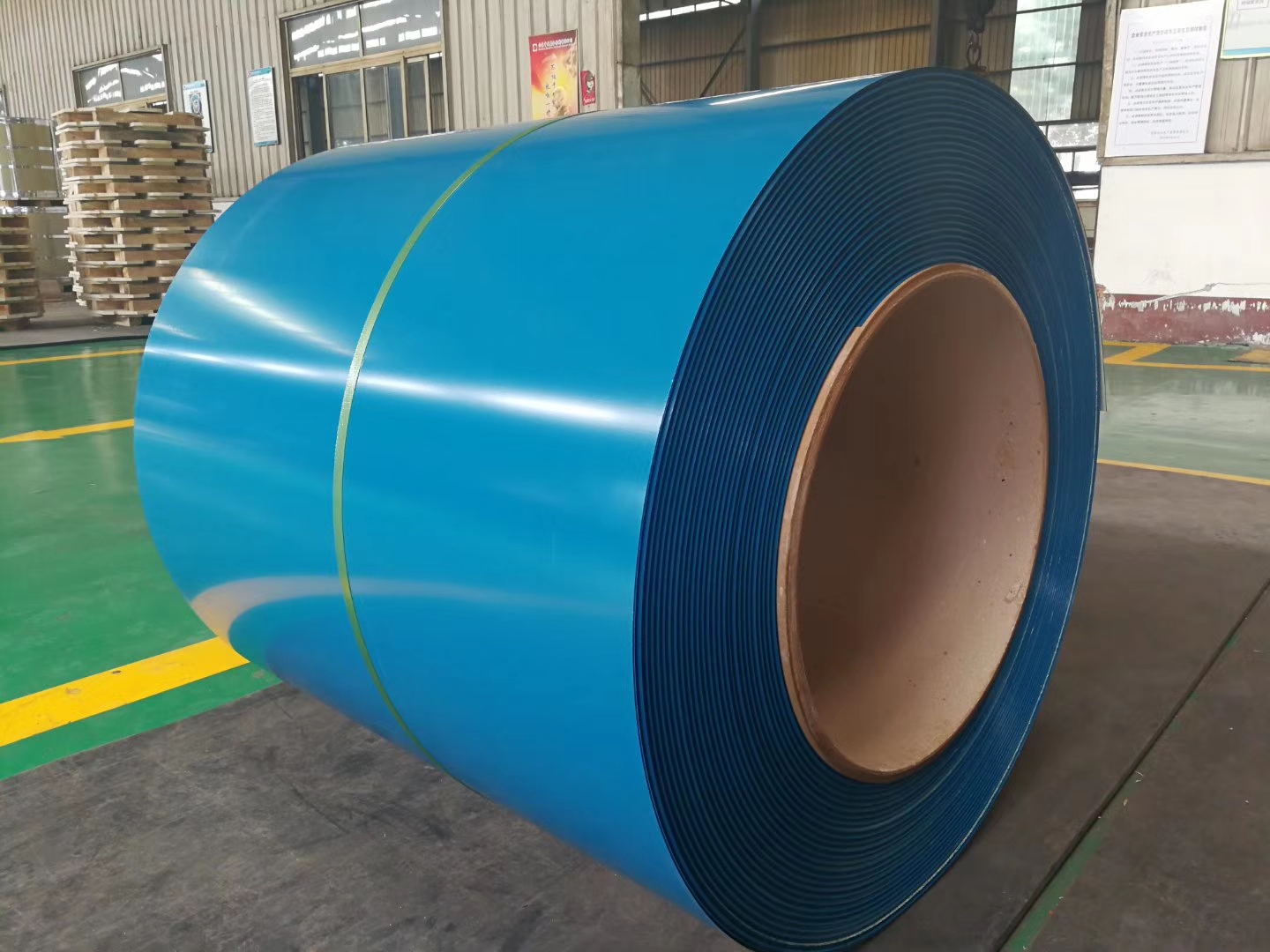
Every micron you add increases the cost per ton. You pay for more raw material. You also pay for longer curing times in the production line. The question is whether that extra cost delivers real value for your roofing application.
When Additional Thickness Adds Value
Thicker paint adds value in specific situations. A roofing sheet installed in a harsh coastal environment benefits from a thicker top coat. The extra paint provides a stronger barrier against salt spray and moisture. It also helps the sheet resist scratches during installation. For a project that demands a 20-year service life, the additional protection justifies the cost. You protect your investment over the long term.
When It Leads to Unnecessary Expense
In many inland applications, thicker paint is wasted money. A standard coating system performs well in mild climates with low pollution. Adding extra microns does not improve performance. It only raises your material cost. You also risk making the sheet harder to form. The extra thickness can cause the paint to crack when the steel bends. You end up paying more for a product that performs worse in your specific application.
The Risk of Over-Specifying Paint Thickness
Over-specifying paint thickness creates real problems. You might think you are getting better quality. In reality, you are introducing new risks that can compromise the entire roofing sheet.
Forming and Bending Challenges
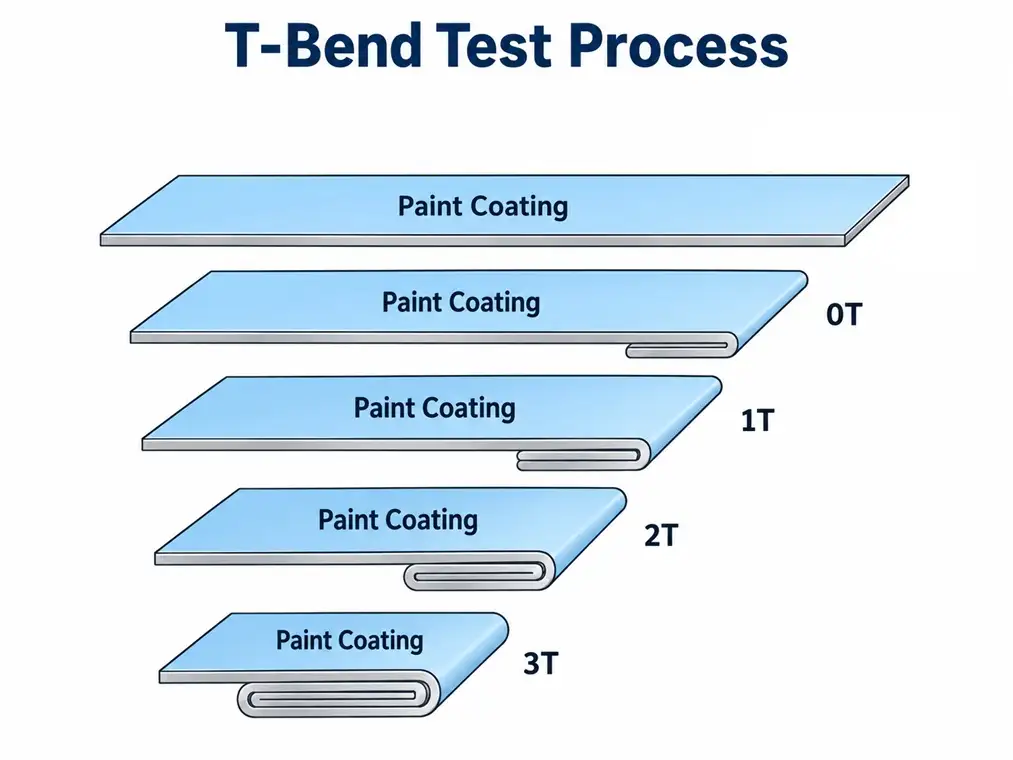
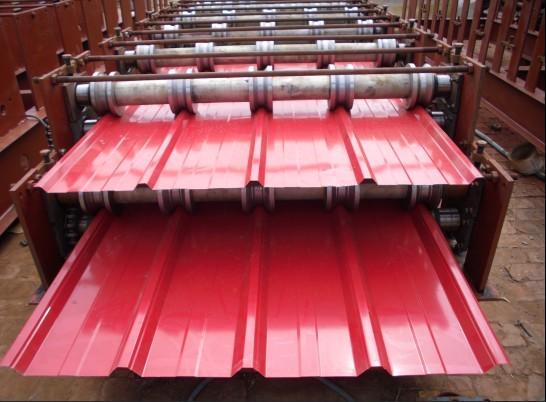
Roofing sheets go through roll forming machines. The steel bends and shapes into profiles. A thicker paint film has less flexibility. When the steel bends sharply, the paint cannot stretch enough to follow the metal. This stress causes micro-cracks in the paint surface. These tiny cracks become entry points for moisture and corrosion over time. The T-bend test measures this exact performance. A sheet with excessive paint thickness often fails this test. The paint cracks at the bend point, exposing the primer or even the metallic coating underneath.
Potential for Paint Cracking or Delamination
Delamination is another serious risk. This happens when the paint layer separates from the substrate. A thick paint film creates internal stress. This stress builds up during curing and cooling. Over time, the stress can overcome the adhesion strength of the primer. The paint begins to lift and peel away from the steel surface. This problem appears months or years after installation. You cannot see it during factory inspection. But once the roofing sheet is on a building, the damage becomes visible and costly to repair.
The key to choosing the right thickness is balance. You need enough paint to protect the surface. You also need the paint to remain flexible enough for forming. This is why how to choose paint thickness for ppgi and ppgl requires a full system view. You must consider the paint type, the metallic coating weight, and the forming process together. A 25-micron PVDF coating on a PPGL substrate with AZ150 metallic coating delivers excellent corrosion resistance. A 35-micron PE coating on a PPGI substrate with low zinc weight will fail faster. The thicker paint cannot compensate for the weaker system underneath.
Work with your supplier to test the actual performance. Run a T-bend test on your specific profile. Check the impact resistance. Confirm the paint adhesion before you commit to a full production run. This approach costs less than replacing an entire roof after premature failure.
A Practical Guide to Specifying Paint Thickness for Roofing Sheets
You now understand the core factors. You know that paint type matters as much as micron count. You recognize that the metallic coating underneath plays a critical role. The next step is turning this knowledge into a practical specification for your roofing production. This guide translates those principles into actionable numbers you can discuss with your supplier.
Matching Thickness to Your Application and Environment
Every roofing project operates under different conditions. A warehouse in an inland industrial park faces different challenges than a beachfront home. Your specification must reflect the actual environment where the roofing sheet will serve. Start with the location. Then match your coating system to that reality.
Standard Requirements for Inland and Rural Projects
Inland and rural environments present mild conditions. Low pollution, moderate humidity, and minimal salt exposure mean the coating system faces fewer stresses. For these projects, a polyester (PE) paint system with a top coat in the 15–20 micron range delivers adequate protection. The back coat can sit at 10–15 microns. This specification balances cost with performance. You avoid paying for protection you do not need. The paint system provides good color retention and weather resistance for typical service lives. Most suppliers confirm that PE paint performs well for 5–10 years in these conditions. That timeframe suits many standard roofing applications. You can specify this configuration with confidence for warehouses, agricultural buildings, and rural residential projects.
Enhanced Requirements for Industrial and Coastal Zones
Coastal and industrial environments demand a different approach. Salt spray, humidity, and airborne pollutants attack the coating system aggressively. Suppliers consistently recommend PPGL for these zones. The zinc-aluminum metallic coating provides superior edge protection compared to standard galvanized substrates. This recommendation holds even when the paint thickness range stays the same as inland specifications.
|
Parameter |
PPGI |
PPGL |
|---|---|---|
|
Top paint thickness (μm) |
10–40 |
10–40 |
|
Back paint thickness (μm) |
5–20 |
5–20 |
|
500–1000 h without red rust |
1000–2000 h without corrosion |
The table reveals a critical insight. Both PPGI and PPGL share the same paint thickness range. Yet PPGL delivers double the salt spray resistance. This performance gap comes from the metallic coating, not the paint film. For coastal roofing, you should prioritize the substrate choice alongside your paint specification. You also need to consider paint type. Polyester paint lasts only 5–10 years in any environment. In coastal zones, that service life drops by 30–50%. A PVDF system extends protection to 20–30 years. Even with that reduction, PVDF outperforms PE significantly. For industrial zones near the coast, specify HDP or PVDF systems with a top coat in the 25–35 micron range.
A Buyer’s Matrix for Common Scenarios
Different market segments require different specification strategies. You cannot apply one standard to every customer. The matrix below helps you match your coating specification to the end-use scenario.
Economy Roofing vs. Premium Projects
Economy roofing targets price-sensitive buyers. These projects typically serve inland markets with mild conditions. A PE paint system with a 15–20 micron top coat keeps costs competitive. You sacrifice some longevity, but the product meets the expected service life for this market segment. The key is matching the specification to the price point without creating future failures.
Premium projects demand a different approach. These buyers expect 20–30 year performance. They often specify PVDF paint systems with top coats in the 25–35 micron range. They also choose PPGL substrates for enhanced corrosion resistance. The combination of high-performance paint and superior metallic coating justifies the premium price. You deliver a product that maintains its appearance and structural integrity for decades.
Tropical and High-Humidity Markets
Tropical markets combine heat, humidity, and intense rainfall. These conditions accelerate paint degradation and corrosion. The high UV exposure fades colors quickly. The humidity promotes underfilm corrosion at cut edges and scratches.
For these markets, you need a balanced specification. A polyester system may fail prematurely. An HDP or PVDF system provides better UV resistance and color retention. The top coat should sit at 20–25 microns minimum. The metallic coating weight must be sufficient to protect cut edges. PPGL with an adequate aluminum-zinc coating performs better than PPGI in these humid conditions. The substrate choice matters more than simply increasing paint thickness.
The practical takeaway is clear. You must evaluate each project on its own terms. Consider the location, the expected service life, and the customer’s budget. Then select the paint system, thickness, and substrate that match those requirements. This approach to how to choose paint thickness for ppgi and ppgl ensures you deliver value without over-specifying or under-protecting your coated steel coils. Discuss these factors with your supplier before placing an order. Confirm the full specification, not just the micron count. This conversation prevents costly mistakes and ensures your roofing sheets perform as expected in their specific environment.
How South American Climate Impacts Your PPGI and PPGL Paint Choice
South America is not one climate. You face different challenges depending on where your roofing sheets go. A specification that works for an inland project in Colombia may fail in coastal Peru. You must adjust your coating strategy for each environment. This section helps you match your PPGI and PPGL specification to the specific conditions in South America.
Coastal vs. Inland: A Tale of Two Environments
The difference between coastal and inland environments is dramatic. Coastal areas expose roofing sheets to salt spray, high humidity, and constant moisture. Inland areas may have dry air but intense UV radiation at high altitudes. You cannot apply one solution to both.
Salt Spray and Humidity in Lima or Cartagena
Coastal cities like Lima and Cartagena present a unique challenge. The air carries salt particles from the ocean. These particles settle on the roofing surface. Combined with high humidity, they create a corrosive environment that attacks the coating system. The metallic coating underneath the paint often determines how long the sheet survives. A higher Al-Zn coating weight on your PPGL, such as AZ150, provides superior barrier protection.
This base layer resists corrosion at the cut edges where paint cannot reach. A standard paint system over a strong metallic coating can outperform a thicker paint film over a weak zinc coating. The cut edges are the most vulnerable points. Salt spray attacks them first. A PPGL with adequate metallic coating fights this attack better than a PPGI with a thicker paint layer. For these coastal environments, prioritize the metallic coating weight over the paint thickness.
High UV Exposure in the Andes or Northern Chile
High-altitude regions like Bogotá or Santiago receive intense UV radiation. The thinner atmosphere at high elevations absorbs less UV light. This radiation degrades paint systems over time. The paint fades, chalking appears, and the surface loses its gloss. The paint type matters more than the thickness in these conditions. A PVDF system delivers superior UV resistance. It maintains color and gloss for decades. A thicker polyester coating still fades faster than a properly specified PVDF system. You do not need the maximum thickness range. A 20-micron PVDF coating performs better than a 25-micron polyester coating in high-UV environments. Choose the right resin chemistry first. Then set the thickness to match the standard range for that system.
Country-Specific Considerations for Roofing Factories
Each country in South America has its own climate profile. You must consider the specific conditions in your target market.
Colombia: Managing Rainfall and Humidity
Colombia experiences high rainfall and humidity across many regions. The combination of constant moisture and warm temperatures accelerates corrosion. The paint system must resist moisture penetration. The metallic coating must protect the cut edges. A PPGL with a balanced paint system works well here. You do not need the most expensive paint system. A standard PE or SMP system with adequate metallic coating handles the conditions. The key is specifying the right metallic coating weight. Do not reduce the Al-Zn coating to save costs. The cut edges will fail first. Ensure your supplier confirms the metallic coating weight in the contract.
Brazil: Heat, UV, and Industrial Pollution
Brazil combines high temperatures, intense UV exposure, and industrial pollution in many regions. The heat accelerates chemical reactions in the paint. The UV degrades the color and gloss. Industrial pollution adds chemical attack from airborne acids and particulates. A durable paint system is essential here. HDP or PVDF systems provide better resistance to this combination of stresses. The paint thickness should be at the standard range for these systems. Do not go below the minimum thickness that the resin chemistry requires. A properly specified PVDF system on a PPGL substrate delivers the longest service life for Brazilian conditions. The initial cost is higher, but the lifecycle cost is lower.
PPGI vs. PPGL: Does the Substrate Change Your Paint Thickness Needs?
The substrate beneath your paint determines how long your roofing sheet survives. You cannot separate the metallic coating from the paint specification. These two layers work together as one protective system. Understanding their relationship helps you avoid costly specification errors.
Galvanized (GI) vs. Galvalume (AZ) Substrates
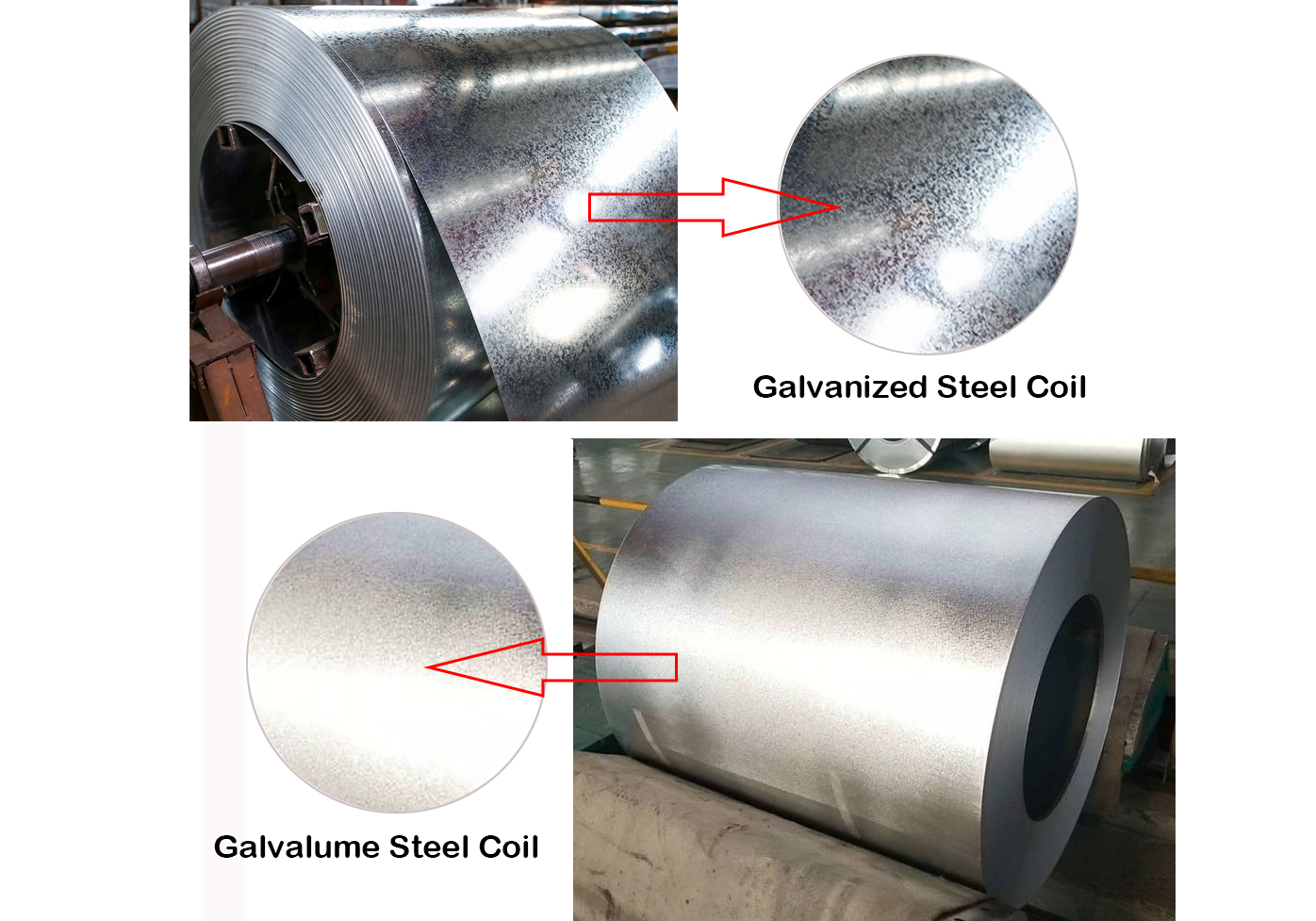
Your choice between PPGI and PPGL changes the entire corrosion protection strategy. PPGI uses a hot-dip zinc coating. PPGL uses a zinc-aluminum alloy with roughly 55% aluminum content. These two metallic coatings behave differently when exposed to moisture and salt.
The Role of the Metallic Coating in Corrosion Protection
The metallic coating provides the primary defense against corrosion. Zinc on PPGI offers sacrificial protection. It corrodes first to protect the steel beneath. This sacrificial action extends far from cut edges, making PPGI excellent for sheets that require intricate cutting. The aluminum in PPGL forms a stable oxide barrier. This barrier resists corrosion more effectively than zinc in atmospheric exposure. Salt spray tests show PPGL lasts 2-4 times longer than PPGI before red rust appears, given equivalent coating mass.
|
Comparison Aspect |
PPGI (Zinc-coated) |
PPGL (Al-Zn-coated) |
|---|---|---|
|
Cut-edge sacrificial protection |
High |
Moderate |
|
Atmospheric corrosion resistance |
Baseline |
Typically outperforms PPGI |
|
Salt spray resistance (ASTM B117) |
1x baseline |
2-4x longer to red rust |
How Substrate Longevity Affects Paint Requirements
The substrate’s lifespan directly influences your paint specification. A PPGL sheet with AZ150 metallic coating (150 g/m²) delivers 25-30 years of roof service life. A PPGI sheet with Z275 zinc coating (275 g/m²) provides 15-20 years under identical paint systems. The aluminum oxide barrier on PPGL sustains protection longer. Zinc’s sacrificial action depletes faster once breached. This 10-year difference means you can pair a standard paint system with PPGL and still outlast a PPGI sheet with premium paint. You do not need maximum paint thickness when your substrate already provides superior protection.
Why You Shouldn’t Confuse Paint Thickness with Metallic Coating Weight
Many buyers compare quotes using only steel thickness, color code, and paint microns. This approach misses the most critical variable. The metallic coating weight determines how the sheet resists corrosion at edges and scratches. Paint cannot protect areas where the coating is cut or damaged.
Understanding the Full Specification of Your PPGI PPGL Galvanized Steel Coil
A complete specification for your ppgi ppgl galvanized steel coil must include the metallic coating weight alongside the paint system. You need to state whether you require Z275 zinc or AZ150 aluminum-zinc. You must also specify the paint type, not just the micron count. A pre-painted galvanized iron sheet with 20 microns of PE paint differs completely from a pre-painted galvalume sheet with 20 microns of PVDF paint. The substrate and paint chemistry together determine performance.
Key Questions to Ask Your Supplier About Coating Weights
Ask your supplier directly about the metallic coating weight. Request the exact grams per square meter for both sides of the sheet. Confirm whether the coating meets your target standard. Ask how the coating performs at cut edges in your specific environment. Request salt spray test data for the actual coating weight you plan to order.
The cut edges of PPGL offer less protection compared to PPGI. Apply anti-rust or zinc-rich paint to cut edges for maximum protection in coastal environments.
Your purchasing decision should weigh the entire system. Compare the substrate, the metallic coating, and the paint chemistry together. This complete view of corrosion resistance ensures you select the right product for your roofing market.
Common Paint Thickness Mistakes and How to Avoid Them
Procurement managers make the same errors repeatedly when ordering coated steel. These mistakes cost money, create performance failures, and damage supplier relationships. Understanding how to choose paint thickness for ppgi and ppgl starts with recognizing what goes wrong. Here are the three most common pitfalls and how to avoid them.
Mistake 1: Focusing Only on Price and Microns
Many buyers compare quotes using just two numbers: price per ton and micron count. They assume a lower price with the same microns equals a better deal. This logic fails because it ignores everything else in the specification. A cheap ppgi coil with 20 microns of paint may use low-grade resin, a thin primer, or a weak metallic coating underneath. The paint thickness detection test will show 20 microns. But the actual protection falls far below what that number suggests.
The correction starts with lifecycle thinking. A roofing sheet that fails after five years costs more than a better product that lasts fifteen. You pay for replacement materials, labor, and downtime. The initial savings disappear quickly. Instead of asking for the lowest price, ask your supplier for the full coating specification. Compare the paint brand, the resin type, the primer thickness, and the metallic coating weight. These factors determine real performance. A slightly higher price per ton often delivers dramatically better value over the roof’s service life.
Mistake 2: Ignoring the Paint System and Metallic Coating
The second common error treats all paint as equal. Buyers specify “20 microns” without stating whether they need polyester, SMP, HDP, or PVDF. They also forget to specify the metallic coating weight on their ppgi ppgl galvanized steel coil. This omission creates confusion and leaves room for suppliers to cut corners.
Consider two coils with identical 20-micron top coats. One uses polyester paint over a Z275 zinc coating. The other uses PVDF paint over an AZ150 aluminum-zinc coating. The second coil delivers superior corrosion resistance and UV protection. The first coil costs less but fails faster in harsh environments. The paint system and metallic coating determine performance more than the micron count alone. When you order, state the paint type and the metallic coating weight in writing. Confirm these details on the certificate of analysis. This practice prevents misunderstandings and ensures you receive the product you expect.
Mistake 3: Using One Specification for All Markets
The third mistake happens when factories apply a single specification to every customer. A roofing sheet destined for an inland warehouse faces different conditions than one installed on a coastal home. Using the same coating for both leads to either overpaying or under-protecting.
A factory serving multiple markets needs a flexible specification strategy. Create standard configurations for different environments. Use a basic PE system for inland projects. Switch to HDP or PVDF for coastal and high-UV areas. Adjust the metallic coating weight based on the humidity and salt exposure. This approach to buying ppgi and ppgl requires more upfront planning. But it delivers better products at competitive prices for each market segment. Your customers receive roofing sheets matched to their actual conditions. You avoid warranty claims and reputation damage from premature failures.
The pattern behind these mistakes is clear. Buyers focus on isolated numbers instead of the complete system. They ignore how paint chemistry, metallic coating, and environment interact. A holistic specification that considers all these factors together ensures quality and cost-effectiveness. When you order your next batch of coated steel, review the entire specification. Ask questions about every layer. Your roofing sheets will perform better, and your customers will stay satisfied.
Choosing the right paint thickness for your PPGI or PPGL roofing sheets is a strategic decision. You must balance cost, environment, and performance. No single thickness works for every project. The best choice depends on your paint type, metallic coating weight, and local climate. Corrosion resistance matters most in coastal areas. Stop comparing price per ton alone. Instead, discuss the full specification with your supplier. Tell them your project location, roofing profile, and expected lifespan. This information helps them recommend the right system. Your ppgi sheets will fight corrosion better with the right coating. Contact our team for a consultation. We help you select the right solution. We are your knowledgeable partner, not just a material seller.
FAQ
What Is the Standard Paint Thickness for PPGI?
Most PPGI coils carry a top coat between 20-25 microns and a back coat of 15-20 microns. These numbers serve as a baseline. Your actual specification depends on the paint type, environment, and expected service life. Always confirm the full coating structure with your supplier.
Is 20 Microns of Paint Enough for Roofing Sheets?
Twenty microns works well for inland projects with mild conditions. Coastal or industrial environments demand more protection. You should pair a 20-micron top coat with the right paint system and metallic coating weight. The substrate underneath often matters more than the paint layer alone.
What Is the Difference Between Primer Thickness and Top Coat Thickness?
The primer bonds the top coat to the metal surface. It also adds corrosion protection. The top coat provides color, gloss, and weather resistance. You must specify both layers separately. A thick top coat cannot fix a thin or weak primer underneath.
Does Thicker Paint Improve Corrosion Resistance?
Thicker paint creates a stronger barrier against moisture and salt. But it cannot compensate for a poor paint type or weak metallic coating. A 25-micron polyester coating fails faster than a 20-micron PVDF coating in harsh environments. You need the entire system working together for real corrosion resistance.
Which Is Better for Coastal Roofing: PPGI or PPGL?
PPGL performs better in coastal zones. The aluminum-zinc metallic coating provides superior barrier protection at cut edges. Salt spray tests show PPGL lasts two to four times longer than PPGI before red rust appears. Choose PPGL with adequate metallic coating weight for marine environments.
Is PE, SMP, HDP, or PVDF Better for South American Roofing?
Your choice depends on location. PE suits inland projects with mild conditions. HDP or PVDF handles high UV and coastal exposure better. Brazil’s heat and humidity demand durable systems. Colombia’s rainfall requires strong moisture resistance. Match the paint system to your specific climate, not a regional average.
How Should I Specify My Coating Order Correctly?
State the paint type, top coat thickness, primer thickness, back coat thickness, and metallic coating weight. Include the RAL color and gloss level. Ask for the certificate of analysis. This complete specification prevents misunderstandings and ensures you receive the product you expect.