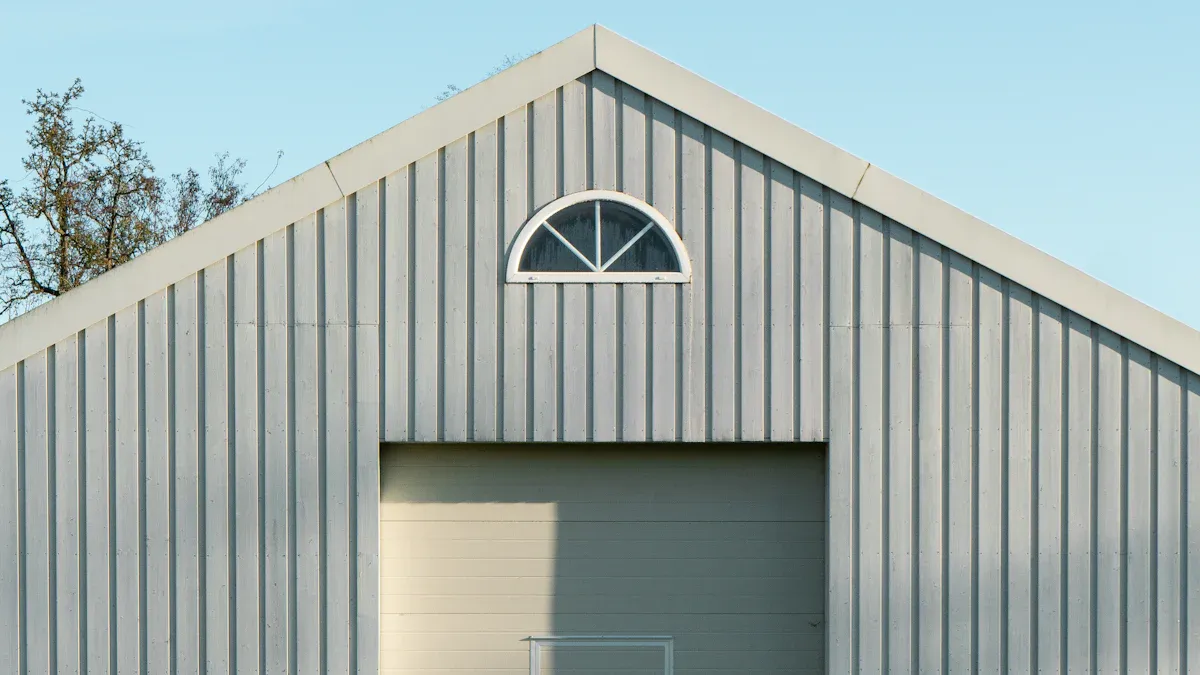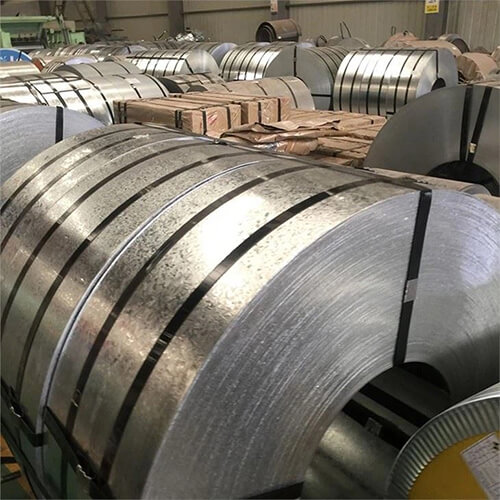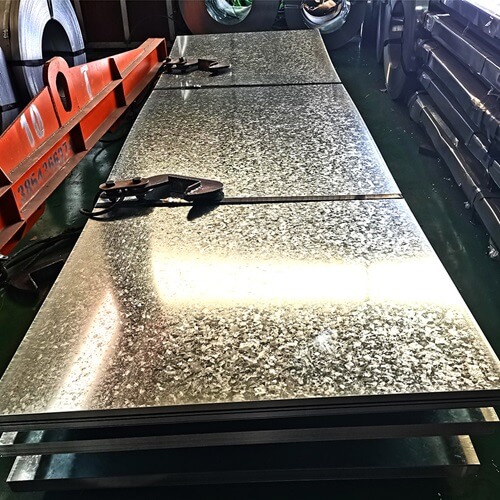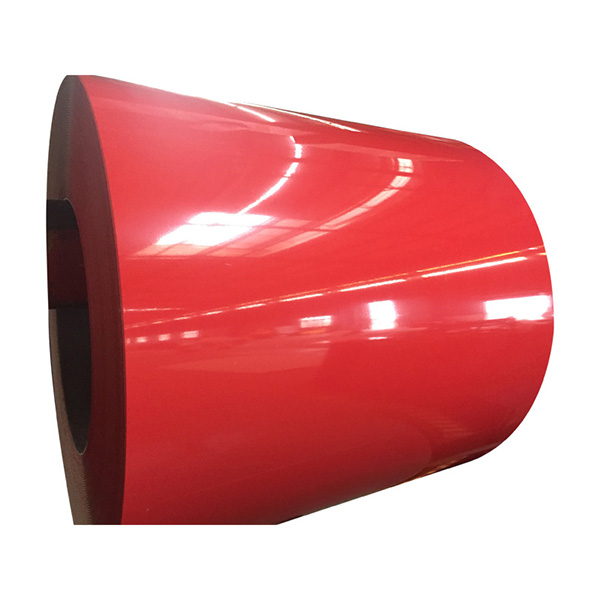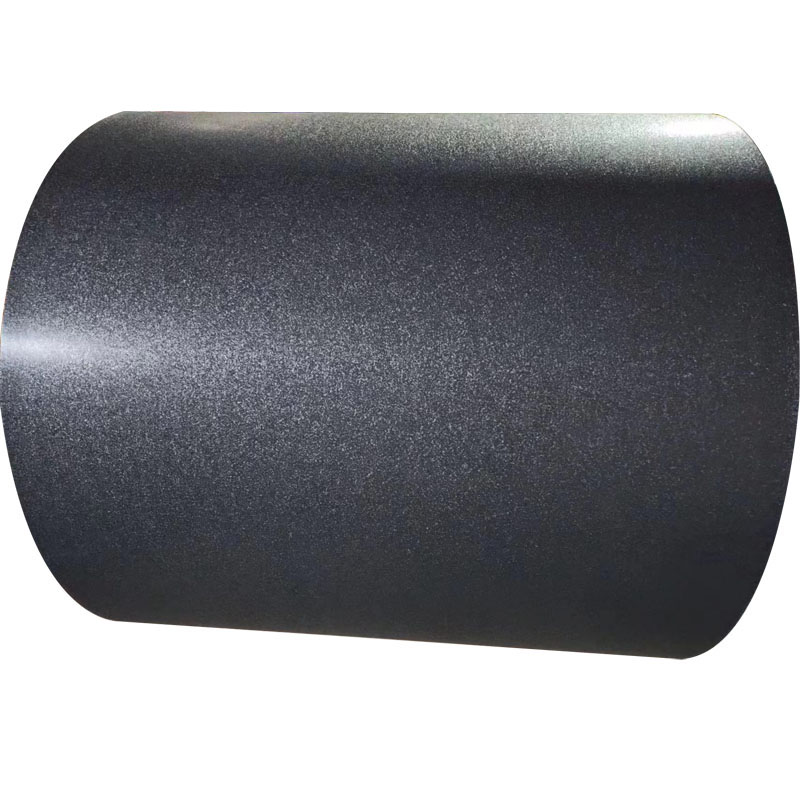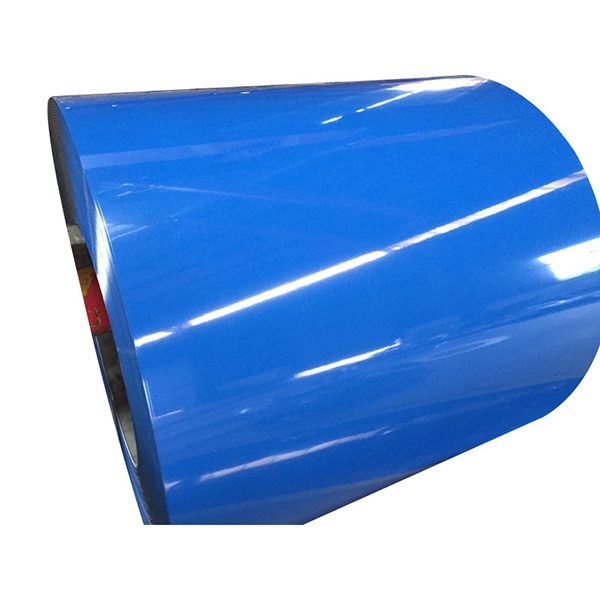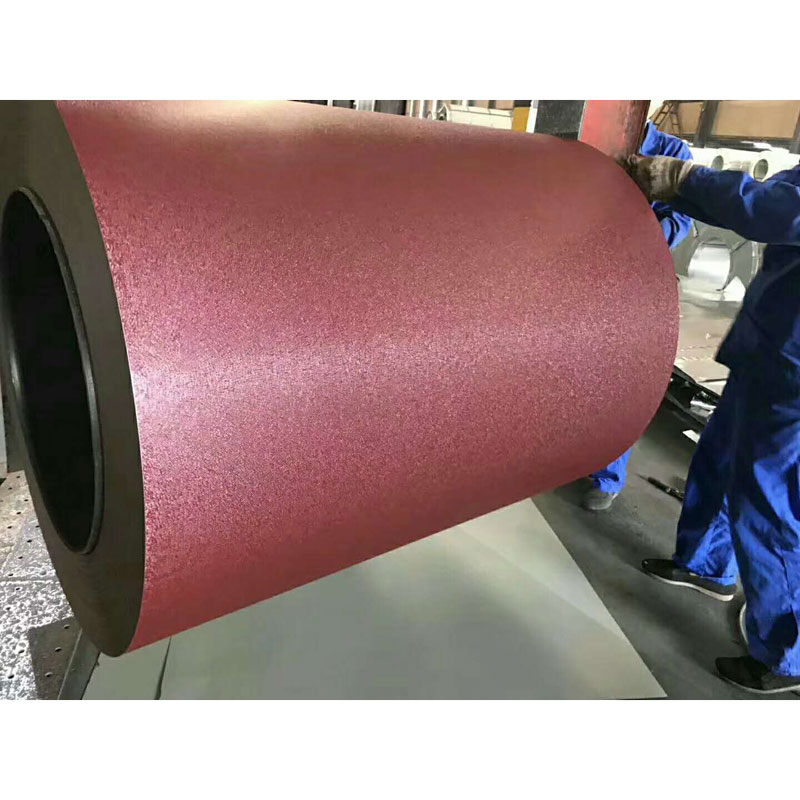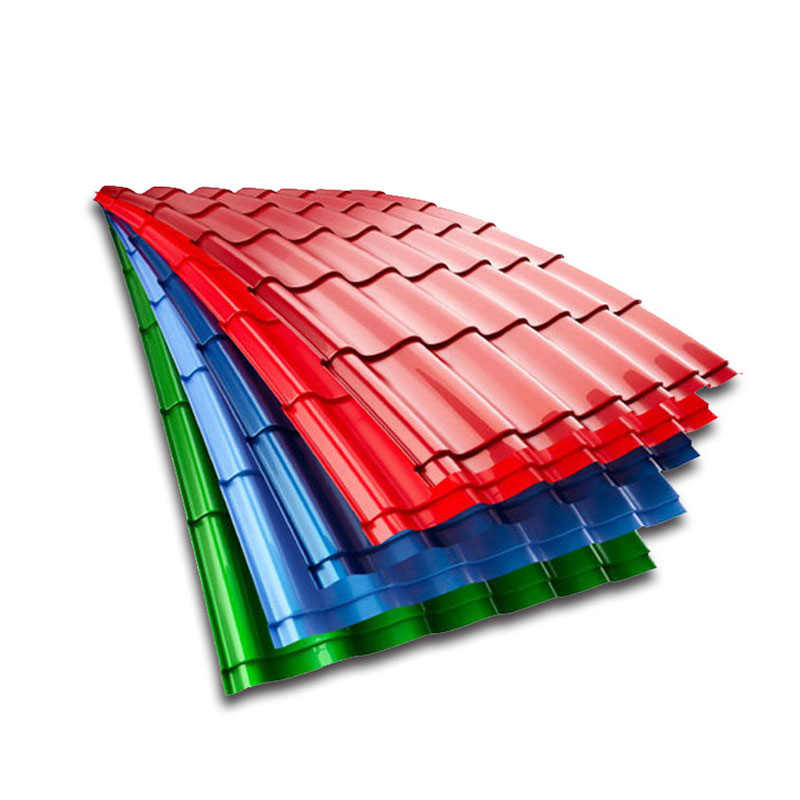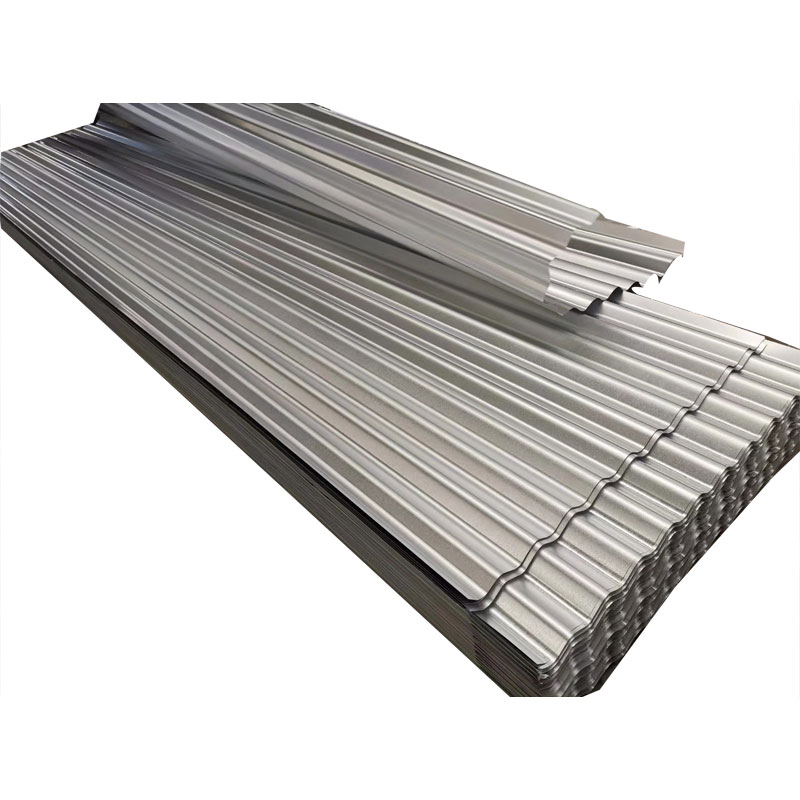
You should check five factors to choose the right prepainted galvanized steel coil for your garage door. Focus on coating type, steel thickness, paint system, warranty, and supplier reliability. These elements directly determine performance and curb appeal. Modern garage doors use prepainted steel. This material withstands harsh weather effectively. PPGI for Garage Doors gives you better lifecycle value compared to plain galvanized steel. You gain lower maintenance and a longer lifespan. This guide delivers a practical, step-by-step approach. It helps homeowners, contractors, and manufacturers balance durability, beauty, and cost.
Key Takeaways
-
Choose the right coating type: polyester, SMP, or PVDF for durability.
-
Select steel thickness based on gauge and yield strength for wind resistance.
-
Pick higher zinc weights like G90 or Z275 for coastal areas.
-
Understand warranty coverage: paint vs. substrate, pro-rated or not.
-
Verify supplier reliability with mill test certificates and performance data.
-
Consider lifecycle value over upfront cost to save money long-term.
-
Maintain your garage door regularly, especially in coastal environments.
-
Match the paint system and texture to your climate and style needs.
Coating Types for PPGI for Garage Doors

The coating type you choose stands as the single biggest driver of durability and color retention. This decision affects how your garage door looks after years of sun, rain, and temperature swings. Three main coating families dominate the market. Each one serves different budgets and climate demands.
Polyester Coatings
Polyester represents the entry-level option for prepainted steel. Manufacturers apply this coating in a standard bake cycle. The result is a solid, economical finish.
Lifespan and Color Retention
You can expect a polyester coating to last for a limited duration in moderate conditions, with performance decreasing faster under high humidity. Color retention holds up reasonably well in mild climates. However, intense UV exposure will cause gradual fading over time. The paint may chalk slightly after several summers. This chalking appears as a white powder on the surface. It does not harm the steel beneath, but it does affect appearance.
Best Use Cases
Polyester works best for budget-conscious projects in moderate climates. If your garage door faces limited direct sunlight, this coating performs adequately. Homeowners in temperate zones will find polyester a practical choice. Contractors often specify polyester for rental properties or temporary structures. The lower upfront cost makes it attractive for large projects with many doors.
Silicon-Modified Polyester (SMP)
Silicon-modified polyester, or SMP, sits in the mid-tier of coating options. Manufacturers add silicone to the polyester resin. This modification improves performance without the premium price of PVDF.
Chalking and Fading Resistance
SMP resists chalking and fading far better than standard polyester. The silicone additive slows the breakdown of the paint binder. Your door will hold its color longer under UV stress. This coating also handles temperature fluctuations with greater ease. The surface stays smoother and cleaner over time.
Value for Long-Term Appearance
SMP delivers strong value when you want extended appearance without top-tier pricing. This coating bridges the gap between budget and premium options. If you plan to keep your garage door for many years, SMP offers a smart middle ground. The improved resistance to chalking means less maintenance and fewer touch-ups. Many manufacturers now offer SMP as their standard upgrade coating.
PVDF Coatings
PVDF, or polyvinylidene fluoride, represents the premium tier of coil coatings. Brands like Kynar 500 and Hylar 5000 produce resins for this category. These coatings set the benchmark for architectural metal performance.
Color and Gloss Retention
PVDF coatings deliver exceptional color and gloss retention. You can expect exceptional long-term performance from PVDF coatings. The resin resists UV degradation at a molecular level. Colors stay vibrant, and the surface keeps its original sheen. Even in intense sunlight, PVDF holds its appearance remarkably well.
Ideal Applications
PVDF suits harsh climates and high-end garage doors. Coastal areas with salt spray demand this level of protection. Commercial buildings and luxury homes often specify PVDF for its lasting beauty. If you want a door that looks new for decades, PVDF justifies the investment. The coating also resists chemical exposure and industrial pollutants.
When you evaluate PPGI for Garage Doors, consider your local environment carefully. Corrosion levels, temperature extremes, and strength requirements all guide your choice. The PPGI versus PPGL decision also depends on these factors. PPGL offers aluminum-zinc coating for superior corrosion resistance in severe conditions. Your climate and budget will point you toward the right coating system.
Steel Thickness and Strength
The steel thickness and strength you choose directly affect your garage door’s durability. A thicker panel resists dents better and handles wind loads more effectively. The strength of the steel itself also matters. You need to match both thickness and strength to your local conditions. This section breaks down the numbers and terms you will encounter.
Decoding Steel Gauge
Steel gauge numbers can confuse buyers. A lower gauge number means thicker steel. This reverse scale trips up many first-time purchasers. You need to understand this relationship before you order materials.
Common Gauges for Garage Doors
Garage door panels typically use three common gauges. These are 24, 26, and 28 gauge. Each number corresponds to a specific thickness. Twenty-four gauge steel is the thickest common option for garage doors. Twenty-six gauge is thinner, and twenty-eight gauge is the thinnest. Most residential doors use 26 or 28 gauge. Commercial doors often require 24 gauge for extra strength. The correct gauge depends on your door size and local building codes. The steel thickness for door applications varies depending on the gauge and profile. Your profile design and structural needs will guide the final choice.
Dent Resistance
Thicker steel resists dents much better than thin steel. A 24 gauge panel can withstand impacts from hail and flying debris. A 28 gauge panel may show dents from the same force. This matters for garage doors because they face daily use. Children, bicycles, and lawn equipment all create impact risks. You pay more for thicker steel upfront. But you save money on repairs and replacements later. The dent resistance also affects your home’s curb appeal. A dented garage door lowers property value noticeably.
Yield Strength and Stiffness
Steel thickness alone does not determine panel strength. The steel’s yield strength plays an equally important role. Yield strength measures how much stress the steel can handle before it permanently deforms. Higher yield strength means stiffer panels that resist bending.
Wind Load Performance
Wind load performance depends heavily on both thickness and yield strength. Garage doors in hurricane-prone areas need strong panels. The steel must resist bending and twisting under high wind pressure. Building codes in coastal regions specify minimum wind load ratings. You must check your local requirements before selecting steel. A door with higher yield strength and proper gauge can meet these standards. The combination of thickness and strength gives you a robust panel that stays aligned.
Tensile vs. Yield Strength
You need to understand the difference between tensile strength and yield strength. Tensile strength measures the maximum stress the steel can withstand before breaking. Yield strength measures the point where the steel starts to bend permanently. For garage door panels, yield strength matters more. A panel that yields under wind load will not return to its original shape. A panel that reaches tensile strength will break and fail completely. You want steel with adequate yield strength to maintain panel shape over time. Manufacturers list both values on their spec sheets. Look for the yield strength number first when comparing options.
Galvanized Base and Zinc Weight
The galvanized base under the paint provides your first line of defense against rust. The zinc coating on the steel protects the metal even when the paint gets scratched. This protection system adds years to your door’s life.
Zinc Coating Weights (G90, G60, Z180, Z275)
Zinc coating weights follow standardized naming systems. G60 and G90 are common in North America. Z180 and Z275 are common in international markets. Higher numbers mean more zinc and better corrosion protection. For standard conditions, G60 or Z180 works well. For coastal areas with salt exposure, choose G90 or Z275. The extra zinc provides a thicker sacrificial layer that protects the steel longer.
Corrosion Protection at Cut Edges
Cut edges on garage door panels create a weak point for corrosion. When you cut the steel, you expose the bare metal at the edge. The zinc coating cannot cover this exposed area. But the zinc nearby provides protection through a process called galvanic action. The zinc corrodes first instead of the steel. This sacrificial protection extends along the cut edge. The amount of protection depends on the zinc weight. Heavier zinc coatings provide more protection to cut edges. You can also apply edge primer to seal cut areas. This extra step adds protection in humid or coastal environments. Quality manufacturers handle edge protection carefully. You should ask your supplier about edge treatment methods.
When you evaluate PPGI for Garage Doors, pay close attention to the base steel specifications. The combination of gauge, yield strength, and zinc weight determines real-world performance. A door with proper specifications will last longer and perform better.
Paint System and Finish

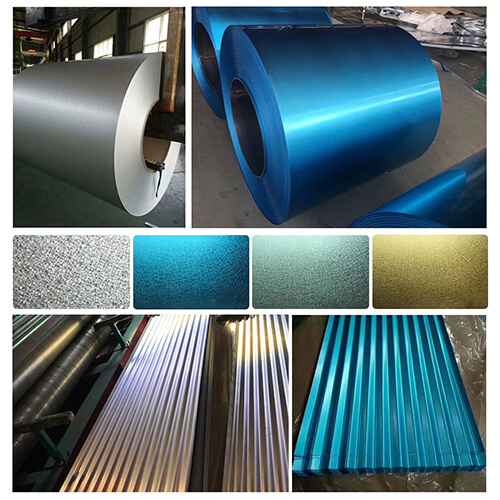
The paint system separates GI from PPGI. GI has only a zinc coating. PPGI adds a paint coating on top of the zinc. This combination provides better appearance and enhanced protection. The paint system determines your door’s color, texture, and resistance to weather. You should understand each layer before you buy.
Primer Layer
The primer layer forms the foundation of the entire paint system. This thin coating bonds the topcoat to the zinc surface. A quality primer prevents peeling and stops corrosion from spreading under the paint.
Adhesion and Corrosion Prevention
The primer creates a chemical bridge between the metal and the topcoat. Without proper adhesion, the paint will blister and flake away. The primer also contains corrosion inhibitors. These chemicals slow rust formation at scratches and cut edges. A weak primer leads to premature paint failure. You should always ask your supplier about primer quality.
Primer Types in Quality PPGI
Quality PPGI uses chromate-based or chrome-free primers. Chromate primers offer excellent adhesion and corrosion resistance. Chrome-free options meet environmental regulations in many markets. Some manufacturers use epoxy primers for superior bonding. Polyester primers cost less but perform adequately in moderate conditions. The primer type affects the total coating system lifespan.
Topcoat Layer
The topcoat provides the visible finish and protects against UV radiation. This layer determines how long your door keeps its color and gloss. A quality topcoat resists chalking, fading, and chemical exposure.
UV Resistance and Color
UV radiation breaks down paint binders over time. The topcoat resin must resist this degradation. PVDF topcoats handle UV stress best. SMP topcoats offer good resistance at a lower cost. Polyester topcoats fade faster under intense sunlight. The pigment type also affects color retention. Inorganic pigments hold color longer than organic pigments.
2-Coat vs. 3-Coat Systems
A 2-coat system includes primer and topcoat. A 3-coat system adds a backer coat or intermediate layer. Three-coat systems outperform two-coat systems in harsh environments. The extra layer provides better edge protection and corrosion resistance. You pay more for three-coat systems upfront. The extended lifespan often justifies the higher cost.
Surface Textures
Texture affects both appearance and performance. Different textures suit different architectural styles. Texture also hides minor surface imperfections.
Smooth, Woodgrain, and Stucco
Smooth finishes offer a clean, modern look. Woodgrain textures mimic real wood for traditional homes. Stucco textures provide a rough, masonry-like appearance. Each texture uses embossing rollers during manufacturing. The pattern depth varies by manufacturer.
Hiding Imperfections
Textured surfaces hide minor dents and scratches better than smooth surfaces. Woodgrain and stucco patterns break up light reflection. Small imperfections become less noticeable. Smooth finishes show every flaw. If your door faces high-traffic areas, consider a textured finish. The color of PPGI can be adjusted as needed, offering a colorful variety to match any home exterior.
Warranty and Certifications
A strong warranty protects your investment in prepainted steel. You should understand what the warranty covers before you buy. Certifications also prove that the product meets industry standards. Manufacturer reputation ties everything together.
What Warranties Cover
Warranties on prepainted steel coils typically address two separate areas. You need to know the difference to evaluate your protection properly.
Paint vs. Substrate Warranty
A paint warranty covers the coating system. It protects against chalking, fading, and peeling. A substrate warranty covers the steel beneath the paint. It protects against perforation from rust. These two warranties often have different durations. The paint warranty may last many years, and the substrate warranty may last even longer. You should read both carefully. Some manufacturers offer a single combined warranty. Others separate the two. Ask your supplier for written warranty terms before you order.
Pro-Rated vs. Non-Pro-Rated
A pro-rated warranty reduces your coverage over time. If you file a claim in year 15 of a 20-year warranty, you receive only a portion of the original value. A non-pro-rated warranty covers the full value for the entire warranty period. Non-pro-rated coverage offers better protection. You should always ask which type the manufacturer provides. The difference matters greatly if you need to file a claim late in the warranty period.
Industry Certifications
Certifications give you confidence that the product meets established standards. You should look for specific licenses and test compliance.
Kynar 500 and Hylar 5000 Licenses
Kynar 500 and Hylar 5000 are brand names for PVDF resin. Manufacturers must hold a license to use these names. The license ensures the coating meets strict performance requirements. You should verify that your supplier holds a valid license. Unlicensed products may use lower-quality resins. These products will not deliver the same performance.
ASTM Coating Standards
ASTM International publishes standards for coil-coated metal. These standards cover adhesion, impact resistance, and corrosion performance. You should ask your supplier which ASTM standards the product meets. Compliance with these standards shows that the manufacturer tested the product properly. It also gives you a benchmark for comparing different suppliers.
Manufacturer Reputation
The company behind the product matters as much as the product itself. A reputable manufacturer stands behind its warranty and delivers consistent quality.
Track Record and Reviews
You should research the manufacturer’s history. How long have they operated? Do they serve customers in your region? Look for reviews from contractors and homeowners. A manufacturer with a strong track record will have positive feedback. You can also ask for references from past customers. This step helps you avoid unreliable suppliers.
Researching Suppliers
You should verify that your supplier is an authorized distributor. Contact the manufacturer directly to confirm. Ask about the supplier’s experience with PPGI for Garage Doors. A knowledgeable supplier will answer your questions clearly. They will also provide technical support after the sale. Building a relationship with a reliable supplier pays off over time.
Supplier and Price Considerations
Prepainted steel coil prices vary by specification. Galvanized steel coils cost less upfront. However, prepainted steel coils often deliver better lifecycle value. You must look beyond the initial invoice to understand the true cost of your purchase.

True Cost of Cheap PPGI
A low price tag often signals hidden problems. You should evaluate the full financial picture before you commit to a supplier.
Long-Term Costs of Low Quality
Low-quality PPGI creates ongoing expenses that far exceed the initial savings. In high-humidity environments, traditional painted steel costs $24.70 per square foot over 20 years. PPGI costs only $11.60 per square foot over the same period. That represents a 53% reduction in total cost. Maintenance and repair costs tell a similar story. Traditional systems cost $6.30 per square foot. PPGI costs just $0.40 per square foot. These numbers show why the cheapest option rarely saves money.
Risks of Thin Coatings and Low Zinc
Thin paint coatings and low zinc weights accelerate deterioration. In corrosive zones, standard polyester fails adhesion within 3 years under 85% relative humidity. A PVDF coating costs 2.5 times more upfront than polyester. Yet PVDF saves $18 to $25 per square meter per year in corrosive or humid environments. It also reduces overall costs by roughly 40% over 20 years. In tropical climates, a 40% gloss loss after 5 years increases energy costs by about $18 per square meter per year. SMP-coated PPGI retains about 85% gloss, which reduces cooling costs. Targeted coating selection saves $18 to $42 per square meter over 15 years in corrosive zones.
Vetting Your Supplier
You should treat your supplier as a long-term partner. A reliable supplier provides documentation and answers your technical questions.
Questions About Steel and Paint Origin
Ask where the steel originates. Ask which company produces the paint resin. Reputable suppliers answer these questions without hesitation. They know their supply chain and stand behind their materials.
Mill Test Certificates and Data
Request mill test certificates for every order. These documents verify the steel’s chemical composition and mechanical properties. Ask for coating performance data as well. This data shows adhesion, impact resistance, and corrosion test results. A supplier who cannot provide these documents is not worth your business.
Finding Best Value
Value means more than the lowest price. You should compare quotes on total performance and long-term cost.
Comparing Quotes on Total Value
Evaluate each quote against the full specification. Check the zinc weight, coating type, and paint system. A slightly higher price for Z275 zinc and PVDF coating may save you thousands over the door’s life. Compare the warranty terms as well. A non-pro-rated warranty adds real value.
Delivery and Customer Support
Reliable delivery keeps your project on schedule. Ask about lead times and shipping methods. Confirm that the supplier provides technical support after the sale. Clear communication before you order prevents costly mistakes later. Discuss your project requirements in detail. A good supplier will guide you toward the right product for your specific needs.
Selecting PPGI for Garage Doors in Coastal Areas
Living near the ocean demands higher standards for your garage door materials. Salt-laden air accelerates corrosion much faster than inland conditions. You need to choose specific specifications for PPGI for Garage Doors that can withstand this aggressive environment. This section explains the adjustments you must make for coastal performance.
Corrosion and Salt Exposure
Salt exposure changes how steel degrades fundamentally. The combination of moisture and salt creates an aggressive electrolyte. This electrolyte drives the galvanic corrosion process at a much faster rate.
Why Coastal Environments Are Harsher
Salt particles in the air settle on your garage door surface continuously. These particles attract moisture from the atmosphere around them. The resulting saltwater film stays on the metal for extended periods. This film conducts electricity and drives electrochemical corrosion rapidly. The corrosion rate near the ocean can be much higher than inland rates. Wind carries salt spray directly onto door surfaces with every breeze. Even homes a mile from the shore experience this effect regularly. Morning dew mixes with salt residues and creates a corrosive bath every day. Standard steel specifications rarely survive these conditions long enough to justify their cost.
Recommended Zinc Weights (Z180, Z275)
You need higher zinc weights for coastal exposure without exception. Z180 offers adequate protection for mild coastal areas away from direct oceanfront. Z275 delivers superior protection for properties directly on the oceanfront. The zinc layer sacrifices itself to protect the steel beneath it. A heavier zinc coating extends this sacrificial protection significantly over the steel. Cut edges benefit greatly from thicker zinc through galvanic action. Z275 provides nearly double the zinc of Z180 for better protection. This extra protection reduces edge rust and creep corrosion substantially. You pay more for higher zinc weights upfront. The extended lifespan makes that investment worthwhile in coastal conditions.
Coating and Paint Choices
The coating system matters more near the ocean than anywhere else. Salt attacks both the paint and the underlying metal simultaneously. You need a coating that resists this dual threat effectively.
PVDF vs. SMP for Coastal Climates
PVDF coatings outperform SMP in coastal conditions by a wide margin. The PVDF resin resists salt chemical attack better than polyester or SMP resin. PVDF maintains color and gloss for many years near salt water exposure. SMP offers decent performance but fades faster in coastal UV radiation. The cost difference between PVDF and SMP narrows in coastal applications considerably. PVDF saves $18 to $25 per square meter per year in corrosive environments. Over 15 years, targeted coating selection saves $18 to $42 per square meter. PVDF also reduces overall costs by roughly 40 percent over 20 years of service. For direct oceanfront properties, PVDF represents the only practical long-term choice.
Thickness Recommendations
Your steel thickness matters in coastal areas for structural reasons primarily. Thicker panels resist wind loads better during coastal storms and hurricanes. Thicker steel, such as 26 gauge or greater, is recommended for coastal areas. Twenty-four gauge offers better wind resistance for larger panel sizes. Some coastal building codes require specific minimum gauges for safety. You should check your local requirements before ordering materials. The panel profile design also affects wind load performance significantly.
Maintenance and Longevity
You cannot eliminate coastal effects completely with material choice alone. You must manage them through regular maintenance over time. Proper care extends your door’s lifespan significantly in salt air.
Inspection and Cleaning Schedule
You should inspect your garage door every three months in coastal areas without fail. Look for paint damage, edge rust, and hardware corrosion during each check. Wash the door with fresh water monthly to remove accumulated salt deposits. Use mild soap and a soft cloth or sponge for gentle cleaning. Rinse thoroughly to avoid soap residue that attracts dirt. Dry the door with a clean cloth to prevent water spots on the finish. Touch up any paint chips immediately with matching paint to prevent rust. This simple schedule prevents small problems from growing into major repairs later.
Expected Lifespan in Coastal Conditions
Your door’s lifespan depends on your material choices and maintenance habits directly. A PVDF-coated door with high zinc weights can provide long-term service in coastal conditions. An SMP-coated door with adequate zinc can provide many years of service. Standard polyester with low zinc weights often fails much sooner than higher quality coatings. Regular cleaning adds years to every coating option available. You should plan your budget around these expected lifespans realistically. The upfront cost difference between coating systems pays back many times over in coastal environments.
Selecting PPGI for Garage Doors requires balancing five key factors: coating type, steel thickness, paint system, warranty, and supplier reliability. Performance and lifecycle value matter more than the lowest price. A cheap coil often costs more in repairs later. Use this checklist to evaluate options:
-
Match the coating to your climate — Polyester, SMP, or PVDF
-
Verify steel gauge and yield strength for wind loads
-
Confirm zinc weight — G90 or Z275 for coastal areas
-
Read warranty terms: paint vs. substrate, pro-rated or not
-
Request mill test certificates from your supplier
The right choice delivers lasting durability and strong curb appeal.
FAQ
Which coating lasts longest on a garage door?
PVDF coatings deliver the longest service life, often lasting many years. You get exceptional color and gloss retention in most environments. Brands like Kynar 500 and Hylar 5000 set this benchmark. Choose PVDF for harsh climates and high-end doors.
What steel gauge should I pick for a residential garage door?
Most residential doors use 26 or 28 gauge steel. Commercial doors often need 24 gauge for extra strength. A lower gauge number means thicker steel. Match your choice to door size and local building codes.
How much zinc do I need for coastal areas?
You need Z180 or Z275 zinc weights near the ocean. Z275 delivers superior protection for direct oceanfront properties. Salt spray accelerates corrosion much faster than inland conditions. Heavier zinc extends sacrificial protection at cut edges.
Does a 3-coat paint system beat a 2-coat system?
Yes. A 3-coat system adds a backer or intermediate layer. This extra layer improves edge protection and corrosion resistance. You pay more upfront. The extended lifespan often justifies the higher cost in harsh environments.
What does a paint warranty cover compared to a substrate warranty?
A paint warranty covers chalking, fading, and peeling. A substrate warranty covers perforation from rust. Durations differ — paint may last many years, substrate even longer. Always ask whether coverage is pro-rated or non-pro-rated.
Why does cheap PPGI cost more over time?
Thin coatings and low zinc weights accelerate deterioration. In humid environments, standard polyester fails adhesion within 3 years at 85% relative humidity. PVDF saves $18 to $25 per square meter per year in corrosive conditions. The cheapest option rarely saves money.
How often should I clean a coastal garage door?
Inspect your door every three months in coastal areas. Wash it monthly with fresh water to remove salt deposits. Use mild soap and a soft cloth. Touch up paint chips immediately. This schedule prevents small problems from becoming major repairs.
What documents should I request from a PPGI supplier?
Ask for mill test certificates on every order. These verify chemical composition and mechanical properties. Request coating performance data covering adhesion, impact resistance, and corrosion results. A supplier who cannot provide these documents is not worth your business.