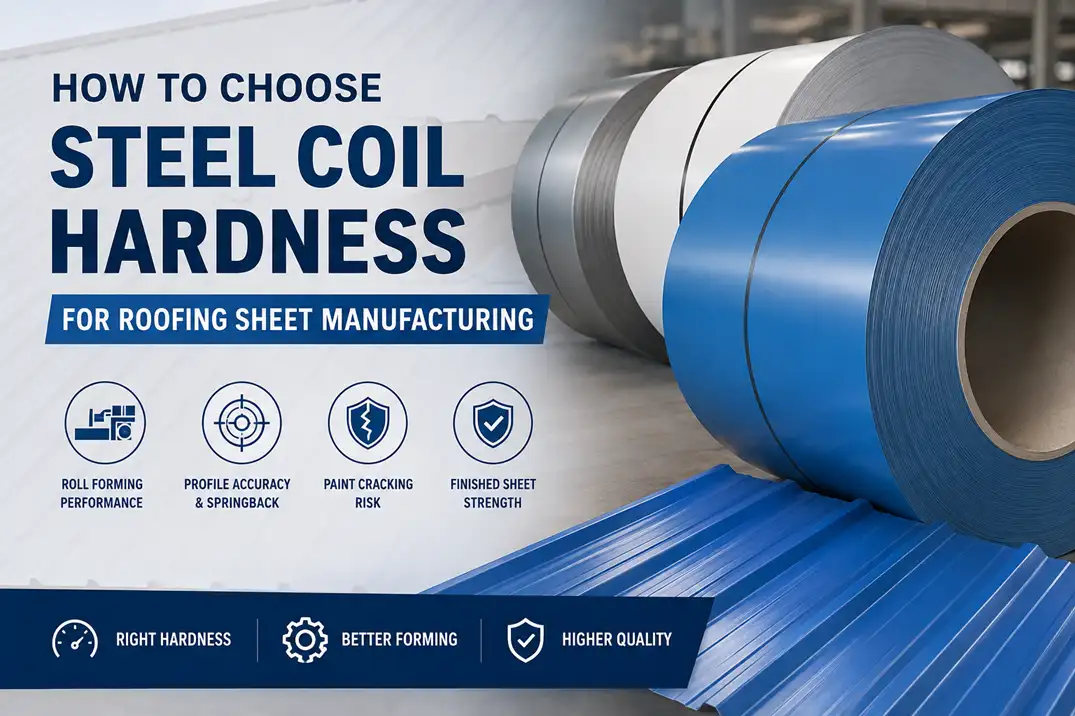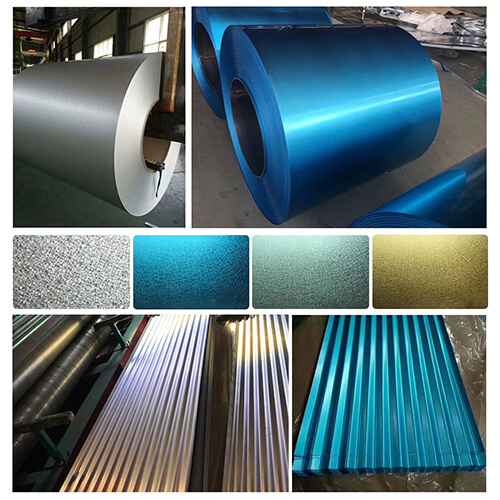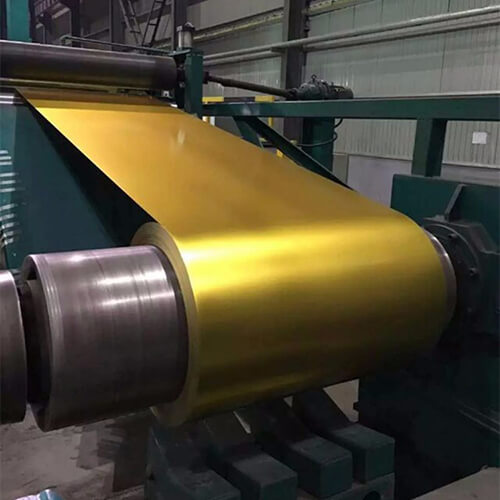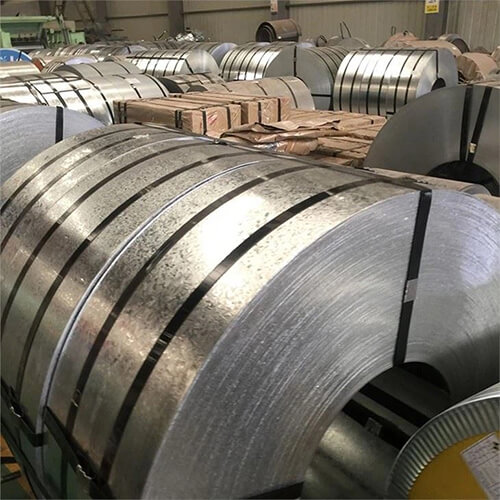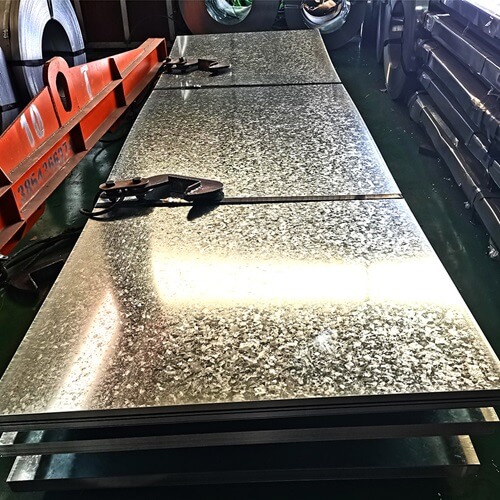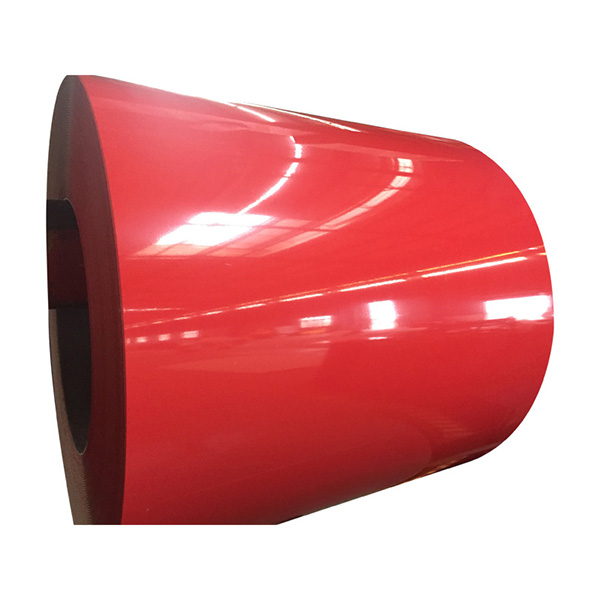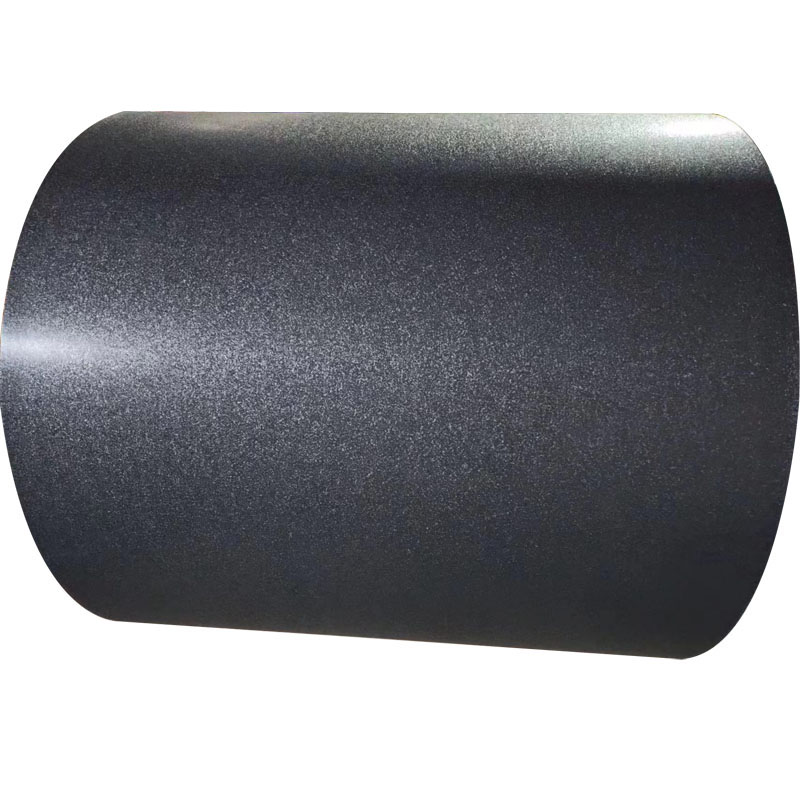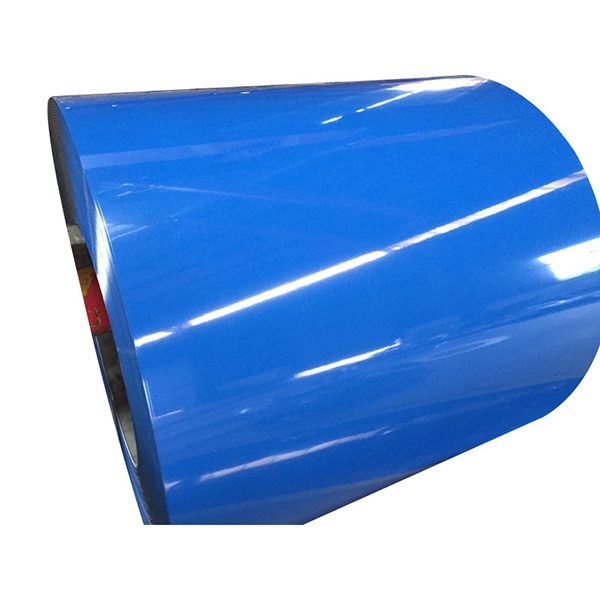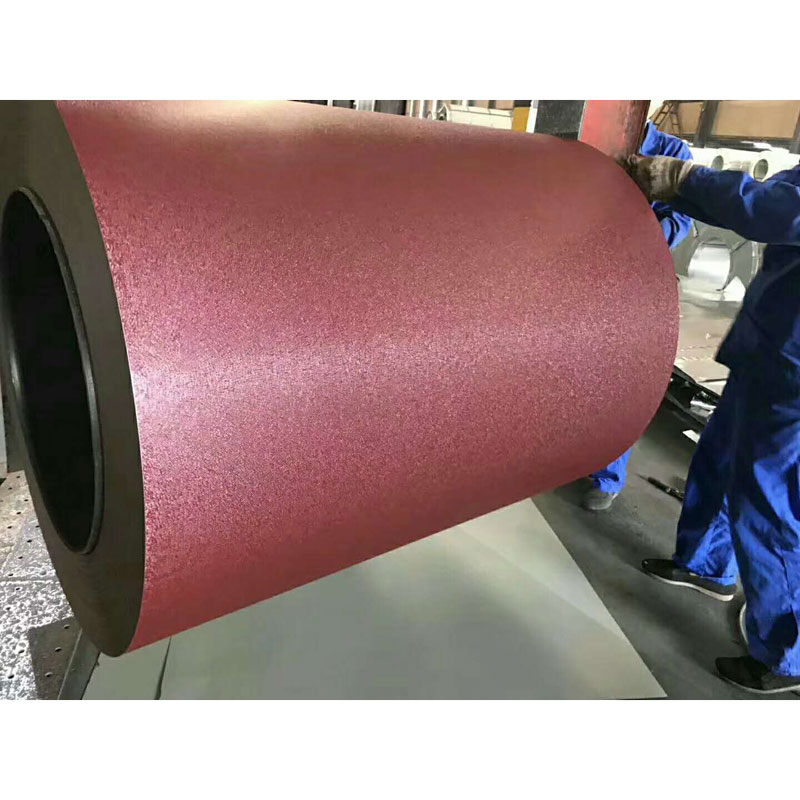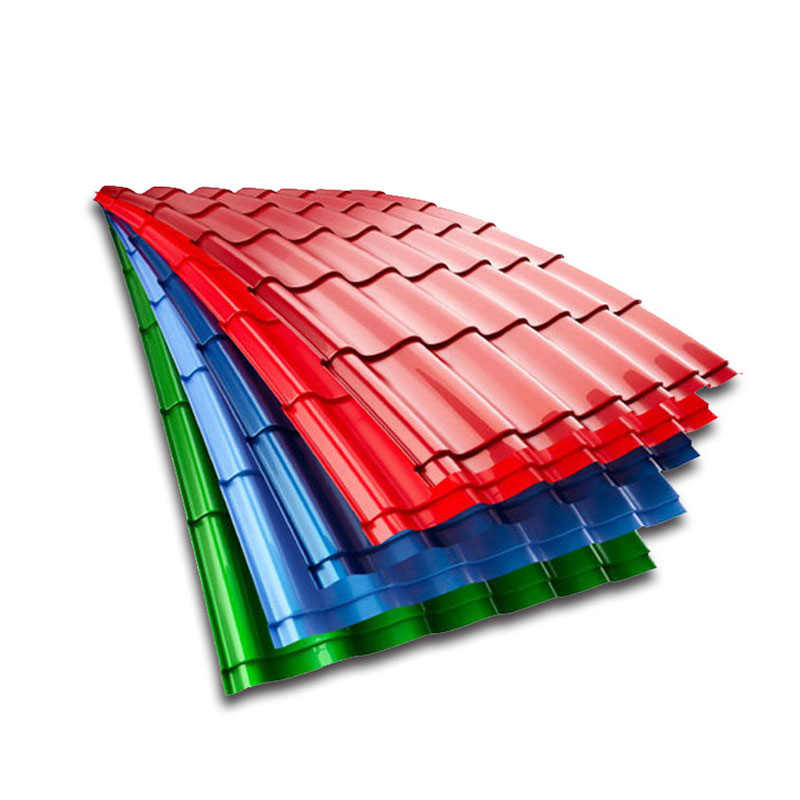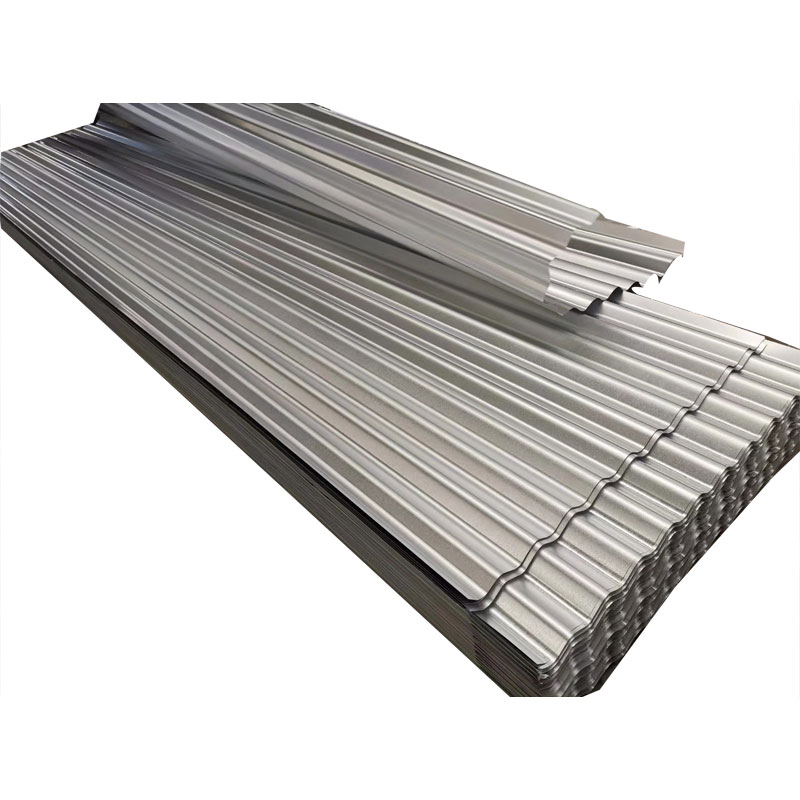
When you select PPGI Steel Coil for Sandwich Panel Manufacturing, you need to focus on fire protection from the start. You should check if the coil meets strict fire safety standards for your project. Always match the coil’s coating, thickness, and steel grade to your specific fire safety needs. This approach helps you meet regulations, keep your building safe, and control costs.
Key Takeaways
- Always check fire safety standards for PPGI steel coils. This ensures your panels meet safety regulations and protect your investment.
- Select fire-resistant core materials like rock wool or PIR. These materials slow down flames and enhance safety in buildings.
- Verify supplier certifications and test reports. Working with certified suppliers guarantees quality and compliance with fire safety standards.
- Match coating types to your fire safety needs. Fire-resistant coatings provide better protection and can improve the fire rating of your panels.
- Consider the steel grade and thickness. Higher-grade steel and thicker coatings improve heat resistance and structural integrity.
- Review local building codes and insurance requirements. Compliance helps avoid fines and ensures your project meets safety standards.
- Conduct regular testing of your sandwich panels. This practice confirms ongoing fire safety and helps maintain compliance with regulations.
- Balance cost and fire safety when selecting materials. Investing in quality now can prevent costly repairs and enhance long-term safety.
Fire Protection in PPGI Sandwich Panel Applications
Why Fire Resistance Matters
You need to understand why fire resistance is crucial when you choose materials for a ppgi sandwich panel. Fire-resistant panels help protect people and property. They slow down the spread of flames and give more time for evacuation. Many panels use PIR cores, which are classified as B1. This means they are hardly flammable. These materials burn slowly and often self-extinguish. They do not keep burning once the fire source is removed. You can rely on a ppgi sandwich panel with proper fire resistance to reduce risks in buildings.
Tip: Always check the fire classification of your ppgi sandwich panel before you start your project. This step ensures you meet safety requirements and protect your investment.
Risks of Poor Fire Performance
If you use a ppgi sandwich panel with poor fire performance, you face serious risks. These risks can affect both safety and the structure of your building. Here are some main dangers:
- Increased fire hazards
- Potential structural failure
- Release of toxic smoke during a fire
You must avoid panels that do not meet fire safety standards. Toxic smoke can harm people and make evacuation harder. Structural failure can lead to costly repairs or even total loss. Choosing the right ppgi sandwich panel helps you prevent these problems.
Regulatory and Insurance Drivers
You must follow strict regulations when you select a ppgi sandwich panel for fire protection. Building codes set minimum fire safety standards. Insurance companies often require panels that meet these standards. If you ignore these rules, you risk fines and higher insurance costs. You also risk losing coverage if your panels do not comply. You should always check local codes and insurance requirements before you buy a ppgi sandwich panel. This step helps you stay compliant and avoid unexpected expenses.
Note: Regulatory and insurance drivers push you to choose panels with proven fire resistance. You protect your business and ensure long-term safety by following these guidelines.
Key Standards and Certifications for PPGI Steel Coils
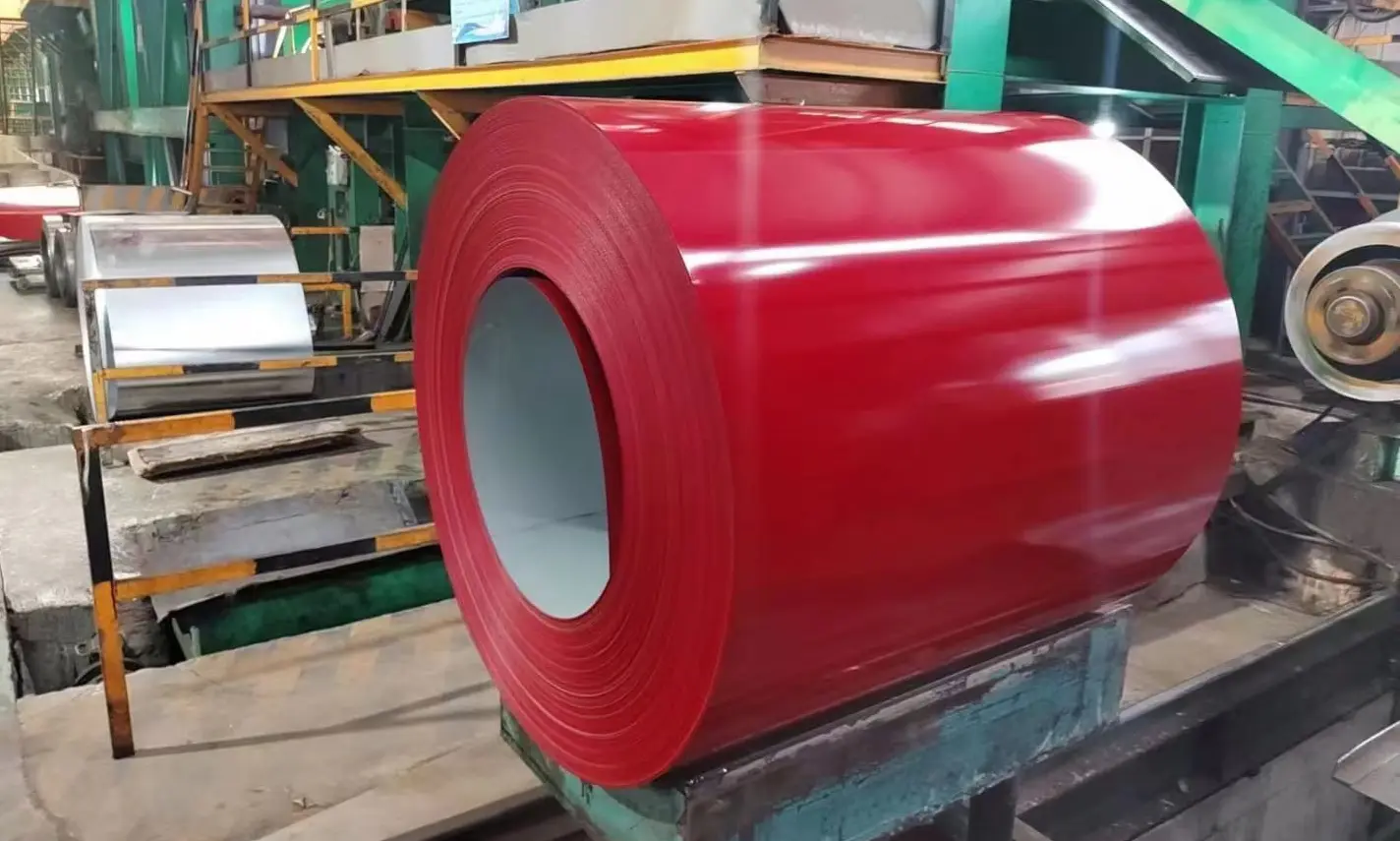
International Fire Safety Standards
You must know the main international standards when you choose PPGI steel coils for fire protection. These standards help you make sure your sandwich panels meet global safety requirements. The most recognized standards include:
- EN 13501-1 (Europe): This standard classifies the fire performance of building products. You should look for coils that help your panels achieve a B or better rating.
- ASTM E84 (USA): This test measures how fast flames spread and how much smoke develops. You need coils that support a low flame spread index.
- ISO 1182 and ISO 1716: These standards test non-combustibility and heat of combustion. You should check if your supplier can provide results for these tests.
Tip: Always ask your supplier for test reports that match these standards. This step helps you prove compliance during inspections.
Local Codes and Approvals
You must also follow local building codes and fire regulations. These rules can change from one country or city to another. Some regions have extra requirements for public buildings, factories, or warehouses. You should:
- Check your local fire department’s guidelines.
- Review national building codes, such as the International Building Code (IBC) in the USA or GB 8624 in China.
- Confirm if your project needs special approvals for high-rise or critical infrastructure.
If you skip this step, you may face delays or fines. Local authorities often require proof that your PPGI steel coils and finished panels meet their standards.
Note: Local codes can be stricter than international standards. You should always double-check before you order materials.
Certification Labels to Check
You need to look for specific certification labels on PPGI steel coils. These labels show that the product passed fire safety tests and meets quality standards. Common certifications include:
| Certification Label | What It Means for You |
|---|---|
| CE Mark | Meets EU safety and fire standards |
| FM Approved | Recognized by insurance companies |
| UL Listed | Tested for fire and safety in the USA |
| CCC (China) | Complies with Chinese fire codes |
You should ask your supplier for copies of these certificates. You can also check the labels on the coil packaging. If you see these marks, you know the coils are ready for safe sandwich panel production.
✅ Quick Check: If a coil does not have a recognized label, you should not use it for fire-rated panels.
Essential Properties of PPGI Steel Coils for Sandwich Panel Manufacturing
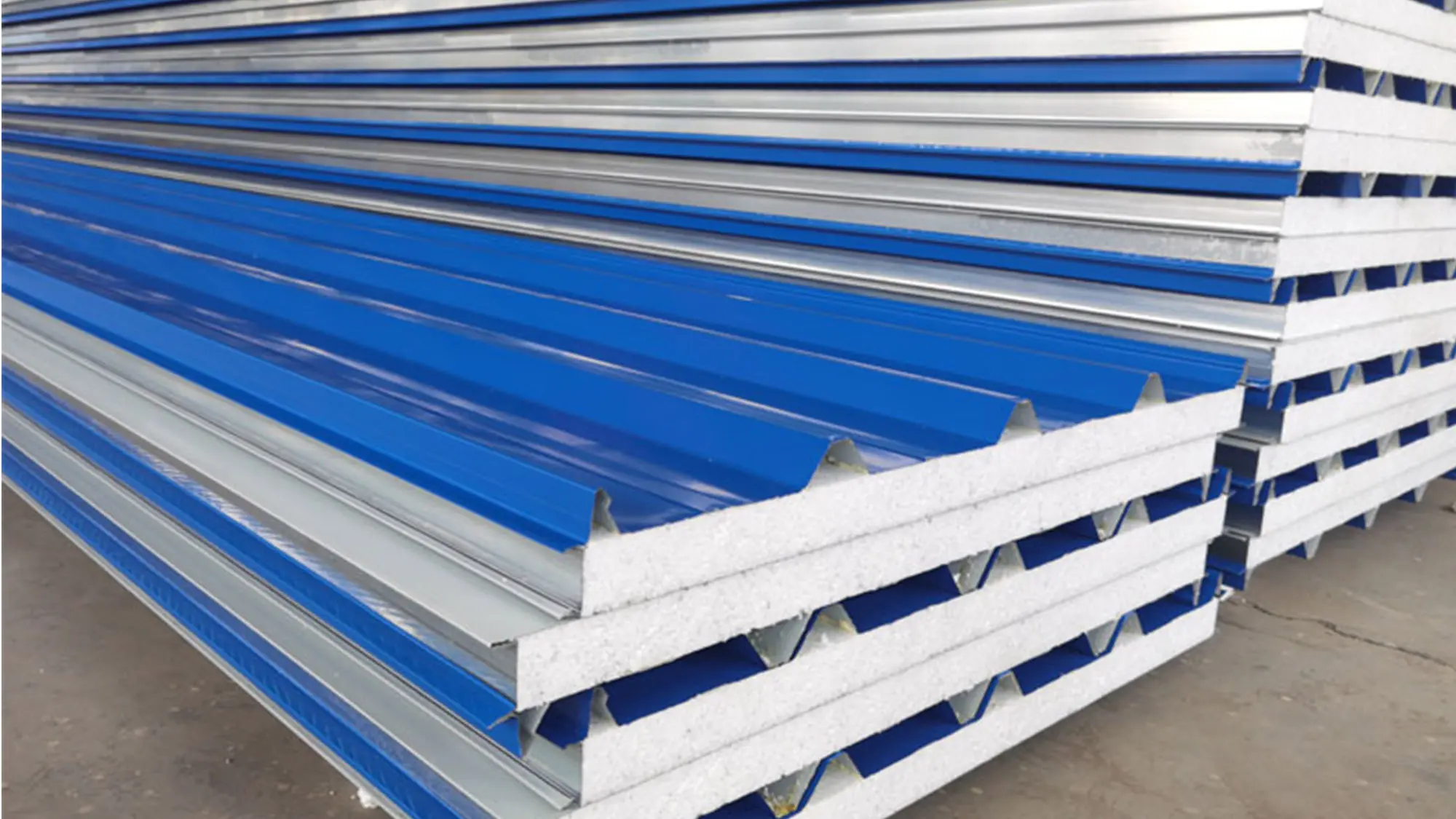
Coating Types and Fire Resistance
When you select a ppgi steel coil for sandwich panel manufacturing, you need to pay close attention to the coating type. The coating acts as the first line of defense against fire and environmental hazards. Different coatings offer unique benefits for fire protection and durability.
- Polyvinyl Chloride Plastisol (PVC): This coating provides toughness and works well in outdoor environments. You can rely on it for panels exposed to harsh weather.
- Polyester (PE): This option gives you good gloss and color stability. It fits most general applications where fire resistance is important.
- Polyvinylidene Chloride (PVDF): This coating stands out for its weather resistance. You should use it for construction projects that need long-term outdoor exposure.
- Silicon Modified Polyester (SMP): This type offers abrasion resistance and strong durability. It works best for panels that face frequent wear and tear.
- Polyurethane (PU): This coating resists folding and provides good thermal insulation. You can use it for panels that require both fire protection and energy efficiency.
- Highly Durable Polyester (HDP): This option gives you excellent weather resistance and thermal insulation. It suits harsh or corrosive environments.
You should always match the coating type to your fire safety requirements and the environment where you will install the panels.
Standard vs. Fire-Resistant Coatings
Not all coatings provide the same level of fire protection. Standard coatings focus on color, gloss, and basic durability. Fire-resistant coatings contain special additives that slow down ignition and reduce flame spread. When you choose a ppgi steel coil for sandwich panel manufacturing, you should ask your supplier if the coating includes fire-retardant properties.
A fire-resistant coating can help your panels achieve a higher fire rating. These coatings often form a protective barrier when exposed to heat. This barrier slows down heat transfer and helps prevent the steel from reaching critical temperatures. You should always check the technical data sheet for fire performance details before making a decision.
Tip: If your project requires strict fire safety, always choose a ppgi steel coil for sandwich panel manufacturing with a certified fire-resistant coating.
Steel Grade and Thickness
The steel grade and thickness play a major role in fire protection. Higher-grade steel gives you better heat resistance and structural strength. When you select a ppgi steel coil for sandwich panel manufacturing, you should look for a substrate that meets or exceeds your fire safety standards.
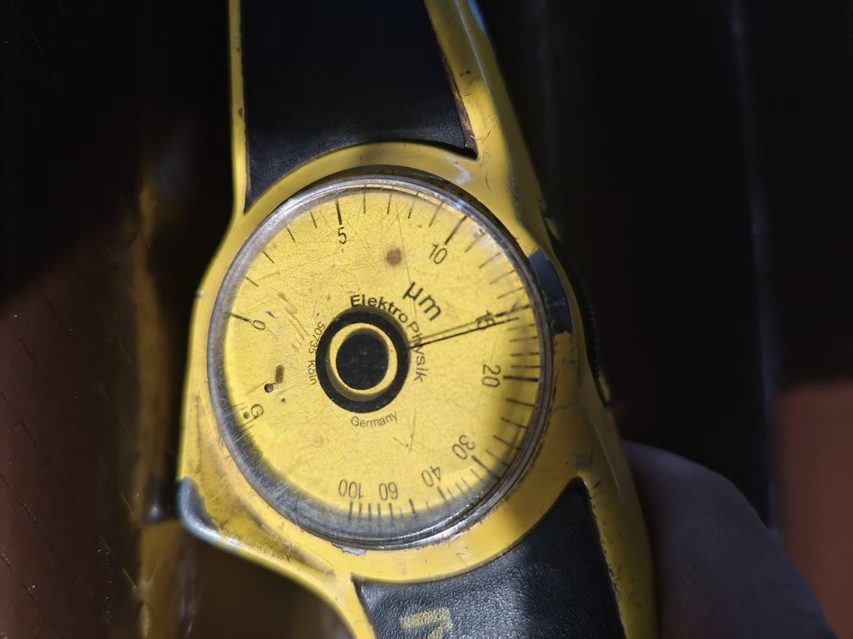
The thickness of the zinc coating also matters. A thicker zinc layer acts as a heat sink and adds corrosion protection. This extra layer can slow down the transfer of heat during a fire. You should also consider the thickness of the paint coating. Thicker paint can provide better fire protection but may increase the weight and cost of your panels.
- High-grade steel improves heat resistance.
- Thicker zinc coating acts as a heat sink and protects against corrosion.
- Fire-retardant paint systems suppress ignition and slow fire spread.
- Thicker paint coatings offer more protection but add weight and cost.
You should balance these factors based on your project’s fire safety needs and budget.
Coil Specifications: Width, Weight, and More
You need to check the specifications of each ppgi steel coil for sandwich panel manufacturing before you place an order. The width and weight of the coil affect how you process and install the panels. If you choose the wrong size, you may face production delays or waste material.
- Width: Make sure the coil width matches your panel design. Standard widths help reduce cutting and waste.
- Weight: Heavier coils may require special handling equipment. Always check if your facility can handle the coil weight.
- Length: Longer coils reduce the number of joints in your panels. Fewer joints can improve fire performance and structural integrity.
- Tolerance: Tight tolerances ensure a better fit and finish. This detail can also affect fire protection by reducing gaps where flames could spread.
You should always confirm these specifications with your supplier. Accurate specs help you produce safe, high-quality sandwich panels that meet fire protection standards.
Substrate Quality and Durability
You need to pay close attention to the substrate quality when you select ppgi steel coils for sandwich panel manufacturing. The substrate forms the foundation of your coil. If you choose a high-quality substrate, you improve the fire performance and extend the lifespan of your panels. Lower-grade steel can weaken quickly during a fire, but higher-grade steel resists heat and maintains its strength for a longer period.
Durability matters just as much as quality. You want your ppgi sandwich panels to last through harsh conditions and resist corrosion. A durable substrate protects the steel from moisture, chemicals, and physical damage. This protection helps your panels stay strong and safe, even in demanding environments.
The paint system on your ppgi coil also plays a key role. If the paint contains fire-retardant additives, it boosts the fire rating of your panels. These additives slow down the spread of flames and help keep the steel cooler during a fire. You should always check the technical data sheet for information about fire-retardant properties.
Note: A strong substrate and a durable paint system work together to improve fire safety. You reduce risks and meet strict fire protection standards by choosing the right ppgi coil.
You can use the following checklist to evaluate substrate quality and durability:
- Check the steel grade for heat resistance.
- Inspect the surface for uniformity and absence of defects.
- Review the paint system for fire-retardant additives.
- Confirm the coil’s corrosion resistance rating.
- Ask your supplier for durability test reports.
If you follow these steps, you make sure your ppgi sandwich panels perform well in both fire and everyday conditions. You protect your investment and keep your building safe.
Evaluating Cost-Effectiveness and Quality
Balancing Budget and Fire Safety
You need to find the right balance between cost and fire safety when you choose materials for your project. Fire protection should never be an afterthought. If you focus only on price, you may end up with panels that do not protect your building or meet regulations. PPGI offers a strong combination of fire resistance and value. You can use it in places like commercial kitchens, factories, and warehouses where fire risk is high. PPGI does not catch or spread flames easily, so it helps you keep people and property safe.
You can save money by choosing the right thickness and coating for your needs. Thicker coatings and higher-grade steel cost more, but they give you better fire protection. You should compare the long-term benefits of fewer repairs and lower insurance costs with the upfront price. Always check if the coil meets fire safety standards before you buy.
Tip: Never sacrifice fire safety for a lower price. The right investment now can prevent bigger losses later.
Comparing PPGI and PPGL for Sandwich Panel Production
You may wonder if PPGI or PPGL is better for sandwich panel production. Both materials have strengths, but they perform differently in fire situations.
- PPGI has good thermal insulation performance, with thermal conductivity around 0.020-0.025 W/m-K.
- PPGI is classified as fire class A, which means it resists high temperatures and does not emit toxic smoke.
- High-density cores (40-60 kg/m³) add to the structural integrity of sandwich panels.
- Mineral wool or FM approved PIR cores give panels high fire resistance.
- PPGL can cost more, which may affect your budget for large projects.
You should choose PPGI if you want reliable fire protection and cost control. It works well with fire-resistant cores and helps you meet strict safety standards. PPGL may offer extra corrosion resistance, but it does not always match PPGI’s fire performance.
Supplier Certifications and Factory Qualifications
You need to check your supplier’s certifications and factory qualifications before you order PPGI steel coils. Certified suppliers follow strict quality controls and use tested materials. Look for certificates like CE Mark, FM Approved, or UL Listed. These labels show that the coils passed fire safety tests.
You should also ask for factory audit reports. A qualified factory will have clear records of their production process and quality checks. You can request test reports for fire resistance and durability. If a supplier cannot provide these documents, you should look for another partner.
Note: Working with certified suppliers helps you avoid delays, fines, and safety risks in sandwich panel production.
Processing and Application Considerations in Sandwich Panel Production
Processing Methods: Cutting, Bending, Rolling
You need to understand how processing methods affect the fire safety and quality of your sandwich panels. Cutting, bending, and rolling are the main steps you use to shape PPGI steel coils. Each method can change the coil’s protective coating and the steel’s structure.
When you cut PPGI coils, use sharp tools and proper techniques. This helps you avoid damaging the fire-resistant coating. If you see exposed steel, you should repair it with touch-up paint. Bending and rolling require careful control of force and angle. If you bend the coil too much, you may crack the coating or weaken the steel. Cracks can let heat and flames reach the core faster during a fire.
Tip: Always check the edges and corners after processing. Smooth, undamaged surfaces help your panels keep their fire protection.
Matching Coil Specs to Panel Design
You must match the coil specifications to your panel design for the best fire performance. Start by checking the width and thickness of the coil. If you choose the right width, you reduce waste and make installation easier. The correct thickness gives your panel strength and helps it resist heat.
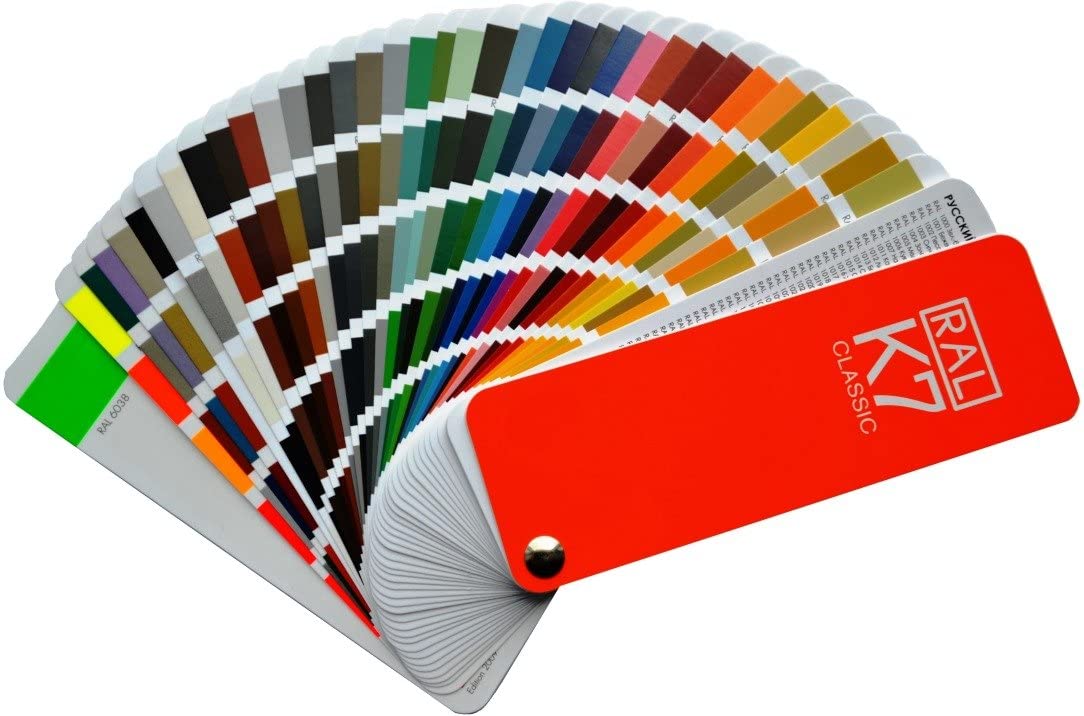
Think about the length of the coil. Longer coils let you make panels with fewer joints. Fewer joints mean fewer weak spots where fire can spread. You should also look at the coating type and color. Some coatings work better in high-heat areas or outdoor environments.
- Choose coil width that fits your panel size.
- Pick the right thickness for strength and fire resistance.
- Use longer coils to reduce joints.
- Select coatings that match your fire safety needs.
If you match these specs to your design, you build panels that protect people and property.
Role of Core Material in Fire Protection
The core material inside your sandwich panel plays a big role in fire safety. You need to pick a core that matches your fire protection goals. Some cores stop fire better than others.
Here is a simple table to help you compare:
| Core Material | Fire Resistance Level |
|---|---|
| Rock Wool | Class A (non-combustible) |
| Polyurethane | B1 (flame retardant) |
Rock wool gives you the highest fire resistance. It does not burn and helps stop flames from spreading. Polyurethane offers good flame retardancy. It slows down fire but does not stop it as well as rock wool.
Note: If your project needs top fire protection, choose rock wool as your core. For general use, polyurethane can be a cost-effective option.
You should always check the fire rating of your core material before you start production. The right core, combined with quality PPGI steel coils, helps you meet safety standards and protect your building.
Practical Selection Guide for PPGI Steel Coils
Step-by-Step Selection Process
You can follow a clear process to choose PPGI steel coils for fire protection. Start by checking if the coils meet fire safety standards like ASTM E84 and EN 13501-1. These standards test for flame spread and smoke development. You should always ask for test reports from your supplier. This step helps you confirm that the coils are safe for indoor use.
Next, review the technical data sheets. Look for details about coating type, steel grade, and thickness. These factors affect how well your panels resist fire. Choose a coil with a fire-resistant coating if your project needs extra protection. Make sure the steel grade and thickness match your design and safety needs.
You should also inspect the coil for a top quality finish. A smooth, even surface means the coil will look good and last longer. This helps you create attractive sandwich panels that stand out in any building.
Before you place a large order, request a pre-production sample. Compare the sample’s steel thickness, core density, and joint style with your requirements. This step lets you spot problems early and avoid costly mistakes.
Finally, ask for independent lab test results. These tests confirm that the coil meets fire ratings and structural standards. You can trust the results to guide your decision.
Tip: Always choose quality materials and work with suppliers who provide full documentation.
Common Mistakes to Avoid
You can avoid many problems by watching out for common mistakes when selecting PPGI steel coils for fire-resistant sandwich panels:
- Do not use cheap or thin steel. Low-quality steel can fail during a fire.
- Avoid low density foam cores. These cores do not support durable performance or fire safety.
- Stay away from poor laminate or weak joints. These flaws can cause delamination and reduce panel strength.
- Never skip the pre-production sample. Samples help you check steel thickness, core density, and joint style.
- Do not rely only on supplier claims. Always conduct independent lab testing to confirm fire ratings and structural performance.
If you avoid these mistakes, you will produce attractive sandwich panels that meet safety standards and last longer.
Application Scenarios and Recommendations
You can use PPGI steel coils in many types of buildings. Each project has its own fire protection needs. Here are some common scenarios and recommendations:
| Application Area | Recommended Coil Features | Core Material Suggestion |
|---|---|---|
| Commercial Kitchens | Fire-resistant coating, thick steel | Rock wool or PIR |
| Warehouses | Durable coating, top quality finish | Mineral wool or PIR |
| Schools & Hospitals | Certified fire rating, smooth surface | Rock wool |
| Industrial Facilities | High-grade steel, strong joints | PIR or mineral wool |
| Residential Buildings | Attractive finish, easy processing | Polyurethane or PIR |
You should always match the coil’s properties to the fire risk in your building. For high-risk areas, choose fire-resistant coatings and high-density cores. For general use, focus on a balance of cost and safety. This approach helps you create attractive sandwich panels that protect people and property.
Note: Work with trusted suppliers who offer quality materials and clear test reports. This ensures your panels deliver durable performance and meet all fire safety rules.
Ensuring Ongoing Fire Safety Compliance
Regular Testing and Documentation
You need to test your sandwich panels regularly to maintain fire safety. Testing helps you confirm that the panels still meet fire protection standards. You should check the performance of the steel coil, the core material, and the insulation. Fire tests measure how well the panels resist heat and flames. You can use lab tests to check the thermal insulation properties. These tests show if the panels slow down heat transfer and protect the building.
You must keep clear records of every test. Documentation helps you prove compliance during inspections. You should record the results for insulation, fire resistance, and thermal insulation. Inspectors may ask for these documents when they visit your site. You can use a table to organize your records:
| Test Type | Frequency | What to Record |
|---|---|---|
| Fire Resistance | Yearly | Flame spread, heat rating |
| Insulation Quality | Quarterly | R-value, thermal insulation |
| Panel Integrity | Monthly | Joints, surface defects |
Tip: Keep your records in a safe place. Organized documentation makes audits easier and helps you avoid fines.
Working with Certified Suppliers
You need to choose suppliers who meet strict fire safety standards. Certified suppliers help you get quality materials for your panels. You should look for certifications like ISO and ASTM. These certifications show that the supplier follows global standards for fire resistance and insulation. You can ask materials experts for advice or check fire safety standards before you buy.
- Look for ISO and ASTM certifications on PPGI steel coils.
- Ask suppliers for fire resistance test reports.
- Consult materials experts about insulation and thermal insulation criteria.
- Check if the supplier follows fire safety standards for sandwich panels.
You can trust certified suppliers to deliver coils that protect your building. They use tested materials that improve insulation and thermal insulation. You reduce risks and meet regulations by working with qualified partners.
Note: Certified suppliers help you avoid delays and ensure your panels meet fire safety rules.
Adapting to Evolving Standards
Fire safety standards change over time. You need to stay updated to keep your panels compliant. You should review new regulations for insulation and thermal insulation. Standards may require better fire resistance or improved insulation. You can join industry groups or subscribe to fire safety newsletters. These resources help you learn about new rules and best practices.
You should update your panel designs when standards change. Use new materials that offer better insulation and thermal insulation. Test your panels to make sure they meet the latest fire safety requirements. You can work with your supplier to find new solutions for insulation and fire protection.
Callout: Staying informed helps you protect your building and avoid costly mistakes. You keep your panels safe and compliant by adapting to new standards.
You play a key role in ongoing fire safety compliance. Regular testing, working with certified suppliers, and adapting to evolving standards help you build panels that protect people and property. You improve insulation and thermal insulation, meet regulations, and create safer buildings.
You need to focus on every detail when selecting ral 9003 ppgi coils for fire protection. Always check the thickness of the paint layer and zinc coating weight on ral 9003 ppgi coils. Request material certificates and ISO certifications for ral 9003 ppgi coils.
Ask for samples of ral 9003 ppgi coils to test zinc layer weight and coating thickness. Review salt spray resistance and adhesion for ral 9003 ppgi coils. Appoint a third-party inspection for ral 9003 ppgi coils. Gather customer feedback on ral 9003 ppgi coils.
Choose suppliers who provide quality ral 9003 ppgi coils and meet fire safety standards. Align your budget, certifications, and coil properties with your project’s needs. Ral 9003 ppgi coils help you achieve compliance and optimal performance in sandwich panel production.
FAQ
What makes a sandwich panel fire-resistant?
You improve fire resistance by choosing the right core and coating. Select a panel with a mineral wool or PIR core. These core material types slow flame spread. Always check if the panel meets fireproofing standards for your project.
How do I select the best core material types for my sandwich panel?
You should compare core material types based on fire resistance, thermal insulation, and cost. Rock wool offers top fire protection. Polyurethane provides good thermal performance. Match core material selection to your building’s safety needs.
Why does the ral color matter for sandwich panel projects?
Ral color codes help you match panels for design and compliance. Ral 9003 is popular for clean looks. Always confirm ral color with your supplier before ordering. This step ensures your sandwich panels look consistent across the building.
How does thermal insulation affect sandwich panel performance?
Thermal insulation keeps buildings comfortable and energy efficient. You get better thermal performance by choosing the right core. High-density cores improve both thermal and fire resistance. Always check the panel’s thermal rating before installation.
What should I check before buying sandwich panel materials?
You need to review the panel’s fire rating, core type, ral color, and supplier certifications. Ask for test reports on thermal and fire resistance. Inspect the panel for surface quality. Reliable materials help you build safe, long-lasting sandwich panels.
Can sandwich panels be a sustainable solution for construction?
Yes, sandwich panels offer a sustainable solution. You reduce waste and energy use by selecting panels with high thermal insulation and durable core material types. Many panels use recyclable materials. Always check if your panel meets green building standards.
How do I ensure proper core material selection for fireproofing?
You should choose core material types with proven fire resistance. Rock wool and PIR cores work best for fireproofing. Always ask for fire test results. Good core material selection helps your sandwich panels meet strict safety codes.
Why is regular testing important for sandwich panel safety?
Regular testing checks if your panel still meets fire and thermal standards. You should test the core, coating, and joints. Keep records of all tests. This practice helps you maintain compliance and ensures your sandwich panels protect people and property.