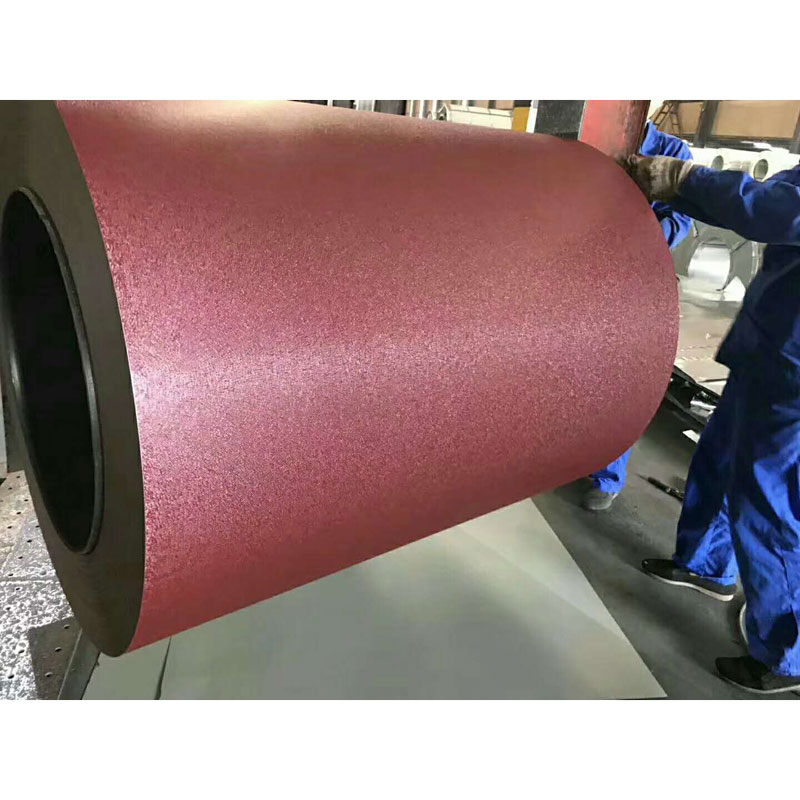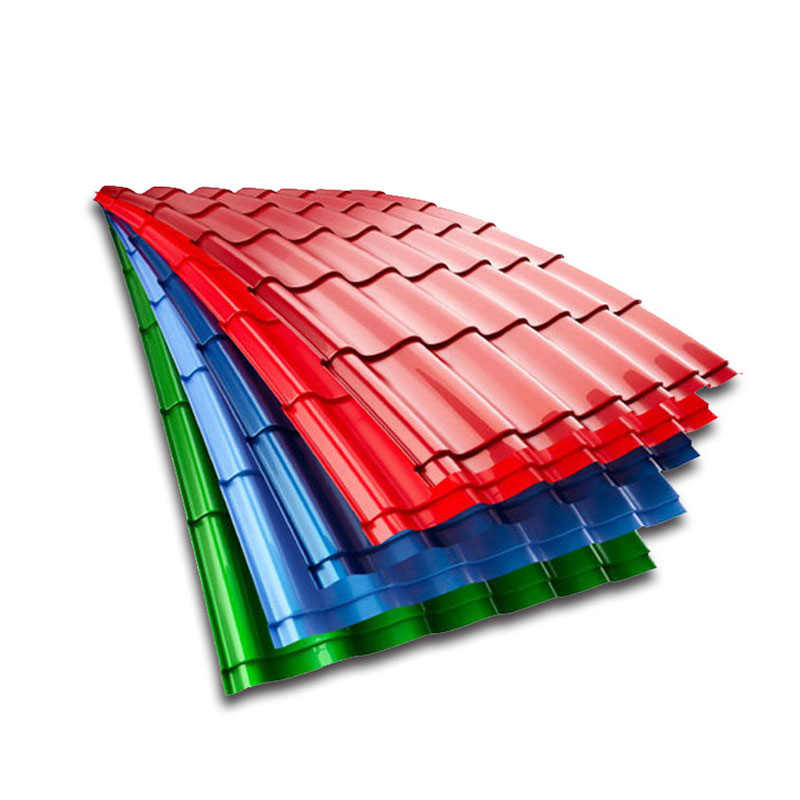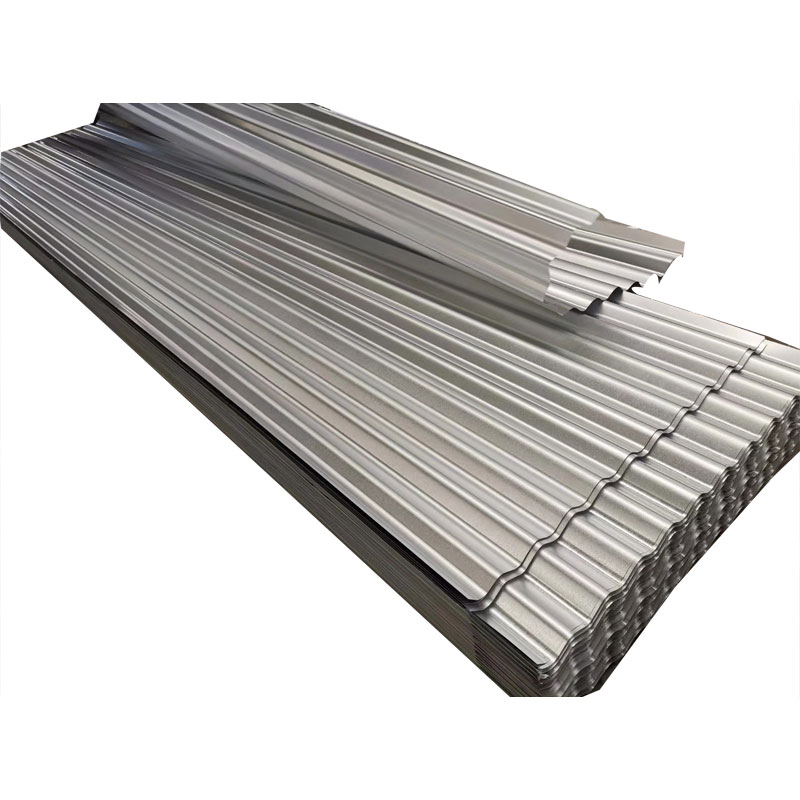
What Affects Steel Coil Prices in 2026? You see steel coil prices shift in 2026 because supply-demand imbalance and market disruptions drive volatility. When you ask, “What Affects Steel Coil Prices in 2026?”, you notice that the global steel market reflects price changes based on raw material costs and production shifts. Steel market analysis for 2026 shows that tariffs and trade policies can cause rapid price impact, especially if you monitor the global steel market for supply shifts.
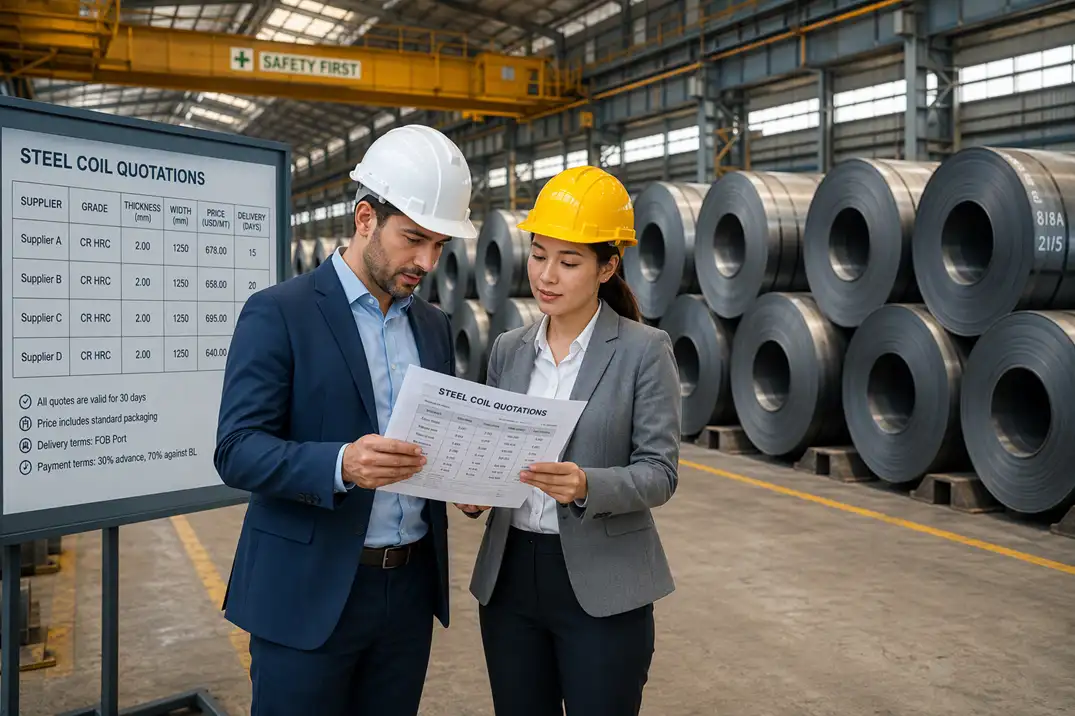
If you’re wondering what affects steel coil prices in 2026, you’ll find that steel price trends depend on factors like logistics and product specs. Steel market analysis highlights how North America faces higher prices, while Asia stays competitive. You can use steel market analysis to guide your procurement strategies and understand what affects steel coil prices in 2026. Check this table for recent steel coil price analysis:
| Date | Price (per ton) | Trend Description |
|---|---|---|
| January 2026 | $947 | Highest point since April 2025, indicating a rebound. |
| Late 2025 | N/A | Experienced volatility before stabilization. |
| Q1 2026 | N/A | Mixed and range-bound trend due to various factors. |
You should watch these influences when considering what affects steel coil prices in 2026:
- Tariffs change the price landscape.
- Global supply shifts affect steel coil analysis.
- Demand outlook shapes steel price trends.
You gain actionable insights by tracking what affects steel coil prices in 2026. Steel market analysis helps you understand the market and price impact, so you make informed decisions.
Key Takeaways
- Monitor raw material costs, especially iron ore and energy prices, as they directly impact steel coil pricing.
- Understand the global supply-demand balance; rising demand in construction and automotive sectors can drive prices up.
- Stay informed about tariffs and trade policies, as they can cause rapid price changes and affect market dynamics.
- Track logistics costs, including shipping rates and port delays, to anticipate their effects on steel prices.
- Consider product specifications and quality; higher-grade steel coils often come at a premium but offer better performance.
- Utilize strategic procurement strategies, such as building stockpiles or using tiered pricing contracts, to manage price volatility.
- Keep an eye on geopolitical events and market risks, as they can create uncertainty and influence steel pricing.
- Embrace sustainability trends; investing in green steel production can open new market opportunities and meet rising demand.
Raw Material Cost Volatility
You see raw material costs shape steel coil prices in 2026. When you track steel market trends, you notice that price swings in iron ore and energy have a direct impact on steel coil cost. You need to understand these trends to predict future steel price movements.
Iron Ore Prices
Iron ore prices drive steel coil cost. You observe that iron ore prices have shown significant volatility. Supply chain disruptions and demand from key industries cause these shifts. In 2026, hot-rolled steel coil prices stabilize after previous fluctuations. This signals a consolidation phase with limited price increases because raw material costs are easing. Historical data shows cyclical trends in iron ore prices. Infrastructure spending and global trade activity push these trends. You can use these patterns to predict steel coil cost changes.
Mining Output
Mining output affects iron ore supply. When mining operations face disruptions, steel coil prices rise. You see peak prices during times of supply shortages and high raw material costs. As supply chains improve in 2026, you notice price corrections across regions. This helps balance steel market trends.
Scrap Market
The scrap market also influences steel coil cost. You track trends in scrap availability and pricing. When scrap prices rise, steel producers face higher raw material costs. This pushes steel coil prices up. If scrap supply increases, you see downward pressure on steel coil cost.
Energy Expenses
Energy expenses play a major role in steel coil cost. You monitor trends in electricity and natural gas prices. The production of cold rolled coil relies on energy. When energy prices increase, rolling mills face higher operating costs. This leads to higher steel product prices. If energy costs decrease, producers can lower prices, making the steel market more competitive.
Electricity Costs
Electricity costs impact steel coil production. You see that shifts in electricity pricing affect rolling mill operations. When electricity costs rise, steel coil cost increases. You track these trends to anticipate price changes.
Green Energy Impact
Green energy trends influence steel coil cost. Decarbonization drives volatility in energy costs. The cost of carbon credits and the shift to electricity-based smelting are primary drivers affecting steel pricing. You see these trends reflected in steel coil cost as producers adapt to sustainability standards.
Tip: You can use the following table to compare the influence of iron ore prices and energy costs on steel coil pricing.
| Factor | Influence on Steel Coil Pricing |
|---|---|
| Iron Ore Prices | Generally leads steel product prices, particularly in the long term. |
| Energy Costs | Significant, especially due to the transition to electricity-based smelting and carbon credits. |
You notice recent changes in raw material costs:
- Hot-rolled coil prices have surpassed $1,000 per ton for the first time since early 2024.
- Iron ore prices have increased by about 12% month-over-month, now exceeding $112 per metric ton.
- Premium hard coking coal prices are about 36% higher than a year ago.
You need to monitor these trends to manage steel coil cost and make informed decisions.
Global Supply-Demand Imbalance
You see the global supply-demand imbalance as a key driver for steel coil prices in 2026. When demand rises faster than supply, prices increase. If oversupply occurs, prices drop as sellers compete for buyers. You need to watch both sides of this equation to understand the market.
Demand Shifts
Construction Sector
The construction sector shapes steel demand worldwide. You notice that new infrastructure projects and urban development boost consumption. In 2026, demand recovery in construction supports higher steel prices. When builders start more projects, they need more steel coils for beams, columns, and reinforcements. This increased demand puts upward pressure on prices, especially when supply cannot keep up.
Automotive Industry
The automotive industry also drives steel demand. You see car makers use steel coils for body frames and engine parts. In North America, strong demand from automakers has pushed prices higher. When the automotive sector grows, it creates more competition for limited steel supply. This trend leads to price increases and shapes the market outlook.
Note: When demand from construction and automotive sectors softens, prices tend to fall as suppliers lower prices to attract buyers.
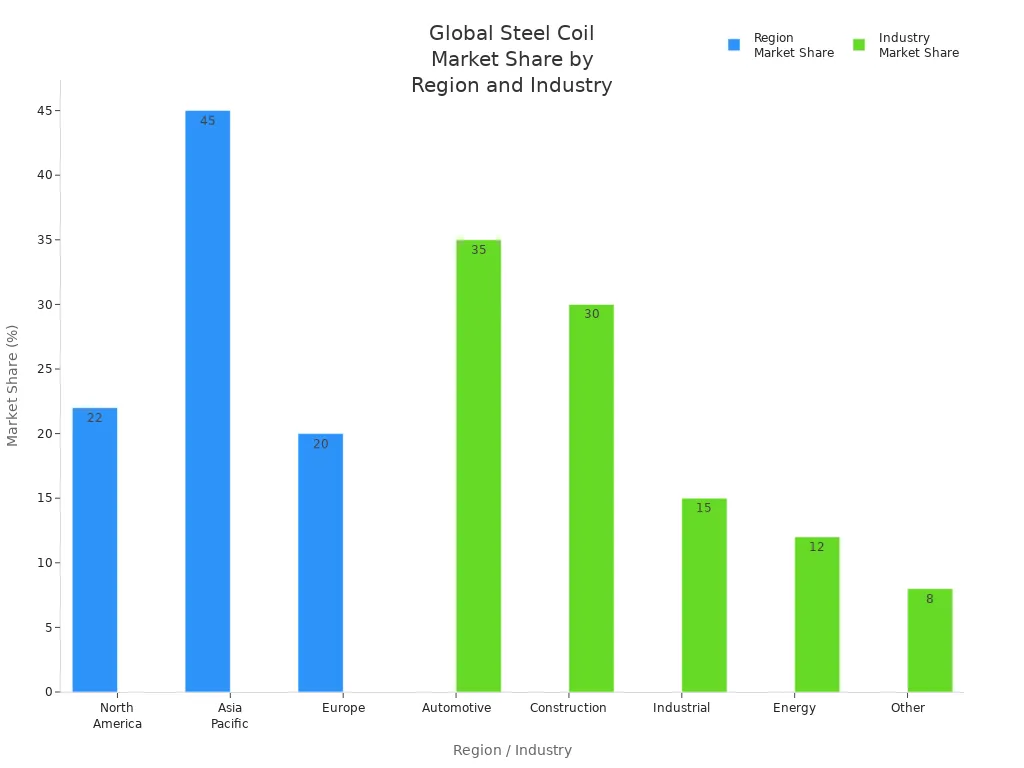
| Region | Market Share (%) | Key Drivers |
|---|---|---|
| North America | 22 | Recovery in automotive, infrastructure projects, and stricter environmental regulations. |
| Asia Pacific | 45 | Rapid industrialization, urbanization, and demand from construction and automotive sectors. |
| Europe | 20 | Strong manufacturing and automotive industries driving demand for high-quality steel. |
| Automotive | 35 | Extensive use in car body frames, engine parts, and structural components. |
| Construction | 30 | Essential for structural beams, columns, and reinforcements in buildings. |
| Industrial | 15 | Demand from heavy machinery in mining, oil and gas, and agriculture sectors. |
| Energy | 12 | Used in renewable energy infrastructure and power generation equipment. |
| Other | 8 | Includes packaging, consumer goods, and electrical industries. |
Supply Constraints
Mill Disruptions
You see supply constraints when mills face disruptions. Maintenance outages and energy restrictions reduce steel output. In 2026, several mills have temporarily left the spot market, which limits available supply. Reduced imports also play a role. For example, hot-rolled coil imports dropped from 502,780 metric tonnes in early 2025 to just 215,027 tonnes in the same period of 2026. Section 232 tariffs have further reduced import volumes, making it harder to fill the supply gap.
Inventory Levels
Inventory levels affect steel coil prices. When inventories run low, prices stay high or even rise because buyers compete for limited stock. If oversupply builds up, sellers cut prices to move excess steel. You need to monitor inventory trends to predict price changes and market direction.
- Demand for steel coils is increasing at a rate of 3.7% year-over-year.
- Supply is constrained due to capacity curbs and idled high-cost capacity.
- Energy restrictions are causing a structural deficit in supply.
You see that North America has the highest prices because of strong demand and limited domestic supply. Europe shows mid-range pricing with cautious buying. Asia, especially Malaysia, offers competitive prices due to higher production output. Most regions follow a pattern: prices rise with demand recovery and fall with oversupply.
Trade Policies and Tariffs
You see trade policies and tariffs play a major role in shaping the steel market. These measures can change the price of steel coil overnight. When you follow global steel trends, you notice that tariffs and anti-dumping actions often create ripple effects across the market.
Tariff Barriers
US-China Relations
Tariff barriers between the U.S. and China have shifted the steel market landscape. The reinstatement of Section 232 tariffs has allowed domestic producers to control the price of steel coil. You observe that prices for hot-rolled coil have surged from $560–620 per ton to $946 per ton. This jump reflects how tariffs can drive aggressive price growth. Domestic producers now set the price, as imports from countries like Canada, Brazil, Mexico, and Europe face restrictions. Rising production costs and inflation add to the upward pressure on steel prices.
- The closure of import avenues gives domestic mills more power over price.
- Hot-rolled coil prices have reached new highs due to tariffs.
- Steady demand for steel may lead to supply shortages if domestic mills cannot keep up.
- The market outlook remains optimistic, with onshoring and infrastructure investments supporting demand, but you should not expect the extreme peak prices seen in previous years.
USMCA Renegotiations
You also need to watch changes in the USMCA agreement. Policy shifts, such as the June 2025 doubling of Section 232 tariffs from 25% to 50%, aim to reduce reliance on foreign materials and boost U.S. steel investment. This policy change is expected to cost U.S. industries over $50 billion annually. You see that these moves can make steel more expensive for buyers and influence the entire market.
| Date | Policy Change | Purpose | Economic Impact |
|---|---|---|---|
| June 4, 2025 | Doubling of Section 232 tariffs from 25% to 50% | Encourage U.S. steel investment, reduce imports | $50 billion+ annual cost to U.S. industry |
Anti-Dumping Actions
Policy Changes
Anti-dumping actions also affect the steel market. The EU and other regions have launched probes and duties against steel coil imports from countries like India, Japan, Turkey, Vietnam, and Taiwan. These actions increase costs for importers and can lead to material shortages if demand rises. Italian buyers, for example, face limited import opportunities, which hurts their competitiveness. If demand picks up, you may see shortages similar to those in past years.
| Country | Action Type | Impact on Market Trends |
|---|---|---|
| India | Anti-dumping probe | Increased costs for importers, potential material shortages if demand resumes. |
| Japan | Anti-dumping probe | Increased costs for importers, potential material shortages if demand resumes. |
| Turkey | Anti-dumping probe | Increased costs for importers, potential material shortages if demand resumes. |
| Vietnam | Anti-dumping probe | Increased costs for importers, potential material shortages if demand resumes. |
| Taiwan | Anti-dumping probe | Increased costs for importers, potential material shortages if demand resumes. |
Note: The EU’s anti-dumping measures can lead to higher costs for end customers. Some regions now register imports under investigation, which allows for retroactive duties and adds uncertainty to the market.
Legal Challenges
Legal challenges shape the outcome of anti-dumping actions. The U.S. Department of Commerce has imposed duties as high as 178.89% on some exporters. Countries like Vietnam and Brazil are preparing legal challenges to these decisions. The results of these disputes can change market access and competitiveness. When foreign exporters win or lose these cases, you see shifts in price and sourcing decisions for industries that depend on steel. The domestic steel industry often supports higher duties to protect local producers, but this can destabilize the market for buyers who rely on steady supply and fair price.
Production and Logistics Costs
You need to understand how production and logistics costs shape steel coil prices in the market. These costs can change quickly, and you see their effects ripple through the steel supply chain trends.
Manufacturing Expenses
Manufacturing expenses play a big role in steel pricing. You notice that several factors drive these costs:
- Steel production uses a lot of energy, such as electricity and coal. When energy prices rise, production costs go up.
- Technological advancements help you improve efficiency and lower expenses.
- Automation and smart manufacturing, like Industry 4.0, optimize production and reduce waste.
- Sustainability initiatives, such as green steel, increase costs because you must follow eco-friendly practices.
- Rising raw material costs push manufacturing expenses higher.
Labor Trends
Labor trends affect your production costs. You see that skilled workers are in high demand. When labor shortages happen, wages rise, and so do manufacturing costs. Some regions face higher labor costs due to stricter regulations or union agreements. You need to monitor these trends to stay competitive in the market.
Automation
Automation is changing how you manage steel production. Advanced systems with sensors and real-time analytics help you make better decisions. These tools reduce your reliance on manual labor and lower costs. For example, ArcelorMittal’s AI system cut defects by 15%, saving money. A European steel producer saved $5 million each year by using AI to optimize raw material mix. ThyssenKrupp Steel’s predictive maintenance system reduced unplanned downtime by 20%. When you use AI and robotics, you improve quality control and reduce manufacturing expenses.
Shipping Rates
Shipping rates are a key part of logistics costs. You see that transportation costs depend on fuel prices and shipping delays. These factors can raise steel prices and affect the market.
Freight Costs
Freight costs change with fuel prices and demand for shipping. When fuel prices rise, you pay more to move steel coils. High freight costs can make steel more expensive for buyers. You need to watch these trends to manage your logistics costs.
Port Delays
Port delays disrupt the steel supply chain trends. When ports get backed up, shipments slow down. This can lead to shortages and higher prices in the market. You must plan for possible delays to keep your production on track.
Tip: You can use the table below to compare how different factors impact steel production and logistics costs.
| Factor | Impact on Steel Coil Prices |
|---|---|
| Energy Prices | Increase production costs |
| Labor Trends | Affect manufacturing expenses |
| Automation | Reduces costs and improves quality |
| Freight Costs | Raise logistics costs |
| Port Delays | Cause supply chain disruptions |
You see that production and logistics costs are always changing. By tracking these trends, you can make better decisions in the steel market.
Product Specs and Quality
You need to understand how product specs and quality affect steel coil prices. Different coil grades and environmental compliance standards shape the steel market. You see that buyers often choose steel based on grade, strength, and sustainability requirements.
Coil Grades
Steel coil grades determine performance and price. You find that manufacturers offer a range of grades to meet various needs. The most common coil grades include:
- Q195: Used for basic applications, offers good ductility.
- Q235: Popular for structural uses, provides higher strength.
- SS304: Stainless steel grade, resists corrosion, often cheaper than SS316.
- SS316: Premium stainless steel, offers superior corrosion resistance, costs more.
You notice that the material grade significantly affects pricing. Stainless steel grades like SS304 are less expensive than SS316. When you select a grade, you balance cost and performance.
High-Strength
High-strength steel coils give you better durability and load-bearing capacity. You see these coils used in construction, automotive, and heavy machinery. High-strength grades help you reduce material thickness without sacrificing performance. This can lower overall project costs, but high-strength steel usually comes at a premium price.
Alloy Types
Alloy types change the properties of steel coils. You find that adding elements like chromium, nickel, or molybdenum improves corrosion resistance and mechanical strength. Alloy steel coils suit demanding environments, such as marine or chemical industries. You pay more for these specialized alloys, but you gain longer service life and reliability.
Tip: When you choose a coil grade or alloy type, check the application requirements and budget. Higher grades and alloys often mean higher prices, but they deliver better performance.
Environmental Compliance
Environmental compliance shapes steel coil production and pricing. You see that regulations require manufacturers to invest in advanced environmental protection equipment. Companies must optimize production processes to meet strict rules. Increased operational costs due to compliance often lead to higher prices for steel products.
Emissions Rules
Emissions rules force steel producers to limit pollutants. You notice that mills install filtration systems and upgrade technology to meet standards. These investments raise production costs. You see these costs passed on to buyers through higher steel prices.
Sustainability Standards
Sustainability standards drive demand for low-carbon steel products. You find that the Carbon Border Adjustment Mechanism (CBAM) prompts manufacturers to invest in green steel production. Increased environmental regulations lead to higher investments in clean technologies and process optimization. You see that these changes influence product specifications and market pricing.
- Demand for low-carbon steel is rising.
- Manufacturers invest in green steel production.
- Clean technologies and optimized processes increase costs.
You need to monitor environmental compliance and sustainability trends. These factors shape steel coil specs and affect prices in the market.
Steel Price Trends and Outlook
What Affects Steel Coil Prices in 2026?
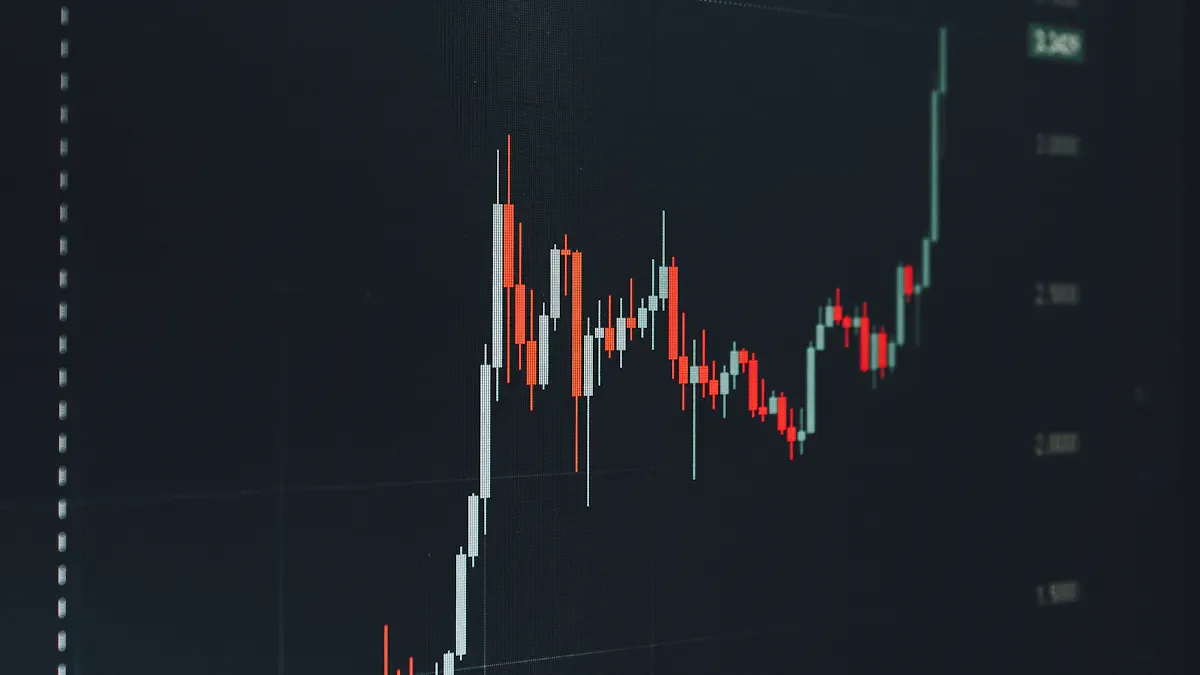
You see that steel price trends in 2026 reflect a mix of modest growth and ongoing challenges. The global steel market expects demand to rise by 1.3%, reaching 1,773 million tonnes. Public infrastructure investments drive this increase. However, you notice that the overall outlook stays neutral. Oversupply, especially from China, and the high cost of moving to green steel production limit strong price gains. You find that regions like the US and EU may see temporary price support because of protectionist policies. A broad recovery in prices will likely wait until 2027.
Geopolitical Events
You need to watch geopolitical events closely. These events shape steel coil prices in real time. Here are the main ways they affect the market:
- Trade policies and tariffs cause price swings and force supply chain changes.
- Conflicts and sanctions disrupt supply and push you to find new sources.
- Resource and energy policies change production costs and compliance expenses.
- Trade agreements and partnerships open or close markets, changing how competitive you can be.
You see that these factors create uncertainty. You must stay alert to global news to manage risks and spot opportunities.
Market Risks
You face several market risks in 2026. These risks can change steel coil prices quickly:
- Tariffs create supply chain risks and make investment decisions harder.
- Fluctuations in raw material costs and energy expenses add uncertainty.
- Geopolitical tensions and tariff impacts remain key drivers for price changes.
Note: You can manage these risks by diversifying suppliers and tracking policy changes.
Future Demand and Supply
You see that future demand and supply levels will shape the steel market in the coming years. The hot-rolled steel coil market is set to grow from $198.67 billion in 2025 to $244.3 billion by 2030. This growth shows a compound annual growth rate (CAGR) of 4.2%. Rising investments in smart infrastructure, more automotive production, and a focus on sustainable steel materials drive this trend.
Analyst Forecasts
Analysts forecast steady growth for the steel coil market. You can check the table below for a quick overview:
| Year | Market Size (Billion $) | CAGR (%) |
|---|---|---|
| 2025 | 198.67 | N/A |
| 2026 | 207.56 | 4.5 |
| 2030 | 244.3 | 4.2 |
You see that the market value is expected to reach $207.56 billion in 2026. The forecast points to continued expansion, but not a dramatic surge. You should plan for steady, moderate growth rather than sharp price spikes.
Key Opportunities
You can find several key opportunities in the steel coil market for 2026:
- Growth in the electric vehicle industry boosts demand for high-strength, lightweight steel.
- The shift to sustainability and green steel opens new markets for companies that invest in carbon-neutral production.
- Infrastructure and construction booms in emerging markets, such as Asia Pacific and Latin America, drive demand for hot rolled steel.
- Steel recycling and the circular economy help you reduce costs and meet the need for eco-friendly products.
Tip: You can gain a competitive edge by focusing on innovation, sustainability, and new market trends.
You see that demand from automotive and construction sectors will remain strong. Investments in infrastructure and the push for sustainable materials will shape the future outlook. You should monitor analyst forecasts and market signals to make informed decisions.
You see that steel coil prices in 2026 depend on raw material costs, supply-demand shifts, tariffs, and product quality. To manage steel price volatility, you can:
- Build a strategic stockpile of steel when prices dip.
- Use tiered pricing contracts linked to a steel index.
- Consolidate steel vendors for better risk control.
- Hedge steel costs with futures contracts.
Stay ahead by monitoring steel market changes:
- Track global steel policy updates.
- Watch macroeconomic steel trends.
- Analyze steel competitors for new opportunities.
FAQ
What is a steel coil?
You see a steel coil as a long, flat piece of steel wound into a roll. Manufacturers use steel coils to make cars, buildings, and appliances. You can find them in many industries because they are easy to transport and shape.
Why do steel coil prices change so often?
Steel coil prices change because of raw material costs, supply-demand shifts, and trade policies. You notice that energy prices and tariffs also play a big role. You need to track these factors to predict price movements.
How do tariffs affect steel coil prices?
Tariffs raise the cost of imported steel. You pay more when your country adds tariffs to foreign steel. Domestic producers may also increase prices because they face less competition from imports.
What is the difference between hot-rolled and cold-rolled steel coils?
Hot-rolled coils come from steel heated above 1,700°F and then rolled. Cold-rolled coils start as hot-rolled but get rolled again at room temperature. You get a smoother, stronger product with cold-rolled coils.
How can you manage steel price volatility?
You can manage price swings by using long-term contracts, diversifying suppliers, or hedging with futures. You may also build inventory when prices drop. These steps help you control costs.
What industries use steel coils the most?
You see steel coils in construction, automotive, and manufacturing. Builders use them for beams and columns. Car makers use them for frames and parts. Many factories use steel coils for machines and tools.
Are green steel coils more expensive?
Yes, green steel coils usually cost more. You pay extra because producers use cleaner energy and advanced technology. These coils help you meet environmental standards and lower your carbon footprint.