The right PPGI coated steel for your farm building depends on a few linked choices. You match the coating system, zinc coating weight, steel thickness and grade, backcoat, and compliance to the building’s environment and lifespan goals. Agricultural roofing and cladding face constant humidity, ammonia from livestock, weather exposure, and tight maintenance budgets. PPGI handles these demands well, and that is why many farm projects specify it. This guide on PPGI for Agricultural Buildings: How to Choose the Right Coated Steel gives you a step-by-step selection framework. You can apply it from needs assessment to final order, and each step builds on the one before it.
Key Takeaways
- Match the zinc coating weight to your building’s environment. Use heavier coatings for humid barns.
- Choose a paint system that resists chemicals. HDP or PVDF works best for poultry houses.
- Select steel thickness and grade based on your roof loads and forming needs.
- Specify a backcoat to protect the interior from condensation and humidity.
- Touch up cut edges and fasteners during installation to prevent corrosion.
- Compare life-cycle costs, not just price per ton. A cheap coil may fail early.
- Request test certificates and inspection reports with your order for quality assurance.
- Follow a step-by-step checklist from needs assessment to final order for a consistent specification.
What Is PPGI and Why It Suits Farm Buildings
Prepainted Galvanized Steel Explained
Steel Substrate, Zinc, Primer, and Topcoat
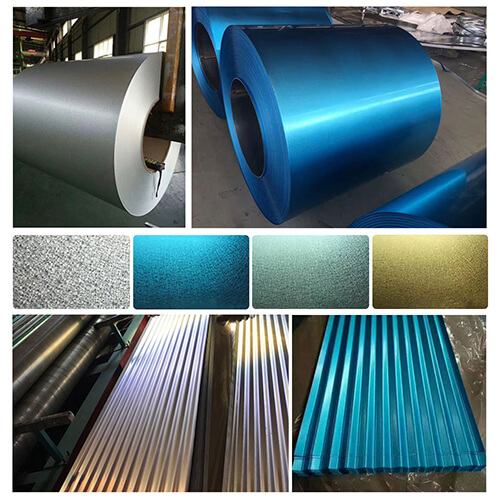
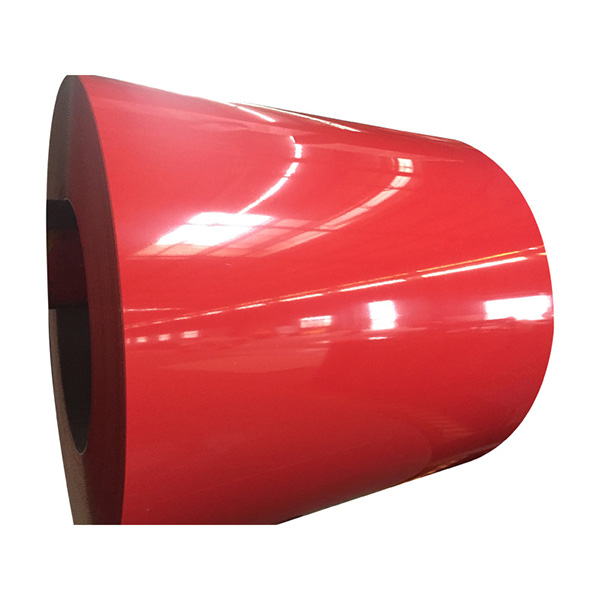
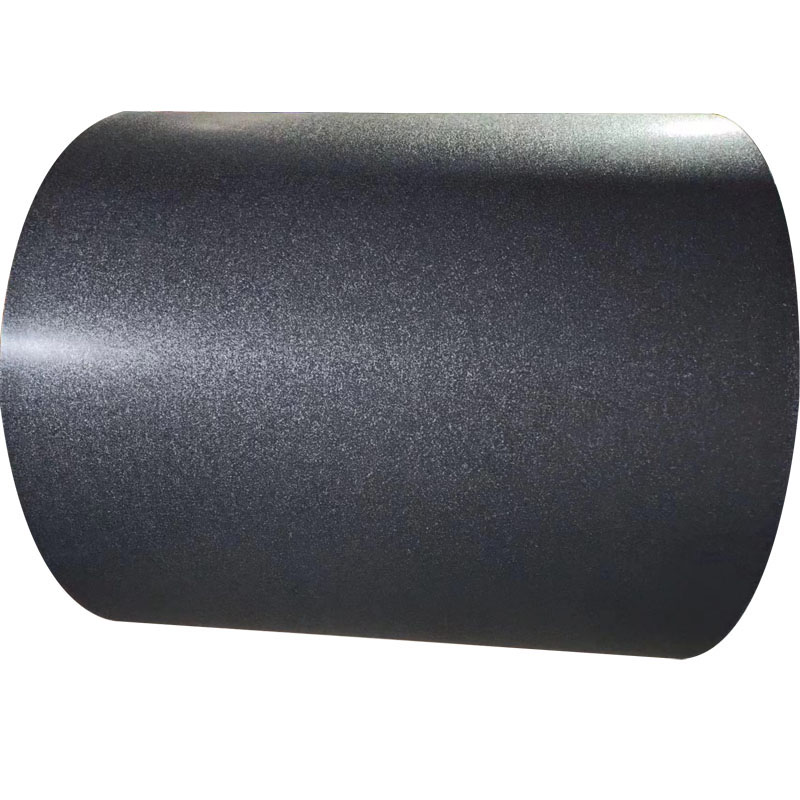
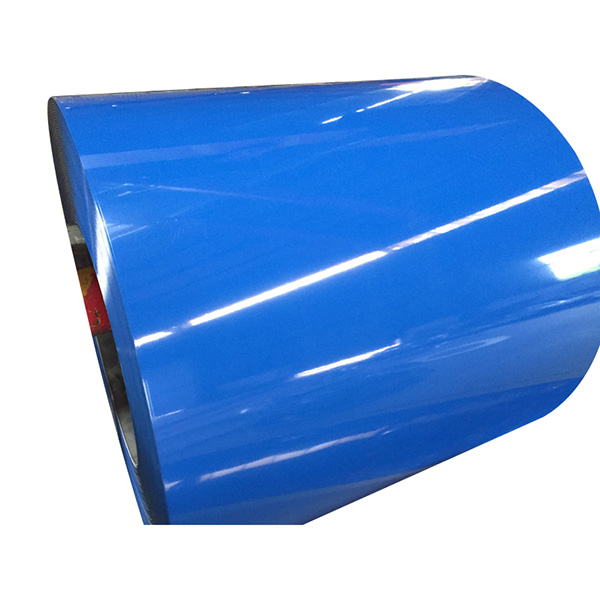
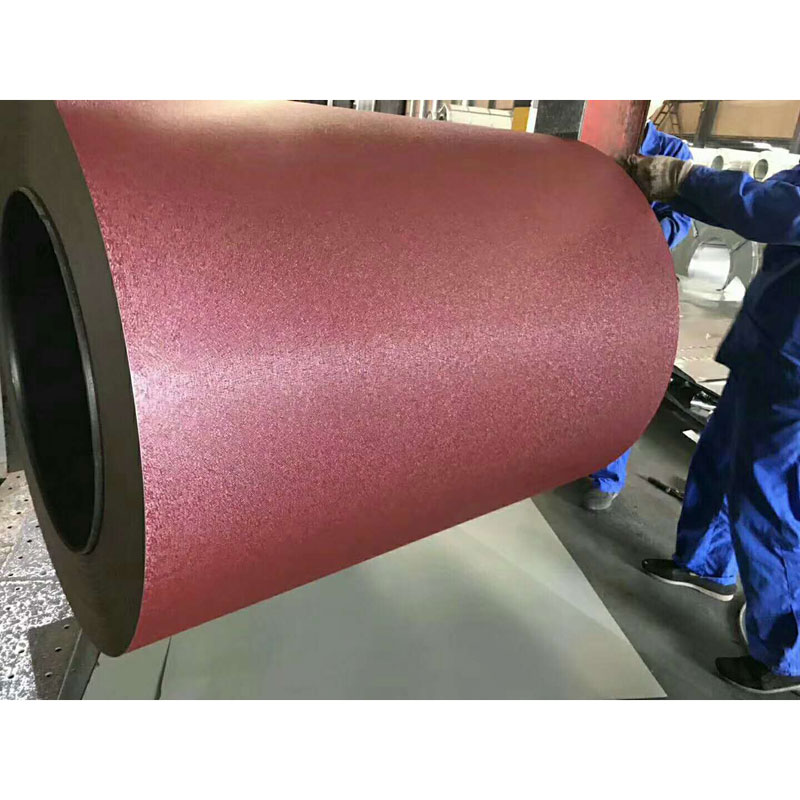
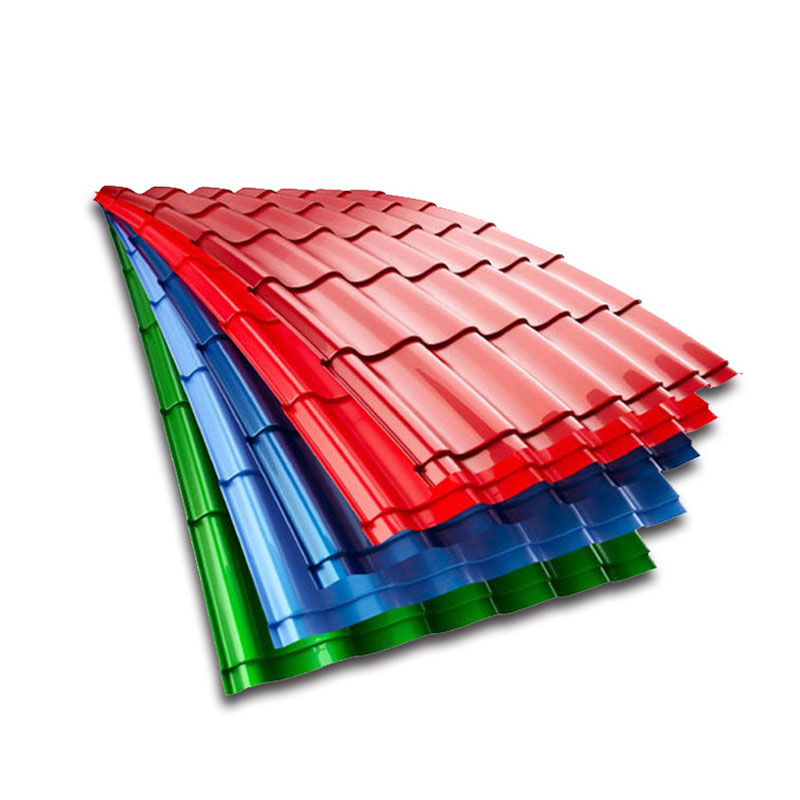
PPGI stands for prepainted galvanized iron. The material starts as a steel substrate. A zinc layer covers that steel to fight corrosion. A primer bonds the paint to the zinc surface. A topcoat adds color, weather resistance, and a clean finish. Many products also carry a backcoat on the reverse side.
Each layer does a specific job. The steel carries the load. The zinc sacrifices itself to protect the steel. The primer and topcoat shield the zinc from moisture and chemicals. You get a finished product in one coil, ready for forming.
PPGI Coils Versus Finished Roofing Sheets
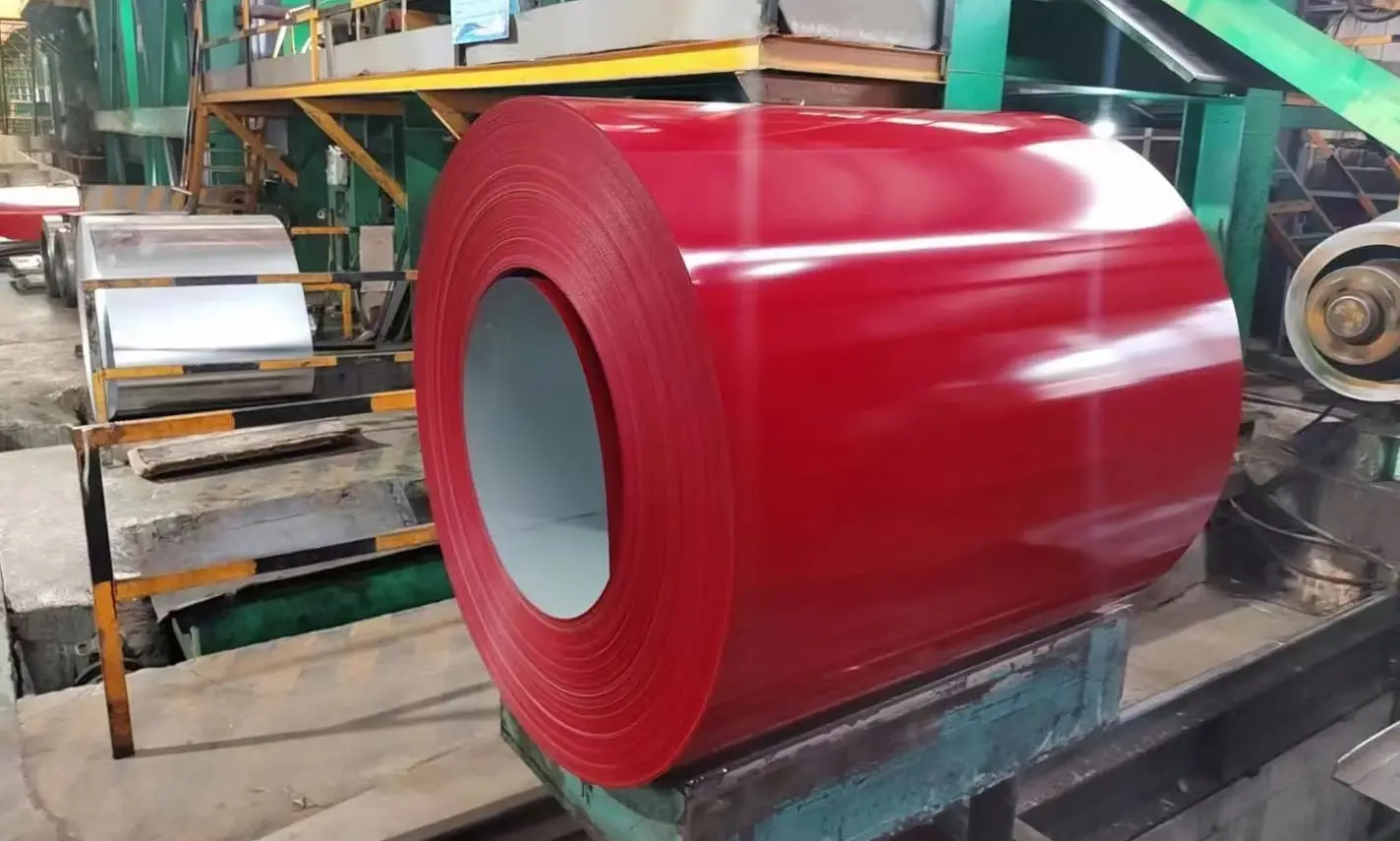
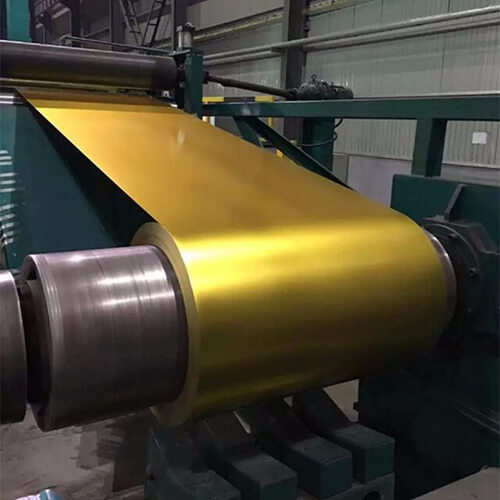
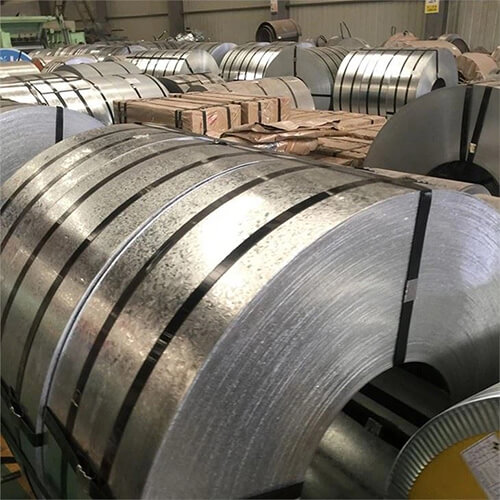
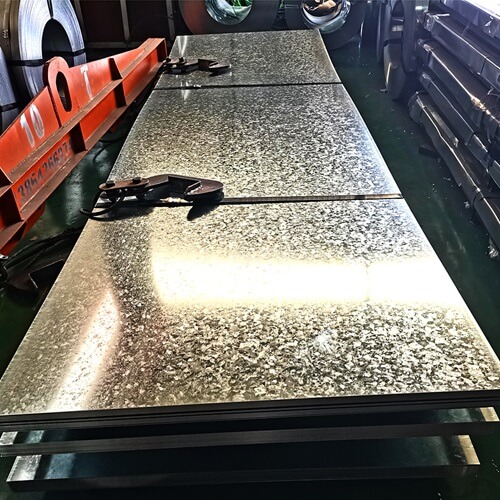
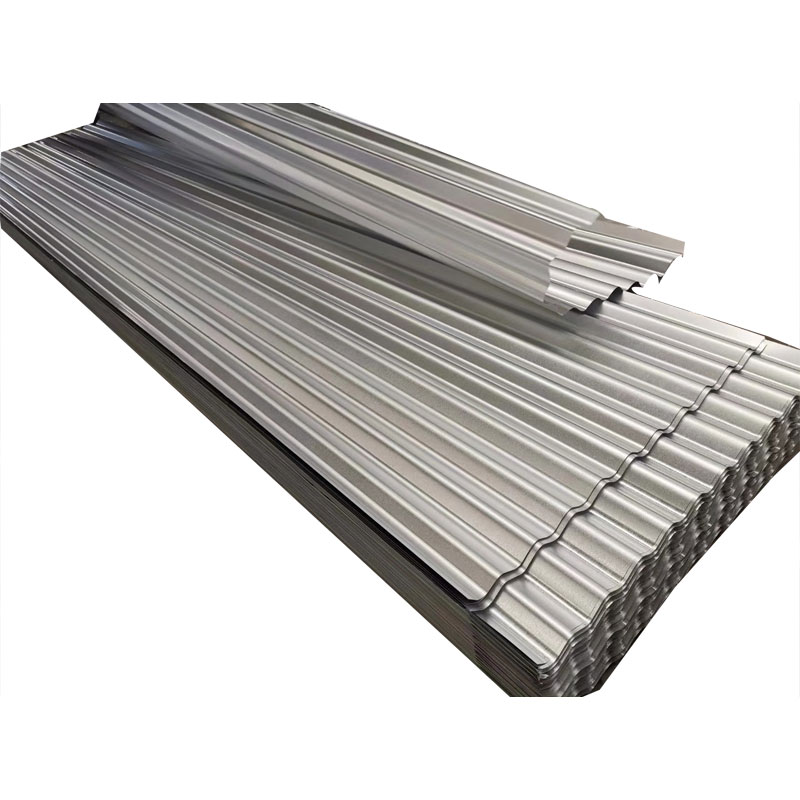
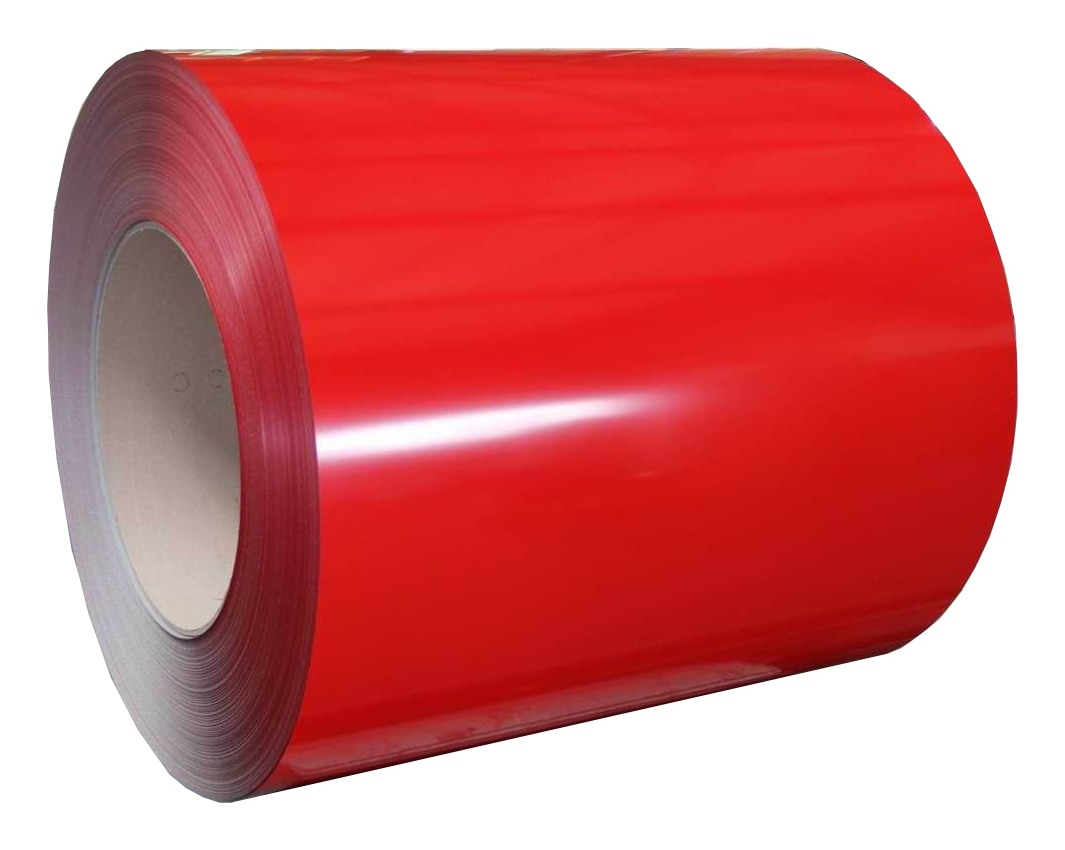
You can buy PPGI as coils or as finished roofing sheets. Coils suit roll-forming factories and contractors with their own profiling lines. You control the profile, length, and panel shape. Finished sheets arrive cut and formed, ready to install.
Coils offer flexibility and lower handling cost per ton. Finished sheets save time on site. Your choice depends on your forming capacity and project schedule.
Main Benefits of PPGI
Lightweight, Roll-Formable Construction
PPGI panels weigh little compared with masonry or tile. The light weight reduces structural steel needs. The material also forms easily. Roll-forming, bending, and curving all work well. You can produce trapezoidal, corrugated, and standing seam profiles from the same coil.
Corrosion Protection and Color Options
The zinc layer provides sacrificial protection. The paint system adds a barrier against humidity and farm chemicals. Color options are broad. You can match barn colors, reflect sunlight with light shades, or meet zoning requirements. A proper coating system keeps the appearance stable for years.
Cost and Maintenance Profile
PPGI delivers a favorable cost profile for large farm roofs. Material cost stays moderate, and installation is fast. Maintenance is low under normal conditions. Occasional inspection of fasteners and cut edges keeps the roof in good shape.
Where PPGI Fits Best
Best-Fit Agricultural Uses
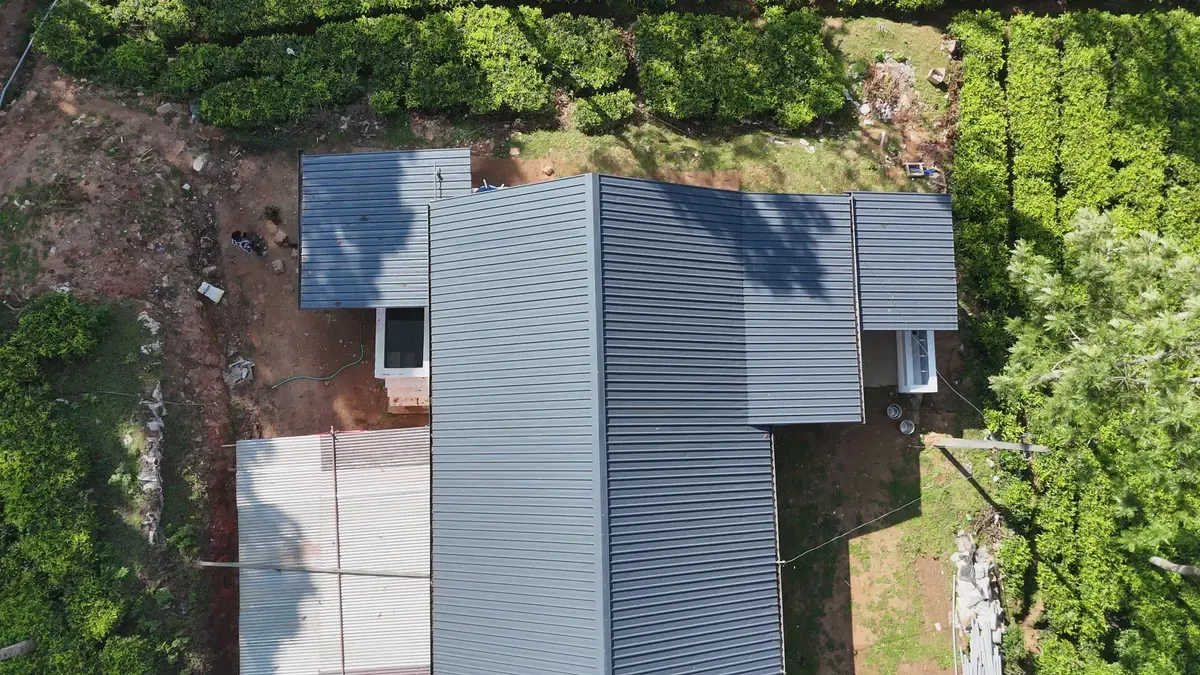
PPGI suits grain warehouses, poultry houses, livestock barns, equipment sheds, and workshops. These buildings need weather protection, reasonable corrosion resistance, and fast construction. PPGI meets all three when you match the specification to the environment.
When Another Material Fits Better
Some situations call for other choices. Highly aggressive chemical exposure may favor a heavier coating system or a different substrate. Very long design lives may justify premium coatings. Historic or aesthetic buildings may need traditional materials. Assess your exposure first, then confirm the specification with your supplier.
PPGI for Agricultural Buildings: Common Applications
Grain Storage Warehouses
Roofing and Wall Cladding
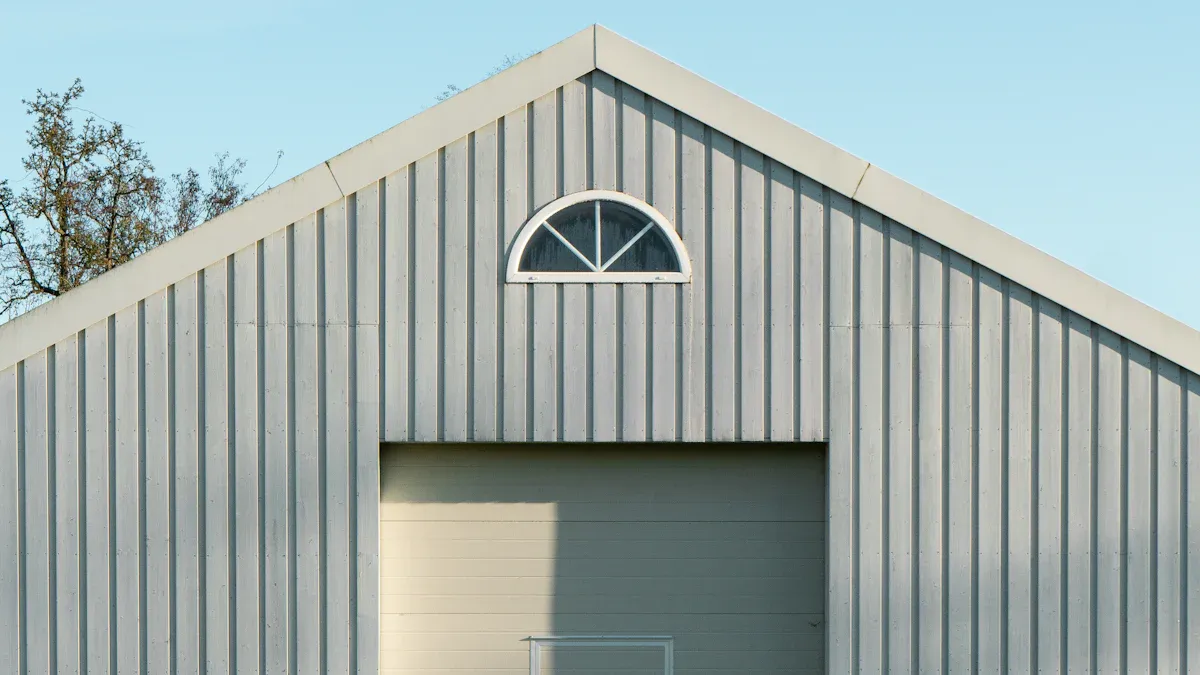
Grain warehouses need a weather-tight envelope that keeps moisture out and protects the stored crop. PPGI roofing sheets and wall cladding give you a continuous, low-maintenance surface. The panels resist rain, wind, and sun exposure across large roof spans. You can specify longer panels to reduce the number of joints, which lowers leak risk.
Condensation Control
Grain storage demands careful moisture management. Temperature swings cause condensation on the underside of any metal roof. You can reduce this risk with proper ventilation design, an anti-condensation backcoat, or a suitable underlay. The backcoat also protects the interior steel surface from humid air.
Steel Roofing for Poultry Houses and Livestock Barns
Humidity, Ammonia, and Ventilation
Poultry houses and livestock barns create the toughest conditions on the farm. High humidity combines with ammonia from animal waste. Ventilation systems move this aggressive air across every roof and wall surface. You need a coating system that tolerates these conditions without early breakdown.
Corrosion-Resistant Coating Needs
Choose a heavier zinc coating and a topcoat rated for chemical exposure. A high-durability paint system such as HDP or PVDF offers better protection than a basic polyester finish. Confirm the ammonia resistance of the coating with your supplier before you order.
Equipment Sheds and Farm Workshops
Roofing Durability and Thickness
Equipment sheds and workshops face less chemical attack than livestock buildings. Standard PPGI roofing performs well here. You can select a moderate zinc weight and a standard coating system. Thickness should follow your purlin spacing and local wind and snow loads.
Wall Panels and Color-Coated Cladding
Color-coated wall panels give workshops a clean, professional look. You can match colors to the main farm buildings or use lighter shades to reflect heat. The same coil often serves both roof and wall, which simplifies procurement.
The table below summarizes typical material priorities by building type.
| Building Type | Zinc Coating Priority | Paint System Priority | Key Concern |
|---|---|---|---|
| Grain warehouse | Moderate to high | Standard to high durability | Condensation and moisture |
| Poultry house / livestock barn | High | High chemical resistance | Ammonia and humidity |
| Equipment shed | Moderate | Standard durability | Load and thickness |
| Farm workshop | Moderate | Standard durability | Appearance and color |
Corrosion Challenges in Agricultural Environments

Moisture and Condensation
Humidity and Temperature Swings
Farm buildings breathe humid air all year. Animals, stored crops, and wash-down water all release vapor into the space. Day and night temperature swings push that vapor to condense on cold surfaces. Your roof and walls sit at the front line of this attack. Moisture film on the steel slowly consumes the zinc layer, and the paint barrier weakens over time.
You can slow this process with smart design choices. Light-colored topcoats reflect heat and reduce surface temperature swings. Ventilation that moves air across the underside of the roof limits condensation. A heavier zinc coating gives you more sacrificial metal to lose before the steel itself is at risk.
Trapped Moisture Beneath Roofing
Water finds its way under panels through laps, fasteners, and poorly sealed penetrations. Once trapped, it sits against the steel with no path to evaporate. This trapped moisture attacks the panel from the back side, where you rarely look. Overlapping sheets and trapped debris on the roof surface create the same problem on top.
Proper installation details matter here. Seal laps correctly, keep fasteners tight, and avoid panel contact with wet insulation. Leave a path for drainage and airflow at eaves and ridges. Inspect the roof after storms and clear leaves and debris from valleys.
Ammonia and Chemical Exposure
Poultry and Livestock Conditions

Animal waste releases ammonia gas continuously. Warm, humid air inside a barn concentrates that gas and drives it into every surface. Ammonia attacks the paint film and the zinc layer beneath it. The corrosion rate inside a livestock building can far exceed the rate on an open field.
You need a coating system rated for chemical exposure in these spaces. A high-durability topcoat such as HDP or PVDF resists this attack better than a basic polyester finish. Confirm ammonia resistance with your supplier before you commit to an order.
Fertilizers and Cleaning Chemicals
Storage buildings hold fertilizers, disinfectants, and wash-down chemicals. Splashes and airborne vapors settle on walls and roofs. Some of these chemicals are aggressive against painted steel. Acidic or alkaline residues left on the surface accelerate coating breakdown.
Keep chemical storage away from direct contact with panels. Rinse splashes promptly and ventilate enclosed spaces. Choose a coating with documented chemical resistance when your building handles these materials.
Cut-Edge Corrosion and Surface Damage
Exposed Edges and Fasteners
Every cut edge exposes bare steel with only a thin zinc layer for protection. Fastener holes and drilled penetrations create the same weak points. Corrosion often starts at these edges and spreads under the paint film. Rust staining then becomes visible and undermines the appearance of the whole roof.
You can manage this risk during installation. Touch up cut edges and fastener heads with a compatible repair coating. Use fasteners with matching or superior corrosion protection. Keep cuts clean and avoid tearing the coating during profiling.
Installation and Maintenance Impact
Scratches from handling, foot traffic, and tools break the paint barrier. Small defects grow into larger corrosion sites over the building’s life. Poor installation practice shortens the service life of good material.
Train your installation crew to handle panels with care. Walk on purlin lines, not on the flat pan. Schedule periodic inspections and repair damaged coatings early. A small touch-up today prevents a panel replacement later.
How to Choose the Right Coated Steel
Select the Zinc Coating Weight
Coating Weight and Corrosion Protection
The zinc layer is your first line of defense. It sacrifices itself so the steel beneath stays intact. A heavier zinc coating gives you more sacrificial metal and a longer protection window. Coating weight is usually stated as grams per square meter, and suppliers quote it for both sides combined or per side. Always confirm which convention a supplier uses before you compare offers.
Thicker zinc costs more per ton. It also pays back over time in aggressive settings. Treat zinc weight as an insurance policy, not a line item to trim.
Matching Zinc to the Environment
Match the zinc weight to the building’s exposure. An open equipment shed in a dry climate needs less protection than a poultry house full of humid, ammonia-laden air. Coastal farms and areas with heavy rainfall call for heavier coatings. Livestock buildings sit at the top of the scale.
Ask your supplier for a corrosion category recommendation based on your site. Then step up one class for barns and houses. This simple rule covers most farm projects without over-specifying.
Choose the Paint Coating System
PE, SMP, HDP, and PVDF Compared
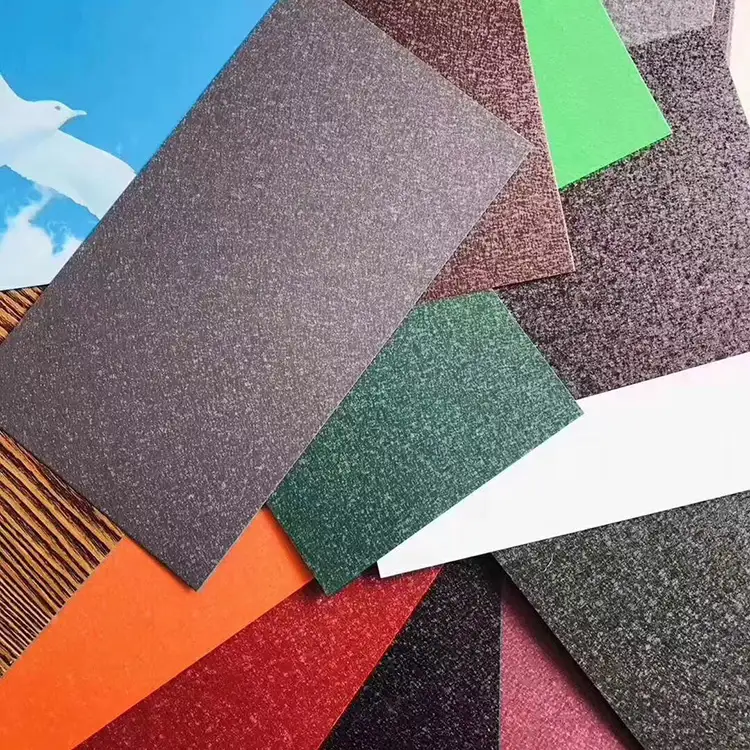
The topcoat determines how well the panel resists weather, chemicals, and fading. Four systems dominate the market, and each fits a different job.
| Coating System | Weather Resistance | Flexibility | Ammonia and Chemical Suitability |
|---|---|---|---|
| PE (polyester) | Moderate | Good | Basic protection; suits sheds and workshops |
| SMP (silicone-modified polyester) | Good | Good | Better than PE; suits general farm roofing |
| HDP (high-durability polyester) | High | Good | Strong choice for livestock and poultry buildings |
| PVDF (fluoropolymer) | Very high | Moderate | Best chemical and color retention; premium barns |
PE offers a low-cost finish for low-exposure buildings. SMP improves weather resistance at a modest premium. HDP adds durability and chemical resistance, which makes it a practical pick for ammonia-rich spaces. PVDF delivers the longest color and gloss retention, and it handles chemical exposure well. PVDF costs the most, so reserve it for high-value buildings or long design lives.
Verifying Chemical and Ammonia Resistance
Do not accept a generic “corrosion resistant” claim. Ask for the coating’s documented resistance to ammonia and to alkaline cleaning agents. Request test data or a supplier statement in writing. This step matters most in poultry and livestock buildings, where gas exposure never stops. The selection framework in this guide to PPGI for Agricultural Buildings: How to Choose the Right Coated Steel treats coating verification as a mandatory checkpoint, not an optional extra.
Determine Thickness, Grade, and Backcoat
Thickness, Profile, and Load Requirements
Base metal thickness follows your structural design. Wider purlin spacing, longer spans, and heavier wind or snow loads all push thickness upward. The roof profile also matters. Deep trapezoidal profiles carry more load than shallow corrugated sheets at the same thickness. Confirm the panel’s load capacity at your actual purlin spacing with the supplier’s span tables.
Steel Grade and Formability
The steel grade controls yield strength and elongation. Higher yield strength supports load, and adequate elongation supports forming. Roll-forming, bending, and curving all demand enough ductility to avoid coating cracks. Ask for the grade designation and check that it suits your profiling line. A grade that forms poorly will show coating damage at every bend.
Backcoat and Surface Protection
The backcoat protects the interior face from condensation and humid air. A service backcoat suits dry sheds. A thicker backcoat with anti-condensation properties suits grain warehouses and livestock buildings. Check coating adhesion on both faces, and confirm that cut edges and fasteners will receive touch-up protection during installation. These small details decide how the roof performs in year ten.
PPGI vs. PPGL for Agricultural Roofing
Metallic Coating Differences
Zinc-Coated Versus Aluminum-Zinc Substrate
PPGI uses a steel substrate coated with zinc. PPGL uses a steel substrate coated with an aluminum-zinc alloy. The paint systems on top can be identical, so the real difference sits in the metallic layer beneath the paint.
Zinc protects steel by sacrificing itself. The aluminum-zinc alloy combines the barrier strength of aluminum with the sacrificial action of zinc. This blend gives PPGL an edge in some environments and changes how each product behaves at cut edges.
Corrosion and Environmental Fit
Performance by Exposure Condition
Both products perform well when you match them to the site. PPGI fits general farm roofing, equipment sheds, and workshops. It also handles humid barns when you specify a heavy zinc coating and a durable topcoat.
PPGL often suits long-life roofs and sites with steady atmospheric exposure. The aluminum content supports barrier protection over time. Ammonia-rich poultry and livestock buildings still demand a chemical-resistant topcoat on either substrate. Neither metallic coating replaces a proper paint system.
Cost and Long-Term Value
Initial Cost Versus Maintenance
PPGI usually carries the lower initial price per ton. PPGL costs more upfront because of its alloy coating. That gap shrinks when you compare total ownership cost over a long service life.
PPGL can reduce maintenance frequency on suitable sites. PPGI offers predictable performance and easy sourcing for standard farm buildings. Your exposure conditions and design life decide which option pays back better.
The table below summarizes where each option fits.
| Factor | PPGI | PPGL |
|---|---|---|
| Metallic coating | Zinc on steel | Aluminum-zinc alloy on steel |
| Best-fit exposure | General farm roofing, sheds, workshops | Long-life roofs, steady atmospheric exposure |
| Ammonia buildings | Works with a chemical-resistant topcoat | Works with a chemical-resistant topcoat |
| Initial cost | Lower | Higher |
| Maintenance profile | Predictable, routine inspection | Potentially less frequent on suitable sites |
Treat this comparison as a starting point. Confirm coating weights, paint systems, and warranties with your supplier before you commit.
Compliance, Codes, and Fire Ratings
Building Codes and Structural Requirements
Local Codes and Load Requirements
Your local building authority sets the rules your farm building must meet. These rules cover wind loads, snow loads, and structural design. Load requirements vary by region, so confirm the values for your site before you order material. Your engineer translates these loads into purlin spacing and panel thickness. A panel that passes in one county may fail in another.
Ask your supplier for span tables that match your actual purlin spacing. Check that the panel profile and steel grade meet the design loads. Keep the approved drawings on file for inspection.
Material Certifications and Documentation
Certified material protects you during inspection and insurance review. Request a mill test certificate for every coil. The certificate confirms the steel grade, zinc coating weight, and mechanical properties. Store these documents with your project records.
Some buyers also need a declaration of conformity to a named standard. Confirm the documentation your authority requires before shipment. Missing paperwork can delay occupancy approval.
Fire Performance and Agricultural Standards
Fire Ratings for Coated Steel Panels
Steel panels do not burn, and that fact supports their fire performance. The full assembly rating depends on the panel, insulation, and supporting structure together. Fire ratings come from standardized tests, and your local code states which rating your building type needs. Barns with stored hay or grain often face stricter rules.
Ask your supplier for the fire test classification of the panel system you plan to use. Do not assume a rating carries over from a different assembly.
Relevant Industry Standards
Coated steel products follow recognized standards for coating weight, paint adhesion, and mechanical properties. These standards give you a common language with suppliers and inspectors. Name the standard in your purchase order, and require test results against it. This step removes ambiguity at delivery.
Environmental and Site Rules
Runoff and Water Management
Rain running off a metal roof concentrates at downpipes and gutters. Some jurisdictions regulate where that water goes, especially near waterways or storage areas. Plan gutters, downpipes, and drainage before installation. Direct runoff away from foundations and animal areas.
Zoning and Aesthetic Requirements
Zoning rules may limit building height, roof color, or placement on the lot. Some rural districts require muted colors that blend with the landscape. Check these rules early. A color change after you order coils is costly and slow.
Quality Inspection and Testing
Key Quality Tests
Thickness and Zinc Weight Verification
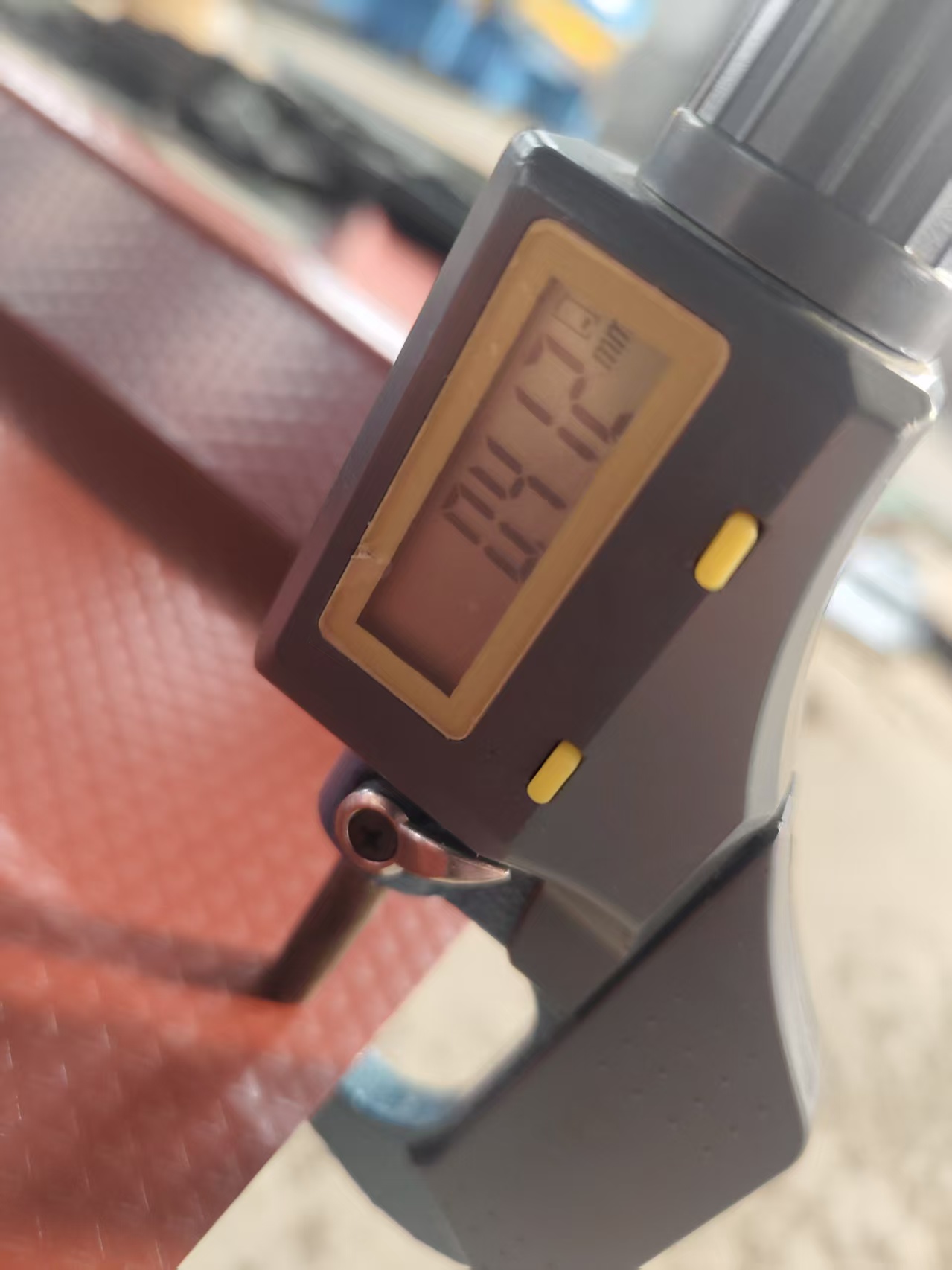
You verify base metal thickness with a micrometer at several points across the coil width. Thickness variation affects load capacity and forming behavior, so spot-check both ends of each coil. Compare the readings against the thickness stated on the order.
Zinc coating weight needs a documented test method. Suppliers usually report it in grams per square meter, and you should confirm whether the figure covers one side or both sides combined. Ask for the test method name and the measured result, not just a nominal target.
Paint Film, T-Bend, and Adhesion Tests
Paint film thickness determines how long the topcoat shields the zinc layer. A coating thickness gauge gives you readings on the finished panel. Check topcoat and backcoat separately, because the two faces often carry different specifications.
The T-bend test bends a coated strip over itself and reveals cracking or delamination at the bend. The paint adhesion test checks how firmly the film grips the primer and the zinc. Both tests matter for roll-formed panels, where every profile bend stresses the coating.
Corrosion Testing Under Defined Conditions
Corrosion testing shows how the full coating system behaves in a hostile environment. Salt spray and humidity chamber tests are common, and each runs under defined conditions. Ask which conditions the supplier used and how long the test ran. A result without the test conditions tells you little.
For barns and poultry houses, request evidence of ammonia or alkaline chemical exposure. This data matters more than a generic corrosion claim.
Documents Buyers Should Request
Mill Test Certificate and Coating Specs
The mill test certificate confirms the steel grade, mechanical properties, and zinc coating weight for each coil. Match the certificate numbers to the coils you receive. Coating specifications should state the primer type, topcoat system, backcoat, and film thickness for both faces.
Inspection Reports and Standards
Ask for inspection reports covering the tests above, plus the material standards your project names. Name those standards in the purchase order so delivery inspection has a clear reference.
| Checklist Item | What to Confirm |
|---|---|
| Base metal thickness | Measured value matches order |
| Zinc coating weight | Value, test method, one side or both |
| Paint film thickness | Topcoat and backcoat separately |
| T-bend and adhesion | Results at the specified bend |
| Corrosion testing | Test conditions and duration |
| Documentation | Mill test certificate, coating specs, inspection reports, standards |
Cost Analysis and Life-Cycle Value
Understanding Upfront Costs
Material and Installation Cost Drivers
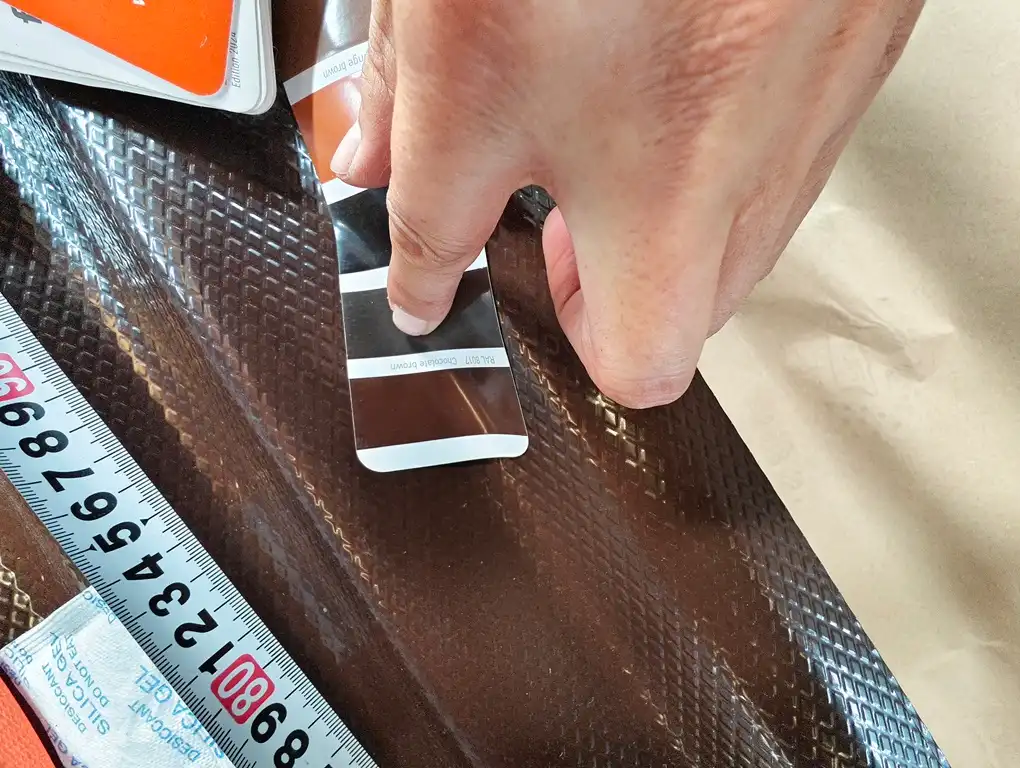
Your upfront cost starts with the coil price, and several specification choices move that number. A heavier zinc coating adds cost per ton. A premium topcoat such as PVDF costs more than a standard polyester finish. Thicker steel raises the material bill as well.
Installation adds its own share. Panel length, roof complexity, and the number of penetrations all affect labor time. Longer panels reduce joints and speed up the work. Simple roof shapes install faster than cut-up roofs with many valleys and hips. Ask suppliers to quote both material and delivered length so you can compare total installed cost, not just price per ton.
Calculating Life-Cycle Value
Service Life and Maintenance Savings
Life-cycle value weighs the purchase price against the years of service you receive. A heavier zinc coating and a durable topcoat cost more today. They also delay the first major maintenance and push back replacement. That trade-off favors the better specification in humid barns and poultry houses, where cheap coatings fail early.
Track the cost of inspections, touch-ups, and panel replacement across the roof’s life. Add those figures to the purchase price. The total often reverses a price-only ranking.
Replacement and Repair Projections
Plan for repairs at cut edges, fasteners, and any damaged panels. Small touch-ups cost little and prevent larger failures. A roof that reaches replacement early wipes out any savings from a low initial price. Project your replacement year under each specification option, then compare the annual cost of ownership. This simple comparison shows which option delivers the better long-term value for your building.
Reducing Long-Term Roofing Costs
Coating Selection and Installation Quality
Match the coating system to the environment, and you avoid paying for protection you do not need or skipping protection you do. A standard finish serves an open equipment shed well. A livestock barn needs a chemical-resistant topcoat. Installation quality protects that investment. Careful handling, correct fastening, and prompt touch-up of cut edges keep the coating intact.
Condensation, Ventilation, and Maintenance
Moisture drives most long-term cost in farm buildings. Design ventilation to move air across the roof underside. Specify an anti-condensation backcoat where humidity stays high. Schedule a short annual inspection and clear debris from gutters and valleys. These habits cost little and extend service life. They also protect the coating warranty and keep small defects from growing into panel replacements.
Common Mistakes and Expert Tips
Mistakes Buyers Commonly Make
Choosing on Price Per Ton Alone
A low price per ton hides the real cost of a short-lived roof. Cheap coils often carry a thin zinc layer and a basic topcoat. Those savings disappear when the coating fails early and you pay for repairs or replacement. Compare total ownership cost instead of the invoice price.
Ignoring Zinc Weight and Environment
Many buyers order the same specification for every building on the farm. A poultry house and an open equipment shed face very different conditions. The barn needs a heavier zinc coating and a chemical-resistant topcoat. The shed performs well with a standard finish. Match the zinc weight to the site, then step up one class for livestock spaces.
Overlooking Backcoat and Cut-Edge Protection
The backcoat shields the interior face from condensation. Buyers often focus on the topcoat and skip this layer. Cut edges and fastener holes also expose bare steel. Without touch-up during installation, corrosion starts at these points and spreads under the paint.
Practical Tips From the Field
Questions to Ask Suppliers
Ask which zinc coating weight the quote covers and whether the figure is per side or both sides combined. Request the topcoat system name and its documented ammonia resistance. Confirm the backcoat specification and the warranty terms. A supplier who answers these questions in writing gives you a reliable basis for comparison.
Pre-Order Checks
Verify the steel grade against your profiling line before you commit. Check span tables at your actual purlin spacing. Confirm the color against zoning rules and the delivery length against your roof layout. These checks take an hour and prevent costly reorders.
A Step-by-Step Selection Checklist
From Needs Assessment to Final Order
Work through the choices in order, because each step depends on the one before it.
- Define the building type, internal humidity, and chemical exposure.
- Set the design life and maintenance budget.
- Select the zinc coating weight for that environment.
- Choose the paint system and verify chemical resistance.
- Confirm thickness, profile, and steel grade against loads and forming.
- Specify the backcoat for interior conditions.
- Check compliance, fire ratings, and documentation.
- Compare life-cycle cost, not price per ton.
- Request test certificates and inspection reports with the order.
This sequence mirrors the framework in PPGI coated steel for Agricultural Buildings: How to Choose the Right Coated Steel, and it keeps your specification consistent from first inquiry to final delivery.
Start with the environment, then set the zinc coating weight, paint system, thickness and grade, backcoat, compliance, and life-cycle cost. That order keeps your specification consistent from first inquiry to final delivery. Material consistency and quality inspection protect your investment far better than the lowest price per ton. Long-term ownership cost tells the real story, and a cheap coil often fails early.
Confirm every technical specification with your supplier before you buy. Apply the selection checklist to your own project, and let the framework in PPGI for Agricultural Buildings: How to Choose the Right Coated Steel guide each decision. Then request PPGI or PPGL specifications for your agricultural roofing and cladding, and order with confidence.
FAQ
Is PPGI suitable for poultry houses and livestock barns?
Yes, when you specify it correctly. Barns combine humidity with ammonia, so choose a heavier zinc coating and a topcoat rated for chemical exposure, such as HDP or PVDF. Confirm ammonia resistance in writing with your supplier before you order.
What thickness of PPGI coated steel works for agricultural roofing?
Thickness follows your structural design, not a fixed rule. Wider purlin spacing, longer spans, and heavier wind or snow loads push it upward. Check the supplier’s span tables at your actual purlin spacing, and let your engineer confirm the final figure.
Which coating lasts better in a barn, PE or PVDF?
PVDF resists weather, chemicals, and fading better than PE, and it holds color longer. PE costs less and serves open sheds and workshops well. For a poultry or livestock building, the premium coating usually pays back through longer service life.
Is PPGL better than PPGI coated steel for farm buildings?
Neither wins everywhere. PPGL’s aluminum-zinc coating suits long-life roofs with steady atmospheric exposure. PPGI costs less upfront and performs predictably on general farm buildings. Both still need a chemical-resistant topcoat in ammonia-rich spaces. Match the choice to your site and design life.
How can I improve the corrosion resistance of agricultural metal roofing?
Start with a heavier zinc coating and a durable topcoat. Touch up cut edges and fastener heads during installation, and keep panels free of scratches. Design ventilation to limit condensation, and rinse off chemical splashes promptly. Routine inspection catches small defects before they spread.
Does the backcoat really matter on a farm building?
Yes. The backcoat shields the interior face from condensation and humid air. A service backcoat suits dry sheds, while grain warehouses and livestock buildings benefit from a thicker or anti-condensation backcoat. Check adhesion on both faces before you approve the coil.
What documents should I request before ordering?
Request a mill test certificate for every coil, coating specifications for both faces, and inspection reports covering thickness, zinc weight, paint adhesion, and corrosion testing. Name the material standards in your purchase order so delivery inspection has a clear reference.