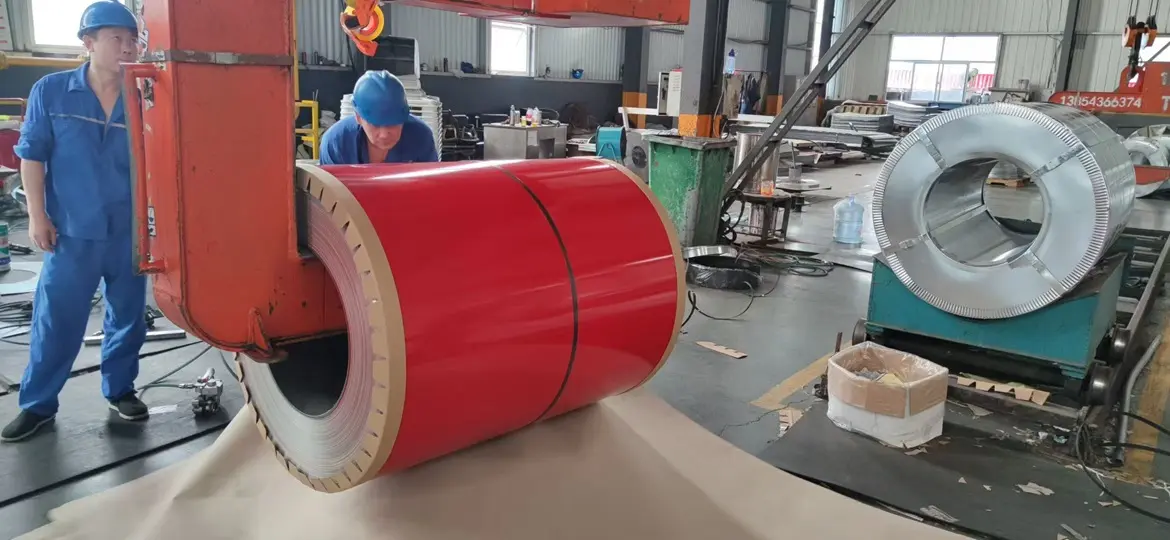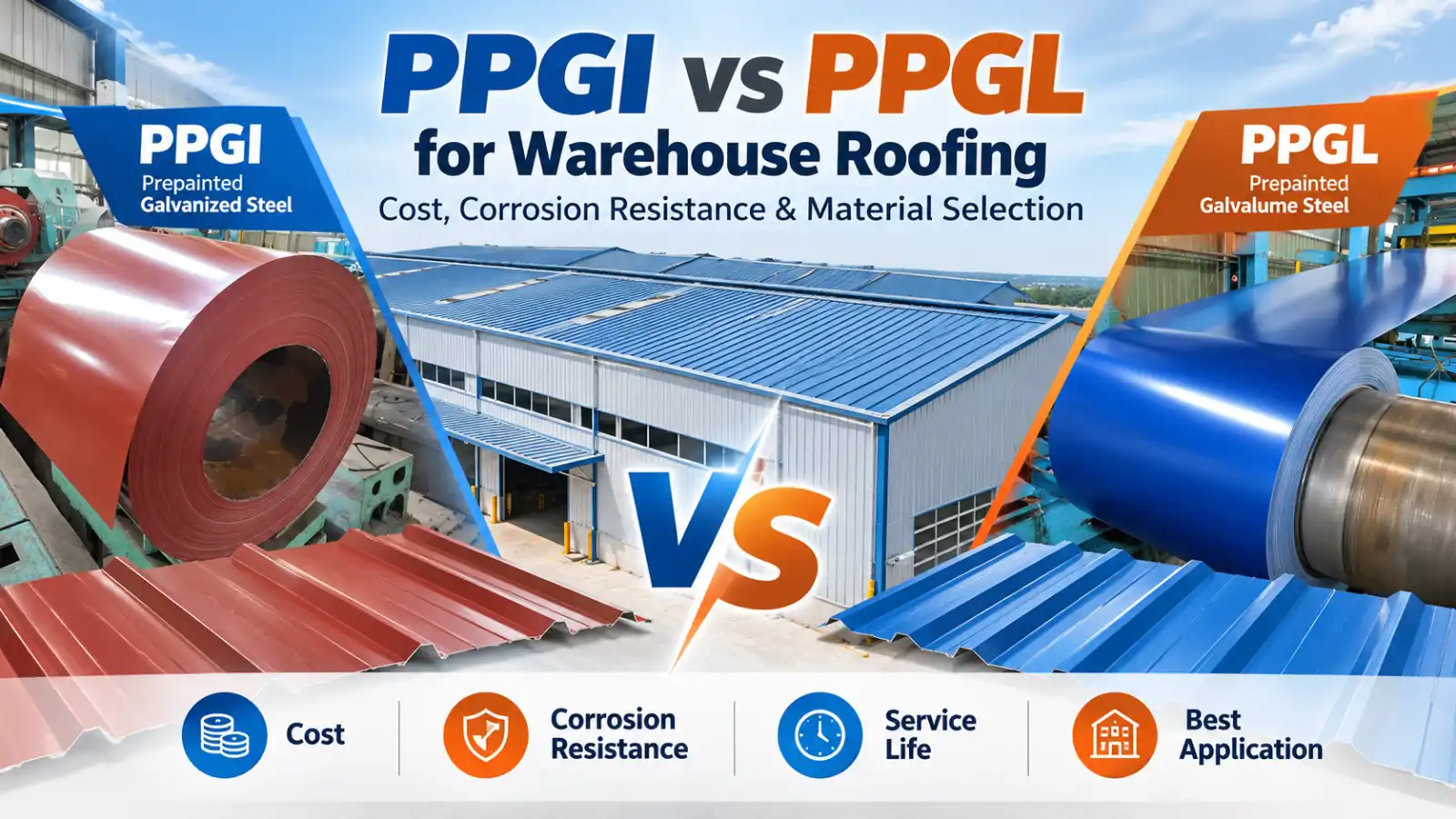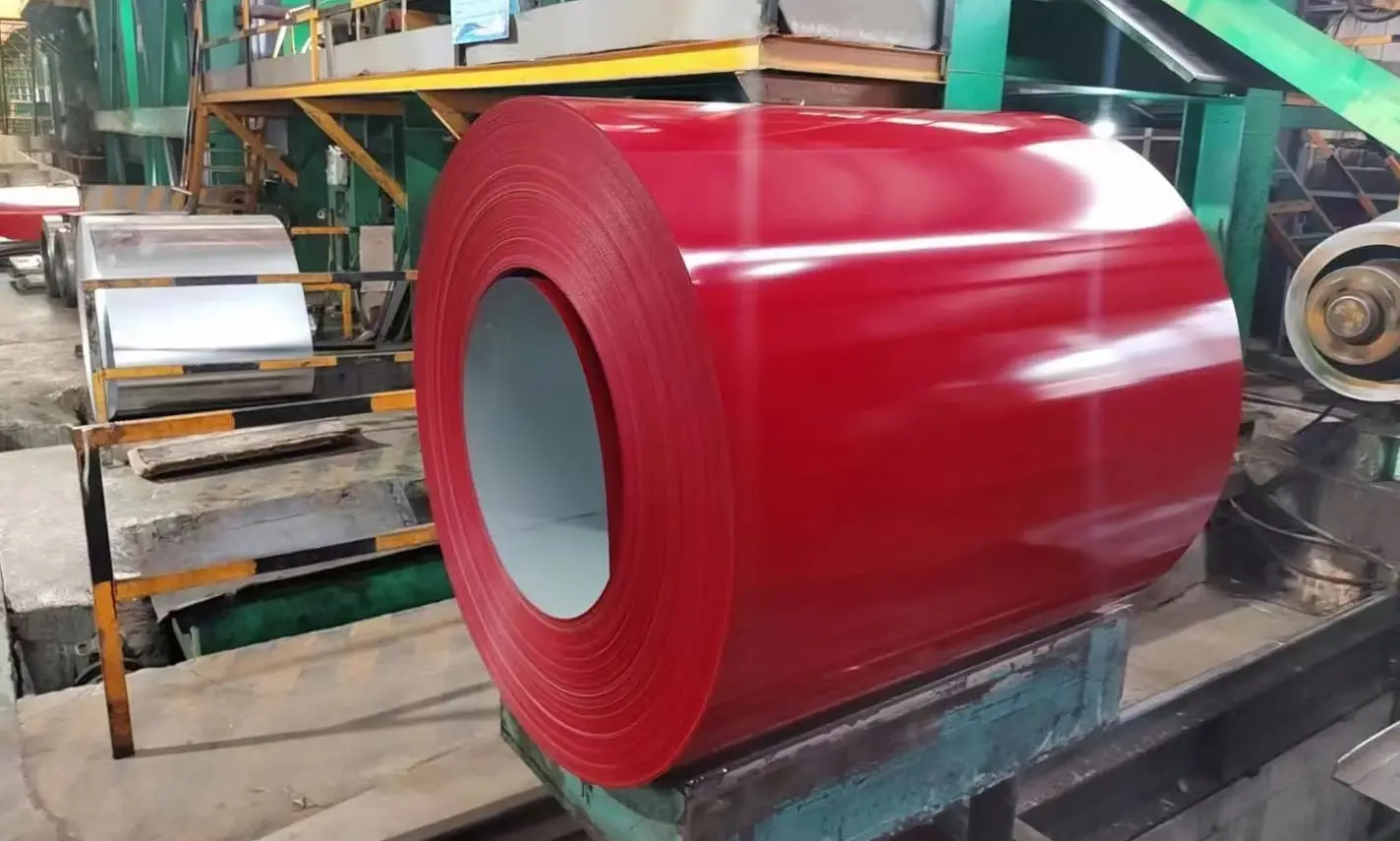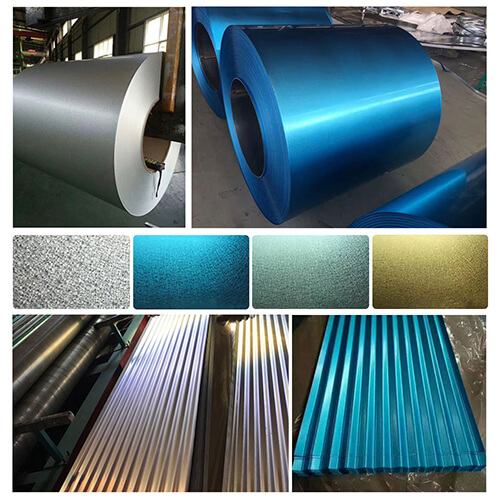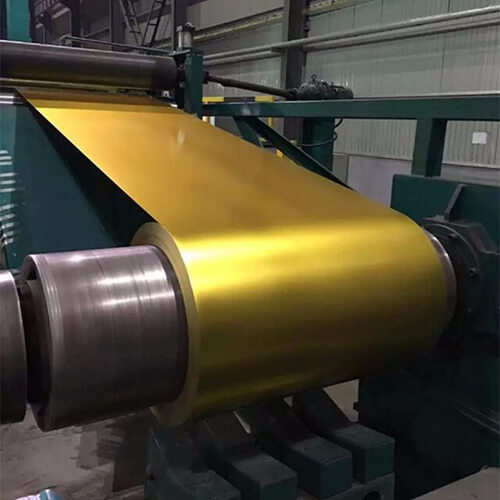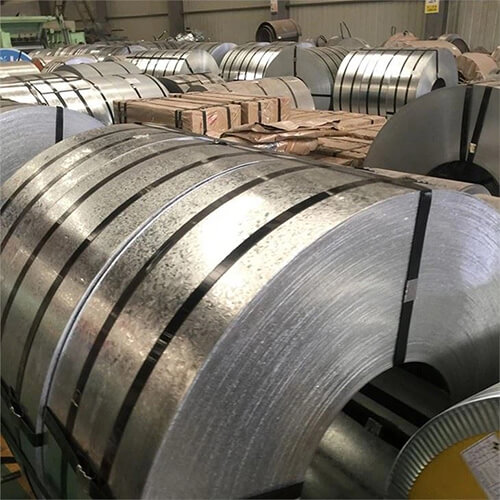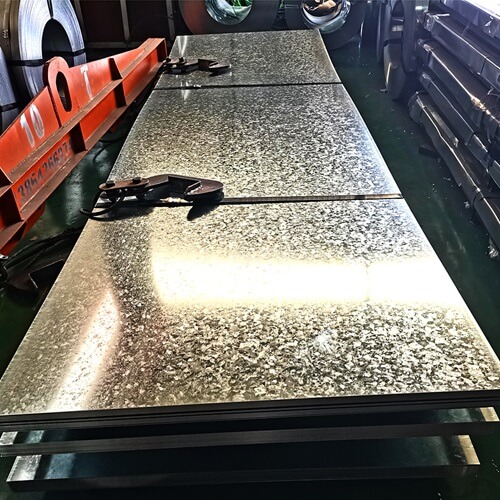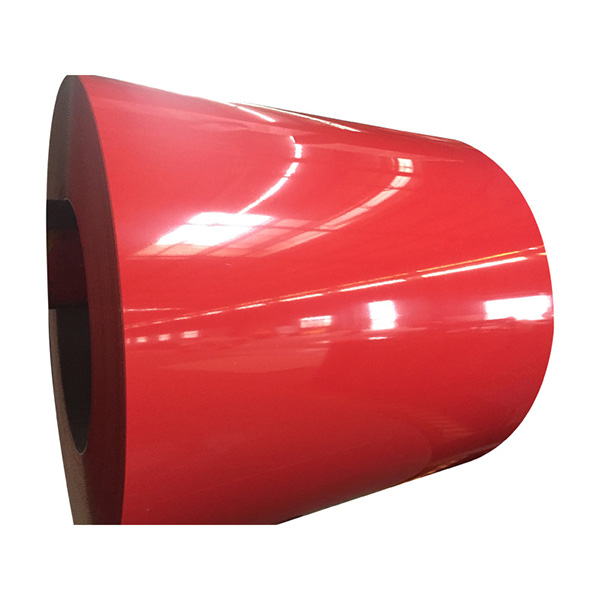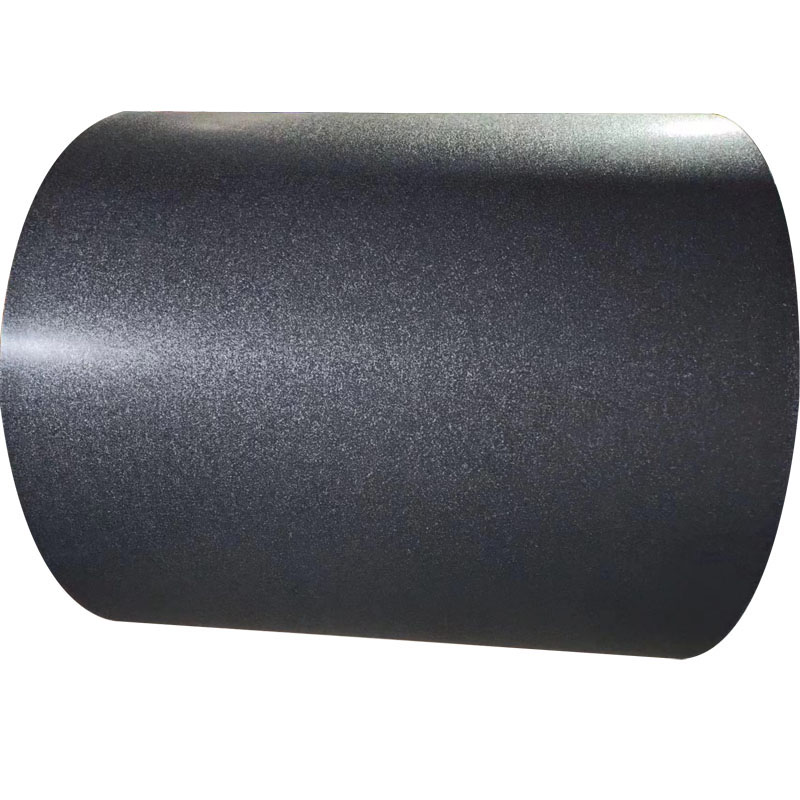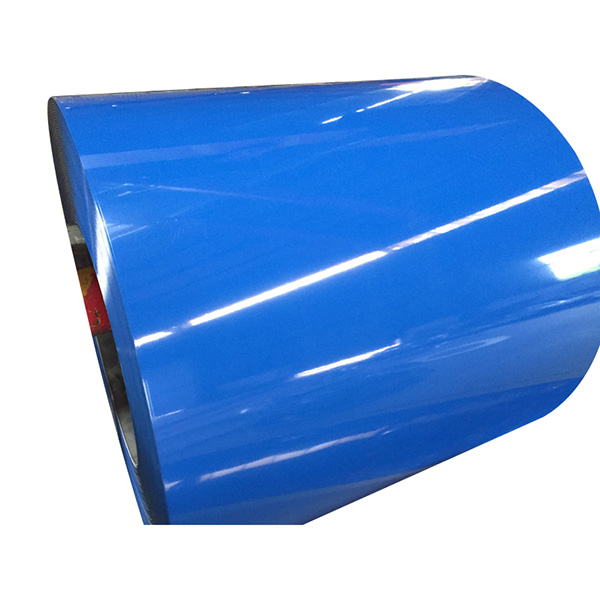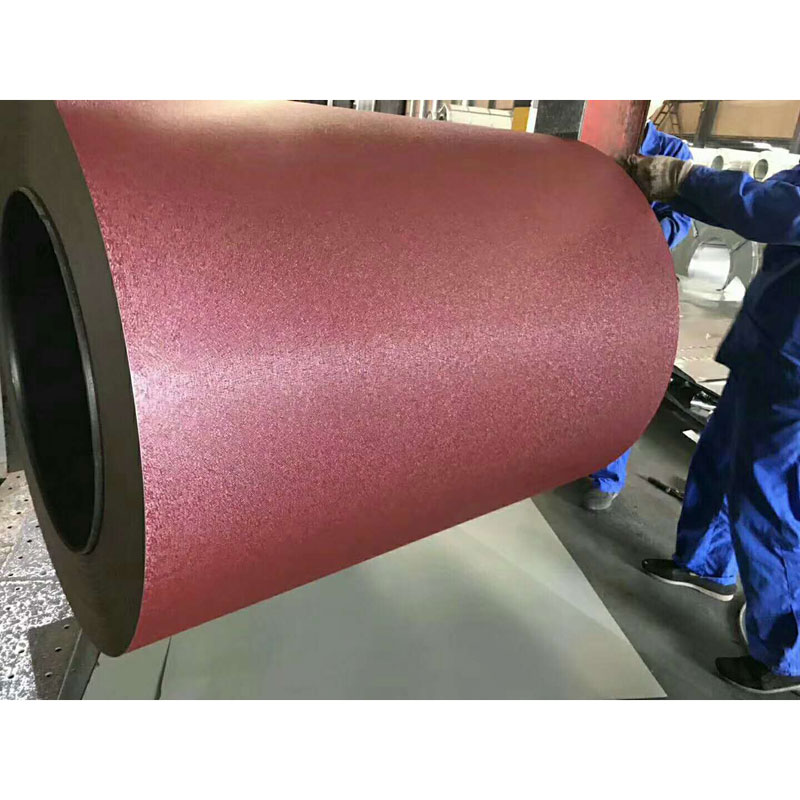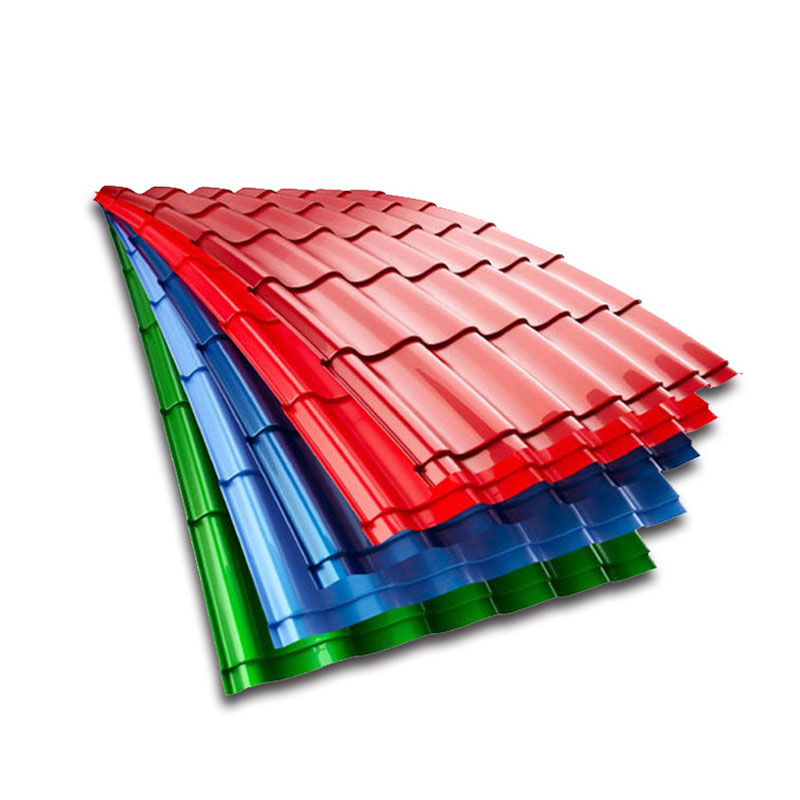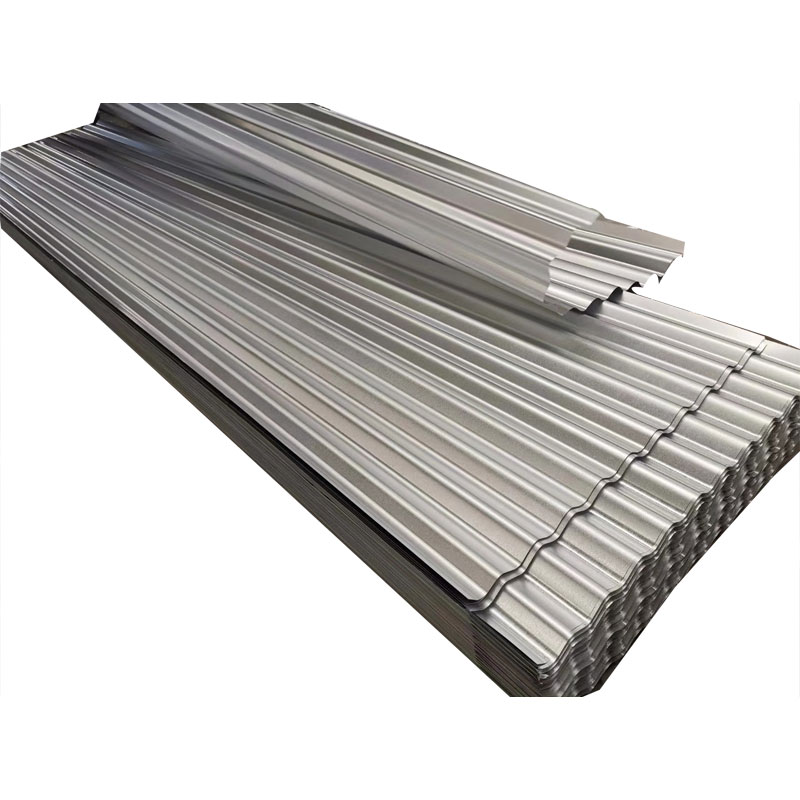
A mixed-color ppgi order demands more planning than a single-color one. Roofing sheet manufacturers and distributors combine several colors in one shipment to meet local demand, keep inventory flexible, and consolidate logistics. Most costly mistakes happen at confirmation, not production. An incomplete specification invites color disputes, delays, and excess stock. Planning a Mixed-Color PPGI Coil Order: What Buyers Should Confirm starts with exact ral codes and approved samples, then per-color minimums, technical data, lead times, labeling, and inspection. Treat every ral shade as its own line item, with its own coating system and quantity. This guide gives you a color-by-color checklist to complete before you request a quotation for any ppgi coil.
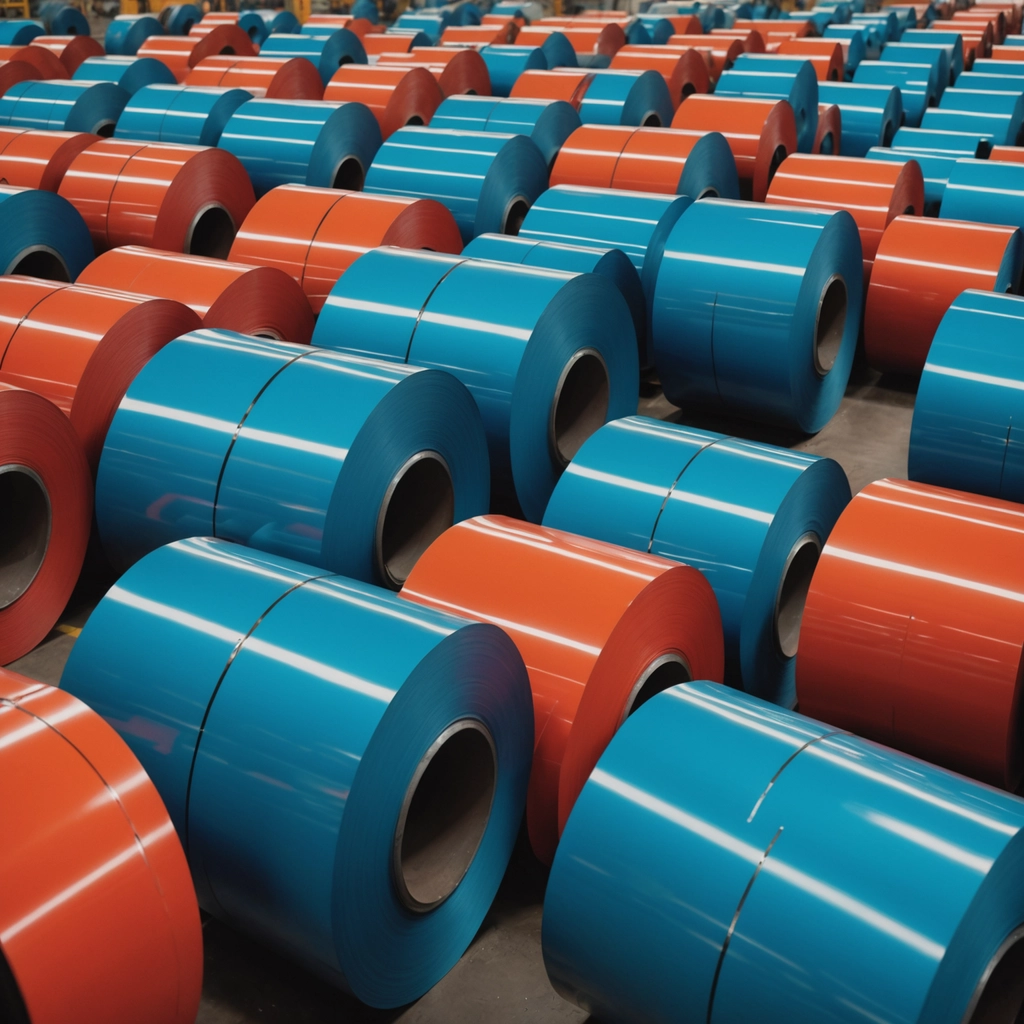
Key Takeaways
- Specify each color with its exact RAL code and a physical sample to avoid shade disputes.
- Confirm the minimum order quantity for each color separately, as total order minimums may not apply per color.
- Provide complete technical details for every color, including thickness, coating system, and tolerances.
- Plan production and lead times per color, as each shade requires a separate production run.
- Inspect every coil against the approved sample and document the results for traceability.
- Label each coil clearly with its color code, batch, and specifications to ensure proper handling.
- Prepare a detailed request for quotation that includes all specifications for each color to get accurate pricing.
Planning a Mixed-Color PPGI Coil Order: What Buyers Should Confirm
Mixed-Color vs. Single-Color Orders
A mixed-color order means you buy several colors in one purchase instead of one shade. Roofing sheet factories often order this way when they supply several regional markets. Steel wholesalers do the same when they stock a product range for local builders. Each color becomes its own line item with its own quantity, its own RAL code, and often its own coating system. That structure separates a mixed order from a simple single-color purchase. Planning a mixed-color PPGI coil order: what buyers should confirm begins with this distinction.
Planning a mixed-color PPGI coil order: what buyers should confirm differs from single-color planning in one key way. You coordinate several production runs under one contract. Your supplier must schedule color changeovers, check material availability for each shade, and keep every batch identifiable. A single-color order needs one approval. A mixed order needs one approval per color, plus a clear shipment plan. Good coordination at this stage prevents most disputes later. Treat the whole job as a set of linked specification items, and you remove most of the risk before production begins. PPGI purchasing then becomes a matter of tracking each line, not chasing one big promise.
Why Buyers Combine Multiple Colors
Buyers combine colors for practical commercial reasons. Local demand varies by region and by season. One area may favor dark greens for roofing, while another prefers reds or blues. Holding several colors in one shipment lets you serve both markets without a second purchasing cycle. Inventory flexibility improves too, because you can shift stock between product lines as orders arrive. A distributor with four colors on hand can answer more customer requests than one with a single shade. Seasonal shifts also matter. A color that sells well in spring may sit in the warehouse by autumn. Spreading risk across several shades protects your cash flow.
Consolidating shipments delivers another benefit. One container with several colors often costs less to move than several separate shipments. You also reduce paperwork and supplier communication. Mixed orders and mixed-colour orders both follow this logic.
Planning a mixed-color PPGI coil order: what buyers should confirm therefore starts with your market plan, not with the mill. Know which RAL shades sell, how much of each you need, and which pre-painted coil sizes fit your lines. A clear plan helps your PPGI supplier quote faster and schedule each PPGI coil with confidence.
Planning a mixed-color PPGI coil order: what buyers should confirm also means checking that every RAL shade shares a compatible coating system and PPGI substrate. That clarity turns a complex order into a manageable one.
Colors, Coating & MOQ Confirmation
RAL Colours and Custom Shades
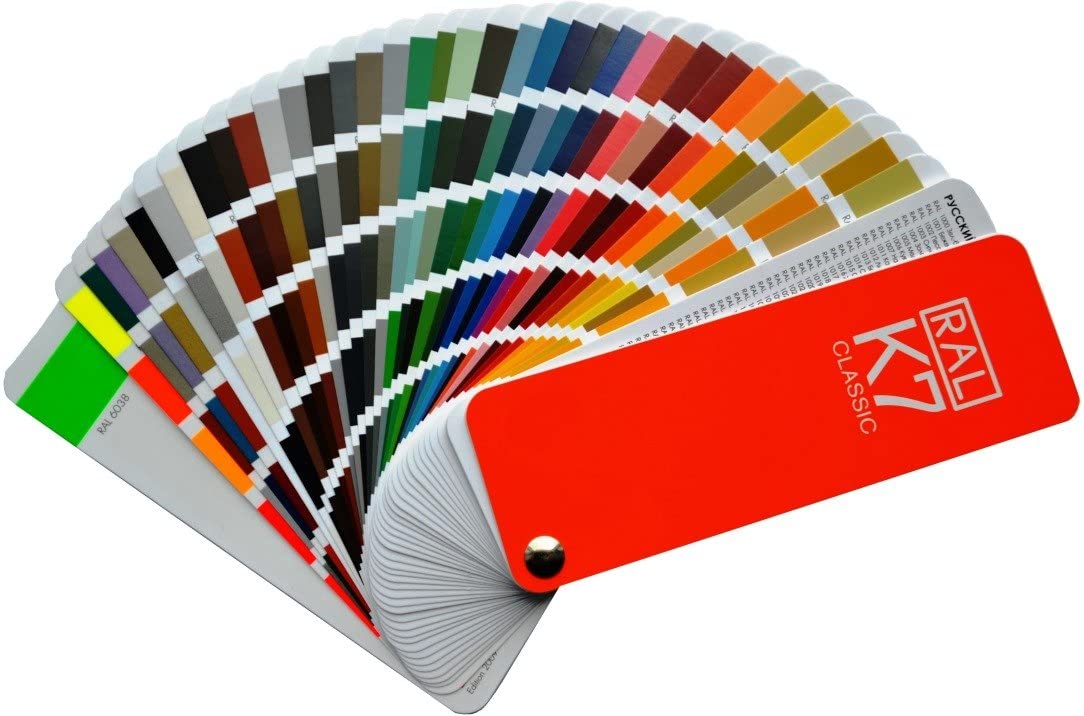
Start with the exact code for every shade. A color name alone tells your supplier almost nothing. “Green” could mean RAL 6005 Moss Green, RAL 6018 Yellow Green, or a dozen other shades. State the RAL number, and confirm the edition of the chart, because the same number can point to different shades across RAL systems. Common roofing choices include RAL 3000 Flame Red, RAL 6005 Moss Green, RAL 7001 Silver Grey, and RAL 9003 Signal White, according to Baowu Groups. RAL 7016 Dark Grey suits modern minimalist facades, and RAL 9003 reflects sunlight to reduce building energy use, notes Wanzhi Galvanized.
Custom shades need more work than a standard ral colour. Supply a physical reference — a current RAL fan, a painted panel, or a plastic chip. A digital photo or PDF will not do, because screen calibration varies. Then confirm the substrate, the coating system, the gloss range at 60 degrees, and the film thickness. Custom colors usually carry a minimum quantity, since the line needs cleaning and a dedicated paint batch. Most coaters enforce 30–50 metric tons per custom shade, according to chinacnu.com. Standard shades such as RAL 9010, 9002, 5010, 6005, and 7016 often accept smaller color quantities, Sinoeast Steel reports.
Physical Samples and Color Approval
A printed chart is a starting point, not an approval. Ask for a coated panel and judge it under controlled light. Junnan Steel recommends a four-step path: define the reference, fix the finish variables, approve a physical sample, and set acceptance criteria. Record which face and orientation you approved. Evaluate the panel in the orientation and lighting expected in service, because the same panel can look different viewed horizontally, vertically, in sun, or under indoor lamps.
Set numerical limits before production starts. A typical industry starting point is a color difference (ΔE) of 1.5 or less against the master sample, with gloss deviation within 10 percent measured at 60 degrees, per Wanzhi Galvanized. Name the instrument, geometry, illuminant (D65 with a 10-degree observer), and calculation method in your contract. Keep the approved colour sample as the contractual standard for every coil in the order.
Color Consistency Between Batches
Batch-to-batch variation comes from real process factors. Uneven coating thickness, shifts in baking temperature and time, inconsistent cooling rates, worn rollers, and unstable line speeds all push a shade off target, according to Promis Steel. Paint formulation changes and curing differences do the same, GuanZhou Steel notes. For multi-coil projects, state in the order that all coils come from a single production batch. Batch continuity resolves most colour consistency issues before they start.
Where phased delivery is unavoidable, request keep samples from the first run and match later runs against them. Agree on a within-order tolerance — ΔE of 1.5 or less between any two coils — and ask for a clause that covers it. Retain your approved panel and a cured sample for future reorders. This protects ral colours and colour consistency across years of repeat business, and it gives your quality team a fixed reference for every incoming pre-painted coil.
| Checkpoint | What to Confirm |
|---|---|
| Color reference | RAL Classic code plus edition year, or a physical panel |
| Substrate | GI or GL, with coating weight such as Z275 |
| Coating system | PE, SMP, HDP, or PVDF |
| Gloss level | Target range at 60 degrees |
| Film thickness | Topcoat microns, plus backer color and thickness |
| Coil size | Width and thickness, for example 0.45 mm x 1000 mm |
| Quantity | Metric tons per color, with custom-color minimum noted |
| Approval | Signed physical sample and ΔE tolerance |
Use this checklist for every ral or custom colour in the order. It turns ral colours and colour consistency into measurable commitments rather than verbal promises. A complete specification for each ppgi shade removes the guesswork that drives most color disputes.
MOQ and Quantity Allocation per Color
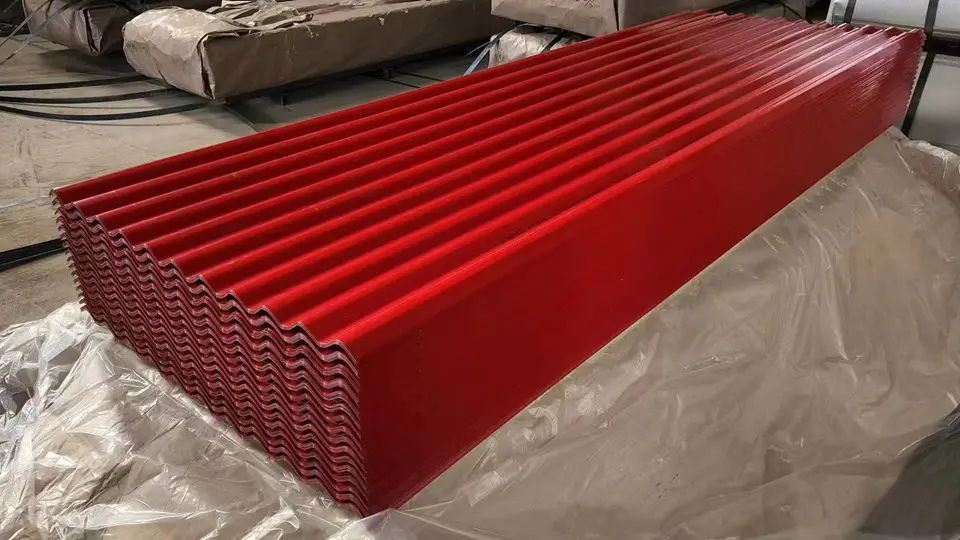
Total Order MOQ vs. Per-Color MOQ
A total order minimum order quantity does not guarantee that each shade clears production. Your supplier may accept 100 MT overall yet still require a separate minimum tonnage per colour. Krobosteel reports that some factories require 25–50 tons per color, while traders may accept smaller trial orders. Ask for the per-color figure in writing before you compare quotations. A low total moq can hide a high per-color moq, and that gap turns into a delay once production starts.
Small quantities of one shade often need separate confirmation. Everest Steel notes that standard RAL colors are easier to arrange, while custom color, matte, wrinkle, embossed and printed finishes need sample confirmation. Trial orders and mixed-color orders can also carry a higher unit cost because of setup, color change and minimum production requirements. Each color changeover consumes line time and paint, so a thin line item raises your cost per ton. Treat the moq for every shade as its own negotiation, and record the result in your specification sheet.
Planning Quantity per Color
Build quantities from your sales forecast, not from round numbers. Weight popular shades toward the bulk of the order and keep slow movers small but viable. Confirm a quantity tolerance by color, so a slight overrun or shortfall on one shade does not stall the shipment. Sinoeast Steel states that the MOQ is one 20-foot container, typically 20-25 metric tons, with mixed-color and mixed-thickness containers available for distributors and roll-formers. That container logic shapes how you group shades, and it keeps the moq workable for a distributor who sells several ppgi colors.
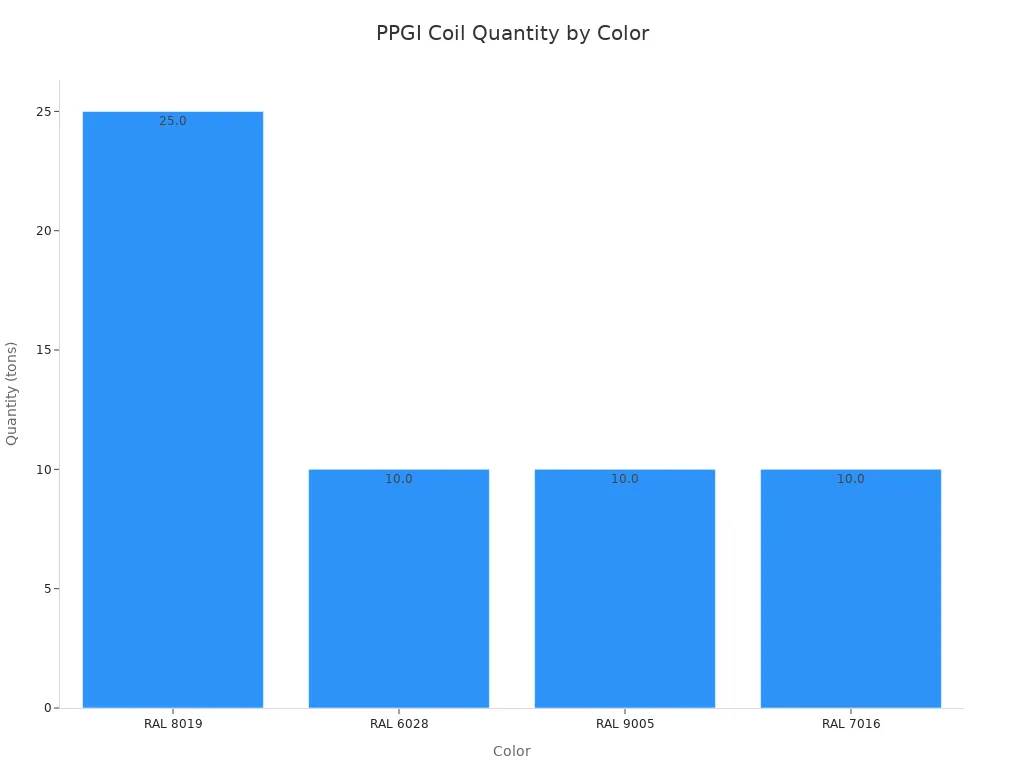
A real order shows the pattern. Wanzhi Steel reports a Guatemala buyer ordering RAL 8019 at 25 tons, with 6028, 9005 and 7016 at 10 tons each, for 55 tons total across two containers. The buyer loaded RAL 8019 alone in one container and mixed the other three in the second, which simplified later project allocation.
For planning only, a 100 MT ppgi order might split as Forest Green RAL 6005 at 40 MT, Oxide Red 3009 at 30 MT, Signal Blue 5005 at 20 MT, and Traffic White 9016 at 10 MT. Treat this as a starting model, not a quotation. Confirm the actual per-color MOQ with your supplier, and align moq, colour schedules and lead time before you sign. Write the coating system and specification for each shade into the same sheet, so your pre-painted coil order and every ppgi coil line stay traceable from quote to delivery.
Technical Specifications for Every Color
Thickness, Width, and Tolerances
Thickness is the first place a mixed-color order goes wrong. You must separate Base Metal Thickness (BMT) from Total Coated Thickness (TCT). BMT measures the steel alone. TCT adds every coating layer on top. A Z275 coating adds about 0.04 mm across both faces, according to Seen Steel. On a 0.45 mm sheet that is nearly ten percent of the thickness. If one supplier quotes 0.45 BMT and another quotes 0.45 TCT, the second is selling you less steel. Ask which basis the quote uses, and put the answer on the purchase order.
Write tolerances as enforceable numbers, not adjectives. Machine Matcher suggests wording such as “Nominal 0.60 mm BMT. Minimum acceptable thickness 0.58 mm measured per ISO/ASTM standard at 25 mm from edge.” The same source gives width as “914 mm ± 1.0 mm.” Wanzhi Galvanized lists thickness tolerance at ±0.02 mm and slitting error at ≤±1 mm. Decide whether every color needs identical dimensions. A mixed order can carry different widths per shade, but each line needs its own figure. State the measurement basis for every ppgi line, and you close the door on gauge disputes.
Substrate, Zinc Coating, and Steel Grade
Confirm the substrate for each color, not just for the order. Most roofing buyers choose a pre-painted galvanized coil with a GI base. State the zinc coating weight in GSM and name the standard behind it. A heavier zinc layer buys corrosion protection, and the figure belongs in the specification for every shade. Then confirm the steel grade and its formability. Roll forming punishes steel that is too hard or too brittle. Yield strength and elongation must suit your line.
Never mix incompatible steel grades in one shipment without clear identification. A coil of one grade can end up on the wrong line, and the failure shows up as cracking after forming. Mark the grade on every label and every packing list. Also confirm whether you need PPGI or PPGL for the final application. A pre-painted galvanized iron product suits many roofing jobs, while a zinc-aluminum base fits harsher exposure. Verify compliance with ASTM A755 and ASTM A653, and name both standards in the contract.
Paint System and Film Thickness
The coating system decides how long the color lasts. PE fits general construction applications. SMP improves weathering performance. HDP serves higher durability requirements. PVDF suits demanding UV and architectural applications, per Runfei Group. Treat these as selection guidance, not service-life guarantees. A pre-painted steel coil performs as one system: substrate, metallic coating, pretreatment, primer, topcoat, and back coat. A premium topcoat cannot rescue a weak substrate or poor pretreatment, as Junnan Steel notes.
Specify each layer. Emerson Steel puts primer at 5 μm or more, generally 5–10 μm, and topcoat at 15 μm or more, standard around 15–25 μm, with a minimum total of 20 μm. Wanzhi Steels sets top coat at 20 μm minimum and 25 μm for premium or PVDF, with back coat at 8–10 μm. Confirm the total dry film thickness and the back-coat requirement for every shade. A thicker coat does not automatically perform better, because resin chemistry and curing quality matter too. Record the full coating specification for each color, and keep one pre-painted coil sample per shade as your reference.
| Item | Specification to Confirm |
|---|---|
| Color | RAL code or approved physical sample |
| Thickness | BMT in mm, with tolerance |
| Width | mm, with tolerance |
| Substrate | GI or GL, zinc coating in GSM |
| Steel grade | Grade, yield strength, elongation |
| Coating system | PE, SMP, HDP, or PVDF |
| Film build | Primer, topcoat, back coat, total |
| Standard | ASTM A755, ASTM A653 |
Use this sheet for every ral shade in the order. It keeps each ppgi coil traceable and turns a verbal promise into a written specification. A complete specification per color protects your production line and your reputation with customers.
Production, Lead Time, and Packaging
Production Scheduling and Lead Time
Every color in a mixed order runs as its own production event. The line must stop, clean, and switch paint before the next shade begins. A custom shade adds setup time on top of that changeover. Standard ral shades usually move faster because the paint sits in stock. Confirm the estimated production time for each color separately. Do not assume all colors share one lead time.
Ask whether all colors can ship together or whether partial shipment makes more sense. A single container with four shades may need every line finished before the door closes. Partial shipment lets the fast colors leave first. Put the schedule in writing for each ppgi line, and tie it to your own delivery commitments.
Coil Labeling and Traceability
A clear label protects you at receiving and again at fabrication. Sinosteelcn.com recommends keeping the coil number, color batch, paint system, package, and shipment line connected. Each coil should carry its ral color code, thickness, width, coil weight, coil number, batch identification, steel grade, and coating specification. That data lets your warehouse team route the right coil to the right line without opening the pack.
Build the label structure around four links:
- Parent coil, color batch, and package labels
- Color, coil, batch, and package labels
- Inspection, labels, and traceability
- Processed material linked to the parent coil, color batch, and paint system
This chain keeps every ppgi coil traceable from mill to finished panel. A missing label turns a simple receiving check into a guessing game.
Packaging and Container Loading
Moisture and handling damage destroy more coils than production faults do. Bomissteel.com lays out a packaging sequence from the steel surface outward:
- VCI paper or anti-rust film goes nearest the steel surface.
- A moisture barrier PE film is wrapped on top.
- Eye and edge protectors are applied.
- Steel straps are added.
- The whole bundle lands on the timber dolly and is locked down.
Match the strap count to the coil weight, usually 3 to 5 bands, locked crosswise on a timber dolly. Seal the PE film tight at seams, the eye opening, and both end folds. Add desiccant for humid routes. Container loading and surface protection work together here, and color and protection both depend on a dry, undamaged pack.
Load coils on end with the eye up, heavy and large-diameter coils at the bottom and forward. Fill gaps with dunnage so cargo cannot shift. Bomissteel.com notes a common container limit of 27–28 tons, though many ports enforce 21–24 tons, so confirm your route with the forwarder. Organize the packing list by color and coil number.
Quality Inspection and the PPGI Coil Manufacturer Guide
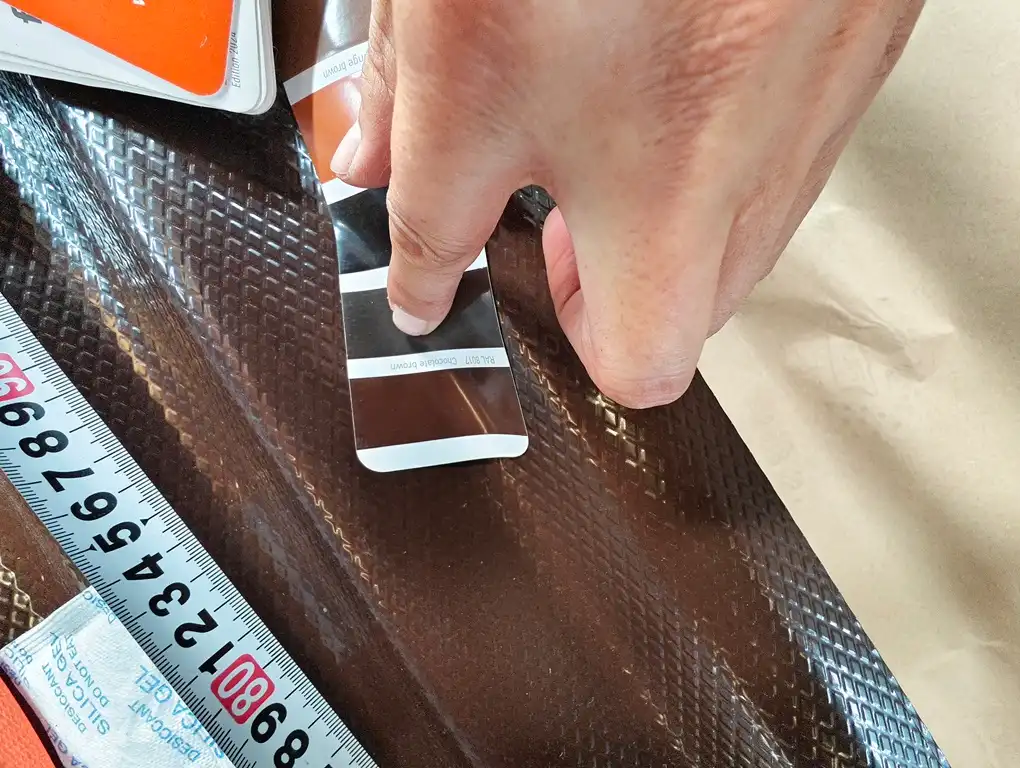
Color and Surface Inspection
Start every inspection with color. Compare each coil against the approved physical sample, not a printed chart. Wanzhi Galvanized sets the acceptance target at a color difference of ΔE 1.5 or less against the RAL or Pantone reference. Measure gloss at a 60-degree angle and allow a deviation of no more than 10 percent. Record the instrument and the reading for every coil, so your warehouse team can match shades to projects later.
Then walk the surface. Look for scratches, bubbles, oil marks, stains, and peeling paint. A white glove wipe should show no oil or oxide residue, and a pH test paper should read neutral. Check for broken grain, overlapping areas, and blurred patterns on textured finishes. Any defect you accept today becomes a customer complaint tomorrow.
Coating and Mechanical Testing
Film thickness comes first. Use a coating thickness gauge and confirm the total primer plus topcoat build reaches at least 20 μm, measured per ISO 2808 or ASTM D7091. Wanzhi Galvanized allows a single-layer deviation of ±2 μm across measurement points. A magnetic gauge also verifies coating uniformity, with a thickness error of ±5 percent or less.
Adhesion testing tells you whether the coating system will survive roll forming. A scratch test should rate 0 to 1, with no flaking. A T-bend test should pass at 0T to 2T with no cracking, following ASTM D4145. Remember that bend direction relative to the rolling direction and the specimen temperature both affect the result, so standardize both. Impact resistance per ASTM D2794 adds another check on film flexibility. Confirm zinc coating weight by the gravimetric method under ASTM A751, and measure thickness and width against your written tolerances.
Documentation and Shipment Inspection
Paperwork proves the coil. Require a Mill Test Certificate for each coil heat, and match it to the heat, lot, or coil numbers rather than accepting a general compliance statement. Junnan Steel recommends building a coil-by-coil inspection register before you open any pack. That register links labels, measurements, test reports, defects, and photographs into one index.
Run a traceability test before release. Pick a coil label and trace it back to its MTC and measurements, then forward to its packing-list line. Repeat the process from a report entry back to the physical coil. Any broken link needs correction first. Also verify supplier credentials: ISO certification, coating line capability, and past mixed-color project references. Write pre-shipment inspection rights into the contract, and choose a reputable steel coil manufacturer who welcomes that clause.
| Category | Check Item | Acceptance Criteria |
|---|---|---|
| Color | Color difference vs. approved RAL sample | ΔE ≤ 1.5 |
| Color | Gloss at 60 degrees | Deviation ≤ 10% |
| Coating | Primer plus topcoat thickness | ≥ 20 μm |
| Coating | Adhesion, scratch method | 0–1 level, no flaking |
| Coating | T-bend per ASTM D4145 | 0T–2T, no crack |
| Coating | Salt spray | ≥ 500 hours, PVDF ≥ 1000 hours |
| Surface | White glove and pH test | No residue, neutral |
| Documents | MTC, packing list, inspection register | Matched to every coil number |
Use this checklist on every ppgi coil shipment. It turns your specification into measurable release criteria, and it keeps each ral shade accountable from the line to your door. A disciplined inspection routine is the core of any ppgi coil manufacturer guide worth following.
Common Mistakes and RFQ Preparation
Mistakes Buyers Should Avoid
Most ordering failures trace back to a thin request. A buyer confirms the total tonnage and stops there. The supplier then guesses how to split that tonnage across shades, and the guess rarely matches your market plan. Always state the quantity for each color as its own line. A total figure alone gives your supplier no basis for a costed quotation.
Color names cause the next round of trouble. “Cream” or “grey” means nothing on a production line. Order by approved ral code and a physical sample, never by a word. Skipping that step invites a shade dispute you cannot win. Buyers also ignore the minimum production quantity for a single shade. A small line item may need separate confirmation, and a late discovery of that rule delays the whole shipment.
A third cluster of errors involves assumptions. Many buyers assume every color shares one coating system and one set of mechanical properties. That assumption fails when a dark shade needs a different paint chemistry or a thicker film. Others fail to confirm production and shipment schedules per color, then promise delivery dates the mill cannot meet. Finally, buyers overlook color labeling and warehouse inventory needs. A coil without a clear ral label becomes a slow-moving item, because your team cannot match it to a customer order.
Preparing the RFQ
A complete request shortens the path to a costed quotation. Promis Steel lists the fields a supplier needs: product, standard or grade such as EN 10346 / DX51D+Z, thickness and width such as 0.50 × 1,250 mm, metallic coating such as Z120, paint and color such as RAL 9002, quantity such as 100 MT, coil weight, documents, inspection, packaging, destination such as Jebel Ali, UAE, Incoterm, and required delivery. Send every field for every shade, and the supplier can price each line without follow-up questions.
Seg Steel advises buyers to send the required standard, grade, size, quantity and destination port to request a quotation. The same source notes that mixed-color and mixed-thickness containers suit distributors and roll-formers, with a minimum order of one 20-foot container, typically 20-25 metric tons. Seg Steel also confirms that suppliers can match ral colors and supply coated panels with a color chart and batch samples before production. Ask for those panels early, and your approval step runs in parallel with pricing.
Build your request around these points:
- Buyer company and destination country
- Application: roofing sheet production, roll forming, or distribution
- Color codes and quantity per color
- Thickness, width, and tolerances
- Steel grade and substrate specification
- Zinc coating weight
- Paint system, film thickness, and gloss
- Coil weight and packaging
- Requested inspection documents
- Delivery terms and required shipment date
RFQ Field Example / Buyer Input Product PPGI coil Standard / Grade EN 10346 / DX51D+Z Thickness × Width 0.50 × 1,250 mm Metallic Coating Z120 Paint / Color Specified coating system / RAL 9002 Quantity 100 MT Coil Weight Buyer requirement or acceptable range Documents MTC / COO / inspection documents Inspection Defined if required Packaging Export seaworthy Destination Jebel Ali, UAE Incoterm FOB / CFR / CIF Required Delivery Target date or shipment window
Use this template for every ppgi order. A clear specification per color turns a vague inquiry into a costed quotation you can compare line by line. Request a costed quotation against this sheet, and you remove the guesswork from your ppgi coil purchase.
You now have the full picture. Accurate color identification, per-color quantity allocation, and technical data for every shade decide whether a mixed-color ppgi order runs smoothly. Each ral code needs its own approved sample, its own tonnage, and its own coating system on paper. Plan every color as a separate specification item, and you protect both your production line and your warehouse.
Bring purchasing, production, and quality control together before you send any inquiry. Build a color-by-color sheet with ral codes, quantities, and technical data for each ppgi coil. Then request your quotation with confidence. Share your ral list and requirements with us, and we will review your mixed-color ppgi procurement needs.
FAQ
Can I order several RAL colors in one PPGI shipment?
Yes. Suppliers routinely load mixed-color containers for distributors and roll formers. State the exact ral code and tonnage for each shade on the purchase order. Confirm that every color clears its own minimum production quantity before you sign.
Is there a minimum order quantity for each PPGI color?
Often, yes. A total order minimum does not guarantee each shade clears production. Some factories require 25–50 tons per color. Ask for the per-color figure in writing, and record it beside each ral code on your specification sheet.
Can different colors have different thicknesses or widths?
Yes, mixed-thickness and mixed-width containers are available. Give each line its own dimensions and tolerances. State whether the figure is base metal thickness or total coated thickness. A clear specification per color prevents gauge disputes at receiving.
How can buyers avoid color differences between batches?
State in the order that all coils come from a single production batch. Batch continuity resolves most shade variation. Where phased delivery is unavoidable, agree on a color difference tolerance of ΔE 1.5 or less and keep an approved physical sample as the reference.
Does ordering more colors increase production costs or lead time?
Each color adds a line changeover, and custom shades add setup time. Standard ral shades usually move faster because the paint sits in stock. Confirm the estimated production time for each color separately, and ask whether all shades can ship together.
What information should appear on each coil label?
Each ppgi coil label should carry the ral color code, thickness, width, coil weight, coil number, batch identification, steel grade, and coating specification. Clear labels let your warehouse route the right coil to the right line without opening the pack.
Which documents should I request before shipment?
Ask for a Mill Test Certificate for each coil heat, inspection reports, and a packing list organized by color and coil number. Match every document to its coil number, and write pre-shipment inspection rights into the contract.