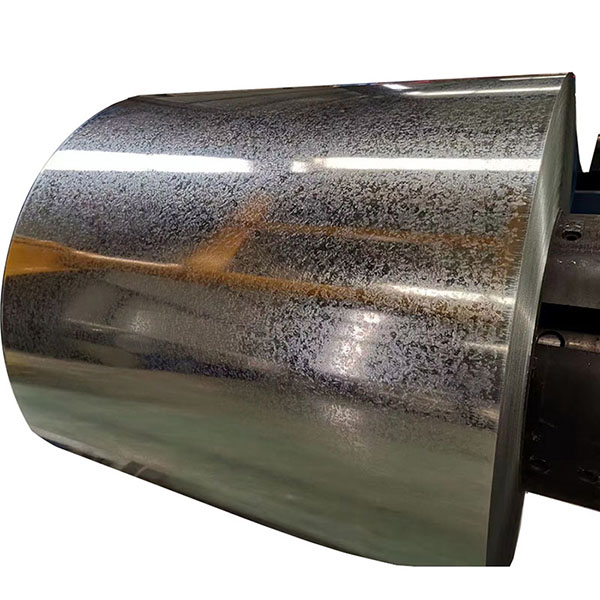
You depend on the right sandwich industrial panel production materials to achieve top performance in your projects. Polyurethane (PU), mineral wool (MW), and expanded polystyrene (EPS) stand out as the leading sandwich industrial panel production materials. Each of these sandwich industrial panel production materials brings unique strengths to sandwich panels. You can compare their key features in the table below:
| Material | Insulation Power | Fire Resistance | Best For |
|---|---|---|---|
| Polyurethane (PU) | Superior | Flame Retardant | Cold storage, high-precision manufacturing |
| Rock Wool | Moderate | Class A (non-combustible) | Chemical plants, textile factories |
| Expanded Polystyrene (EPS) | Basic | Lower than PU and Rock Wool | Temporary structures, simple warehouses |
You can select sandwich industrial panel production materials that match your insulation, fire resistance, and application needs.
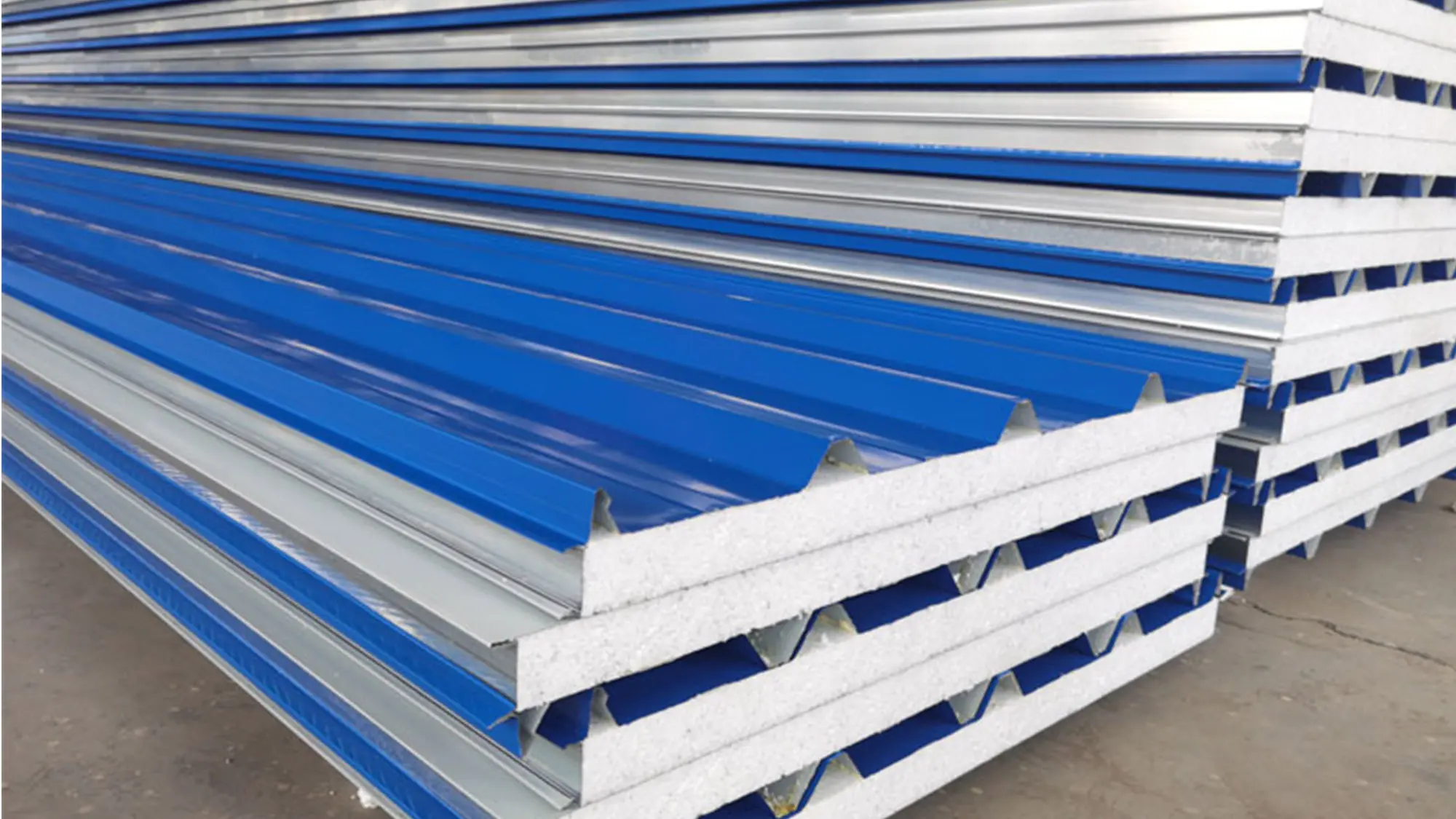
Key Takeaways
- Polyurethane (PU) panels offer superior insulation and are ideal for cold storage and temperature-sensitive environments.
- Mineral wool (MW) panels provide excellent fire resistance and sound insulation, making them suitable for factories and chemical plants.
- Expanded polystyrene (EPS) panels are lightweight and cost-effective, perfect for budget-sensitive projects and temporary structures.
- Choose sandwich panels based on insulation needs, fire safety requirements, and budget constraints to achieve optimal performance.
- Always consider the installation and long-term maintenance costs when selecting sandwich panel materials for your project.
- Match the core material to your building’s specific needs, such as fire safety, energy efficiency, or sound control.
- Recent trends show a focus on improving fire resistance and sustainability in sandwich panel materials.
- Consult with suppliers to understand the environmental impact and recyclability of the sandwich panel materials you choose.
Overview of Sandwich Industrial Panel Production Materials
What Are Sandwich Panels?
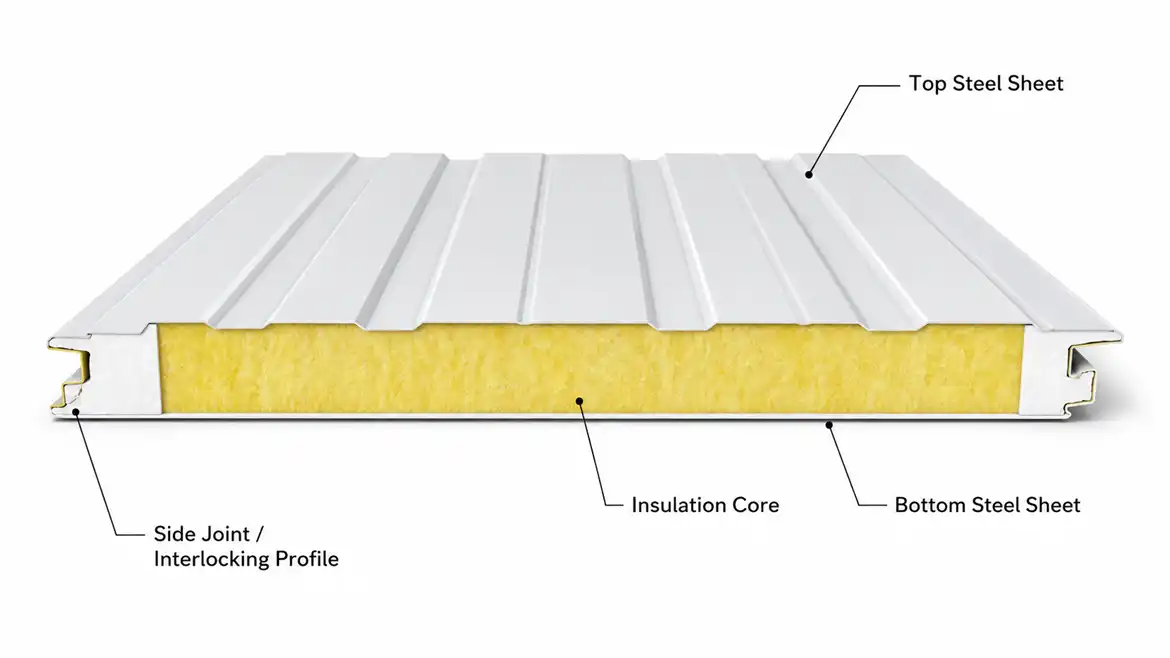
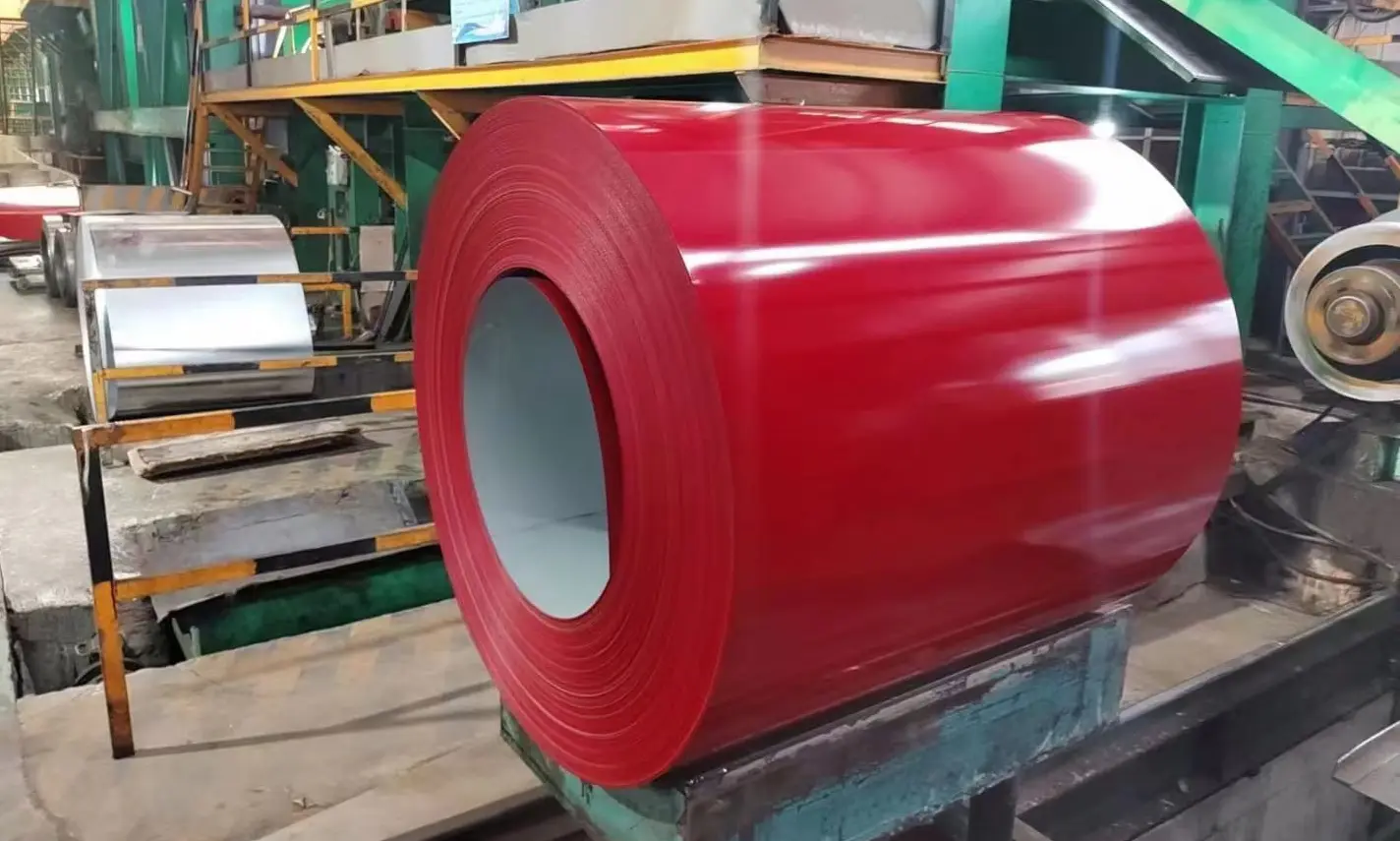
You see sandwich panels in many industrial and commercial buildings. These panels combine strength and insulation in a single product. Sandwich panels have a simple structure. You find two outer layers, called skins, and a core in the middle. The skins usually use metals like steel or aluminum. The core contains insulating material. This design gives you both durability and thermal efficiency. Sandwich panels manufacturers create panels in different lengths and thicknesses to match your project needs. You can rely on sandwich panels for walls, roofs, and ceilings. The panel structure and material help you achieve high-performance sandwich panels for demanding environments.
Tip: Sandwich panels offer a balance of strength and insulation, making them a smart choice for energy-efficient buildings.
Core and Outer Layer Materials
When you look at sandwich panels, you notice the variety of materials used. The outer layers often use coated steel, powder-coated aluminum, or glass reinforced plastic. These materials protect the panel and add structural strength. The core is where insulation happens. Sandwich panels manufacturers use several core materials, such as polyurethane, mineral wool, and expanded polystyrene. Each core material affects the performance of the panel. You can choose panels with different thicknesses, ranging from 40 to 230 mm, to meet your insulation needs. Reliable sandwich panels supplier options give you panels with steel claddings and protective coatings for extra durability.
- Typical sandwich panel layers:
- External skin (steel or aluminum)
- Internal skin (steel or aluminum)
- Core (polyurethane, mineral wool, or expanded polystyrene)
- Protective coatings
Why PU, MW, and EPS Are Top Choices
You want sandwich panels that deliver the best performance for your project. Polyurethane (PU), mineral wool (MW), and expanded polystyrene (EPS) stand out as the most popular core materials.
PU panels offer superior insulation and vapor diffusion resistance. You often use them in cold storage and places where temperature control matters. Mineral wool panels provide excellent fire resistance and sound insulation. You choose them for factories and chemical plants where safety is critical. EPS panels are lightweight and cost-effective. You see them in budget-sensitive projects and temporary structures.
Sandwich panels manufacturers prefer these materials because they meet industry standards for insulation, fire safety, and structural strength. The market shows that EPS panels account for over 70% of revenue, proving their popularity. You can select the right sandwich panels based on your performance needs, budget, and application.
Note: Recent trends show a shift toward materials that improve fire resistance, thermal efficiency, and sustainability. You can find innovations in core materials and coatings that help you meet energy and environmental standards.
Polyurethane (PU) Core
Key Insulation Properties
Thermal Performance
You want your building to stay comfortable in every season. PUF sandwich panels give you high thermal insulation performance. The core uses polyurethane foam, which acts as a high-performance insulation core. You can count on puf to keep heat out in summer and hold warmth in winter. The R-value for a 100mm thick panel reaches 4.55 m²K/W. This means you get excellent insulation with less material. The thermal conductivity of puf ranges from 0.022 to 0.025 W/mK. This low value shows how well puf sandwich panels slow down heat transfer. You can trust these panels to help you save energy and control temperature in your building.
- PUF sandwich panels provide:
- High R-value for better insulation
- Low thermal conductivity for energy savings
- Consistent temperature control
Structural Strength
You need panels that stay strong under pressure. Puf sandwich panels use a closed-cell foam structure. This design gives the panel extra strength and durability. You can install puf sandwich panels in large spans without worrying about sagging or bending. The foam core supports the outer layers, so your sandwich panels last longer. You get both insulation and structural support in one product.
Production Advantages
Lightweight
You want to make construction easier and faster. Puf sandwich panels are lightweight because of the foam core. You can lift and move these panels with less effort. This feature helps you reduce labor costs and speed up installation. The light weight also means you can use less support structure in your building. You get a strong panel without extra weight.
Energy Efficiency
You care about energy bills and the environment. Puf sandwich panels help you lower both. The high thermal insulation performance of puf keeps your building at the right temperature with less heating or cooling. You use less energy, which saves money and reduces your carbon footprint. Puf insulated panels help you meet energy codes and green building standards.
Tip: Choose puf sandwich panels for projects where energy efficiency and fast installation matter most.
Common Applications in Sandwich Panels
You see puf sandwich panels in many types of buildings. These panels work well in cold storage, food processing plants, and clean rooms. You also find them in warehouses, factories, and commercial centers. Puf sandwich panels perform well in places where temperature control is critical. About 9% of all sandwich panel installations use puf as the core. You can rely on these panels for safety, insulation, and long-term performance. The foam core resists moisture and keeps its shape over time. You get a panel that works in both hot and cold environments.
- Common uses for puf sandwich panels:
- Cold rooms and freezers
- Industrial buildings
- Public infrastructure projects
You can choose puf sandwich panels when you need a reliable, energy-saving, and strong solution for your building.
Mineral Wool (MW) Core
Fire and Acoustic Insulation
Fire Resistance
You need reliable fire protection in many industrial panel and commercial buildings. Mineral wool sandwich panels give you top fire resistance. These panels use a non-combustible core that helps stop the spread of flames. You can trust mineral wool to meet strict fire safety standards. The fire classification for these panels is A2-s1, d0, which means they do not contribute to fire and produce little smoke. You can see how different thicknesses affect fire resistance in the table below:
| Thickness (mm) | Fire Classification |
|---|---|
| 50-200 | A2-s1, d0 |
You can use these sandwich panels in places where fire safety is critical, such as chemical plants and textile factories. The mineral wool core keeps your building safe and helps you meet local codes.
Sound Absorption
You want a quiet and comfortable environment in your building. Mineral wool sandwich panels provide excellent sound absorption. The dense core blocks noise and reduces sound transmission between rooms. You can see the sound insulation values for different panel thicknesses here:
| Thickness (mm) | Sound Insulation (Rw dB) |
|---|---|
| 100 | 29 |
| 125 | 30 |
| 150 | 30 |
You can use these panels in places where noise control matters, such as schools, offices, and factories. The combination of fire resistance and sound absorption makes mineral wool a smart choice for many applications.
Production Advantages
Safety
You want to choose materials that keep people safe. Mineral wool sandwich panels offer high fire resistance and good breathability. These panels do not burn easily and help protect your building during a fire. You also get strong sound insulation, which improves comfort. However, you should know that mineral wool panels are heavier and more expensive than other options. They can be affected by water and wind, so you need to install them carefully. You can see the safety benefits and drawbacks in the table below:
| Material | Benefits | Drawbacks |
|---|---|---|
| Mineral Wool | High fire resistance, sound insulation, breathability | More expensive, heavier, affected by water/wind |
Tip: Expert installation ensures the best performance and durability for your sandwich panels.
Sustainability
You care about the environment and want to make responsible choices. Mineral wool sandwich panels require more energy and resources to produce and transport. This means they have a higher environmental impact compared to other core materials. These panels are not recyclable, which can affect your project’s sustainability goals. You can compare the environmental impact of different sandwich panel materials in the table below:
| Material | Environmental Impact | Recyclability | Energy Consumption |
|---|---|---|---|
| Mineral Wool | Higher impact, more energy and resources to produce | No | High |
Manufacturers continue to invest in research to improve the sustainability of mineral wool panels. You can expect better options in the future as the market grows.
Applications in Sandwich Industrial Panels
You find mineral wool sandwich panels in many demanding environments. These panels work well in chemical plants, textile factories, and public buildings. You can use them in cold storages where fire safety and sound control are important. The mineral wool core gives you strong thermal insulation and durability. You also see these panels in places that need strict temperature control and high performance. The usage and application of mineral wool panels cover a wide range, from industrial to commercial projects. You can rely on these panels for long-lasting protection and comfort.
Note: Mineral wool sandwich panels help you meet fire safety, insulation, and durability requirements in challenging environments.
Expanded Polystyrene (EPS) Core
Insulation and Cost Benefits
Lightweight Structure
You want a core material that makes your sandwich panels easy to handle. Expanded polystyrene (EPS) gives you a lightweight structure. You can lift and move each panel with less effort. This feature helps you speed up installation and reduce labor costs. EPS panels do not add much weight to your building, so you can use lighter support structures. You get a sandwich panel that is easy to transport and install, even on large projects.
Cost-Effectiveness
You need to keep your project within budget. EPS stands out as the most cost-effective core for sandwich panels. You pay less for EPS than for polyurethane or mineral wool. The table below shows how EPS compares to other core materials in insulation value and cost:
| Material | Insulation Value (R-Value) | Cost Comparison | Key Advantages | Limitations |
|---|---|---|---|---|
| Expanded Polystyrene (EPS) | Good R-value per inch | Lowest cost option | Excellent thermal insulation, lightweight, easy to install | Lower fire resistance, lower structural strength |
| Polyurethane (PU) | 30-40% higher than EPS/Rockwool | 30-50% more expensive | Best thermal insulation, high structural strength, long lifespan | More complex installation, limited repair options |
| Mineral Wool (Rockwool) | Comparable to EPS | 20-30% more expensive | Superior fire resistance, excellent sound insulation | Heavier, moisture sensitive, more difficult to install |
EPS gives you good insulation at the lowest price. You can choose these panels when you want to balance performance and cost.
Production Advantages
Easy Installation
You want to finish your project quickly. EPS sandwich panels make installation simple. The lightweight core lets you move and position each panel with ease. You do not need special tools or heavy equipment. This advantage helps you save time and money on the job site. Many builders choose EPS panels for large-scale projects because they can install them fast.
Tip: EPS panels help you meet tight deadlines and reduce labor costs.
Versatility
You need sandwich panels that work in many situations. EPS cores give you flexibility for different applications. You can use these panels for walls, floors, and ceilings. EPS adapts to both residential and commercial buildings. The panels come in various thicknesses and sizes, so you can match them to your insulation needs. You get a sandwich solution that fits many types of construction.
Applications in Sandwich Industrial Panels
You see EPS sandwich panels in a wide range of projects. These panels make up about 14% of all sandwich panel usage in the construction industry. Builders often choose EPS for economical and efficient insulation. EPS panels are most common in wall and floor insulation, covering over half of the market share in 2023. You can use them to create a protective envelope that keeps heat out in summer and holds warmth in winter. This feature improves energy efficiency in your building.
EPS sandwich panels work well in both residential and commercial construction. Their lightweight nature allows for quick installation, which is a big advantage in large projects. You can rely on EPS panels when you need a cost-effective, easy-to-install, and versatile solution for your building.
Note: EPS sandwich panels give you reliable insulation and fast installation, making them a smart choice for many modern construction applications.
Comparison of Sandwich Industrial Panel Materials
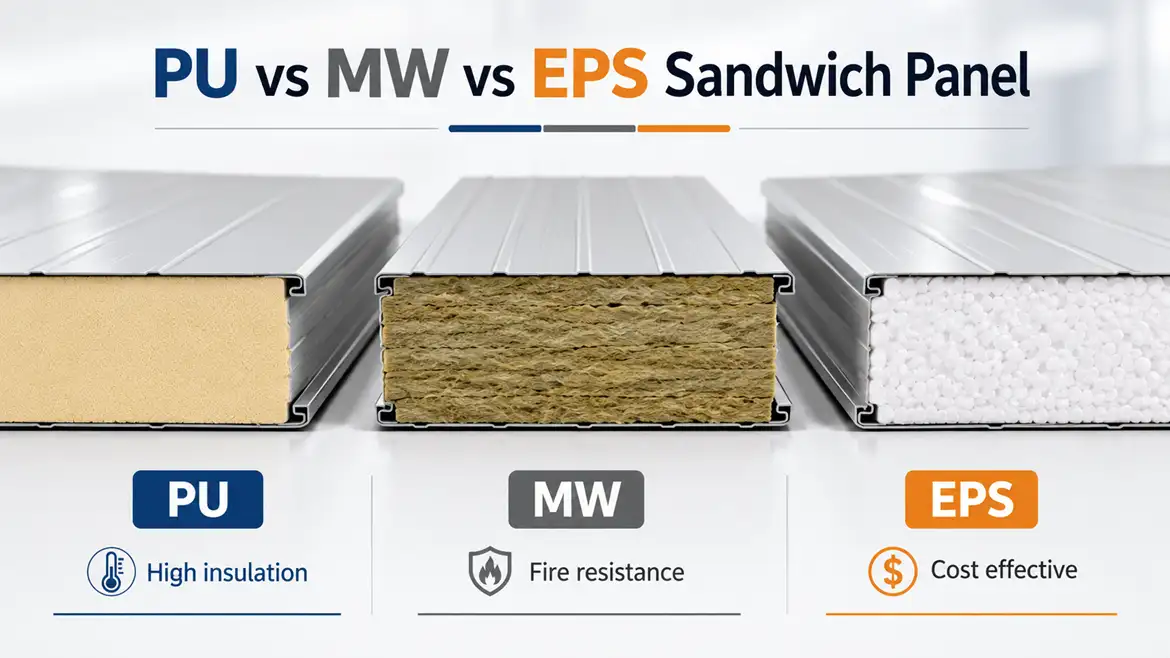
Insulation Performance
You want to know how sandwich panels perform when it comes to insulation. Each core material offers unique insulation and performance benefits. Polyurethane, mineral wool, and expanded polystyrene stand out for their ability to keep your building comfortable and energy-efficient. You can see the differences in their structure and how they affect insulation:
- Polyurethane gives you low thermal conductivity. This thermoset foam insulation comes in closed-cell and open-cell forms. You can use it to seal and fill cavities, which boosts insulation in sandwich panels.
- Mineral wool uses molten rock and minerals. Its fibrous structure prevents air movement, so you get excellent thermal, fire, and acoustic properties. You can rely on mineral wool for strong insulation and performance in demanding environments.
- Expanded polystyrene (EPS) is lightweight and easy to handle. Manufacturers fuse tiny plastic beads together to create foam board insulation. You often see EPS in sandwich panels for projects where cost and speed matter.
You can choose the right sandwich panel based on your insulation needs. Polyurethane panels give you the highest insulation, mineral wool panels offer balanced insulation and fire safety, and EPS panels provide good insulation at a lower price.
Tip: Always check the thermal conductivity and R-value when selecting sandwich panels for insulation.
Fire Resistance
You need to protect your building from fire hazards. Sandwich panels with mineral wool cores give you the best fire resistance. Mineral wool does not burn and helps stop the spread of flames. You can use these panels in places where fire safety is critical, such as factories and chemical plants.
Polyurethane panels offer flame retardant properties. You get some protection, but not as much as mineral wool. EPS panels have lower fire resistance. You should avoid using EPS panels in areas with strict fire codes or high fire risk.
You can match the fire resistance of sandwich panels to your project requirements. Mineral wool panels work best for fire safety, polyurethane panels offer moderate protection, and EPS panels suit projects where fire risk is low.
Note: Always follow local fire safety regulations when choosing sandwich panels.
Cost
You want to balance performance and budget. Sandwich panels with EPS cores cost less than those with polyurethane or mineral wool. You can see the average costs per square meter in the table below:
| Core Material | Average Cost (per m²) |
|---|---|
| EPS Panels | $7–$16 |
| PU Panels | $10–$30 |
Mineral wool panels usually cost more than polyurethane panels. You pay extra for fire resistance and sound insulation. EPS panels help you save money on large projects. Polyurethane panels cost more but give you superior insulation. You can select sandwich panels based on your budget and performance needs.
Tip: Compare the total cost, including installation and maintenance, before making your final choice.
Application Suitability
You want to choose the right sandwich panel material for your project. Each core material—polyurethane (PU), mineral wool (MW), and expanded polystyrene (EPS)—offers unique advantages for different applications. You can use the table below to compare their key properties and see where each one works best:
| Core Material | Key Properties | Recommended Application Scenarios |
|---|---|---|
| Polyurethane (PU) | Best thermal insulation (lambda of 0.022 W/mK), lower density | Residential construction, projects aiming to reduce heating costs |
| Mineral Wool (MW) | Fire resistance (EI 240-rated), soundproofing efficiency (up to 33 dB) | Buildings requiring fire safety and sound insulation |
| Expanded Polystyrene (EPS) | Budget-friendly, moderate thermal insulation, inferior fire resistance | Applications with no stringent fire resistance or thermal insulation requirements |
You can see that polyurethane panels give you the highest thermal insulation. You should use them in homes, offices, and places where you want to save on heating and cooling costs. Their lower density makes them easy to handle and install. You get strong energy efficiency, which helps you meet green building standards.
Mineral wool panels stand out for fire resistance and soundproofing. You should pick these panels for schools, hospitals, factories, and public buildings. They help you meet strict fire codes and create quiet, safe spaces. Their sound insulation makes them a top choice for places with high noise levels.
Expanded polystyrene panels work well when you need a budget-friendly solution. You can use them in warehouses, temporary structures, and projects where fire safety is not a main concern. EPS panels give you moderate insulation and are easy to install. You save time and money on large projects.
When you look at durability and maintenance, you find more differences:
- Polyurethane core panels perform well in high temperatures. You can use them in industrial and public infrastructure projects. They focus on fire resistance and energy efficiency, so you get long-lasting value.
- Mineral wool panels offer high fire resistance and sound insulation. You should use them in safety-critical environments. They provide durability and help you maintain energy efficiency over time.
- Expanded polystyrene panels are lightweight and cost-effective. You can install them quickly in many types of buildings. They require less maintenance but do not offer the same fire resistance as other options.
Tip: Always match the panel material to your project’s safety, insulation, and budget needs. You get the best results when you choose based on your building’s requirements.
You can now select the right sandwich panel material with confidence. Consider where you will use the panels, what performance you need, and how much you want to spend. This approach helps you build safe, efficient, and cost-effective structures.
How to Choose the Right Sandwich Industrial Panel Material
Project Requirements
You need to match your sandwich panel material to your project’s needs. Start by looking at the main properties of each core. The table below helps you compare the most important features:
| Core Material | Key Properties | Applications |
|---|---|---|
| Ravatherm XPS | Lightweight, rigid, moisture resistant, excellent thermal properties (0.031 W/m.K) | Insulation in lightweight structural panels |
| Nexus Mineral Fibre | Fire-safe, cost-effective, rigid core, excellent thermal, fire, and acoustic insulation | Architectural panels and doors |
| Stone Wool | Excellent fire, acoustic, and thermal properties | Used in bonded composite structures |
You should ask yourself a few questions before you choose. Does your building need high fire resistance? Do you want the best insulation? Will the sandwich panels face a lot of noise or moisture? Your answers will guide you to the right sandwich core.
Budget Considerations
You must balance performance with cost. Some sandwich panel materials cost more because they offer better fire safety or insulation. Others help you save money but may not meet strict building codes. Think about your project size and how much you can spend on each panel. EPS cores usually cost less and work well for basic insulation. Polyurethane costs more but gives you top energy savings. Mineral wool sits in the middle, offering fire safety and sound control at a moderate price.
Tip: Always include installation and long-term maintenance costs when you plan your budget for sandwich panels.
Application Recommendations
You can make a smart choice by matching the sandwich panel to your application. Here are some common challenges you may face:
- Production efficiency matters. You want sandwich panels that are easy to install and help you finish your project on time.
- Durability is important. You need panels that stay strong and last for many years.
For cold storage or places where temperature control is key, choose polyurethane sandwich panels. If you need fire safety and soundproofing, mineral wool sandwich panels work best. For temporary buildings or projects with tight budgets, EPS sandwich panels give you good insulation and easy installation.
You should always check local building codes before you decide. Some projects require panels with high fire ratings. Others focus on energy savings or fast construction. By thinking about your project’s needs, your budget, and your application, you can pick the best sandwich panel for your building.
You can achieve the best results by choosing the right sandwich panel material for your project. Polyurethane, mineral wool, and expanded polystyrene each give you unique strengths for sandwich panels. You get high insulation, fire resistance, or cost savings based on your needs. Matching material properties to your project improves performance and cost-effectiveness:
| Feature | Benefit |
|---|---|
| Load-bearing capabilities | Fewer perimeter columns, easier structural coordination |
| Energy efficiency | Better energy savings for external wall construction |
| Customizable design | Adjust panel thickness and insulation for your requirements |
| Cost reduction | Fewer trades, lower overall program and cost |
- You can customize sandwich panels for your project.
- Foam-based sandwich cores boost thermal efficiency.
- You save money without losing durability.
You should use the comparison and selection guidance to pick the best sandwich panels for your building.
FAQ
What are sandwich industrial panels used for?
You use sandwich panels for building walls, roofs, and ceilings. They give you strong insulation and structural support. You find them in factories, warehouses, and cold storage facilities.
How do you choose the right industrial panel core material?
You should check your project’s needs. If you want top insulation, pick polyurethane. For fire safety, choose mineral wool. If you need a budget option, select expanded polystyrene.
Are sandwich industrial panels fireproof?
You get the best fire resistance with mineral wool cores. Polyurethane and expanded polystyrene panels offer some protection, but you should always check local fire codes before you decide.
Can you install industrial panels in cold or hot climates?
Yes, you can use these panels in both cold and hot climates. The core material helps keep your building comfortable by reducing heat loss or gain.
How long do sandwich industrial panels last?
You can expect sandwich panels to last 20 to 40 years. Their lifespan depends on the core material, installation quality, and maintenance.
Do sandwich industrial panels help reduce noise?
Yes, mineral wool core panels give you strong sound insulation. You can use them in schools, offices, and factories to create quieter spaces.
Are sandwich industrial panels environmentally friendly?
You can find panels with eco-friendly features. Mineral wool uses natural materials. Polyurethane and expanded polystyrene panels can help save energy, but recycling options may be limited.
Tip: Always ask your supplier about the environmental impact of your chosen panel.