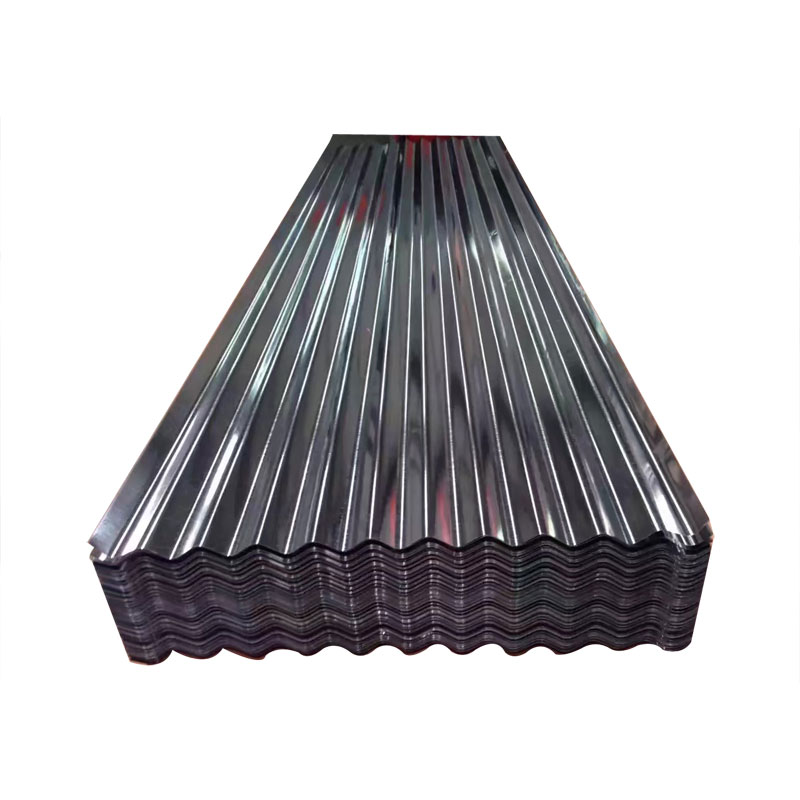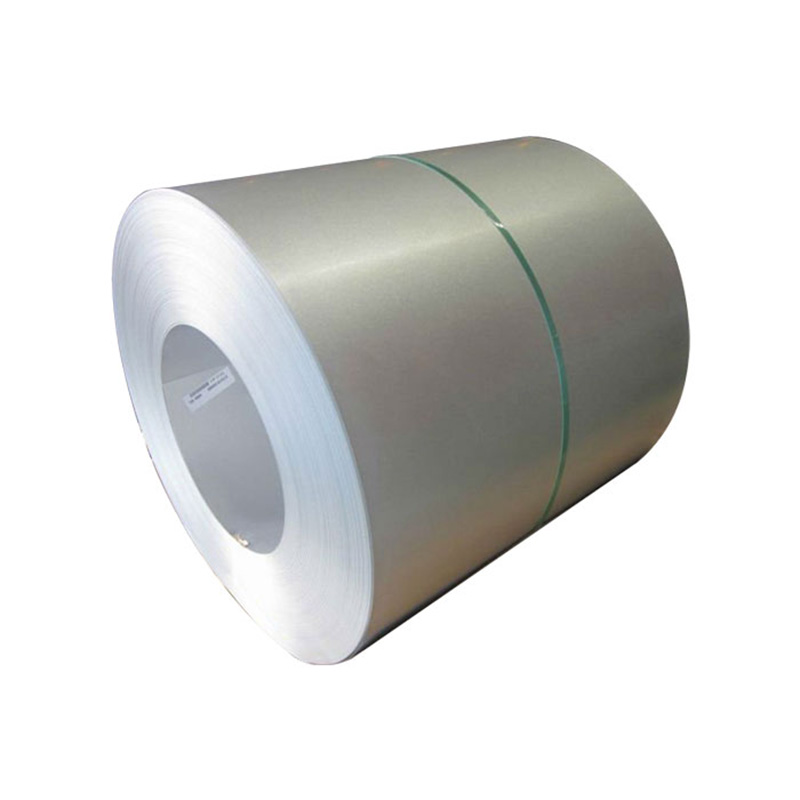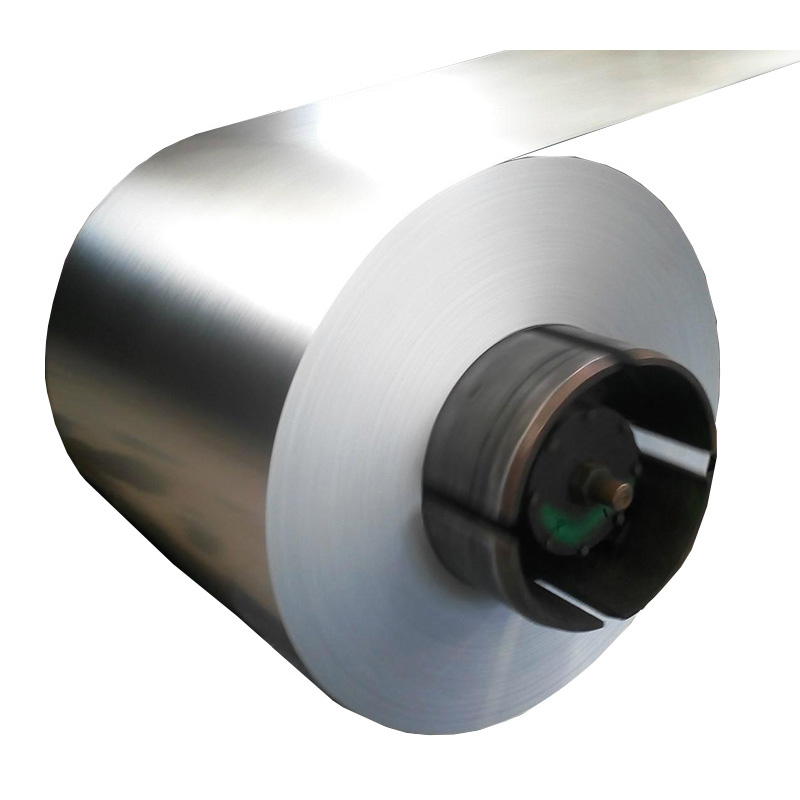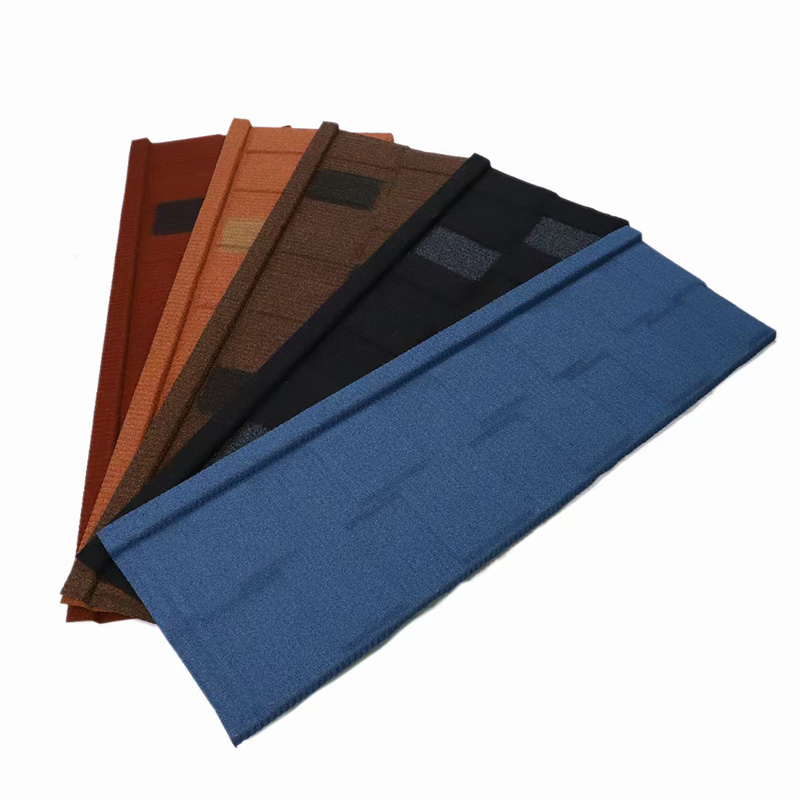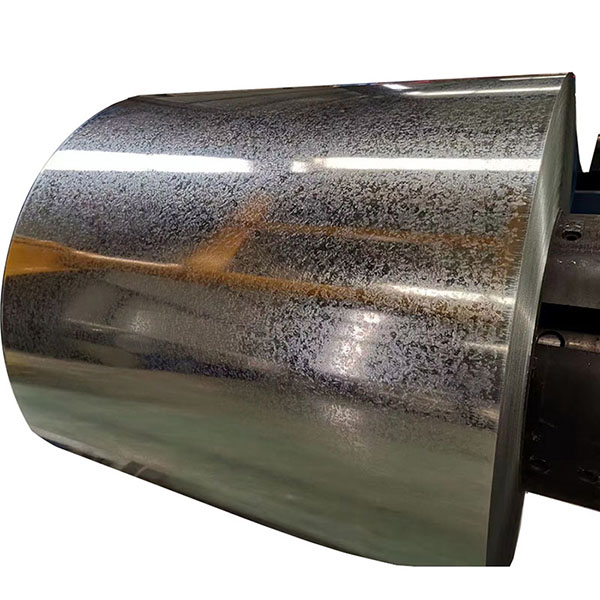
You need to focus on the specific requirements of your project when selecting a PPGI Steel Coil for Sandwich Panel Manufacturing. Start by matching coil strength, coating, and substrate to the environment and application. Check the core material for insulation and fire resistance. Review processing methods to ensure the coil will not deform during production. Always inspect the coil surface for defects. If you want to know how to choose ppgi manufacturer, look for reliable suppliers with proven quality.
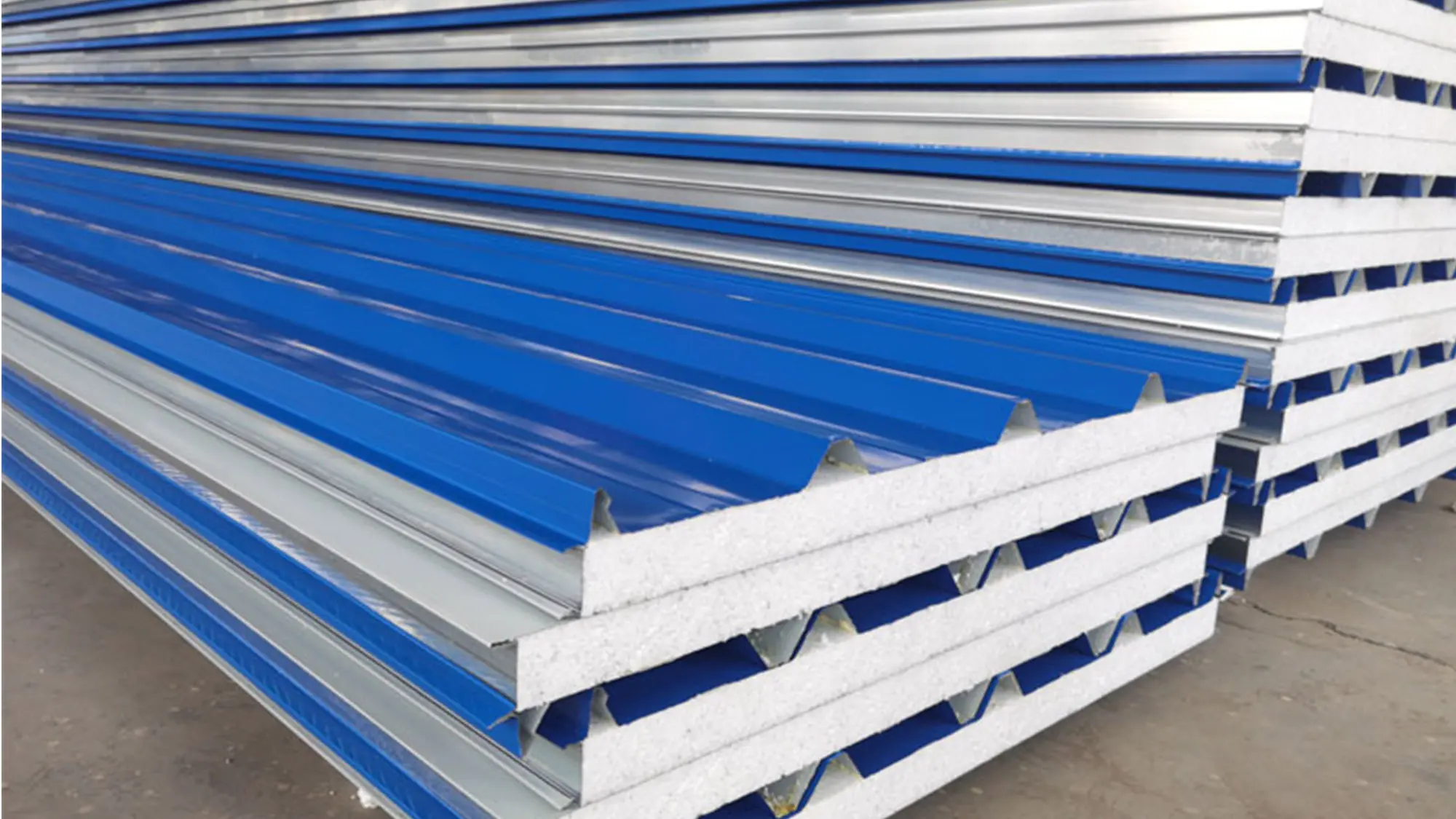
Key Takeaways
- Match the PPGI steel coil properties to your project needs for optimal performance.
- Select coils with adequate yield and tensile strength to prevent deformation during use.
- Choose the right substrate type, like galvanized or galvalume, based on environmental conditions.
- Opt for thicker coatings to enhance corrosion resistance and reduce maintenance needs.
- Consider core materials that provide insulation and fire resistance for safety and efficiency.
- Inspect coils for surface defects to ensure high-quality sandwich panels.
- Evaluate supplier reliability by checking certifications and production capabilities.
- Balance cost and performance by comparing prices and total ownership costs before purchasing.
Key Properties of PPGI Steel Coil

When you choose a steel coil for sandwich panel manufacturing, you need to understand the key properties that affect performance and durability. These properties include mechanical strength, substrate type, and coating specifications. Each factor plays a role in how well your panels will perform in different environments.
Mechanical Strength
Mechanical strength determines how much force your ppgi steel coil can handle during processing and in use. You want a coil that resists bending, denting, and breaking.
Yield and Tensile Strength
Yield strength shows the point where the steel starts to bend and does not return to its original shape. Tensile strength measures the maximum force the steel can take before it breaks. For sandwich panels, you should select a ppgi coil with enough yield and tensile strength to support the panel’s weight and any loads it may face, such as wind or impact. This helps prevent deformation during installation and use.
Substrate Types
The substrate is the base metal under the paint and zinc or aluminum coating. The two main types are galvanized and galvalume.
Galvanized vs. Galvalume
You need to match the substrate to your environment. Galvanized ppgi uses a zinc coating, while galvalume uses a mix of zinc and aluminum. The table below compares their performance:
| Substrate Type | Corrosion Resistance | Lifespan Comparison |
|---|---|---|
| PPGI | Moderate | Standard lifespan |
| PPGL | Superior | 2-4 times longer |
- Galvalume (PPGL) works better in coastal or industrial areas. Its aluminum-rich coating gives you better long-term corrosion resistance.
- In salt spray tests, PPGL lasts 2–4 times longer than PPGI.
- If you want more color options and lower cost, ppgi may be the better choice for less harsh environments.
Coating Specifications
The coating on your ppgi steel coil protects it from rust, UV rays, and scratches. You need to consider both the type and thickness of the coating.
Coating Type
Common coating types for exterior sandwich panels include PVDF, SMP, and PE. Each type offers different levels of weather resistance and color retention. The table below shows typical coating thicknesses:
| Coating Type | Thickness (Top/Back) |
|---|---|
| PVDF | Top: 10-40 μm, Back: 5-20 μm |
| SMP | Top: 10-40 μm, Back: 5-20 μm |
| PE | Top: 10-40 μm, Back: 5-20 μm |
Coating Thickness
Thicker coatings give you better protection and reduce maintenance needs. The table below explains how thickness affects performance:
| Coating Thickness | UV Protection | Corrosion Resistance | Maintenance Needs |
|---|---|---|---|
| Thicker | Superior | Enhanced | Reduced |
| Thinner | Inferior | Limited | Increased |
- Thicker coatings help your ppgi panels last 20-30 years in normal conditions.
- Indoor use can extend the lifespan up to 50 years.
- Always check that your ppgi coil comes from a reliable manufacturer to ensure good steel quality, zinc weight, and paint thickness.
Tip: If you expect high humidity or saltwater exposure, choose a thicker zinc or aluminum coating for extra protection.
Environmental and Application Factors
When you choose a ppgi steel coil for sandwich panel manufacturing, you must consider the environment where the panels will be used. Environmental factors like humidity, saltwater, and temperature can change how long your panels last and how well they perform. You also need to think about the right core material types for insulation and fire protection.
Humidity and Saltwater Exposure
High humidity and saltwater can damage ppgi steel coils quickly. You should know how these conditions affect your panels:
- High humidity lets moisture reach the steel, which speeds up corrosion.
- Saltwater is even more aggressive. Salt in the air and water attacks the zinc layer, causing faster rust and breakdown.
- Marine environments, like those near the ocean, have much higher corrosion rates than cities or dry areas.
Zinc Layer Thickness
You can protect your ppgi panels by choosing the right zinc layer thickness. For coastal or industrial areas with lots of salt or chemicals, you should use a zinc coating of Z275 or higher. In places with heavy pollution or close to the sea, galvanized steel with Z180 to Z275+ or zinc-aluminized steel with AZ150 to AZ200+ works best. These thicker coatings help your panels last longer, even in tough conditions.
Tip: Always check the zinc layer thickness before you buy. Thicker coatings give you better protection against rust and lower your maintenance costs.
Temperature and Fire Protection
Temperature changes can affect how your ppgi panels perform. You need to match the panel design to the temperature range of your application. For example, cold storage rooms may reach -25℃, so your panels must handle low temperatures without cracking.
Core Material Selection
You must pay close attention to core material selection for both insulation and fire safety. The right core material types can make a big difference in how your panels work. Mineral wool and fire-retardant PIR foam offer high fire resistance, low smoke, and no flaming droplets. These materials work well in high-temperature workshops or places with strict fire codes. They also provide good insulation, keeping heat in or out as needed.
| Core Material | Fire Resistance | Smoke Development | Flaming Droplets |
|---|---|---|---|
| Mineral Wool | High | Low | No |
| Fire-retardant PIR Foam | High | Low | No |
You should always consider core material selection based on your insulation needs, fire protection requirements, and budget.
Processing Method and Deformation
The way you process ppgi steel coil can affect its durability. If you bend or shape the coil too much, you might weaken the protective coating or cause cracks. This makes the panel more likely to rust or fail early.
Impact on Durability
To keep your panels strong, use gentle processing methods. Avoid sharp bends or deep stamping that can damage the coating. Always inspect the finished panels for any signs of cracks or scratches. Good processing helps your ppgi panels last longer and perform better in any environment.
Selecting the Right PPGI Steel Coil for Sandwich Panel Manufacturing
Choosing the right ppgi steel coil for sandwich panel manufacturing requires you to match the coil’s properties to your panel’s design and the demands of your project. You need to consider how the coil will perform during processing and in the final application. This section gives you a step-by-step guide to help you make the best choice for your ppgi sandwich panel production.
Matching Coil to Panel Design
You must start by understanding the type of sandwich panel you want to produce. The design of your panel determines the mechanical properties, substrate, and coating you need from your ppgi steel coil for sandwich panel manufacturing.
Structural vs. Non-Structural Panels
Structural panels support weight and resist forces like wind or impact. Non-structural panels provide insulation or decoration but do not carry heavy loads. You should select the right ppgi steel coil based on these requirements.
Here is a table to help you match coil properties to your panel design:
| Key Factor | Description |
|---|---|
| Mechanical Properties | Choose based on whether your panel is structural or non-structural. Structural panels need higher strength. |
| Substrate Type | Pick galvanized or galvalume depending on the environment and panel use. |
| Coating Thickness | Thicker coatings work better for outdoor or harsh environments. |
| Performance Characteristics | Look for good corrosion resistance and long service life for exterior panels. |
| Processing Method | Consider how much bending or shaping your panel design requires. |
Tip: For structural ppgi sandwich panel applications, always check the yield and tensile strength of your prepainted steel coil. This ensures your panels stay strong and safe.
Choosing Between PPGI and PPGL
You need to decide if ppgi or ppgl fits your project best. Both types of prepainted steel coil offer unique advantages for sandwich panel manufacturing.
Heat Resistance Considerations
PPGI uses a galvanized coating, while PPGL uses an aluminum-zinc coating. PPGL lasts longer and resists corrosion better, especially in tough environments. If your ppgi sandwich panel will face high temperatures, you should know how each material performs.
The table below compares the two options:
| Feature | PPGI | PPGL |
|---|---|---|
| Coating Type | Galvanized | Aluminum-zinc |
| Lifespan | 10-15 years | 3 times longer than PPGI |
| Heat Resistance | Lower than PPGL | Can withstand up to 315℃ |
| Flexibility | Less flexible | More flexible |
| Corrosion Resistance | Less effective | Better due to aluminum layer |
If you need a ppgi sandwich panel for a hot environment, PPGL offers better heat resistance and can handle temperatures up to 315°C. PPGI starts to break down above 200°C. PPGL also reflects more heat, which helps keep buildings cooler.
| Material | Heat Reflectivity | Temperature Resistance |
|---|---|---|
| PPGI | Standard | Deteriorates above 200°C |
| PPGL | Up to 75% | Stable up to 315°C |
Note: Use PPGL for ppgi sandwich panel projects in factories, kitchens, or sunny locations. Choose PPGI for indoor or mild environments where cost and color variety matter more.
Evaluating Processing Methods
The way you process your ppgi steel coil for sandwich panel manufacturing affects the final quality of your panels. You must think about how much you will bend, cut, or shape the coil.
Degree of Deformation
If your ppgi sandwich panel design needs deep bends or complex shapes, pick a prepainted steel coil with high flexibility and a strong coating. Too much deformation can crack the coating and reduce the panel’s lifespan. Always match the coil’s mechanical properties to your processing method.
Here are steps to help you evaluate processing needs:
- Review your panel design for sharp bends or curves.
- Choose a ppgi coil with the right strength and flexibility.
- Test a sample coil with your equipment before full production.
- Inspect finished panels for cracks or coating damage.
Callout: Careful processing keeps your ppgi sandwich panel strong and looking good for years.
By following these steps, you can select the right ppgi steel coil for sandwich panel manufacturing. You will get panels that last longer, perform better, and meet your project’s needs.
Surface Inspection and Quality Indicators
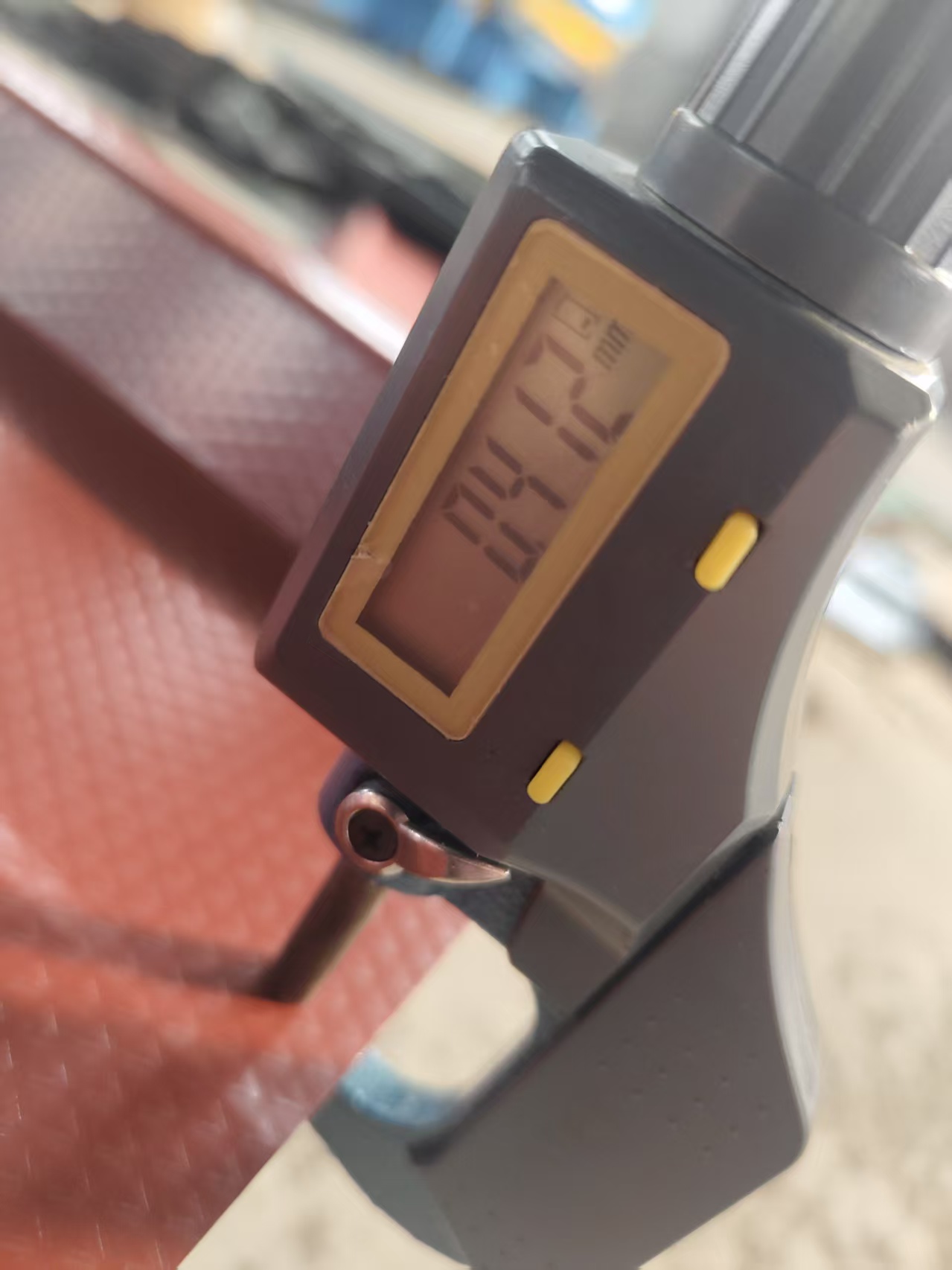
When you select a PPGI steel coil for sandwich panel manufacturing, you must pay close attention to surface inspection and quality indicators. These checks help you avoid defects and ensure your panels meet high standards for performance and appearance.
Surface Smoothness and Uniformity
Surface smoothness and uniformity play a key role in the quality of your sandwich panels. A smooth, even surface helps you achieve precise dimensions and flatness. This is especially important in cleanroom applications, where airtight joints prevent dust buildup and make cleaning easier. In industries like electronics and pharmaceuticals, smooth panels help you maintain controlled environments and reduce installation errors. A consistent finish also improves the visual appeal of your panels.
Defect Detection (Cracks, Scratches)
You need to inspect each coil for common surface defects before production. Cracks, scratches, pinholes, and bubbles can lower the quality of your panels. These defects may cause structural problems or make the panels look less attractive.
Here is a table that shows common surface defects and their impact on sandwich panel quality:
| Defect Type | Impact on Sandwich Panel Quality |
|---|---|
| Pinhole | Compromised structural integrity |
| Scratches | Aesthetic issues |
| Bubbles | Compromised structural integrity |
You can use several inspection methods to check for these defects:
| Inspection Type | Criteria Description |
|---|---|
| Visual Inspection | No broken grain, overlapping or blurred areas. |
| Laser Profiler | Error in texture depth ≤ ±0.05mm (ISO 4287). |
| Pinhole Inspection | High voltage EDM inspection to ensure no missed coating spots. |
| Scratches and Bubbles | Manual inspection or AI vision system identification. |
Tip: Always check for cracks, scratches, and bubbles before you start production. Early detection helps you maintain high quality and avoid costly rework.
Certifications and Testing
Certifications and testing standards show that your PPGI steel coil meets international quality requirements. You should always ask for certificates and test reports from your supplier.
Here is a table of common certifications and what they mean:
| Certification Type | Description |
|---|---|
| ISO 9001 | Quality management system standard |
| ISO 14001 | Environmental management standard |
| CE certification | Conformity for products sold in the European Economic Area |
| ASTM | American standards for materials testing |
| JIS | Japanese Industrial Standards |
| GB | National standards in China |
| RoHS | Restriction of Hazardous Substances directive |
You should also check for these test results:
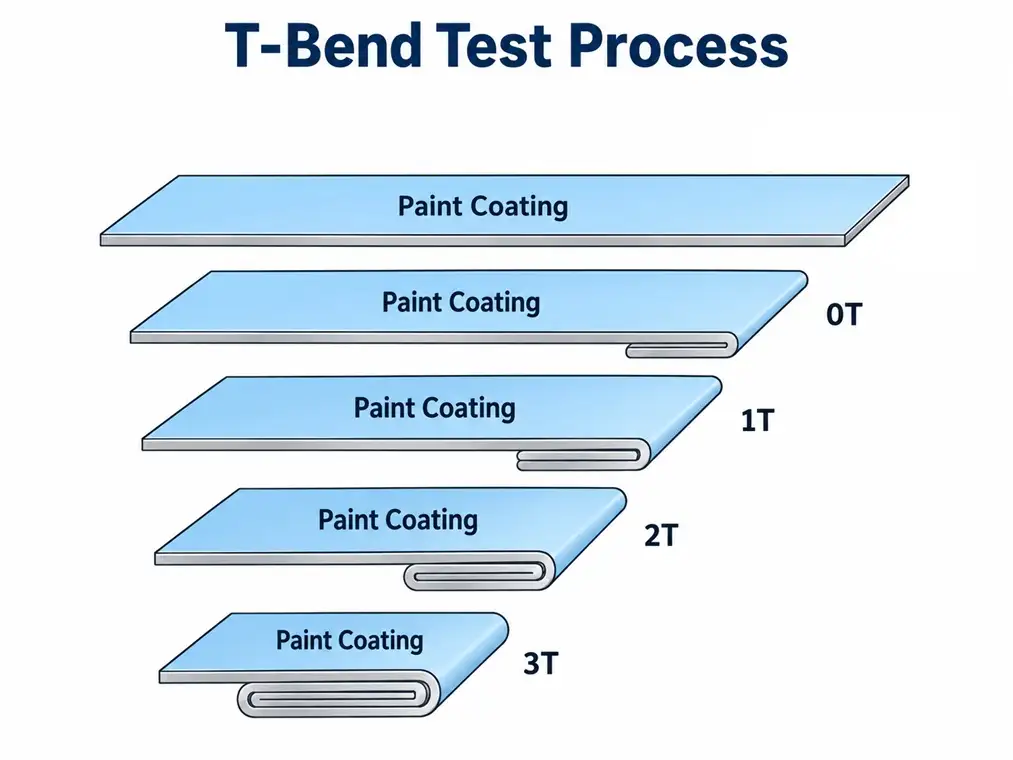
- T-bend testing
- Impact resistance testing
- Salt spray testing
For the European market, you may need:
- ISO 9001 quality system certificate
- SGS or BV inspection report
- Certificate of Origin (COO)
- Form A/GSP Certificate for tariff benefits
- CE certificate
Note: Certifications and testing help you confirm the quality and safety of your PPGI steel coil. They also make it easier to sell your panels in different markets.
Supplier Reliability
Supplier reliability affects the long-term quality of your sandwich panels. You should choose a supplier with a strong reputation and good after-sales support.
You can evaluate supplier reliability by following these steps:
- Check production capabilities and make sure the supplier uses the right machinery.
- Request certifications to verify compliance with quality and safety standards.
- Conduct inspections, such as factory videos or live tours, to see real production and quality control.
- Consider independent laboratory testing for unbiased quality checks.
A reliable supplier will provide you with consistent quality and help you solve any problems quickly. Good after-sales support ensures you get help if you find defects or need technical advice.
Callout: Building a relationship with a trustworthy supplier helps you maintain high quality and avoid production delays.
By focusing on surface inspection, certifications, and supplier reliability, you can ensure your sandwich panels meet strict quality standards and perform well in any application.
Cost-Effectiveness and Value
When you select materials for sandwich panel manufacturing, you need to balance cost, quality, and supplier terms. Making smart choices helps you maximize value and avoid unexpected expenses.
Price vs. Performance
You should compare the price of ppgi and ppgl steel coil with their performance. The typical price range for ppgi steel coil used in sandwich panel manufacturing is between 600-800 USD per ton. Prices for ppgl steel coil can vary based on the type of coating and customized requirements. The cost of roofing sandwich panels changes often. Global market factors like iron ore prices, energy costs, and trade policies affect the price of ppgi and ppgl steel coil. When steel prices rise, panel prices usually increase after a short delay. Inventory and contracts can affect how quickly these changes reach you.
Tip: Always check the current market before you buy ppgi or ppgl steel coil. Comparing prices helps you find the best deal for your project.
Total Cost of Ownership
You need to look beyond the initial price. The total cost of ownership includes material costs, maintenance, and performance over time. Choosing a customized ppgl steel coil with the right type of coating can reduce maintenance and improve durability. Here is a table that shows the main factors:
| Factor | Description |
|---|---|
| Initial Material Costs | The upfront cost of ppgi or ppgl steel coil affects the overall TCO. |
| Lifecycle Economics | Evaluates the long-term financial implications of using ppgi or ppgl over its lifespan. |
| Maintenance Requirements | PPGI’s near-zero maintenance reduces ongoing costs associated with upkeep. |
| Performance Characteristics | The durability and efficiency of ppgi and ppgl contribute to their overall value in sandwich panel projects. |
You can save money by choosing a ppgl steel coil with a customized type of coating that matches your environment. This reduces maintenance and extends the life of your panels.
Bulk Purchasing and Lead Times
Buying ppgi or ppgl steel coil in bulk can lower your price per panel. You get better deals when you order large quantities. Lead times matter too. Delays in material delivery can push back your installation schedule and project completion.
- Bulk purchasing can significantly lower the price per panel, which helps in reducing overall costs.
- Lead times affect project timelines; delays in material delivery can postpone installation schedules and overall project completion.
You should plan your orders with the manufacturer to avoid delays. Customized orders may take longer, so always ask about lead times for ppgl steel coil with special type of coating.
Negotiation Tips
Smart negotiation helps you get the best value. You can use these strategies:
- Request quotes from multiple suppliers to compare offers and find the best value.
- Check the manufacturer’s reliability and technical support, not just the price.
- Ask for references or case studies to verify the supplier’s track record.
- Request samples to ensure quality before making a large purchase.
- Discuss delivery timelines and packaging methods to avoid damage during transport.
Note: Pricing depends on raw material costs, exchange rates, government policies, and production loads. You should discuss value beyond just the price. Ask about shipping solutions, delivery guarantees, and technical support. Customized packaging can protect your ppgl steel coil during transport.
You can achieve cost-effectiveness by balancing price, performance, and supplier terms. Choosing the right ppgi or ppgl steel coil with a customized type of coating helps you get panels that last longer and perform better.
You can select the right PPGI steel coil by focusing on your project’s environment, technical needs, and quality standards.
- Choose thicker zinc layers or Galvalume steel for humid or coastal areas.
- Pick coatings like SMP or PVDF for harsh weather.
- Check the steel substrate quality and supplier reputation.
- Review your panel design and environment.
- Consult suppliers with your checklist and drawings.
- Request samples and certifications before you decide.
Always ask for certifications and compare samples to ensure you get reliable, high-quality coils.
FAQ
What is a sandwich panel and where do you use it?
You use a sandwich panel for building walls, roofs, and cold storage. It has two steel sheets with a core in the middle. This design gives you strength, thermal insulation, and fire resistance. You find these panels in factories, warehouses, and cleanrooms.
How do you choose the right steel coil for sandwich panel manufacturing?
You check steel coil quality inspection results. You match the steel’s strength, coating, and substrate to your project’s needs. You consider the core material for thermal and fire resistance. You also review cost and supplier reputation before you buy.
Why does the core material matter in sandwich panels?
The core controls thermal insulation, fire resistance, and soundproofing. You pick mineral wool or PIR foam for fireproofing and high fire resistance. You choose EPS or PU foam for better thermal performance. The right core helps your panel last longer in harsh weather conditions.
How does pre-painted galvanized iron improve sandwich panel performance?
Pre-painted galvanized iron gives you better corrosion resistance and color options. It protects the steel from rust and UV rays. You get a longer-lasting sandwich panel with less maintenance. This material works well in both indoor and outdoor environments.
What is the role of coating thickness in steel sandwich panels?
Thicker coatings give you more resistance to corrosion and UV damage. You get better durability and lower maintenance costs. You should always check coating thickness for panels used in harsh weather conditions or where fire resistance is important.
How do you ensure good thermal and fire resistance in sandwich panels?
You select a core with high thermal insulation and fire resistance. Mineral wool and PIR foam give you both. You also check the steel’s coating and thickness. These steps help your panel perform well in extreme temperatures and meet fireproofing standards.
What factors affect the cost of sandwich panel production?
You consider steel prices, coating type, core material, and supplier reputation. Bulk orders can lower costs. You also look at lead times and delivery. Choosing the right materials helps you balance cost and performance for your sandwich panel project.
How do you maintain sandwich panels for long life?
You inspect the steel surface for damage. You clean the panels regularly. You repair scratches or cracks quickly. You check the core for moisture or fireproofing issues. Good maintenance keeps your sandwich panel strong and improves resistance to harsh weather conditions.