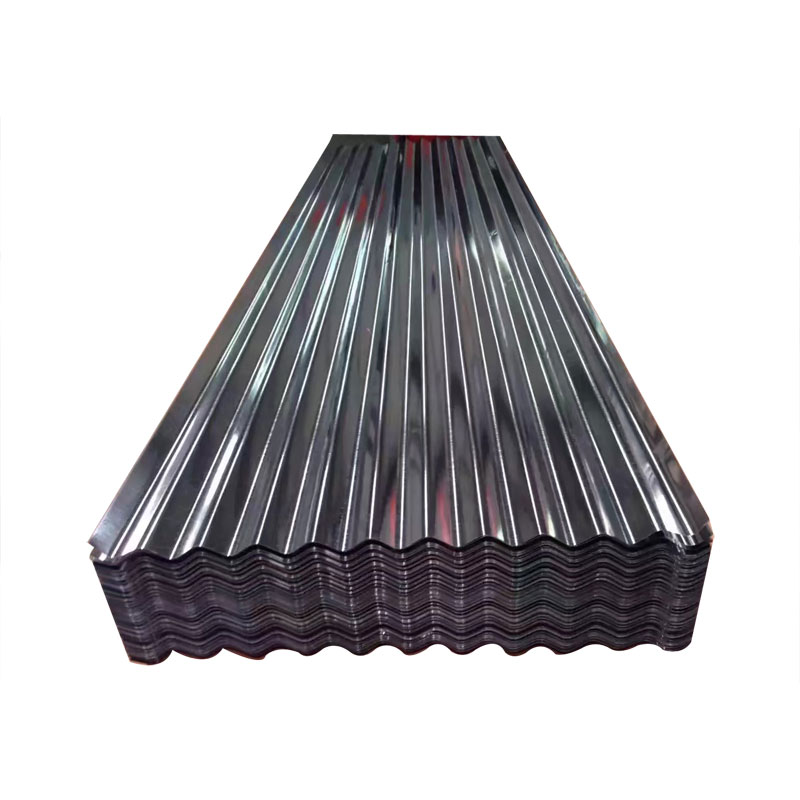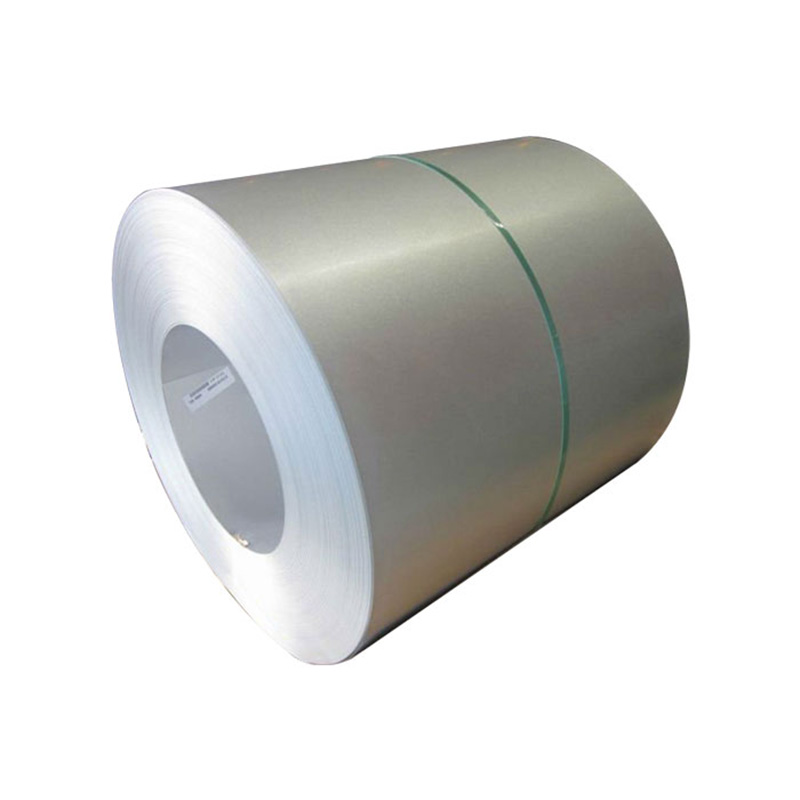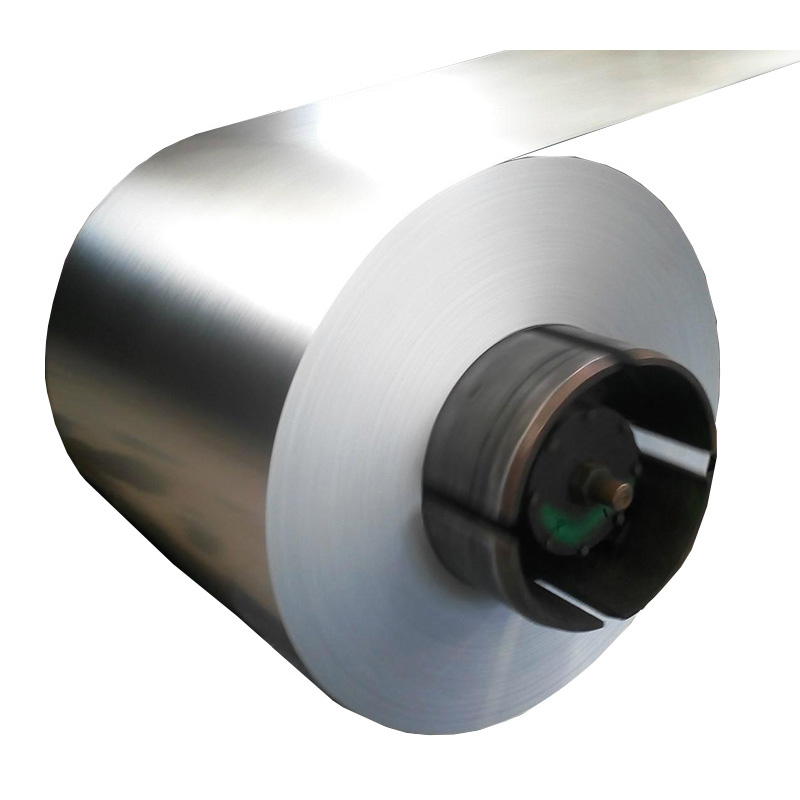
A steel coil that looks suitable on paper may still create problems during roofing sheet production. If the material is too soft, the finished profile may lack rigidity. If it is too hard or too strong, roll forming becomes more difficult and may increase the risk of paint cracking, edge defects, or equipment stress.
The right steel coil hardness is not a fixed number. It is a variable you must match to your roll forming machine’s power, tooling, and the complexity of the roofing profile you produce.
This guide helps you understand hardness specifications, assess your machine’s capabilities, and make an informed decision for your next production run. Learning how to choose steel coil hardness for roofing sheet manufacturing starts with knowing these trade-offs.
Key Takeaways
- Match steel coil hardness to your machine and profile, not just the hardest option.
- Yield strength matters more than hardness for roll forming success.
- Specify yield strength, tensile strength, and elongation in your RFQ.
- Softer steel forms easily but may lack rigidity; harder steel resists bending.
- High-strength steel like G550 allows thinner material but requires more force.
- Check your machine’s maximum material strength before ordering high-strength steel.
- Test sample coils to avoid springback, paint cracking, and tooling wear.
- Use Mill Test Certificates to confirm mechanical properties from suppliers.
What Does Steel Coil Hardness Mean for Roofing Sheets?
Hardness measures a material’s resistance to indentation or permanent deformation. When you press a steel surface with a hard object, hardness tells you how much the steel resists that pressure. For roofing sheet manufacturing, hardness gives you a quick snapshot of how the coil will behave during forming. However, hardness alone should never be your only specification. You must evaluate it together with yield strength, tensile strength, elongation, thickness, and formability. These properties work together to determine whether your roll forming machine can process the coil successfully.
Defining Hardness: Rockwell, Tensile Strength, and Yield Strength
Understanding HRB and HRC Scales
The Rockwell hardness test measures how deeply an indenter penetrates the steel surface under a specific load. Two scales appear most often in steel coil specifications: HRB and HRC. HRB uses a steel ball indenter and suits softer materials like commercial steel. HRC uses a diamond cone indenter and applies to harder, higher-strength steels. Each scale produces a number that helps you compare different coils. But these numbers only describe surface resistance. They do not tell you how the material will bend, stretch, or hold its shape during roll forming.
Why Tensile Strength (MPa) is Often More Practical
Tensile strength, expressed in megapascals (MPa), measures the maximum stress a material can withstand before breaking. This value appears on mill test certificates and standard specification tables. For roofing sheet buyers, tensile strength is more practical than hardness because it connects directly to structural performance. When you compare coils from different suppliers, tensile strength gives you a consistent basis for evaluation. Hardness numbers can vary depending on the test method and scale used. Tensile strength follows standardized testing procedures across the industry. You can also use tensile strength to estimate how much force your roll forming machine must apply to shape the material.
The Hardness Spectrum: From Soft to Full-Hard Steel Coils
Commercial Steel (CS) and Forming Steel (FS)
Commercial steel and forming steel sit at the softer end of the spectrum. These grades offer excellent formability, meaning they bend and shape easily without cracking. You can form them into complex profiles with tight bends and intricate details. The trade-off is lower final strength. Roofing sheets made from these materials may flex more under load. They suit applications where appearance and shape accuracy matter more than structural rigidity. WITOP’s product pages list mechanical properties for these grades, including yield strength and elongation values, so you can compare them against your requirements.
Structural Steel (SS) and High-Strength Low-Alloy (HSLA)
Structural steel and high-strength low-alloy grades sit at the harder end of the spectrum. These materials contain additional alloying elements that increase strength without sacrificing too much formability. You get higher yield strength and better load-bearing capacity. However, these materials require more forming force and show greater springback after bending. Your roll forming machine needs sufficient power and precise tooling adjustments to handle them. These grades suit industrial roofing profiles that must span longer distances or withstand higher wind loads. Check the mechanical property tables on WITOP’s GI and PPGI product pages to see how these grades compare with softer options.
Why Steel Coil Hardness Matters for Roll Forming
The hardness of your steel coil directly affects how your roll forming machine performs. Harder materials resist deformation more strongly. That resistance changes everything from motor load to final profile shape. Understanding these effects helps you avoid production problems before they start.
Effect on Roll Forming Difficulty and Machine Load
Higher-strength steel demands more force to bend. Your machine must push harder on each forming station. This increased demand does not stay isolated to one part of the line. It spreads through the entire system.
Consider what happens when you switch from a mild steel to a high-strength grade. A simulation of a 10-station roll forming line compared AISI 1020 steel at 450 MPa tensile strength with CR1220Y1500T-MS martensitic steel at 1500 MPa tensile strength. The high-strength material required significantly greater forming loads on every pass.
| Material | Tensile Strength | Forming Load Impact |
|---|---|---|
| AISI 1020 (mild steel) | 450 MPa | Baseline load |
| CR1220Y1500T-MS (martensitic) | 1500 MPa | Significantly higher load per pass |
The engineering rule is straightforward: the force needed for roll forming rises with material strength and the square of thickness. So a small increase in hardness creates a large jump in required force. If your tooling was designed for softer material, switching to stronger steel can push the forming force beyond your machine’s normal operating range.
This extra load shows up in several ways. Motor load increases. Torque demand on the drive system climbs. You may notice excessive vibration in the roll stands. Strip instability can occur during forming. Over time, these conditions lead to roll shaft bending, bearing failure, and gearbox overload. Your machine wears out faster, and production quality drops.
Effect on Roofing Profile Accuracy and Springback
Springback is the tendency of steel to return toward its original shape after bending. Harder materials spring back more. When the steel leaves the final forming station, it tries to relax. The profile may open up slightly or lose its intended angle.
This behavior creates dimensional inconsistency. Your finished sheets may not match the profile drawings. Width measurements drift. Flange angles vary from one sheet to the next. You must adjust your roll forming settings to compensate for springback. That adjustment often means over-bending the material slightly so it relaxes into the correct shape.
The challenge grows with profile complexity. Deep profiles and tight bends store more elastic energy. Harder steel amplifies this effect. You may need to modify your tooling or add extra forming stations to control the final shape. Testing samples before full production helps you identify these issues early.
Effect on Paint Cracking Risk for PPGI and PPGL
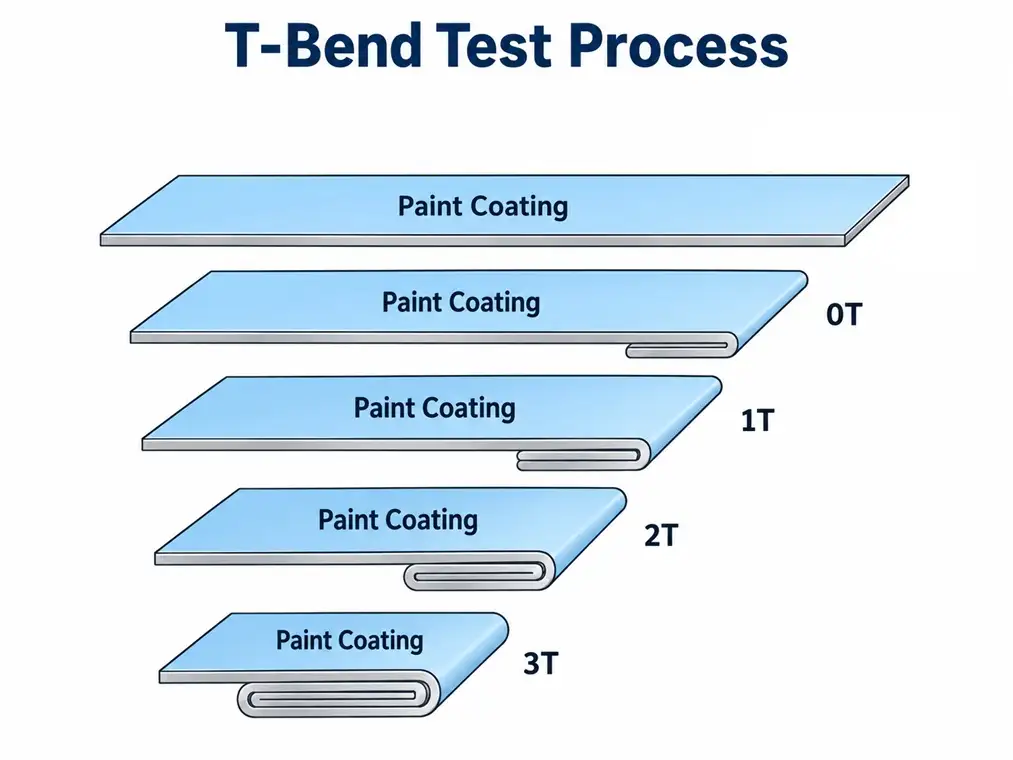
Prepainted steel adds another layer of concern. The paint coating must survive the bending process without cracking. JIS G3312 defines T-bend test requirements that specify how tightly a coated sheet can bend without coating failure. The required internal spacing varies by grade and thickness.
| Grade | Bend Angle | Thickness Range | Internal Spacing (in sheet thicknesses) |
|---|---|---|---|
| CGCC | 180° | ≤ 0.4 mm | 2 |
| CGCC | 180° | > 0.4 to 1.6 mm | 3 |
| CGCD1 | 180° | > 0.4 to 1.6 mm | 2 |
| CGC340 | 180° | ≤ 0.4 mm | 2 |
| CGC340 | 180° | > 0.4 to 1.6 mm | 3 |
| CGC400 | 180° | ≤ 1.6 mm | 3 |
| CGC440 | 180° | ≤ 0.4 mm | 4 |
| CGC490 | 180° | > 0.4 to 1.6 mm | 5 |
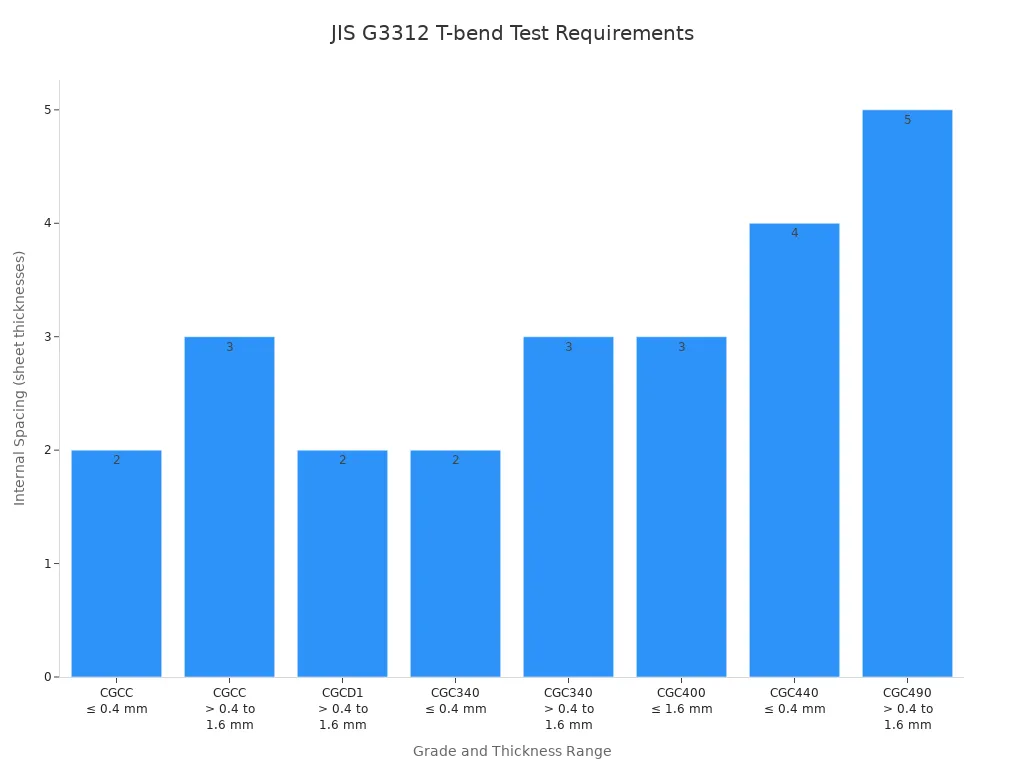
Higher-strength grades like CGC490 require a larger internal spacing during bending. That means the paint cannot tolerate tight bends. If your profile demands sharp corners, you may need a softer grade or a different paint system. Always check the T-bend rating against your profile design before ordering coil.
Hardness vs Yield Strength: Which One Matters More?
For roofing sheet manufacturers, yield strength is often more useful than hardness when evaluating how the steel will behave during roll forming. This statement may surprise you if you have always ordered coils by hardness descriptions like “soft” or “full-hard.” But the distinction matters for production stability and final product quality. Understanding what each property tells you helps you make better purchasing decisions and avoid costly trial-and-error on the production floor.

What Hardness Indicates vs. What Yield Strength Indicates
Hardness measures a material’s resistance to indentation. When a testing machine presses an indenter into the steel surface, the depth of that penetration tells you how hard the material is. A deeper indentation means softer steel. A shallower indentation means harder steel. This property relates directly to surface wear resistance and localized plastic deformation. Hardness helps you predict how the coil will handle surface contact during handling, slitting, and feeding through your roll former.
Yield strength tells you something different. It marks the point where permanent deformation begins. Below this stress level, the steel returns to its original shape after you remove the load. Above this level, the material stays bent. This property controls how the steel behaves when your roll forming stations push it into a new profile shape.
| Property | Physical Meaning | Measurement Outcome |
|---|---|---|
| Yield Strength | Maximum load before permanent set (elastic limit) | If load < yield strength, material returns to original shape; if load > yield strength, permanent deformation occurs |
| Hardness | Resistance to indentation | Measured by indenter depth; deeper indentation = softer material; hardness is inversely proportional to indentation depth |
The table shows the core difference. Hardness describes surface resistance. Yield strength describes structural behavior under load. For roll forming, you care about how the material bends, holds its shape, and resists springback. Those behaviors depend on yield strength far more than surface hardness.
Why Yield Strength is More Useful for Roll Forming Decisions
Roll forming works by gradually bending flat steel through a series of stations. Each station applies controlled pressure to shape the material step by step. The steel must deform permanently at each bend point. It must also hold that new shape after leaving the station. Yield strength governs both of these actions.
Yield strength and flow stress are the most critical steel characteristics for roll forming dimensional control.
This principle holds true across every profile type. When you know the yield strength of your coil, you can predict how much force your machine needs. You can anticipate springback. You can adjust your roll gaps and forming angles before you load the coil. Hardness numbers do not give you this information directly.
In roll forming, yield strength is the most critical mechanical property. For roll forming operations, yield strength is the primary mechanical property controlling production stability.
Consider two coils with similar hardness readings but different yield strengths. The coil with higher yield strength will spring back more after forming. Your finished profile may come out wider or with different angles than you designed. The coil with lower yield strength will hold its shape more easily. Production runs smoother. Dimensional consistency improves. Hardness alone cannot predict this difference.
Yield strength also connects directly to structural performance. A roofing sheet made from higher-yield-strength steel carries more load before permanent deflection. This matters for industrial buildings with wide purlin spacing or high wind load requirements. When you specify yield strength, you control both formability and final product performance.
How to Specify Mechanical Properties in Your RFQ
When you send a request for quotation to your steel coil supplier, do not simply write “we need hard material.” That phrase means different things to different suppliers. Instead, provide measurable mechanical requirements that your roll forming line and final application demand.
| Property | Description |
|---|---|
| Grade | Yield strength of the steel, specified in ksi (e.g., 33, 50, 65). Determines load-bearing capacity and suitability for structural or non-structural applications. Higher grades allow thinner material without sacrificing strength. |
| Gauge | Thickness of the steel coil, often expressed in mils or gauge number. Affects the weight, stiffness, and structural performance of the final roofing sheet. Must be specified with base metal thickness and design thickness per building codes. |
| Galvanization | Zinc coating applied to prevent corrosion. The coating weight (e.g., G60, G90) must be specified to ensure adequate durability for roofing exposed to weather. |
Add yield strength, tensile strength, and elongation values to this list. State the minimum yield strength you require in MPa or ksi. Confirm the tensile strength range. Specify the minimum elongation percentage so you know the material can bend without cracking. These numbers give your supplier clear targets and help them match the right grade to your application.
Reference the appropriate specifications for your coating type. Such specifications list mechanical property requirements for each grade. You can point your supplier to the specific grade and standard that fits your needs. This approach removes ambiguity from the ordering process.
Learning how to choose steel coil hardness for roofing sheet manufacturing means moving beyond simple hardness labels. You need to understand the full mechanical property picture. Yield strength, tensile strength, and elongation together tell you how the coil will perform on your line. Hardness alone leaves too much room for error.
When you master how to choose steel coil hardness for roofing sheet manufacturing, you reduce production waste and improve finished sheet quality. Your roll forming machine runs more consistently. Your profiles match specifications. Your customers receive roofing sheets that perform as promised. Start by specifying yield strength in your next RFQ and see the difference it makes.
Soft, Semi-Hard, Full-Hard, and High-Strength Steel: Key Differences
Steel coil suppliers often describe material using terms like soft, semi-hard, full-hard, or high-strength. These categories help you narrow down options, but they do not tell the whole story. Each category balances formability against final strength differently. Your choice depends on your profile design, machine capability, and the finished sheet’s job.
Comparison Table: Formability, Strength, and Roll Forming Difficulty
The table below summarizes how each material type behaves during production. Use it as a starting point, then confirm exact mechanical properties with your supplier’s mill test certificate.
| Material Type | Formability | Strength | Roll Forming Difficulty | Typical Consideration |
|---|---|---|---|---|
| Soft | High | Lower | Easier | Complex profiles with tight bends |
| Semi-Hard | Balanced | Medium | Moderate | General roofing production |
| Full-Hard | Lower formability | Higher | More demanding | Specific applications needing stiffness |
| High-Strength Steel | Depends on grade | High | Requires process control | High-strength roofing profiles |
You will notice the table does not list specific hardness numbers. That is intentional. Hardness values vary between suppliers and test methods. Instead, focus on the mechanical properties behind each category. Yield strength, tensile strength, and elongation tell you what matters for roll forming.
When to Choose Soft or Semi-Hard Steel Coils
Soft steel coils give you the easiest forming experience. The material bends readily, holds tight radii without cracking, and places minimal stress on your rollers. You can produce intricate tile profiles or deep corrugations without fighting springback. Paint adhesion also improves because the coating experiences less stress during bending.
Choose soft steel when your roofing profile demands complex geometry. Residential roofing tiles often fall into this category. The finished sheet prioritizes appearance and shape accuracy over raw load-bearing capacity. You also benefit from lower machine wear and reduced power consumption.
Semi-hard steel offers a middle ground. You retain good formability while gaining moderate strength. This balance suits standard corrugated and trapezoidal profiles used in commercial buildings. Most general-purpose roofing production runs smoothly with semi-hard material. You avoid the extreme springback of harder grades while still producing sheets with acceptable rigidity.
When to Choose Full-Hard or High-Strength Steel Coils
Full-hard steel delivers higher strength but demands more from your equipment. The material resists bending, so each forming station must work harder. Springback increases noticeably. You may need to adjust roll gaps and forming angles to compensate. Tooling wear accelerates, and your machine’s motor capacity becomes a limiting factor.
Choose full-hard steel when you need maximum stiffness in the finished profile. Industrial roofing panels spanning wide purlin spacings benefit from this material. The extra strength also improves wind load resistance. However, you must verify your roll forming line can handle the increased forming force before ordering.
High-strength steel, including grades like G550, takes this concept further. G550 refers to a minimum yield strength of approximately 550 MPa under relevant specifications. It is a strength grade, not a hardness measurement. This material allows you to use thinner coil while maintaining structural performance. You save on material weight and cost per square meter.
The trade-off comes in production difficulty. High-strength steel requires precise process control. Springback becomes a major factor. Paint systems must pass stricter T-bend tests to avoid cracking. Your machine needs adequate power and robust tooling. Before committing to G550, confirm your roll forming line can process this material consistently. Test samples first, then scale up production.
How to Choose Steel Coil Hardness for Roofing Sheet Manufacturing
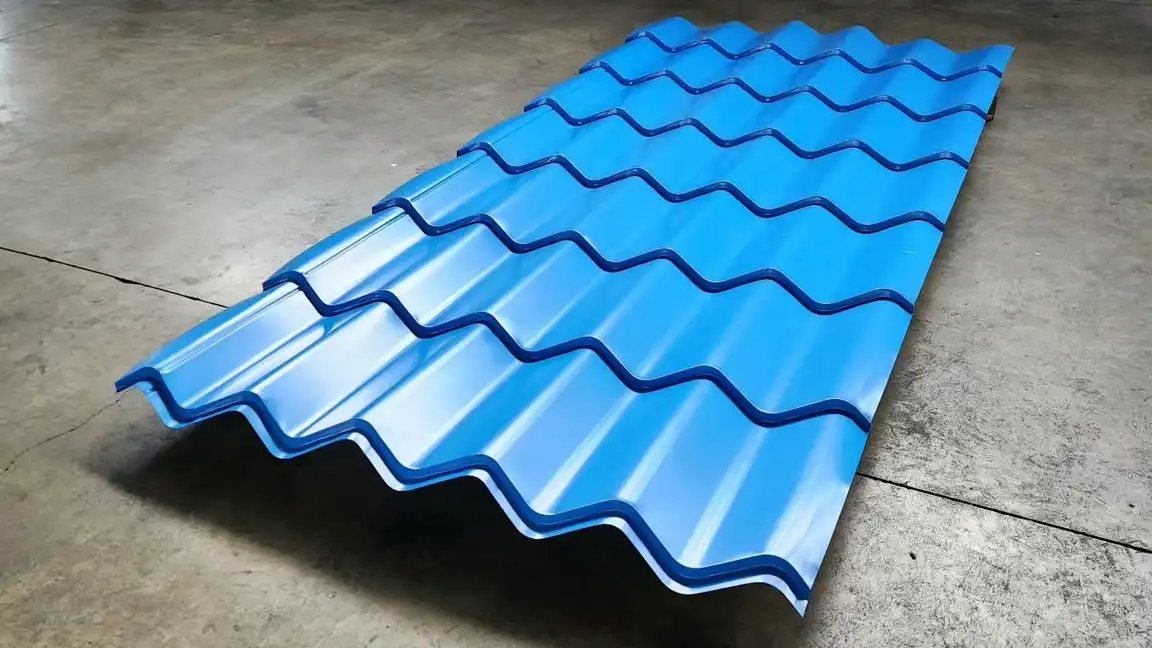
Now that you understand the different steel categories, you need a practical method to pick the right one. Your decision depends on three factors: your roofing profile design, your coil thickness, and your roll forming machine’s capability. How to choose steel coil hardness for roofing sheet manufacturing starts with evaluating these factors together. Each factor interacts with the others, so you cannot make a good choice by looking at any single one in isolation.
Consider Your Roofing Profile Design and Complexity
Your roofing profile shape determines how much the steel must bend during forming. Complex profiles with tight radii, deep corrugations, or intricate tile patterns require excellent formability. Soft or semi-hard steel grades work best for these designs. They bend easily without cracking and hold tight shapes with minimal springback. If you produce residential roofing panels, you likely need softer material. Residential applications prioritize appearance and accurate shape over maximum strength. Homeowners expect clean lines, consistent profiles, and no paint cracking.
Industrial roofing profiles often use simpler trapezoidal or corrugated shapes. These designs do not require extreme bending. You can use harder grades like structural steel or high-strength steel. Industrial buildings need panels that span longer distances between purlins and resist high wind loads. Higher strength gives you that capability. However, even industrial profiles can have deep sections that challenge formability. A deep trapezoidal profile may still require a semi-hard grade to form correctly.
You must evaluate the actual bend angles and depth of your profile. Measure the inside bend radius and compare it to the material’s recommended minimum bend radius. If your profile has tight corners, choose a grade with better elongation and lower yield strength. The more complex the profile, the more you need to favor formability over raw strength.
Evaluate Coil Thickness and Strength Together
You cannot select hardness based on thickness alone. A thin coil does not automatically mean you need hard steel. The relationship between thickness and strength works both ways. A thicker coil of softer steel can provide the same overall stiffness as a thinner coil of harder steel. But forming a thicker coil also requires more force. You must balance these factors.
Consider two options for a roof panel that needs to support a specific load. The first option uses thicker soft steel with lower yield strength. The second uses thinner high-strength steel with higher yield strength. The thin high-strength coil may meet the load requirement while using less material.
However, it demands more from your roll forming machine. The soft steel option is easier to form but uses more material. Your choice depends on material cost, machine capability, and production volume. The forming force needed also increases with the square of thickness. So a small increase in thickness greatly raises the load on your machine. If you already have a powerful machine, you may prefer thicker soft steel. If your machine is older or has limited power, you may need to use thinner, stronger material.
When you specify your coil, always state both thickness and required mechanical properties. Do not assume a thinner gauge must be full-hard. For example, a 0.3 mm coil can be supplied in a soft grade if your profile needs tight bends. Work with your supplier to match thickness and strength to your exact needs. This approach helps you avoid ordering material that is too difficult to form or too weak for the application. Knowing how to choose steel coil hardness for roofing sheet manufacturing means you consider thickness and strength as a pair, not as separate decisions.
Check Your Roll Forming Machine Capability
Your roll forming machine has limits. It can only handle a certain maximum material strength and thickness combination. Before you order high-strength steel, you need to confirm your line can process it.
Before ordering high-strength steel coil, confirm the maximum material strength your roll forming line can process consistently.
Check your machine’s specifications. Look for the maximum tensile strength or yield strength it can handle. Also consider the number of forming stations. More stations spread the forming load gradually, which helps with harder materials. If your machine has few stations, high-strength steel may cause excessive stress on each stand. Roller material and design also matter. Harder steel can accelerate wear on softer rollers. You may need to use hardened tooling or apply lubrication to reduce friction.
Test samples before committing to a full production run. Run a short coil of the proposed grade through your line. Measure the profile dimensions, check for springback, and inspect for paint cracking. If the material forms correctly, you can proceed. If you see problems, you may need to adjust your settings or choose a different grade.
Finally, consider your machine’s age and condition. Older machines may lack the power or precision to handle high-strength steel consistently. Upgrading to a stronger motor or adding forming stations can help. But the simplest solution is often to match your material choice to your existing equipment’s capabilities. Learning how to choose steel coil hardness for roofing sheet manufacturing includes this critical step of verifying compatibility.
Mastering these three factors reduces waste and improves production efficiency. You avoid ordering material that is too hard to form, too soft for the application, or incompatible with your machine. With careful analysis, you can select the right coil for every job.
When Should Roofing Manufacturers Consider G550 Steel?
G550 steel appears frequently in discussions about high-performance roofing. You may wonder whether this material suits your production line. The answer depends on your target market, your machine’s capability, and the profiles you manufacture. Understanding what G550 offers helps you decide if it belongs in your material portfolio.
What Is G550 Steel Coil?
G550 refers to a high-strength steel grade with a minimum yield strength of approximately 550 MPa under relevant specifications. This number places it far above standard commercial steel grades. You will find G550 available in galvanized (GI), Galvalume (GL), and prepainted (PPGI/PPGL) forms. The grade designation appears on mill test certificates alongside other mechanical properties like tensile strength and elongation.
The “G” in G550 stands for galvanized, while the number indicates the minimum yield strength in megapascals. This naming convention helps you compare materials quickly. When you see G550 on a specification sheet, you know the steel will resist permanent deformation up to 550 MPa of stress. That strength level changes how you approach roll forming, profile design, and material selection.
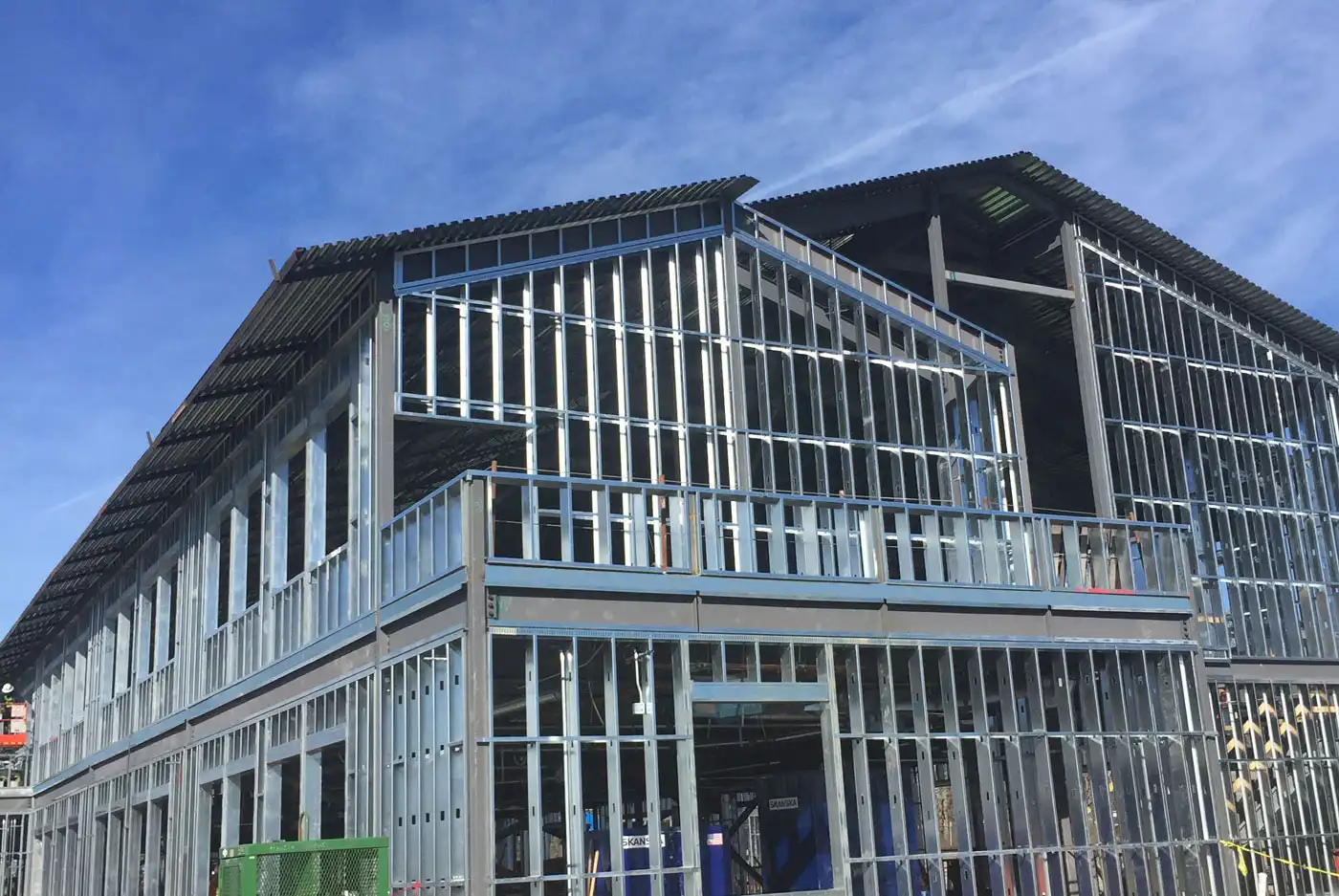
Potential Advantages of G550 for Roofing Sheets
G550 offers several benefits that make it attractive for specific roofing applications:
- Higher strength: G550’s minimum yield strength of 550 MPa far exceeds lower grades, allowing panels to carry heavier loads without permanent bending.
- Weight reduction: The higher grade allows you to use thinner material while maintaining strength. A 0.42 mm G550 sheet can match or exceed the strength of thicker mild steel, reducing overall roof weight.
- Improved span capability: Higher strength improves load-bearing performance across wider purlin spacings, giving designers more flexibility.
- Structural efficiency: You achieve the same structural performance with less material, lowering material costs per square meter.
Some galvanized sheets, such as G550 high-tensile steel, offer extremely high strength suitable for large-span roofing or areas with strong winds and typhoons.
This combination of properties makes G550 particularly valuable for industrial buildings, agricultural structures, and regions prone to severe weather. You can design roofs with fewer supports while maintaining structural integrity. The weight savings also reduce transportation costs and make installation easier for contractors.
Challenges and Machine Compatibility Considerations
G550’s strength creates production challenges you must address before ordering. The material resists bending far more than soft steel. Your roll forming machine must apply greater force at each station. This increased demand can strain motors, gearboxes, and roller bearings beyond their design limits.
Springback becomes a significant issue with G550. The material stores more elastic energy during forming. When the strip leaves the final station, it tries to return toward its flat state. You may need to over-bend the profile slightly so it relaxes into the correct shape. This adjustment requires careful testing and precise tooling modifications.
Coating bending performance also demands attention. The paint or metallic coating must survive the tight bends without cracking. JIS G3312 specifies T-bend test requirements that vary by grade. Higher-strength grades typically require larger internal spacing during bending tests. If your profile has sharp corners, you may need a different paint system or a softer grade.
Machine compatibility is your final consideration. Before ordering G550, confirm your roll forming line can process this material consistently. Check the maximum material strength your machine handles. Verify that your rollers use hardened tooling capable of resisting accelerated wear. Test a sample coil through your full production line before committing to a large order.
WITOP Steel supplies G550 in GI, PPGI, and Galvalume forms. Their product pages list available thicknesses and coating options. You can review the mechanical property tables to confirm the material meets your requirements. Contact their team to discuss your profile design and machine capability before placing an order.
Common Problems Caused by Choosing the Wrong Coil Hardness
Selecting the wrong steel coil hardness creates problems that show up immediately on your production line. Some issues appear within the first few meters of forming. Others develop gradually as your equipment wears. Understanding these failure modes helps you avoid costly mistakes before they happen.
Problem 1: Excessive Springback and Dimensional Inconsistency
Springback occurs when steel tries to return to its original flat shape after bending. Harder materials store more elastic energy during forming. When the strip exits your final forming station, that stored energy releases. The profile relaxes slightly, changing its shape.
You notice the results immediately. Your finished sheets measure wider than your design specifications. Flange angles sit a few degrees off. The profile depth may not match your drawings. These dimensional errors compound across multiple stations. A small deviation at one bend point creates a larger error at the next.
The problem worsens with harder steel grades. A coil with higher yield strength springs back more than a softer grade with the same thickness. You must adjust your roll forming settings to compensate. This often means over-bending the material slightly so it relaxes into the correct shape. The adjustment requires trial and error. You waste material during the setup process.
Dimensional inconsistency also affects your downstream operations. Sheets that vary in width cause problems during stacking and packaging. Panels that do not match the profile drawing create installation difficulties for your customers. They may struggle to align panels correctly on the roof. Gaps appear between adjacent sheets. Fasteners may not align with the purlins underneath.
Problem 2: Paint Cracking During Forming
Prepainted steel adds a coating layer that must survive the bending process. When you choose a coil that is too hard for your profile design, the paint cannot keep up with the deformation. Cracks appear along the bend lines. These cracks expose the bare metal underneath.
PPGI and PPGL products face this risk most directly. The paint system has a finite ability to stretch before failure. JIS G3312 defines T-bend test requirements that specify how tightly a coated sheet can bend without coating cracking. Higher-strength grades require larger internal spacing during bending tests. That means they cannot tolerate tight radii.
Your profile design determines the actual bend radius. A corrugated profile with sharp corners demands more from the coating than a gentle trapezoidal curve. If you pair a high-strength grade with a tight-radius profile, you invite paint cracking. The cracks may not appear immediately. Sometimes they show up days later as the coating continues to relax. Your customers receive sheets that look fine at delivery but develop visible defects after installation.
Problem 3: Roll Forming Machine Overload and Tooling Wear
Harder steel demands more force at every forming station. Your machine must push harder to bend the material. This increased load spreads through the entire system. Motors work harder. Gearboxes strain. Roller bearings carry more stress.
The forming force required rises with material strength and the square of thickness. A small increase in hardness creates a large jump in required force. If your machine was designed for softer material, switching to a harder grade can push it beyond its normal operating range. You may notice excessive vibration in the roll stands. Strip instability can occur during forming. Motor load climbs toward maximum.
Tooling wear accelerates under these conditions. Harder steel acts like an abrasive against your rollers. The roll surfaces wear faster, especially at the bend points. Worn rollers produce inconsistent profiles. You must replace them more frequently, increasing your maintenance costs and downtime.
Your machine settings may also need adjustment. Higher-strength material requires different roll gaps and forming angles. You cannot simply load the coil and run. You must recalibrate your line for each material change. This setup time reduces your productive hours and increases the risk of errors during the transition.
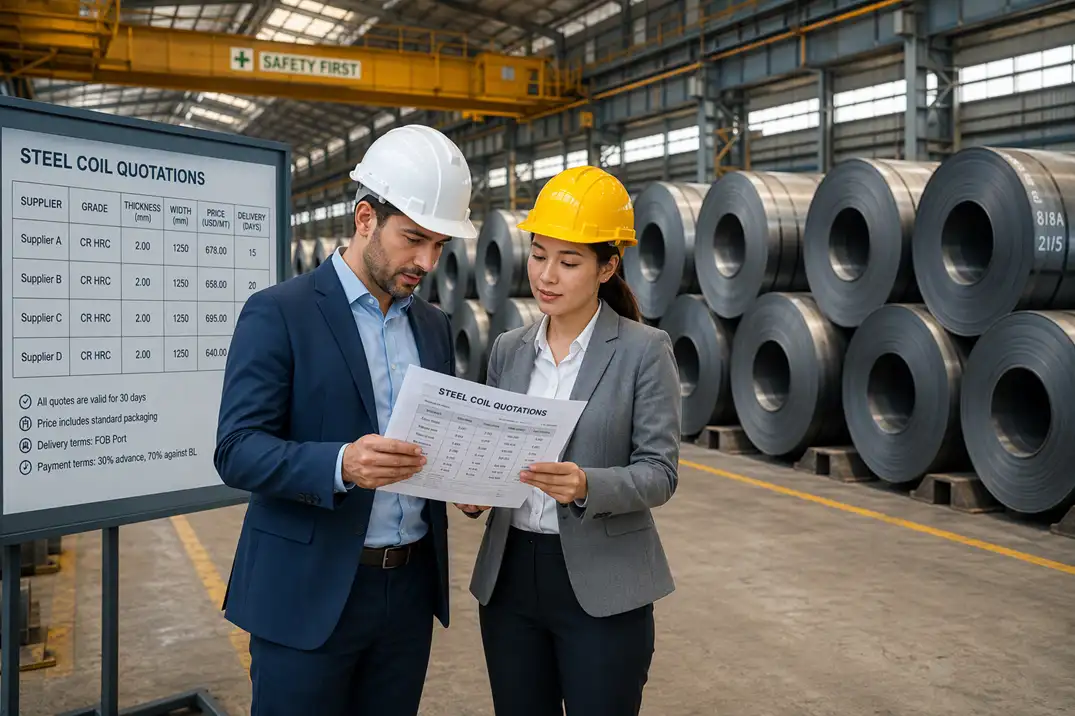
What Specifications Should You Give Your Steel Coil Supplier?
The quality of your finished roofing sheets starts with the information you provide when ordering. A vague request produces uncertain results. You need a clear, complete list of requirements that your supplier can fulfill. This section gives you a practical checklist and explains why mechanical properties matter more than simple hardness labels. Understanding how to choose steel coil hardness for roofing sheet manufacturing begins with communicating the right information.
Essential RFQ Checklist for Roofing Coil Orders
Your request for quotation should include every relevant detail about your material needs. Missing specifications can lead to receiving the wrong coil for your production line. Here are the items you should include:
- Steel type: Specify GI, GL, PPGI, or PPGL depending on your coating and painting requirements.
- Thickness and width: Provide exact dimensions in millimeters or gauge numbers.
- Required grade: Name the grade according to the relevant standard.
- Yield strength: State the minimum yield strength in MPa. This is the most important mechanical property for roll forming.
- Tensile strength: Specify the acceptable range for tensile strength so the material can handle expected loads.
- Elongation: Include a minimum elongation percentage to ensure formability during bending.
- Zinc or AZ coating: Specify the coating weight, such as G60 or G90, to match corrosion resistance needs.
- Paint system: For prepainted coils, state the paint type, thickness, and required T-bend test rating.
- Roofing profile: Describe your profile geometry, including bend radii and depth.
- Roll forming machine capability: Provide your machine’s maximum material strength and thickness limits.
- Application environment: Note whether the roof will face coastal, industrial, or standard conditions.
This checklist ensures you and your supplier share the same understanding. Each item removes ambiguity from the order and helps you avoid costly mistakes.
Why You Should Specify Mechanical Properties, Not Just “Hardness”
Telling your supplier you need “hard material” leads to confusion. Different suppliers interpret that phrase differently. One may send a coil with 300 MPa yield strength. Another may send a coil with 500 MPa strength. Both could call their material “hard.” Your production line may only work well with one of those options.
When sourcing steel coils, procurement officers should check the Mill Test Certificate (MTC) which details mechanical properties such as yield strength, tensile strength, and elongation. This ensures the material meets required performance standards, whereas simply requesting a ‘hard’ material is unreliable and lacks precision.
The MTC gives you verified data. You can confirm that the coil meets your specifications before it reaches your production line. This document removes guesswork and protects your investment.
Structural steel (A1011 SS) is specified whenever guaranteed mechanical properties are required, whereas commercial steel grades have no specified mechanical properties. This illustrates that specifying measurable properties like yield strength ensures the material meets performance standards, unlike vague requests for ‘hard’ material.
Always provide measurable mechanical requirements. State the minimum yield strength. Specify the tensile strength range. Include the elongation requirement. This approach ensures you receive material that matches your roll forming machine and profile design. It also helps you avoid production delays caused by incorrect material.
How WITOP Helps You Confirm Mechanical Properties
WITOP Steel structures its product pages to help you verify specifications before ordering. Each product page lists thickness options, coating types, and available grades. You can find mechanical property data for GI, PPGI, and Galvalume coils. This information allows you to compare your requirements against what WITOP supplies.
The quality inspection pages detail the tests performed on each coil. These include tensile tests, T-bend tests, and impact tests. You can request mill test certificates for your orders. WITOP’s team can help you match a grade to your profile design and machine capability. Rather than guessing, you confirm the material’s properties through documented data.
Learning how to choose steel coil hardness for roofing sheet manufacturing means working with a supplier who provides clear mechanical specifications. WITOP supports this process by making property data accessible and helping you select the right grade for your production needs. Contact their team to discuss your specific requirements and receive material that fits your line.
Choosing the right steel coil hardness means matching mechanical properties to your machine and profile, not picking the hardest option. You need a balanced approach that considers your equipment’s limits, your profile’s complexity, and your final application.
Follow three critical steps. First, understand your roll forming machine’s maximum material strength. Second, analyze your roofing profile’s bend radii and depth. Third, test sample coils before committing to full production.
Before placing your next order, consult your supplier and machine manufacturer to validate your specifications. For detailed mechanical property data and grade options, contact WITOP Steel for expert guidance.
FAQ
Is harder steel always better for roofing sheets?
No. The right mechanical properties depend on your profile design, coil thickness, roll forming equipment, and final application. Harder steel offers higher strength but creates forming difficulties. Softer steel forms easily but may lack rigidity. Match the material to your specific production requirements rather than choosing the hardest option.
What is the difference between G550 and soft steel?
G550 has a minimum yield strength of approximately 550 MPa. Soft steel grades have much lower yield strength. G550 resists bending and springback significantly more. Soft steel forms easily with less machine load. Your choice depends on whether you prioritize formability or final structural strength.
Can high-strength steel cause problems during roll forming?
Yes. High-strength steel requires greater forming force at every station. It increases springback, which affects profile dimensions. It also accelerates tooling wear and may overload your machine’s motor. Paint cracking becomes more likely on prepainted products. Always test a sample coil before committing to full production.
Should I specify hardness or yield strength when buying roofing coil?
Specify yield strength. Hardness measures surface resistance to indentation. Yield strength tells you when permanent deformation begins. For roll forming, yield strength controls springback, forming force, and final profile accuracy. Provide your supplier with minimum yield strength, tensile strength range, and elongation percentage in your RFQ.
How can I test the mechanical properties of a steel coil?
Request a Mill Test Certificate from your supplier. This document lists yield strength, tensile strength, and elongation values measured during production. You can also perform your own tensile test on a sample. For prepainted coils, conduct a T-bend test to verify coating flexibility matches your profile requirements.
What thickness should I use for high-strength steel roofing sheets?
Thickness and strength work together. High-strength steel like G550 allows you to use thinner material while maintaining structural performance. A 0.42 mm G550 sheet can match the strength of thicker mild steel. However, thinner material may require more forming stations and precise machine settings. Test samples to confirm your line can handle the combination.