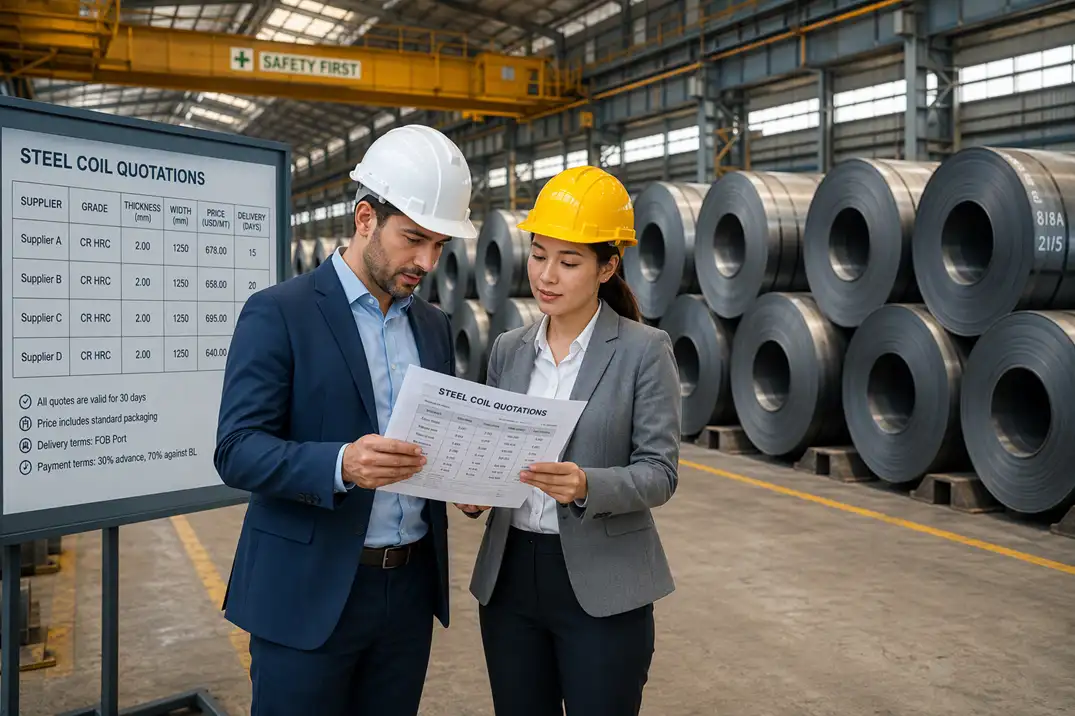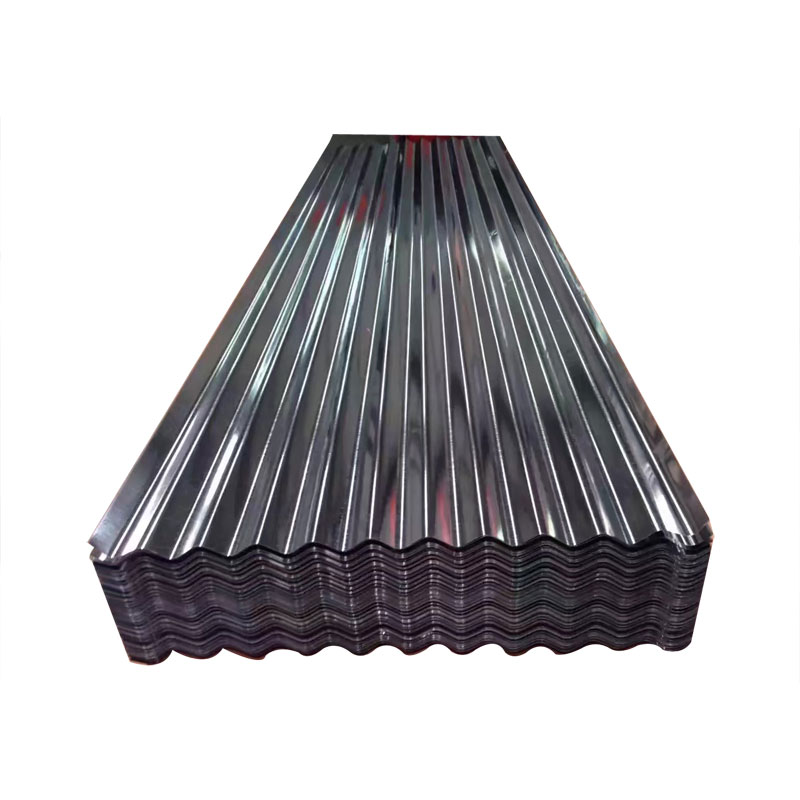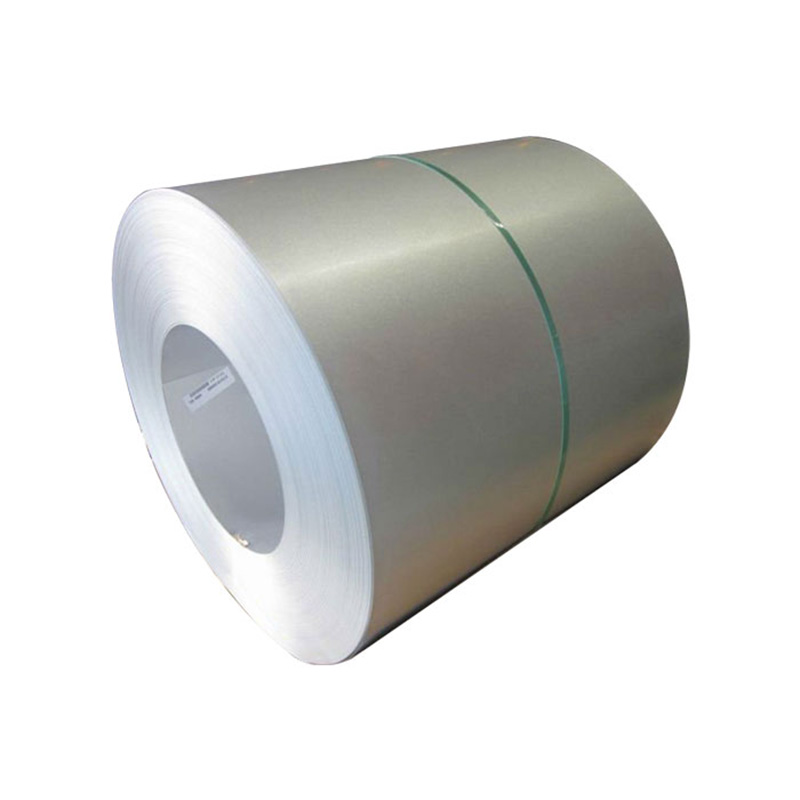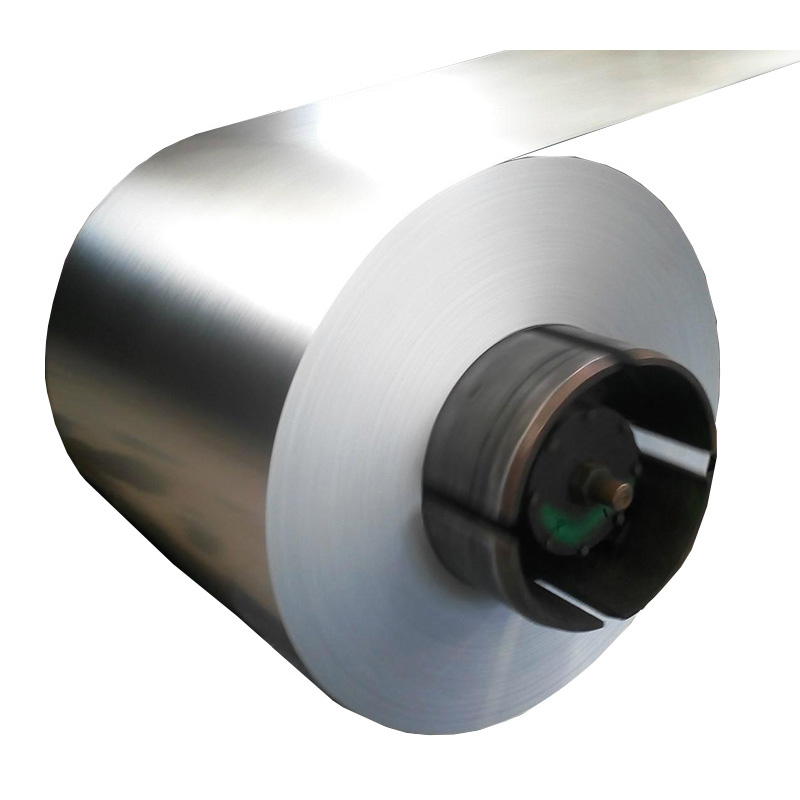
You face hard problems when you ship steel coil packaging across the ocean. If you pick the wrong packaging, your coils might get damaged. This can also cause higher costs and safety problems. The table below shows how bad packaging can hurt your business:
| Impact Type | Effect on Customer Satisfaction and Claim Rates |
|---|---|
| Risk of Coil Damage | Goes up by as much as 40% because of poor packaging |
| Operational Cost Increase | Can raise costs by up to 20% due to fixing problems and claims |
| Safety Hazards | Makes handling and transport more dangerous |
You need Packaging Solutions for Ocean Shipping that fit your coil’s size, weight, and position. Focus on keeping the coil steady, protected, and easy to handle to keep your shipments safe.
Key Takeaways
- Pick packaging that fits the coil’s size and weight. This helps stop damage.
- Use materials that do not rust. These protect coils from water and salt.
- Hold coils in place with strong straps and cradles. This keeps them from moving.
- Choose vertical or horizontal packing. This makes coils stable and saves space.
- Follow shipping rules from other countries. This helps you avoid fines and delays.
- Use dunnage and blocking. These keep coils steady while they are moved.
- Buy good packaging. This lowers damage and saves money.
- Plan packaging so it is easy to handle and store.
Coil Size and Weight Considerations
Assessing Coil Dimensions
When shipping steel coils, size and weight matter a lot. Bigger coils need stronger packaging and support. This keeps them safe during ocean travel. Hot-rolled steel coils usually need less protection. They can stay open to weather but need strong support and simple straps to hold them. Cold-rolled steel coils need more care. You must use materials that resist moisture, protective oil coatings, and many straps to stop damage.
| Type of Steel Coil | Packaging Characteristics |
|---|---|
| Hot-Rolled Steel Coils | Little protection, often open to weather, focus on strong support with few straps. |
| Cold-Rolled Steel Coils | Full packaging with moisture-proof materials, protective oil, and many straps to avoid damage. |
Knowing these differences helps you pick the right packaging for the coil type and size. This lowers damage risk and meets ocean shipping rules.
Handling Challenges of Heavy Coils
Heavy steel coils cause special problems when shipped by sea. Their weight makes loading, securing, and unloading harder. You must plan well to prevent accidents and damage. Here are some common problems:
- Steel is valuable and can get damaged by rough handling, water, and moisture.
- Heavy weight makes storing and securing inside containers or ships tricky.
- Wrong storage can hurt the ship’s hull and the cargo.
- Bad weather, leaking covers, or poor ventilation can cause damage during the trip.
- Damage can also happen before loading, during storage, or while moving the cargo.
To fix these problems, use strong support structures. Heavy-duty cradles made from wood or steel work best for coils up to 30 tons. These cradles stop coils from rolling and spread the weight evenly. Use timber or steel beams to connect floor cross-members for extra strength and stability.
Tip: Always block and brace coils tightly. Lash them with steel chains or straps and use wooden chocks to stop rolling during the trip.
Bad packaging can cause big problems. Rain, salt spray, or humidity can cause rust spots on coils. Poor securing or packaging can cause edge damage like cracks and burrs. If you stack coils wrong or use weak pallets, coils may tilt or change shape, ruining their value.
By knowing how coil size and weight affect packaging and handling, you can protect your cargo better. This lowers damage, cuts costs, and helps your steel coils arrive safely.
Packaging Solutions for Ocean Shipping: Materials and Securing
Common Packaging Materials
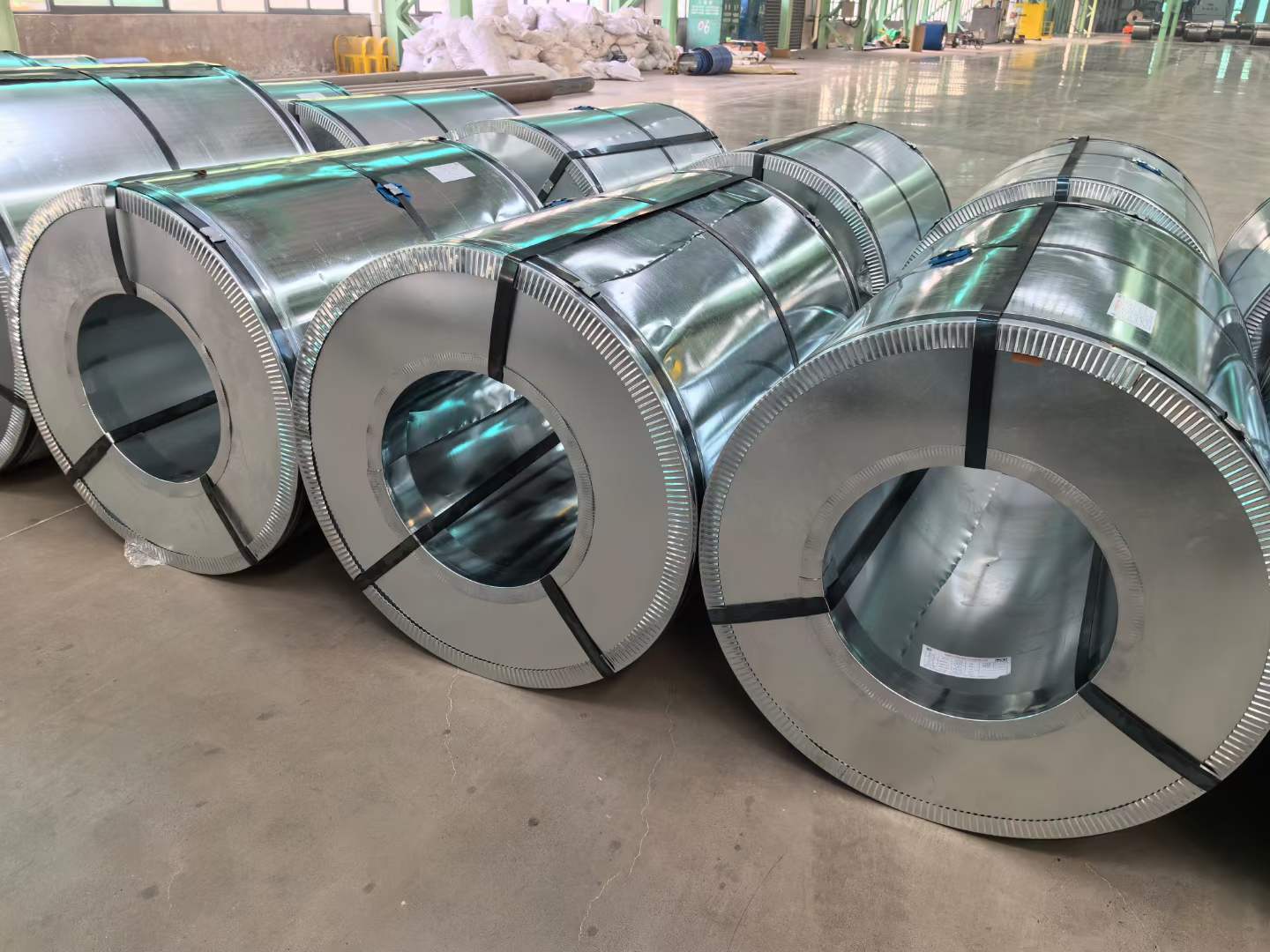
Picking the right packaging materials is very important to protect steel coils during ocean shipping. You need materials that stop moisture, saltwater, and damage. The table below shows common packaging materials, what they do, and how they work in marine conditions:
| Packaging Material | Function | Performance Under Marine Conditions |
|---|---|---|
| Rustproof Paper | Wraps coils to stop rust | Keeps moisture and oxygen away, protecting steel from damp air |
| Steel Straps | Holds coils tightly during transport | Very strong and good for heavy loads |
| PET Straps | Eco-friendly way to hold coils | Flexible and shock-resistant, works well in many conditions |
| Pallets | Base for stacking and moving coils | Must meet rules to reduce moisture contact |
| Corner Guards | Protects coil edges from getting bent | Stops damage from strap pressure |
| Foam Pads/Cardboard Cushions | Soaks up shocks and stops scratches | Helps protect coils during handling and shipping |
| PE Liners | Moisture barrier placed under coils when loading | Helps keep moisture out during shipping |
| Desiccant Packs | Absorbs moisture inside the container | Lowers humidity around the coils |
| Aluminum Foil Composite Bags | Adds extra sealing to block moisture | Gives better protection against ocean conditions |
| VCI Film | Stops corrosion actively | Keeps steel rust-free for over 6 months in humid places |
| Stretch Film | Strong barrier against holes and salt spray | Protects coils from damage during shipping |
You should wrap coils with rustproof or waterproof paper to block moisture and air. This helps stop rust during long sea trips. Adding thick cardboard or foam pads cushions the coils. These materials soak up shocks and keep the steel surface smooth and scratch-free.
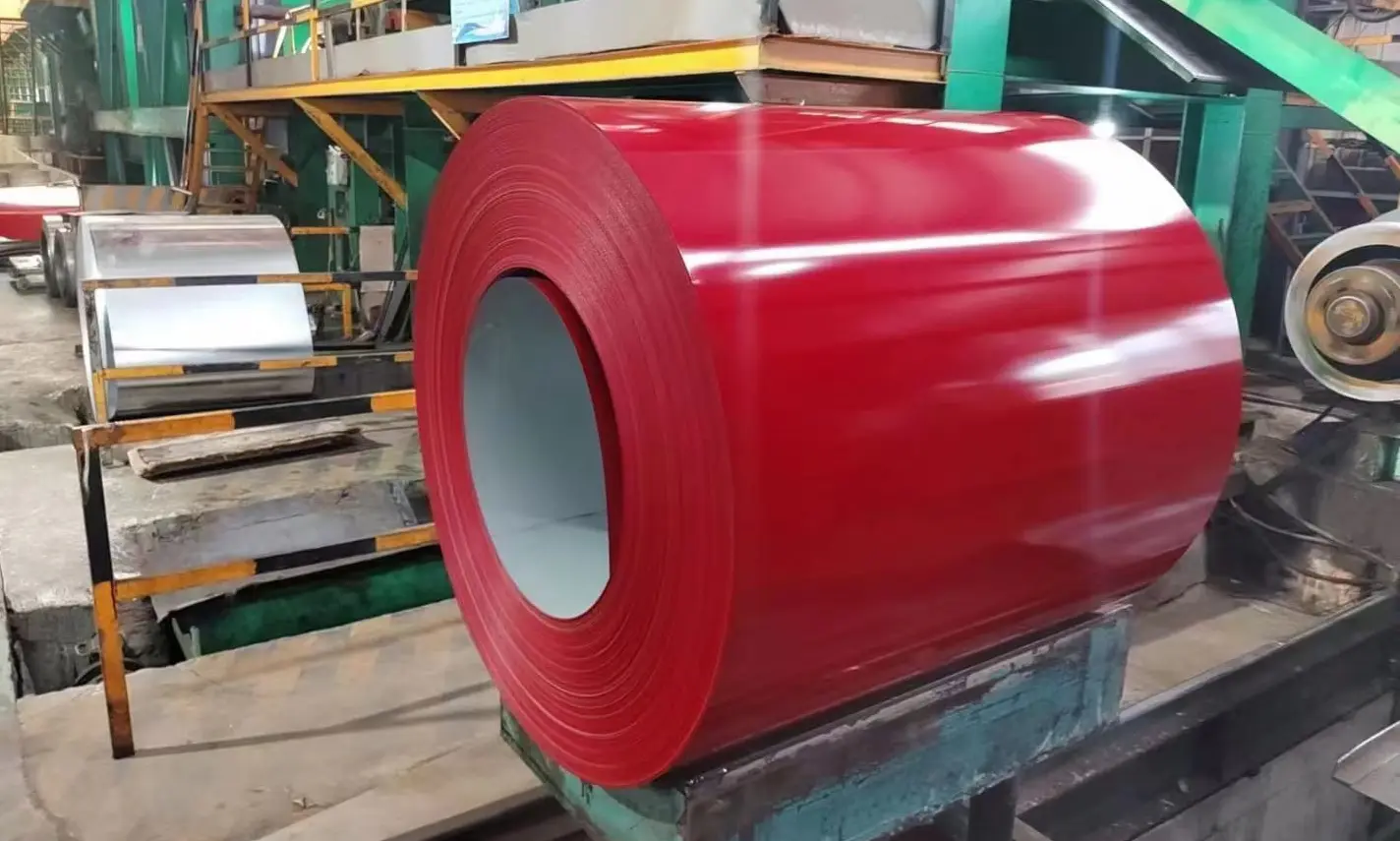
Using VCI film with automatic stretch wrapping makes a tight, anti-rust cover around the coils. This keeps steel rust-free for more than six months, even in salty, wet ocean air. The film stops corrosion while the stretch wrap forms a strong physical shield. This combo is very important for long ocean shipping.
Securing Techniques
Good securing methods keep steel coils steady and safe during ocean travel. You must stop coils from rolling, sliding, or moving inside containers or on ships. Here are key ways to do this:
- Strapping and Banding: Use steel or PET straps to hold coils tight. Steel straps are very strong for heavy loads. PET straps are flexible and shock-proof. Both stop coils from unrolling or shifting. Rules say you need one tie-down for every 10,000 pounds of coil weight to be safe.
- Pallets and Cradles: Put coils on strong pallets that control moisture. Heavy wooden or steel cradles stop coils from rolling and spread weight evenly. These supports protect the ship and the cargo.
- Corner Guards and Cushions: Use corner guards to protect coil edges from strap pressure. Foam pads or cardboard cushions soak up shocks during handling and shipping.
- Blocking and Bracing: Secure coils with wooden blocks, wedges, and braces to stop movement. Lash coils with steel chains or tight straps. Check tie-down gear often to keep it strong during the trip.
Note: If steel coils are not secured well, they can move suddenly and cause accidents or damage. Securing loads is a very important safety job.
By using these securing ways with rust-proof packaging materials, you make Packaging Solutions for Ocean Shipping that protect steel coils from moisture, salt spray, and damage. This lowers damage risk, cuts claims, and helps deliveries succeed.
Packaging Orientation: Vertical vs. Horizontal
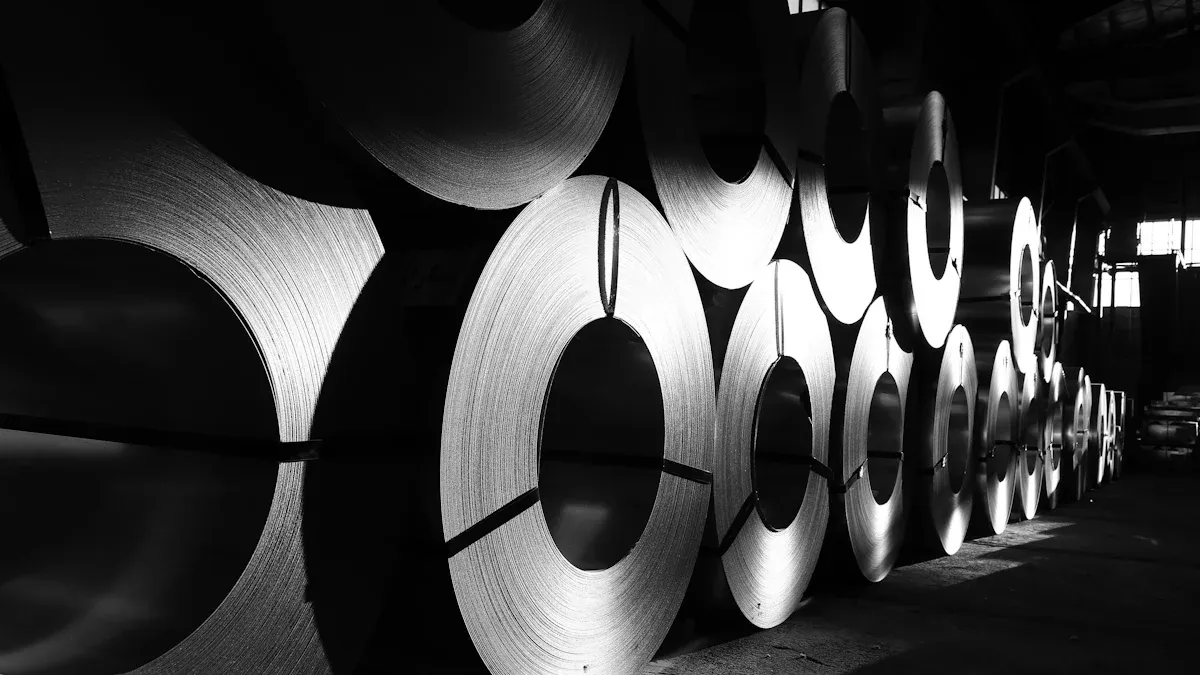
Picking the right way to pack steel coils is important for ocean shipping. You need to think about how to keep the coils steady. You also need to think about how much space they use. There are two main ways to pack coils: vertical and horizontal. Each way has good and bad points.
Vertical Packaging Benefits and Drawbacks
When you stand steel coils up, that is vertical packaging. This way helps you save space in the factory. You can fit more coils in a small area. You do not need as much storage inside. Vertical packaging can make moving coils easier and safer. You do not have to move the coils as much. The table below shows the main good and bad points:
| Benefits | Drawbacks |
|---|---|
| Reduced handling | Stability concerns during transport |
| Increased transportation efficiency | Securing coils can be challenging |
| Improved safety | |
| Reduced dependence on inside storage | |
| Reduced storage area footprint requirements |
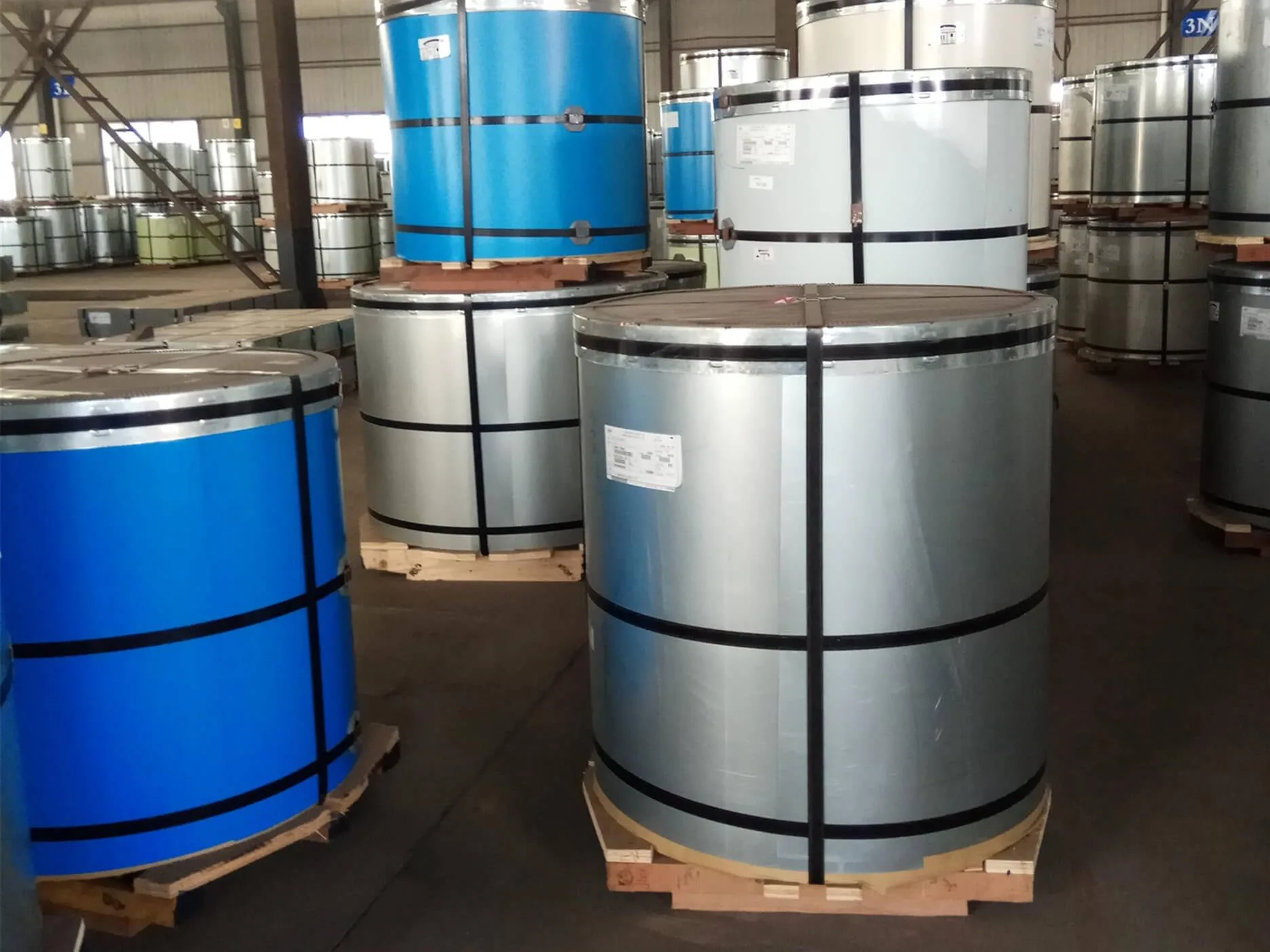
Vertical coils can fall over if you do not secure them well. You may need extra steps to keep them steady, especially in rough seas. Water can get inside the coils more easily. You must use good moisture protection.
Horizontal Packaging Benefits and Drawbacks
Horizontal packaging means you lay the coils on their sides. This way gives better stability, especially for heavy coils. You can cover the whole coil to protect it from water and salt. You need more space along the floor for this way. You can move coils faster and handle more at one time.
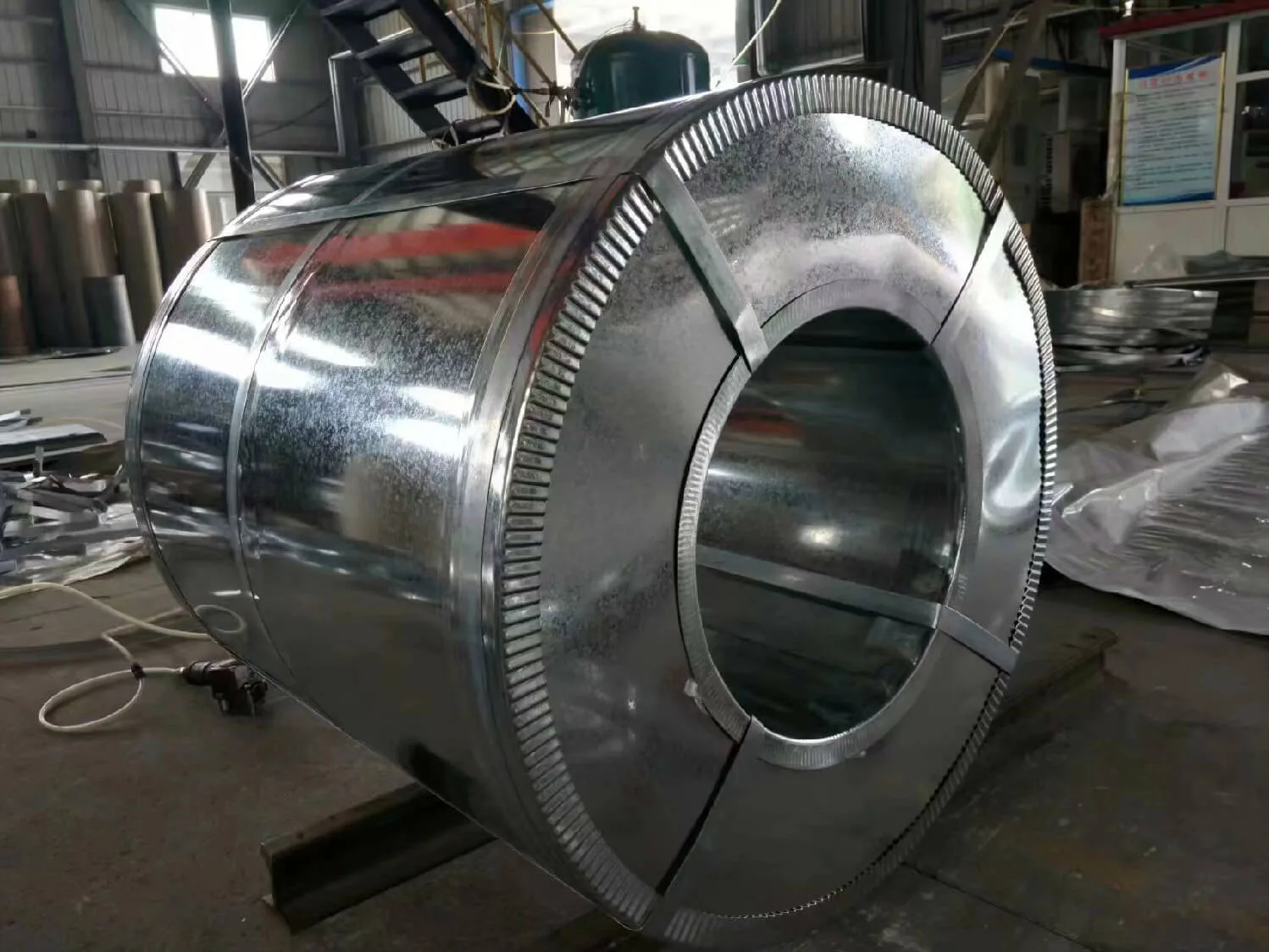
Here are some main points about horizontal packaging:
- Heavy coils stay steadier.
- You can cover the whole coil to keep out water.
- You need more floor space.
- You can move and handle coils faster.
Tip: If your coils are very heavy or need strong water protection, horizontal packaging is often best.
Comparing Vertical and Horizontal Orientations
- Vertical packaging saves floor space and makes storage easier. You must secure the coils well so they do not fall over.
- Horizontal packaging gives better stability and water protection. You need more space, but you can move coils faster.
Pick the way that fits your shipping needs, space, and how you want to handle the coils. Both ways can work well if you use the right support and protection.
Stability in Ocean Shipping

Securing Coils Against Movement
It is very important to keep steel coils steady during ocean shipping. Coils are heavy and can move when the ship rocks. Rough seas can cause sudden shakes that might break straps or cables. If coils roll or slide, they can hurt the ship, other cargo, or cause accidents. You must tie down coils tightly to stop these problems.
To secure coils well, use these main methods:
- Chocking and Blocking: Put wooden or steel blocks to stop coils from rolling or sliding inside containers or on the ship’s deck.
- Strapping and Lashing: Wrap strong steel or PET straps tightly around coils. Tie them firmly to the ship or container floor.
- Cradle Systems: Use special cradles that hold coils firmly and spread their weight evenly. This stops damage to the container floor.
It is important to spread the load properly. For example, an 8-ton coil in a 20-foot container with a 28,300 kg limit needs dunnage that spreads weight over at least 1.67 meters. This keeps the container floor safe and the load steady.
Protect coil edges with corner guards to stop strap damage. Add foam pads to absorb shocks and vibrations during the trip. Use waterproof covers or tarps to keep coils safe from moisture and salt spray. This lowers rust risk.
Follow rules like the U.S. Department of Transportation (DOT) and international laws like the IMDG Code. Industry groups like the American Iron and Steel Institute (AISI) also give good advice.
Use of Dunnage and Blocking
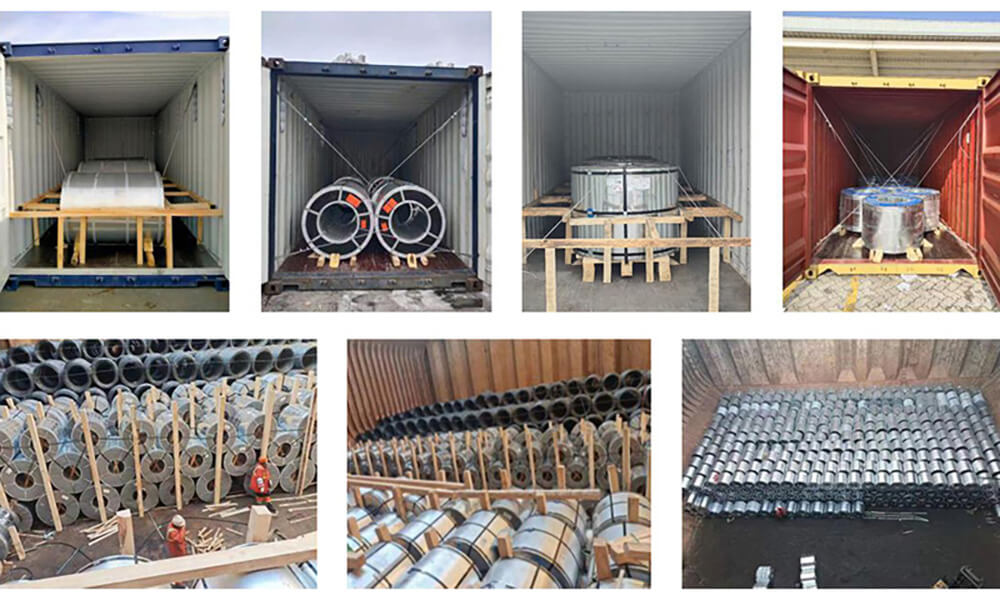
Dunnage is very important for coil stability. It makes a steady surface between the coil and the ship or container floor. Wood dunnage spreads the coil’s heavy weight evenly. This stops pressure points that could hurt the floor or make the coil move.
High-friction surfaces, like rubber-lined laminated veneer lumber (LVL), work well for steel coils. These surfaces help grip and stop sliding in rough seas. Blocking points made by dunnage stop coils from moving forward, backward, or sideways when the ship moves.
Here are some benefits of dunnage and blocking:
- Spreads heavy loads to protect container floors.
- Gives friction to stop coil movement.
- Creates strong blocking points to keep coils from shifting in rough seas.
Ships move a lot in rough seas. Without good blocking and dunnage, coils can roll out of control. This can badly damage the ship’s hull, other cargo, and the coils. In serious cases, it can even hurt the ship’s balance.
Check blocking and securing gear often during loading and travel. Tighten straps and change broken dunnage when needed. Doing this helps keep your steel coils safe and your shipment successful.
Tip: Always plan where to put dunnage and blocking before loading. Good planning lowers risks and protects your valuable cargo.
Handling and Storage Efficiency
Packaging for Handling Ease
You need packaging that makes loading steel coils easy. It should also make unloading safe. Strong supports help protect the coil. They also make moving the coil easier. ARCON containers are good for this job. These containers have floors that can hold heavy coils. V-shaped beds keep the coils from rolling. Reliable strapping systems stop the coils from shifting. You can open the doors all the way. You can also remove parts for quick access. Cranes and special forklifts work well with these containers. This makes moving coils simple. Intermodal containers let you use road, rail, and sea transport. This saves time and keeps your shipment safe.
Tip: Pick packaging that matches your handling tools. This helps prevent accidents and makes the process faster.
Space Optimization
You want to use all the space in your container. Good Packaging Solutions for Ocean Shipping help you stack coils safely. Follow these steps:
- Put heavy and big coils at the bottom. This keeps stacks stable and protects lighter coils.
- Use coil stoppers, wedge blocks, or cradles to stop shifting.
- Do not stack shapes that do not fit together. This keeps stacks steady and stops pressure points.
- Watch how tall your stacks are. Stacking too high can cause damage or make the load unsafe.
| Space Optimization Strategy | Benefit |
|---|---|
| Heavy coils at the bottom | Stability and protection |
| Coil stoppers and cradles | Prevents shifting |
| Avoid incompatible shapes | Reduces pressure points |
| Monitor stack height | Prevents over-stacking |
Think about how long your coils will be stored. Also think about the climate at your destination. If coils stay in storage for a long time, use packaging that keeps them dry. This helps stop rust. In tropical or coastal places, add extra waterproof layers. For air freight, use materials that are light but still strong.
- Think about climate and how long shipping takes.
- Add waterproofing for humid or coastal places.
- Use strong but light materials for air shipments.
Note: Planning your packaging for handling and storage helps you avoid damage. It also keeps your steel coils in good shape.
Smart packaging and stacking make loading and storage easier. They also protect your coils and save space. This gives you safer and better ocean shipments.
Cost and Compliance
Cost Considerations
You need to think about cost and protection when picking packaging for steel coils. If you use cheap materials, you might save money at first. But bad packaging can cause damage and cost more later. Good packaging costs more but gives you many benefits.
- Automated packaging saves time and lowers labor costs.
- Your coils stay safer, so there are fewer complaints.
- You follow international rules and avoid extra costs.
Good Packaging Solutions for Ocean Shipping help you avoid big problems. For example, if straps break, coils can get damaged. This can lead to claims that cost up to $10,000. Rust stains can make your customer send back the whole shipment. If you have many claims, your insurance price can go up. Good packaging helps stop these problems and keeps costs low.
Tip: Spending a bit more on good packaging can save you a lot by stopping damage and claims.
Shipping Standards and Regulations
You must follow important rules when shipping steel coils by ocean. These rules keep your cargo safe and help you avoid fines or delays. Heavy steel coils need blocking and bracing to stop them from moving. The CTU Code gives rules for securing heavy cargo. If you follow these rules, you protect your shipment and the ship.
Here are some main standards and rules you should know:
| Standard/Regulation | Description |
|---|---|
| ISO Standards | Rules for packaging materials, testing, loading, and securing cargo. |
| ISPM 15 | Rules for wood packaging to stop pests. |
| CTU Code | International rules for securing heavy cargo during shipping. |
You should also:
- Check the import rules for the country you ship to.
- Label your packaging with the country of origin and handling signs.
- Make sure your documents, like packing lists and invoices, are correct.
If you do not follow these rules, you could have damaged products, insurance claims, customs delays, fines, and a bad business reputation.
Good steel coil packaging means you pick the right strap size, edge protection, and joint strength. This keeps your coils safe and steady. When you follow the rules and use good packaging, you lower the risk of damage and claims. You also help your shipment arrive on time and keep your customers happy.
You can deliver coils better when you pick the right packaging. The packaging should fit the coil’s size, weight, and how it is placed. Big coils need stronger packaging to stay steady. Smaller coils let you stack them in more ways. If you make sure the coils are steady and safe, you will have less damage. This also helps you spend less on shipping.
- Using better packaging means less damage and less waste.
- Strong materials protect coils and keep them in good shape.
- Smart packaging lets you use space well and save on shipping.
Always think about things like wet air, saltwater, and how long the trip takes. Good packaging keeps your coils safe and makes your customers happy.
FAQ
What is the most important factor when choosing steel coil packaging for ocean shipping?
You need to think about coil size and weight. Stability is also very important. Good packaging keeps out water, salt, and protects from rough handling.
How do I prevent rust on steel coils during ocean transport?
Wrap coils with rustproof paper and VCI film. Use waterproof wraps too. Put desiccants inside containers to soak up moisture and stop rust.
Should I pack steel coils vertically or horizontally for ocean shipping?
Pick vertical packaging if you want to save space. Choose horizontal if you need more stability and water protection. Match your choice to coil weight and how you will move them.
How do I secure heavy steel coils inside containers?
Use strong steel or PET straps to hold coils tight. Add wooden blocking and cradles for extra support. Tighten straps often and use corner guards to protect the edges.
What packaging materials work best against saltwater exposure?
PE liners, aluminum foil composite bags, and VCI film work well. These materials block salt spray and keep out moisture.
How can I optimize container space when shipping steel coils?
Put heavy coils at the bottom of the stack. Use coil stoppers to keep them in place. Do not stack shapes that do not fit together. Watch stack height to keep loads safe.
What are the risks of poor steel coil packaging in ocean shipping?
Bad packaging can damage coils and cause rust. It can lead to accidents, higher costs, and late shipments. Claims go up and customers are less happy.
Are there international rules I must follow for steel coil packaging?
Yes. You must follow ISO standards, ISPM 15 for wood, and the CTU Code for cargo. These rules help keep your shipment safe and legal.