You face many common steel trade problems with supplier, including material shortages, unpredictable demand, excess supply, and price swings. These challenges can disrupt your project timelines and make profit forecasting in the steel industry difficult. Changes in steel prices often affect your costs and can force you to delay projects or choose different materials. In the global steel trade, supply disruptions and rising production costs can quickly impact your business stability and profitability.
Key Takeaways
- Material shortages can delay projects and increase costs. Monitor supply chain issues to spot early warning signs.
- Demand fluctuations complicate procurement. Use long-term contracts to stabilize prices and mitigate risks.
- Excess capacity in the steel industry leads to falling prices. Track production rates to avoid operational inefficiencies.
- Shipping delays can disrupt your supply chain. Use digital tools to track shipments and improve delivery reliability.
- Rising energy and input costs create budgeting challenges. Negotiate contracts with escalation clauses to manage financial risks.
- Inconsistent quality in steel shipments can lead to extra costs. Inspect every shipment to ensure compliance with specifications.
- Clear communication with suppliers is essential. Regular updates help prevent misunderstandings and missed deadlines.
- Diversifying suppliers and using digital tools can enhance supply chain management. These strategies help reduce risks and improve reliability.
Common Steel Trade Problems with steel supplier
You encounter many challenges when working with steel suppliers. The most common supplier problems in steel trade include material shortages, demand fluctuations, and excess capacity. These issues affect your procurement process and disrupt business operations. You need to understand how each problem impacts your supply chain management and supply chain reliability.
Material Shortages
Material shortages create serious supply chain problems for your business. You may struggle to secure enough steel for your projects, especially during periods of high consumer demand for steel. Shortages can delay production and force you to pay higher prices. You must recognize the causes and warning signs to protect your supply chain strategy.
Causes of Shortages
Many factors contribute to material shortages in the steel industry. Tariffs, geopolitical tensions, and transportation delays disrupt supply chains. Shifting demands increase the risk of shortages and impact project timelines. You also face challenges from raw material shortages, such as semiconductors, lithium, and rare earth metals. These shortages hamper production and increase manufacturing costs.
The combination of increased steel production and lower steel demand left steel producers with warehouses filled with unsold product. Inventory accumulation occurred both in the United States and across the globe. For example, steel inventories in China hit a 13-month high in April 2022.
Raw material shortages, such as semiconductors and rare earth metals, have slowed production. The global semiconductor industry has operated at over 95% capacity since 2020. Limited suppliers dominate the market. Lumber prices surged by 300% since 2020, raising manufacturing costs for construction projects and affecting steel procurement and production timelines.
- Tariffs, geopolitical tensions, and transportation delays contribute to disruptions in steel supply chains.
- Shifting demands impact project timelines and costs, both in the short and long term.
- These challenges create frustrations for industrial fabricators and manufacturers.
Early Warning Signs
You can spot early warning signs of shortages by monitoring supply chain issues and supplier communication. If suppliers delay shipments or change delivery dates, you may face supply chain problems. Rising prices and longer lead times signal material shortages. You should track inventory levels and watch for sudden changes in demand. You can use a multi-sourcing strategy to reduce risks and improve supply chain management.
Demand Fluctuations
Demand fluctuations present ongoing challenges in the global steel trade. You may see sudden spikes or drops in demand, which complicate procurement and contract negotiations. These swings force you to adjust your supply chain management and pricing strategies.
- Demand fluctuations lead to price changes in steel, affecting procurement decisions and contract terms.
- Long-term contracts can stabilize prices and mitigate risks from short-term volatility.
- Diversifying suppliers helps manage risks associated with price fluctuations.
You must respond quickly to changing demand to avoid shortages or excess inventory. You can use supply chain management tools to track demand and adjust your supply chain strategy. Demand swings also impact your ability to forecast costs and profits.
Excess Capacity
Excess capacity is a structural issue in the steel industry. You may see producers with more steel than buyers need. This imbalance leads to falling prices and industry losses during business slowdowns. Excess capacity reduces operational efficiency and limits pricing power.
Excess capacity in the steel industry has become a persistent issue that undermines the financial sustainability of producers. This overcapacity limits their ability to set prices effectively, leading to reduced profitability and operational efficiency.
| Impact of Excess Capacity | Description |
|---|---|
| Falling Prices | Excess capacity leads to cyclically falling prices, affecting profitability. |
| Industry Losses | Overcapacity results in industry losses during business slowdowns. |
| Weak Pricing Power | Constrains pricing power, reducing financial sustainability. |
| Operational Inefficiencies | Leads to reduced operational efficiency and profitability. |
- Excess capacity is a structural issue, not just a temporary imbalance.
- Lower capacity utilization increases costs per unit, reducing profit margins.
- Higher utilization rates are necessary for maintaining profitability and investment.
You must monitor supply chain issues and adjust your supply chain strategy to avoid excess capacity. You can improve supply chain management by tracking production rates and market demand. These challenges affect your ability to maintain profitability in the global steel trade.
The most common supplier problems in steel trade include shortages, demand swings, and overcapacity. These challenges impact procurement, supply chain reliability, and business operations. You need to address supply chain problems with proactive supply chain management and a multi-sourcing strategy.
Steel Supply Chain Issues
Steel supply chain issues create major challenges for your business. You must manage disruptions, rising costs, and operational risks to keep your projects on track. These challenges complicate sourcing and delivery, making it harder to meet deadlines and control budgets.
Supply Chain Disruptions
Supply chain disruptions affect steel trade every year. You see material shortages, factories struggling to meet demand, and increased prices. These disruptions often last several weeks or months, depending on the cause.
Global Supply Interruptions
Global supply interruptions happen when demand rises quickly or supply chains rebuild after a crisis. You may face shortages because factories cannot operate at full capacity. Increased prices result from these supply chain challenges.
- Material shortages due to increased demand and supply chain rebuilding after the pandemic
- Inability of factories to meet heightened demand as they operate at higher capacities
- Increased prices resulting from the culmination of supply chain issues
Supply chain disruptions lead to significant delays in steel deliveries. You experience reduced product availability and higher prices, which impact customer satisfaction.
- Delayed deliveries due to logistical bottlenecks
- Reduced product availability from raw material shortages
- Increased prices impacting customer satisfaction
Production Delays
Production disruptions cause steel supply chain issues. Machinery failures and labor shortages lead to delays. You must monitor production schedules and communicate with suppliers to avoid unexpected setbacks.
Rising Energy and Input Costs
Rising energy and input costs create new steel supply chain issues. You see raw material volatility, fuel cost pressure, logistics fluctuations, and import uncertainties. Tight inventory positions and demand recovery across sectors add to these challenges. The increase in HR coil prices by ₹3,500 per tonne shows how dynamic the cost environment is. Companies adapt by shifting to strategic sourcing models and focusing on long-term supplier partnerships.
You negotiate contracts with escalation clauses to manage financial risks from price volatility. These clauses allow for adjustments based on significant changes in underlying costs. They help you handle cost uncertainties, especially for long-term projects.
Operational Risks
Operational challenges threaten steel supply chain issues. You face manufacturing risks, compliance risks, procurement risks, and more. Equipment failures and labor shortages cause production delays. Dependence on a limited number of suppliers creates vulnerabilities.
Strikes and Labor Issues
Strikes can halt production and disrupt supply chains. Workers demand better conditions, and companies invest more in workforce development. Salary pressures from rising wage demands increase operational costs. Resurgence in labor organizing leads to negotiations that disrupt supply continuity. Labor issues cause significant disruptions, leading to increased costs and customer dissatisfaction.
Vessel and Port Shortages
Vessel and port shortages add to steel supply chain issues. You struggle to secure shipping space, which delays deliveries. These logistical and operational risks make it harder to maintain supply reliability.
| Risk Type | Description |
|---|---|
| Supply Chain Challenges | Issues with raw material availability can disrupt production and affect supply reliability. |
| Increasing Operational Costs | Rising costs can strain budgets and impact the ability to maintain consistent supply levels. |
| Compliance Risks | Legal issues from contract breaches can lead to disruptions in supply and affect reliability. |
| Cyber Risks | IT disruptions can halt procurement processes, impacting the reliability of supply chains. |
| Geopolitical Risks | Changes in trade regulations can lead to sudden supply disruptions and increased costs. |
| Environmental Risks | Natural disasters can threaten operations, leading to interruptions in supply continuity. |
You must address steel supply chain issues with proactive management. Monitor risks, diversify suppliers, and plan for operational challenges. These steps help you reduce disruptions and improve supply reliability.
Price Volatility and Cost Risks
Steel Price Fluctuations
You face constant challenges from steel price volatility. Prices change quickly due to global supply and demand, energy costs, and trade policies. Infrastructure projects and renewable energy initiatives drive demand higher. The shift to electricity-based smelting and carbon credits increases production costs. Circular economy trends push suppliers to use more scrap metal, which affects pricing. Trade policies like Carbon Border Adjustment Mechanisms add new layers of complexity.
- Global supply and demand changes
- Energy costs and carbon credits
- Raw material dynamics and circular economy
- Trade policies and import costs
- Economic resilience and delayed projects
You see price and currency volatility in the steel market. The table below shows how steel prices changed over the past decade:
| Date | Hot Rolled Ban ($/ton) | Cold Rolled Coil Steel ($/ton) | Plate Steel ($/ton) |
|---|---|---|---|
| 9 Mar 2020 | 591 | 767 | 679 |
| 28 Dec 2020 | 951 | 999 | 840 |
| 12 July 2021 | 1,819 | 2,033 | 1,559 |
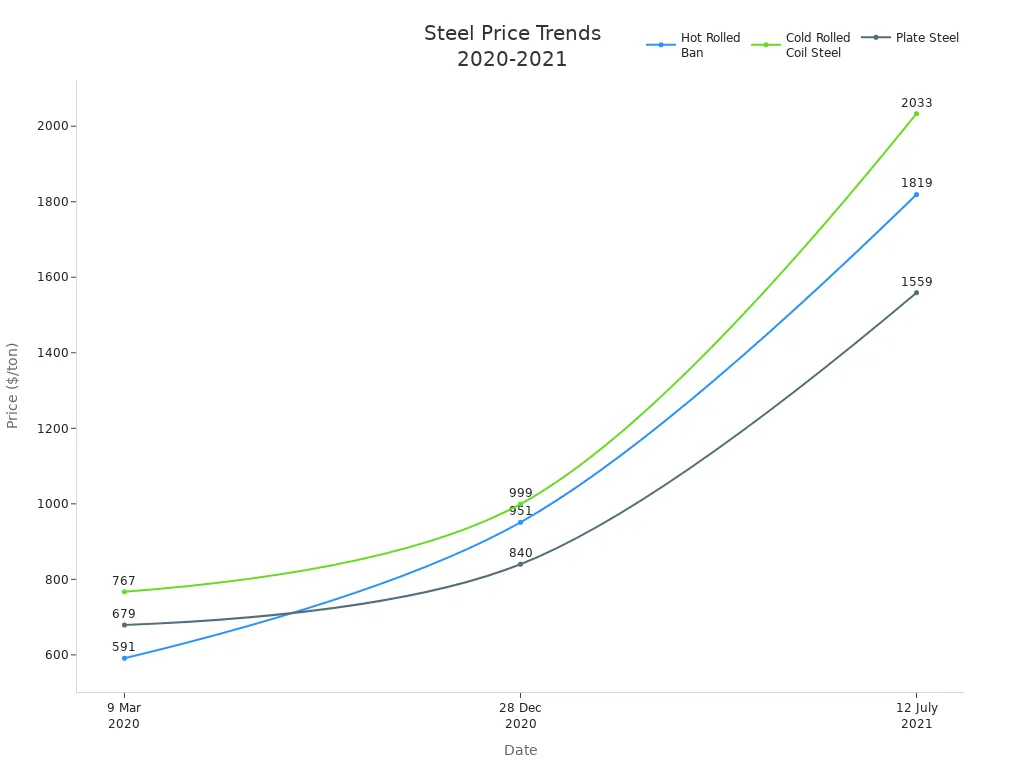
Supply shortages during the pandemic, increased demand from construction, transportation, and machinery, and inventory control by major players all contribute to volatility. Project-specific logistics, such as crane size and tonnage, also influence costs.
Impact on Budgets
Steel price volatility creates budgeting challenges for your business. You must plan for rising costs and unpredictable price swings. Purchasing steel during low-demand periods can help you save money. Timely delivery prevents extra expenses from delays. Bulk purchasing or price-fixing agreements can protect your budget for large projects.
Accurate demand forecasting helps you manage procurement and budgeting. Setting aside contingency funds prepares you for unexpected cost increases.
You face increasing operational costs when prices rise suddenly. Dynamic budgeting lets you adjust plans as market conditions change. Budget estimates become uncertain, which complicates financial forecasting. You may lose profitability if raw material prices change unexpectedly. Long payment terms can cause cash flow difficulties, especially when you buy steel at high prices.
Managing Price Risks
You must use strategies to manage risks from price volatility. Industry experts recommend several approaches:
- Strategic procurement timing helps you lock in prices before market spikes.
- Diversifying suppliers and supply regions builds resilience against supply disruptions.
- Material flexibility and substitution allow you to use alternative materials when shortages occur.
- Contract and bid protection strategies, such as price escalation clauses and supplier price-lock agreements, share risk with project owners.
- Inventory planning and forecasting help you maintain a reserve of materials and buffer against supply shocks.
You can reduce challenges by combining these strategies. Proactive management and supplier diversification help you handle volatility and rising costs. You improve your ability to meet project deadlines and protect your profit margins.
Logistical and Transportation Challenges
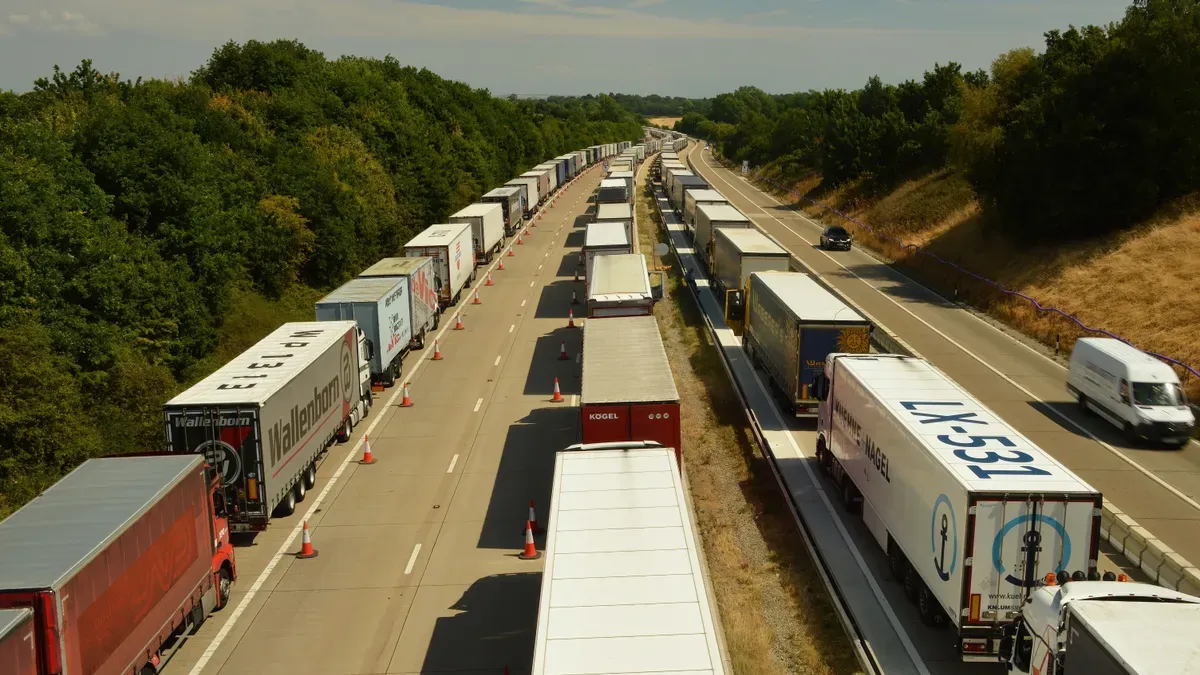
You face many logistical and transportation challenges when trading steel. These challenges can disrupt your supply chain and affect your ability to deliver products on time. You must understand the main bottlenecks and risks to improve your operations and maintain reliability.
Shipping Delays
Shipping delays are the most common logistical challenge in steel trade. You often see these delays cause lost revenue, higher costs, and unhappy customers. Many delays happen because of communication failures, lack of accountability, traffic, and loss of pallets or trailers. Some delays result from events you cannot control, such as geopolitical instability or natural disasters. You may notice that many logistics operations lack transparency. When pallets or trailers go missing, you might not realize the problem until the receiver asks about the delivery status. These logistical bottlenecks can slow down your supply chain and create new challenges for your business.
- Delays from communication failures
- Lost pallets or trailers
- Traffic and weather disruptions
- Lack of transparency in logistics operations
You need to track shipments closely and use digital tools to spot bottlenecks early. This approach helps you reduce challenges and improve delivery reliability.
Freight Cost Increases
Freight cost increases create new challenges for steel traders. You see higher operational expenses, which reduce your profit margins. Rising freight costs can also cause delays in logistics, making steel less available and more expensive in the market. You must plan for these challenges by reviewing your contracts and negotiating better rates with carriers. You can use bulk shipping or flexible delivery schedules to manage costs. When you face logistical bottlenecks, you need to adjust your pricing and delivery timelines to protect your business.
Tip: Monitor freight rates regularly and set aside contingency funds to handle sudden cost increases.
Customs and Border Issues
Customs and border issues present major challenges in international steel trade. You may experience delays from customs software outages, increased inspections, and seasonal congestion at border crossings. For example, in February 2025, a customs system outage forced manual processing, causing delays of up to three days at key crossings like Laredo and Eagle Pass. These delays affected the automotive and manufacturing industries. In 2023, border security crackdowns led to random truck inspections for contraband, holding shipments for days and causing losses. During peak seasons, truckloads of produce clogged crossings, resulting in spoiled shipments due to prolonged waits.
| Customs and Border Challenges | Impact on Steel Trade |
|---|---|
| System outages | Delays up to 3 days at key crossings |
| Security crackdowns | Shipments held for days |
| Seasonal congestion | Spoiled shipments and lost revenue |
You must prepare for these challenges by staying informed about border regulations and using customs brokers. This strategy helps you reduce risks and maintain delivery reliability.
Regulatory and Compliance Barriers
You face many regulatory and compliance barriers in the steel trade. These challenges can slow down your procurement process and increase costs. You must understand how changing trade policies, documentation issues, and supplier vetting affect your business.
Changing Trade Policies
Changing trade policies create new challenges for steel importers and exporters. You see new tariffs, reduced duty-free quotas, and stricter traceability standards. These changes can make steel more expensive and harder to source. The table below shows some of the most common regulatory and customs risks you may encounter:
| Barrier Type | Description |
|---|---|
| Increased Tariffs | Higher costs for imported steel, affecting pricing and competitiveness. |
| Duty-Free Quotas | Reduction of duty-free quotas by approximately 47%, limiting the volume of steel imports. |
| Stringent Traceability Standards | New regulations requiring detailed tracking of steel products to ensure quality and compliance. |
You must also adapt to new rules in different regions. The EU now charges a 50% duty on steel imports that exceed the quota. China uses an export licensing system to shift exports toward advanced steel products. These changes reflect a global trend toward stricter control over steel quality and volumes. You need to stay updated on these challenges to avoid unexpected costs and delays.
Documentation Issues
Documentation issues cause major challenges in steel trade. Weak supplier relationship management (SRM) leads to hidden costs and slow responses during disruptions. If you rely on transactional supplier models, you face higher risks when problems arise. Strong SRM builds transparency and accountability, so you can spot risks earlier.
You can use digital systems to solve many documentation challenges:
- Centralize vendor information to reduce the hassle of managing documents.
- Structure exchanges of documentation to minimize errors and keep information current.
- Use centralized communication to reduce misunderstandings and speed up decisions.
When you improve your documentation process, you reduce compliance risks and make your supply chain more reliable.
Excessive Supplier Vetting
Excessive supplier vetting creates its own set of challenges. You may spend too much time evaluating vendors, which delays your projects. Perfectionism in vendor selection leads to long evaluation periods and consumes valuable time. Fear of making the wrong choice causes delays in starting procurement. Decision committees often disagree, which extends timelines even more.
You may also see delays in budget approvals when costs exceed expectations. Sticker shock from high quotes can lead to long discussions and slow down decisions. If you keep refining specifications, you prevent timely procurement and extend project timelines. Early delays in procurement decisions create severe time pressure later in your project.
Tip: Set clear criteria for supplier selection and stick to your timeline. This approach helps you avoid unnecessary delays and keeps your projects on track.
You must balance thorough vetting with the need for speed. Too much focus on perfection can create more challenges than it solves. You can work with regulatory compliance and consultancy experts to streamline your process and reduce risks.
Quality and Unloading Issues
Inconsistent Quality
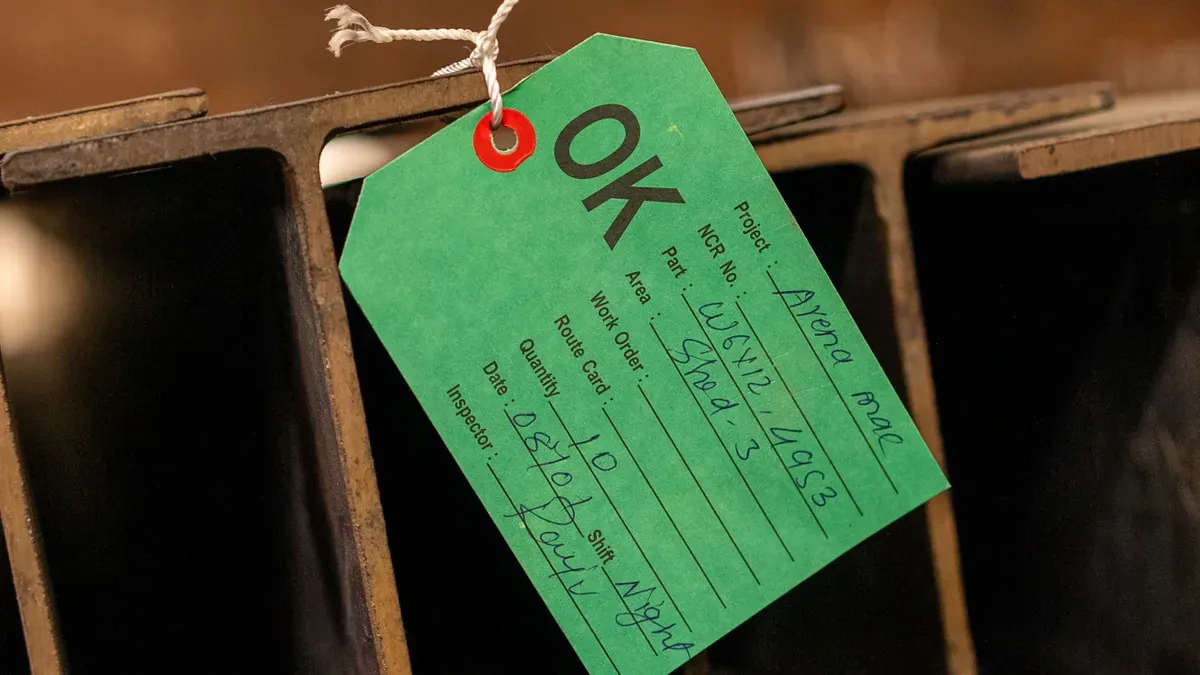
You often face challenges with inconsistent quality in steel shipments. These challenges can disrupt your projects and lead to extra costs. Many shipments arrive with defects that affect performance and safety. You need to watch for several types of quality issues:
- Material and composition defects, such as incorrect chemical makeup or inconsistent hardness.
- Dimensional and form defects, like wrong length, width, or thickness.
- Internal defects, including blowholes, cracks, or incomplete welds.
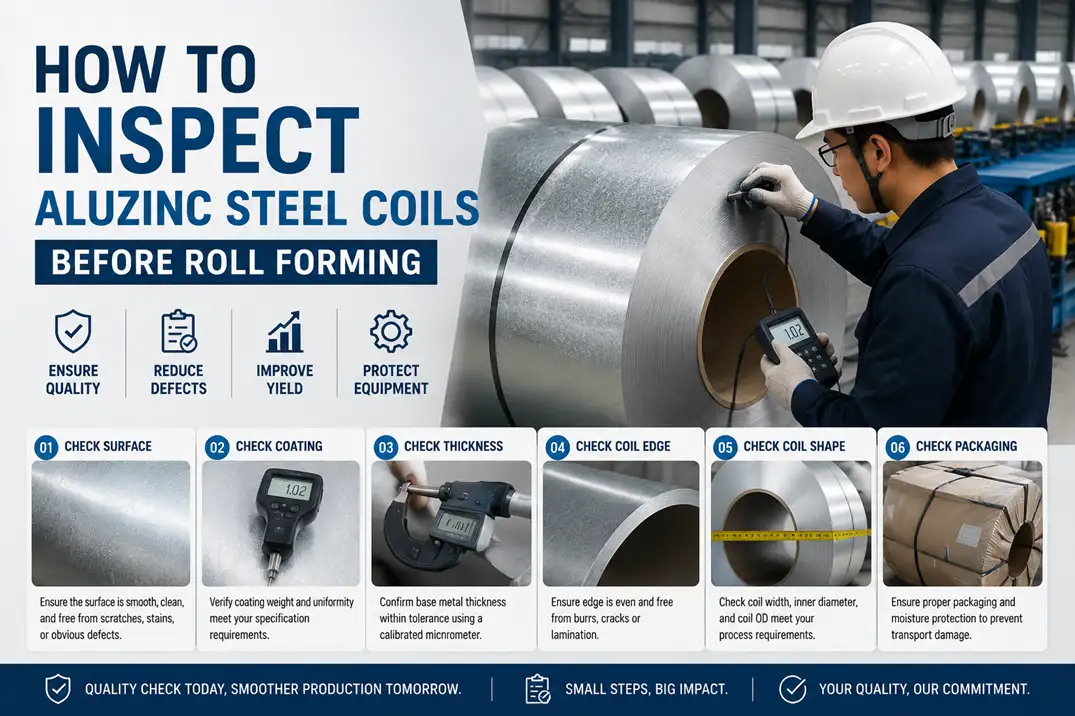
- Surface defects, such as rust, scratches, dents, or pitting.
- Other issues, like burrs, film peeling, uneven coating, or loose packaging.
You must inspect every shipment for these challenges. Even small defects can cause big problems in construction or manufacturing. If you find out-of-spec dimensions or surface rust, you may need to reject the shipment or request replacements. These challenges slow down your work and increase your costs.
Damage During Transit
Damage during transit creates more challenges for your business. You may receive steel with dents, scratches, or even broken bundles. These challenges can lead to missed delivery deadlines and unhappy customers. You also face contract breaches, penalties, or supply chain chargebacks if you cannot deliver on time.
When you find damaged steel, you must act fast. Take photos, note the damage on the delivery receipt, and contact your carrier or logistics provider. You need to document everything to support your claim. If you do not, you may lose the chance to recover your losses. Damage during transit weakens trust in your supplier and creates more operational work. You may need to handle returns, replacements, or credits, which adds to your challenges.
Tip: Always inspect shipments at unloading and keep clear records. This helps you resolve claims quickly and avoid disputes.
Inspection and Claims
Inspection and claims processes help you manage challenges with steel quality and transit damage. You must check each shipment as soon as it arrives. Look for visible defects, measure dimensions, and test for strength or hardness if needed. If you find problems, report them right away.
The claims process can be complex. You may need to send written notifications, negotiate with suppliers, or involve third parties. Sometimes, you face liquidated damages if you miss deadlines. You must keep all records and document every step. If arbitration is needed, you must follow the rules and notify all parties.
| Step | Action Required |
|---|---|
| Inspect shipment | Check for defects and damage |
| Document issues | Take photos and note on receipt |
| Notify supplier | Send written claim with evidence |
| Negotiate solution | Discuss replacements or credits |
| Follow up | Track resolution and close the claim |
You face many challenges in this process. Delays, poor communication, or missing documents can make claims harder to resolve. You must stay organized and act quickly to protect your business from further challenges and risks.
Communication and Transparency Gaps
Steel trade faces many challenges when it comes to communication and transparency. You need clear updates and accurate information to keep your projects on track. Gaps in communication can lead to missed deadlines, incorrect orders, and damaged supplier relationships. These challenges can hurt your business and make it hard to trust your partners.
Lack of Updates
You often face challenges when suppliers do not provide timely updates. Without regular communication, you may not know if your order will arrive on time. This lack of information can cause you to miss deadlines and lose customer trust. Many challenges start with poor documentation or unclear purchase orders. According to McKinsey & Company, 50% of supply chain disruptions come from these issues. When suppliers do not send early alerts, you cannot prepare for problems. Only 6% of businesses have full visibility into supplier risks, which makes it hard to plan for disruptions.
| Issue | Impact | Data Source |
|---|---|---|
| Miscommunication and poor documentation | 50% of supply chain disruptions are caused by these issues | McKinsey & Company |
| Unclear purchase order details | One in three supplier disputes result from this | Procurement Leaders |
| Lack of proactive supplier updates | 25% increase in expedited shipping costs | Gartner |
| Early supplier alerts | Businesses cut disruption impact by 35% when receiving early alerts | McKinsey & Company |
| Limited visibility into supplier risks | Only 6% of businesses have full visibility into supplier risks | BCG |
A company that started bi-weekly supplier check-ins and required shipment status updates saw expedited shipping costs drop by over 30%. This shows that proactive communication can solve many challenges and improve order fulfillment.
Miscommunication on Orders
Miscommunication creates serious challenges in steel trade. You may receive the wrong materials or incorrect quantities because of unclear instructions. These mistakes waste time and money. You might need to return products or redo work, which leads to more challenges and unhappy customers. Production delays often happen when you and your supplier do not share the same expectations. If you do not get early warnings about disruptions, you cannot make backup plans. This leads to costly downtime and frustrated customers.
Here are some common challenges caused by miscommunication:
- Incorrect orders due to unclear documentation lead to wasted time, costly returns, and rework.
- Production delays caused by misaligned expectations result in unhappy customers.
- Lack of early warnings during disruptions leads to no backup plans, costly downtime, and frustrated customers.
You need to set clear expectations and confirm order details with your suppliers. Using digital tools can help you track orders and reduce these challenges.
Building Supplier Relationships
Strong supplier relationships help you overcome many challenges in steel trade. You build trust by communicating clearly and honoring your commitments. Regular contact and clear expectations improve reliability and reduce mistakes. You should use technology, like ERP systems, to keep everyone informed and aligned.
| Metric | Impact on Supplier Relationships and Order Accuracy |
|---|---|
| On-time delivery rates | Poor communication can lead to missed deadlines, affecting trust. |
| Order accuracy and fulfillment | Misunderstandings can result in incorrect orders, damaging relationships. |
| Frequency of delivery errors | Increased errors can erode confidence and lead to operational inefficiencies. |
| Invoice error rates | Discrepancies can create hidden costs and damage trust between parties. |
| Quality compliance | Lack of transparency can lead to quality issues, affecting long-term value. |
You can follow these best practices to build strong supplier relationships:
- Prioritize clear communication and regular updates.
- Focus on mutual benefit by negotiating fairly and collaborating on innovation.
- Build trust through reliability and honoring commitments.
- Invest in supplier development with training and joint planning.
- Mitigate risks by diversifying your supplier base.
- Foster respect and celebrate milestones together.
When you follow these steps, you reduce challenges and improve your supply chain’s reliability. Good relationships help you solve problems faster and keep your projects moving forward.
You face many challenges in steel trade, including shortages, demand swings, excess capacity, and supply chain disruptions. These challenges affect your procurement, delivery, and quality. You must recognize challenges early to protect your business. Proactive management helps you handle challenges and reduce risks. Supplier vetting improves reliability and prevents challenges. Review your supplier strategies often to stay ahead of market challenges. Use these steps to improve supplier relationships and manage challenges:
- Communicate clearly with suppliers to avoid challenges.
- Track shipments and inventory to spot challenges early.
- Set clear criteria for supplier selection to reduce challenges.
- Invest in digital tools to manage challenges and improve transparency.
Stay informed about market changes to handle challenges and keep your business strong.
FAQ
What are the biggest challenges in steel supplier relationships?
You face many challenges, including inconsistent quality, delayed shipments, and unclear communication. These issues can disrupt your projects and increase costs. Building strong relationships helps you solve challenges faster and improves supply chain reliability.
How can you reduce challenges with steel supply chain disruptions?
You can monitor supplier performance, diversify your sources, and use digital tools to track shipments. Early detection of challenges lets you respond quickly. Regular communication helps you spot potential challenges before they become major problems.
Why do steel prices change so often, and what challenges does this create?
Steel prices change due to global demand, energy costs, and trade policies. You must manage challenges like budgeting uncertainty and profit loss. Buying during low-demand periods and using price protection strategies can help you handle these challenges.
What steps help you manage challenges with damaged steel shipments?
You should inspect every delivery, document any damage, and contact your supplier immediately. Quick action helps you resolve challenges and recover losses. Keeping clear records makes the claims process easier and protects your business from further challenges.
How do you handle challenges with customs and border delays?
You can work with customs brokers, stay updated on regulations, and plan for extra transit time. These steps help you reduce challenges and keep your shipments moving. Preparing for delays protects your supply chain from unexpected challenges.
What are the main risks in steel trade, and how do you address challenges?
You face risks like supply disruptions, price volatility, and quality issues. You can address challenges by diversifying suppliers, using digital tracking, and setting clear expectations. Proactive management helps you reduce challenges and protect your business.
How can you improve communication to avoid challenges with steel suppliers?
You should set clear order details, require regular updates, and use digital tools for tracking. Good communication prevents challenges like incorrect orders and missed deadlines. Building trust with suppliers helps you solve challenges quickly.
What are the best ways to vet suppliers and reduce challenges?
You need clear criteria for selection, stick to your timeline, and balance thorough vetting with speed. Working with compliance experts helps you avoid challenges. Reviewing supplier performance regularly keeps your supply chain strong and reduces future challenges.