You need a structured approach when you use a roofing factory raw material planning guide. Planning helps you secure the right materials for roofing projects. Demand forecasting, inventory management, and accurate accounting support efficient production. Material Requirements Planning (MRP) gives you clear guidance for sourcing. Reliable suppliers protect your cost, supply reliability, and competitiveness.
Key Takeaways
- Use a structured approach to raw material planning to secure the right materials for roofing projects.
- Select high-quality raw materials like steel and aluminum to ensure durability and performance in roofing.
- Implement Material Requirements Planning (MRP) systems to automate ordering and improve inventory management.
- Accurate demand forecasting helps align raw materials with production schedules, reducing delays and costs.
- Diversify your supplier network to enhance reliability and protect against supply chain disruptions.
- Regularly review and update your inventory tracking to prevent shortages and overstocking.
- Adopt sustainable practices by using recyclable materials and minimizing waste in your operations.
- Continuously improve your processes by collecting feedback and making incremental changes to enhance efficiency.
Essential Raw Materials for Roofing Factories
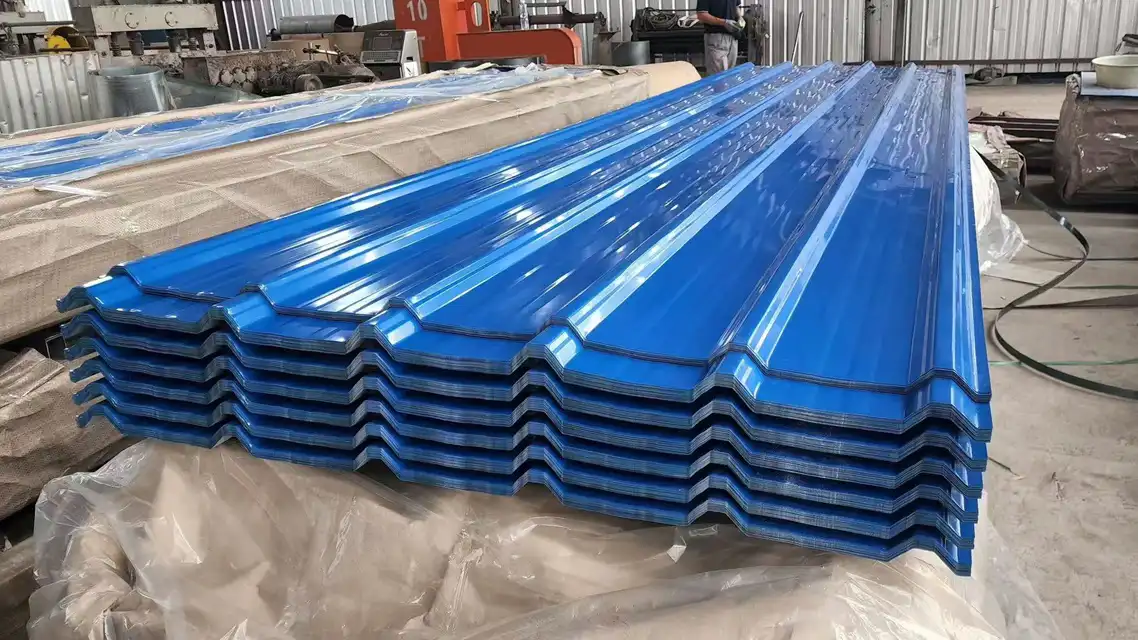
Types of Raw Materials
You must select the right raw materials to ensure your roofing factory operates efficiently. Each project requires specific direct raw materials that match the design and performance needs. You can find a wide range of raw materials in the market, but you need to focus on those that deliver durability, weather resistance, and cost-effectiveness.
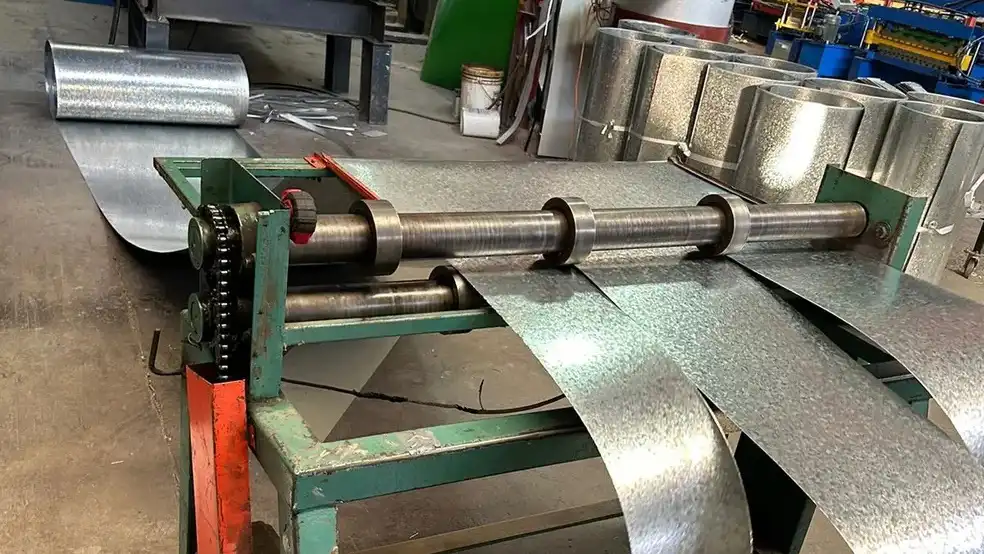
Steel Coils
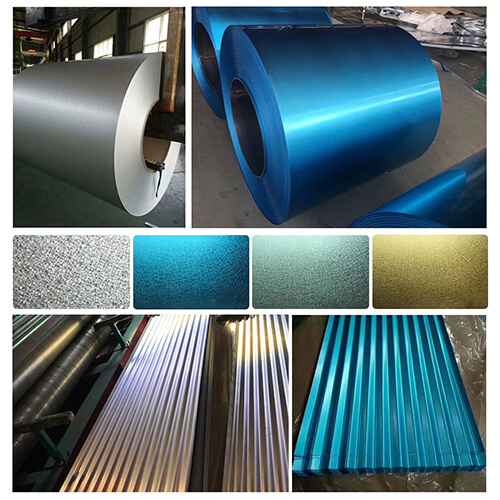
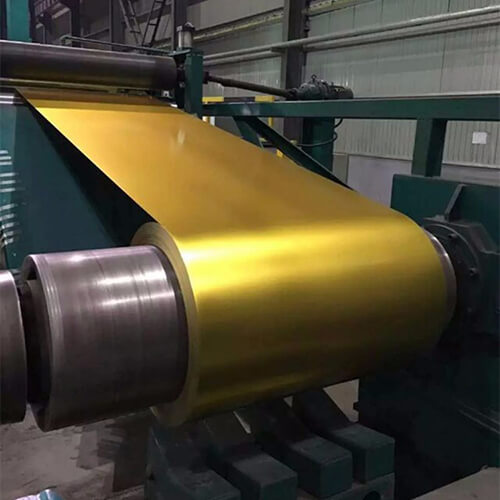
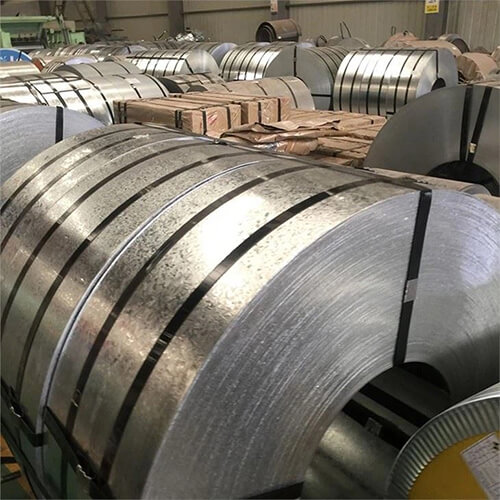
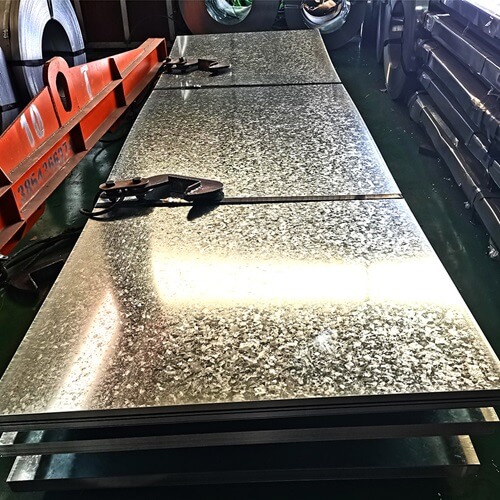
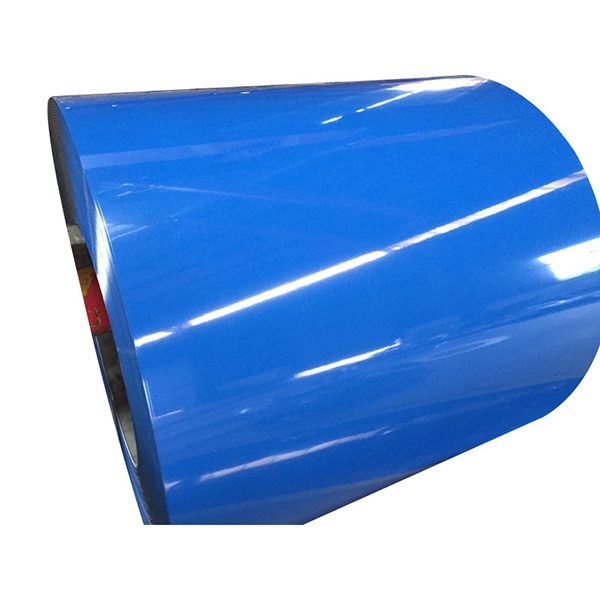
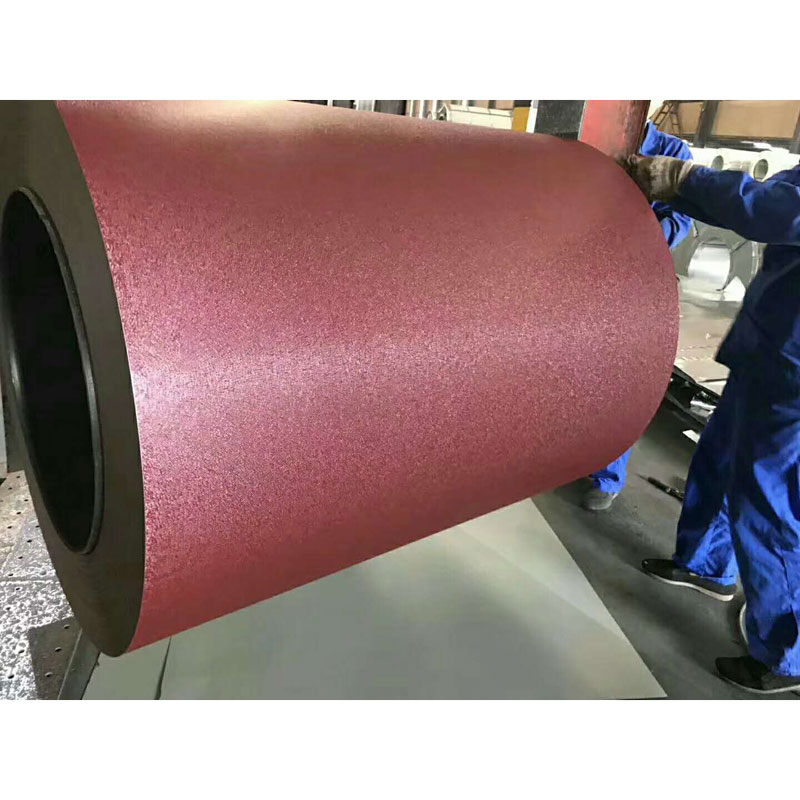
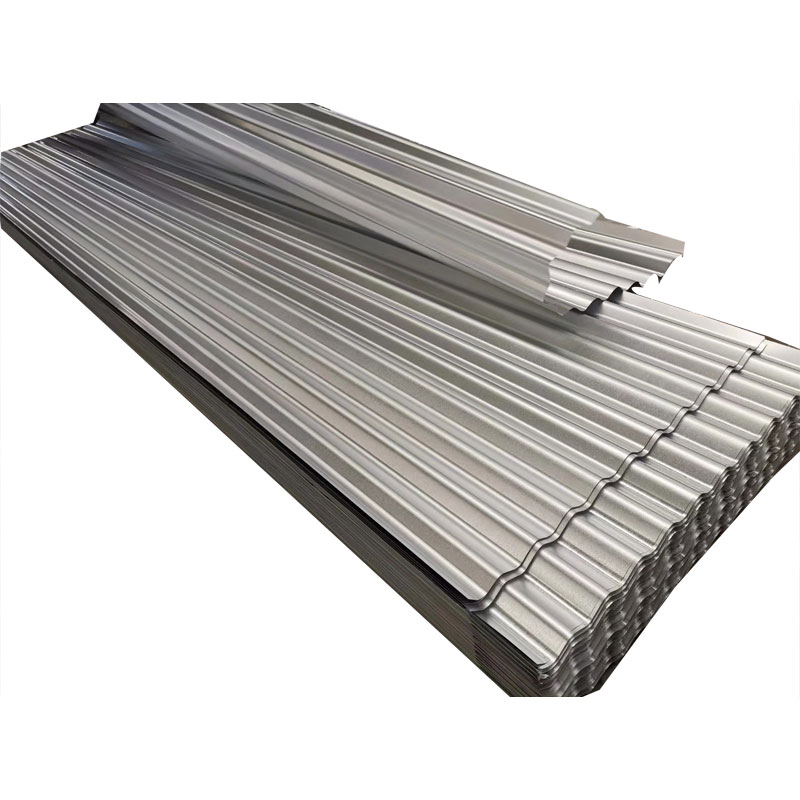
Steel coils serve as one of the most important direct raw materials for metal roofing. You use steel coils to produce panels, sheets, and structural components. Steel offers strength and longevity, making it a preferred choice for industrial and commercial roofing. You must source high-quality steel coils to maintain product standards.
Aluminum Coils
Aluminum coils provide lightweight and corrosion-resistant options for roofing. You use aluminum as direct raw materials when you need flexibility and easy installation. Aluminum coils help you reduce maintenance costs and improve the lifespan of your roofing products.
Paints and Coatings
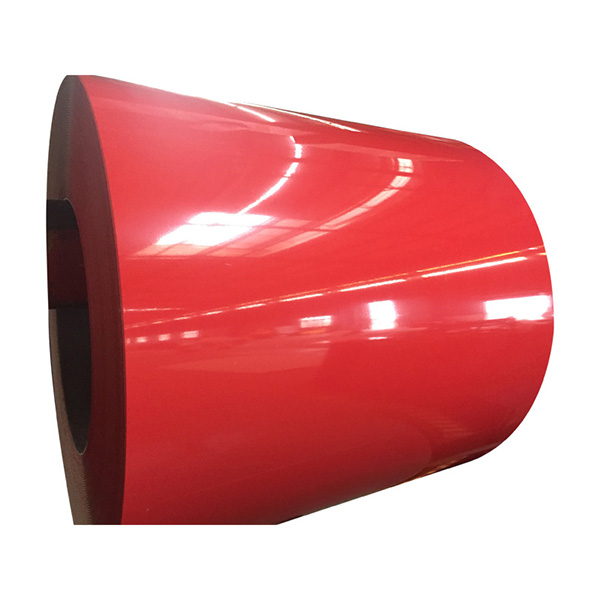
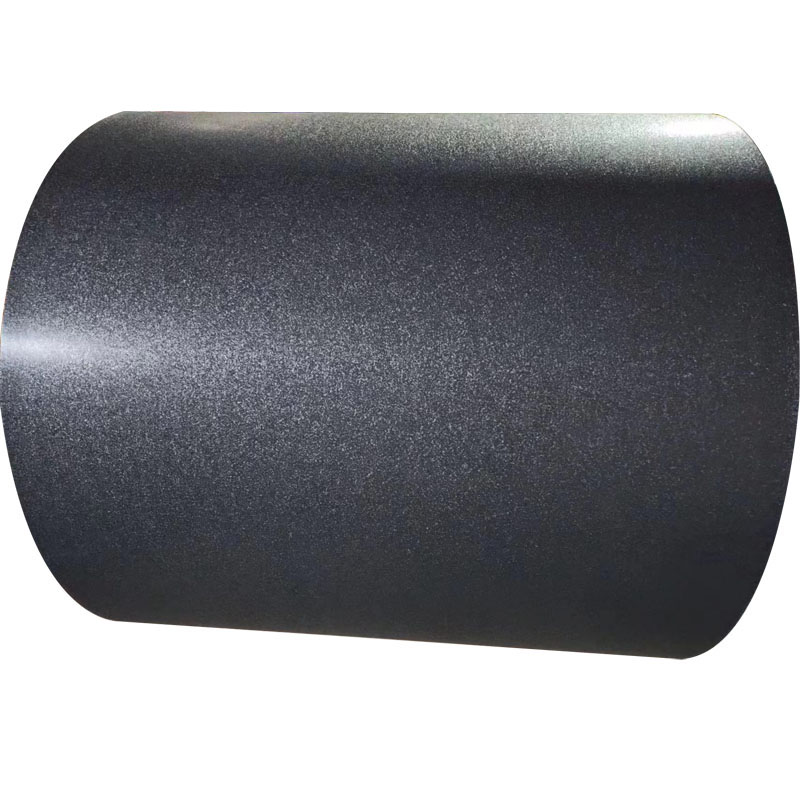
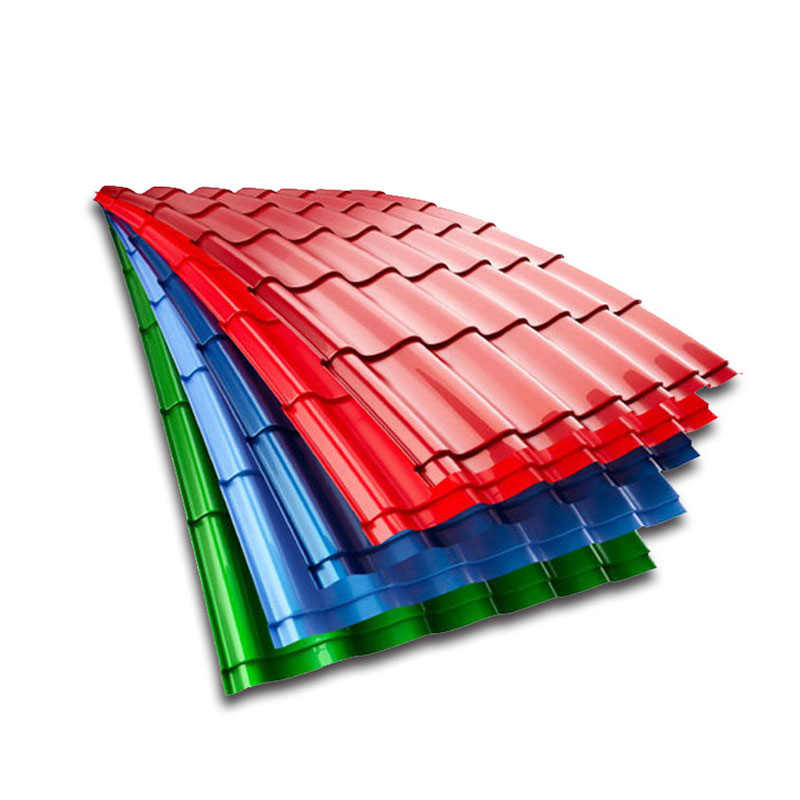
Paints and coatings protect your roofing products from environmental damage. You apply these raw materials to steel and aluminum surfaces to prevent rust, UV degradation, and color fading. You must choose paints and coatings that meet industry standards for performance and safety.
Fasteners and Accessories
Fasteners and accessories include screws, nails, clips, and sealants. You rely on these direct raw materials to secure roofing panels and ensure structural integrity. You must select fasteners that resist corrosion and match the materials used in your roofing systems.
Insulation Materials
Insulation materials help you improve energy efficiency and comfort in buildings. You use insulation as direct raw materials to reduce heat transfer and noise. Common insulation materials include fiberglass, foam, and mineral wool.
Tip: You should always verify the compatibility of your raw materials with the roofing system design to avoid performance issues.
Material Categories
You must understand the broader categories of raw materials to optimize your supply chain. Each category supports different aspects of roofing production.
Mineral Resources
Mineral resources include metals like steel and aluminum, as well as clay for tiles. You use these raw materials to create strong and durable roofing products. Mineral resources form the backbone of most roofing systems.
Energy Resources
Energy resources power your manufacturing processes. You rely on electricity, natural gas, and other fuels to transform raw materials into finished products. Efficient use of energy resources helps you control costs and reduce waste.
Agricultural Products
Agricultural products such as wood shingles and natural fibers offer sustainable options. You use these raw materials when you want eco-friendly roofing solutions. Agricultural products can enhance the aesthetic appeal of your projects.
Forest Products
Forest products play a vital role in roofing factory supply chains. Mass timber boosts productivity and sustainability in construction. You benefit from off-site production, which addresses labor shortages and rising material costs. Local sourcing of mass timber strengthens supply chain resilience and reduces emissions, making it a more environmentally friendly option compared to imported materials like steel and concrete.
- Mass timber enhances productivity and sustainability in construction.
- It addresses labor shortages and rising material costs by being produced off-site, which reduces labor and shortens construction time.
- Local sourcing of mass timber strengthens supply chain resilience and reduces emissions, making it a more environmentally friendly option compared to imported materials like steel and concrete.
You must choose raw building materials that align with your factory’s goals for sustainability and performance.
Note: You can improve your competitive edge by diversifying your sources of raw materials and adopting new technologies.
Below is a table showing the most commonly used raw materials in roofing factories worldwide as of 2024:
| Material Type | Market Share (%) |
|---|---|
| Asphalt Shingles | 47.6 |
| Metal Roofing | 15 |
| Clay Tiles | 12 |
| Wood Shingles | 5 |
| Composite Materials | 20 |
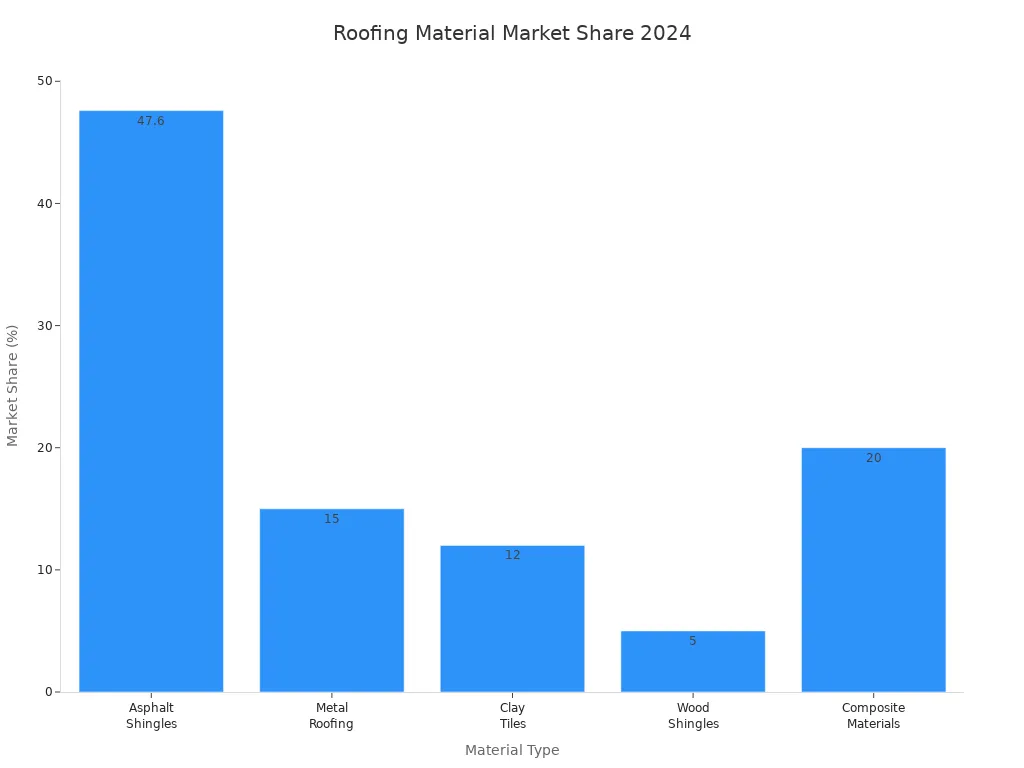
You must analyze market trends to select the right raw materials for your factory. This approach helps you meet customer demands and maintain quality standards.
Demand Forecasting and Material Requirements Planning
Forecasting Production Needs
You must forecast your production needs to keep your roofing factory running smoothly. Accurate forecasting helps you align your raw materials with your production schedule. You start by analyzing historical data from previous roofing projects. This data shows you the patterns in supply and demand. You can use these patterns to predict future production requirements.
You should also consider market trends and seasonal fluctuations. Roofing projects often peak during certain months. You need to adjust your production plan to match these cycles. Demand planning ensures you do not overstock or run out of raw materials. You can use software tools to track orders, monitor inventory, and update forecasts in real time.
When you forecast production needs, you reduce the risk of delays. You avoid costly interruptions in your production line. You also improve your ability to meet customer deadlines. This approach supports efficient use of resources and keeps your costs under control.
Tip: Review your forecasts regularly. Update your data to reflect changes in the market or your customer base.
MRP System Overview
Material Requirements Planning (MRP) systems play a central role in modern roofing factories. You use MRP to automate the process of ordering raw materials and scheduling production. MRP systems connect your sales forecasts, inventory records, and production schedules. This integration gives you a clear view of your entire operation.
You benefit from MRP in several ways. The system minimizes human errors in planning. It automates calculations and generates purchase orders for raw materials. This reduces your reliance on manual processes and improves accuracy. You avoid costly disruptions caused by mistakes in production planning.
MRP systems also optimize your inventory. You gain real-time visibility into your inventory levels and usage patterns. This helps you prevent shortages and overstocking. You reduce waste and avoid operational disruptions. The system coordinates procurement activities with your production needs. You ensure timely material availability and reduce the risk of delays.
Data-driven forecasting is another advantage of MRP. The system uses historical data and market trends to improve your demand planning. You align your production with actual needs. This minimizes excess inventory and shortages. You maintain consistent workflows and keep your production line moving.
Here is a table showing how MRP systems reduce inventory waste in roofing factories:
| Benefit | Description |
|---|---|
| Minimizing Human Errors in Planning | MRP automates calculations and order generation, reducing manual errors and costly disruptions. |
| Inventory Optimization | MRP provides real-time visibility into inventory, preventing shortages and overstocking, which reduces waste and operational disruptions. |
| Enhancing Supplier Coordination | MRP coordinates procurement with production needs, ensuring timely material availability and reducing delays and waste. |
| Data-Driven Forecasting and Demand Planning | MRP uses historical data and market trends to improve forecasting, aligning production with actual needs and minimizing excess inventory and shortages. |
Note: You should train your team to use the MRP system effectively. Regular training helps you maximize the benefits of automation and data analysis.
Calculating Material Quantities
You must calculate material quantities with precision to support your production schedule. Accurate calculations ensure you have enough raw materials for each roofing project. You start by identifying the types and quantities of raw materials needed. You approach the material takeoff methodically to avoid errors.
You quantify all materials required, including both raw and prefabricated items. You use four key measurement types: count, length, area, and volume. For example, you count the number of fasteners, measure the length of steel coils, calculate the surface area for coatings, and determine the volume of insulation materials.
Here are the key steps you should follow:
- Identify the types and quantities of raw materials needed for your production.
- Approach the material takeoff methodically to ensure accuracy.
- Quantify all materials required, including raw and prefabricated materials.
- Measure using four key types: count, length, area, and volume.
Effective material management impacts your project costs. Accurate takeoff estimations help you maintain your budget and schedule. You prevent costly overruns and keep your production on track.
Tip: Use digital tools to automate your material calculations. This reduces errors and saves time during the planning phase.
You must integrate your forecasting, MRP system, and material calculations to create a seamless production workflow. This approach ensures you always have the right raw materials at the right time. You support efficient production and maintain your competitive edge in the roofing industry.
Sourcing and Supplier Management
Reliable Sourcing Strategies
You must secure a stable supply of raw materials to keep your roofing factory running efficiently. Reliable sourcing strategies help you avoid production delays and maintain quality standards. You can use several approaches to strengthen your supply chain. The table below shows the most effective strategies for sourcing raw materials:
| Strategy | Description |
|---|---|
| Proactive Procurement Planning | You predict material needs and secure bulk purchasing for discounts. |
| Early Involvement of Procurement | You integrate procurement in the design phase to optimize material selection. |
| Managing Price Volatility | You lock in prices or buy in bulk to reduce price fluctuations. |
| Diversifying Suppliers | You expand your supplier network to ensure alternatives are available during disruptions. |
| Maintaining Inventory Buffers | You keep a reserve of materials to avoid short-term supply shocks. |
You can expand your supplier network to include both domestic and international sources. You should maintain a reserve of commonly used raw materials to avoid supply shocks. Improved forecasting tools help you analyze material demand in advance. You must keep multiple vetted suppliers ready as alternatives. Renegotiating contracts in response to market pressures gives you flexibility.
Tip: You can strengthen your sourcing strategy by collaborating with suppliers early in the product design phase. This approach helps you set clear specifications and avoid costly changes during roofing projects.
Approved Supplier Procedures
You must follow strict procedures when approving suppliers for raw materials. Leading manufacturing companies use rigorous criteria to ensure quality and reliability. You should test for tensile strength, water resistance, and exact measurements. Rust-proof checks are essential for metal sheets, especially Chromadek. You must monitor roll forming machine settings continuously to maintain quality.
You should test raw materials like gold-plated sheets and tin cans thoroughly before production. Compliance with BIS certification helps you maintain manufacturing standards. You must keep a list of approved suppliers who meet these requirements. This process protects your factory from quality issues and supply disruptions.
- Test for tensile strength and water resistance.
- Check rust-proof properties for metal sheets.
- Monitor roll forming machine settings.
- Test raw materials before production.
- Ensure compliance with BIS certification.
Note: You should review supplier performance regularly. This practice helps you identify potential risks and maintain high standards for raw materials.
Supplier Relationship Management
You must build strong relationships with your suppliers to ensure consistent quality and reliable supply of raw materials. When suppliers prioritize your needs, you gain better quality assurance and fewer production disruptions. Effective communication and regular performance reviews support operational stability.
You should involve suppliers early in the product design process. This step helps you set clear specifications and align expectations. You can develop a comprehensive sourcing strategy by collaborating across operations, sales, logistics, quality, engineering, and marketing. Adaptable strategies improve resilience in your supply chain.
- Build strong relationships for improved quality assurance.
- Communicate regularly and review supplier performance.
- Involve suppliers early in design and planning.
- Collaborate across departments for sourcing strategy.
- Implement adaptable strategies to handle supply chain challenges.
Creating a world-class supply management process requires close cooperation between your team and key suppliers. This collaborative approach keeps everyone aligned and ensures you receive high-quality raw materials for your roofing projects.
Alert: You must prioritize supplier relationship management to maintain a stable supply chain and protect your factory from disruptions.
Inventory Management and Approval Procedures

Inventory Tracking
You need a reliable system to track raw materials from the moment they arrive at your roofing factory. Accurate inventory tracking helps you avoid stockouts and overstocking, which can disrupt your production schedule. Many roofing factories use advanced technologies to streamline this process. You can benefit from:
- Inventory management software that tracks stock levels and manages orders efficiently.
- Automated inventory tracking systems that reduce manual errors and improve accuracy.
- Asset management through IoT sensors, which provide real-time data on inventory levels and storage conditions.
- Data-driven insights that help you optimize inventory based on actual usage and demand forecasting.
You should update your records every time you receive or use raw materials. This practice gives you a clear view of your stock and helps you plan future orders. You can also set up alerts for low stock levels to prevent shortages. When you use digital tools, you save time and reduce mistakes.
Tip: Review your inventory tracking reports weekly. This habit helps you spot trends and adjust your purchasing strategy before problems arise.
Storage Solutions
Proper storage of raw materials protects your investment and ensures consistent quality in your roofing products. You must organize your warehouse to separate different types of raw materials, such as steel coils, aluminum coils, paints, fasteners, and insulation materials. You should label each storage area clearly and keep high-turnover items close to the production line.
You can use shelving, racks, and bins to maximize your storage space. Climate control systems help you maintain the right temperature and humidity for sensitive raw materials. For example, you should store paints and coatings in cool, dry areas to prevent spoilage. You must inspect your storage areas regularly to check for leaks, pests, or other hazards.
Many factories adopt just-in-time (JIT) practices to reduce excess inventory. You can schedule deliveries of raw materials to arrive only when needed for production. This approach lowers storage costs and reduces waste. However, you must coordinate closely with suppliers to avoid delays.
Note: Train your staff on safe handling and storage procedures. Well-trained employees help you prevent accidents and material loss.
Approval Process for Raw Materials
You need a structured approval process for all incoming raw materials. This process starts with a thorough inspection when materials arrive at your factory. You should check for correct quantities, proper labeling, and visible damage. Your quality control team must test samples to ensure they meet your specifications.
You must document every step of the approval process. Keep records of inspection results, test reports, and supplier certificates. These records help you trace any issues back to their source and support compliance with industry standards. Only after passing all checks should you move raw materials into your main inventory.
You should review your approval procedures regularly. Update your checklist to reflect new quality standards or changes in your production process. Consistent approval and record-keeping protect your factory from costly mistakes and ensure you always use high-quality raw materials.
Alert: Never skip the approval process, even during busy periods. Skipping steps can lead to production delays, safety risks, and increased costs.
Cost of Raw Materials and Budgeting
Estimating Material Costs
You must estimate the cost of raw materials with precision to keep your roofing factory profitable. Start by gathering up-to-date price information from your suppliers. Track the price of steel coils, aluminum coils, paints, fasteners, and insulation materials. Each type of raw material can fluctuate in price due to market demand, supply chain disruptions, or changes in global commodity markets.
You should create a detailed cost breakdown for every roofing project. List each raw material, its unit price, and the total quantity needed. Use a table to organize your data and make comparisons easier.
| Raw Material | Unit Price | Quantity Needed | Total Cost |
|---|---|---|---|
| Steel Coils | $X | Y tons | $Z |
| Aluminum Coils | $X | Y tons | $Z |
| Paints/Coatings | $X | Y gallons | $Z |
| Fasteners | $X | Y units | $Z |
| Insulation | $X | Y rolls | $Z |
You can use digital tools to automate these calculations. This approach saves time and reduces errors. Always update your estimates when you receive new price lists from suppliers. Accurate cost estimation helps you set competitive prices for your roofing products and avoid unexpected expenses.
Tip: Review historical price data to spot trends. This practice helps you predict future changes in the cost of raw materials.
Managing Price Increases
You face price increases in the roofing industry almost every year. These changes can impact your profit margins and disrupt your production plans. You need effective strategies to manage these challenges and protect your bottom line.
Here are proven methods you can use to handle price increases:
- Smart bulk purchasing: Buy raw materials in larger quantities when prices are low to reduce your average cost.
- Strategic negotiation: Work closely with your suppliers to secure better price terms and long-term contracts.
- Exploring alternative materials: Consider high-quality substitutes that offer similar performance but at a lower price.
- Lean inventory management: Stockpile essential raw materials during periods of low price to shield your factory from sudden increases.
- Technology and efficiency: Invest in new technologies that improve productivity and reduce waste, lowering your overall cost.
You should also monitor the market for early signs of price increases. Stay in close contact with your suppliers and industry peers. This information helps you react quickly and adjust your purchasing strategy.
Alert: Never ignore small price changes. Even minor increases can add up over time and affect your total cost.
Budgeting for Fluctuations
You must prepare for fluctuations in the cost of raw materials to maintain stable operations. Budgeting for these changes requires a proactive approach. Start by monitoring your supply chains and diversifying your sources. Avoid relying on a single supplier, as this can expose you to sudden price spikes or shortages.
You can implement a tiered pricing strategy in your proposals. Offer your customers several options based on different raw material choices. This flexibility helps you manage price increases and keeps your products attractive to a wider market.
Focus on the longevity and durability of your raw materials rather than just their appearance. Durable materials may have a higher upfront cost, but they reduce replacement and maintenance expenses over time. This approach aligns with homeowner priorities and supports your reputation for quality.
Here are key steps you can take to budget for fluctuations:
- Monitor supply chains and diversify your sources.
- Use tiered pricing strategies in customer proposals.
- Prioritize durable and long-lasting raw materials.
- Review your budget regularly and adjust for new price trends.
- Set aside a contingency fund to cover unexpected cost increases.
Note: Regularly update your budgeting process to reflect changes in the market. This habit keeps your roofing factory resilient and profitable, even during periods of price volatility.
Risk Management and Contingency Planning
Identifying Supply Chain Risks
You must identify supply chain risks early to protect your roofing factory from disruptions. Many risks can impact your access to raw materials and affect your production schedule. You face challenges such as tariffs, natural disasters, and infrastructure failures. In April 2025, tariffs affected 82% of companies, raising material costs and reducing customer demand. Climate change caused natural disasters that led to $224 billion in losses. Infrastructure failures, like the AWS US-EAST-1 outage, disrupted purchasing and manufacturing operations.
- Tariffs increase costs and reduce demand.
- Natural disasters cause supply interruptions and financial losses.
- Infrastructure failures disrupt procurement and production.
You should monitor these risks regularly. Stay informed about changes in regulations, weather patterns, and technology systems. This approach helps you respond quickly and maintain a steady supply of raw materials.
Tip: Set up alerts for supply chain disruptions. Early warnings help you adjust your sourcing strategy and avoid costly delays.
Backup Plans
You need backup plans to address raw materials shortages and keep your factory running. Start with a baseline assessment of your roof system. This step helps you prioritize necessary work and allocate resources efficiently. Implement a preventative maintenance plan by scheduling maintenance at least twice a year. Maintenance extends the life of your roof and reduces emergency repairs.
Follow these steps to build effective contingency plans:
- Perform a baseline assessment to understand your roof system’s condition.
- Implement a preventative maintenance plan to extend roof life.
- Use author-designed repair bidding packages to ensure correct repairs and maintain warranties.
- Carry out remediation and restoration efforts for roofs that are not yet failed.
- Create an emergency response plan for failed roofs to avoid unnecessary spending.
You must review your backup plans regularly. Update your strategies as new risks emerge or as your factory grows. This habit keeps your operations resilient and protects your investment in raw materials.
Alert: Never delay maintenance or emergency planning. Proactive action prevents costly downtime and protects your factory’s reputation.
Quality Assurance
You must enforce strict quality assurance measures to maintain high standards for raw materials. Reliable sourcing and supplier audits ensure you receive materials that meet your specifications. Test each batch for mechanical properties and compliance with industry standards. Adhere to safety codes and regulations to guarantee reliability.
Follow these essential quality assurance steps:
- Audit suppliers to verify the quality of raw materials.
- Test materials for mechanical properties and confirm specifications.
- Comply with industry standards and codes for safety and reliability.
- Inspect and test materials at different manufacturing stages to detect defects.
You should document every inspection and test. Keep records to trace issues and support compliance. Consistent quality assurance protects your factory from defects and maintains customer trust.
Note: Train your team to follow quality assurance procedures. Well-trained staff help you spot problems early and maintain high standards for raw materials.
Roofing Factory Raw Material Planning Guide Best Practices
Technology and Data Analytics
You can greatly improve your roofing factory raw material planning guide by leveraging technology and data analytics. Modern software tools help you track raw materials from procurement to production. These systems provide real-time inventory updates, reducing errors and preventing shortages. You can analyze historical data to forecast demand more accurately and adjust orders accordingly.
Data analytics also enable you to identify inefficiencies in your supply chain. By monitoring usage patterns, you can optimize raw materials consumption and reduce waste. Automation in ordering and inventory management saves time and cuts costs. Integrating these technologies ensures your factory runs smoothly and stays competitive.
Tip: Invest in training your team to use data analytics tools effectively. Skilled staff can unlock the full potential of technology in your raw material planning.
Sustainability in Material Planning
Sustainability plays a crucial role in your roofing factory raw material planning guide. Many roofing contractors now participate in shingle recycling programs. These programs repurpose removed materials for infrastructure projects, reducing landfill waste and maximizing resource use. You should adopt similar waste reduction strategies to improve your environmental footprint.
Focus on ordering raw materials precisely to avoid excess. Maintain organized, low-waste jobsites and transport materials efficiently to cut emissions. Use recyclable materials and energy-efficient solutions whenever possible. These practices not only comply with environmental regulations but also appeal to eco-conscious customers.
| Evidence Description | Key Points |
|---|---|
| EPDs provide transparency in roofing materials | They help decision-makers understand carbon footprints, resource use, and waste generation, aiding in compliance with industry standards. |
| LCAs evaluate the entire lifecycle of roofing products | They identify environmental impacts from raw material extraction to disposal, enabling manufacturers to target improvements. |
| Companies like GAF use LCAs for sustainability | They identify carbon-intensive materials and optimize processes to reduce environmental impacts. |
| EPDs support net-zero initiatives | They help companies meet regulatory requirements for carbon neutrality and emissions transparency. |
You should use Environmental Product Declarations (EPDs) and Life Cycle Assessments (LCAs) to guide your raw materials sourcing. These tools provide transparency about environmental impacts and help you meet regulatory standards. Incorporating sustainability into your raw material planning strengthens your factory’s reputation and future-proofs your operations.
Continuous Improvement
You must embed continuous improvement in your roofing factory raw material planning guide. Regularly review your processes to identify areas for enhancement. Collect feedback from your team and suppliers to spot bottlenecks or quality issues with raw materials. Use this information to refine your forecasting, sourcing, and inventory management.
Implement small, incremental changes that improve efficiency and reduce costs. For example, update your technology tools, optimize storage solutions, or enhance supplier communication. Track key performance indicators to measure progress and adjust strategies as needed.
Alert: Never become complacent. Continuous improvement keeps your roofing factory agile and competitive in a rapidly changing market.
By combining technology, sustainability, and continuous improvement, you create a robust roofing factory raw material planning guide. This approach ensures you manage raw materials efficiently, reduce environmental impact, and maintain high-quality production standards.
You gain a competitive advantage when you follow a structured roofing factory raw material planning guide. Demand forecasting, MRP, and approval procedures help you control cash flow and optimize inventory. Reliable sourcing and risk management protect your operations from disruptions. Review the table below for proven strategies and key takeaways:
| Key Takeaway | Description |
|---|---|
| Gain Control Over Your Cash Flow | Accurate inventory management prevents overstock and costly delays. |
| Find a Solution Built for Contractors | Tailored software features meet contractor needs. |
| Connect Your Systems to Save Time | Integration automates data entry and ensures accuracy. |
| Strategy | Description |
|---|---|
| Strengthening Supplier Relationships | Build long-term partnerships for reliability. |
| Adopting Digital Supply Chain Tools | Use modern software for real-time visibility and analytics. |
| Lean Manufacturing and Continuous Improvement | Streamline operations and reduce waste. |
| Local and Regional Hubs | Establish hubs to cut transportation costs and lead times. |
| Skilled Labor Development | Invest in training and competitive pay for workforce stability. |
FAQ
What is Material Requirements Planning (MRP) and why should you use it?
MRP helps you automate ordering and scheduling for raw materials. You gain real-time visibility into inventory and production needs. This system reduces errors and prevents shortages, keeping your roofing factory efficient.
How can you forecast demand for roofing materials accurately?
You analyze historical sales data and market trends. You use forecasting software to track orders and adjust predictions. Regular reviews help you update forecasts and avoid overstocking or shortages.
What steps should you follow when approving new suppliers?
You test raw materials for quality and compliance. You check certifications and review supplier performance. You keep a list of approved suppliers and update it regularly to maintain high standards.
How do you manage price fluctuations in raw materials?
You monitor market prices and negotiate long-term contracts. You diversify your supplier base and use bulk purchasing when prices drop. You review your budget often and set aside funds for unexpected increases.
Why is sustainability important in raw material planning?
Sustainability helps you reduce waste and comply with regulations. You use recyclable materials and energy-efficient processes. These practices improve your factory’s reputation and attract eco-conscious customers.
What technology tools can you use for inventory management?
You use inventory management software and IoT sensors. These tools track stock levels and storage conditions. Automated alerts help you prevent shortages and optimize your purchasing strategy.
How do you ensure quality assurance for incoming raw materials?
You inspect and test each batch for mechanical properties. You document results and keep records for traceability. You train your team to follow strict quality procedures and spot defects early.
What should you do if a supply chain disruption occurs?
You activate your backup plan and use reserve inventory. You contact alternative suppliers and adjust production schedules. You review your contingency strategies and update them to address new risks.