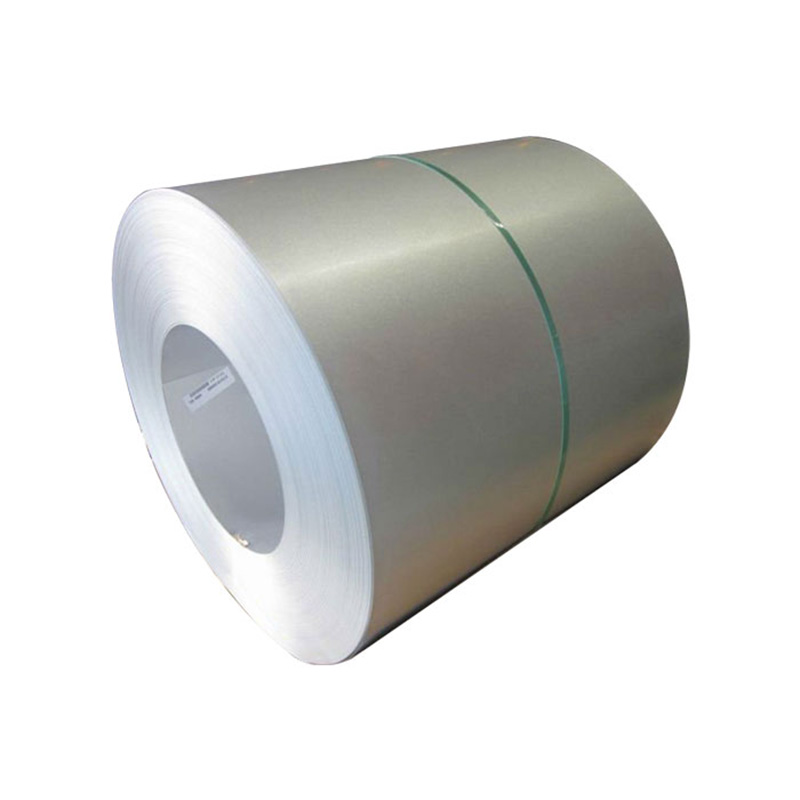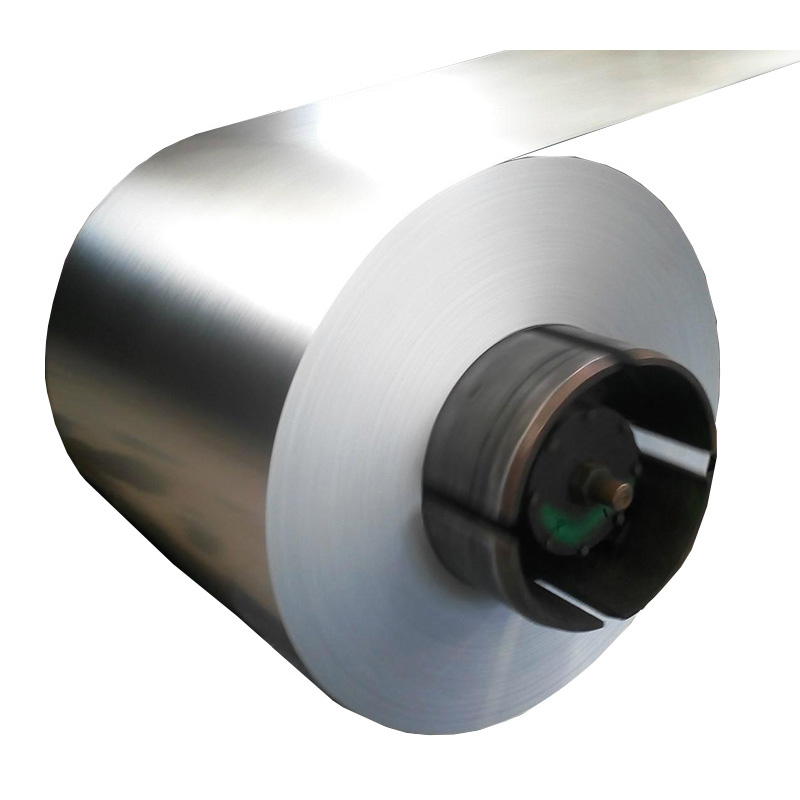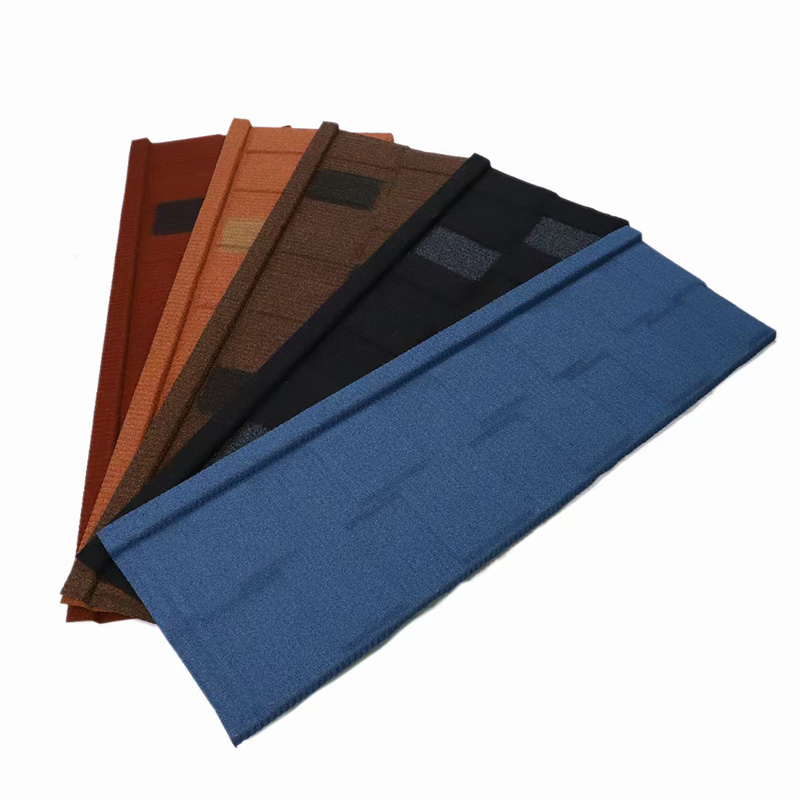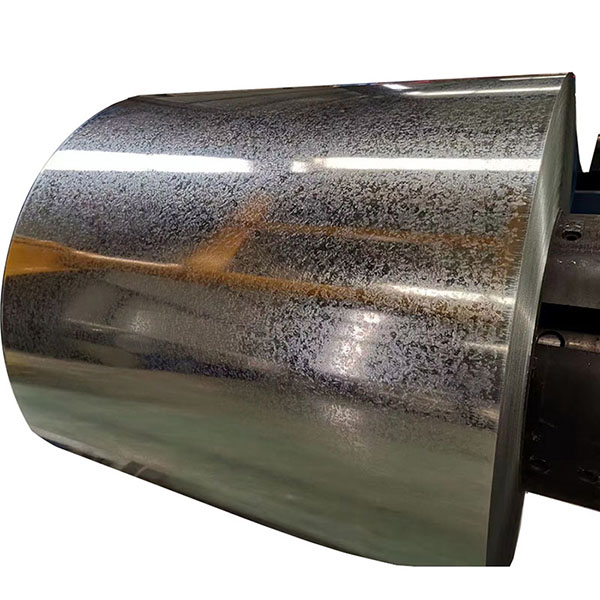

Key Highlights
-
A steel coil price comparison only works when every supplier quotes the same specification.
-
The lowest price tag may hide thinner actual material, lighter coating, or weaker packaging.
-
Procurement teams should compare total cost, not just unit price per metric ton.
-
Ask for a test certificate, packing list, and named required documents before ordering.
-
Supplier reliability affects lead time, paperwork accuracy, and delivery results.
-
Hidden costs often appear in freight, customs clearance, inspection, and payment terms.
Introduction
You receive three quotations for 0.30 mm PPGI. Supplier A offers USD 710/MT, Supplier B quotes USD 735/MT, and Supplier C sends USD 760/MT. Is Supplier A really the cheapest? Not always. In steel coil procurement, the lowest number can hide differences in raw material, coating, tolerance, packaging, or payment terms. Steel prices also move with price changes in freight and supply conditions, so you need to compare specifications first and prices second.
Why Comparing Steel Coil Quotations Matters for Buyers in Chile
For buyers in Chile, a steel coil quotation affects far more than the purchase order value. It influences your material cost, production schedule, and the risk of delays after cargo arrival. That is why procurement professionals should not compare offers by steel prices alone.
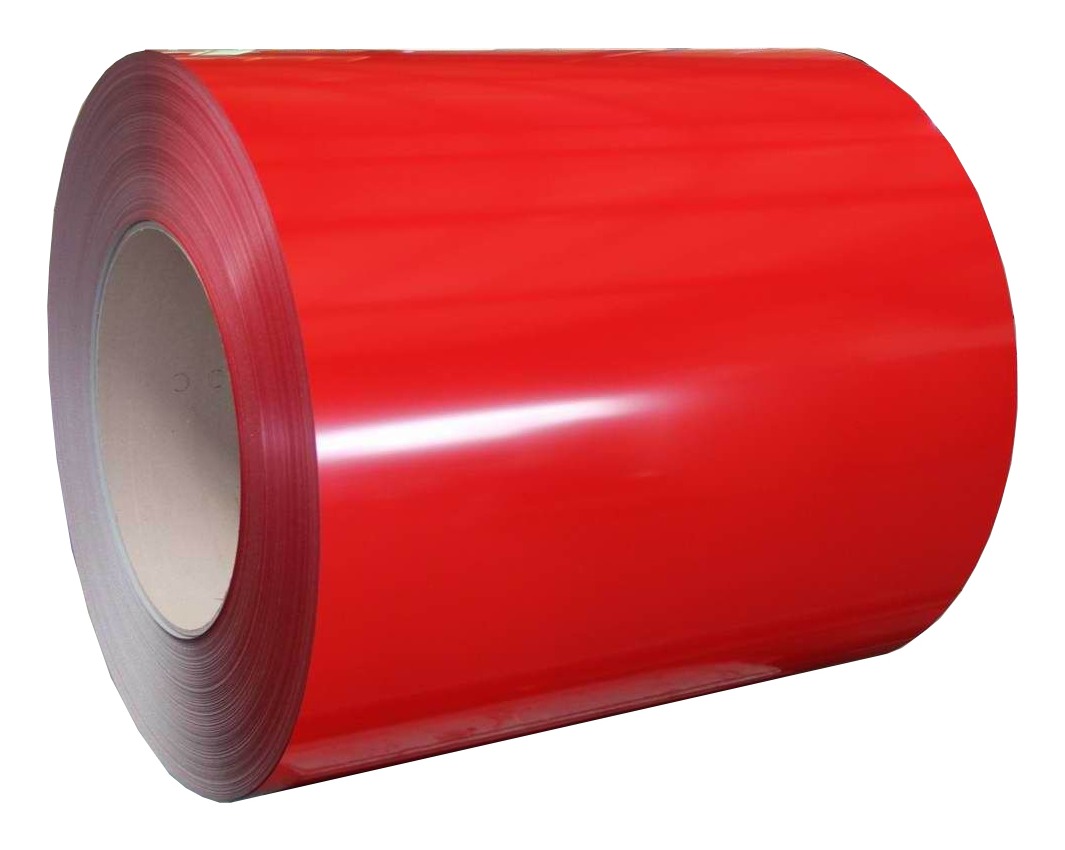
Quality differences change total cost. A lower quote may come with wider tolerance, lighter coating weight, or incomplete paperwork. When that happens, your factory may face higher scrap, customs issues, or production loss. Good comparison protects both margin and delivery planning.
Common Challenges Faced When Evaluating Steel Coil Quotes
At first glance, many steel coil offers look the same. The quotation may show the same thickness, width, color, and quantity. Still, the actual product can be very different. This is why the lowest price tag often leads buyers in the wrong direction.
One common mistake is treating the lowest number as the best deal without checking what is actually included. Your application requirements may need tighter tolerance, stronger mechanical properties, or a higher coating level than the quote provides.
Watch for these gaps:
-
Product names that look similar but describe different base material
-
Nominal thickness listed without tolerance or thickness definition
-
Coating and surface finish mentioned vaguely
-
Required documents not stated in the offer
Same product name does not always mean the same specification. That is the real challenge.
Key Factors Influencing Steel Coil Price Comparison
Price comparison starts with knowing what changes the number. In steel coil buying, the unit price is shaped by raw material costs, specification level, logistics, and document commitments. If one supplier leaves out key details, the price may look better than it really is.
You should compare both the technical side and the commercial side. Thickness, coating weight, and surface finish affect product performance. Grade, standard, and chemical composition affect whether the material matches your use. Freight basis, lead time, and payment terms affect landed cost and risk.
|
Factor |
Why It Changes Price Comparison |
|---|---|
|
Thickness and tolerance |
Changes actual steel consumption and usable yield |
|
Grade and standard |
Determines performance and test results |
|
Coating weight |
Affects corrosion resistance and service life |
|
Paint system or finish |
Changes durability and surface appearance |
|
Incoterms and freight |
Shifts logistics cost and final landed value |
|
Documents included |
Reduces customs and payment risk |
What You Need to Start Comparing Steel Coil Quotations
Before asking different suppliers for a steel coil quotation, build one clear specification sheet. This should include the product type, grade, dimensions, tolerance, coating, packaging, and document requirements. Procurement teams get better offers when every supplier answers the same request.
You also need the named destination port and trade basis, because FOB, CFR, and CIF are not directly comparable. A standard method is simple: normalize the technical specifications first, then convert each offer into total delivered cost using the same commercial basis.
Essential Information and Documents to Gather
A usable steel coil quotation is not just a number. It should state the commercial terms, technical details, and the exact paperwork that will follow the shipment. If documents are not listed clearly, you may face mismatch later at the bank or port.
That matters even more when using letters of credit. Customs officers, banks, and inspection teams read different files. If the packing list, bill of lading, and mill papers do not match, cargo can be held even when the coils are acceptable.
Gather and confirm these items:
-
Packing list with weights and coil identification
-
Bill of lading with correct shipment details
-
Certificate of origin that matches the mill and export data
-
Mill test certificate or test certificate type required
-
Insurance or other required documents if the term includes them
Put the document list inside the inquiry and contract, not only in email messages.
Understanding Key Steel Coil Specifications Before You Begin
Start with the technical side. If your specification is vague, suppliers will fill in the blanks differently. That makes comparison weak from the beginning. A steel coil quote should match the actual needs of your steel sheet application, not just a general product label.
For roofing, roll forming, or other industrial applications, you need more than thickness and width. Mechanical properties, coating level, and edge condition can change forming behavior, output, and durability. Corrosion resistance also depends on what coating is really offered.
Check these items before comparing prices:
-
Product type, base material, and standard
-
Nominal thickness, width, and tolerance class
-
Mechanical properties such as yield strength and test results
-
Coating, surface treatment, and edge condition
Once those are aligned, price comparison becomes much more reliable.
Step-by-Step Guide: How to Compare Steel Coil Quotations with Confidence
Now you can move from basic review to real comparison. The goal is simple: make sure every steel coil offer answers the same technical and commercial question. Without that step, price comparison is just comparing mixed data.
A better method is to check one variable at a time, then convert each quotation into total cost. This also helps you judge supplier reliability, because organized suppliers usually quote more clearly. The next steps show what to review line by line.
Step 1: Confirm Product Type and Supplier Specification Alignment
First, confirm that every supplier is quoting the same product type. Many buyers compare offers that look similar on paper but use different base material. That makes the result meaningless from the start.
Build one specification list and send it unchanged to all suppliers. It should define the product clearly, including whether you need GI, GL, PPGI, or another coated steel coil. It should also state the material grade and standard, not shorthand names only.
Then check whether each quotation follows that request exactly. A supplier who changes the grade, coating type, or base material without highlighting it is not giving you a clean comparison. The rule is simple: normalize first, compare second. If the products are not aligned, the cheapest quote may not match your actual requirement at all.
Step 2: Check Nominal Thickness, BMT/TCT, and Tolerances
This is one of the most important checks in any steel coil quotation. Two suppliers may both write 0.30 mm, but that does not prove they are quoting the same thing. You need to ask whether the figure refers to BMT or TCT.
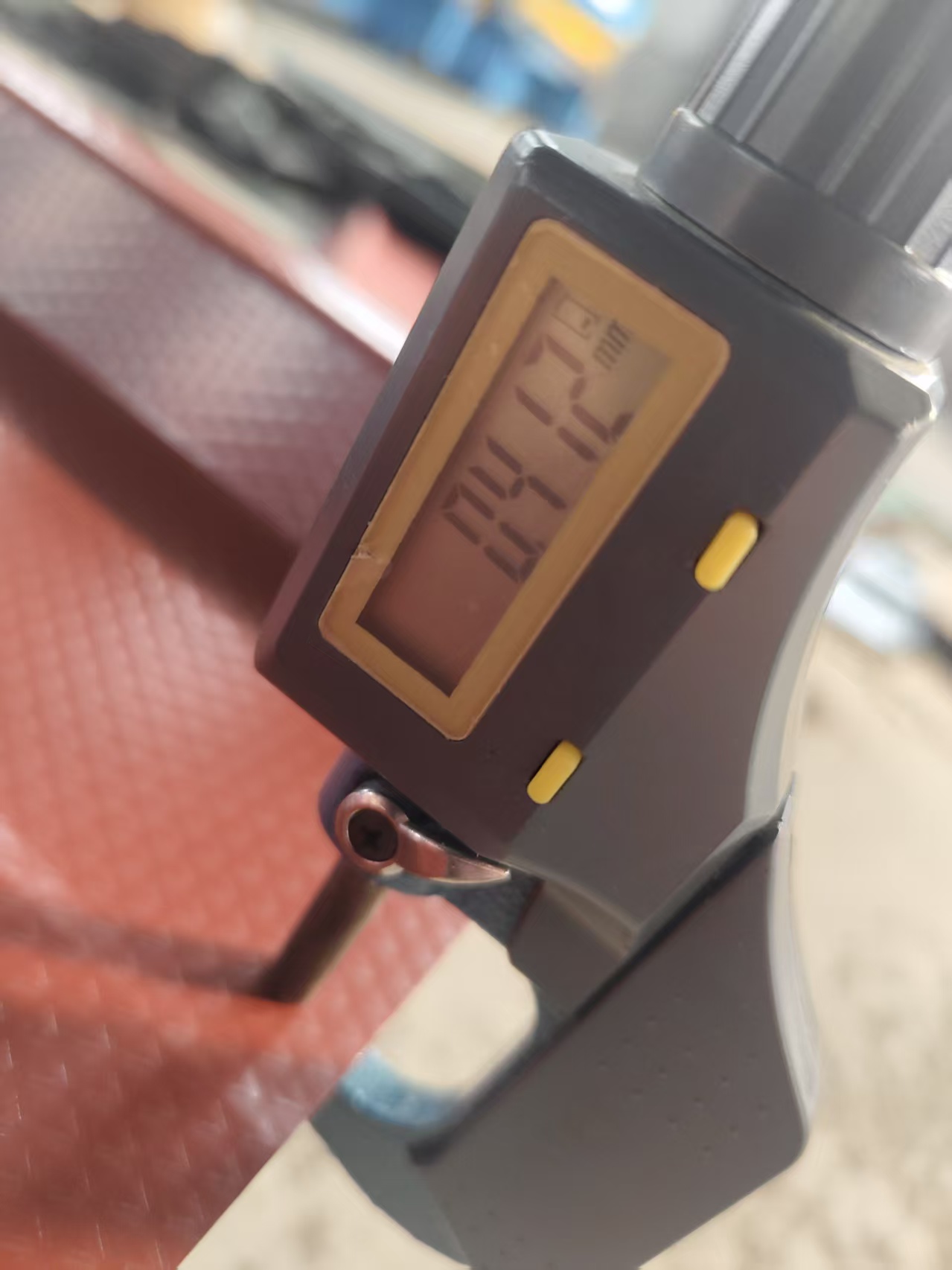
Next, check the nominal thickness together with the allowed tolerance. A quotation that lists thickness without the tolerance class leaves too much room for variation. What thickness will you actually receive, not only what thickness is written on the quotation?
This affects actual steel consumption, meters per ton, finished sheet weight, and production consistency. It can also influence minimum thickness in use and even forming behavior tied to mechanical properties. Never compare 0.30 mm under one thickness definition with another 0.30 mm under a different definition as if they were identical specifications.
Step 3: Review Steel Grade, Yield Strength, and Mechanical Properties
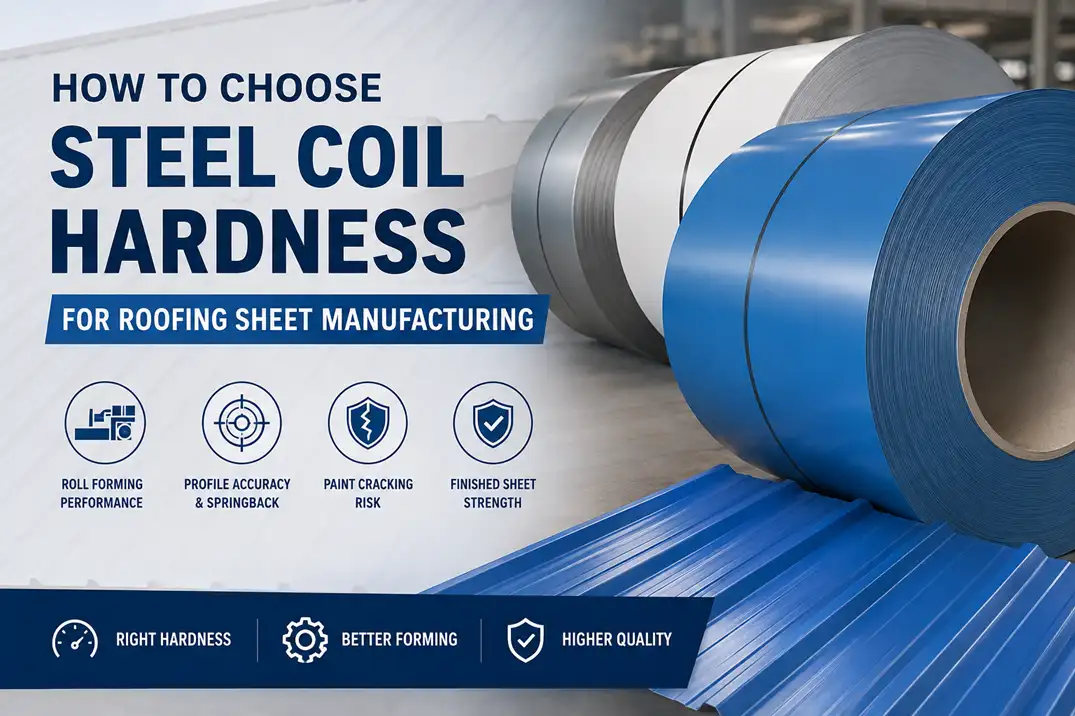
Once thickness is aligned, move to material performance. A steel coil with the same size and coating can still behave very differently in production if the steel grade is not the same. This matters in roll forming, roofing, garage door, and similar applications.
Do not stop at labels like soft, hard, or full hard. Ask for the steel grade, yield strength, tensile range, and other mechanical properties shown in the standard or certificate. These values affect forming, springback, cracking risk, and final profile rigidity.
Quality has a direct effect on price comparison. Better test results and more controlled properties may cost more, but they often reduce processing costs and production issues. When suppliers quote similar numbers, the one with clearer mechanical data usually gives you a more dependable offer.
Step 4: Evaluate Zinc or Al-Zn Coating Weight and Protection Levels
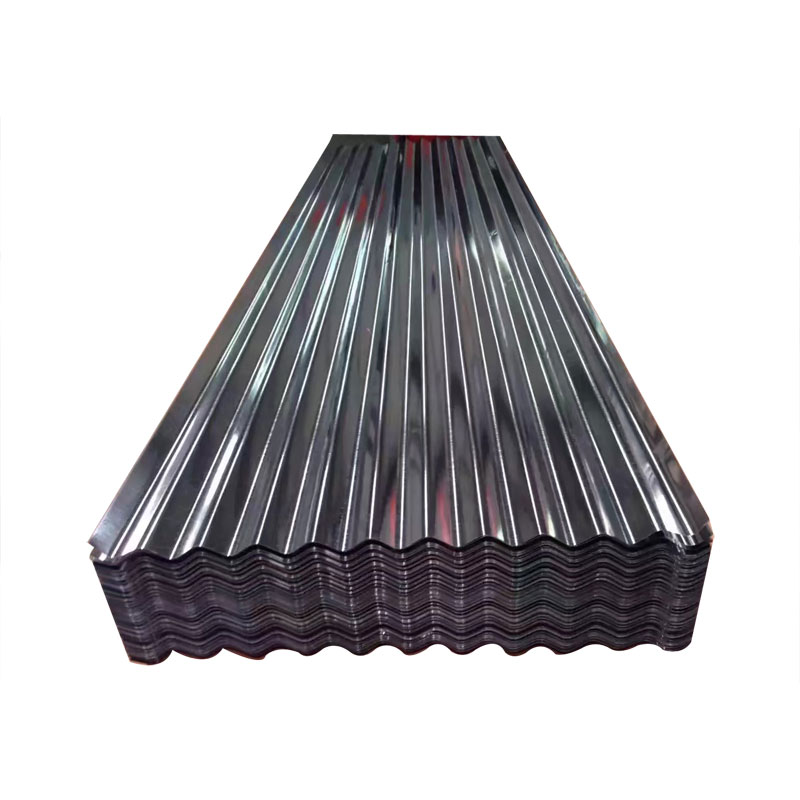
Coating weight is one of the most common places where a cheap steel coil quote hides value loss. One supplier may offer Z40, another Z120, and another Z275. These are not equal products, even if thickness and width look the same.
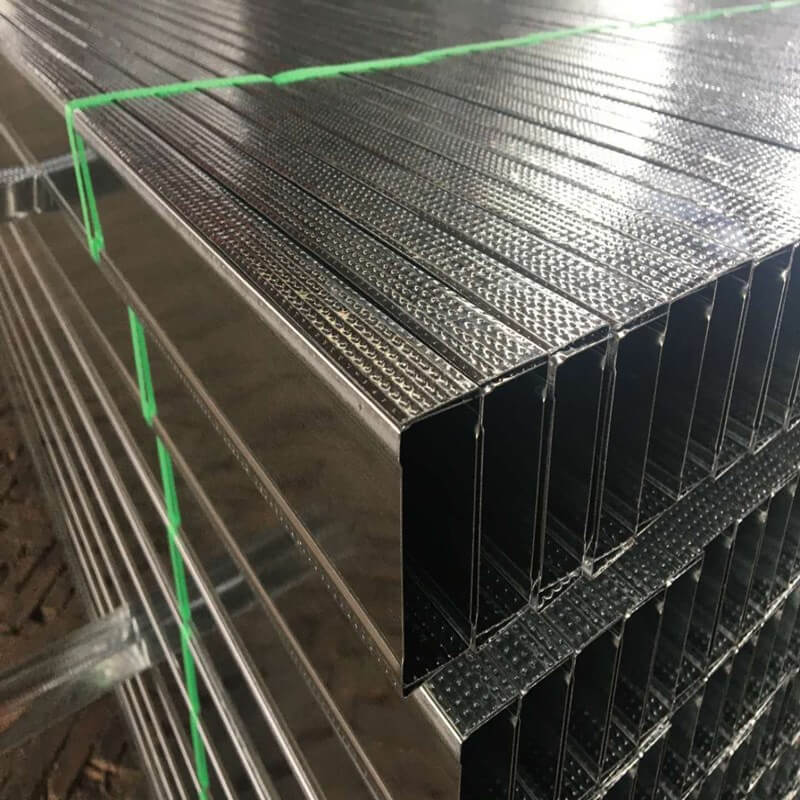
The same logic applies to Al-Zn coated material. A lower coating weight usually means a lower price, but it also means lower corrosion resistance. In humid or coastal markets, that difference can change service life in a major way. Surface treatment descriptions should also be clear.
So when you compare quotations, ask for the exact coating designation and the mass for both surfaces combined where relevant. Never accept a line that says only galvanized or coated. Metallic protection affects both cost and real performance after installation.
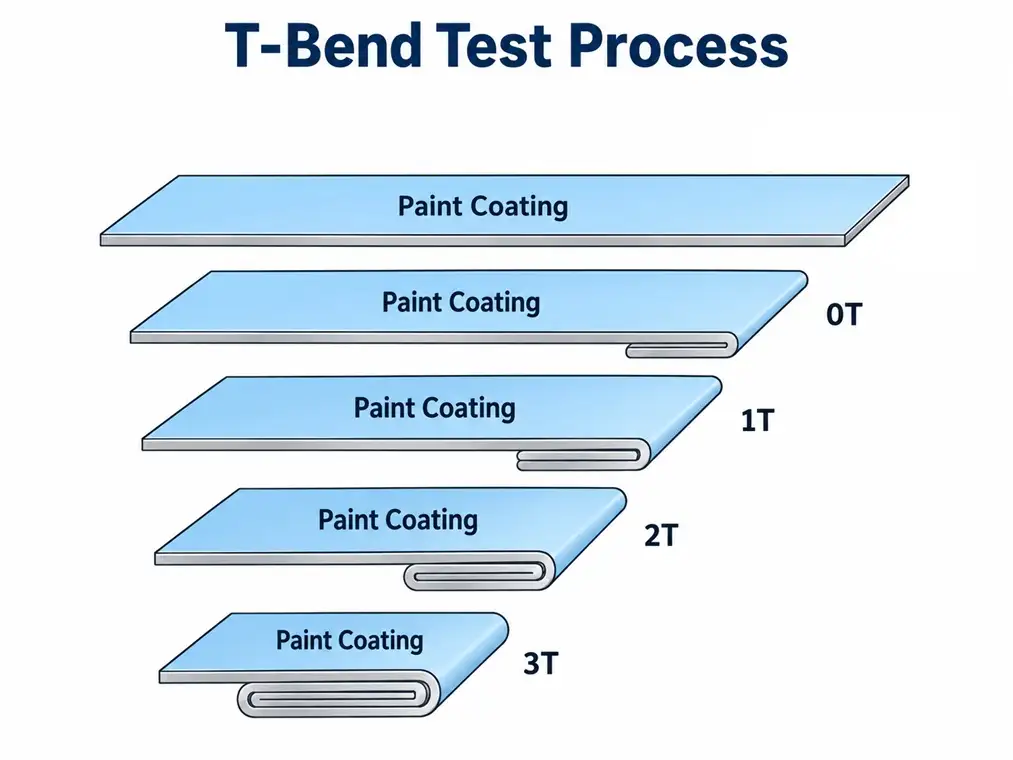
Step 5: Assess Paint Thickness, System, and Coating Details
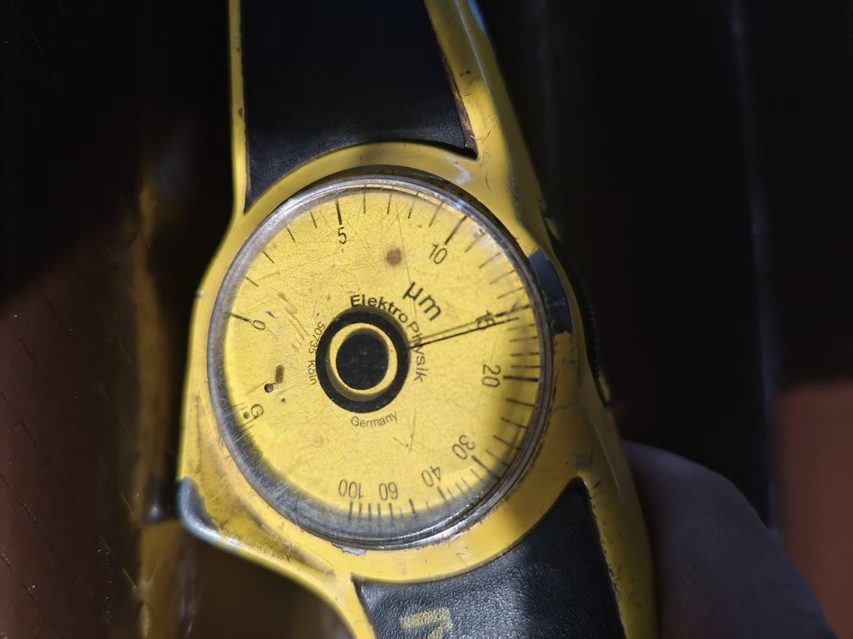
Prepainted steel coil needs closer review than many buyers expect. Two offers may both state 20 μm, yet they may still describe different coating structures. You need to ask what that number actually refers to.
Is it primer only, top coat only, or total front coating? What about the back coat? These details affect surface appearance, durability, and service life. If the quotation combines them into one number, comparison becomes unclear very quickly.
A stronger method is to ask suppliers to separate primer, top coat, and back coat thickness in the quotation. You should also confirm the paint system itself, because coating type changes performance even when the micron figure looks identical. Clear coating details help you avoid buying a lower-grade prepainted product by mistake.
Step 6: Compare Coil Width, Weight, and Packaging Options
Width matters more than many quotations suggest. If your line needs a specific width for roofing or forming, you should ask not only for the nominal figure but also the tolerance. Small variation can affect alignment, scrap, and machine adjustment.
Then review coil weight together with inner diameter and outer diameter. A low-priced offer is not useful if your decoiler cannot handle the coil weight or coil size. This point is often missed during early negotiation.
Packaging also belongs in the comparison. Stronger export packaging can reduce damage risk in transit, while weak packing can create hidden losses at unloading. So compare the full handling package: width tolerance, maximum coil weight, inner diameter, outer diameter, and packaging method. These are practical production details, not minor extras.
Step 7: Analyze Incoterms, Delivery Terms, and Payment Conditions
Commercial terms can change the final steel coil cost just as much as product details. An FOB offer, a CFR offer, and a CIF offer are not directly comparable. Delivery terms decide who pays for freight, insurance, and part of the logistics cost.
Payment conditions also matter. A low price with heavy advance payment can put pressure on cash flow. A short validity period may also expose you to fast steel pricing changes before you can complete internal approval.
Review these points carefully:
-
Incoterms and the named port of loading and discharge
-
Delivery terms and production lead time counted from deposit receipt
-
Payment terms, including deposit percentage and balance trigger
-
Price validity window in a volatile market
These items answer a key buyer question: how delivery terms affect the final cost of steel coil quotations.
Step 8: Identify Any Hidden Costs and Import Charges
A quote may look competitive until you convert it into landed cost. Hidden costs often sit outside the unit price, especially when different suppliers use different trade terms. That is why you should calculate the full amount to your warehouse, not just the invoice value.
Import buyers should also think about paperwork risk. If required documents are wrong or incomplete, customs clearance can take longer and create extra charges. A container held at port can quickly add costs that erase the original price advantage.
Check for these items:
-
Ocean freight and insurance not included in an FOB offer
-
Import charges linked to the correct HS code and product type
-
Port, customs clearance, and inland handling expenses
-
Inspection cost for an unproven supplier
This is the practical way to identify hidden costs in steel coil quotations from suppliers.
How to Verify Steel Coil Supplier Reliability and Quality Assurance
After technical and commercial review, you still need to test supplier reliability. A good steel coil quote should be supported by real quality assurance, clear document control, and a believable delivery process. Otherwise, the offer may fail after payment.
Start with the supplier’s track record, production setup, and response quality. Reliable suppliers tend to explain specification gaps before quoting, not after shipping. This check helps you reduce production delays, document mismatch, and avoidable risk.
Certificates, Mill Test Reports, and Quality Documentation to Request
Quality paperwork should be requested before the order is placed, not after the cargo is loaded. The mill test certificate is the core proof that the steel coil matches the invoice and purchase order. For many imported orders, a 3.1 certificate is the safer request.
Read the certificate carefully. The standard, grade, heat number, dimensions, and test results should match the order exactly. For coated products, the coating mass should also appear where required. If the file looks too vague, ask questions before releasing payment.
Request these quality documentation items:
-
Mill test certificate or test certificate type required
-
Packing list with matching coil identification
-
Certificate of origin
-
Any additional quality assurance papers agreed in the contract
Good documentation reduces disputes with customs, banks, and inspection teams.
Red Flags and Common Mistakes to Avoid When Selecting a Supplier
Some warning signs appear long before shipment. If a supplier avoids clear answers about material grade, tolerance, or document type, that should concern you. The same is true when they cannot explain which production lines will make your order.
Another red flag is over-simple paperwork. A one-line quotation with no technical breakdown asks you to assume too much. That often leads to mismatch later. Delivery reliability also deserves attention, especially if the supplier counts lead time from order date instead of deposit receipt.
Avoid these common mistakes:
-
Choosing only by lowest price
-
Accepting vague specification language
-
Ignoring document accuracy until cargo arrival
-
Skipping checks on track record and production lines
A reliable supplier should make comparison easier, not more confusing.
Conclusion
In summary, effectively comparing steel coil quotations is crucial for making informed purchasing decisions. By focusing on key specifications such as product type, thickness, coating weights, and mechanical properties, you’ll be better equipped to identify the best options for your needs. It’s essential to go beyond the surface-level price and consider factors like tolerances, delivery terms, and potential hidden costs. Remember that a thorough understanding of these elements not only ensures you secure competitive pricing but also guarantees that the quality of the steel meets your requirements. Don’t leave your procurement to chance—get quotes from reliable suppliers today to start your comparison process!
Frequently Asked Questions
What are the most important specifications to compare in steel coil quotations?
Compare the full steel coil technical specifications: product type, standard, nominal thickness, tolerance, coating weight, mechanical properties, width, surface finish, and edge condition. These points determine whether the steel sheet matches your application and whether two quotations are truly comparable.
How can I make sure all costs are included in the steel coil price comparison?
Convert each steel coil offer into total cost using the same trade basis. Include freight, insurance, customs clearance, port fees, inland transport, inspection, and other logistics cost items. This is the most practical way to uncover hidden costs and compare quotations fairly.
What documents should I ask for to verify steel coil quality?
Ask for a mill test certificate or agreed test certificate, plus a packing list and certificate of origin. These documents support quality assurance and help match the shipment to the order. For imported material, document accuracy is just as important as the material itself.
Does the supplier’s location affect steel coil pricing and lead times?
Yes. Supplier location can affect steel coil lead time, freight, and exposure to supply chain issues. Distance from your market, whether in North America or elsewhere, also changes transport cost and timing. In a volatile steel market, location can influence price changes and delivery risk.