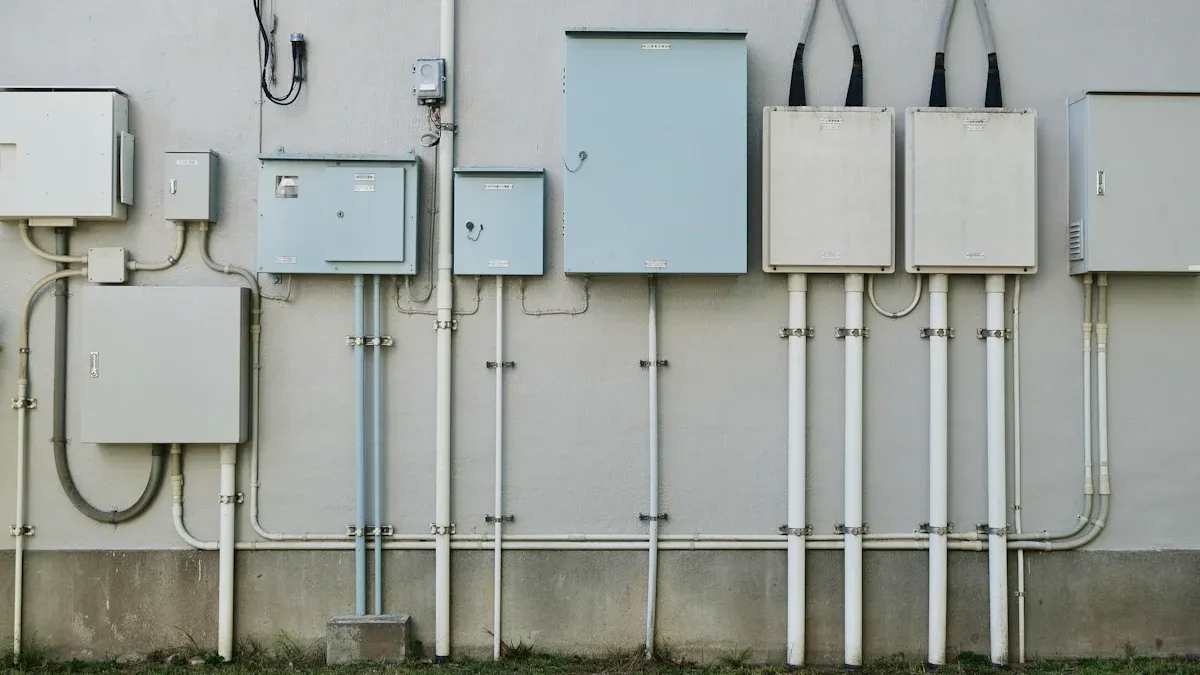
An electronic enclosure looks like a simple metal box. The material must meet many demands: corrosion protection, formability, dimensional stability, surface quality, electrical conductivity, solderability, coating compatibility, cost, and production consistency.
Why tin-plated steel is used for electronic enclosures comes down to one idea. It combines the strength of steel with the surface properties of tin — corrosion resistance, solderability, conductivity, and electromagnetic shielding — at a low cost.
Tin-plated steel is not the universal best choice. It is one of several suitable materials. Selection depends on the application, environment, and production needs.
This article explains what tin-plated steel is, why it works, how it compares to other materials, and when to choose alternatives.
Key Takeaways
- Tin-plated steel combines steel’s strength with tin’s corrosion resistance and conductivity. This blend makes it a reliable, low-cost enclosure material.
- The steel core gives enclosures rigidity, impact resistance, and dimensional stability. It protects sensitive electronic components from physical damage.
- The tin coating acts as a barrier against moisture and oxygen. It prevents rust in dry, controlled indoor environments.
- Tin’s low melting point and ductility allow easy soldering. Technicians attach wires and components directly to the enclosure.
- The conductive tin surface supports grounding and electromagnetic shielding. This surface maintains reliable electrical contact over time.
- Tinplate stamps, bends, and deep draws easily. This formability enables fast, high-volume production of complex enclosure shapes.
- Tin-plated steel costs less than stainless steel and aluminum. Its prefinished surface eliminates extra coating steps and lowers total cost.
- Choose galvanized steel, stainless steel, or aluminum for harsh, wet, or weight-sensitive uses. Tin-plated steel works best in dry, controlled environments.
What Is Tin-Plated Steel?
Structure and Composition
Steel Substrate and Tin Coating
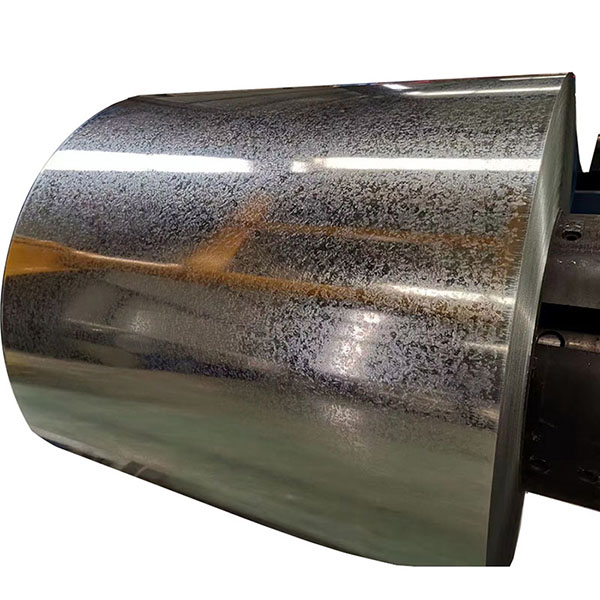
Tin-plated steel is a composite material. A base layer of low-carbon steel provides the structural body. A thin layer of metallic tin covers one or both surfaces. Manufacturers apply the tin coating through electrodeposition, which bonds the tin tightly to the steel.
The steel substrate does the heavy lifting. It gives the enclosure its shape, stiffness, and load-bearing capacity. The tin coating handles the surface functions. It resists corrosion, accepts solder, and conducts electricity. The value of tin-plated steel comes from combining the mechanical properties of steel with the functional surface properties of tin.
Electrolytic Tinplate (ETP)
Electrolytic tinplate (ETP) is the most common form of tin-plated steel used in electronics. Producers pass a continuous steel strip through an electrolyte bath. An electric current deposits tin onto the strip surface. This process controls coating thickness precisely and produces a uniform finish.
ETP comes in various coating weights and surface finishes. Electronics manufacturers select the grade that matches their soldering, shielding, and forming requirements. The material ships in coils or cut sheets, ready for stamping and bending operations.
Steel Substrate Properties
Strength and Rigidity
The steel base gives tin-plated enclosures their structural integrity. Low-carbon steel offers a good balance of strength and ductility. It resists bending and denting under normal handling conditions. This rigidity protects sensitive components inside the enclosure from physical damage.
Engineers can specify different steel grades and thicknesses. A thicker substrate increases stiffness for larger enclosures. A thinner substrate reduces weight for compact devices. This flexibility lets designers tune the mechanical performance to the application.
Dimensional Stability
Steel holds its shape well across temperature changes and mechanical loads. It does not creep or sag under sustained stress like some plastics do. This dimensional stability keeps mounting holes aligned and mating surfaces flush.
Electronic assemblies often require tight tolerances. Components must fit into precise locations. A stable enclosure material prevents misalignment during assembly and throughout the product’s service life.
Tin Coating Properties
Corrosion Protection
Tin is chemically inert in many indoor environments. The coating acts as a barrier between the steel and the surrounding air. It prevents moisture and oxygen from reaching the steel surface. This barrier protection extends the service life of the enclosure.
Tin also provides some sacrificial protection at scratches and cut edges. The tin coating is not a permanent shield against aggressive environments. It performs best in indoor and controlled conditions.
Solderability and Conductivity
Tin is very ductile and melts at a relatively low temperature. These properties make tin-plated steel easy to solder. Manufacturers can attach copper conductors, grounding wires, and shielding components directly to the enclosure surface.
Tin also conducts electricity well. This conductivity supports grounding paths and electrical connections. An enclosure made from tin-plated steel can serve as part of the electrical circuit rather than just a passive housing.
Surface Appearance
Tin-plated steel has a bright, silvery finish. The surface looks clean and uniform. This appearance suits visible enclosure applications where aesthetics matter.
The smooth surface also accepts paints, labels, and other coatings. Manufacturers can print logos or apply decorative finishes without additional surface preparation. This compatibility simplifies the finishing process and reduces production steps.
Why Tin-Plated Steel Is Used for Electronic Enclosures
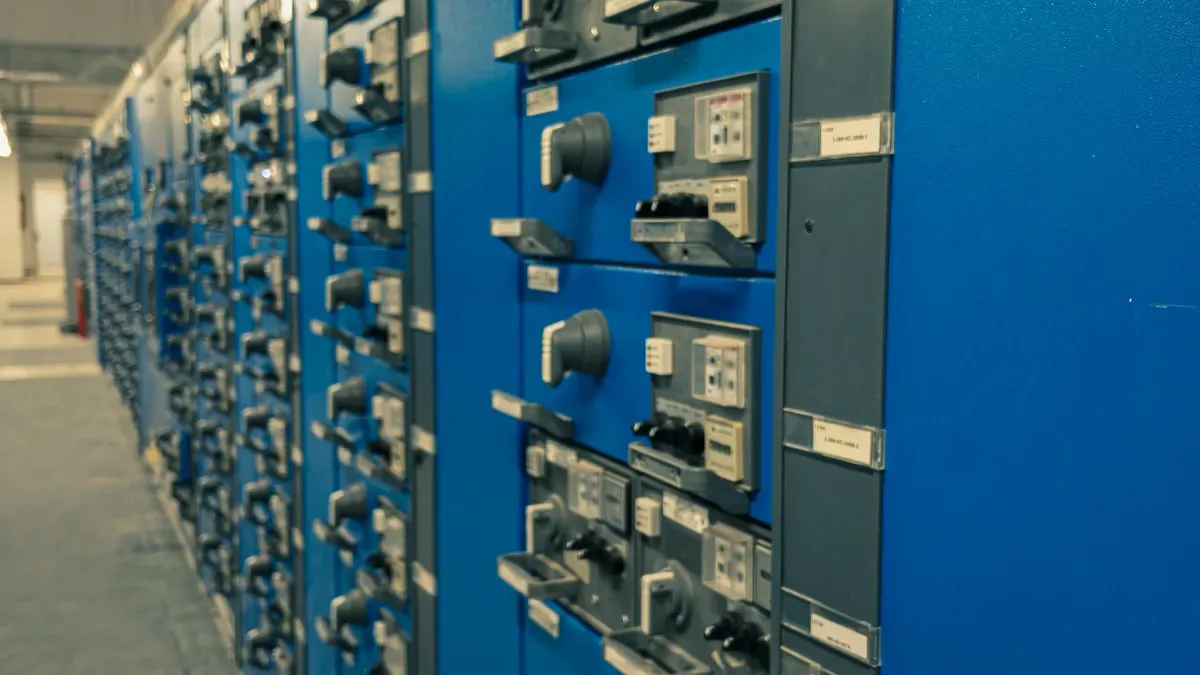
The answer to why tin-plated steel is used for electronic enclosures lies in how its properties work together. The steel substrate provides mechanical strength. The tin coating adds corrosion resistance, solderability, electrical conductivity, and electromagnetic shielding. No single property explains the material’s popularity. The combination does.
Corrosion Protection
How Tin Protects Steel
Tin plating prevents the steel plate from rusting by utilizing the chemical inertness of tin. The tin layer acts as a physical barrier. It blocks moisture and oxygen from reaching the steel surface underneath. This barrier protection extends the service life of the enclosure.
Tin also protects exposed steel at cut edges and scratches to some degree. The metal is more noble than steel in the electrochemical series. This means tin does not sacrificially protect steel the way zinc does. At a deep scratch that exposes bare steel, corrosion can still begin. The tin coating slows the process but does not stop it entirely.
Indoor and Controlled Environments
Tin-plated steel performs well in indoor settings. Office equipment, consumer electronics, and control panels operate in dry, temperature-controlled spaces. These conditions suit tinplate perfectly. The tin coating resists the mild humidity and occasional condensation found in these environments.
Manufacturers often add a thin passivation layer or oil film on top of the tin. These treatments further slow oxidation during storage and assembly. The result is an enclosure that stays clean and functional for years in normal use.
Limits vs. Galvanized and Stainless
Tin-plated steel does not match galvanized steel in harsh conditions. Galvanized steel uses zinc, which sacrificially protects exposed steel. Zinc corrodes first, sparing the base metal. Tin offers only barrier protection. Once the barrier breaks, the steel underneath can rust.
Stainless steel outperforms tinplate in wet or chemical environments. Its chromium oxide layer self-repairs when scratched. Tin-plated steel cannot do this. For outdoor enclosures or wash-down areas, stainless steel or galvanized steel is the better choice.
Solderability and Conductivity
Soldering to Copper Conductors
Tin is very ductile and melts at a relatively low temperature. These traits make tin-plated steel easy to solder. Manufacturers can attach copper conductors, grounding wires, and shielding components directly to the enclosure surface. The solder forms a reliable metallurgical bond with the tin coating.
This solderability simplifies assembly. Technicians do not need special fluxes or surface preparation. They apply heat and solder to the tin surface, and the joint forms cleanly. The tin coating also permits proper bonding to copper conductors in grounding and shielding applications.
Grounding and Electrical Contact
Tin conducts electricity well. An enclosure made from tin-plated steel can serve as part of the electrical circuit. It provides a continuous grounding path for sensitive components inside. This grounding capability protects circuits from static discharge and electrical faults.
The tin surface also maintains good electrical contact over time. Tin oxide forms slowly and remains conductive. Other metals develop insulating oxide layers that interfere with grounding. Tin-plated steel avoids this problem in most indoor applications.
EMI Shielding
Steel as an EMI Barrier
The steel substrate provides protection from electromagnetic interference (EMI). Steel is a ferromagnetic material. It absorbs and reflects electromagnetic radiation across a wide frequency range. This shielding prevents external signals from disrupting sensitive electronics inside the enclosure.
The tin coating does not weaken this shielding effect. Tin is also conductive, so it adds to the barrier rather than detracting from it. The combination of steel and tin creates an effective shield against both electric and magnetic fields.
Tin Surface Conductivity
The tin surface conductivity supports EMI shielding in a second way. Electromagnetic waves induce currents on the enclosure surface. These currents must flow freely to dissipate the energy. A conductive tin surface allows these currents to move without resistance.
A painted or oxidized surface would block these currents. The tin coating stays conductive, so the shielding remains effective. This property benefits enclosures that house high-frequency circuits or radio components.
Shielding vs. Aluminum and Plastic
Aluminum offers good conductivity but weaker magnetic shielding. It cannot block low-frequency magnetic fields as effectively as steel. Plastic enclosures require conductive coatings or metallic inserts to achieve any shielding at all. These additions increase cost and complexity.
Tin-plated steel provides both electric and magnetic shielding in one material. This dual capability makes it a practical choice for computers, televisions, and video equipment. The deep drawing capacity of tinplate allows manufacturers to form complex shield shapes that fit tightly around sensitive components.
Mechanical Strength and Formability
Structural Durability
Rigidity and Impact Resistance
The steel substrate provides rigidity, impact resistance, and dimensional stability for protecting electronic components. A tin-plated enclosure resists denting when dropped or bumped during shipping and handling. The steel core absorbs impact energy and keeps its shape. Sensitive parts inside, such as circuit boards and connectors, stay aligned and undamaged.
Designers adjust steel grade and thickness to match the mechanical demands of each product. A larger enclosure needs a thicker substrate for stiffness. A compact handheld device can use a thinner sheet to save weight. This flexibility lets engineers tune rigidity without changing the surface finish.
Vibration and Mechanical Stress
Tin-plated steel performs well under vibration and mechanical stress in enclosure applications. Equipment mounted in vehicles, industrial racks, or moving machinery subjects the housing to constant shaking. The steel substrate resists fatigue and holds mounting points secure. Fasteners stay tight, and panels do not rattle loose over time.
The tin coating also survives this mechanical loading. Tin is ductile, so it bends with the steel instead of cracking. The coating stays intact across small flexing movements. This durability keeps the corrosion barrier and the conductive surface working through years of service.
Formability and Fabrication
Stamping, Bending, and Deep Drawing
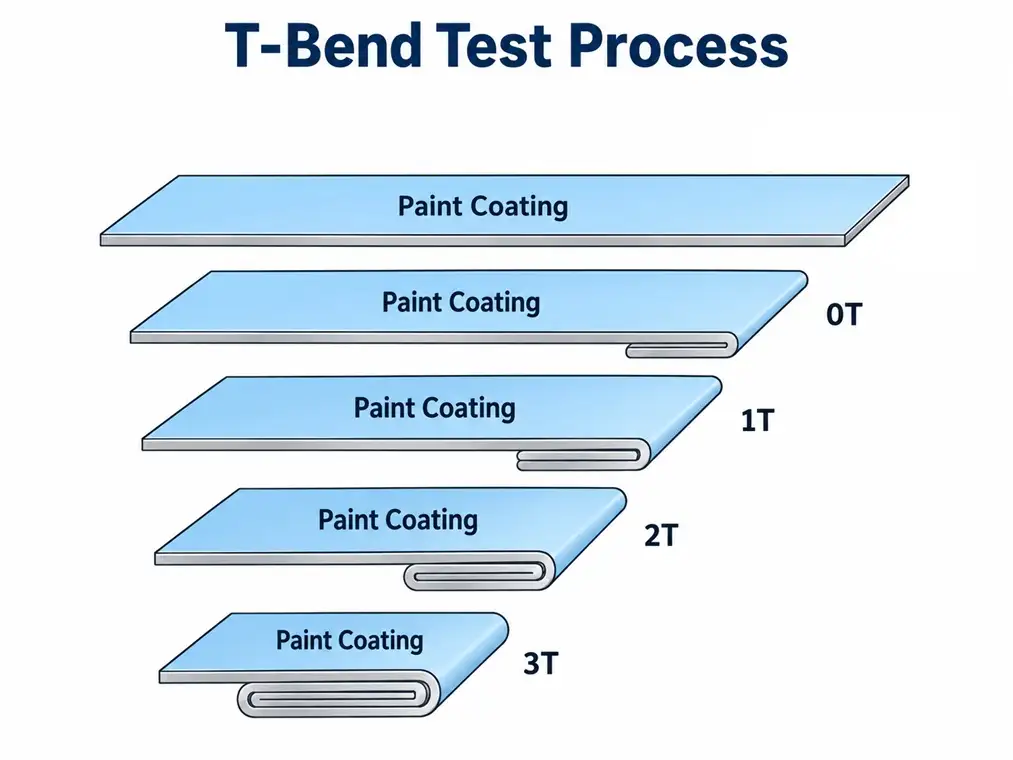
Tinplate offers excellent deep drawing capacity. Manufacturers can stretch the material into complex, seamless shapes without tearing. This formability has led to its widespread use as electronic shielding against electromagnetic interference in devices such as computers, televisions, and video equipment. A single stamping operation can produce a shield that fits tightly around a circuit board.
The tin coating survives these forming operations. It stretches with the steel and maintains its bond. Fabricators run high-speed stamping presses and automated bending lines without special handling. The material feeds cleanly and produces consistent parts run after run.
Dimensional Consistency
Steel holds its dimensions through forming and assembly. Stamped parts come out of the press with repeatable hole positions and bend angles. This consistency matters when enclosures must mate with connectors, gaskets, and mounting brackets. Small variations multiply across an assembly line and cause fit problems.
Tin-plated steel also resists springback better than many lighter metals. Bends stay where the die puts them. Assembly workers do not need to rework panels or force parts into place. This predictability speeds up production and reduces scrap.
Surface Durability
Scratch and Abrasion Resistance
The tin coating is soft compared to the steel underneath. Normal handling can leave light scratches on the surface. These marks rarely affect function, because the steel still provides structural support. Deeper gouges that expose bare steel can become corrosion sites in humid conditions.
Manufacturers often apply a thin oil film or passivation layer to reduce surface damage during shipping and assembly. Careful handling and protective packaging further limit scratches. For visible enclosures, a painted or coated finish hides minor surface marks.
Painting and Coating Compatibility
Tin-plated steel accepts paints, powders, and decorative coatings well. The smooth, clean surface gives these finishes a good base to bond to. Manufacturers can print logos, apply color, or add functional coatings without extra surface preparation.
This compatibility simplifies the finishing process. A single material serves as both the structural housing and the cosmetic surface. Producers avoid the extra steps that other metals require, such as etching or primer application. The result is a shorter production cycle and lower processing cost.
Comparison with Other Materials
vs. Galvanized Steel
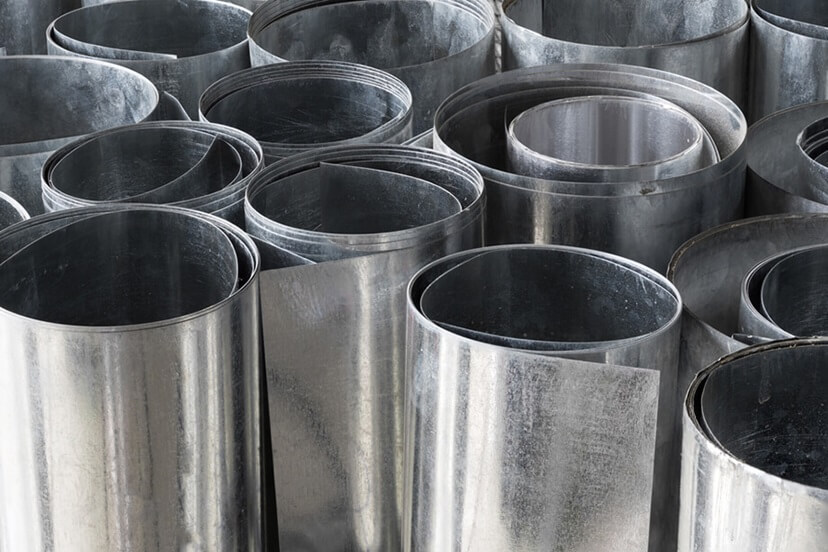
Corrosion Mechanism
Galvanized steel relies on zinc, which protects the base metal sacrificially. When a scratch exposes bare steel, the zinc corrodes first and spares the steel underneath. Tin-plated steel works differently. Tin acts as a barrier, so it blocks moisture and oxygen from reaching the steel surface. This barrier protection works well indoors, but a deep scratch can still let rust begin.
Solderability and Finish
Tin offers a smooth, bright surface that accepts solder easily. Zinc coatings on galvanized steel resist solder and often need special fluxes or mechanical preparation. The matte, spangled look of galvanized steel also limits its use in visible enclosures. Tin-plated steel takes paint and decorative finishes with far less surface preparation.
vs. Stainless Steel
Cost and Corrosion Trade-Offs
Stainless steel costs substantially more than tin-plated steel. Its chromium oxide layer self-repairs when scratched, so it resists rust in wet and chemical environments. Tin-plated steel cannot match that durability. For indoor electronics, however, the extra corrosion resistance of stainless steel often goes unused, and buyers pay a premium for protection the application does not need.
When Stainless Wins
Stainless steel becomes the better choice in outdoor installations, wash-down areas, food processing equipment, and marine settings. Any enclosure exposed to salt spray, standing water, or aggressive chemicals should use stainless steel or another high-corrosion material. Tin-plated steel suits dry, controlled environments instead.
vs. Aluminum
Weight and Conductivity
Aluminum weighs much less than steel, which helps in portable and weight-sensitive products. It also conducts electricity and heat well. Aluminum provides weaker magnetic shielding, though, because it is not ferromagnetic. Steel blocks low-frequency magnetic fields that aluminum lets pass. This difference matters for enclosures housing sensitive circuits.
Cost and Fabrication
Aluminum generally costs more per unit of stiffness than tin-plated steel. It also demands different welding methods and careful handling to avoid dents. Tin-plated steel stamps, bends, and deep draws easily on high-speed presses. That formability explains much of why tin-plated steel is used for electronic enclosures in high-volume production.
Cost and Manufacturing
Material Cost
Cost dictates the first material decision for most enclosure buyers. Tin-plated steel prices below many alternatives with similar surface performance.
Price vs. Alternatives
Stainless steel costs far more because of its chromium and nickel content. Aluminum commands higher prices per unit of stiffness. Copper remains expensive and adds excessive weight. ETP sheet gives buyers a low-cost substrate with a finished functional surface.
The tin coating arrives already applied. Manufacturers skip separate plating steps after forming. Pre-finished sheet shortens the production chain and cuts total material spend.
Availability and Supply Chain
ETP steel sheet is a mature commodity product. Major mills produce it in continuous coils. Stocking distributors carry common gauges and coating weights. Short lead times suit tight production schedules.
Manufacturers can qualify multiple suppliers quickly. This supply chain resilience protects against regional shortages. Production planners depend on this steady availability for monthly forecasts.
Fabrication Efficiency
Processing speed often outweighs material cost in final pricing. Tinplate handles well in existing metal-forming equipment.
Stamping, Bending, and Welding
The tin coating acts as a die lubricant during stamping and bending. Parts release cleanly without galling or tool wear. The coating stays intact through the forming operation. Deep drawing stretches the material into complex shield shapes with few failures.
Resistance welding joins tinplate panels and brackets reliably. Standard spot-welding schedules work with copper electrodes. Periodic electrode dressing maintains consistent joint quality.
High-Volume Production
Automated stamping presses run tinplate at full rated speed. Coil-fed presses produce parts continuously without interruption. Uniform coating thickness keeps forming force stable across the entire run.
This predictability reduces downtime. Operators do not stop to adjust dies or remove stuck parts. Output per shift remains high and repeatable.
Total Cost of Ownership
The cheapest material does not always produce the cheapest enclosure. Fabrication labor, scrap, and rework determine the final cost.
Material vs. Processing Cost
Tin-plated steel lowers processing costs through its surface properties. Its solderability shortens assembly time. Its paint compatibility eliminates pretreatment steps. These savings often exceed the material price difference.
A slightly more expensive metal might win if it saves hours of labor. Engineering teams should compare total cost before selecting a grade.
Scrap and Rework
Formability keeps scrap rates low. Fewer cracked or distorted panels reach the reject bin. Material utilization improves.
Easy soldering reduces rework. Technicians form reliable joints on the first attempt. Defect rates fall, and quality inspection passes quickly.
Limitations and Alternatives
Environmental Limits
Outdoor and High Humidity
Tin-plated steel performs poorly in outdoor settings. Rain, fog, and constant moisture attack the tin coating over time. Once moisture penetrates a scratch or cut edge, rust begins on the steel underneath. The tin barrier cannot stop this process the way zinc does in galvanized steel.
High-humidity indoor spaces also pose risks. Unheated warehouses, basements, and coastal facilities expose enclosures to condensation cycles. Repeated wetting and drying slowly degrade the tin surface. Buyers should specify a different material when the enclosure faces these conditions.
Chemical Exposure
Tin resists many mild indoor pollutants. It does not withstand strong acids, alkalis, or industrial solvents. Chemical plants, laboratories, and cleaning-intensive environments expose enclosures to aggressive agents. These substances eat through the thin tin layer and reach the steel substrate.
Even some common cleaning products can damage tinplate over time. Alcohol-based wipes and mild detergents usually cause no harm. Harsh disinfectants or abrasive cleaners strip the coating. Designers should review the cleaning protocol before selecting tin-plated steel.
When Alternatives Are Better
High-Corrosion Environments
Galvanized steel suits outdoor and humid applications better than tinplate. Its zinc coating sacrificially protects exposed steel at scratches and cut edges. Stainless steel wins in marine, wash-down, and food-processing settings. Its chromium oxide layer self-repairs when damaged.
Aluminum also resists corrosion well in many environments. It forms a natural oxide barrier that protects the surface. Each material has a niche. Tin-plated steel serves dry, controlled spaces. The others handle the harsh conditions.
Weight-Sensitive Applications
Aluminum weighs far less than steel for the same volume. Portable devices, handheld instruments, and aerospace equipment benefit from this weight savings. A tin-plated steel enclosure adds unnecessary mass in these products.
Engineers must weigh the trade-offs. Aluminum costs more and provides weaker magnetic shielding. Tin-plated steel offers better stiffness per dollar. The right choice depends on which constraint matters most for the product.
Design Considerations
Coating Thickness and Grade
Tin coating weight varies across commercial ETP grades. A heavier coating improves corrosion resistance and solderability. It also adds cost. Designers should match the coating weight to the expected service environment.
Steel substrate grade affects strength, formability, and cost. Higher-strength grades allow thinner sheets and lighter enclosures. Softer grades form more easily in deep drawing operations. The application dictates the best combination.
Surface Treatment Options
Passivation layers slow oxidation during storage and shipping. An oil film reduces friction during stamping and protects against scratches. These treatments extend shelf life and improve handling.
Paints, powders, and decorative coatings improve appearance and add protection. The smooth tin surface accepts these finishes with minimal preparation. Designers can specify the treatment that matches the production flow and end-use requirements.
Material selection depends on the specific application. No single material wins every case. Engineers should evaluate corrosion exposure, weight limits, shielding needs, and production volume before choosing.
Why Tin-Plated Steel Is Used for Electronic Enclosures comes down to balance. The material pairs corrosion resistance, solderability, conductivity, electromagnetic shielding, mechanical strength, and cost-efficiency in one sheet. The tin coating shields the steel substrate and offers a clean, conductive surface for grounding, EMI shielding, and component assembly.
Tin-plated steel does not suit every application. Harsh or high-humidity environments demand galvanized steel, stainless steel, or aluminum instead. Engineers should weigh corrosion exposure, soldering needs, shielding requirements, weight limits, and production volume before choosing.
Tin-plated steel remains a practical, proven, and cost-effective option for a wide range of electronic and electrical enclosure applications.
FAQ
What exactly is tin-plated steel?
Tin-plated steel is a composite material. A low-carbon steel core provides strength and shape. A thin tin layer covers one or both surfaces. Manufacturers apply the tin through electrodeposition. The steel carries mechanical loads, and the tin handles corrosion resistance, soldering, and electrical contact.
Why do manufacturers choose it for electronic enclosures?
The material combines several useful properties in one sheet. Steel delivers rigidity and impact resistance. Tin adds corrosion protection, solderability, conductivity, and electromagnetic shielding. Buyers get all of this at a lower price than stainless steel or aluminum. That balance explains its wide use in computers, televisions, and similar equipment.
Does tin plating stop steel from rusting forever?
No. Tin acts as a barrier, not a sacrificial coating. It blocks moisture and oxygen from reaching the steel. A deep scratch that exposes bare steel can still rust. Tin-plated steel performs well indoors and in controlled environments. It does not match galvanized or stainless steel in wet or harsh conditions.
Can technicians solder directly to a tin-plated enclosure?
Yes. Tin is ductile and melts at a relatively low temperature. Solder forms a reliable bond with the tin surface. Technicians attach copper conductors, grounding wires, and shielding components without special fluxes. This solderability shortens assembly time and supports grounding paths inside the enclosure.
How does tin-plated steel block electromagnetic interference?
The steel substrate is ferromagnetic. It absorbs and reflects electromagnetic radiation across a wide frequency range. The conductive tin surface lets induced currents flow freely and dissipate energy. This combination blocks both electric and magnetic fields. Aluminum shields electric fields well but provides weaker magnetic shielding.
How does it compare with galvanized steel?
Galvanized steel uses zinc, which sacrificially protects exposed steel at scratches. Tin offers only barrier protection. Galvanized steel wins in humid and outdoor settings. Tin-plated steel offers a smoother, brighter surface that accepts solder and paint more easily. Each material suits different environments and finishing needs.
When should engineers pick stainless steel or aluminum instead?
Stainless steel suits outdoor, marine, wash-down, and chemical environments. Its chromium oxide layer self-repairs when scratched. Aluminum wins in weight-sensitive products such as portable devices and handheld instruments. Tin-plated steel remains the practical choice for dry, controlled spaces where cost and formability matter most.
What should designers specify before choosing tin-plated steel?
Designers should review the corrosion environment, soldering needs, shielding requirements, weight limits, and production volume. Coating weight affects corrosion resistance and cost. Substrate grade affects strength and formability. Passivation layers and oil films extend shelf life. No single material wins every case, so the application drives the decision.