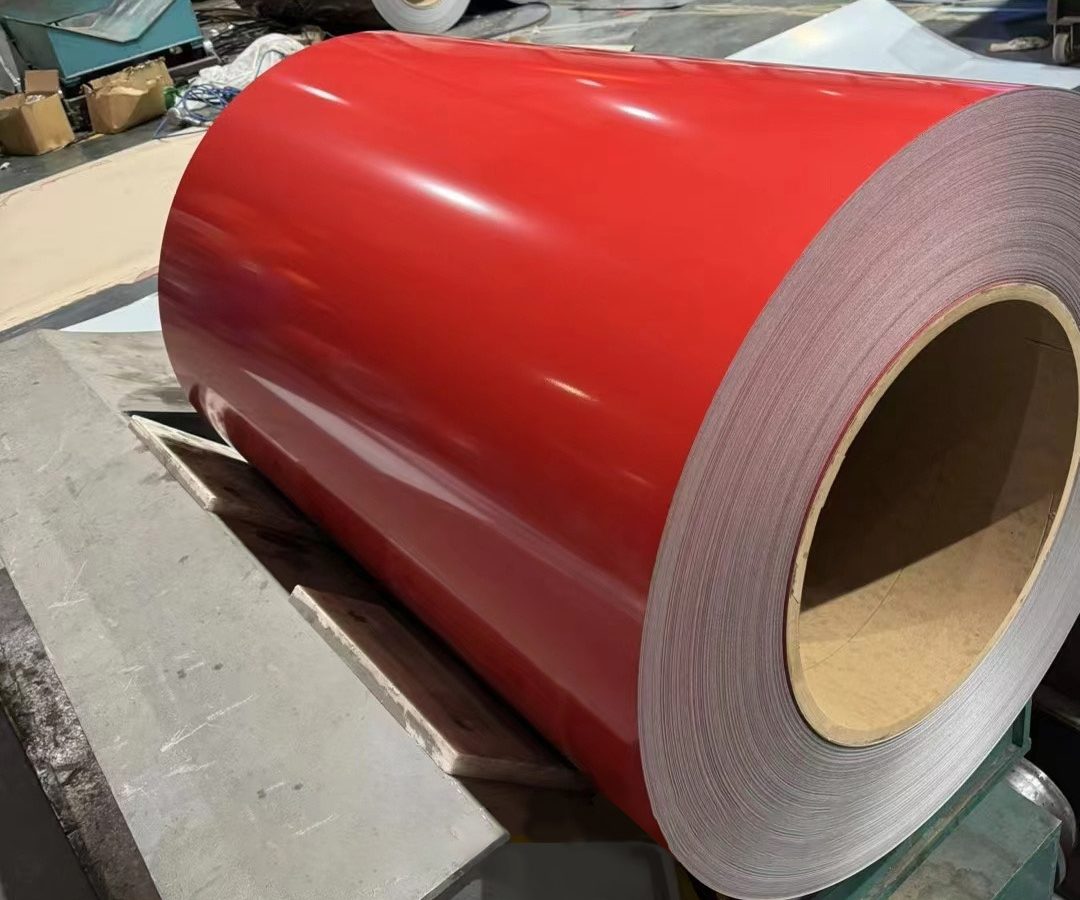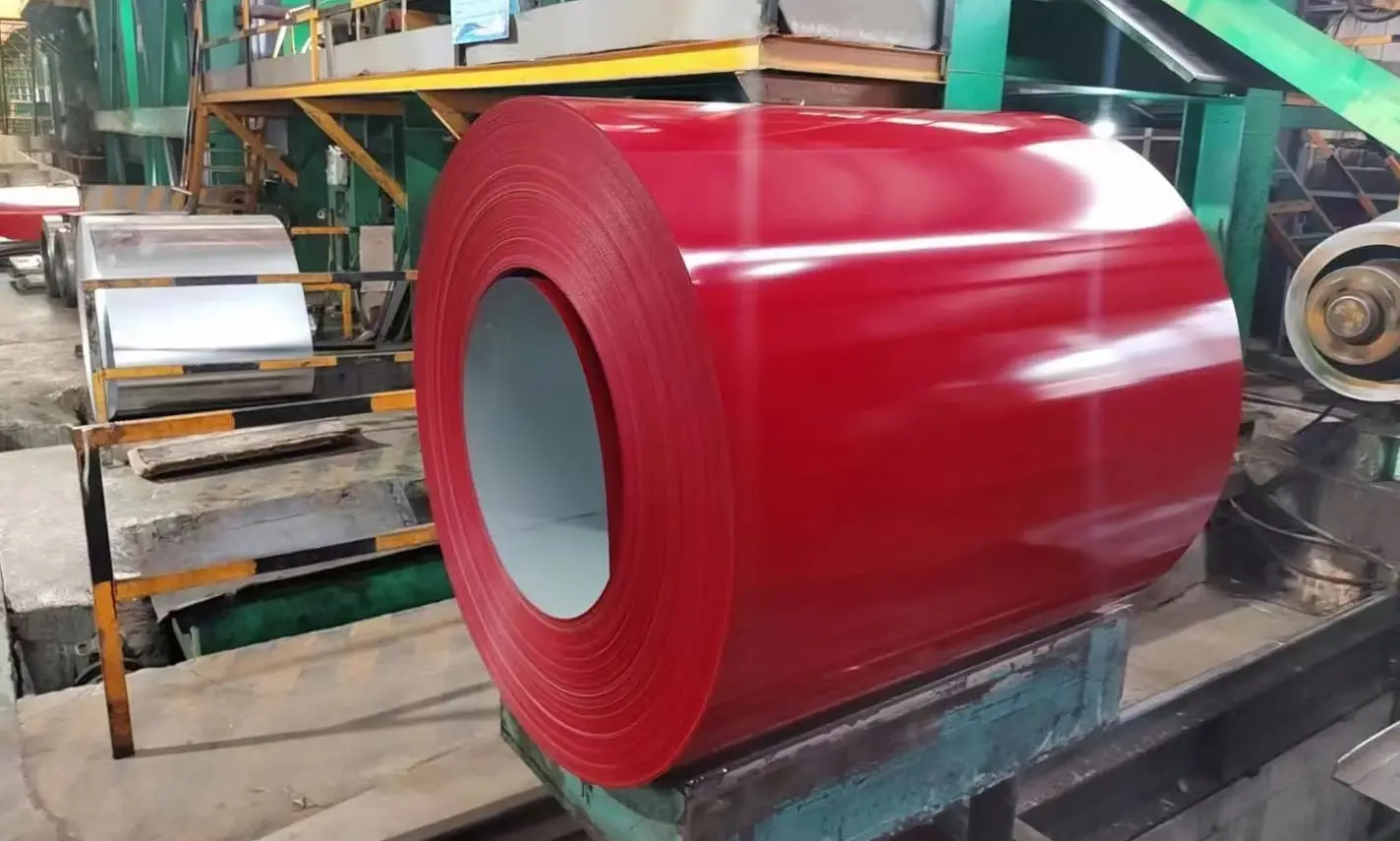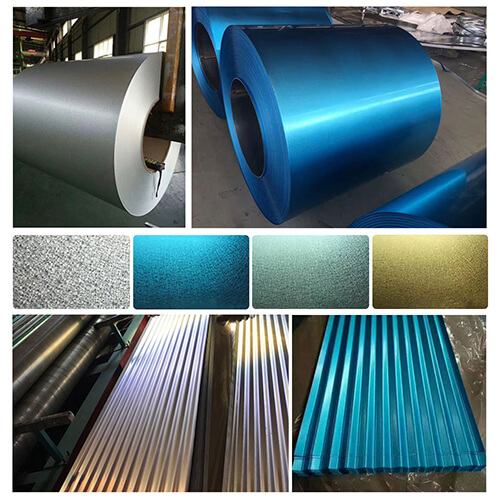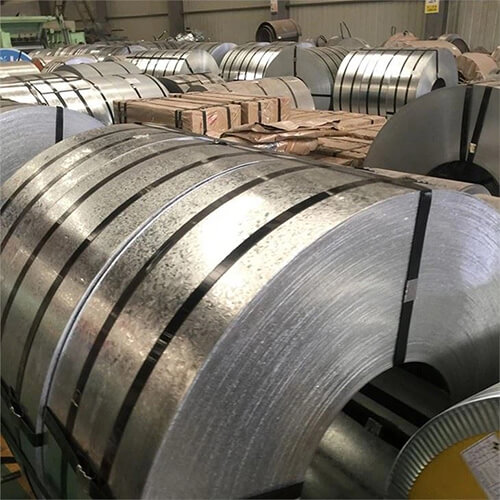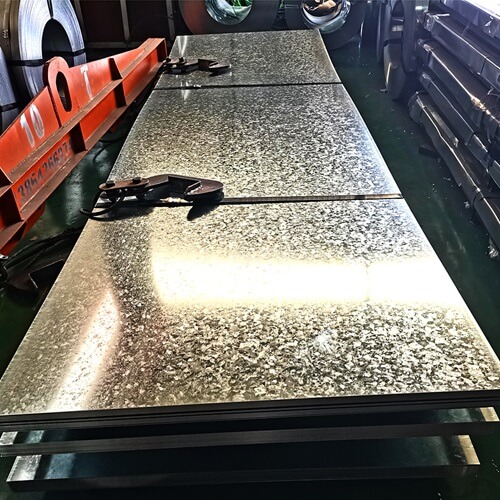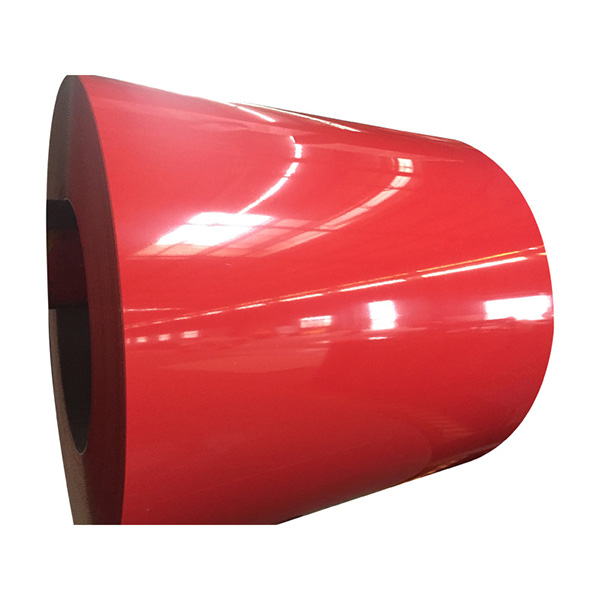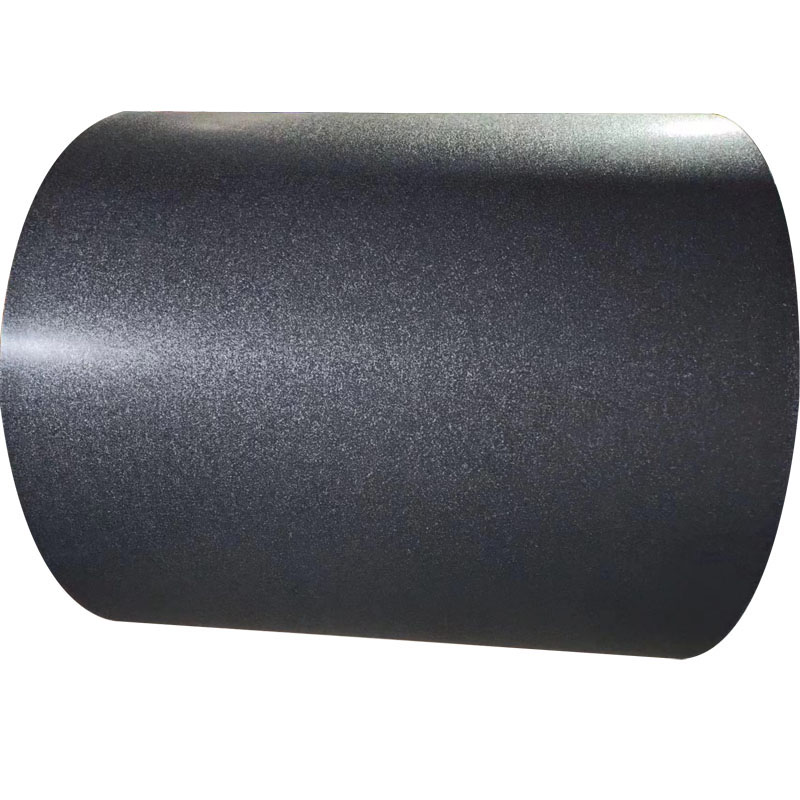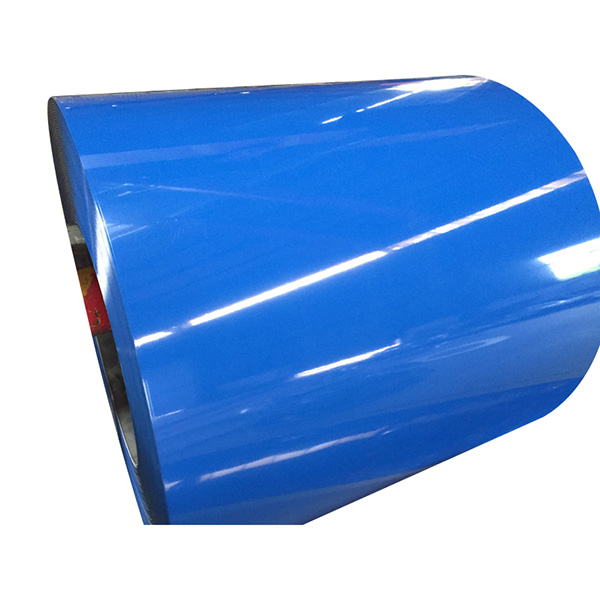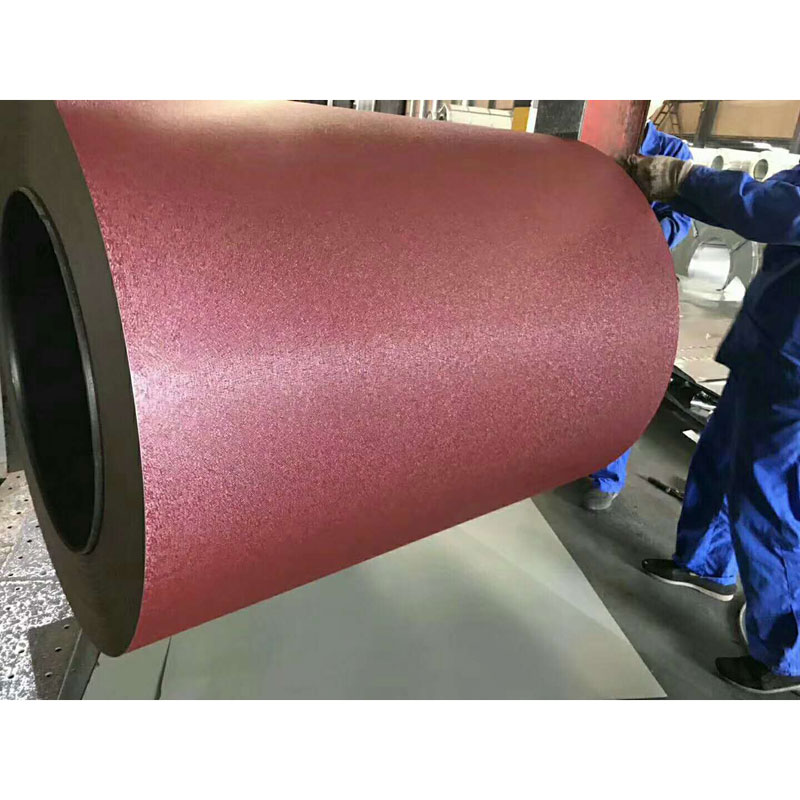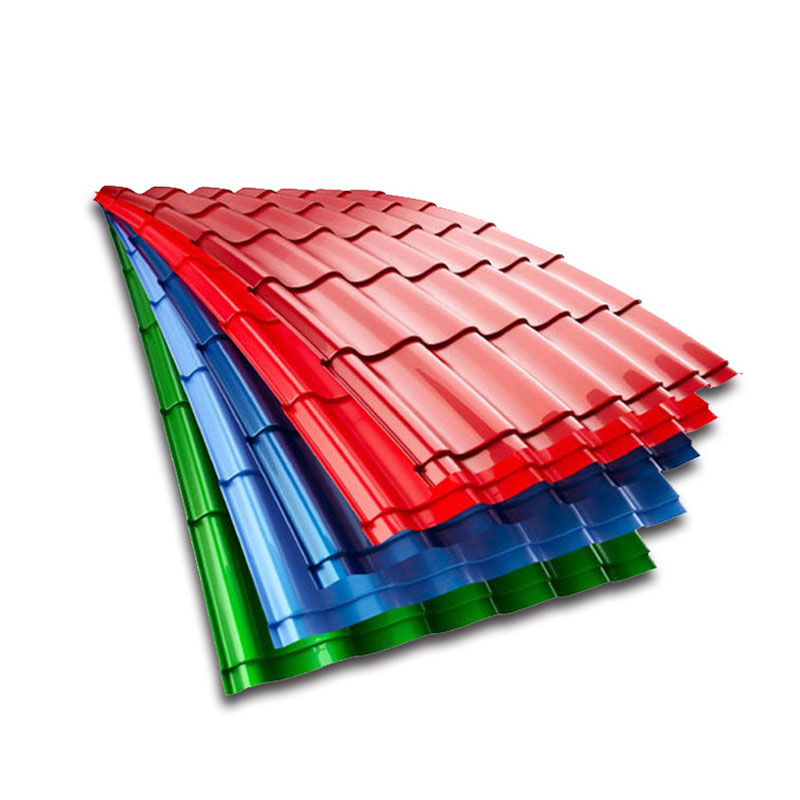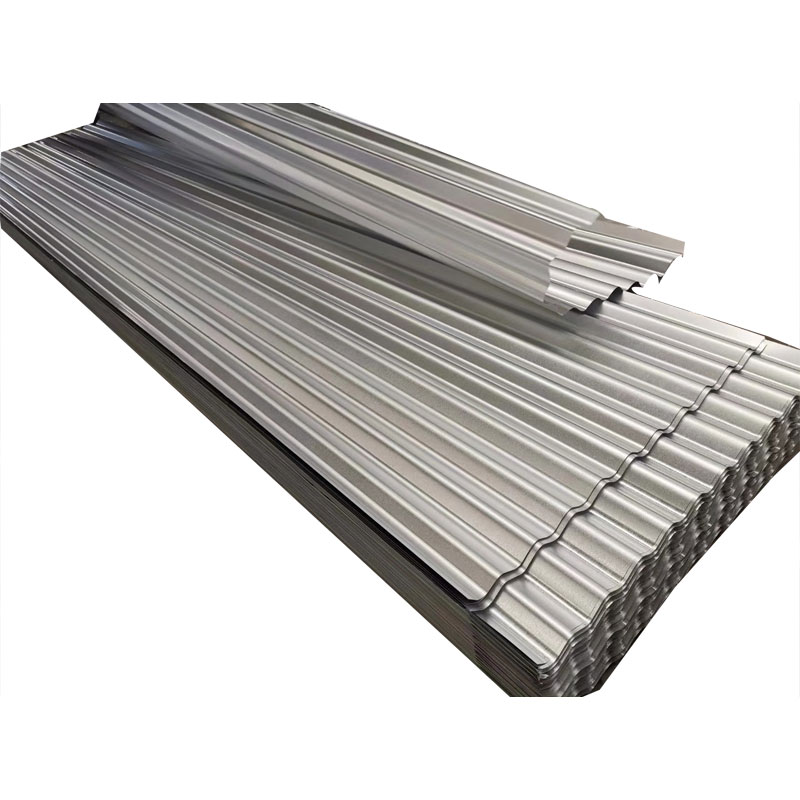
A profitable PPGI and PPGL range comes from matching substrate, thickness, coating, and color to real local demand. Stocking every specification rarely works. Distributors who try it carry too many SKUs, tie up working capital, and watch slow-moving colors sit in the warehouse. Meanwhile, every customer wants something different: one factory needs a specific coil width, another asks for a popular RAL shade, and a project buyer insists on a tighter delivery schedule.
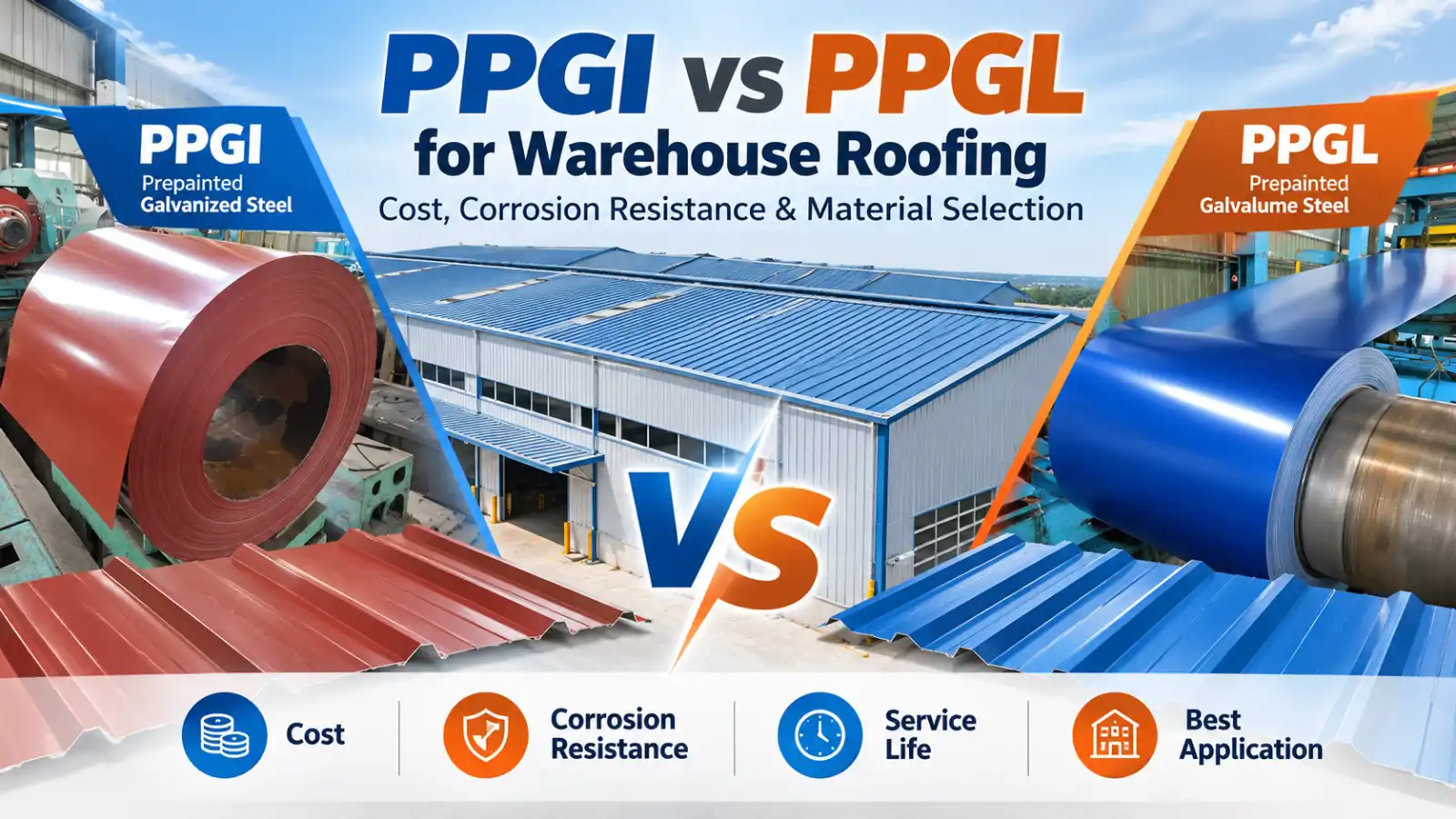
This guide offers a practical framework for how to build a PPGI and PPGL product range for roofing distribution. It covers customer segmentation, demand analysis, a three-tier range, SKU structure, container planning, and margin protection. Each step stays commercial and grounded in what local buyers actually order.
Key Takeaways
- Know your three customer types: sheet manufacturers, wholesalers, and contractors.
- Use local sales data to find popular thicknesses, colors, and substrates.
- Match PPGI or PPGL to site exposure: coastal areas need more protection.
- Build a three-tier range: Economy, Standard, and Premium for different needs.
- Control SKUs by stocking core items and ordering specials only when needed.
- Set quality checks for coating weight, paint adhesion, and traceability.
- Calculate landed cost per SKU to protect your profit margin.
- Review your range regularly and expand only when demand is confirmed.
Understand Your Roofing Distribution Customers
A PPGI and PPGL range only works when it reflects the people who buy from it. Roofing distribution typically serves three customer groups. Each group buys for different reasons and judges a supplier on different terms. A distributor who treats all three the same ends up with a warehouse full of stock that suits nobody.
Roofing Sheet Manufacturers
Coil Width, Thickness Consistency, and Formability
Sheet manufacturers buy coil as raw material for roll forming. They run it through fixed machinery, so coil width must match their line. A width that misses the target creates trim waste or stops production. Thickness consistency matters just as much. A coil that runs thick at one end and thin at the other forces the operator to reset the line and produces sheets outside tolerance.
Formability decides whether the steel survives profiling without cracking at the bends. Manufacturers test a sample before they commit to a repeat order. They also expect the same performance on every delivery. A distributor who holds one approved specification per width and thickness builds loyalty fast with this group.
Building Material Wholesalers
Popular Colors, Stock Availability, and Resale Pricing
Wholesalers resell to smaller traders and retail yards. They care about what moves off their shelves, not what sits in a catalog. Popular colors drive their orders, and a proven shade outsells an unusual one every season. Availability ranks close behind color. A wholesaler who cannot restock a fast-selling item loses the retail customer to a competitor.
Resale pricing shapes the whole conversation. Wholesalers work on thin margins and need a landed cost that leaves room to mark up. They respond well to a distributor who stocks their top colors consistently and quotes a stable price. Custom shades rarely interest them unless a retail customer requests one.
Contractors and Project Buyers
Coating Suitability, Durability, and Delivery Schedules
Contractors and project buyers purchase against a specific roof. They match the coating to the exposure: a coastal site, an industrial zone, or an inland warehouse each calls for a different specification. Durability expectations follow the project warranty. A buyer who must guarantee the roof for years will pay more for a coating system that supports that promise.
Delivery schedules often decide the order. Projects run on fixed timelines, and a late coil delays the whole site. This group values a supplier who confirms dates and holds them. They also ask for documentation that proves the coating specification matches the contract.
| Customer Type | Primary Purchase Focus | What They Judge a Supplier On |
|---|---|---|
| Roofing sheet manufacturers | Coil width, thickness consistency, formability | Repeatable performance across deliveries |
| Building material wholesalers | Popular colors, stock availability, resale pricing | Stable supply and competitive landed cost |
| Contractors and project buyers | Coating suitability, durability, delivery schedules | On-time delivery and specification documentation |
Analyze Local Market Demand

Identify Popular Roofing Coil Specifications
Common Thicknesses, Profiles, and Colors
Distributors should start with their own sales records and inquiry logs. These two sources reveal which thicknesses, profiles, and colors customers actually request. A review of the last twelve months of orders shows the real pattern. It also exposes the gap between what buyers ask for and what the warehouse holds.
Popular specifications differ sharply between countries and even between regions inside one country. A thickness that sells well in one market may sit untouched in another. The same rule applies to profiles and colors. Distributors should treat every market as its own case and let local data set the range.
Local PPGI vs. PPGL Preferences
Buyers in some markets favor PPGI for general roofing work. Others lean toward PPGL for exposed or demanding sites. The split often follows local climate, building practice, and budget expectations. A distributor who assumes one substrate fits every market risks carrying the wrong stock.
Inquiry data settles the question faster than opinion. Distributors should track how often customers ask for each substrate and which projects drive the request. That record shows where each product earns its place in the range.
Evaluate Environmental Conditions
Coastal, Hot-Humid, Industrial, and Inland Exposure
Exposure shapes the coating decision more than any other factor. Coastal sites bring salt-laden air and demand stronger corrosion protection. Hot-humid climates stress paint systems with moisture and heat. Industrial zones add chemical exposure to the mix. Inland sites usually carry the lightest load.
A distributor who maps these conditions across the sales territory can match stock to real risk. Coastal and industrial demand may justify a deeper PPGL position. Inland demand may run well on standard PPGI. The map turns a vague sense of the market into a stocking plan.
Review Customer Purchasing Patterns
Repeat Orders, Project Buying, and Seasonality
Repeat orders form the backbone of a stable range. A customer who reorders the same specification every few months gives the distributor a reliable forecast. Project buying works differently. It arrives in bursts, follows fixed timelines, and often calls for a specific coating or color.
Seasonality adds a third pattern. Roofing demand rises and falls with the building season in each market. Distributors should study their order history for these cycles and time replenishment accordingly.
Best-selling specifications vary by country and region. Base every range decision on local sales and inquiry data, not on assumptions carried over from another market.
Compare PPGI and PPGL Substrates
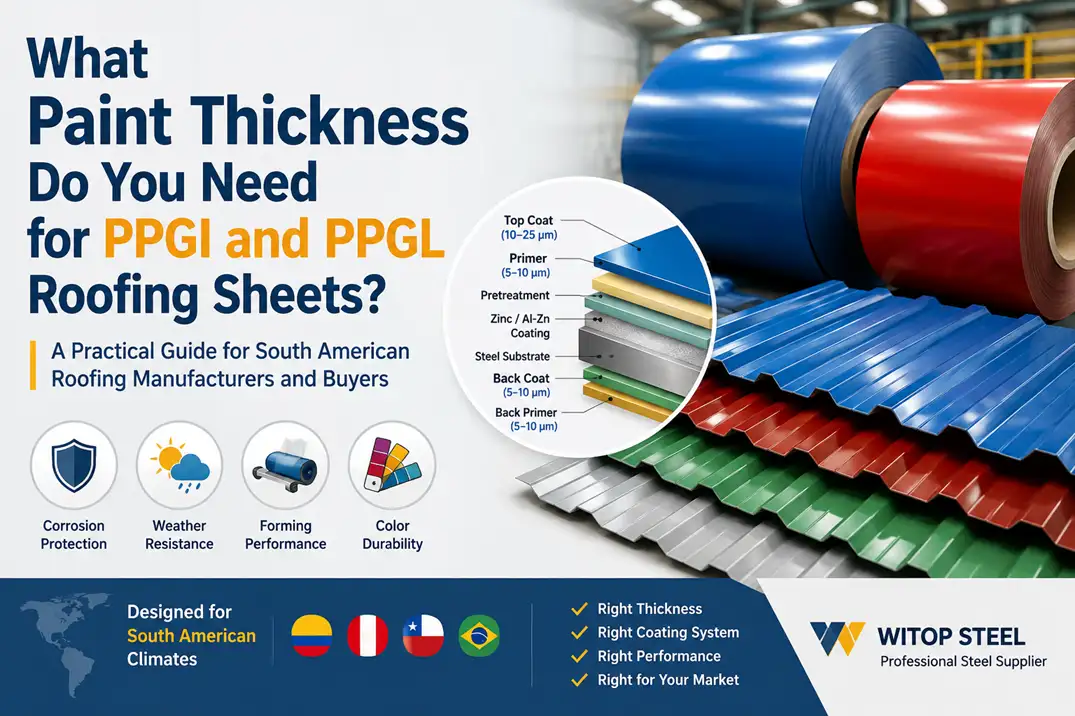
Metallic Coating Differences
Zinc vs. Aluminum-Zinc Substrate
PPGI starts with a galvanized substrate. A zinc layer covers the steel and shields it from moisture. The zinc sacrifices itself first when corrosion begins, so the base metal stays protected longer. Paint sits on top of this zinc layer and adds color and an extra barrier.
PPGL uses an aluminum-zinc alloy coating instead of pure zinc. The alloy combines aluminum and zinc in a single layer. This coating family behaves differently under exposure, and the paint system on top still does most of the visible work. Neither substrate replaces good paint. The full specification decides real performance, not the substrate name alone.
Match Substrate to Application
Warehouse, Residential, Agricultural, and Coastal Roofing
General warehouse roofing usually runs on PPGI. The roof sits inland, the exposure stays moderate, and the budget stays tight. Residential roofing sheets also fit PPGI well in many markets, especially where the building season is short and price drives the sale. Agricultural buildings follow a similar pattern. A barn or storage shed rarely justifies a premium substrate.
Coastal roofing changes the calculation. Salt air attacks cut edges and fastener points first, so the coating system needs more protection. PPGL often fits these sites, and industrial zones with chemical exposure follow the same logic. Distributors should match each substrate to the site, not to a habit.
Balance Price and Corrosion Needs
Initial Cost, Coating Spec, and Cut-Edge Exposure
PPGI carries a lower initial cost in most markets. That advantage matters for price-sensitive buyers and high-volume commodity sales. PPGL costs more up front, and the extra spend only pays back when the environment demands it. A distributor who pushes PPGL into every quote prices himself out of routine business.
Cut-edge exposure deserves equal attention. Every cut, pierce, and fastener opening exposes bare steel. A thicker coating and a well-chosen paint system protect those points better than substrate choice alone. Distributors should read the whole specification before they quote.
| Selection Factor | PPGI | PPGL |
|---|---|---|
| Typical positioning | General and cost-sensitive roofing | Harsh or long-life environments |
| Initial cost | Lower | Higher |
| Best-fit applications | Warehouses, residential, agricultural | Coastal, industrial, demanding projects |
| Key check | Coating weight and paint system | Full specification and cut-edge protection |
Neither substrate wins on name alone. Actual performance depends on the complete material specification, including coating weight, paint system, and site exposure.
Build a Three-Level PPGI and PPGL Product Range

A three-level structure gives distributors a clear answer to the SKU problem. Each tier serves a distinct customer priority, so the range stays broad enough to win orders without stocking every possible combination. The tiers also protect margin. Price-sensitive buyers shop the Economy range, routine roofing runs on the Standard range, and demanding projects draw from the Premium range. This structure sits at the heart of how to build a PPGI and PPGL product range for roofing distribution that stays profitable.
Economy Range for Price-Sensitive Markets
Standard PPGI Specs and Basic Paint Systems
The Economy tier targets buyers who compare quotes on landed cost. Standard PPGI specifications fit this group well. Common thicknesses, popular colors, and a basic paint system keep the price competitive. Distributors should hold a narrow set of proven specifications here and replenish them regularly.
Cost pressure never justifies skipping necessary corrosion protection. A coil with too little coating weight may win the order today and generate a claim next season. The savings on one ton rarely cover the cost of a failed roof or a lost account. Distributors should set a floor for coating weight and paint film in this tier and refuse to go below it.
Standard Range for Everyday Roofing
Balanced Price, Coating Performance, and Formability
The Standard tier carries the products that repeat customers order month after month. Distributors can build this range on PPGI or PPGL, depending on local conditions. The goal is balance: a price the market accepts, a coating that suits typical exposure, and formability that keeps roll-forming lines running without trouble.
This tier deserves the deepest stock position. It serves roofing sheet factories and wholesalers who need consistent supply. Frequently requested thicknesses and colors belong here. A distributor who keeps the Standard range in stock and ships it on time builds the repeat business that funds the rest of the portfolio.
Premium Range for Higher Performance
Higher-Spec Coatings for Demanding Projects
The Premium tier serves projects with tougher exposure or longer performance expectations. Higher-specification paint systems and heavier coatings fit these jobs. Coastal sites, industrial zones, and contracts with strict durability clauses justify the extra cost. Distributors should stock this tier lightly and buy against confirmed demand.
Premium does not automatically mean PPGL outperforms PPGI. A well-specified PPGI coil with a strong paint system can serve many demanding roofs. A poorly specified PPGL coil can underperform a good PPGI one. Performance depends on the complete specification, including coating weight, paint chemistry, and film thickness. Distributors should sell the specification, not the substrate label.
| Product Tier | Target Customer | Key Purchasing Priority |
|---|---|---|
| Economy | Price-sensitive distributors and traders | Competitive landed cost |
| Standard | Roofing sheet factories and wholesalers | Consistency and availability |
| Premium | Higher-specification projects | Coating suitability and long-term performance |
Cutting corrosion protection to hit a lower price point in the Economy tier trades a short-term sale for a long-term claim. Set a minimum coating specification and hold it across every tier.
The three tiers work as a system. Economy wins volume and defends market share. Standard generates steady repeat revenue. Premium captures project business and lifts the average margin. A distributor who maps each tier to its customer group can plan stock, quote faster, and explain the range to buyers with confidence. This approach answers the core challenge behind how to build a PPGI and PPGL product range for roofing distribution: serve real demand at three price points without carrying every specification in the catalog.
Structure SKUs and Plan Inventory
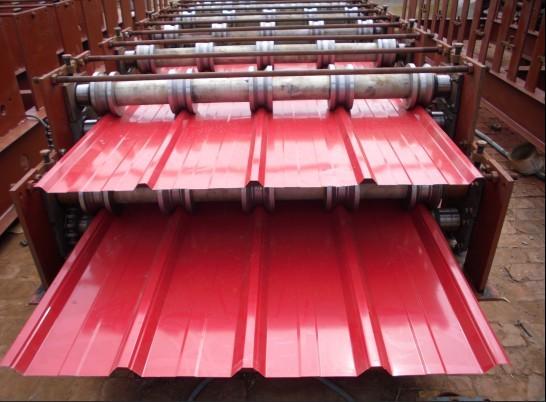
A well-built range still fails without disciplined SKU control. Every added specification multiplies the stock a distributor must carry, track, and finance. SKU structure turns the three-tier range into a working inventory plan. It also answers the practical side of how to build a PPGI and PPGL product range for roofing distribution: which items earn a permanent slot, which serve a region, and which wait for a confirmed order.
Define Core, Secondary, and Special-Order SKUs
High-Demand, Regional, and Custom Specifications
In color coated steel coil distribution, one SKU is a single unique combination of thickness, width, substrate, coating, and color. A 0.45 mm PPGI coil in a popular RAL shade at one width is a different SKU from the same coil in another color. Change any one element and the item becomes a separate line in the warehouse and the ledger. Distributors should treat this definition as a rule, because it explains why ranges grow out of control so quickly.
Core SKUs carry the highest demand and repeat most often. They deserve regular replenishment and a permanent stock position. Secondary SKUs serve regional demand or moderate volumes. They move slower than core items but still justify a place in the plan. Special-order SKUs cover custom specifications and occasional requests. Distributors should buy these only against confirmed demand, never on speculation.
| SKU Category | Typical Product Focus | Inventory Strategy |
|---|---|---|
| Core Stock | Popular PPGI roofing coil specifications | Regular replenishment |
| Regional Stock | Selected PPGL grades and locally preferred colors | Demand-based inventory |
| Special Order | Customized coatings, dimensions, and finishes | Purchase against confirmed demand |
Set Reorder Points and Safety Stock
Lead Times, Turnover, and Seasonal Demand
Reorder points protect the range from stockouts. A distributor sets a trigger level for each core SKU and places a new order when stock falls to it. The trigger must account for supplier lead time, shipping time, and the rate of sales. A long lead time demands a higher trigger. Fast turnover allows a lower one.
Safety stock adds a buffer against unexpected demand or delayed shipments. Distributors should size it from historical sales variation, not from guesswork. Seasonal demand complicates the calculation. Roofing sales rise and fall with the building season, so safety stock should climb before the peak and ease afterward. A distributor who reviews these levels every quarter keeps working capital under control.
Coordinate Mixed-SKU Container Orders
Minimum Quantities, Coil Weights, and Loading Limits
Mixed containers let distributors combine several SKUs in one shipment. This approach spreads risk across the range and avoids overstocking a single specification. It also keeps freight cost per ton reasonable when no single SKU fills a full container.
Production minimums set the first limit. Each mill sets a minimum quantity per specification, and small orders below that line may not run at all. Coil weight and container loading limits set the second. Heavy coils reduce the number of pieces a container can hold, and weight restrictions cap the total payload. Distributors should plan the mix around these constraints before they confirm an order.
Mixed-container feasibility must be confirmed against actual production, packing, and shipping conditions. A combination that looks workable on paper may fail once the mill schedules the run or the line loads the box. Distributors should verify every mix with the supplier before committing.
Control Quality and Product Profitability
Set Quality Standards Across the Range
Coating Weight, Paint Film, Adhesion, and Traceability
Quality standards protect every tier of the range. A distributor should define a minimum coating weight and paint film thickness for each tier and write them into the supplier agreement. Adhesion testing confirms that the paint bonds to the substrate and survives bending during roll forming. Traceability ties each coil back to its mill certificate, so a claim or a repeat order can be verified quickly.
Consistent standards across repeat orders matter as much as the standards themselves. Distributors should keep an approved reference specification for each core SKU and check incoming coils against it. A simple checklist keeps inspection routine and comparable from one shipment to the next.
| Check Item | What to Verify | Why It Matters |
|---|---|---|
| Base metal thickness | Matches the approved specification | Roll-forming performance |
| Coating weight | Meets the tier minimum | Corrosion protection |
| Paint film thickness | Within the agreed range | Weathering and appearance |
| Adhesion | Passes bend testing | Cracking during profiling |
| Color consistency | Matches the approved sample | Resale acceptance |
| Documentation | Mill certificate and coil ID on file | Traceability and claims |
Calculate Landed Cost per SKU
Freight, Duties, Financing, and Storage
Purchase price per ton tells only part of the story. Landed cost adds freight, insurance, customs duties, applicable taxes, handling, and storage. Financing costs join the total when stock sits in the warehouse for months. A SKU with a low purchase price can carry a high landed cost once these items accumulate.
Distributors should calculate landed cost for every SKU and review it regularly. Profitability then gets compared by SKU using gross margin, inventory turnover, and repeat-purchase frequency. A fast-moving item with a modest margin often earns more than a slow item with a wide spread. Price per ton alone hides that difference.
Avoid Common Range-Building Mistakes
Overstocked Colors, Price-Only Buying, BMT vs. TCT
Overstocked colors rank among the most common errors. A distributor buys a full container of an unusual shade and watches it age on the rack. Core colors deserve depth; unusual shades should wait for confirmed orders. Price-only buying creates a second trap. A cheap coil with thin coating or weak paint may trigger claims that erase the savings.
The BMT versus TCT distinction deserves careful attention. BMT measures the steel core alone; TCT includes the coating and paint layers. A coil quoted at a given TCT may carry less steel than the buyer expects. Ignoring roll-forming requirements compounds the risk. A coil that meets the thickness figure but fails the forming line stops production and damages the relationship.
Compare profitability by SKU through gross margin, turnover, and repeat-purchase frequency. Purchase price per ton alone misleads.
A disciplined sequence turns planning into a working range. Distributors can follow these steps to build a PPGI and PPGL product range for roofing distribution:
- Segment customers by purchase behavior.
- Read local demand from sales and inquiry data.
- Match substrates to site exposure.
- Set the three tiers.
- Structure core, secondary, and special-order SKUs.
- Plan mixed containers.
- Protect margin through landed cost.
Distributors should establish core products first. Specialty ranges should expand only against confirmed demand. Regular reviews against sales data, supplier performance, and landed cost keep the range healthy.
Planning a range? Share your target market, preferred thicknesses, colors, coating requirements, and expected volume to discuss suitable specifications.
FAQ
Should roofing distributors stock both PPGI and PPGL?
Most distributors benefit from carrying both substrates. PPGI serves general and cost-sensitive roofing demand. PPGL covers coastal, industrial, and demanding projects. The right balance depends on local exposure conditions and inquiry data. A distributor who stocks only one substrate limits the range and loses orders to competitors.
How many PPGI colors should a distributor keep in stock?
No universal number fits every market. Distributors should stock the colors that repeat most often in their own sales records. Core shades deserve depth. Unusual colors should wait for confirmed orders. A narrow, proven color set moves faster and ties up less working capital than a broad catalog.
What thicknesses are most suitable for a roofing steel product range?
Thickness requirements vary by country, region, and roofing profile. Distributors should review local order history and inquiry data to identify the thicknesses customers actually request. They should also confirm whether buyers quote in BMT or TCT. Assuming one thickness fits every market leads to slow-moving stock.
How can distributors reduce slow-moving PPGI inventory?
Distributors should review SKU performance regularly and flag items with low turnover. Slow colors can be bundled into mixed containers with faster items or offered at a discount to clear stock. Future orders should follow confirmed demand. A quarterly SKU review keeps working capital from locking into dead stock.
Is PPGL always better than PPGI for roofing?
No. Performance depends on the complete specification, including coating weight, paint system, and film thickness. A well-specified PPGI coil can serve many demanding roofs. A poorly specified PPGL coil can underperform. Distributors should match the full specification to site exposure, not the substrate label alone.
How should distributors manage minimum order quantities for different specifications?
Distributors should confirm production minimums with the supplier before committing to a mix. Core SKUs can fill larger runs. Special-order items may need to combine with other specifications in a mixed container. Every mix must be verified against actual production, packing, and shipping conditions before confirmation.