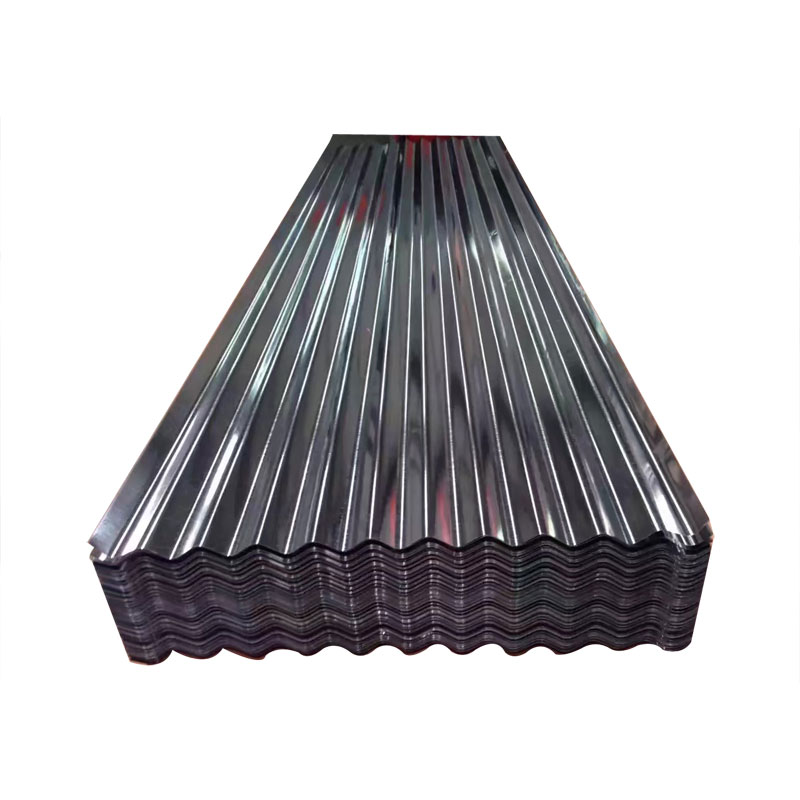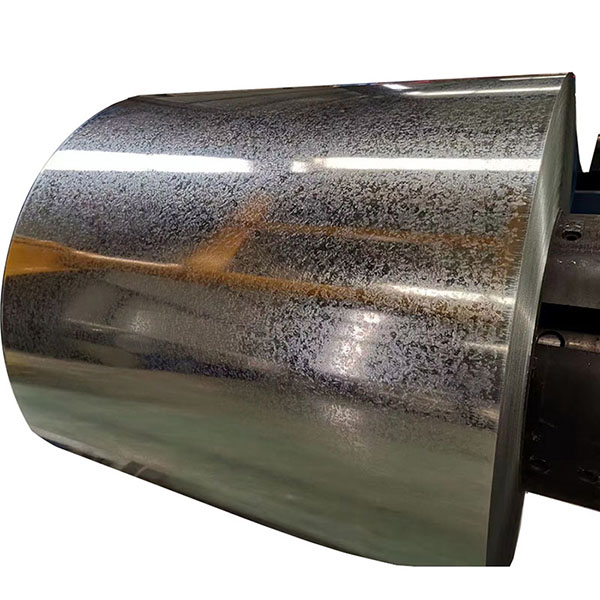
Selecting metal roofing for shoreline properties requires smart material planning. Marine-grade aluminum offers you the ultimate protection within 1,500 feet of saltwater. Galvanized steel or Galvalume steel serves near-coastal areas beyond that specific boundary reliably. Severe coastal environments accelerate panel degradation across oceanfront regions. Continuous salt spray, intense atmospheric humidity, and severe cut-edge corrosion destroy low-grade metals fast. Damp salt air constantly attacks raw panel edges. You must evaluate premium roofing solutions for coastal areas around three core decision pillars: corrosion longevity, storm impact resistance, and total financial return. You safeguard coastal homes successfully by matching durable roofing materials to local climate risks.
Key Takeaways
- Choose aluminum panels if your home sits within 1,500 feet of open saltwater.
- Use coated steel panels beyond 1,500 feet to save money on sheltered inland homes.
- Aluminum creates a natural oxide layer that heals itself and stops rust completely.
- Steel offers higher impact resistance against flying storm debris and large hail.
- Aluminum weighs much less than steel, reducing overall structural stress on roof frames.
- Aluminum lasts over fifty years near saltwater and includes better manufacturer warranties.
Aluminum vs Steel: Roofing Solutions for Coastal Areas
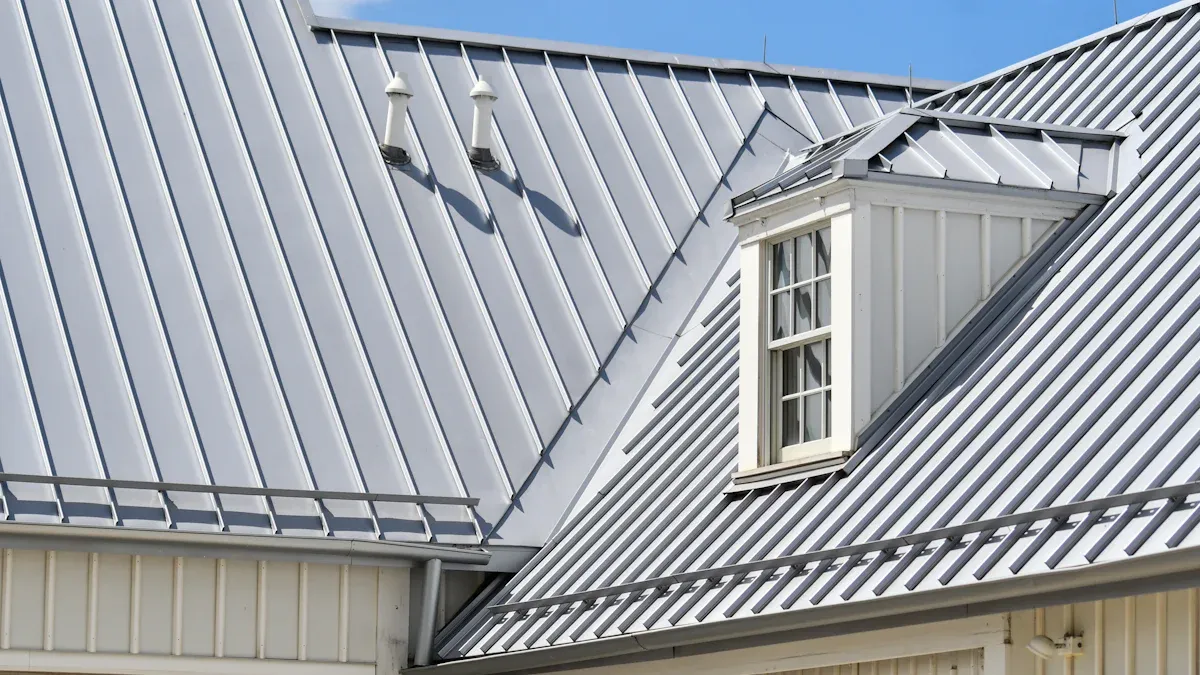
Coastal weather conditions present unique engineering challenges for oceanfront property owners. Selecting appropriate roofing solutions for coastal areas requires a deep understanding of metal performance near open ocean waters. Marine atmosphere environments carry severe elements that attack structural building materials daily.
The 1,500-Foot Coastline Rule
Building professionals establish strict material guidelines based on proximity to open ocean water. Distance from salt water directly determines the degradation speed of metal panels on homes.
Oceanfront and Salt-Air Zones
Properties situated within 1,500 feet of the shoreline face continuous exposure to aggressive marine conditions. Specific atmospheric factors rapidly accelerate panel degradation in these salt air regions:
- Airborne Salt (Chlorides): Promotes chemical breakdown and accelerates the corrosion process on metal surfaces.
- High Humidity: Provides constant moisture that sustains corrosive actions on exposed paneling.
- Wind-Driven Moisture: Forces corrosive moisture and saline particulates deep into roof joints and seams.
Direct salt air exposure inside this perimeter destroys inferior metal products quickly. Raw atmospheric conditions continuously push moisture into structural panel overlaps. Standard protective coatings fail fast under this constant environmental pressure. Marine-grade aluminum panels provide complete protection against severe oceanic atmosphere degradation inside this immediate shoreline zone.
Sheltered Near-Coastal Zones
Properties located beyond the 1,500-foot boundary experience milder environmental stress. Salt concentration levels in the air drop significantly as distance from the ocean increases. Structures in these inland zones sit sheltered from heavy ocean spray and extreme salt mist.
Galvalume steel and heavy-gauge steel panels perform exceptionally well in these inland coastal regions. You can install these coated steel options safely beyond the 1,500-foot mark without risking immediate structural deterioration. The lower airborne salt concentration lets protective surface treatments shield the underlying metal base effectively over a extended timeframe.
Core Substrate Comparison
Evaluating core material chemistry helps you choose reliable roofing materials for long-term oceanfront protection. Both metal options offer unique protective mechanisms for modern buildings.
Aluminum Inherent Immunity
Aluminum possesses total natural corrosion immunity due to its chemical makeup. The raw metal reacts instantly with oxygen in the atmosphere to form a tight aluminum oxide barrier across its entire surface. This natural shield creates total corrosion immunity against harsh ocean salt spray.
The protective layer heals itself automatically whenever surface scratches expose fresh raw metal beneath. Scratches from flying debris or installation tools do not compromise panel integrity over time. The self-healing oxide barrier prevents red rust completely. Choose aluminum roofing when building direct oceanfront structures to guarantee complete material survival. This durable metal maintains its core structural integrity without degrading over decades of exposure to harsh marine elements.
Galvanized Sacrificial Protection
Steel roofing relies on applied metallic coatings to prevent structural degradation. Standard galvanized steel utilizes a pure zinc coating over a solid steel core. The zinc layer offers sacrificial protection by corroding before the underlying steel base takes damage.
Galvalume steel improves this protection by combining zinc with aluminum in its metallic coating layer. This alloy formula offers superior corrosion resistance compared to basic zinc coatings alone. However, both zinc and alloy protective coatings deplete steadily over time in high-salt environments. Ocean salt speeds up the zinc consumption process significantly. Once the sacrificial layer wears away entirely, raw ocean air attacks the exposed steel core underneath. Red rust then spreads rapidly across raw cut edges and fastener penetrations.
Aluminum outlasts every form of coated steel roofing inside direct oceanfront zones. Coated steel options lack complete total corrosion immunity in heavy ocean mist conditions. Heavy steel panels provide outstanding structural strength in sheltered zones, but aluminum delivers the ultimate long-term lifespan near open saltwater. You maximize project value by selecting aluminum materials inside the critical 1,500-foot shoreline threshold. Choosing high-performance metal roofing tailored to your exact proximity zone ensures decades of reliable weather protection for coastal homes.
Coastal Salt-Spray Performance and Corrosion
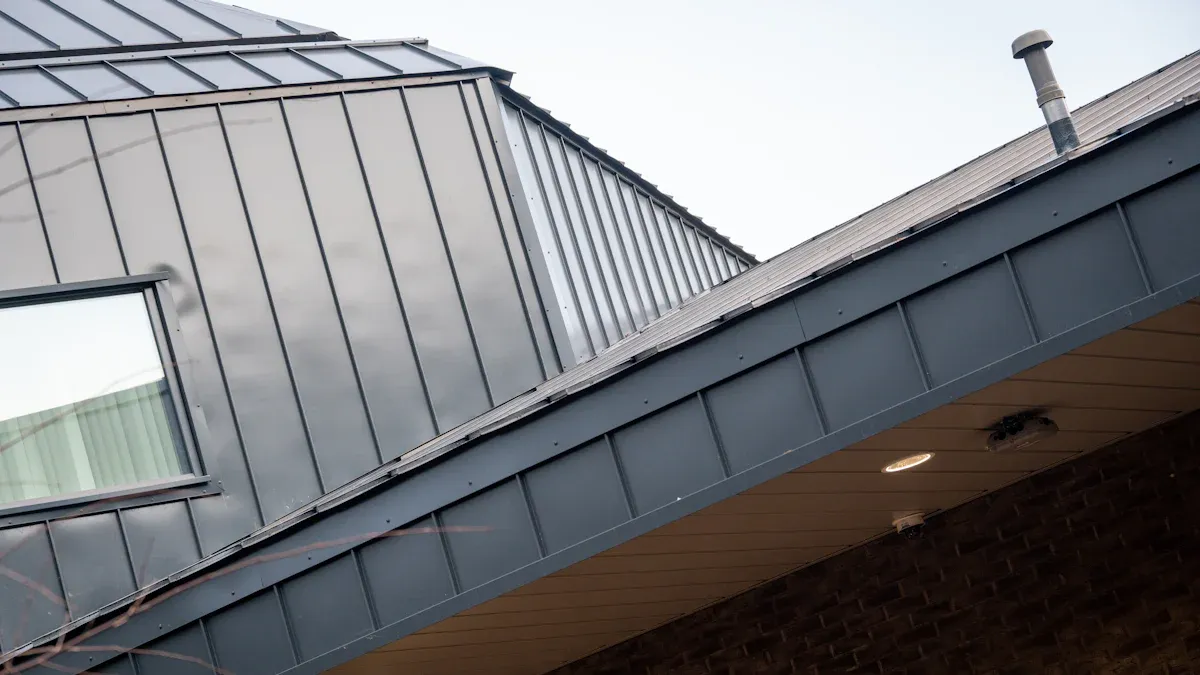
Saline environments challenge structural building materials every single day. Airborne salt particles settle onto building surfaces continuously. Constant salt spray accelerates the chemical decay of standard panels. Understanding how distinct metals handle relentless marine exposure protects your home investment.
Oxidation in Marine Environments
Atmospheric chemical reactions occur continuously along shoreline properties. Oxygen and airborne salt combine to test the chemical stability of exposed metals. The chemical structure of your substrate determines its long-term survival against severe environmental breakdown.
Aluminum Oxide Formation
Aluminum develops natural corrosion immunity immediately when exposed to ambient air. Oxygen reacts with the metal surface to create a thin aluminum oxide barrier. This tough skin seals the underlying metal substrate from atmospheric moisture.
The oxide layer heals itself spontaneously whenever surface abrasion exposes raw aluminum beneath, preventing oxygen and airborne chlorides from penetrating deeper into the panel.
This continuous oxidation resistance blocks red rust completely. Harsh ocean breezes cannot break down this self-mending shield. The metal maintains structural integrity over decades of severe exposure without thinning or losing strength.
Galvanized Zinc Depletion
Galvanized steel relies on an applied zinc coating to delay structural damage. The zinc layer corrodes intentionally to safeguard the underlying iron base. High salt environments accelerate this sacrificial process significantly. Marine chlorides react with the zinc finish, converting the outer protective shield into a soluble white powder.
This protective zinc coating thins rapidly under continuous salt air conditions. Ocean breezes strip away the zinc coating year after year. The underlying steel core loses its protective shield as the zinc layer wears away entirely.
Edge-Cut and Fastener Rust Risks
Field modifications during roof installation expose raw metal to marine elements. Standard construction methods require cutting panels and driving steel fasteners. These modified locations create primary entry points for accelerated chemical corrosion.
Cut-Edge Bleed on Steel Panels
Installer shears cut clean through protective zinc layers on steel panels. This process leaves the raw iron core exposed to surrounding damp salt air. Corrosion starts rapidly along these factory and field cut edges.
- Moisture creates an active electrochemical pathway between zinc and bare iron edges.
- Ocean salt accelerates zinc depletion right along the exposed cut line.
- Red rust forms quickly, creeping outward under the surrounding paint finish.
This edge creep causes visible paint flaking near panel ends and overlap seams. Flaking paint creates unsightly rust stains across your pristine roof surface.
Aluminum Performance at Field Cuts
Field cuts on aluminum panels do not create long-term maintenance vulnerabilities. Raw exposed edges interact instantly with ambient oxygen during installation. The metal creates a fresh aluminum oxide barrier across newly sheared edges within seconds.
You avoid edge-bleed issues completely when choosing marine-grade panels. Fastener holes and cut edges maintain structural integrity without requiring special edge-sealants. The fresh raw metal seals itself naturally, giving aluminum total corrosion immunity along every shear line and field notch.
Marine Coatings and Warranties
Protective surface treatments improve panel appearance and provide an extra shield against ultraviolet rays. Paint performance depends on strict manufacturing protocols and realistic warranty terms.
PVDF and Kynar 500 Finishes
| Finish Specification | Standard Requirement | Marine Environment Benefit |
|---|---|---|
| System Type | PVDF / Kynar 500 | Maintains color integrity against UV rays |
| Industry Standard | AAMA 2605 Specification | Guarantees long-term finish durability |
| Color & Gloss Retention | 20 to 30 Years | Resists chalking and fading from sun exposure |
High-performance metal roofing systems utilize factory-applied PVDF and Kynar 500 finishes. Premium PVDF coatings adhere to the rigorous AAMA 2605 specification for severe coastal environments. This strict industry standard mandates that paint coatings preserve color integrity, maintain gloss, and resist chalking for 20 to 30 years. Quality paint finishes shield metal substrates from direct ultraviolet degradation while offering bright color options for oceanfront homes.
Salt-Spray Warranty Restrictions
Standard manufacturer warranties contain strict spatial limitations regarding salt air exposure. Steel roofing warranties often exclude properties located near open saltwater bodies. Many manufacturers void paint and perforation coverage if you install steel panels within specific distances of ocean shorelines.
You must read warranty fine print carefully before finalizing material purchases. Standard steel warranties exclude coverage for damage caused by continuous salt spray exposure. Aluminum roofing manufacturers provide robust material warranties near open salt water, providing reliable long-term value and maximizing roof lifespan.
Structural Durability and Wind Resistance
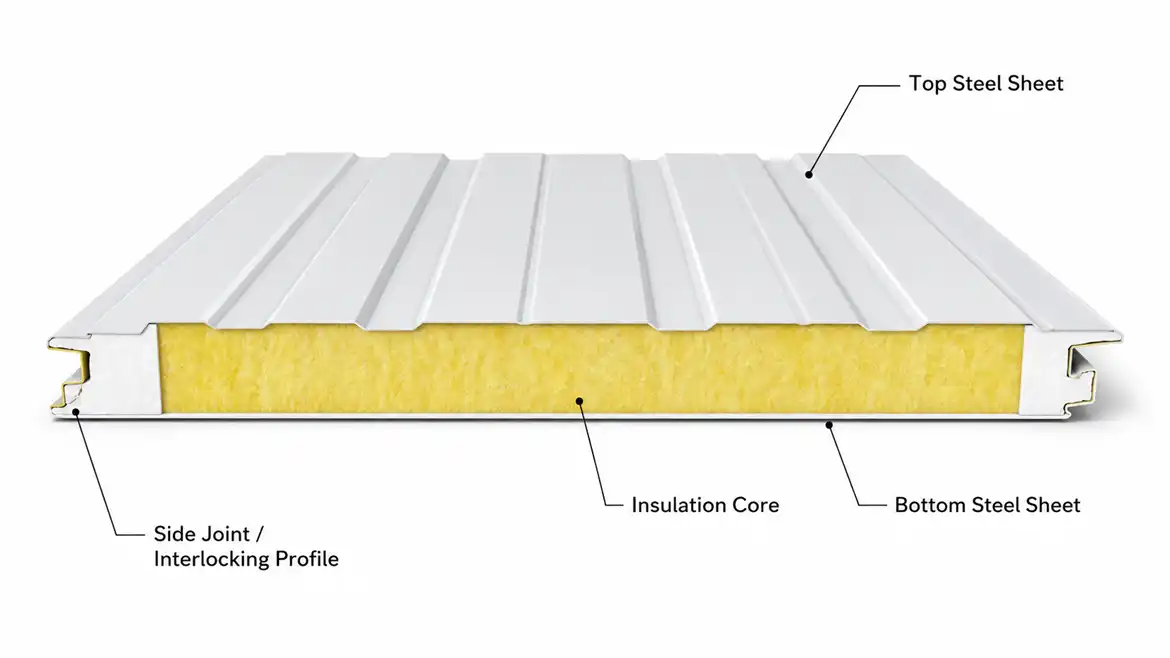
Storm Impact and Tensile Strength
Hail and Debris Impact Resistance
Coastal storms launch heavy debris against coastal homes. You need solid materials to resist denting during severe hurricanes. Steel offers high structural strength compared to softer metals. It withstands flying tree branches and large hail impacts exceptionally well.
Aluminum features lower density, yet contractors offset this trait by installing thicker panels. Marine-grade alloys yield excellent impact strength for coastal structures. You achieve high dent resistance by selecting proper panel profiles. Tensile strength ensures your building stays secure during extreme weather events.
Substrate Gauge Comparisons
Manufacturers measure panel thickness using distinct gauge systems. Standard steel roofing uses 24-gauge or 26-gauge sheets for structural panels. Lower gauge numbers mean thicker metal cores and superior strength.
Conversely, aluminum paneling uses decimal inch measurements rather than traditional gauges. Installers typically specify 0.032-inch or 0.040-inch panel thicknesses. Thicker aluminum roofing panels balance lightweight benefits with structural strength. Proper thickness selection protects your long-term performance against physical stress.
Hurricane Wind Uplift and Weight
Weight Advantage of Aluminum Roofing
Weight plays a critical role during severe storms. The structural load varies significantly between metal roofing materials:
| Roofing Material | Weight Range (lbs per sq ft) | Weight Difference |
|---|---|---|
| Steel Roofing | 1.5 – 2.0 lbs | Steel is significantly heavier |
| Aluminum Roofing | 0.5 – 0.75 lbs | Aluminum is roughly 60% lighter than steel |
Lighter panels reduce structural strain on roof trusses during high winds. You secure your home structure without adding excessive weight to the roof frame.
Fastening Protocols for Coastal Winds
Hurricane winds create powerful suction forces across roof edges. Fastener schedules determine panel survivability during major storms. Direct-fastened systems require precise screw spacing to resist intense uplift forces.
Engineers recommend heavy-duty stainless steel fasteners for oceanfront installations. Proper clip spacing prevents panel blow-off during hurricane-force gusts. You maintain weather-tight protection by following strict installation protocols.
Thermal Performance and Expansion
Aluminum Heat Reflectivity and Energy Savings
Coastal sun generates severe thermal loads on dark surfaces. Highly reflective metal roofing bounces sunlight away from your attic space. Aluminum reflects radiant heat efficiently, reducing indoor cooling costs throughout hot summers.
Lower surface temperatures increase overall material durability over time. Paint finishes last longer when panels stay cooler under direct sunlight. You lower energy bills while protecting your roof deck from heat build-up.
Thermal Movement and Clip Systems
Temperature shifts cause panels to expand and contract constantly. Steel features a Coefficient of Thermal Expansion of 0.0000065 / °F, whereas aluminum features 0.0000128 / °F. Under a 100°F change, a 100 ft steel panel expands 0.78 inches, while a 100 ft aluminum panel expands 1.56 inches. A 30-foot aluminum panel moves 7/16 of an inch, while steel moves 1/4 of an inch.
- Slotted Hole Integration: Oblong slots let fasteners slide alongside thermal movement.
- Floating Hardware: Floating brackets prevent stress buildup at structural joints.
- Flexible Spacing Components: Rubber spacers absorb micro-movements within large assemblies.
Standing seam systems use fixed anchor points alongside clip mechanisms at free ends to absorb thermal movement without causing damage.
Cost Analysis, Warranties, and Lifetime ROI
Upfront and Installation Expenses
Material Cost Differences
Initial financial commitments differ significantly between metal substrates. You pay a lower initial cost when purchasing steel roofing panels for coastal homes. Manufacturers produce steel in higher volumes, reducing material expenses.
Aluminum roofing requires a higher initial investment due to raw material processing. However, aluminum is the most affordable fully corrosion-resistant metal option. This price gap narrows when you evaluate total long-term value.
Coastal Installation Labor
Installation labor represents a major portion of your overall project cost. Specialized contractors charge similar labor rates to install both metal roofing types. Crew members handle lightweight aluminum panels easily, speeding up installation work.
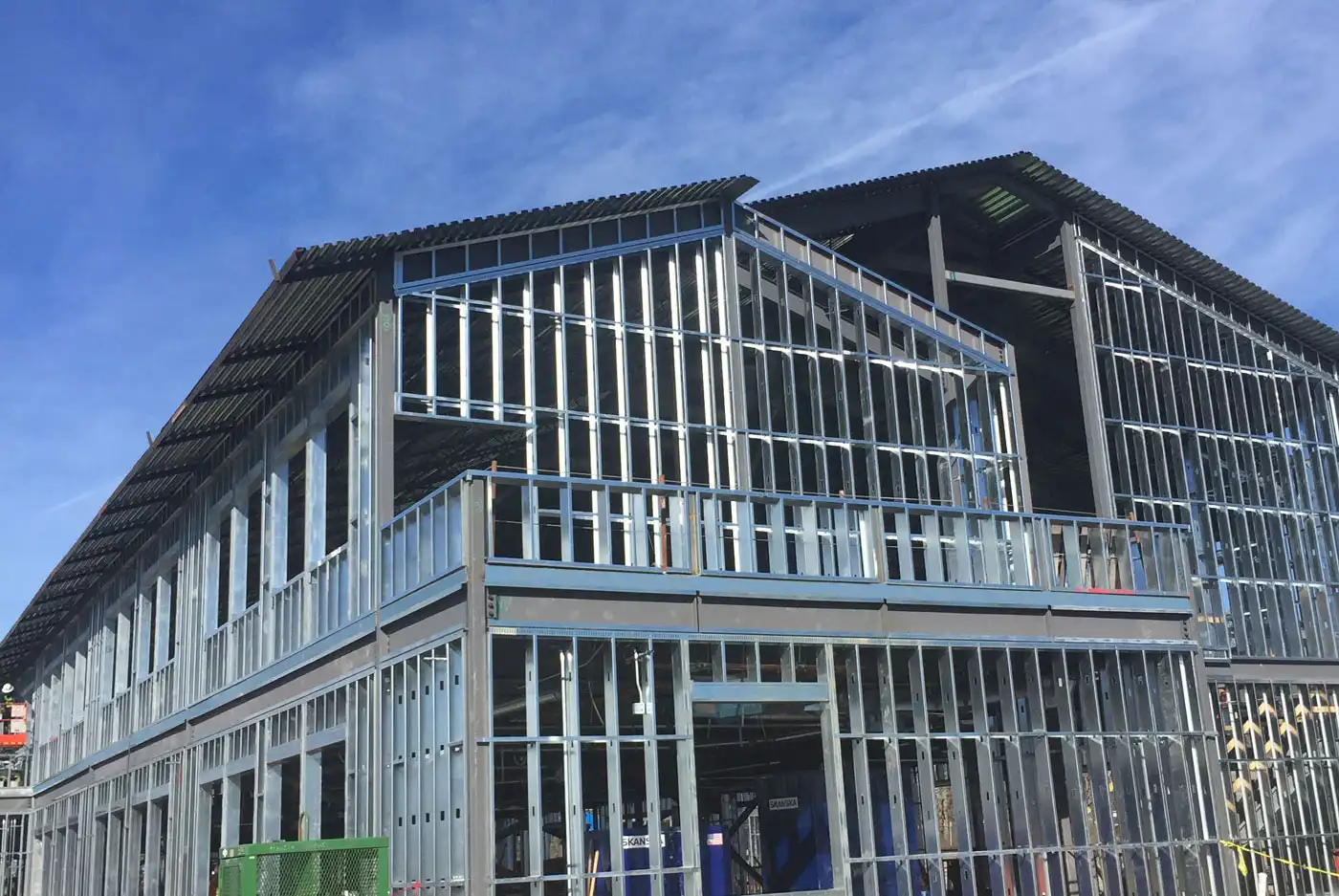
Steel panels require extra site preparation along raw cut edges in severe coastal environments. Crews must apply sealants to prevent edge corrosion on steel. These additional labor steps raise installation cost near saltwater.
Maintenance and Service Life
Oceanfront Rinse Protocols
Salt deposits accumulate on panel surfaces constantly near ocean water. Rainwater washes open slopes naturally. Unwashed areas under overhangs require regular freshwater rinses to maintain appearance.
Steel roofing demands frequent cleaning to remove trapped salt crusts. Salt breaks down coatings and causes aggressive rust on steel cores. Aluminum offers natural corrosion immunity, so freshwater rinses remove salt buildup easily without risking material decay.
Expected Service Life Span
Panel longevity varies based on material chemistry in shoreline zones. Coated steel roofing offers a shorter service lifespan when salt spray wears down protective zinc coatings. Exposed steel rusts quickly, forcing homeowners to replace panels prematurely.
Aluminum panels deliver superior long-term performance near open water. You achieve an extended lifespan exceeding fifty years with aluminum. This service life delivers significant cost savings over the total lifespan of your home, making aluminum the best roof for longevity.
Coastal Warranty Realities
Substrate Saltwater Exclusions
Roofing warranties contain strict geographical limitations near ocean shorelines. Standard steel manufacturers include saltwater exclusions in fine print. These clauses void structural warranties if you install steel panels close to coastal water.
Aluminum manufacturers offer comprehensive corrosion coverage near open ocean water. You secure full substrate protection without strict proximity exclusions. Choosing aluminum safeguards your financial investment against severe ocean atmospheric conditions.
Paint Chalk and Fade Protection
Intense solar radiation alters surface paint appearance over time. Factory-applied finishes protect panels against premature chalking and fading. Quality coatings maintain original color brightness across changing weather patterns.
Paint warranties cover finish degradation up to thirty years. However, paint failures on steel panels expose underlying metal to severe rust. Aluminum maintains high long-term value because paint failure never leads to structural failure.
Coastal Homeowner Decision Framework
Proximity and Environment Guidelines
Oceanfront Applications
You must evaluate your precise physical distance from open saltwater before purchasing building materials for your property. Properties located within 1,500 feet of open ocean waters require specialized roofing solutions for coastal areas to resist rapid panel degradation. Continuous oceanic winds drive saline moisture into vulnerable structural seams every day.
Marine-grade aluminum roofing provides complete natural corrosion immunity against continuous wind-driven spray. Selecting aluminum prevents red rust completely and safeguards coastal homes against aggressive marine conditions over many decades. The material develops a protective oxide skin instantly whenever atmospheric oxygen contacts exposed metal surfaces.
Intracoastal and Bay Properties
Intracoastal waterways and brackish bays present unique environmental conditions for nearby home building projects. These sheltered coastal locations still subject panel surfaces to elevated airborne salt concentrations and continuous high humidity throughout the year. You must assess local environmental factors carefully.
You can install aluminum panels or premium coated metal roofing across these semi-protected property zones successfully. Careful site evaluation helps you select appropriate protective surface coatings based on localized wind direction, saltwater proximity, and daily thermal shifts.
Inland Coastal Regions
Inland locations situated well beyond the 1,500-foot coastline boundary experience significantly lower airborne chloride concentrations. Reduced salt air exposure lets protective metallic surface coatings shield underlying iron cores effectively over long timeframes. Rainwater washes unexposed panels naturally in these inland areas.
Heavy-gauge steel roofing performs reliably across these inland coastal environments without risking rapid breakdown. You secure outstanding structural strength against wind uplift while keeping initial material expenses manageable across sheltered geographic locations.
Budget versus Longevity Tradeoff
Short-Term Savings with Steel
Selecting steel panels lowers your initial material cost during construction. High factory production volumes lower manufacturing costs and reduce purchase prices for budget-conscious building owners seeking reliable weather protection. You save money upfront during the procurement phase.
You capture immediate financial savings when installing steel roofing beyond severe oceanfront zones. Heavy-gauge steel delivers dependable physical impact strength against flying storm debris during major hurricanes and extreme weather events. The solid iron core resists physical denting effectively.
Maximum Value with Aluminum
Aluminum panels require a higher initial material cost during original roof installation work. However, aluminum delivers superior long-term value by eliminating frequent maintenance calls, edge painting, panel repairs, and premature replacement cycles near open saltwater. You avoid recurring labor expenses over time.
You secure an extended service lifespan exceeding fifty years along open saltwater shorelines. Investing in high-performance aluminum panels maximizes overall financial returns while protecting your primary structure against relentless salt air exposure. Light panel weight reduces structural stress during major storms.
You select optimal roofing solutions for coastal areas by assessing your property location. Distance to saltwater dictates your primary metal substrate choice. Homes within 1,500 feet require 0.032-inch or 0.040-inch aluminum panels to prevent severe corrosion from salt spray. Inland properties can use 24-gauge steel panels to resist hurricane wind loads and maximize product lifespan.
Use this quick evaluation checklist before buying metal roofing:
- Substrate material: Choose marine aluminum near ocean water or steel inland.
- Coating type: Require PVDF finishes for color protection.
- Fastener selection: Use stainless steel fasteners against wind uplift.
- Warranty terms: Check coverage distance limits carefully.
Always verify saltwater exclusion clauses in manufacturer warranties before making a final decision.
FAQ
Why should you choose aluminum over steel within 1,500 feet of the ocean?
You need aluminum close to the ocean because continuous salt spray rapidly degrades steel cores. Aluminum forms a natural oxide barrier that prevents red rust. This self-healing layer protects coastal homes within the critical 1,500-foot coastline boundary where salt air aggressively attacks building panels.
Does Galvalume steel perform well on oceanfront properties?
Galvalume steel offers excellent strength beyond the 1,500-foot boundary. However, direct saltwater exposure depletes its zinc-aluminum coating quickly. Oceanfront salt spray causes cut-edge rust on steel panels, making aluminum the superior substrate choice for direct shoreline installations.
How thick should aluminum roofing panels be for coastal storms?
You should select aluminum roofing panels with a thickness of 0.032 inches or 0.040 inches for coastal properties. These thicker profiles deliver outstanding dent resistance against flying storm debris while remaining lightweight. They balance high structural strength with reduced load strain on your building frame.
Will a manufacturer warranty cover steel panels near saltwater?
Standard steel panel warranties usually contain strict saltwater distance exclusions. Manufacturers often void paint and structural failure coverage if you install steel near ocean shorelines. Aluminum manufacturers offer comprehensive substrate warranties close to open saltwater, protecting your material investment against salt spray damage.
How does the long-term cost of aluminum compare to steel?
Aluminum requires a higher upfront initial cost compared to steel panels. However, aluminum delivers maximum long-term value by lasting over 50 years near saltwater without rust repairs. You save significant money over the total lifespan of your roof by avoiding premature panel replacements.
What paint finish provides the best protection against ocean sun and salt?
Factory-applied PVDF coatings like Kynar 500 offer the best protection for coastal installations. These finishes meet strict AAMA 2605 industry standards. PVDF coatings resist chalking, preserve original color brightness, and shield metal panels from intense ultraviolet radiation along the coast for decades.