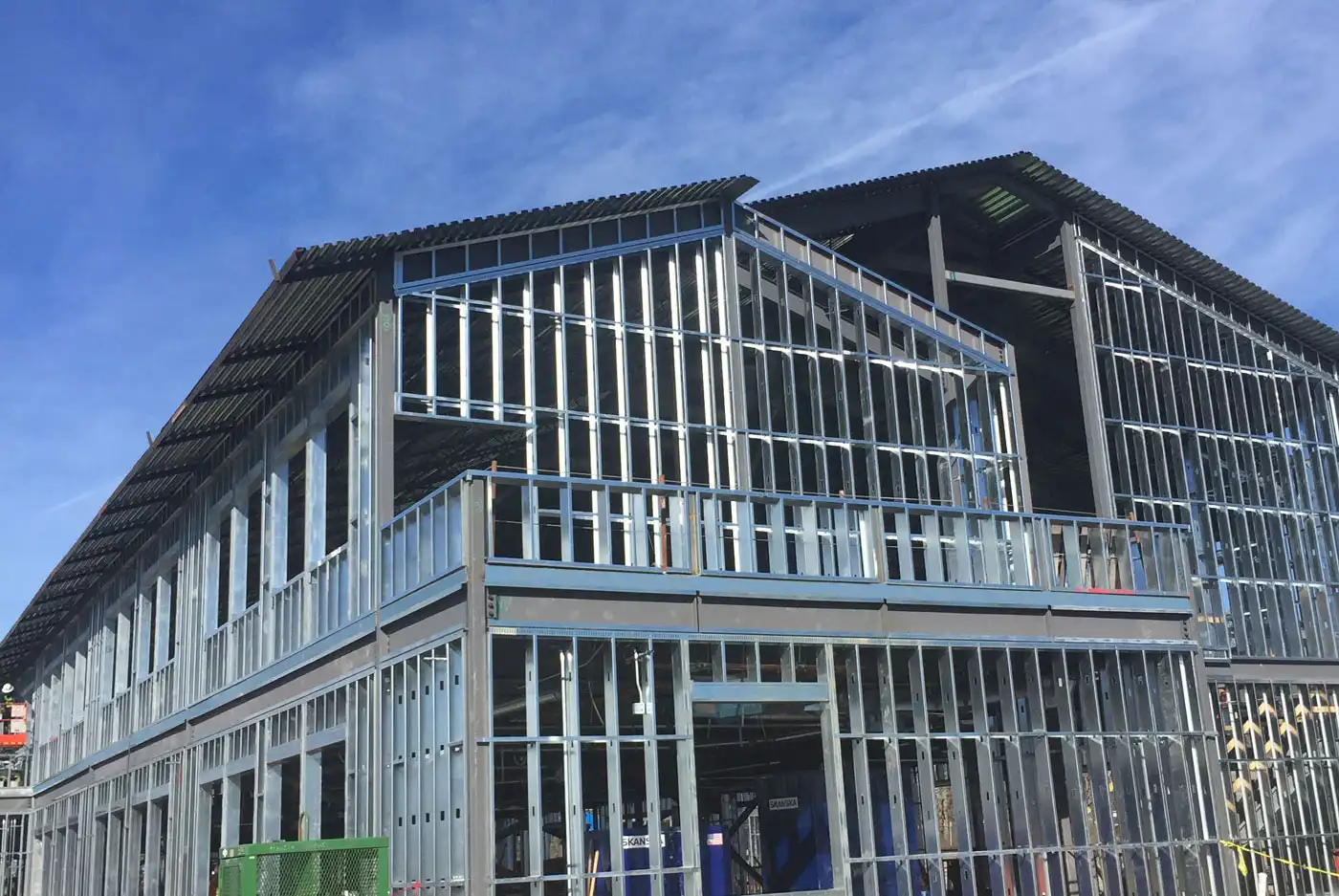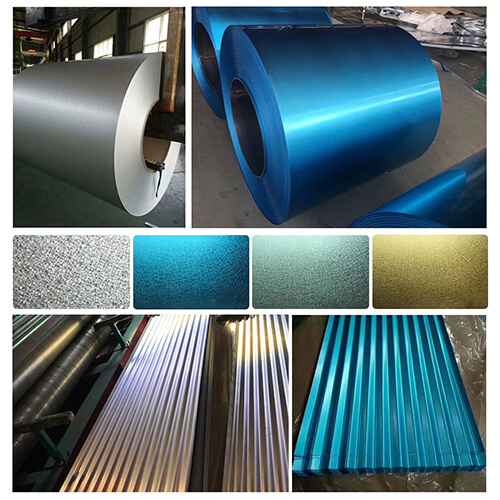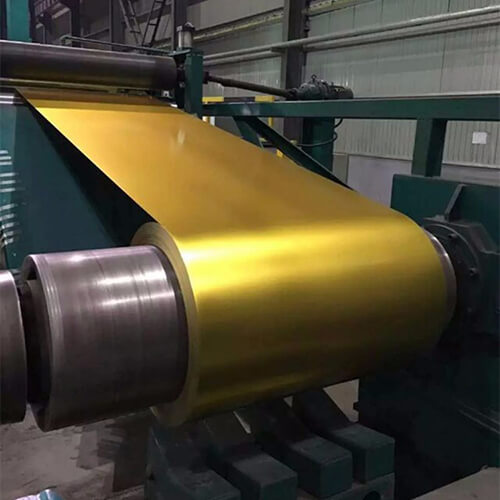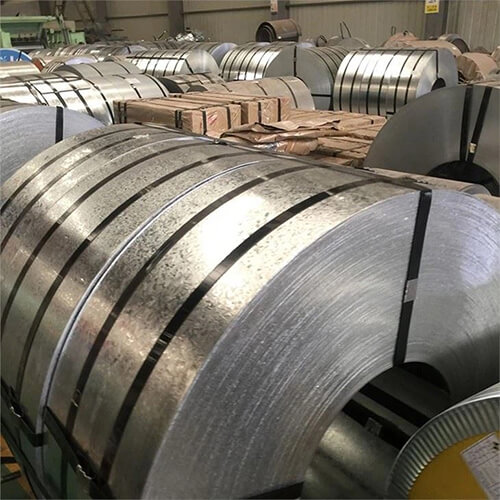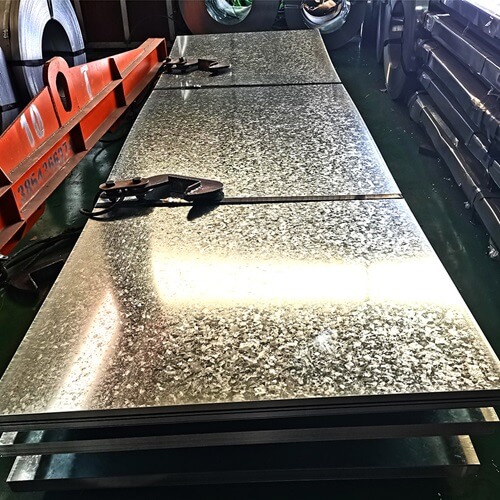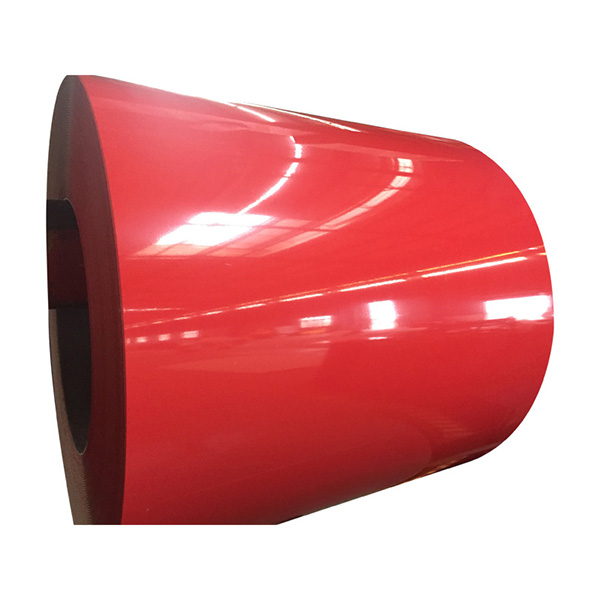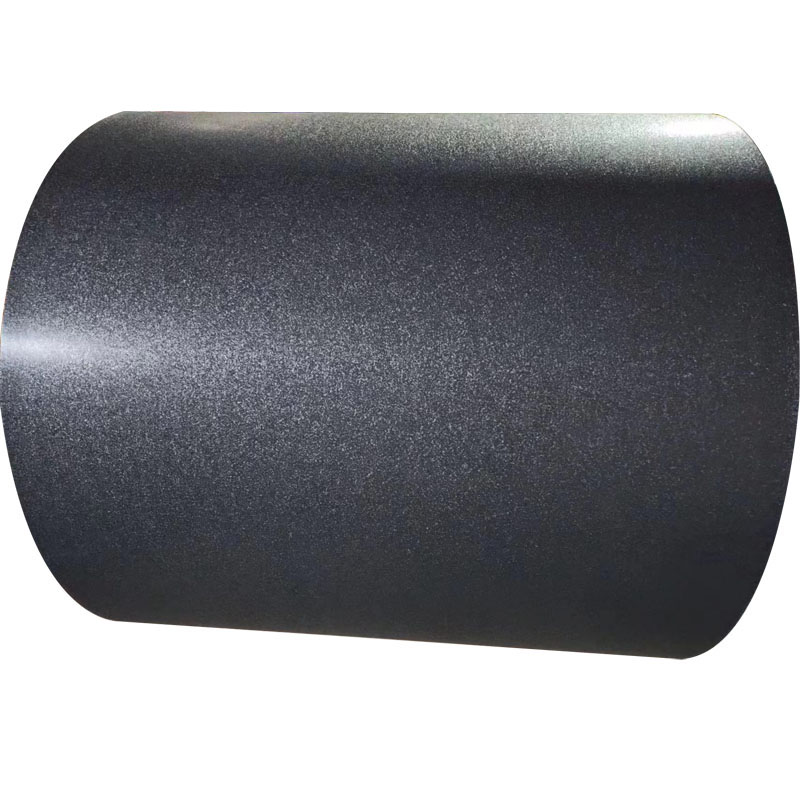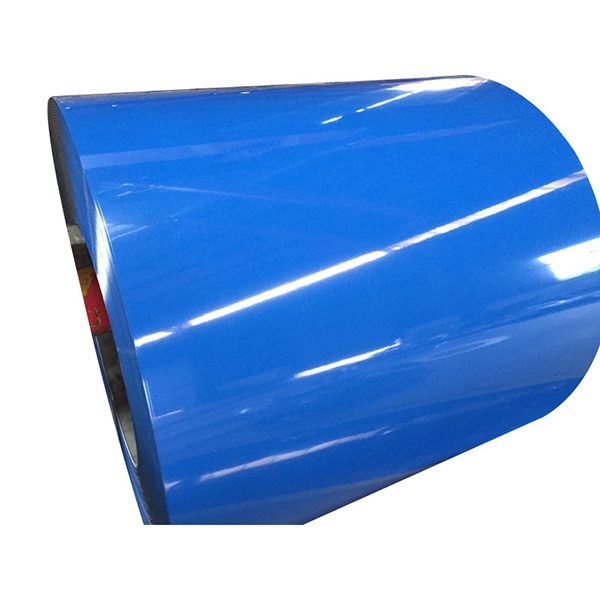
Does galvanized steel rust? Yes, it can, but not as quickly as uncoated steel. When you use galvanized steel, you rely on a zinc coating that shields the metal beneath and extends its service life. If you work in construction or manufacturing, you know that cold-formed steel needs this protection to prevent rust. Without it, structures may weaken and repairs become costly. Understanding how rust forms helps you maintain safety and keep your projects strong in 2026.
Key Takeaways
- Galvanized steel can rust, but it does so much slower than uncoated steel due to its protective zinc coating.
- Regular inspections are crucial. Check for scratches or damage to the zinc layer to prevent rust from forming.
- Environmental factors like humidity, salt, and pollution can accelerate rusting. Be aware of your surroundings when using galvanized steel.
- Thicker zinc coatings provide better protection. Each micron of thickness can add about a year of life in urban areas.
- Cleaning galvanized steel regularly helps maintain its protective layer. Use mild detergent and avoid abrasive materials.
- Repair any damage quickly. Use zinc-rich paint for small scratches and consider metallizing for larger repairs.
- Understand that galvanized steel is not maintenance-free. Regular care is essential to extend its lifespan.
- Myths about galvanized steel being rust-proof can lead to neglect. Stay informed and proactive to protect your investments.
Does Galvanized Steel Rust?
Short Answer
You might wonder, does galvanized steel rust? The answer is yes, but it happens much more slowly than with regular steel. Galvanized steel has a protective zinc coating that shields the metal underneath from moisture and air. This coating acts as a barrier, making it harder for rust to form. However, if the zinc layer gets scratched, worn down, or exposed to harsh environments, rust can start to appear.
Tip: Always check for signs of damage on the surface. Even a small scratch can let moisture reach the steel and begin the rusting process.
Some situations make galvanized steel rust faster. For example:
- High humidity above 60% (like in tropical climates or greenhouses)
- Salt in the air or water (common near the ocean)
- Frequent wetting, such as during regular car washes
- Pollution from sulfur dioxide in cities
- Contact with strong chemicals like cement or plaster
- Acid rain running off certain roofs
- Moss or lichen growing on the surface
When these factors are present, the zinc coating can break down quickly. In some harsh conditions, the protective layer may fail in less than six months, and you may see rust forming soon after.
Why It Matters
Understanding how and why galvanized steel rust occurs helps you protect your investments. If you ignore early signs of rust, the steel underneath can weaken. This can lead to serious problems, especially in buildings, bridges, or overhead structures. For example, if rust damages an overhead sign or beam, it could collapse and cause injuries or property damage.
Galvanized steel is designed to last, but it is not invincible. The zinc coating gives you extra time before rust appears, but it does not make the steel immune. Factors like coating thickness, environmental exposure, and physical damage all play a role in how long your steel stays protected.
Note: Regular inspection and maintenance help you catch problems early. By understanding what causes galvanized steel rust, you can take steps to extend the life of your structures and keep them safe.
If you work with galvanized steel, knowing the answer to “does galvanized steel rust” helps you plan for maintenance and avoid costly repairs. You can spot trouble before it becomes a major issue and keep your projects strong for years to come.
How Galvanizing Prevents Rust
Zinc Coating Protection
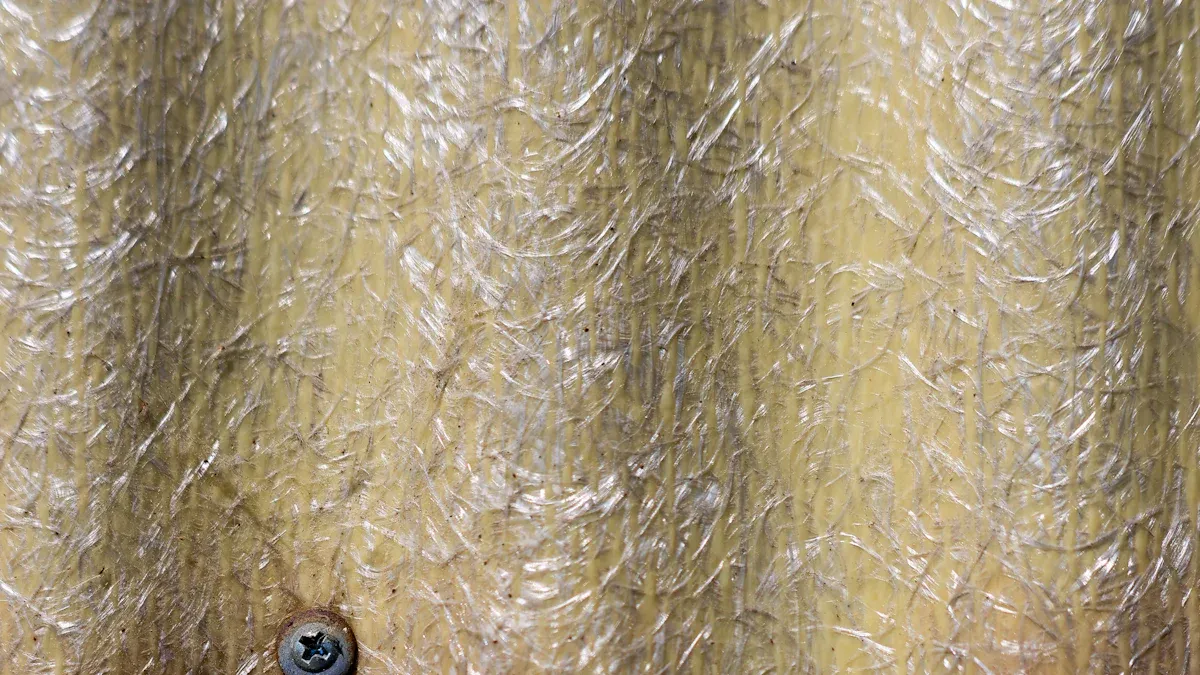
The galvanization process gives you a powerful tool against rust. When you choose galvanized steel, you get a layer of zinc that covers the metal. This zinc coating acts as a shield, keeping moisture and oxygen away from the steel. You can rely on this protection to keep your structures strong for decades.
Barrier Effect
The zinc coating forms a dense layer on the surface of galvanized metal. This barrier blocks water and air, which are the main causes of rust. You see the zinc coating working every day, especially in outdoor environments. The barrier effect slows down corrosion and keeps the steel underneath safe.
- The zinc coating serves as a physical barrier, preventing moisture and oxygen from reaching the steel.
- Zinc forms dense corrosion byproducts that slow down the corrosion rate significantly compared to steel.
- The zinc coating provides a barrier against environmental elements necessary for rust formation, such as moisture and oxygen.
- Zinc coatings serve as a metallic barrier, effectively keeping moisture away from the steel surface.
You notice that the barrier effect works best when the zinc layer stays intact. If you scratch or damage the surface, the protection drops. Regular inspection helps you spot these issues early.
Sacrificial Action
Zinc does more than just block moisture. It also protects steel through a process called sacrificial action. Zinc is more reactive than steel. When the coating gets damaged, zinc will corrode first, saving the steel underneath. This is why you see galvanized metal last longer than other types.
- Zinc acts as a sacrificial anode, corroding preferentially to the steel, thus protecting it from rust.
- The sacrificial anode ensures that any exposed steel is still protected by the surrounding zinc coating.
- Zinc can react with oxygen, protecting steel even if the coating is damaged.
You benefit from this sacrificial action because it keeps your steel safe even when the coating is not perfect. The zinc corrosion products create a protective barrier that slows down corrosion significantly. Zinc can corrode at a rate up to 100 times slower than other metals under similar conditions. The protective zinc patina reduces the corrosion rate of ferrous metals.
Tip: If you see exposed steel, check if the surrounding zinc is still present. The sacrificial action may still protect your structure.
Galvanized Steel vs. Paint
You might wonder how galvanization compares to painting. Both methods aim to prevent rust, but they work in different ways. The galvanization process creates a metallic bond between zinc and steel. Paint forms a film barrier on the surface.
| Feature | Galvanized Steel | Painted Steel |
|---|---|---|
| Protection | Zinc barrier | Paint film barrier |
| Appearance | Standard grey metallic | Wide range of colors/finishes |
| Durability | 50–100 years | 15–25 years with maintenance |
| Cost | Higher upfront, lowest long-term cost | Lower upfront, higher life-cycle cost |
| Applications | Pipelines, outdoor equipment | Decorative, branded, architectural |
Galvanized steel can last 50–100 years without major maintenance. Painted steel typically lasts 15–25 years and needs periodic touch-ups or repainting. You see that the zinc coating offers better corrosion resistance and longer life. The galvanization process gives you a more durable solution, especially for outdoor or industrial uses.
Note: If you want a long-lasting structure, choose galvanized steel. Paint works well for decoration, but it needs more maintenance.
You now understand how galvanizing prevents rust. The zinc coating protects steel through barrier and sacrificial effects. The galvanization process gives you a reliable shield against corrosion. When you compare galvanized metal to painted steel, you see the clear advantages in durability and corrosion resistance.
Factors That Affect Galvanized Steel
When you choose galvanized steel, you need to understand the factors that affect galvanized steel and its ability to resist rust. Galvanization protects steel, but several conditions can change how well it works.
Coating Thickness
The thickness of the zinc coating plays a big role in corrosion resistance. You get longer-lasting protection when the coating is thicker. Each micron of zinc adds about a year of life in many urban areas. If you work in a city, you should consider the impact of local environmental conditions when deciding how thick the coating should be. Thicker coatings also improve crack resistance, especially when the eta-phase is enhanced.
- Thicker zinc coatings offer extended corrosion protection.
- Each micron of thickness can correspond to an additional year of life in urban environments.
- Low intermetallic layer thickness and enhanced eta-phase thickness improve crack resistance.
Tip: Always check the coating thickness before installation. Thicker coatings help your galvanized steel last longer.
Environmental Exposure
Where you place galvanized steel affects how quickly corrosion and rust appear. Different environments cause the zinc layer to break down at different rates.
Moisture and Humidity
High humidity and frequent wetting speed up corrosion. If you install galvanized steel in greenhouses or tropical climates, you see rust sooner. Moisture lets oxygen reach the steel, which starts the corrosion process.
Salt and Chemicals
Saltwater and strong chemicals attack the zinc layer. Coastal areas expose your steel to salt in the air and water. Chemicals like cement or plaster can also damage the coating. You need to protect galvanized steel from these hazards.
Pollution
Pollution increases the risk of corrosion. Urban environments with sulfur dioxide or acid rain break down the zinc faster. You should monitor galvanized steel in cities more often.
| Environment Type | Corrosion Rate (µm/year) | Corrosivity Classification |
|---|---|---|
| Urban | 0.68 | C2 |
| Marine | 4.4 (after 4 months) | C5 |
| 9.4 (after 8 months) | C5 |
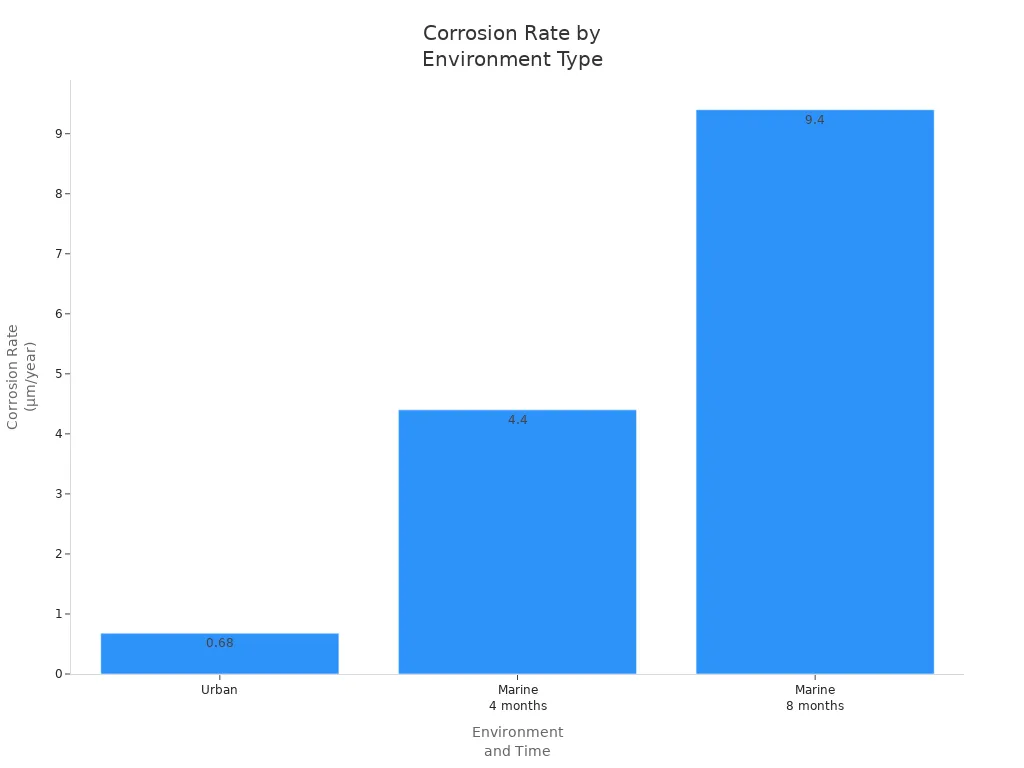
Note: Marine environments cause much faster corrosion than urban areas. Saltwater and pollution make the zinc layer break down quickly.
Physical Damage
Physical damage can compromise the zinc coating and speed up rust. You need to handle galvanized steel carefully during transportation, installation, and maintenance.
- Mechanical damage can occur during transportation, handling, processing, and installation.
- Common causes include:
- Rubbing or scratching from lifting equipment.
- Scratches and dents from sliding and collisions.
- Impacts from loading and unloading.
- High-temperature molten slag causing pits.
- Improper drilling and punching leading to bulging or peeling.
- Excessive stretching during bending causing cracks.
- Welding at high temperatures burning away zinc layers.
If you see scratches, dents, or cracks, you should repair the coating. Damaged areas let moisture reach the steel and start corrosion.
Alert: Inspect galvanized steel after installation. Physical damage can reduce the effectiveness of galvanization and lead to rust.
Galvanized Steel Rust Over Time
Typical Lifespan
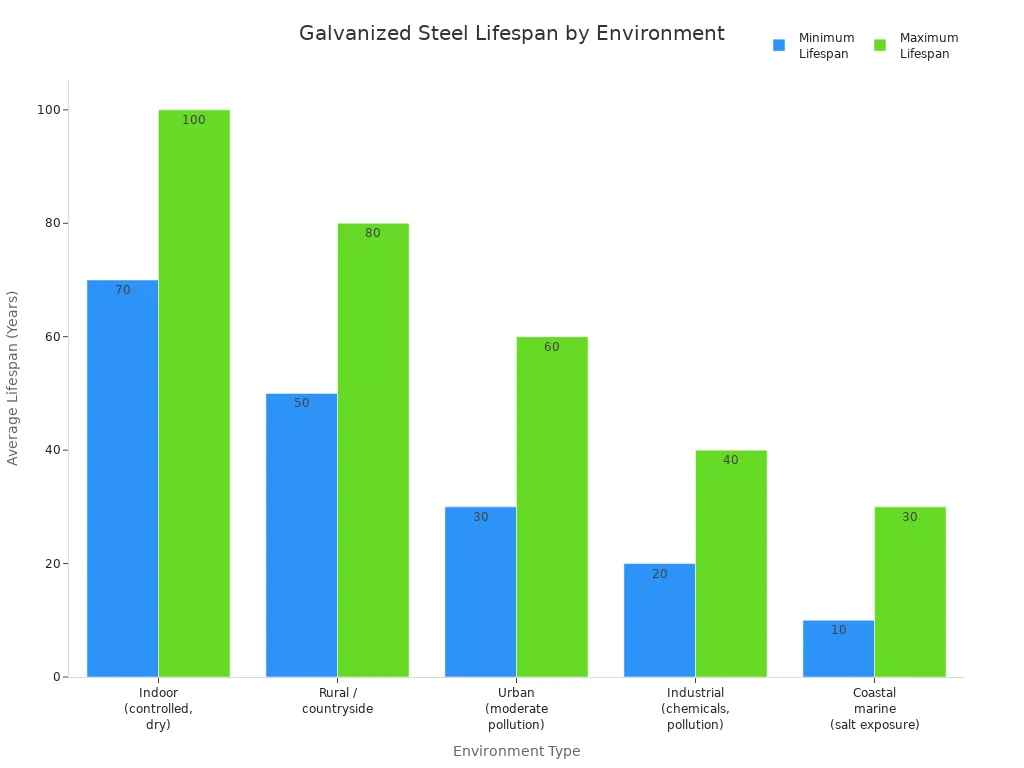
You want to know how long galvanized steel lasts before rusting becomes a problem. The answer depends on where you use it. Galvanized steel rust develops much more slowly indoors than outdoors. In dry, controlled indoor spaces, you can expect galvanized steel to last 70 to 100 years or even longer. Outdoor environments, especially those with moisture or pollution, shorten this lifespan.
Indoor vs. Outdoor
Indoor environments protect galvanized steel from rain, humidity, and pollutants. You see very little rusting in these conditions. Outdoor use exposes the steel to weather, which speeds up rusting. In salty or humid outdoor areas, galvanized steel rust can appear much sooner. Here is a quick comparison:
| Environment Type | Average Lifespan (Years) |
|---|---|
| Indoor (controlled, dry) | 70–100+ |
| Rural / countryside | 50–80 |
| Urban (moderate pollution) | 30–60 |
| Industrial (chemicals, pollution) | 20–40 |
| Coastal marine (salt exposure) | 10–30 |
Urban, Rural, Coastal
You see the biggest differences in lifespan when you compare urban, rural, and coastal areas. Rural locations offer the best conditions for galvanized steel. You get up to 80 years of protection because there is less pollution and lower humidity. Urban areas have more pollution, so rusting happens faster. In coastal regions, salt in the air makes galvanized steel susceptible to rusting. You may see rust spots in as little as 10 years if you do not maintain the coating.
Tip: Always consider your environment before choosing galvanized steel for a project. Moisture, pollution, and salt all speed up rusting.
Environmental factors such as humidity and pollution play a big role in how long galvanized steel resists rust. High humidity and pollutants create corrosive conditions. These conditions reduce the lifespan of galvanized coatings. If you work in an area with chemicals, moisture, or salt, you need to inspect your steel more often.
Signs of Rust
You can spot early signs of galvanized steel rust if you know what to look for. Catching rusting early helps you prevent bigger problems. Watch for these warning signs:
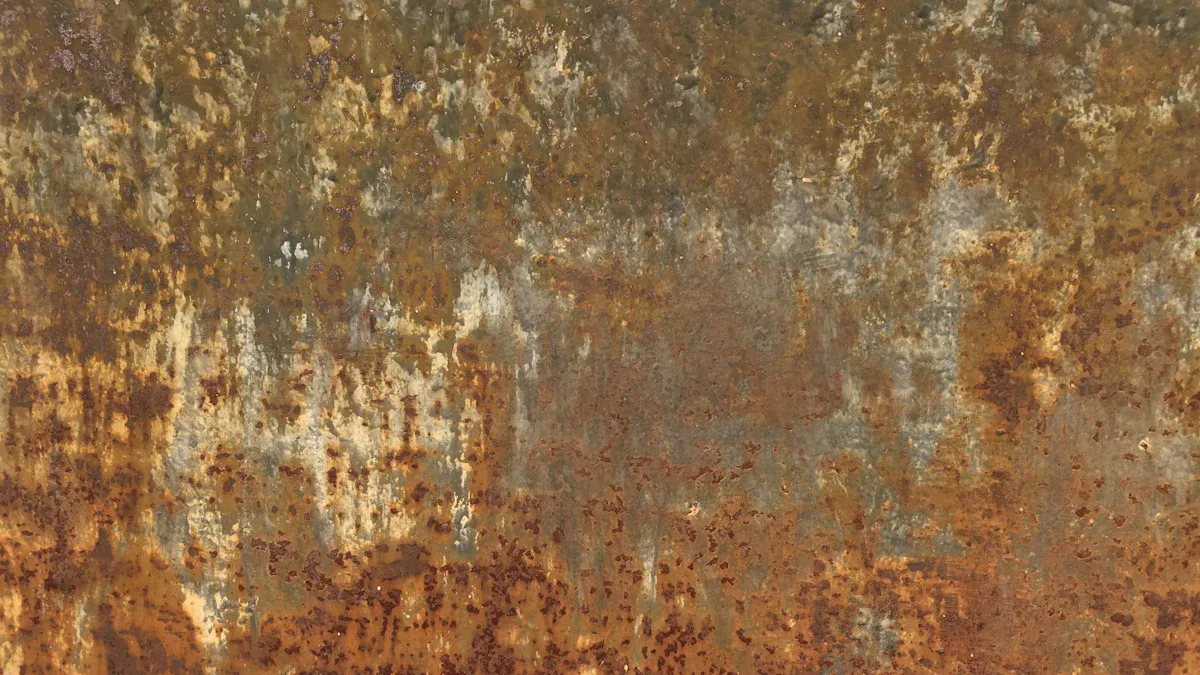
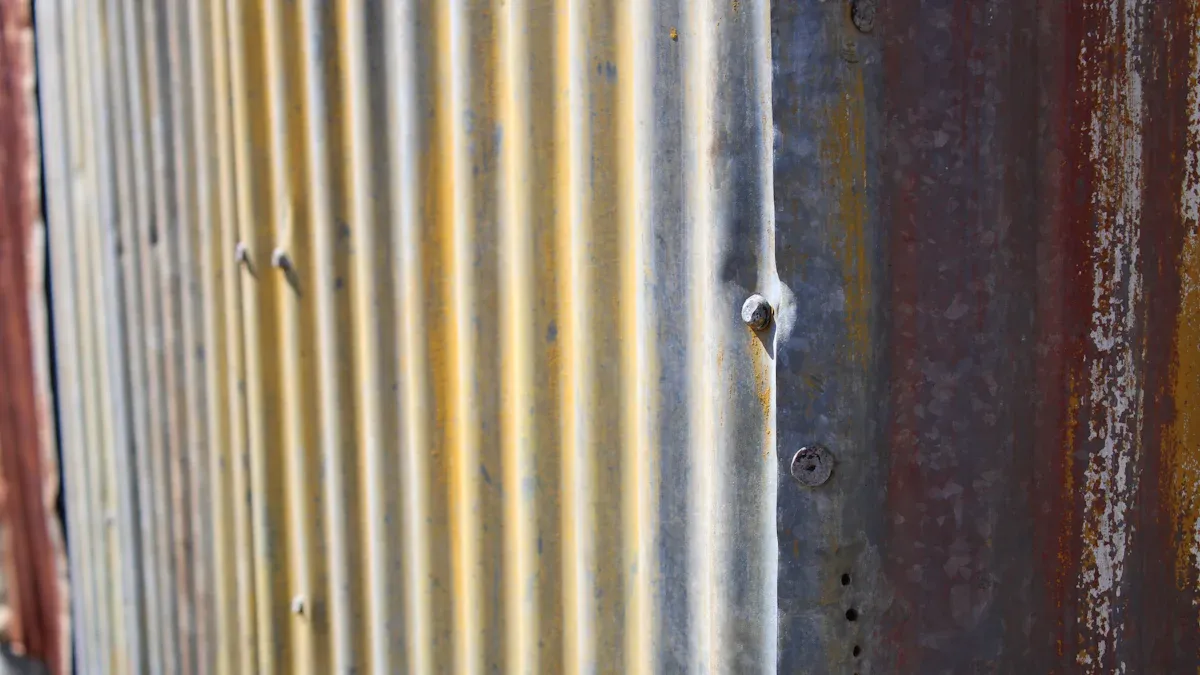
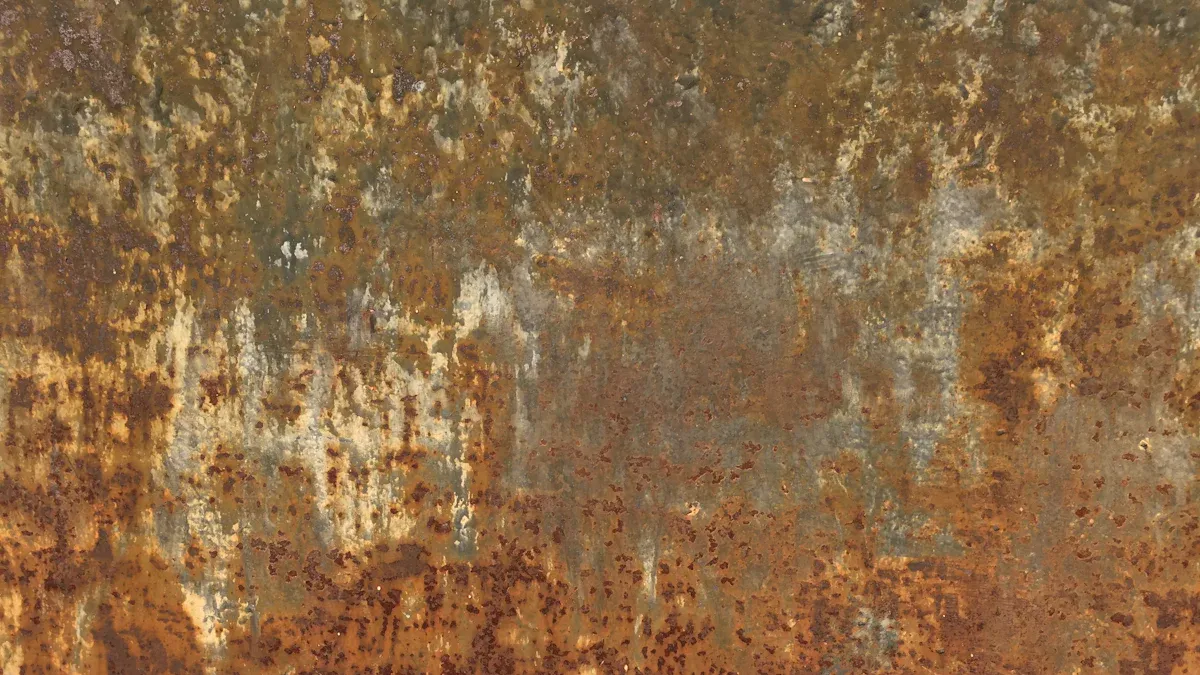
- Color Changes: Look for reddish, brownish, or orange flaky deposits on the surface.
- Surface Texture: Feel for rough, brittle, or uneven areas that may flake away.
- Pitting: Notice small holes or depressions, which show advanced rusting.
- Staining: Check for discolorations or streaks around affected spots.
If you see any of these signs, act quickly. Early detection and maintenance help you extend the life of your galvanized steel. Regular inspection is your best defense against rusting and corrosion.
Preventing Galvanized Steel Rust
Regular Inspection
You play a key role in the fight against rust when you inspect galvanized steel regularly. Inspections help you catch early signs of damage or corrosion before they become serious. You should tailor your inspection schedule to your environment:
- Inspect galvanized steel silos in general environments once every quarter.
- In highly corrosive areas, such as coastal or industrial locations, inspect once a month.
During each inspection, look for scratches, dents, or areas where the protective zinc coating appears thin or damaged. Pay close attention to joints, welds, and edges, as these spots often show the first signs of rust. Early detection lets you take action before rust spreads and weakens the structure.
Tip: Keep a simple inspection log. This record helps you track changes and spot patterns over time.
Cleaning and Maintenance
Cleaning and maintenance keep your galvanized steel strong and extend its life. Dirt, grime, and pollutants can break down the protective zinc coating and speed up rust. You should clean your steel at least once a year in mild environments. In harsher conditions, increase the cleaning frequency.
- Remove dirt, grime, and pollutants to prevent corrosion.
- Use mild detergent and warm water with a soft brush. Avoid abrasive materials that can scratch the surface.
- Always rinse thoroughly to remove any detergent residue.
Regular cleaning is essential in your fight against rust. After cleaning, check for any worn or damaged areas. Apply zinc-rich paint to spots where galvanization has worn off. In moisture-prone areas, use rust inhibitors to add another layer of protection. Managing humidity and preventing water from pooling on surfaces also helps you maintain the integrity of your galvanized steel.
- Touch up exposed areas with zinc-rich paint.
- Use rust inhibitors in damp locations.
- Control the environment by reducing humidity and preventing water ingress.
Note: Regular cleaning and timely repairs prevent structural degradation and keep your steel looking new.
Protective Coatings
You can boost the rust resistance of galvanized steel by applying an extra protective coating. In harsh environments, this step gives you added peace of mind. Several coatings work well over galvanization:
- Polyurethane coatings
- Acrylic coatings
- Zinc-rich paints
These coatings form a barrier that shields the steel from moisture, salt, and chemicals. You should choose a coating based on your specific environment and the level of exposure your steel faces. Applying a protective coating after cleaning and inspection ensures the best results. This extra layer helps you win the fight against rust and keeps your structures strong for years.
Alert: Always follow the manufacturer’s instructions when applying coatings. Proper application ensures maximum protection.
Repairing Damage
You play a vital role in keeping galvanized steel strong and rust-free. When you spot damage, you need to act quickly. Scratches, dents, or rust spots can break the zinc coating and expose the steel underneath. If you ignore these issues, rust spreads and weakens your structure.
Start by assessing the damage. Look closely at the affected area. Check if the rust is only on the surface or if it has penetrated deeper. Surface rust is easier to fix. Deep rust may require more work or replacement.
You can use several methods to repair damaged galvanized steel. Each method restores the protective zinc layer and stops rust from spreading.
- Apply zinc-rich paint for small scratches or surface touch-ups. This paint contains zinc particles that bond to the steel and create a new barrier.
- Use zinc-rich solder for larger areas. Soldering with a zinc-based alloy fills holes and joins new pieces. This method works well when you need to repair structural parts.
- Try metallizing for bigger repairs. Metallizing involves spraying molten zinc onto the damaged area. This process creates a true galvanizing layer and offers strong protection.
- Use laser cleaning to remove rust and debris. Laser cleaning restores the zinc layer and prepares the surface for further treatment.
- Apply cold galvanizing spray if you need a quick fix. This spray covers the steel with a zinc-rich coating and helps prevent future rust.
Tip: Always clean the area before you start repairs. Remove dirt, grease, and loose rust. A clean surface helps the new coating stick better.
You should choose the repair method based on the size and depth of the damage. For small spots, zinc-rich paint works best. For larger or deeper damage, metallizing or soldering gives you stronger protection. Laser cleaning is useful when you need to remove stubborn rust or prepare the surface for a new coating.
After you finish repairs, inspect the area again. Make sure the new coating covers all exposed steel. If you see any gaps, apply another layer. Regular checks help you catch new damage early.
| Repair Method | Best Use Case | Protection Level |
|---|---|---|
| Zinc-rich paint | Small scratches, touch-ups | Moderate |
| Zinc-rich solder | Large areas, structural fixes | High |
| Metallizing | Big repairs, true galvanizing | Very High |
| Laser cleaning | Rust removal, prep work | Prep only |
| Cold galvanizing spray | Quick fixes, surface coating | Moderate |
You keep your galvanized steel strong when you repair damage quickly and correctly. These methods restore the zinc layer and stop rust in its tracks. By staying alert and fixing problems early, you extend the life of your steel and protect your investment.
Galvanized Steel Myths
“Never Rusts” Misconception
You may have heard that galvanized steel never rusts. This idea sounds appealing, but it does not match reality. Galvanization protects steel by adding a zinc coating, but this shield is not permanent. Over time, certain conditions can break down the zinc layer and allow rust to form.
Some common situations that cause rust on galvanized steel include:
- High humidity above 60%
- Salt in water or air, especially near the ocean
- Surfaces that stay wet or soaked for long periods
- Pollution from sulfur dioxide in cities
- Natural gases like hydrogen sulfide
- Strong chemicals such as plaster or cement
- Acid rainwater running off roofs
- Moss or lichen that trap moisture
If you see any of these conditions around your galvanized steel, you should check for early signs of rust. The myth that galvanized steel never rusts can lead to costly mistakes.
Zinc Layer Confusion
Many people believe the zinc layer from galvanization lasts forever. In reality, the zinc coating wears away over time, especially in harsh environments. Galvanized steel is water-resistant, not waterproof. When the zinc layer thins or gets damaged, moisture and air can reach the steel underneath and start corrosion.
- Galvanized materials are not entirely waterproof. The zinc coating can wear away, leading to corrosion.
- Galvanized materials are not maintenance-free. They need regular inspections and care, especially in tough environments.
You should not assume the zinc layer will always protect your steel. Regular checks help you spot problems before they grow.
Maintenance-Free Belief
Some people think galvanization means you never need to worry about maintenance. This belief can put your projects at risk. Galvanized steel is not completely rust-proof. The zinc layer can degrade over time, especially if exposed to harsh weather, chemicals, or physical damage. Scratches or dents can expose the steel, leading to rust and even structural problems.
- Galvanized steel is often mistakenly believed to be completely rust-proof.
- The protective zinc layer can degrade over time, especially in harsh conditions.
- Physical damage can expose the underlying steel, leading to rust and structural issues.
Regular maintenance and inspection keep your galvanized steel strong and safe. Do not let myths about galvanization lead to neglect.
You now know the answer to does galvanized steel rust and how to prevent it. Regular maintenance and understanding your environment help you avoid common mistakes like bare spots or white storage staining. Remember these key points:
- Hot-dip galvanizing offers self-repairing protection in harsh conditions.
- Maintenance is minimal for 25-30 years, saving you money over time.
- Use rust-preventatives and keep up with updated standards for best results.
By following these tips, you can keep your projects strong and worry less about does galvanized steel rust.
FAQ
How do you know if galvanized steel is rusting?
You can spot rust by looking for reddish or brown spots, rough patches, or flaking on the surface. If you see these signs, the protective coating may have worn away.
Can you paint over galvanized steel?
Yes, you can paint over it. Clean the surface first and use a primer made for metal. Paint adds extra protection, especially in harsh environments.
What should you avoid when cleaning galvanized steel?
Avoid using harsh chemicals or abrasive brushes. These can scratch or damage the zinc coating. Use mild soap, warm water, and a soft cloth for best results.
How often should you inspect galvanized steel outdoors?
Inspect it at least every three months. In coastal or industrial areas, check monthly. Regular inspections help you catch problems early and prevent serious rust.
Does cutting or welding affect galvanized steel’s rust resistance?
Yes. Cutting or welding removes the zinc coating at the edges. Always treat cut or welded areas with zinc-rich paint or spray to restore protection.
Can you repair small rust spots on galvanized steel?
You can repair small spots by cleaning the area and applying zinc-rich paint. This restores the protective layer and stops rust from spreading.
Tip: Quick repairs keep your galvanized steel strong and extend its lifespan.