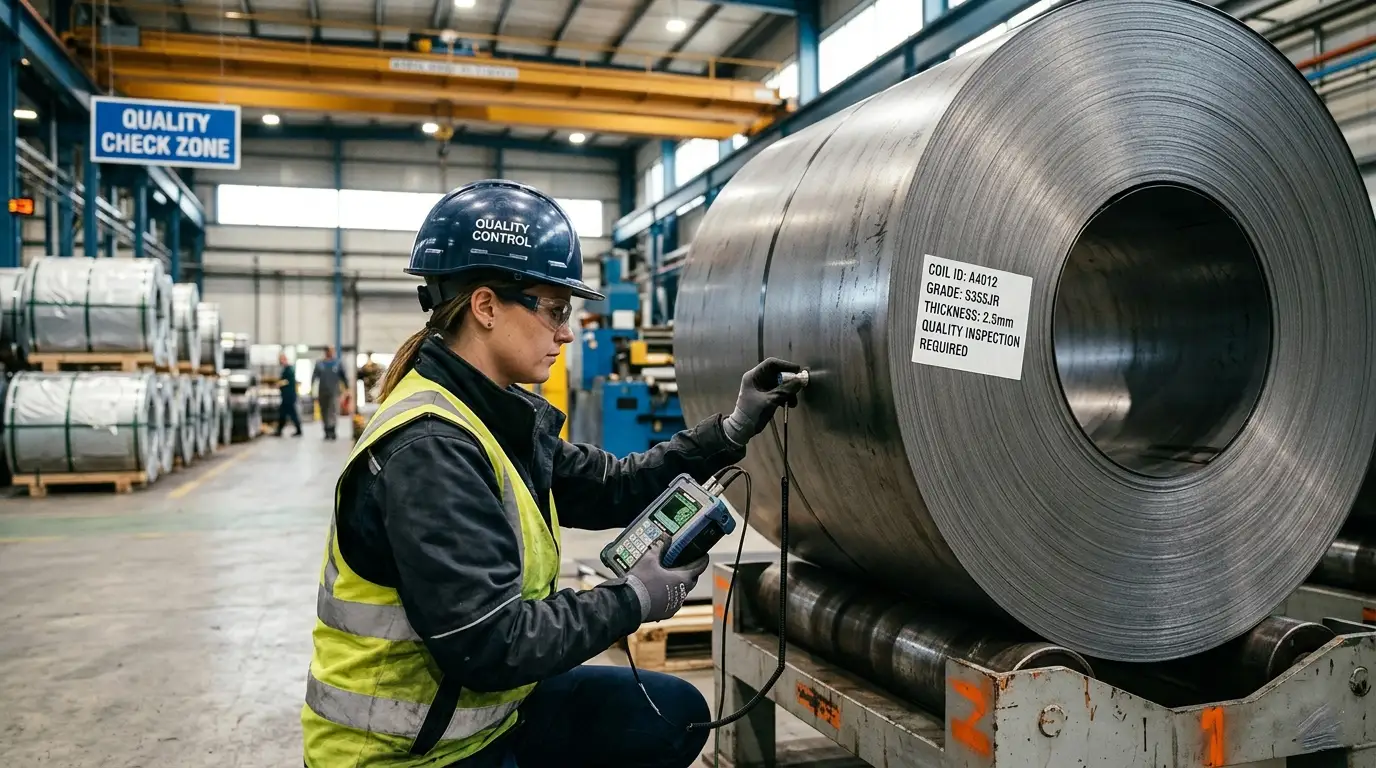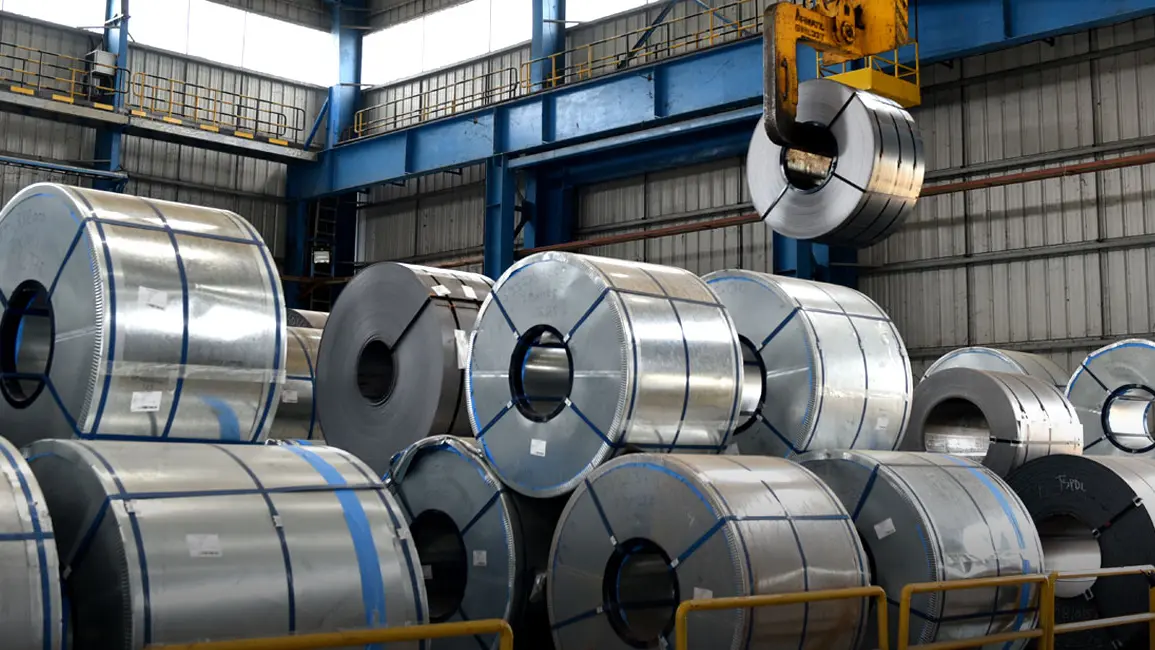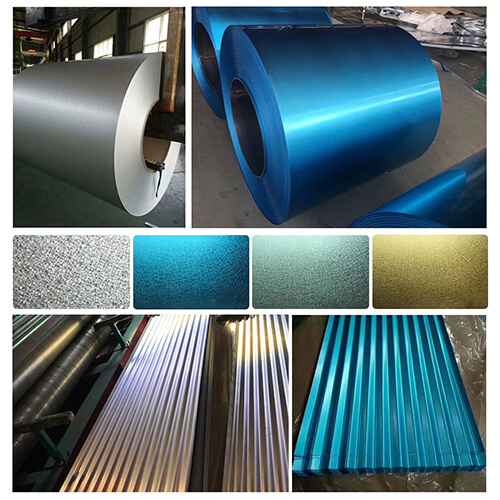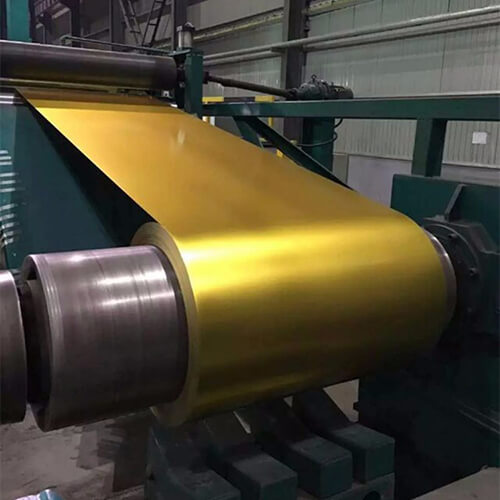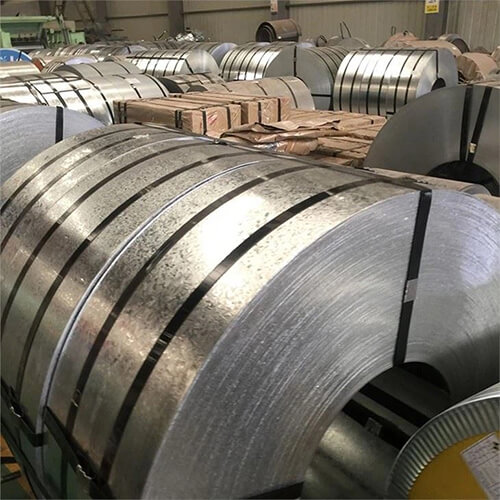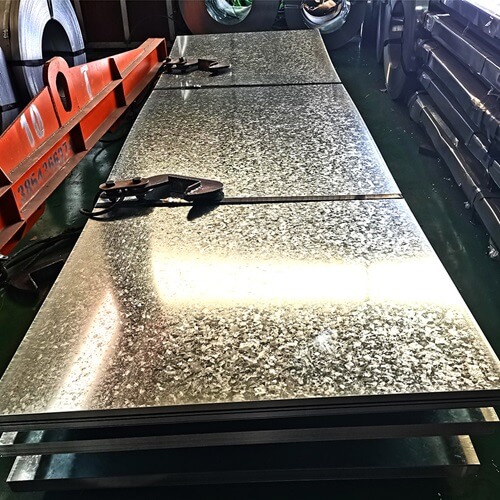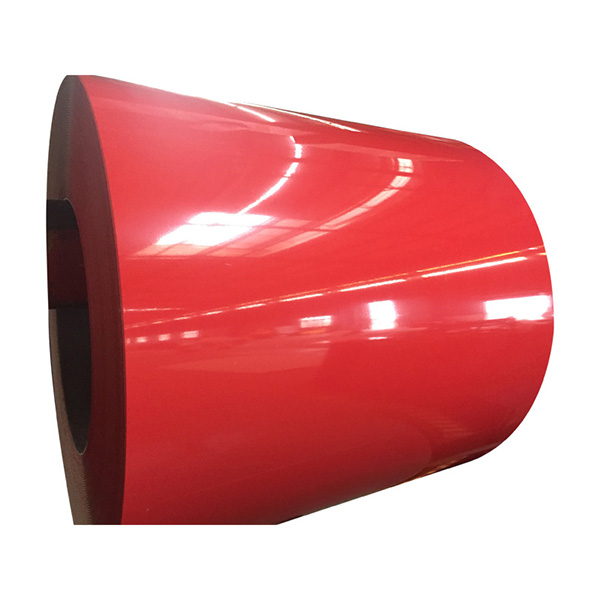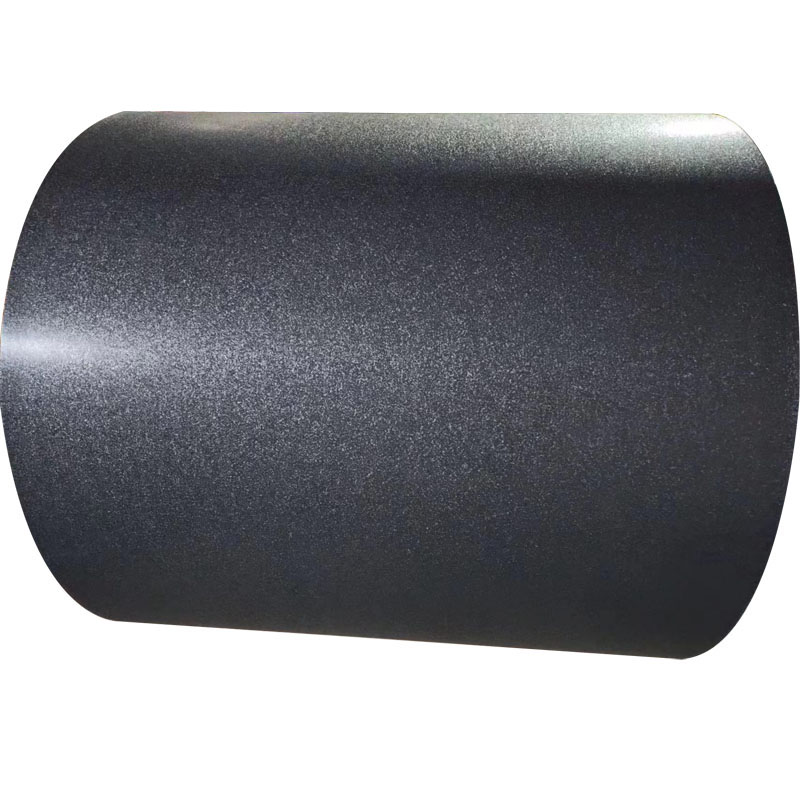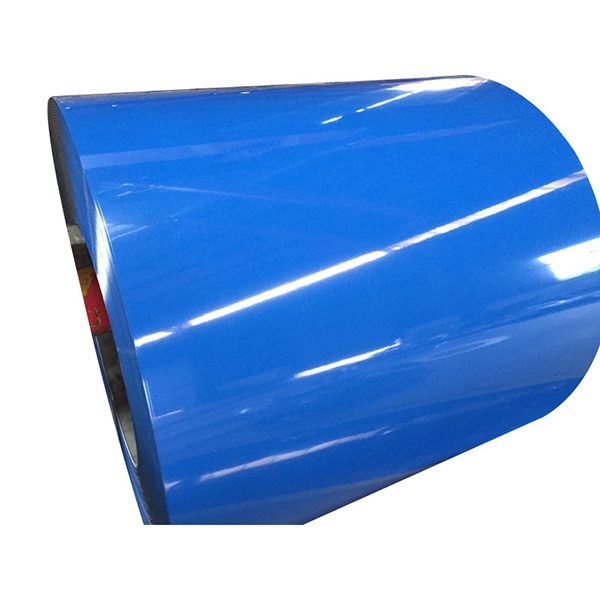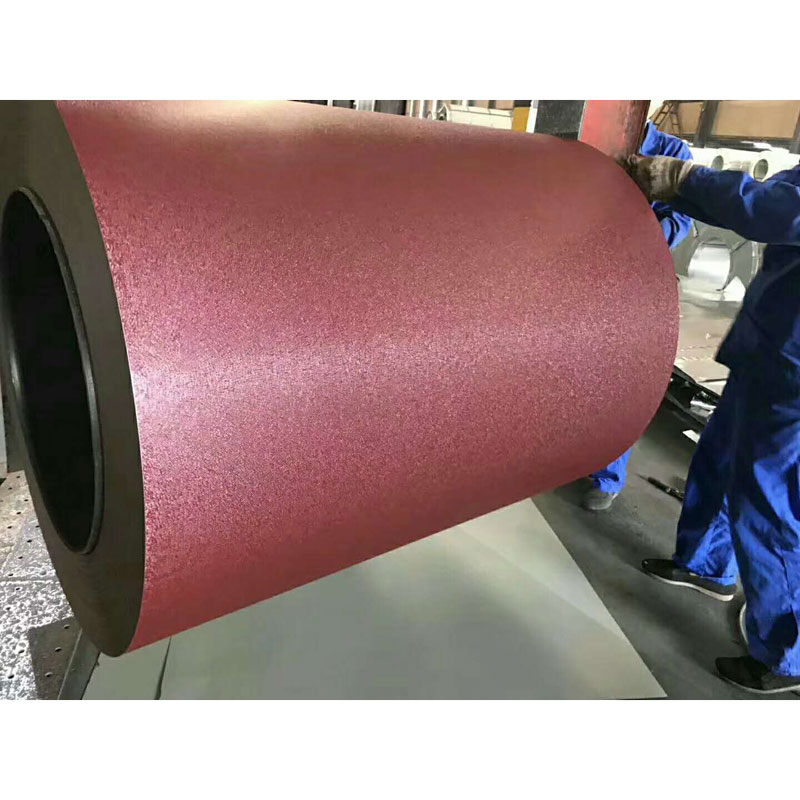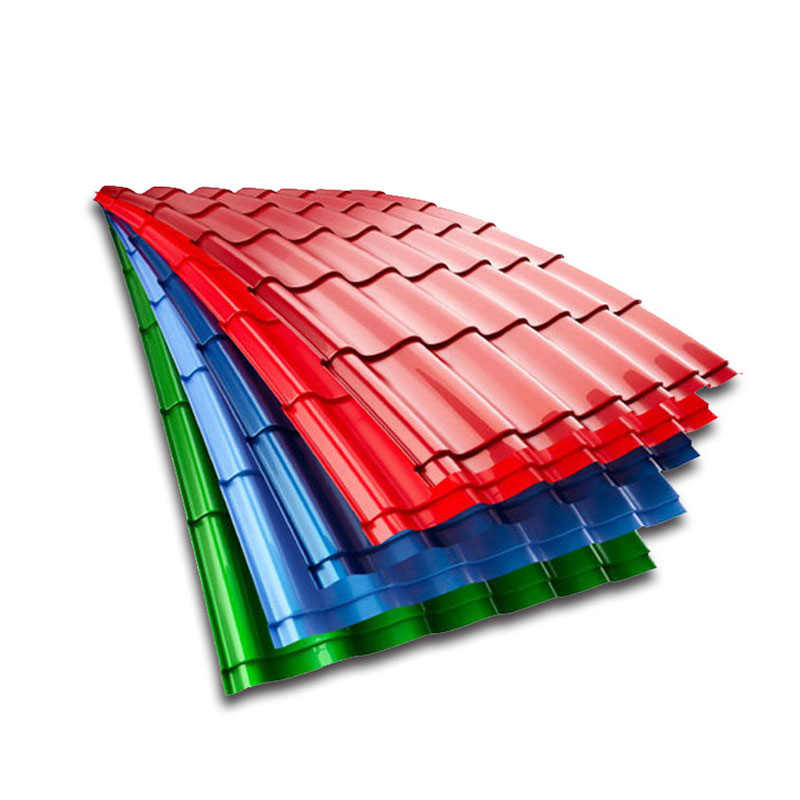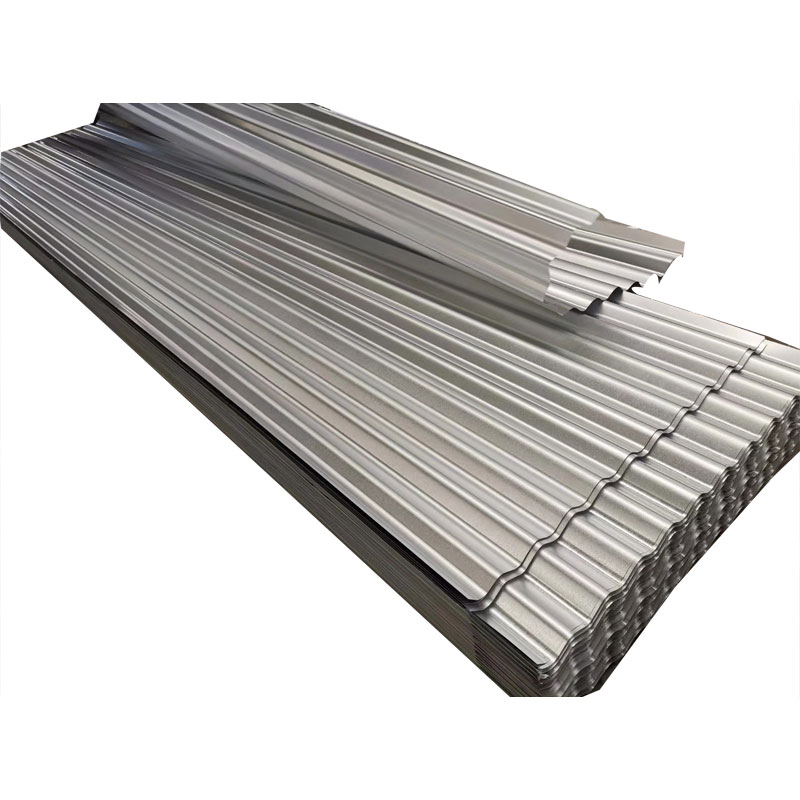
When you focus on Importing Steel Coil, quality checks protect your investment and reputation. You face risks such as supplier qualification issues, vague contracts, compliance errors, and inadequate inspection processes. The table below highlights these common challenges:
| Quality Risk | Description |
|---|---|
| Supplier Qualification Issues | Relying on unverified suppliers can lead to poor quality steel. |
| Vague Contracts | Missing standards and inspection steps make problem resolution difficult. |
| Compliance Errors | Overlooking regulations can cause customs delays and fines. |
| Inadequate Inspection Processes | Skipping proper checks often results in substandard shipments. |
A proactive, step-by-step approach helps you prevent costly mistakes and ensures consistent quality.
Key Takeaways
- Always prioritize quality checks when importing steel coil to protect your investment and reputation.
- Conduct thorough supplier assessments to ensure reliability and avoid receiving substandard materials.
- Request and verify certifications like ISO and ASTM to confirm compliance with industry standards.
- Perform pre-shipment inspections to catch defects before the steel coils leave the supplier’s facility.
- Utilize third-party testing for unbiased verification of steel quality and compliance with specifications.
- Maintain strong documentation and traceability to resolve disputes and ensure quality control.
- Implement contingency plans with backup suppliers to manage unexpected disruptions in the supply chain.
- Regularly review and update contracts to include clear quality clauses and acceptance criteria.
Importing Steel Coil: Supplier Assessment

Choosing the right supplier is the foundation of success when importing steel coil. You need to assess each supplier carefully to avoid costly mistakes and ensure consistent quality. A thorough supplier assessment helps you build strong business relationships and reduces the risk of receiving substandard materials.
Supplier Research
Reputation Checks
Start by researching the reputation of potential suppliers. Reliable suppliers often have a proven track record in the steel industry. You can use these steps to evaluate their credibility:
- Check online directories and attend trade shows to find reputable suppliers.
- Verify the company’s legal status through business registration checks.
- Review customer feedback and ratings on independent platforms.
- Assess the supplier’s experience and years in business.
- Look for any industry awards or recognitions.
A supplier with a strong reputation usually demonstrates consistent quality and reliability. You should also consider their logistics and shipping capabilities, as timely delivery is crucial for your operations.
References Review
Ask suppliers for references from previous clients. Contact these references to learn about their experiences. Focus on areas such as product quality, delivery times, and after-sales support. If a supplier hesitates to provide references, treat this as a warning sign. Speaking directly with other buyers gives you valuable insights into the supplier’s strengths and weaknesses.
Certification Requests
ISO and Industry Certificates
Requesting certifications is a key part of verifying supplier quality. Certifications show that a supplier follows strict quality management systems and meets industry standards. The most common certifications for steel coil suppliers include:
| Certification Type | Description |
|---|---|
| ISO 9001 | Quality management system certification ensuring proper quality control measures. |
| ASTM Standards | Standards for chemical composition, mechanical properties, and dimensional tolerances. |
| EN Standards | European Norms defining requirements for structural steels. |
| JIS Standards | Japanese Industrial Standards for general structural rolled steel. |
| CE Certification | Required for products in the European Economic Area, confirming health and safety compliance. |
| Mill Test Certificate | Provides detailed information about the steel coil’s properties and compliance. |
These certifications help you confirm that the steel will perform as expected and meet safety standards. They also provide reliable documentation for inspections and audits, reducing the risk of project delays and material defects.
Product Compliance
You should always verify that the supplier’s products comply with international and regional standards. Certification ensures that the steel coil meets specific grades and requirements set by industry bodies. Non-certified steel can lead to structural failures or regulatory issues. By requesting and reviewing certifications, you make informed decisions and protect your business from unnecessary risks.
Quality Records Review
Past Performance
Reviewing a supplier’s quality records gives you a clear picture of their past performance. These records show how well the supplier has complied with quality standards and whether they have delivered consistent results. You should ask for documentation of previous shipments, including any quality control reports or audit results.
- Quality records reveal process inefficiencies that may have affected performance.
- They verify if the supplier has taken corrective actions when problems occurred.
- Consistent positive records indicate a reliable partner for importing steel coil.
Previous Issues
Investigate any previous issues the supplier has faced. Ask about product recalls, customer complaints, or delivery delays. Find out how the supplier resolved these problems. A transparent supplier will share this information and explain the steps taken to prevent future issues. This level of openness builds trust and helps you avoid repeating past mistakes.
Tip: Always conduct due diligence before placing orders. Research, verify, and review every aspect of your supplier’s business. This proactive approach protects your investment and ensures a smooth process when importing steel coil.
Specification and Standards Verification
When you import steel coil, verifying specifications and standards protects your business from costly errors. You must confirm technical details, ensure compliance with international and customer standards, and document every agreement.
Technical Specs Confirmation
Material Grade
You need to check the material grade before placing an order. The grade determines the coil’s strength, durability, and suitability for your application. Ask your supplier for detailed grade information and compare it with your project requirements. If you overlook this step, you risk receiving steel that fails in performance or safety.
Dimensions
Accurate dimensions are essential for seamless integration into your production line. You should verify the outside diameter (OD), inside diameter (ID), and weight. These measurements impact machinery compatibility and transportation logistics.
| Specification | Description |
|---|---|
| Outside Diameter (OD) | Measurement across the outer edges of the coil, affecting fit in machinery and transportation logistics. |
| Inside Diameter (ID) | Measurement across the inner core, important for machinery compatibility and handling during transport. |
| Weight | Critical for cost and transportation, calculated based on dimensions and steel density. |
If you confirm these specifications, you avoid delays and extra costs caused by mismatched materials.
Standards Compliance
International Standards
You must ensure the steel coil meets international standards. Different countries require specific quality, safety, and environmental performance. Compliance with EN standards in the EU and ASTM standards in the US guarantees consistent quality and performance. Environmental standards restrict harmful chemicals in coatings, promoting sustainability.
- ISO 9001 and ISO 14001 certifications show strong quality and environmental management.
- Mill Test Certificates (MTC / EN 10204 3.1) confirm product properties.
- RoHS and REACH compliance may be necessary for certain markets.
Customer Requirements
Meeting customer requirements is critical for successful importing steel coil. You should follow these steps:
- Prepare import customs records to ensure accuracy and completeness.
- File and handle customs clearance procedures for regulatory compliance.
- Release the goods and store them safely after customs approval.
If you follow these procedures, you maintain trust and avoid legal issues.
Order Details Agreement
Written Specs
Document every detail in a written contract. The contract should outline product specifications, pricing, logistics terms, and dispute resolution mechanisms. Written specs prevent misunderstandings and provide a clear reference if problems arise.
- Product specifications include type of steel, dimensions, and quality standards.
- Pricing details cover total amount and payment methods.
- Logistics terms specify delivery responsibilities and timelines.
- Dispute resolution mechanisms, such as arbitration, protect your interests.
Sample Approval
Request sample approval before finalizing the order. You should inspect samples for material grade, dimensions, and surface finish. If the sample meets your requirements, you can proceed with confidence. If not, you can adjust the order or seek another supplier.
Tip: Always verify technical specs, standards, and order details before importing steel coil. This step-by-step approach ensures you receive the right product and maintain quality throughout your supply chain.
Inspection and Testing Protocols
You cannot overlook inspection and testing protocols when you want to guarantee the quality of steel coil imports. These steps help you catch defects before they reach your facility, reduce costly disputes, and build trust with your customers. You should always use a combination of pre-shipment inspections, third-party testing, and sample analysis to minimize risks.
Pre-Shipment Inspection
Pre-shipment inspection acts as your first line of defense against quality issues. You need to confirm that every coil meets your specifications before it leaves the supplier’s facility.
Factory Audit
A factory audit gives you a comprehensive view of the supplier’s manufacturing process. You should check their production lines, storage conditions, and quality management systems. This step helps you identify potential weaknesses in their operations. You can also review their documentation, such as invoices, packing lists, and certificates of compliance, to ensure they follow proper quality protocols.
Visual Checks
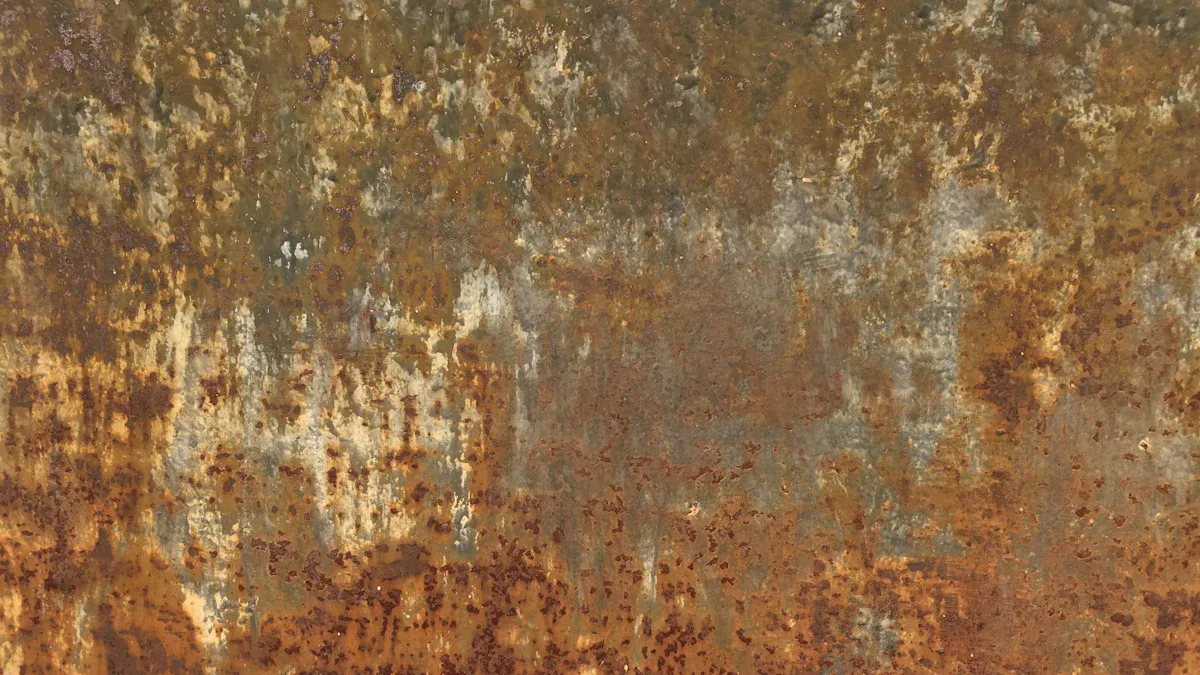
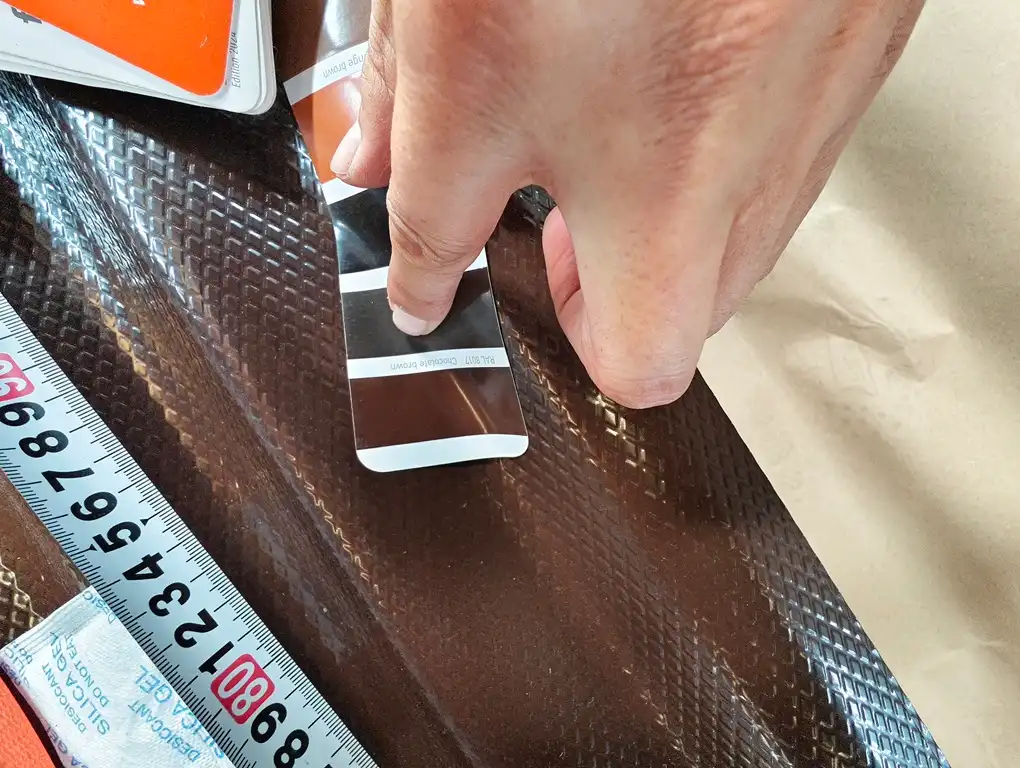
Surface quality inspection is crucial before shipment. You must look for visible defects, rust, or damage that could compromise the steel’s performance. Unnoticed flaws can lead to project delays and customer dissatisfaction. Use standardized checklists to make sure you do not miss any critical points. You should also measure thickness, width, flatness, and camber at multiple points. Inspect the edges for corrosion risks and coating damage. These checks help you prevent disputes and financial losses.
| Best Practice | Description |
|---|---|
| Documentation Validation | Compare invoices, packing lists, and certificates of compliance to ensure quality protocols. |
| Visual Inspection | Look for signs of damage, rust, or defects that could compromise quality. |
| Use of Technology | Implement RFID technology for quick verification against shipment details. |
| Standardized Checklists | Ensure thoroughness in inspections by using checklists. |
| Traceability Framework | Record each steel coil’s journey to maintain quality control and reference for future orders. |
Tip: Always conduct a full visual scan of the coil surface. This step serves as the first indicator of overall manufacturing quality.
Third-Party Testing
You should not rely solely on the supplier’s internal checks. Independent third-party testing adds an extra layer of assurance.

Accredited Agencies
Third-party testing agencies conduct independent inspections and tests to verify compliance with your specified standards and regulations. These agencies provide objective assessments that help you ensure the steel coil meets industry requirements. Their involvement enhances product reliability and builds customer trust.
Test Scope
You can request a wide range of tests from third-party agencies. These include dimensional verification, chemical testing, and structural steel inspection. Independent steel inspection ensures compliance with quality specifications before shipment, reducing the risk of defects. Chemical testing verifies the grade of stainless steel, while dimensional checks confirm that the steel products have the correct measurements.
| Service Type | Description |
|---|---|
| Independent Steel Inspection | Ensures compliance with quality specifications before shipment, reducing risks of defects. |
| Chemical Testing | Verifies the grade of stainless steel, ensuring it meets required standards. |
| Dimensional Verification | Confirms that the steel products have the correct dimensions, preventing sourcing errors. |
| Structural Steel Inspection | Assesses the structural integrity of steel, ensuring it meets safety and quality standards. |
Independent checks by accredited agencies reduce your exposure to quality risks and help you avoid costly mistakes.
Sample Analysis
Sample analysis allows you to detect hidden defects that visual checks might miss. You should use a combination of mechanical and chemical testing methods.
Mechanical Testing
Mechanical testing evaluates the strength, ductility, and toughness of the steel coil. You can use techniques such as tensile testing, hardness testing, and impact testing. These tests help you confirm that the material will perform as expected in your application.
Chemical Testing
Chemical testing verifies the composition of the steel. You need to ensure that the alloy contains the correct elements in the right proportions. This step prevents failures caused by incorrect grades or impurities.
| Detection Technique | Description |
|---|---|
| Visual Inspection | Common method for assessing surface quality, often using magnification for microcracks. |
| Magnetic Particle Inspection (MPI) | Detects surface and near-surface cracks in ferromagnetic steels using magnetic fields. |
| Eddy Current Testing | Identifies surface-breaking cracks using electromagnetic induction, effective for thin materials. |
| Ultrasonic Testing (UT) | Uses sound waves to find subsurface cracks, less effective for surface fissures alone. |
| Optical and Digital Microscopy | Provides detailed surface analysis to identify microcracks and surface features. |
You should always combine visual, mechanical, and chemical testing to ensure the highest quality when Importing Steel Coil.
By following these inspection and testing protocols, you reduce the risk of receiving substandard materials. You also protect your investment and maintain your reputation in the market.
Documentation and Traceability
You must keep strong documentation and traceability when importing steel coil. These steps help you verify quality, prove compliance, and resolve any disputes quickly. Good records also support your reputation as a reliable buyer.
Mill Test Certificates
Mill Test Certificates (MTCs) serve as the backbone of steel coil quality verification. You should always request and review these documents before accepting any shipment.
Key Data
A complete MTC includes all the critical information you need to confirm the steel coil’s properties. Look for these details:
- Product description and material grade
- Material heat number or heat lots
- Edition year and type of specifications met
- Mechanical and physical properties
- Chemical analysis and composition
- Material dimensions
- Heat treatment details (if applicable)
- Certified inspector’s signature
This data allows you to match the steel coil to your order and project requirements.
Authenticity
You must check the authenticity of every MTC. Compare the heat number on the certificate with the markings on the steel coil. Review the inspector’s signature and verify that the certificate matches the supplier’s official format. If you find any inconsistencies, contact the supplier immediately. Authentic certificates protect you from counterfeit or substandard materials.
Batch Tracking
Batch tracking ensures you can trace every coil from production to delivery. This process helps you manage recalls, resolve complaints, and maintain quality control.
Traceability
Modern tracking systems use automatic methods to record each coil’s journey. These systems log heat numbers, coil weights, and dimensions in real time. You can see an example below:
| Evidence | Description |
|---|---|
| Automatic Tracking | Tracks remnants with full heat number genealogy, preventing manual errors and lost records. |
| Real-time Data Logging | Logs coil weights and dimensions for quality control and traceability. |
| Material Tracking | ERP systems track materials from receipt to shipment for accurate billing and inventory. |
You should always use these systems to avoid gaps in your traceability chain.
Linking Docs
Link each batch to its supporting documents. Attach MTCs, packing lists, and test reports to the batch record. This practice makes it easy to find information if you need to investigate a quality issue.
Shipping Documents
Shipping documents prove the origin, ownership, and compliance of your steel coil shipment. You must collect and review these papers for every import.
Bill of Lading
The Bill of Lading acts as both a receipt and a contract for your shipment. It lists the items shipped, the parties involved, and the terms of transport. You need this document to claim your goods and resolve any shipping disputes.
Certificates of Origin
Certificates of Origin confirm where the steel coil was produced. Customs officials require these certificates to apply the correct tariffs and ensure compliance with trade agreements. Always keep these certificates with your import records.
Tip: Keep all documentation organized and accessible. Good records make audits, claims, and quality checks much easier.
Post-Arrival Quality Checks
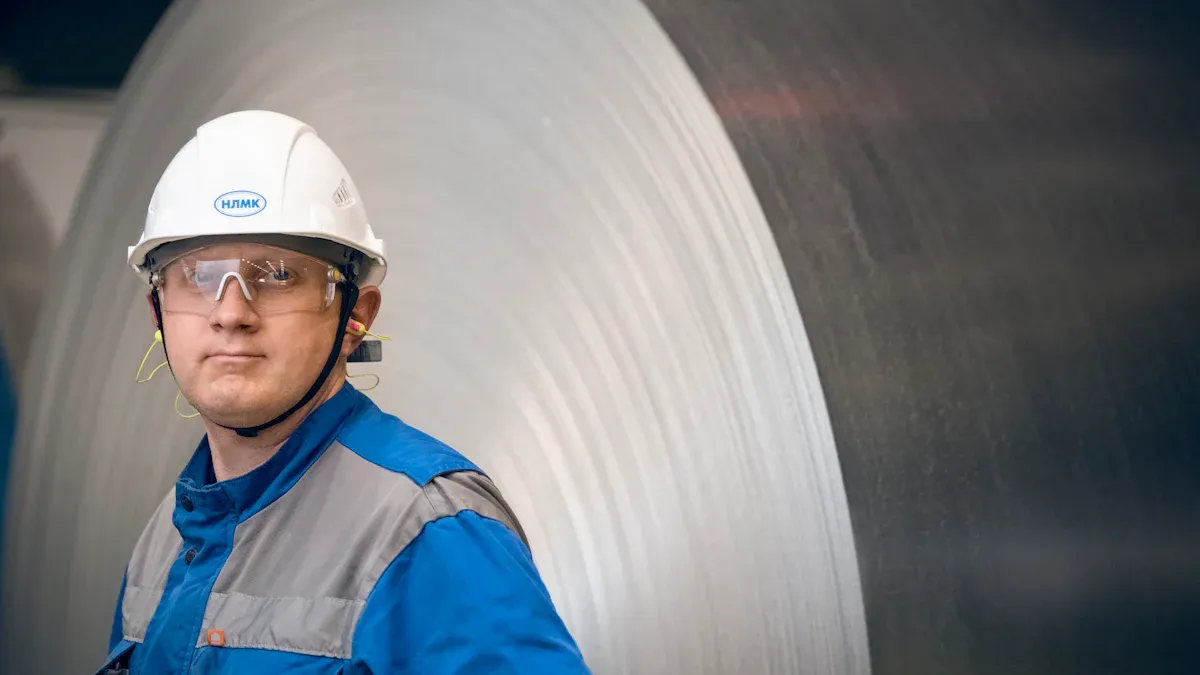
After your steel coil shipment arrives, you must perform thorough quality checks to protect your investment and maintain production standards. These checks help you catch defects, confirm specifications, and resolve any issues quickly.
On-Site Inspection
You start with an on-site inspection to verify the condition and specifications of the steel coils. This step ensures you identify any visible damage or discrepancies before the coils enter your facility.
Visual Damage
You examine the packaging for signs of moisture, detachment, or physical damage. Inspect the coil surface for rust, scratches, or deformation. High-value coils require extra attention, including checking for humidity indicators and rust. If you find any issues, follow these steps:
- Document the issue. Take photographs of affected areas and record the date and time.
- Contact your supplier. Share your findings and keep all records for reference.
- Assess the extent of the damage. Decide if you need to return or replace the coils.
- Work with your supplier to prevent future issues. Discuss improved packaging or transportation.
Tip: Always inspect every coil upon arrival. Early detection prevents costly disruptions.
Dimensional Check
You verify the specifications of each coil. Measure diameter, width, and weight, then compare these values to the bill of lading and packing list. Confirm the quantity matches your order and check for losses or shortages. This process ensures you receive the correct materials for your production needs.
- Check diameter, width, and weight against shipping documents.
- Confirm the number of coils matches the bill of lading.
- Examine high-value coils for rust and humidity.
Lab Testing
On-site checks may not reveal all quality issues. You need lab testing to confirm material properties and detect hidden defects.
Sampling
Select samples from the shipment for laboratory analysis. Sampling helps you verify that the steel meets your technical requirements. Choose coils randomly or focus on those with visible concerns.
Property Confirmation
Laboratory tests confirm mechanical and chemical properties. You check strength, ductility, and composition to ensure the steel matches your order. These tests protect you from performance failures and safety risks.
Note: Lab testing provides objective data. Use it to support claims or resolve disputes with suppliers.
Handling Discrepancies
If you find discrepancies during post-arrival checks, you must act quickly to minimize impact and maintain traceability.
Reporting
You document all non-conformances and report them to your supplier. Keep detailed records of inspections, measurements, and defects. Provide feedback to your supplier and outline corrective actions.
Resolution
You address quality issues immediately to prevent disruptions. Implement containment measures for defective materials. Investigate recurring problems to identify root causes and develop corrective actions. Collaborate with your supplier to resolve issues and improve material quality.
| Step | Description |
|---|---|
| 1 | Documentation and Record Keeping: Maintain detailed records of inspections, including measurements and defects. Ensure traceability to specific supplier lots. |
| 2 | Reporting: Document non-conformances and report them, including corrective actions taken. Provide feedback to suppliers. |
| 3 | Immediate Actions: Quickly address quality issues to minimize disruptions and implement containment measures for defective materials. |
| 4 | Root Cause Analysis: Investigate recurring issues to identify problems and develop corrective measures. |
| 5 | Supplier Collaboration: Work with suppliers to resolve quality issues and improve material quality through regular reviews of quality agreements. |
Callout: Consistent post-arrival quality checks help you maintain high standards when Importing Steel Coil. You protect your business and build trust with your customers.
Risk Mitigation Strategies
You must take a proactive approach to manage quality risks when importing steel coil. Contracts, insurance, and contingency planning form the backbone of a robust risk management strategy. These tools help you protect your business from losses, disputes, and supply chain disruptions.
Contracts for Quality
Strong contracts set clear expectations and provide a legal framework for resolving quality issues. You should include specific clauses and acceptance criteria in every agreement.
Quality Clauses
Quality clauses define the standards your supplier must meet. They also outline the steps for inspection and dispute resolution. The table below highlights effective contract solutions:
| Quality Dispute Solution | Description |
|---|---|
| Pre-import inspections | Conduct inspections and testing before the shipment arrives to ensure compliance with quality standards. |
You should also:
- Inspect the shipment upon delivery.
- Compare the shipment with the specifications outlined in the purchase agreement.
- Verify mill test certificates.
These steps help you catch problems early and provide a clear process for handling disputes.
Acceptance Criteria
Acceptance criteria specify the exact requirements for steel coil quality. You should document these criteria in your contract. This includes material grade, dimensions, and surface finish. If the shipment does not meet these standards, you have the right to reject or request replacement. Clear acceptance criteria reduce ambiguity and speed up resolution.
Insurance Options
Insurance protects your investment from unforeseen quality issues or shipping damage. You should understand the types of coverage and the claims process.
Coverage Types
Choose insurance that covers both physical damage and quality defects. Policies should include pre-loading, loading, and discharging inspections. These inspections ensure proper handling and document the condition of your shipment at every stage.
Claims Process
A well-documented claims process helps you recover losses quickly. The table below outlines the key steps:
| Step | Description |
|---|---|
| Pre-Loading Inspections | Inspectors ensure proper handling equipment is used to prevent damage during loading. |
| Loading Inspections | Verification of cargo stowage using appropriate materials to prevent movement and damage. |
| Discharging Inspections | Final evaluation of cargo condition before delivery, crucial for resolving disputes. |
| Documentation | Detailed reports and photographic evidence are provided by inspectors to support claims. |
| Legal Considerations | Independent inspections and documentation are essential for validating claims and protecting interests. |
You should keep all inspection reports and photos. These documents support your claim and protect your interests.
Contingency Planning
Contingency planning prepares you for unexpected disruptions. You need backup suppliers and emergency response plans to maintain supply and quality.
Backup Suppliers
Diversifying your supplier base reduces risk. You should:
- Maintain dual sourcing—one primary, one backup supplier.
- Consider regional distribution hubs to cut freight risk and localize supply.
- Use safety stock equal to the longest typical lead time.
Comprehensive business continuity planning addresses supply chain disruptions through alternative sourcing strategies. Supplier diversification across multiple regions reduces concentration risk.
Emergency Response
You must develop clear emergency response procedures. Regular monitoring and reporting help you identify problems early. Maintain pre-qualified backup suppliers for rapid activation during emergencies. This approach ensures you can respond quickly to quality issues or supply interruptions.
Tip: Combine strong contracts, comprehensive insurance, and contingency planning to protect your business from quality-related losses. These strategies help you maintain control and confidence in your steel coil imports.
You can avoid quality risks in steel coil imports by following a structured approach:
- Trust quality certifications from established suppliers.
- Order a trial batch to verify quality before large commitments.
- Understand your processing demands to protect material integrity.
Consistent quality checks at every stage keep your imports reliable. Real-time monitoring and automated systems help you maintain high standards:
| Method | Benefit |
|---|---|
| Automated Systems | Reduce errors and deliver predictable, high-quality output. |
| Real-Time Monitoring | Enable quick adjustments to maintain desired steel properties. |
Stay proactive to ensure every shipment meets your expectations.
FAQ
What is the most important document when importing steel coil?
You need the Mill Test Certificate (MTC). This document verifies the steel’s grade, chemical composition, and mechanical properties. Customs and quality teams require it for compliance and traceability.
How can you verify a steel coil supplier’s reliability?
Check certifications, review references, and examine past performance records. You should also request recent audit reports. Reliable suppliers provide transparent documentation and respond quickly to your questions.
Why should you use third-party inspection agencies?
Third-party agencies offer unbiased testing and inspection. They help you confirm that the steel coil meets your specifications. Their reports add credibility and reduce the risk of disputes.
What should you do if you find defects after delivery?
Document the defects with photos and written reports. Notify your supplier immediately. Keep all records for insurance or claims. Work with your supplier to resolve the issue quickly.
How do you ensure traceability for each steel coil?
Use batch tracking systems. Link each coil to its Mill Test Certificate, packing list, and shipping documents. This process helps you trace any quality issue back to its source.
What insurance covers steel coil shipments?
You should choose marine cargo insurance. This policy covers physical damage, theft, and quality defects during transit. Review the terms to ensure full protection for your shipment.
Can you reject a shipment if it does not meet specifications?
Yes. If the steel coil fails to meet the contract’s acceptance criteria, you have the right to reject it. Always include clear quality clauses in your contract to support your position.