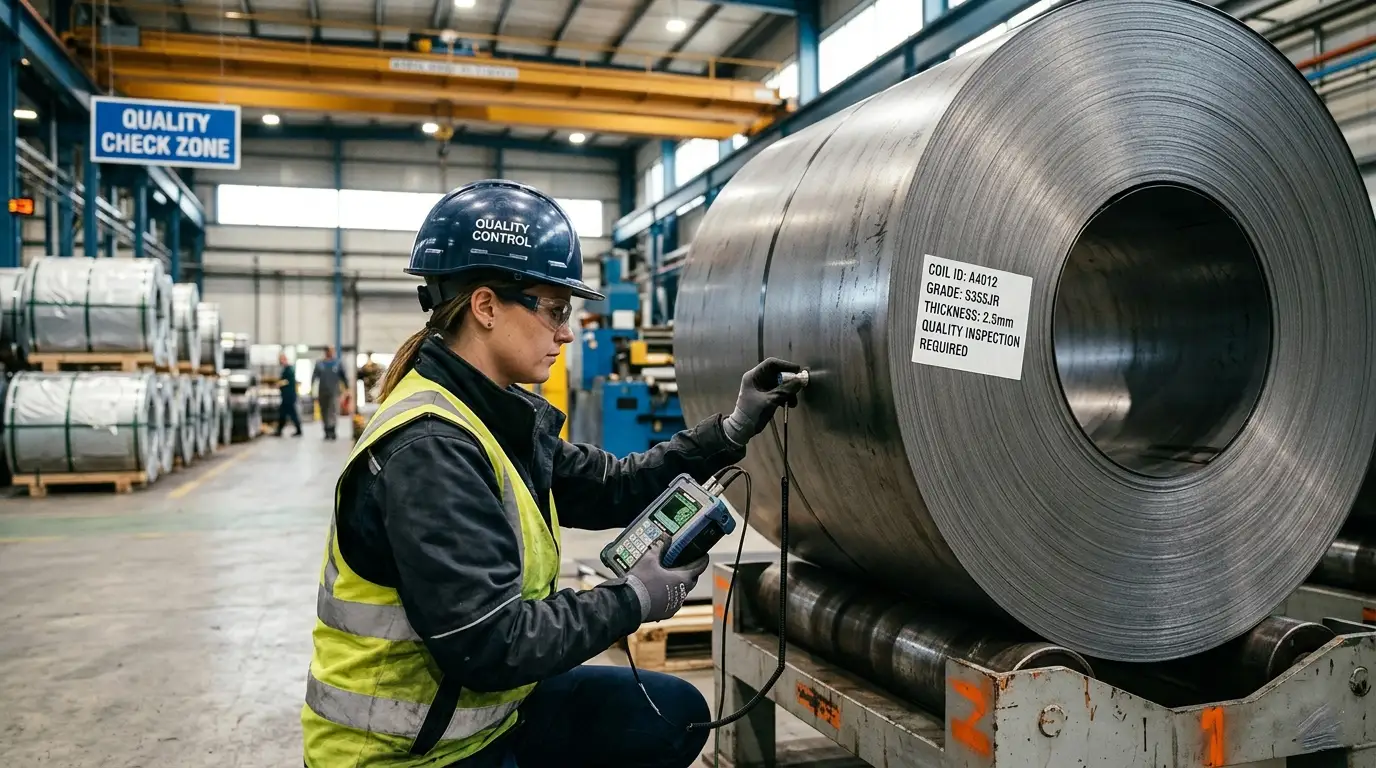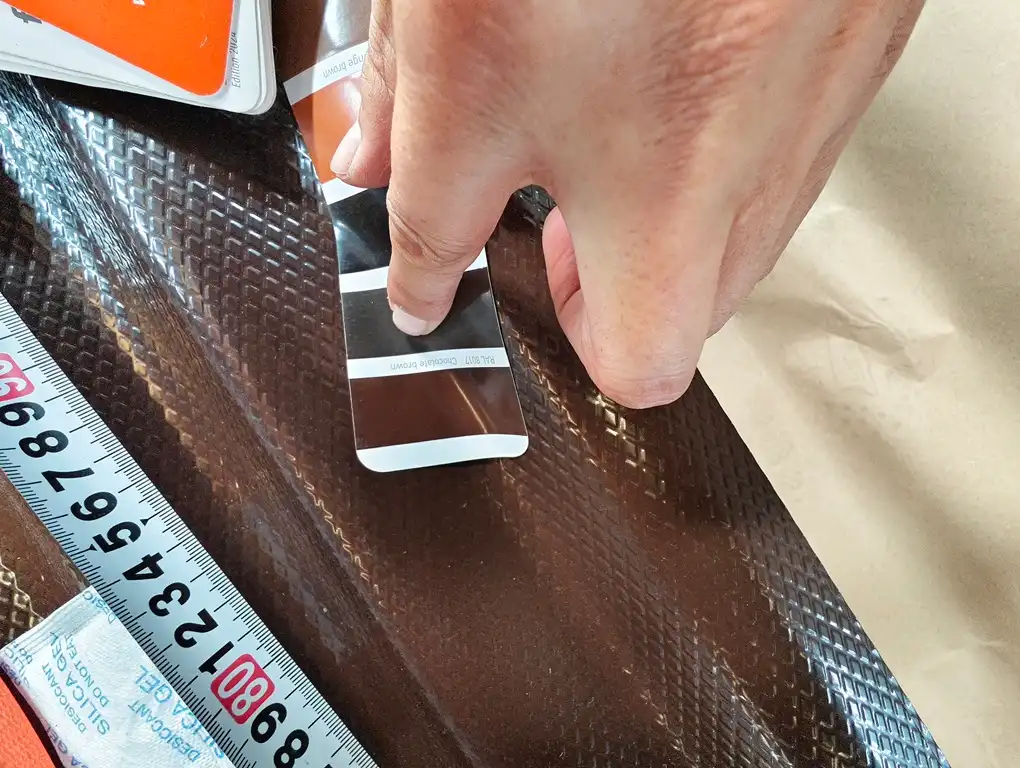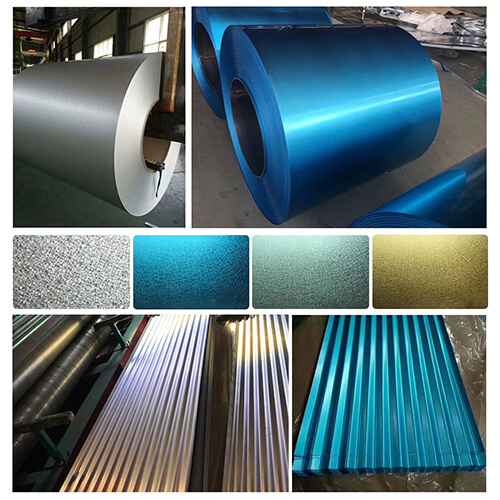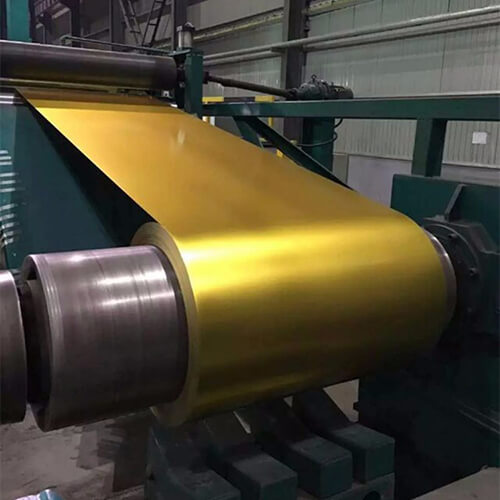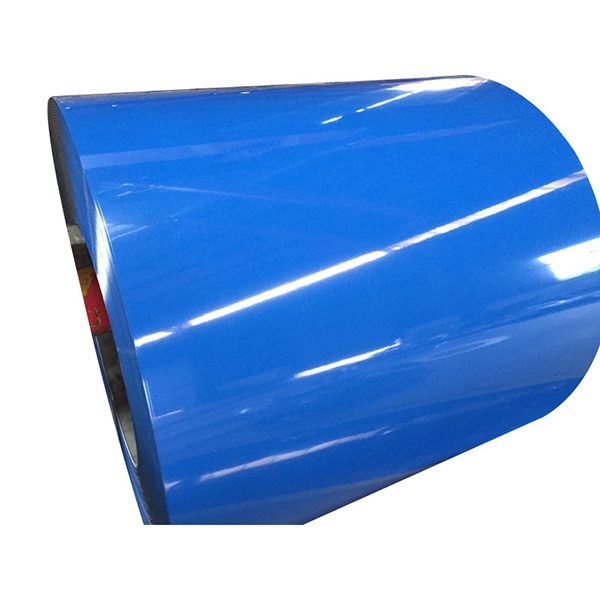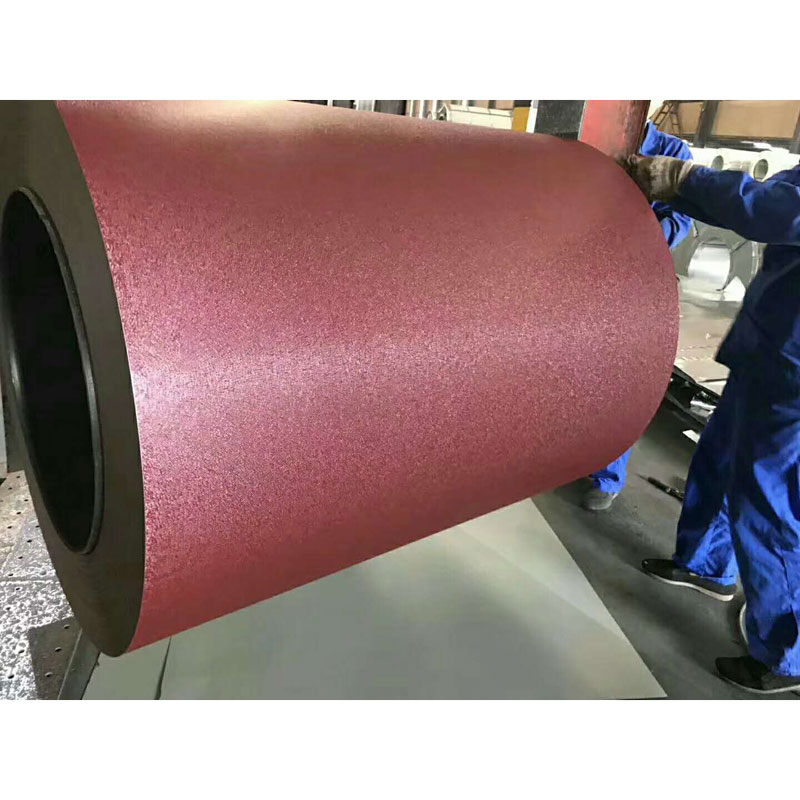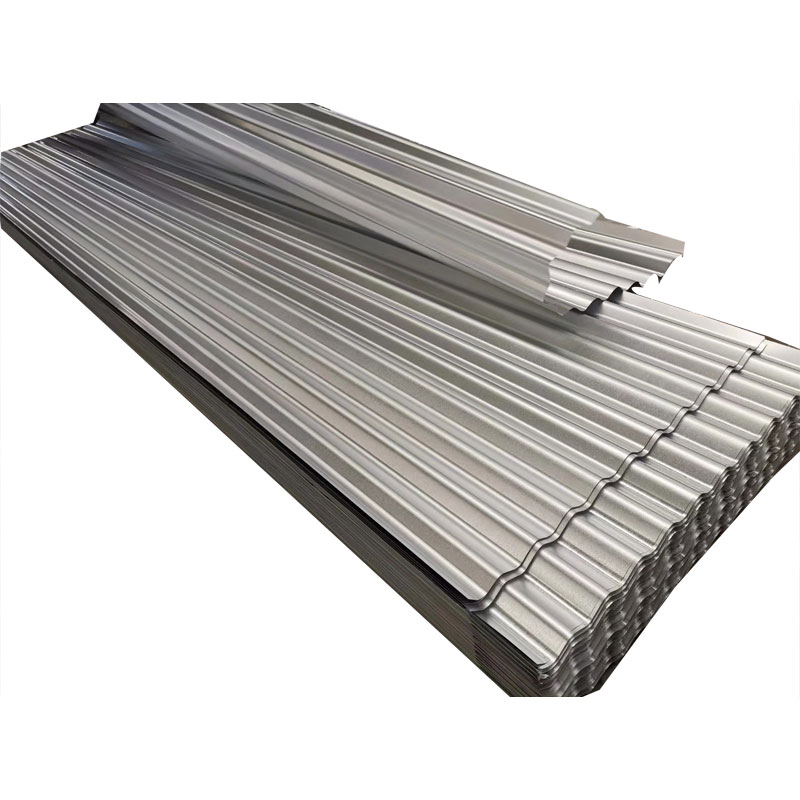

You need a mill test certificate to make sure your materials meet strict requirements. This document helps you check that steel, alloys, or other metals have the right properties. You can use it to spot defects early and protect against safety risks. Traceability and accountability matter in every manufacturing process. If you work in procurement, engineering, or quality assurance, understanding these certificates helps you make better decisions.
Key Takeaways
- Mill test certificates verify that materials meet required chemical and physical properties.
- Understanding the chemical composition helps ensure materials are suitable for your project.
- Mechanical strength data in certificates prevents material failures during use.
- Certificates confirm compliance with industry standards, protecting against safety risks.
- Traceability codes link materials to their production records, enhancing accountability.
- Regularly review mill test certificates to avoid costly mistakes and ensure safety.
- Store certificates securely and organize them for easy access during audits.
- Integrate mill test certificates into quality management systems for better compliance.
Mill Test Certificate and Quality Assurance

Verifying Material Properties
When you receive a mill test certificate, you gain access to important details about the material you plan to use. This document helps you check if the material matches the requirements for your project. You can see the exact chemical and physical properties, which are essential for quality assurance.
Chemical Composition
You need to know the chemical makeup of metals before you use them in any manufacturing process. The mill test certificate shows the chemical properties, such as the percentage of carbon, manganese, or other elements. This information helps you confirm that the material meets the standards for your industry.
| Property Type | Description |
|---|---|
| Chemical Properties | Certifies the chemical composition of the metal, ensuring it meets specified standards. |
| Physical Properties | Verifies physical characteristics such as tensile strength, yield strength, and elongation. |
| Compliance Standards | Confirms that the material complies with international standards (e.g., ANSI, ASME). |
Mechanical Strength
You must check the mechanical strength of materials to avoid failures in your project. The mill test certificate includes data on tensile strength, yield strength, and elongation. These values show how the material will perform under stress. You can use this information to make sure the material will not break or deform during use.
Meeting Industry Standards
You need to follow strict standards in industries like construction, oil and gas, or aerospace. The mill test certificate proves that your material meets these standards. This certification is not just a formality. It protects you from using materials that could cause safety issues or fail to perform as expected.
Regulatory Compliance
Many industries require certification to meet legal and safety rules. You can see which standards your material meets by checking the mill test certificate. Here is a table showing common standards for different industries:
| Industry | Common Standards |
|---|---|
| Construction | ASTM A36, A572, A992, AWS D1.1, AISC Certification |
| Oil & Gas | API 5L, API 6A, API 1104, ASME B31.3, NACE MR0175 |
| Aerospace & Defense | AMS, MIL-SPEC, AS9100 |
You can trust that your material will pass inspections and audits if it meets these standards.
Customer Specifications
You may need to meet special requirements for custom projects. The mill test certificate helps you verify that the material matches your order. You can trace the material from its origin to its final use. This certification is essential for quality assurance in high-specification projects. You can analyze the raw materials against the certificate to make sure you get what you ordered.
- The certificate verifies the material matches your order requirements.
- You can trace the material from its origin to its final use.
- The certificate assures you that the material quality meets specific specifications.
- You can prevent safety hazards and quality control issues by checking the certificate.
Preventing Defects and Accidents
You can avoid costly mistakes and dangerous accidents by using a mill test certificate. This document gives you critical details about the material’s properties. You can spot defects early and reject materials that do not meet your standards. The certificate offers traceability, which is essential for verifying that materials meet safety and performance requirements.
Tip: Always review the mill test certificate before you start your manufacturing process. This step helps you prevent quality issues and ensures the safety of your products.
You play a key role in quality assurance when you use certification to check materials. You protect your team, your customers, and your reputation by making sure every material meets the required standards.
What Is a Mill Test Certificate?
Definition and Purpose
You may wonder what a mill test certificate actually is. This document plays a key role in quality assurance for materials like steel and alloys. It gives you proof that the material you receive matches the required chemical and physical properties. You can use this certificate to check if the material meets your project’s needs and industry standards. The main goal is to make sure you get the right product and to help you trace its origin if problems arise.
Here is a quick overview:
| Definition | Purpose |
|---|---|
| A Mill Test Certificate (MTC) is a document that verifies the chemical and physical properties of a material, including its composition and test results. | The primary purpose is to verify product quality and improve transparency and traceability in the production process. |
Note: Always ask for a mill test certificate when you buy materials for critical projects. This step helps you avoid surprises and keeps your work safe.
Types of Certificates
You will find several types of certificates in the industry. Each type offers a different level of detail and assurance. Some certificates only provide basic information, while others include full test results and signatures from independent inspectors. The type you need depends on your project and the standards you must follow.
EN 10204 Variants
The EN 10204 standard describes the most common types of mill certificates. You should know these main variants:
- 2.1 Declaration of Compliance: The manufacturer declares the material meets the order requirements, but no test results are included.
- 2.2 Test Report: The manufacturer provides test results based on non-specific inspection.
- 3.1 Inspection Certificate: The manufacturer’s authorized representative confirms the material meets the order, with specific test results.
- 3.2 Inspection Certificate: An independent inspector or the buyer’s representative also signs the certificate, giving you the highest level of assurance.
You can choose the right certificate based on how much detail and verification you need.
Who Issues MTCs
You should know who has the authority to issue these certificates. Usually, the manufacturer or mill provides the mill test certificate. They must follow strict rules and have the right qualifications. For example, if the material claims to meet ASTM or ASME standards, the manufacturer must have the proper authorization and a quality control manual. They also need to keep supporting documents to back up their claims.
| Requirement | Description |
|---|---|
| Authorization to use ASTM and ASME | Manufacturers must have the necessary authorizations to use these names when certifying materials. |
| Quality Control Manual (QCM) | Compliance with standards set by ASTM and ASME includes having a QCM. |
| Supporting Documentation | Additional documentation is required to support the certification process. |
Tip: Always check that the certificate comes from a trusted source. This step protects you from using materials that do not meet your standards.
Mill Test Certificate Contents
Traceability Codes
You will find traceability codes at the top of every mill test certificate. These codes play a vital role in tracking materials throughout the manufacturing process. The most common traceability code is the heat number. This unique identifier links each batch of material to its production record. You can use the heat number to trace the finished product back to the raw material source. This process ensures accountability and helps you investigate any issues that may arise.
- Heat numbers serve as unique identifiers for material batches.
- They enable complete traceability from the finished product to the raw material source.
- You may see heat numbers in formats like A12345, 2024-H-987, or FG456789.
- Each manufacturer uses a unique format, but every code must remain distinct within their system.
Tip: Always check the traceability code before you accept a shipment. This step helps you confirm the material’s origin and supports your quality assurance efforts.
Material Specifications
Material specifications give you a detailed overview of the product you receive. You can use this section to verify that the material matches your order and meets industry standards. The table below shows the most common details included in this part of the certificate:
| Specification Type | Details |
|---|---|
| Product Identification | Heat/Cast Number, Material Grade (e.g., ASTM A653 ), Product Form, Dimensions/Quantity |
| Chemical Composition | Elemental analysis (% weight) for critical components |
| Mechanical Properties | Tensile Strength, Elongation, Hardness, Impact Toughness |
| Testing Methodology | Reference to test standards |
| Heat Treatment & Processing | Normalizing, quenching, tempering parameters, Welding method, NDT results |
| Governing Standards | EN 10204, API Specifications, ASME Requirements |
| Industry-Specific Requirements | Construction Steel, Pressure Equipment specifications |
You should review these specifications to ensure the material fits your project’s needs. This step helps you avoid costly mistakes and supports compliance with certification requirements.
Test Results
Test results form the core of any mill test certificate. You need to check these results to confirm the material’s quality and performance. The certificate usually includes two main types of testing: chemical analysis and mechanical testing.
Chemical Analysis
Chemical analysis shows you the exact makeup of the material. You will see the percentage of elements like carbon, phosphorus, and silicon. This information helps you compare the material against industry standards. You can validate these results by checking them with the relevant documents and standards.
Mechanical Testing
Mechanical testing provides data on how the material behaves under stress. You will find results for tensile strength, elongation, and sometimes impact toughness. You should compare these values with the required specifications. This step ensures the material will perform safely in its intended application. Inspection teams often use these results to approve or reject materials before they enter production.
Note: Always review both chemical and mechanical testing results. This practice helps you maintain high standards for safety and performance.
Manufacturer and Inspector Info
You should always check the manufacturer and inspector information on a mill test certificate. This section helps you confirm who made the material and who checked its quality. You can use these details to hold suppliers accountable if problems occur later. The certificate usually lists the following:
- The name of the manufacturer and the customer
- The purchase order number for the transaction
- The country where the product was melted and produced
- The standards organizations the material complies with, such as ANSI, ASME, or ASTM
You can find the manufacturer’s name at the top or near the certificate’s header. This name tells you who produced the material. The customer’s name shows who ordered the product. You should match the purchase order number with your records. This step helps you confirm that you received the correct batch.
The country of origin matters for many projects. Some industries require materials from specific countries for safety or regulatory reasons. You can check this detail to make sure the material meets your project’s rules.
You should also look for compliance marks from standards organizations. These marks show that the manufacturer followed strict guidelines during production. If you see ANSI, ASME, or ASTM on the certificate, you know the material meets recognized quality standards.
The inspector’s information is just as important. You may see the inspector’s name, signature, or stamp on the certificate. This detail proves that a qualified person reviewed the material and approved it for use. If you ever need to investigate a quality issue, you can contact the inspector or review their notes.
Tip: Always keep a copy of the certificate with the manufacturer and inspector details. This practice helps you answer questions during audits or inspections.
Issue Date
You should always check the issue date on a mill test certificate. The issue date tells you when the certificate was created and when the material passed its tests. This date helps you track the age of the material and its test results.
Some projects require materials tested within a certain time frame. You can use the issue date to confirm that your material is fresh and meets project requirements. If you see an old issue date, you may need to ask your supplier for a newer certificate or more recent test results.
The issue date also helps you organize your records. You can sort certificates by date to find the right documents during an audit. This step makes your quality control process smoother and more reliable.
Note: Always compare the issue date with your delivery date. This check helps you avoid using outdated materials in your project.
Accountability Through Traceability
Mill test certificates help you achieve accountability through traceability in your supply chain. When you use these certificates, you can track every material from its origin to its final use. This process gives you confidence that your materials meet quality standards and allows you to respond quickly if problems arise.
Linking Certificates to Batches
You link each mill test certificate to a specific production batch. Automated systems, such as GoSmarter, make this process easier. When you upload a certificate, the system pulls out important details like the heat number and grade. It then connects this information to the right inventory record. Every item from that batch keeps the certificate data, even as you process or ship materials. This method ensures you can always trace a product back to its original batch, which is key for accountability through traceability.
Tracking Material Origin
You need to know where your materials come from, especially in industries with strict safety rules. Mill test certificates help you track the origin of every item. Here are some ways you can use these certificates in your supply chain:
- Quality assurance: Check that materials meet your requirements for reliability.
- Regulatory compliance: Make sure you follow industry standards and avoid penalties.
- Traceability: Track the source of materials, which is vital for safety in construction and manufacturing.
- Documentation required: Keep purchase orders, mill test reports, certificates of compliance, and inspection reports.
- Best practices: Set up clear traceability, review documents often, and use third-party checks.
When you follow these steps, you can quickly find the source of any issue and prove that your materials meet all rules.
Supporting Audits and Investigations
Mill test certificates play a big role during audits or product recalls. You can use the detailed information in these certificates to trace problems back to a specific batch or supplier. This helps you act fast if you need to recall a product or investigate a quality issue. The table below shows the key elements you will find in a typical certificate and how they support traceability:
| Key Element | Description |
|---|---|
| Product Information | Identifies the product with name and unique codes. |
| Batch or Lot Number | Helps you trace specific batches during recalls. |
| Manufacturing Date | Confirms when the product was made. |
| Expiration Date | Ensures you use materials within safe time limits. |
| Test Methods | Lists how the material was tested for quality. |
| Measured Values | Shows actual test results for safety and purity. |
| Acceptance Criteria | Sets the limits for passing quality checks. |
| Signatures and Dates | Proves approval by authorized staff. |
| Lab or Manufacturer Details | Gives contact and accreditation info for trust. |
| Material | Describes the exact material for compliance. |
| Specific Data | Offers detailed test results for accuracy. |
When you keep good records and use mill test certificates, you make your supply chain stronger. You can answer questions during audits, find the cause of defects, and take action to protect your customers.
Record Keeping for MTCs
Storing Certificates
You need to store mill test certificates in a way that keeps them safe and easy to find. Centralizing all certificates in one repository helps you verify material compliance quickly. You should check that material grades, batch numbers, and quantities match the documentation when materials arrive. This routine verification catches mistakes early. Using standardized naming for digital files makes retrieval simple. Include details like supplier name and material grade in each file name. Maintaining a digital audit trail links certificates to inventory and production records. This practice improves traceability and compliance. Access controls restrict sensitive certification data to authorized personnel only.
| Best Practice | Description |
|---|---|
| Centralization | Store all MTCs in a single, easily accessible repository for quick verification. |
| Routine Verification | Check material grades, batch numbers, and quantities upon arrival to catch discrepancies early. |
| Standardized Naming | Use consistent naming conventions for digital files, including supplier name and material grade. |
| Digital Audit Trail | Link certificates to inventory and production records for enhanced traceability. |
| Access Controls | Restrict access to sensitive certification data to authorized personnel. |
Tip: Set up a digital system for storing certificates. You will save time and reduce errors.
Meeting Regulatory Needs
You must follow strict rules for keeping mill test certificates. Different industries require you to retain certificates for specific periods. In aerospace and automotive, you keep records for at least 15 years. Medical device manufacturers must hold certificates for the product’s lifetime plus any statutory period. Construction projects require you to keep certificates through the building’s life, especially for structural materials. Nuclear, defense, and infrastructure projects often demand permanent retention.
- For structural steelwork under BS EN 1090, keep records for the working life of the structure.
- Most fabricators retain mill certificates for a minimum of 10 years.
- Permanent retention is standard for nuclear, defense, or infrastructure projects.
| Industry | Retention Requirement |
|---|---|
| Aerospace | 15+ years |
| Automotive | 15 years minimum |
| Medical Devices | Product lifetime plus statutory period |
| Construction | Through building life for structural materials |
Note: Always check the regulatory requirements for your industry. You protect your business and meet legal standards.
Enabling Quality Reviews
You use mill test certificates to validate the quality and compliance of materials in production. These certificates confirm that materials meet specified standards, which is crucial for quality reviews. You can trace materials throughout the manufacturing process, making continuous improvement possible. Certificates validate technical parameters like chemical and mechanical properties. Regular reviews of audit trails linked to certificates help you spot trends and areas for improvement.
- Mill test certificates serve as quality assurance documents in the metals business.
- They confirm compliance with international or local standards.
- You can use certificates to support quality reviews and drive process improvements.
Callout: Keep your certificates organized and accessible. You will make audits easier and improve your quality control.
You build a strong foundation for certification and quality assurance when you manage your records well.
Verifying Mill Test Certificates
You need to make sure every mill test certificate matches the material you receive. Careful verification helps you avoid costly mistakes and keeps your projects safe. This process involves checking physical details, using third-party resources, and watching for warning signs.
Cross-Checking with Materials
You should always compare the information on the mill test certificate with the actual material. Follow these steps during your quality inspections:
- Verify Physical Identification: Check that the heat or lot number, specification, and other details on the material’s stamps, tags, or color codes match the certificate.
- Verify Against Drawing Requirements: Make sure the material’s specification, grade, and class match what your equipment drawings require.
- Be Cautious with Trader-Issued Certificates: Some traders may alter certificates. Always look for signs of tampering.
- Watch for Unauthorized Substitutions: Small-quantity components may be replaced with unauthorized materials. Stay alert for these substitutions.
- Verify Authenticity: Contact the manufacturer directly or scan any QR codes on the certificate to confirm it is genuine.
- Conduct On-Site Re-inspection: For critical materials, use Positive Material Identification (PMI) or hardness testing to confirm the material’s properties.
Tip: Always keep a checklist for these steps. This habit helps you catch errors before they become bigger problems.
Third-Party Testing
Sometimes, you need extra assurance that your materials meet all requirements. You can send samples to an independent laboratory for testing. These labs use advanced tools to check chemical composition and mechanical properties. Third-party testing gives you unbiased results and helps you confirm the accuracy of the mill test certificate. Many industries require this step for high-risk or safety-critical projects. You can also use third-party results to resolve disputes with suppliers.
Spotting Red Flags
You should know the common warning signs that a mill test certificate may be fake or inaccurate. Watch for these red flags:
- Generic Mill Test Certificate: Some trading companies reuse old certificates by changing only the dates. Always check the heat number for authenticity.
- Office Building Address Trick: Use online maps to see if the supplier’s address is a real factory or just an office.
- Ghost ISO Certificate: Check the ISO certificate in the issuing body’s database to make sure it belongs to the supplier.
- Refusal of Video Call: A real factory should agree to show their production line on a video call. If they refuse, you should be cautious.
Note: If you spot any of these red flags, ask more questions or request extra proof before accepting the material.
Careful verification of mill test certificates protects your projects and builds trust in your supply chain. You can prevent problems by following these steps and staying alert for anything unusual.
Practical Use of MTCs
Requesting and Reviewing
You need a clear process when you request and review mill test certificates (MTCs). This process helps you make sure that the materials you receive match your order and meet all quality standards. When your shipment arrives, the Receiving Department checks the goods and matches them to the correct Mill Test Reports (MTRs). After this, the department sends the information to the Project Engineer. The Project Engineer reviews the MTR to confirm that the material meets both engineering and order requirements.
Here is a simple way to manage this process:
- Check that the received goods match the MTC or MTR.
- Forward the documents to the Project Engineer for review.
- Confirm that the certificate meets all project and engineering needs.
- Keep a record of the certificate for future reference.
Tip: Always review the MTC before you use any material in your project. This step helps you avoid costly mistakes and keeps your work safe.
Supplier Questions
You should ask your supplier the right questions to make sure the mill test certificate is real and complete. Good questions help you spot problems early and protect your project from risks. Use the table below to guide your conversations with suppliers:
| Question Type | Description |
|---|---|
| Scope Mismatches | Ask if the certifications cover the specific grades being sold. |
| Unverifiable References | Inquire about the ability to provide verifiable references and current contact details. |
| Compliance Updates | Request information on the frequency of testing and updates to compliance documentation for food-contact applications. |
You can use these questions to check if the supplier’s documents are up to date and if they match your needs. If the supplier cannot answer these questions, you may want to look for another source.
Note: Always keep a list of questions ready when you talk to new suppliers. This habit helps you build a strong and reliable supply chain.
Integrating into Quality Systems
You can make your quality management much easier by integrating mill test certificates into your quality systems. When you automate certificate management, you reduce manual work and lower the risk of errors. Many companies use software that connects MTCs directly to their ERP (Enterprise Resource Planning) or QMS (Quality Management System). This setup lets data flow smoothly and keeps your records up to date.
| Evidence Description | Key Benefit |
|---|---|
| Cert management becomes automatic | Reduces manual effort and stress in managing certificates. |
| Integration with ERP or QMS | Ensures data flows seamlessly into existing systems. |
| Invisible infrastructure | Automates data placement, improving efficiency. |
You should treat quality certifications as essential documents in your supply chain. They show that your materials meet product specifications, engineering standards, and safety rules. By adding MTCs to your QMS, you make sure your company stays compliant with all regulations and keeps quality high.
- Quality certifications prove compliance with standards.
- Integrating MTCs into your QMS supports ongoing compliance.
- Automated systems help you track and manage certificates with less effort.
Callout: Make integration a priority. You will save time, reduce errors, and improve your quality assurance process.
You play a vital role in quality assurance when you use a mill test certificate. This document confirms product quality, supports regulatory compliance, and builds trust across your supply chain. Traceability and accountability help you spot risks early and prevent costly mistakes. Review the table below for key takeaways:
| Key Aspect | Description |
|---|---|
| Verification of Product Quality | Confirms testing and compliance with standards. |
| Transparency and Traceability | Tracks production records and test results. |
| Continuous Improvement | Drives ongoing process and product enhancements. |
Stay diligent with certification and documentation to keep your projects safe and reliable.
FAQ
What is the main purpose of a mill test certificate?
You use a mill test certificate to confirm that your material meets specific chemical and mechanical standards. This document helps you verify quality and trace the origin of your materials.
How do you check if a mill test certificate is genuine?
You should match the heat number on the certificate with the material. You can also contact the manufacturer or use QR codes for verification. Watch for signs of tampering or incomplete information.
Why do you need to keep mill test certificates?
You keep these certificates for audits, regulatory compliance, and quality reviews. They help you trace materials, resolve disputes, and prove that you followed industry standards.
Can you use materials without a mill test certificate?
You should avoid using materials without a certificate. Without it, you cannot confirm the material’s quality or origin. This increases the risk of defects and safety issues.
What should you do if the certificate details do not match the material?
You need to stop using the material. Contact your supplier for clarification or a replacement. Using mismatched materials can lead to compliance failures and safety risks.
Who is responsible for issuing mill test certificates?
The manufacturer or mill issues the certificate. They must follow strict quality control procedures and provide accurate test results for each batch.
How long should you keep mill test certificates?
You should keep certificates for at least as long as your industry requires. Some industries need you to store them for 10 to 15 years or even longer for critical projects.