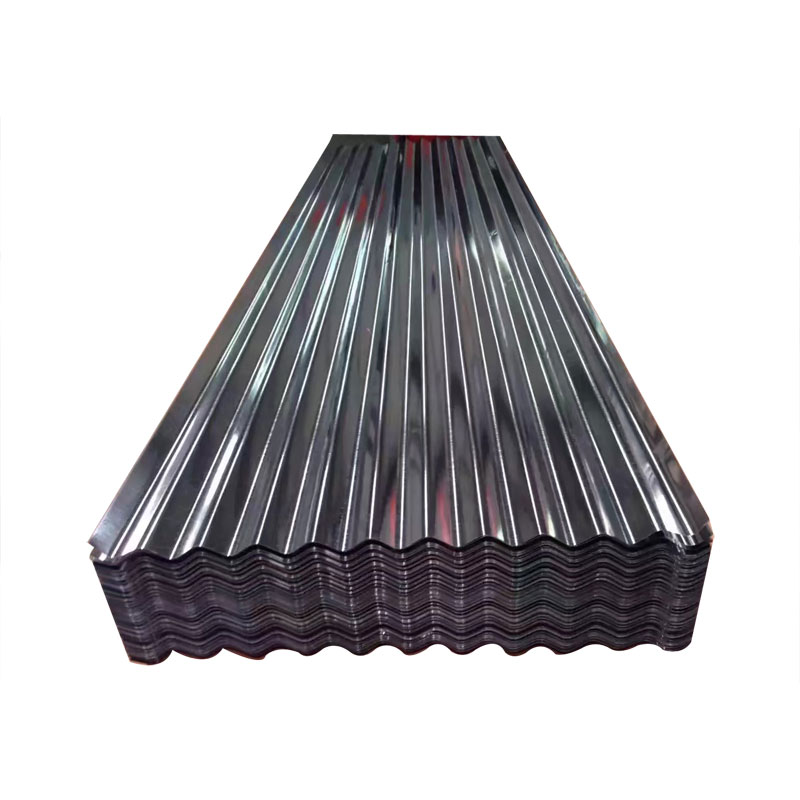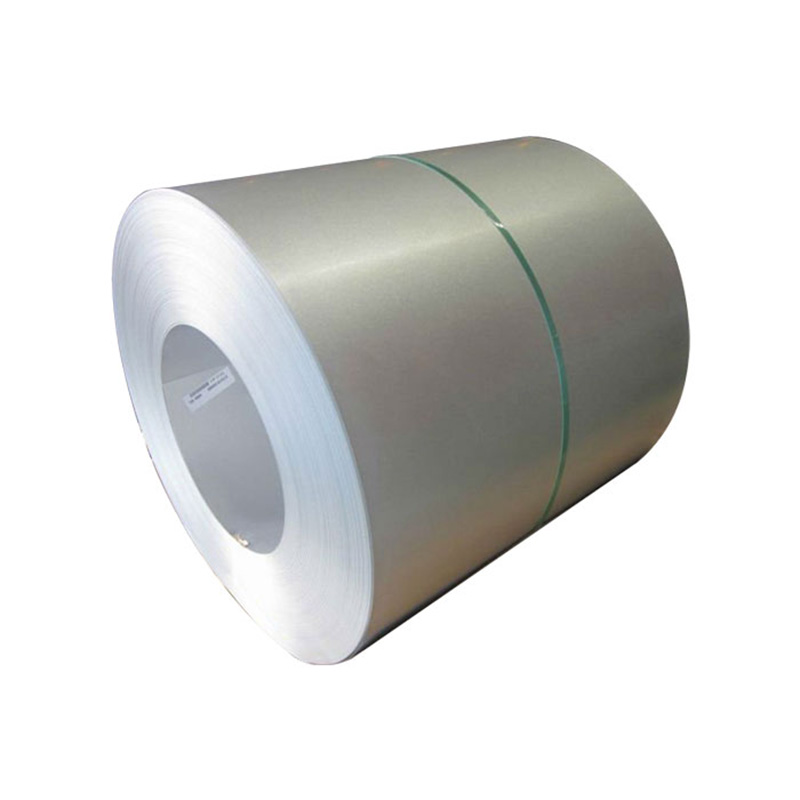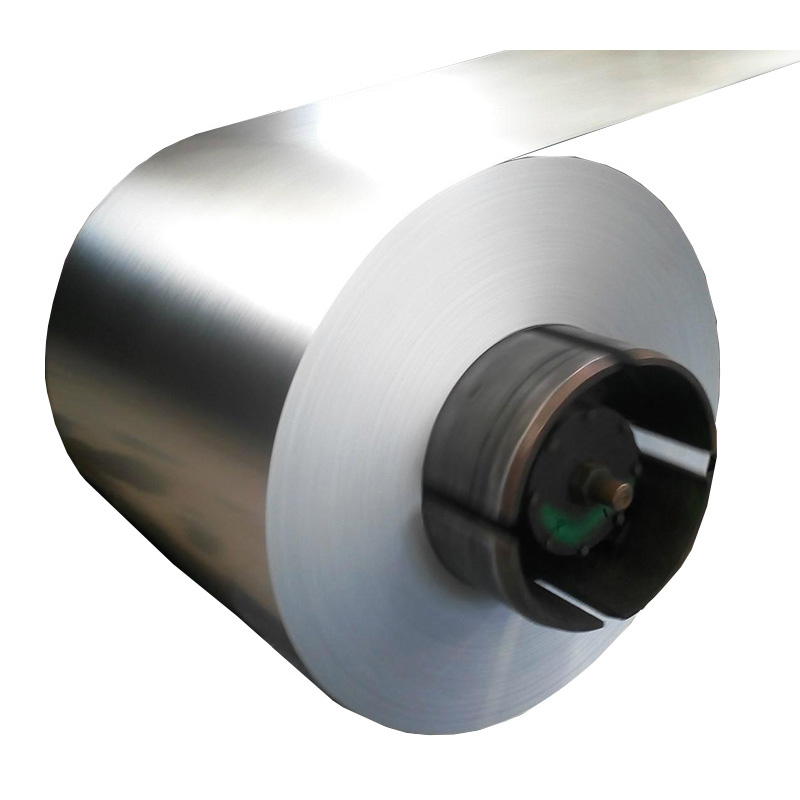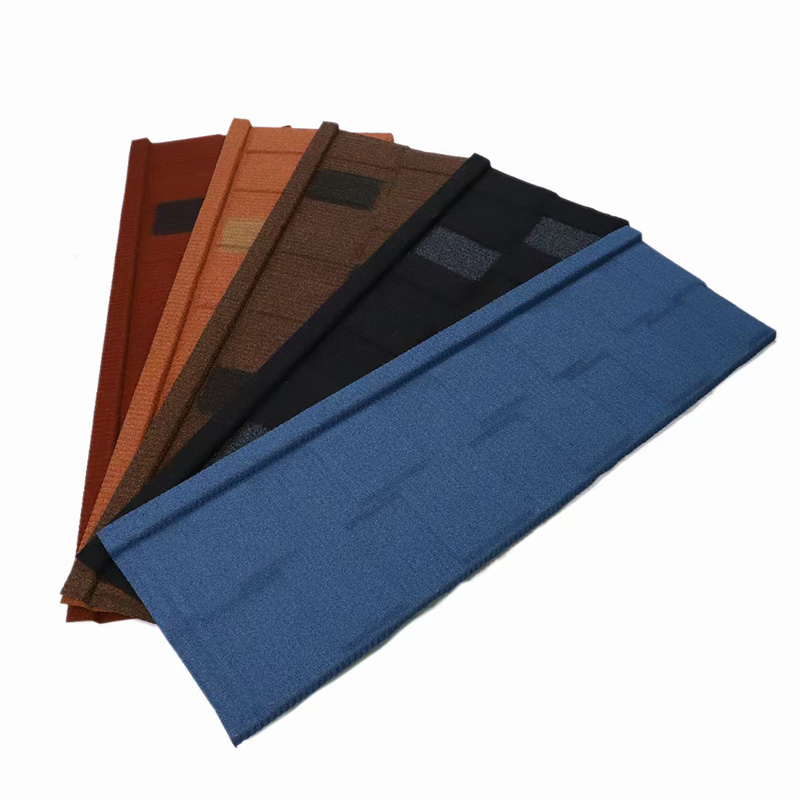
Securing defect-free building projects in colombian Roofing Material requires rigorous supplier verification, climate-aligned selection of materials, and strict installation oversight. Thorough front-end planning prevents severe structural risks. Strict adherence to local standards protects developers against major financial losses. You can maximize overall asset value across regional commercial developments through proactive quality management. Discover how buyers in colombia reduce roofing material complaints by standardizing modern field inspections and factory audits. Procurement officers, construction managers, and teams in colombian real estate gain direct, actionable benefits from disciplined product controls. Strategic risk management eliminates premature product failures and safeguards structural integrity across diverse microclimates in colombia.
Key Takeaways
-
Check suppliers for local NSR-10 safety standards and ICONTEC quality certifications before buying materials.
-
Choose climate-matched roofing materials like anti-corrosion metal sheets to resist humidity and salt spray.
-
Inspect delivered roofing bundles immediately for correct panel thickness, correct sizes, and surface damage.
-
Store metal roofing sheets on raised wooden pallets with breathable covers to stop white rust.
-
Perform water and fastener pull-out tests on site to ensure durable, leak-free installations.
-
Write clear defect limits and financial penalties into purchase contracts to protect project budgets.
How Buyers in Colombia Reduce Roofing Material Complaints
You can eliminate costly field failures by establishing strong procurement controls early in your development timeline. You must coordinate your architects, structural engineers, and purchasing teams before ordering supplies. This cross-disciplinary communication prevents early design discrepancies and protects overall project timelines. You should understand how buyers in colombia reduce roofing material complaints by aligning early product selection with national standards. Early alignment delivers immediate savings and lowers total maintenance risks over the life of the asset. Purchasing managers who verify raw material specifications early avoid late project delays and structural re-work.
Auditing Suppliers for NSR-10 Compliance
You must verify that your structural suppliers meet the mandatory requirements of the Reglamento Colombiano de Construcción Sismorresistente (NSR-10). Supplier audits confirm that vendors fabricate structural components under strict safety guidelines. Independent factory visits allow your engineers to inspect raw steel mill certificates, welding credentials, and compliance testing logs.
Load-Bearing Requirements for Roof Trusses
Your engineering team must review supplier structural calculations under NSR-10 Title B and Title G. Structural trusses must withstand dead loads, live loads, and regional wind pressures across different topographies. You avoid unexpected structural deflection by verifying steel or timber yield strengths prior to factory dispatch. Purchasing certified truss systems reduces total project cost while preserving long-term structural integrity. You must also check that connections handle uneven dead loads from heavy solar panel arrays or rooftop equipment.
Seismic Fastener Specifications
Colombia contains high seismic hazard zones that demand specialized structural connections under NSR-10 Title A. You must specify anchored clips, self-drilling screws, and threaded bolts rated for severe ground accelerations. Your quality team must audit fastener galvanization layers and shear capacities during site delivery inspections. Using verified fasteners prevents catastrophic roof detachment during seismic events and protects investments in colombian real estate. Proper fastener spacing prevents sheet tearing during ground tremors.
Verifying ICONTEC Product Certifications
You protect your supply chain by verifying third-party testing from the Instituto Colombiano de Normas Técnicas y Certificación (ICONTEC). Valid certificates confirm that products withstand harsh local environments. You should request updated batch testing reports directly from certified laboratories rather than relying on outdated vendor claims.
NTC Standards for Sheet and Tile Quality
You must demand test reports compliant with specific Norma Técnica Colombiana (NTC) guidelines. Fiber-cement sheets should satisfy NTC 4694 for flexural strength and water impermeability. Metal cladding sheets must meet NTC 4011 standards for corrosion resistance. Ceramic roof tiles must meet NTC 4321 standards for water absorption and impact resistance. Inspecting these physical properties allows your team to acquire affordable roofing without sacrificing essential durability. You ensure consistent performance across all delivered product batches.
Factory ISO 9001 System Checks
You should inspect the factory quality management systems of your chosen manufacturers. Valid ISO 9001 certification proves that a facility follows standard operational procedures, raw material testing, and trace tracking. You reduce product defect rates when buying houses in colombia or constructing major commercial projects by selecting ISO-certified plants. Factory audits ensure that vendors reject flawed raw materials before production begins.
Evaluating Green Building Regulations
Modern buyers reduce operational expenses by integrating environmental guidelines into their early procurement strategies. You must align your material choices with national sustainability directives to maximize long-term asset value. Early planning allows your design team to balance aesthetic goals with environmental compliance.
Energy Efficiency Targets for Roof Systems
You must select materials that comply with Resolution 0549 of 2015, which sets national water and energy efficiency benchmarks for new construction. Reflective roofing membranes and insulated sandwich panels help developers hit target energy reductions in warm microclimates. Understanding how buyers in colombia reduce roofing material complaints through sustainable procurement helps your project achieve recognized green certifications like EDGE or LEED. Sustainable building practices also increase long-term property marketability.
Thermal Performance Compliance
Your technical team must evaluate thermal transmittance (U-value) and Solar Reflectance Index (SRI) figures for all roof assemblies. High SRI coatings reflect solar radiation and lower interior temperatures in tropical regions. Proper insulation reduces HVAC electricity demand, which decreases lifetime operational cost for building operators. Selecting climate-appropriate components ensures long-term tenant comfort and reliable performance in every region of colombia. Implementing these thorough technical controls demonstrates strategic project leadership across the expanding colombian real estate market while maintaining access to durable, affordable roofing.
Replacing Roofing Systems on Older Properties
Evaluating Existing Roof Structures
Sub-Structure Decay and Damage Audits
When investing in colombian real estate, acquiring older buildings requires quick action on structural risks. You must inspect legacy framing thoroughly before installing any new products on site. Hidden moisture, wood rot, and metal oxidation weaken structural support trusses over extended periods. Conducting an early inspection prevents post-handover damages and protects long-term asset value.
Your technical team should hire qualified structural engineers to perform comprehensive load audits. Engineers measure framing integrity against national safety standards to ensure stability under heavy load conditions. Identifying timber decay early lowers overall replacement cost significantly. Replacing damaged structural components guarantees long-term safety for your commercial projects across urban centers in colombia.
Drainage and Gutter Assessment
Outdated drainage channels often cause severe water penetration during heavy tropical rainstorms in colombia. You must evaluate gutter capacities, slope angles, and downspout placements across older properties carefully. Upgrading defective water collection channels protects internal walls, structural foundations, and ceilings from water infiltration. This simple audit prevents major tenant complaints after property handover.
Poor water discharge degrades structural materials, reduces overall property value, and leads to expensive structural repairs. You generate clear savings by integrating proactive maintenance strategies into your regular property management workflows. Selecting affordable roofing components alongside modern gutter systems prevents standing water from building up near sensitive structural elements.
Retrofitting with Modern Roofing Materials
Material Weight and Load Considerations
Replacing heavy legacy clay tiles with lightweight composite sheets reduces dead loads on aging truss systems. You should evaluate structural load capacity carefully when buying houses in colombia for commercial conversion projects. Modern lightweight materials deliver exceptional weather resistance without exceeding historic structural weight limits.
Your structural engineers must confirm that retrofits conform fully to regional building standards. Using modern materials delivers substantial long-term savings by eliminating expensive framing changes to control project cost. You protect overall project margins when you specify lightweight product options to renovate aging structures in colombian real estate.
Weatherproofing System Upgrades
Upgrading legacy roof structures requires modern synthetic underlayments and high-performance protective sealants. A reliable roofing system must withstand sudden weather shifts, strong UV exposure, and intense tropical moisture. Proper waterproofing application prevents premature leaks while lowering annual building maintenance expenses.
You should mandate certified installation crews to execute complex retrofit details on site. Strict oversight during installation ensures tight seals around roof vents, flashings, and external edges. People buying houses in colombia gain reliable protection against high operating cost when developers choose durable, affordable roofing solutions across target regions in colombia.
Material Selection for Microclimates
Colombia contains diverse geographical zones with distinct environmental challenges. You must match your roofing specifications directly to local weather conditions. Buying uniform components for every project site increases long-term structural risks. Strategic project managers evaluate atmospheric conditions before placing material orders. This targeted approach protects your building investment across every region.
Solutions for High-Humidity Regions
High humidity accelerates metallic oxidation and weakens unprotected structural components. You must specify moisture-resistant roof coverings when building near tropical river basins or rainforest locations across colombia.
Anti-Corrosion Metallic Coatings
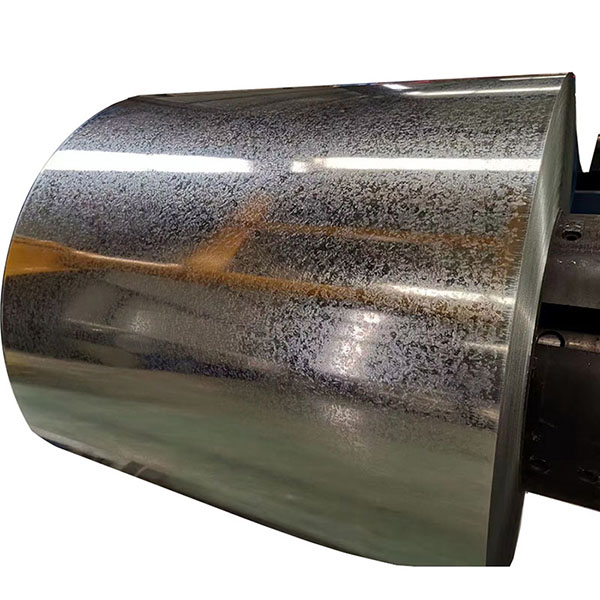
Standard galvanized steel sheets deteriorate rapidly in humid environments. You should select aluminum-zinc alloy coated steel sheets compliant with ASTM A792 standards. The metal coating composition provides superior physical protection for long-term structural applications.
|
Coating Type |
Standard Composition |
Corrosion Resistance Level |
Ideal Environment |
|---|---|---|---|
|
Standard Galvanized (GI) |
99% Zinc Coating |
Baseline Protection |
Low-humidity inland zones |
|
Aluminum-Zinc Alloy (Galvalume) |
55% Aluminum, 43.4% Zinc, 1.6% Silicon |
High Barrier Protection |
High-humidity tropical microclimates |
You preserve structural frame integrity by specifying 55% aluminum-zinc metallic coatings. The aluminum barrier shields the steel core from continuous moisture contact. Meanwhile, the zinc component provides galvanic protection across sheet edges. This combined chemical shield extends total service life significantly.
Resistance to Coastal Salt Spray
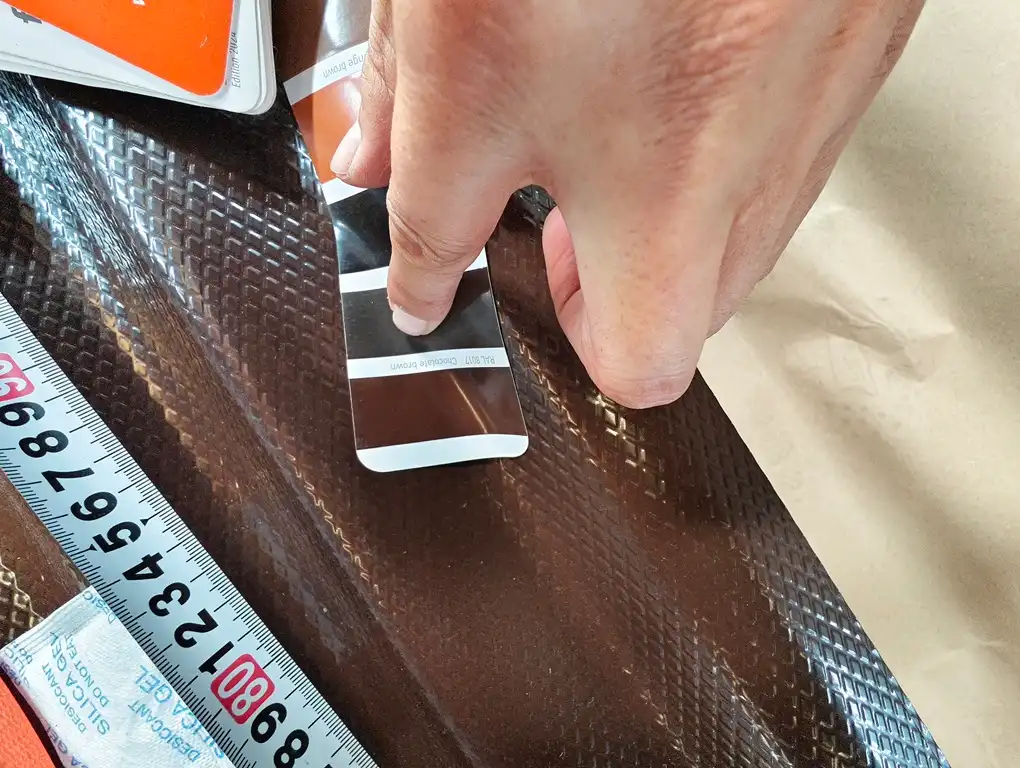
Coastal projects in ports like Cartagena or Buenaventura face intense airborne salt concentrations. Airborne marine salts degrade bare metal surfaces through continuous electrochemical reactions. You must demand high-performance paints over your metallic substrate. High-durability fluoropolymer coatings like Polyvinylidene Fluoride resist aggressive salt spray environments effectively.
You should verify that manufacturer samples pass standard salt spray tests under ASTM B117 protocol. Testing laboratories expose sample sheets to continuous salt fog inside sealed chambers. High-quality marine coatings endure thousands of hours without blistering or peeling. Purchasing certified marine-grade sheets prevents rust stains and avoids premature structural replacement.
Heavy Rainfall and Moisture Defense
Mountain ranges across colombia create sudden heavy downpours that test roof drainage capacities. You must prepare your roof designs for extreme precipitation volumes.
High-Capacity Hydro-Insulation
Heavy rainstorms strain panel joints and roof valleys rapidly. You should select continuous standing-seam metal panels or high-density polymer sheets for sloped roofs. Standing-seam systems eliminate exposed mechanical fasteners on flat surface planes. Hide your screws underneath raised metal seams to eliminate primary water leak pathways.
Your installation teams must lay synthetic self-adhering underlayments beneath all primary roof sheets. High-performance hydro-insulation membranes seal around fastener shanks automatically. This secondary barrier blocks wind-driven rain during intense tropical storms. Using multi-layered moisture barriers safeguards high-value interior spaces against expensive water damage.
Managing Thermal Expansion
Equatorial regions experience wide temperature swings between sunny afternoons and rainy nights. Roof panels expand during peak sun exposure and contract quickly during sudden rain showers. Unmanaged thermal movement pulls out mechanical fasteners and enlarges screw holes over time.
You must specify slotted fastener holes and sliding clip systems on long roof runs. Sliding structural clips allow metal sheets to move freely along structural purlins. You preserve total weather tightness by granting adequate room for physical movement. Implementing flexible design details preserves long-term system integrity.
UV and Heat Mitigation
High solar radiation in low-latitude areas degrades unprotected polymer roofing sheets and overheats interior spaces. Smart material selection reduces heat gain and protects sub-structures.
Reflective Thermal Coatings
Sunlight raises roof surface temperatures dramatically in lowland regions across colombia. High thermal absorption increases indoor temperatures and inflates air conditioning power usage. You should apply cool roof coatings with high solar reflectance metrics.
Cool roofing paints incorporate specialized ceramic pigments to bounce solar energy away from your building. These reflective surfaces maintain lower surface temperatures during peak daylight hours. Lower skin temperatures reduce thermal transfer into interior living areas. You lower total energy cost while improving occupant comfort across tropical commercial developments.
Polymer Sheet UV Stabilization
Unprotected polycarbonate and PVC sheets yellow quickly under intense ultraviolet light exposure. UV rays break chemical polymer chains, causing severe material embrittlement. Brittle sheets crack easily during minor hail events or routine roof maintenance walks.
You must require co-extruded UV protective layers on all translucent roof panels. Manufacturers integrate specialized UV absorbers into the outer sheet layer during extrusion. This protective barrier blocks harmful UV radiation while passing natural daylight into interior spaces. Investing in UV-stabilized sheet materials delivers long-term light transmission, extends sheet durability, maximizes property value, and stabilizes overall project cost.
Delivery Inspection and Field Testing
Receiving Protocols and Visual Audits
Identifying Shipping and Transit Damage
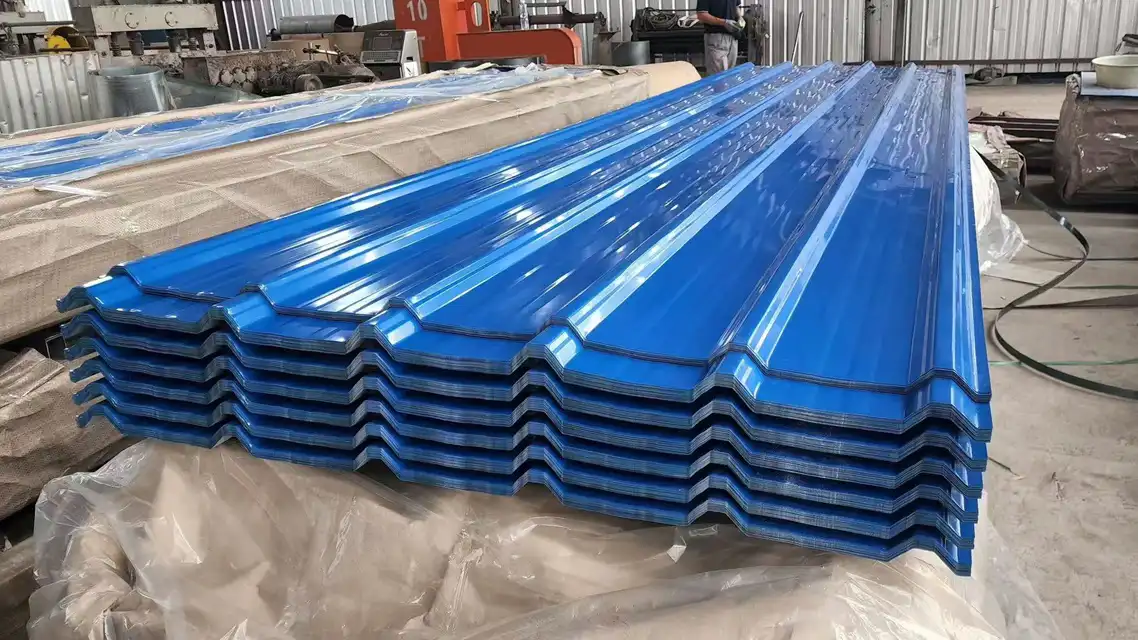
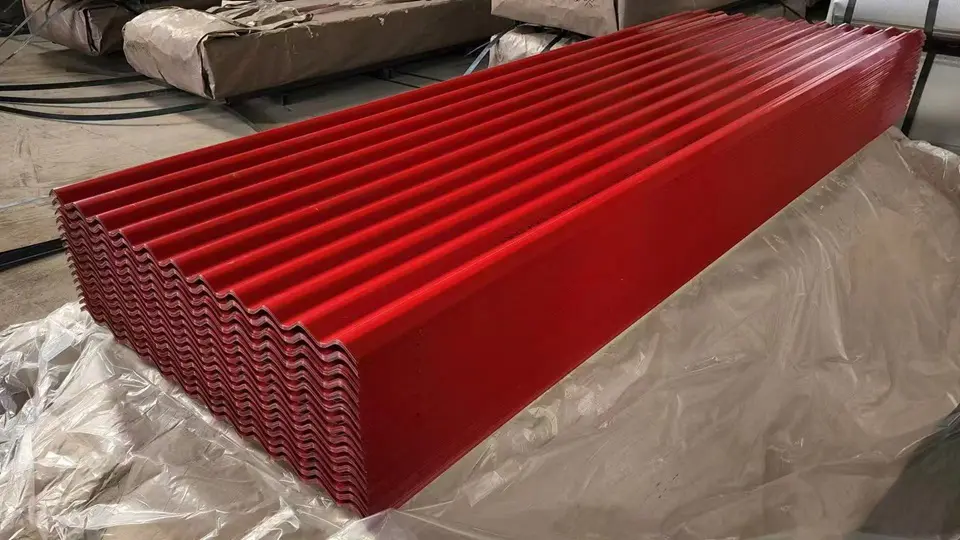
Offloading roofing units at active project sites in colombia requires immediate, methodical visual inspections. You must systematically check delivered bundles for scratched protective coatings, crushed panel edges, and torn protective packaging. Rough transit over steep mountain routes frequently shifts unanchored freight, causing severe surface abrasion between stacked sheets.
Your site supervisor must carefully document every damaged container with clear photographs before signing official receipt bills. Rejecting compromised shipments at the gate prevents defective building materials from entering your main job site inventory. Prompt defect reporting secures quick vendor replacements while preserving your primary construction schedule.
Batch Thickness and Dimension Checks
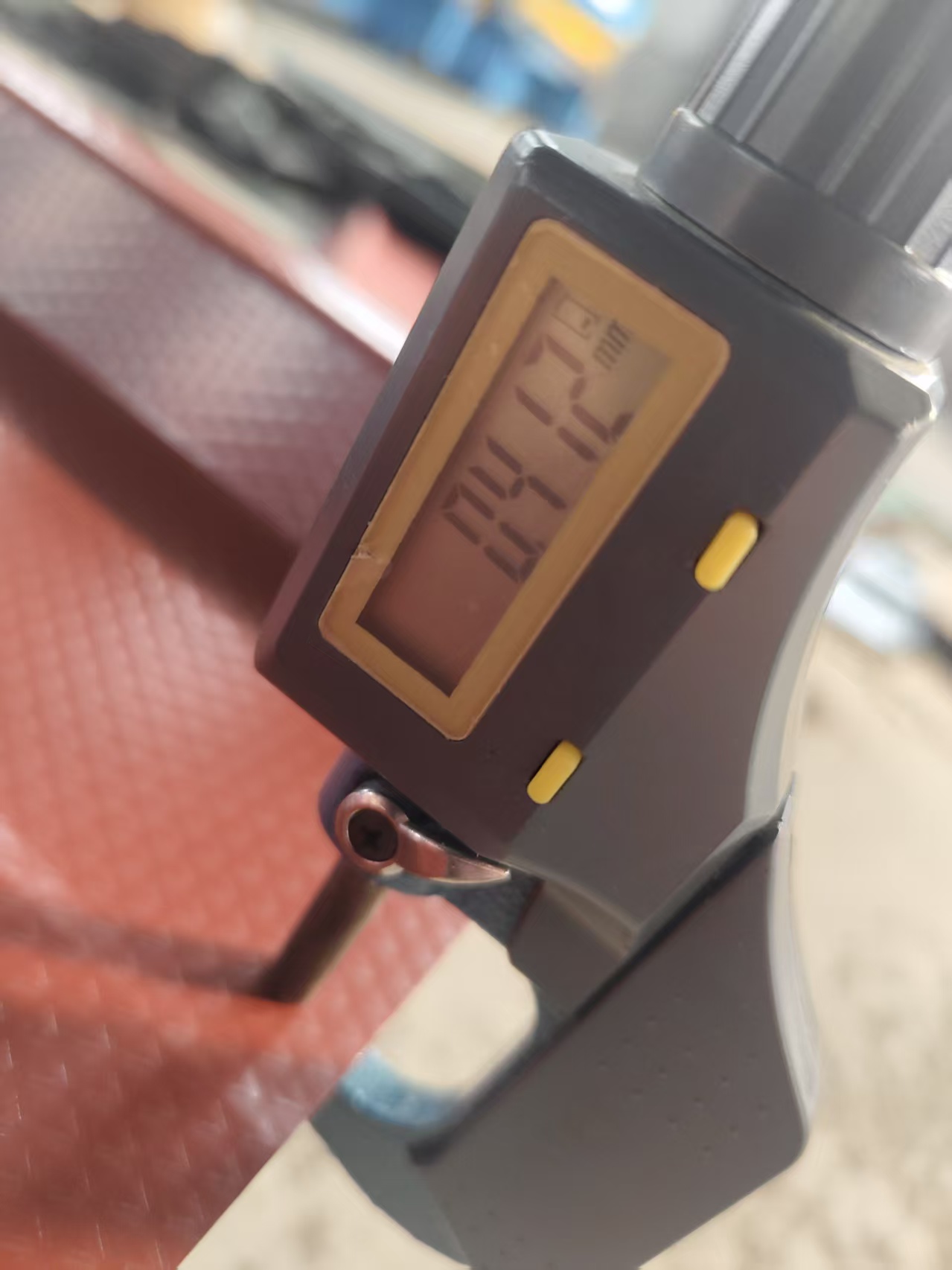
Your receiving team must verify incoming product dimensions using calibrated digital calipers and micrometer screw gauges. Compare physical measurements directly against specified thickness tolerances outlined in NTC standard guidelines. Minor sheet thickness variations compromise structural load capacities and accelerate material degradation under severe weather exposure.
Inspectors must systematically record panel width, overall length, and rib profile depth across multiple random samples from each delivered batch. Rejecting out-of-tolerance shipments maintains high structural quality across all installed building components. Documenting physical dimensions establishes supplier accountability and protects overall project investments in colombia.
On-Site Quality and Hydro Testing
Non-Destructive Water Permeability Tests
You must conduct rigorous non-destructive water permeability checks on fully assembled roof sections prior to project handovers. Field technicians construct temporary containment dams over high-risk panel joints and apply continuous water sprays across vulnerable seam areas. This active testing procedure simulates severe tropical rainstorms common throughout mountain regions in colombia.
Inspectors carefully examine the underside of the structural deck to spot moisture intrusion or subtle micro-seepage. Identifying leak pathways early enables field crews to correct sealant gaps and fastener torque settings immediately. Systemic water testing guarantees reliable weather-tight performance across demanding operating environments over long service lives.
Tensile and Impact Spot Testing
Field technicians perform pull-out force testing on structural fasteners to evaluate real-world substrate holding capacities. Portable hydraulic pull testers apply direct axial tension loads to installed screws until reaching required design thresholds. Verifying strong fastener retention prevents panel detachment during violent wind gusts across high-altitude construction sites in colombia.
Your quality control team should execute impact resistance spot checks on translucent polymer sheets using standardized dropped-weight procedures. Verifying shatter resistance protects rooftop assemblies against sudden hail events and flying debris. Enforcing strict field testing validates proper installation standards and shields property owners against expensive structural failure claims.
Storage and Installation Quality Control
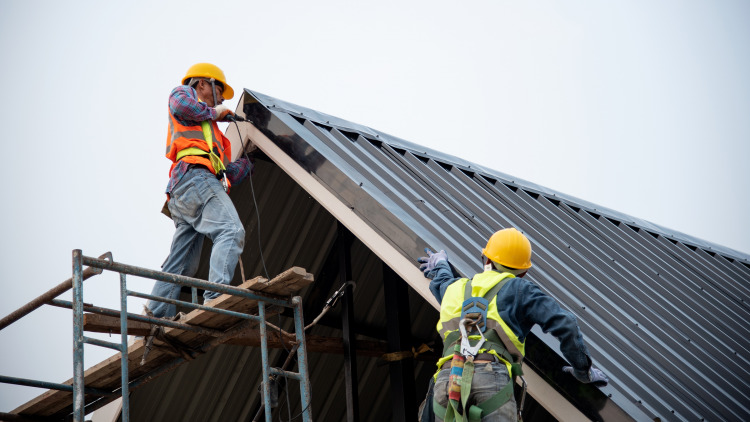
Strict adherence to technical instructions prevents early material failure and avoids sub-standard field execution. Proper job site management protects your investment before assembly begins.
Site Storage Protocols
Elevated Pallet Storage Guidelines
Proper material handling on active job sites protects your structural investment. Storing roofing bundles directly on bare soil leads to severe contamination and surface damage. You must place all delivery bundles on sturdy wooden pallets raised off the ground.
Distribute project materials evenly across flat terrain inside your designated staging area. Uneven ground causes sheet sagging, which deforms critical interlocks and profile ribs. Stacking heavy pallets improperly crushes lower panels, increasing total waste across job sites in colombia.
Moisture Barrier and Condensation Control
High humidity and sudden rain showers across microclimates in colombia endanger stacked sheet inventory. Water trapped between tightly packed metal sheets triggers chemical oxidation, creating white rust stains. You must cover stored metal bundles with breathable waterproof tarpaulins to block moisture intrusion.
Maintain constant airflow around stacked items to prevent internal condensation build-up. Elevate one end of each sheet bundle slightly to promote natural water runoff during rainstorms. Proper storage preserves original coating quality and extends overall system performance.
Enforcing Manufacturer Installation Standards
Strict execution ensures weather-tight joints and protects structural framing. You protect long-term property values by strictly following engineered assembly instructions.
Fastening and Sealing Compliance
You prevent premature leak failures by enforcing technical manual guidelines during field assembly. Manufacturer rules dictate precise screw placement, washer compression, and lap seam sealing methods. Incorrect fastener torque strips screw threads or splits rubber sealing washers, creating direct leak paths into interior spaces.
Field teams must install continuous butyl sealant along panel overlap joints according to specified roof slope angles. Skipping sealant steps leads to continuous water penetration during severe rainstorms in colombia. Following official installation specifications eliminates early material degradation and reduces long-term maintenance expenses.
Workmanship and Contractor Supervision
Developers across regional urban centers in colombia must implement rigorous contractor oversight on active build sites. Qualified site supervision guarantees correct installation practices and prevents low-quality execution. You should organize structured training sessions to help stakeholders recognize proper construction standards.
Establishing clear contractor selection criteria helps real estate teams hire certified crews. A skilled contractor aligns daily assembly with strict engineering drawings and avoids costly field mistakes. Demanding high workmanship quality lowers total building lifecycle cost, avoids unnecessary repair cost, and secures full manufacturer warranty coverage. A trained contractor completes your roof installation to exact engineering standards, guaranteeing full compliance with overall installation standards.
Procurement Contracts and Warranties
You protect your commercial investment by converting technical requirements into legally binding procurement contracts. Clear purchase agreements eliminate misunderstandings between developers and suppliers across target regions in colombia.
Drafting Technical Purchase Terms
Defining Material Defect Thresholds
You must specify precise product defect limits in your technical supply agreements. Define acceptable dimensional tolerances, surface finish variations, and protective coating weights using clear standard metrics. Unclear defect parameters lead to lengthy disputes regarding incoming order rejections. Setting firm acceptance thresholds ensures high structural quality across your job sites in colombia.
You generate substantial financial savings by rejecting shipments that fall short of technical standards. Explicit contracts prevent vendors from offloading sub-standard factory batches onto your construction sites. Your procurement team realizes direct operational savings when vendor contracts link final payment approvals directly to physical batch verification.
Substandard Delivery Penalties
Including financial penalty clauses in your contracts discourages vendors from shipping non-compliant products. You should assess clear liquid damages when delayed or defective shipments halt active site work. Unplanned downtime increases total labor cost and disrupts critical project schedules.
|
Penalty Category |
Trigger Event |
Contractual Remedy |
|---|---|---|
|
Non-Compliant Batch |
Failed thickness check |
Vendor replacement within 5 days |
|
Unexcused Delay |
Missed delivery milestone |
Daily fee deducted from total invoice cost |
Enforcing contractual damages offsets unexpected project cost and keeps your total budget under control. Vendors prioritize your orders when you enforce clear fiscal penalties for poor execution.
Managing Manufacturer Warranties
Material vs Installation Guarantees
You must separate factory product guarantees from site labor coverage in your procurement documents. Factory warranties cover underlying manufacturing defects in raw materials. Meanwhile, your certified contractor assumes complete liability for weather-tight assembly and proper joint execution on site.
warranty status = (factory material cert + certified installation log)
Mixing product coverage with field labor risks invalidating both protection policies during claims. Hiring certified assembly teams ensures access to durable, affordable roofing products. Specifying affordable roofing systems protects overall asset value without creating unnecessary operational expense.
Documenting Compliance Logs
You preserve full warranty protections by keeping complete project maintenance records. Document every job site delivery, inspection certificate, weather condition, and torque testing result inside a central registry. Missing inspection logs allow manufacturers to deny legitimate structural defect claims during unexpected product failures in colombia.
Organizing thorough digital records demonstrates professional project management to investors and future property owners. Systematic record keeping helps real estate firms focus on maximizing value across diverse commercial developments in colombia. Strategic contract management eliminates premature defect expenses and secures long-term asset profitability.
You protect your commercial projects through pre-purchase factory audits, climate-appropriate materials, rigorous job site delivery checks, and strict installation oversight. Implementing systematic controls eliminates costly structural defects early.
Include this actionable checklist in your upcoming procurement tenders for projects in colombia:
-
Verify supplier compliance certificates.
-
Audit incoming product dimensions on site.
-
Supervise contractor field assembly continuously.
Understanding how buyers in colombia reduce roofing material complaints helps you secure high asset value on every project. Strategic quality control lowers overall maintenance demands and protects long-term value. Disciplined management safeguards your property portfolio in colombian real estate and ensures exceptional building durability across diverse microclimates in colombia.
FAQ
How do you verify roof structural safety under local building codes?
You must audit your suppliers for compliance with the NSR-10 standard. Check structural calculations under Title B and Title G. Verify seismic fastener specifications under Title A to protect your building frame during earthquakes in colombia.
Which ICONTEC standards apply to primary roofing materials?
Demand updated test reports directly from your supplier. Check fiber-cement sheets against NTC 4694 guidelines. Verify metal cladding under NTC 4011 and ceramic tiles under NTC 4321. These standards ensure high quality across your asset investments in colombian real estate.
How do national green building regulations affect material choices?
Resolution 0549 of 2015 sets energy and water efficiency benchmarks for new construction. You should select reflective membranes or insulated sandwich panels. These thermal materials lower indoor surface temperatures and reduce HVAC power consumption in warm microclimates.
What metallic coating best prevents rust in high-humidity regions?
You should specify aluminum-zinc alloy coated steel sheets compliant with ASTM A792 standards. The 55% aluminum-zinc chemical composition creates a durable protective barrier. This specific alloy coating shields steel cores against continuous atmospheric moisture contact.
Why should developers replace legacy roofing on older properties?
Legacy roof materials often suffer from hidden structural decay or drainage failure. Replacing outdated roof panels prevents severe moisture penetration and eliminates tenant complaints. This proactive strategy protects long-term profit margins when you consider buying houses in colombia for commercial conversion.
How do technical teams perform field quality checks on site?
Your quality control team should conduct non-destructive water permeability tests on fully assembled panel joints. Technicians also perform structural fastener pull-out testing to check substrate holding capacities. These rigorous procedures ensure long-term durability for commercial developments in colombian real estate.
How should construction sites store metal roofing sheets safely?
Store all delivered panel bundles on elevated wooden pallets off bare ground. Cover stacked metal sheets with breathable waterproof tarpaulins to block rainwater. Maintaining continuous airflow prevents internal condensation build-up and stops white rust stains during rainy periods in colombia.
What essential penalty details belong in technical purchase contracts?
Your supply agreements must define explicit defect thresholds for panel thickness and surface finishes. Include clear financial penalty clauses for non-compliant deliveries or unexcused shipping delays. Enforcing contractual damages protects your operating budget during commercial build projects across colombia.