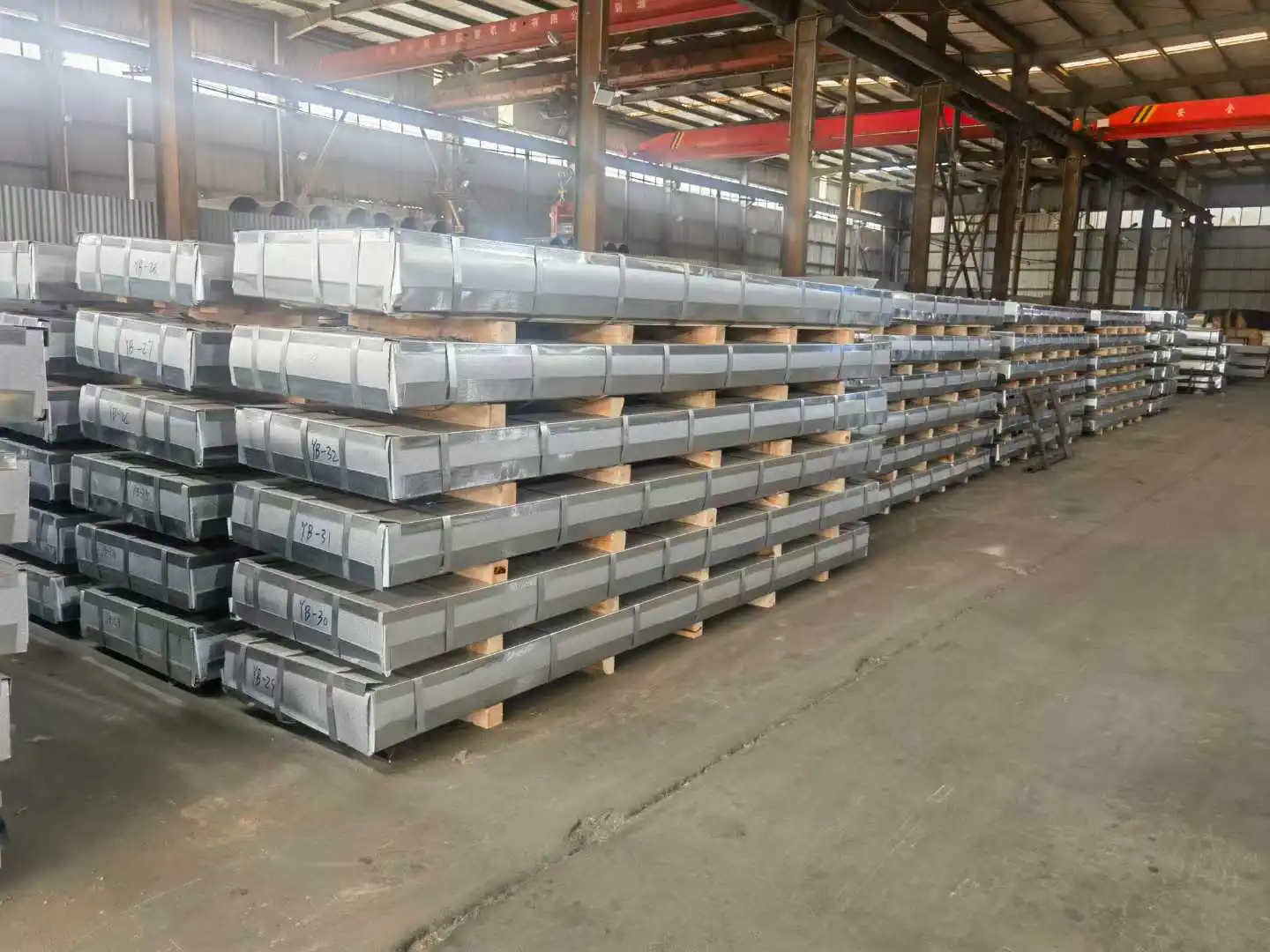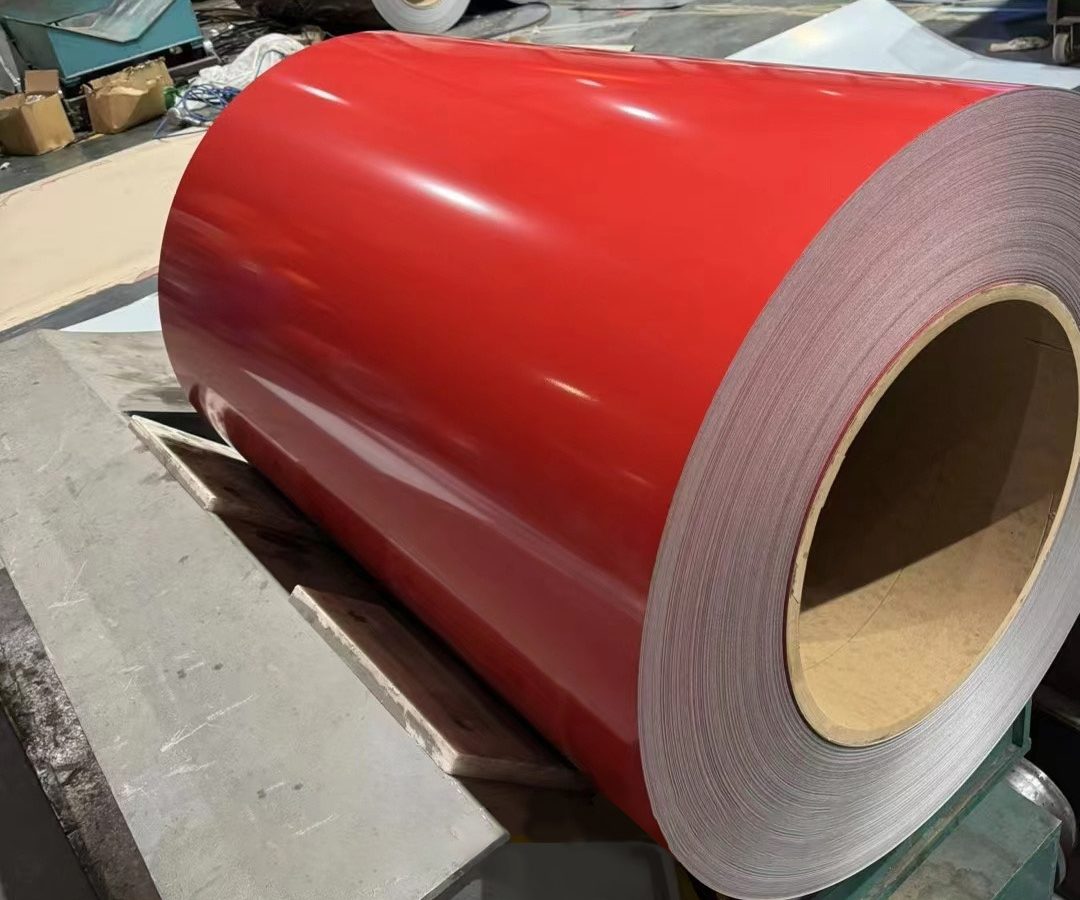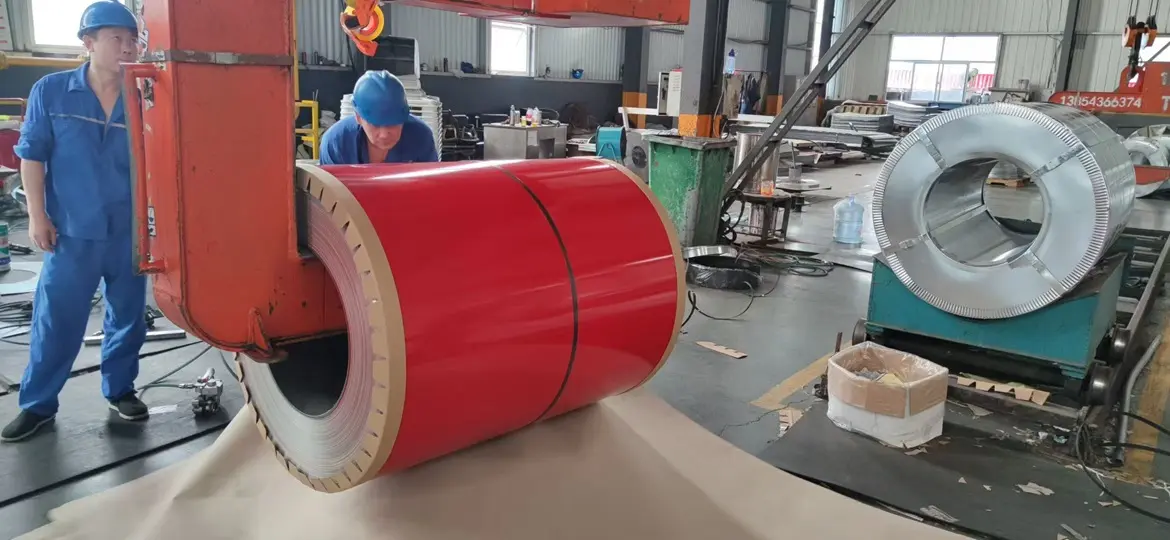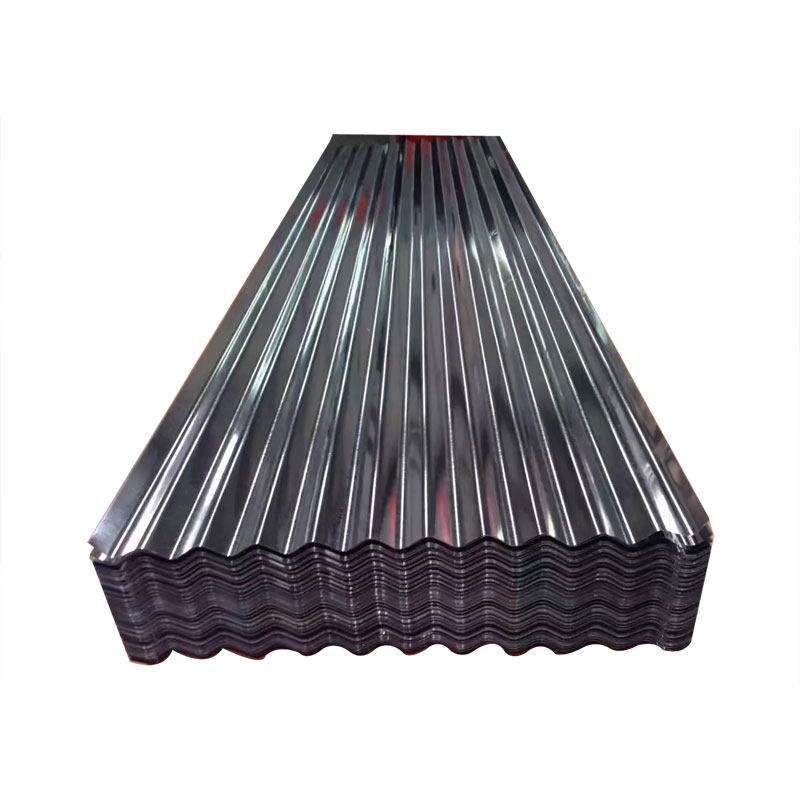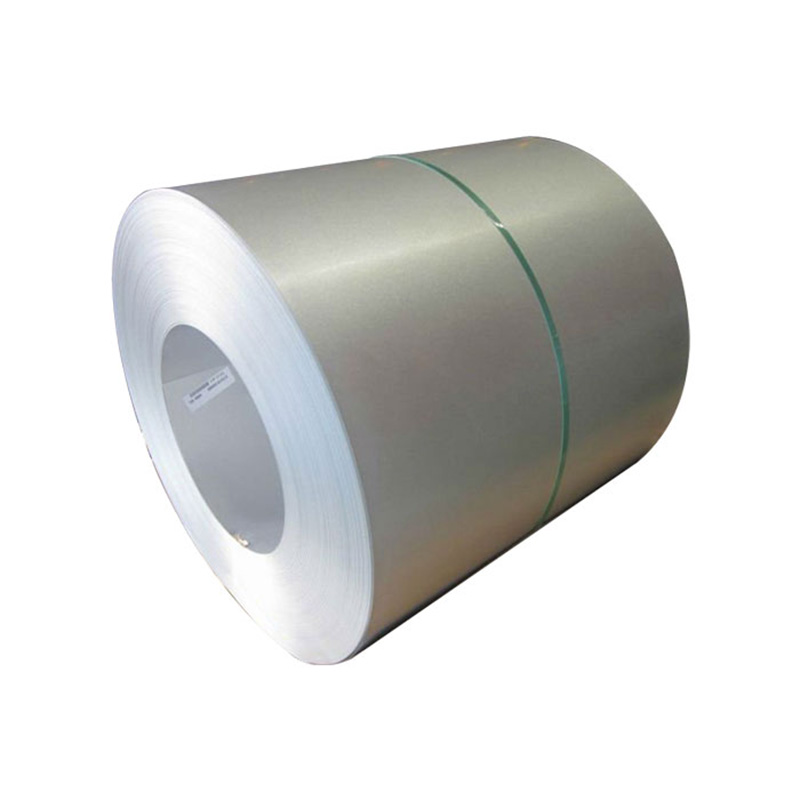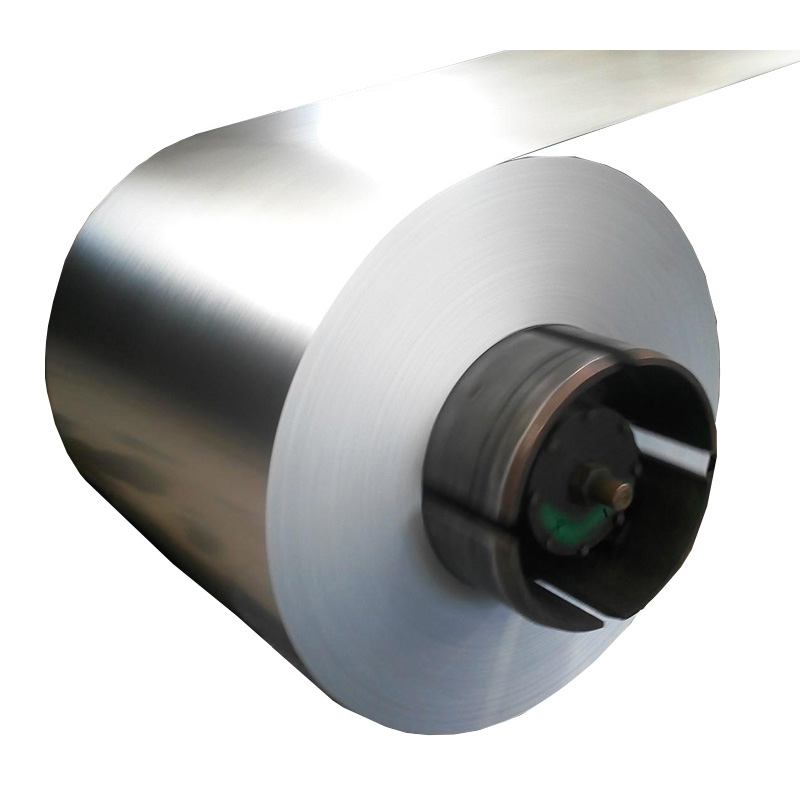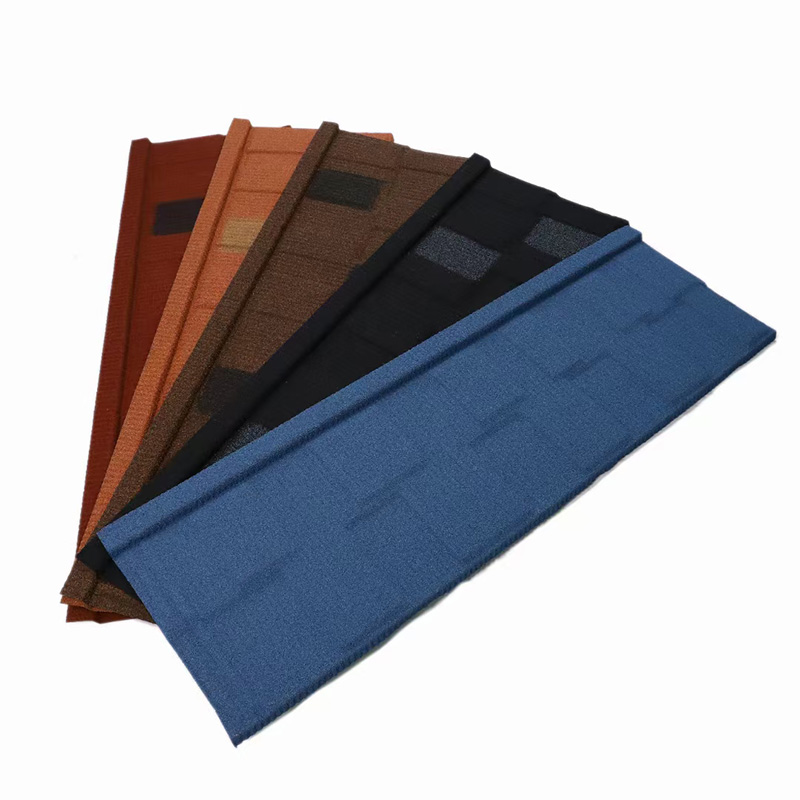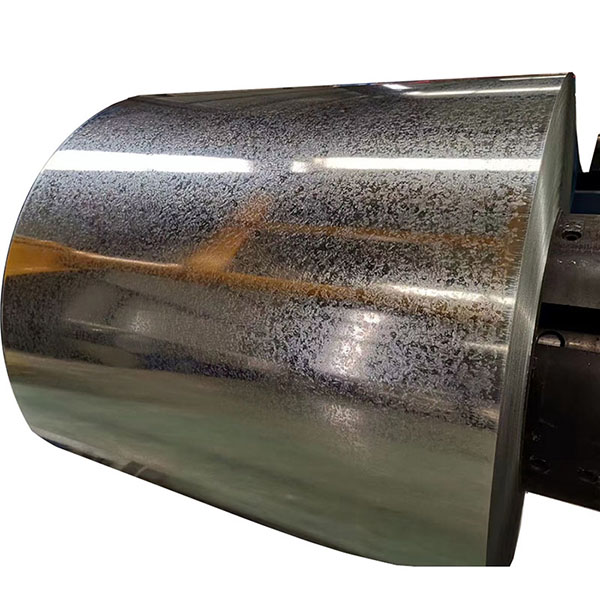
Prepainted steel for modular buildings: coordinating roof and wall specifications decides envelope performance. Separately optimized purchases rarely deliver that result. Prefabricated construction now relies on prepainted steel for roofing, exterior cladding, and interior panels, and each surface faces distinct demands.
Independent buying creates familiar failures. Coating systems diverge, colors drift between batches, thickness definitions get confused, and delivery schedules collide on the assembly line. Which checkpoints demand identical specifications, and where should roof and wall specs deliberately differ? Answering that question separates a reliable envelope from a costly rework cycle.
Key Takeaways
-
Coordinate roof and wall specs early to avoid costly rework and delays.
-
Roofs need strong UV and weather protection; walls focus on wind and impact.
-
Choose PPGI or PPGL based on exposure; both can work in one building.
-
Specify BMT or TCT clearly to prevent thickness confusion and failures.
-
Match paint systems to exposure: PVDF for roofs, PE for interiors.
-
Use RAL codes with physical samples to ensure color consistency.
-
Standardize widths, colors, and grades to cut inventory costs.
-
Inspect coils for coating weight, adhesion, and color before use.
Prepainted Steel for Modular Buildings: Where It Is Used

Prepainted steel serves the building envelope, not the load-bearing frame. Structural steel carries loads through columns, beams, and frames. Prepainted coil instead forms the skin: roofing, cladding, and interior linings. The two material families follow separate specifications, separate standards, and separate purchasing routes. Buyers who treat them as one category invite confusion at the drawing review stage.
The table below maps typical modular components to their prepainted steel applications.
|
Modular Component |
Prepainted Steel Application |
Primary Role |
|---|---|---|
|
Roof |
Corrugated or trapezoidal sheets, insulated sandwich panels |
Weather protection, drainage |
|
Exterior wall |
Profiled panels, exterior sandwich panels |
Weather resistance, appearance |
|
Interior wall and ceiling |
Partitions, ceiling panels |
Surface finish, cleanability |
Roofing Systems
Corrugated and trapezoidal sheets
Single-skin corrugated and trapezoidal profiles form the most common modular roofing. The trapezoidal shape adds stiffness across the span, so the profile geometry and steel thickness work together. These sheets must shed rain reliably and resist wind uplift at the fixing points.
Insulated roof sandwich panels
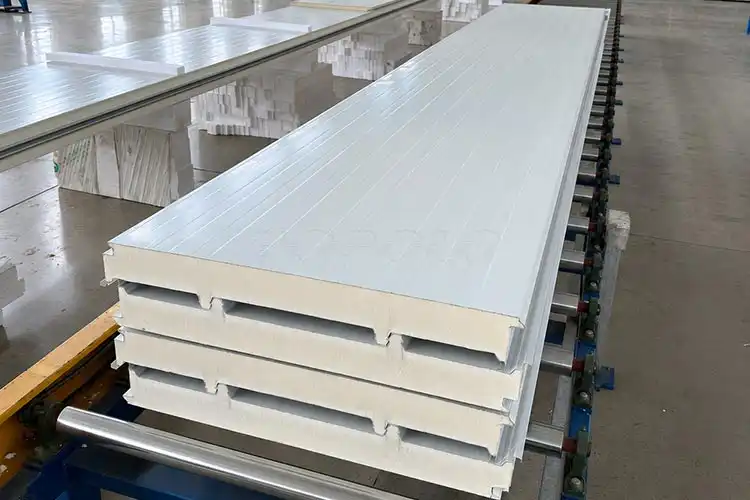
Sandwich panels bond prepainted steel facings to a rigid insulation core. The panel delivers weather protection and thermal performance in one unit. Panel joints, seals, and drainage details matter as much as the coil itself, because water ingress at a joint defeats the best coating.
Exterior Wall Cladding
Profiled wall panels
Profiled wall panels give the modular unit its visible facade. Designers select profile depth, color, and gloss to match the architectural intent. Wind pressure and impact resistance drive the thickness choice, and the panel must stay flat and straight after forming.
Exterior sandwich panels
Exterior sandwich panels combine a prepainted steel skin with insulation for walls that need thermal control. The outer facing handles weather and appearance. The inner facing and backcoat must suit the adhesive system used in panel production.
Interior Wall and Ceiling Panels
Partitions and ceiling panels
Interior partitions and ceiling panels use prepainted steel for a durable, lightweight surface. These panels face humidity, cleaning agents, and daily contact rather than direct sunlight. Their coating systems can therefore differ from exterior specifications without any loss of performance.
Surface finish and cleanability
Interior surfaces demand easy cleaning and a consistent appearance. Smooth finishes and appropriate gloss levels help maintenance teams wipe surfaces without leaving marks. Buyers should confirm the interior coating choice against the actual cleaning regime, not simply reuse the exterior specification.
Why Roof and Wall Requirements Differ
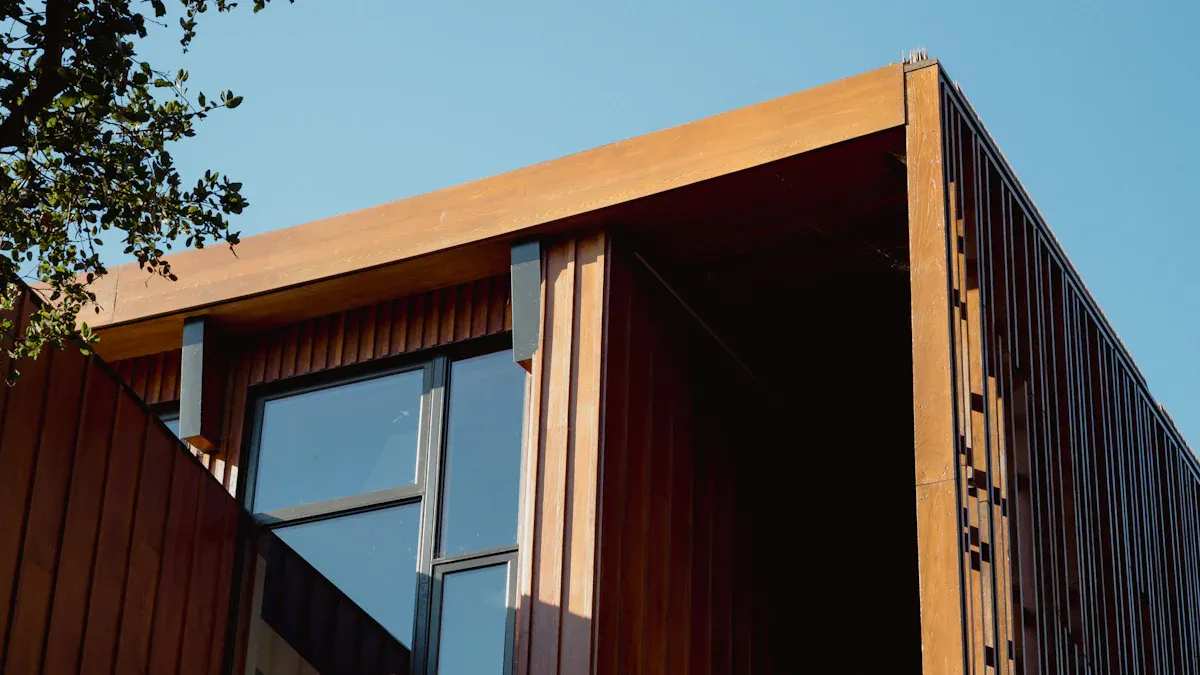
A modular building exposes each envelope surface to a different service life. The roof faces the sky directly. Walls meet wind and driven rain at an angle. Interior panels never see weather at all. These differences drive separate material decisions, and buyers who ignore them pay twice — once for over-specified panels and once for premature failure.
Environmental Exposure
Sun, rain, and temperature on roofs
Roof surfaces take full solar radiation and the widest temperature swings. Daily heating and nighttime cooling cycle the coating and the steel beneath it. Rainwater also pools, runs, and evaporates on the roof, so drainage details and cut-edge protection matter enormously.
A roof coating must therefore resist chalking, gloss loss, and color fade under continuous UV load. Forming marks and fastener points deserve extra attention, because water finds every gap.
Wind, moisture, and pollutants on walls
Walls meet wind pressure at an angle, plus airborne moisture, dust, and pollutants. Driving rain can push water into joints and laps. Coastal or industrial sites add salt and chemical attack to the list.
Wall panels usually see less direct sun than roofs, yet orientation still matters. A south-facing facade can weather much like a roof. Buyers should confirm exposure per elevation rather than assume all walls behave alike.
Mechanical and Structural Demands
Roof loads and wind uplift
Roofs carry wind uplift, maintenance traffic, and occasional snow. Uplift pulls panels away from the structure at fixings, so profile geometry and fastener design share the load. Roof panels often need greater stiffness across the span.
Wall stiffness and impact resistance
Walls resist lateral wind pressure and accidental impact from people, equipment, and handling. Wall panels need flatness and stiffness, but their span and support conditions differ from roofing. Impact resistance at low heights deserves attention on ground-floor elevations.
Appearance and Surface Performance
Color, gloss, and texture
Roof and wall panels sit side by side in a viewer’s eye. Color, gloss, and texture must read as one design intent. Glossy finishes show waviness on flat walls, while textured finishes hide handling marks on roofs.
Scratch resistance in production
Both panel types pass through roll forming, cutting, and handling. Scratches expose bare metal and start corrosion. Coating hardness and adhesion both influence scratch performance, and production teams should agree on handling practices before coils arrive.
|
Requirement |
Roof Panels |
Exterior Wall Panels |
Interior Panels |
|---|---|---|---|
|
UV exposure |
Often significant |
Orientation-dependent |
Usually limited |
|
Corrosion protection |
Exposure-specific |
Exposure-specific |
Indoor environment |
|
Color consistency |
Important |
Particularly important |
Important |
|
Mechanical performance |
Roof system requirements |
Wall system requirements |
Panel design requirements |
|
Surface finish |
Weathering durability |
Appearance and durability |
Cleanability |
Coordinating roof and wall specifications starts with documenting these differences. A written requirement matrix, completed before product selection, gives every later decision a reference point.
Choosing PPGI or PPGL Substrates
PPGI vs. PPGL Explained
Metallic coating composition
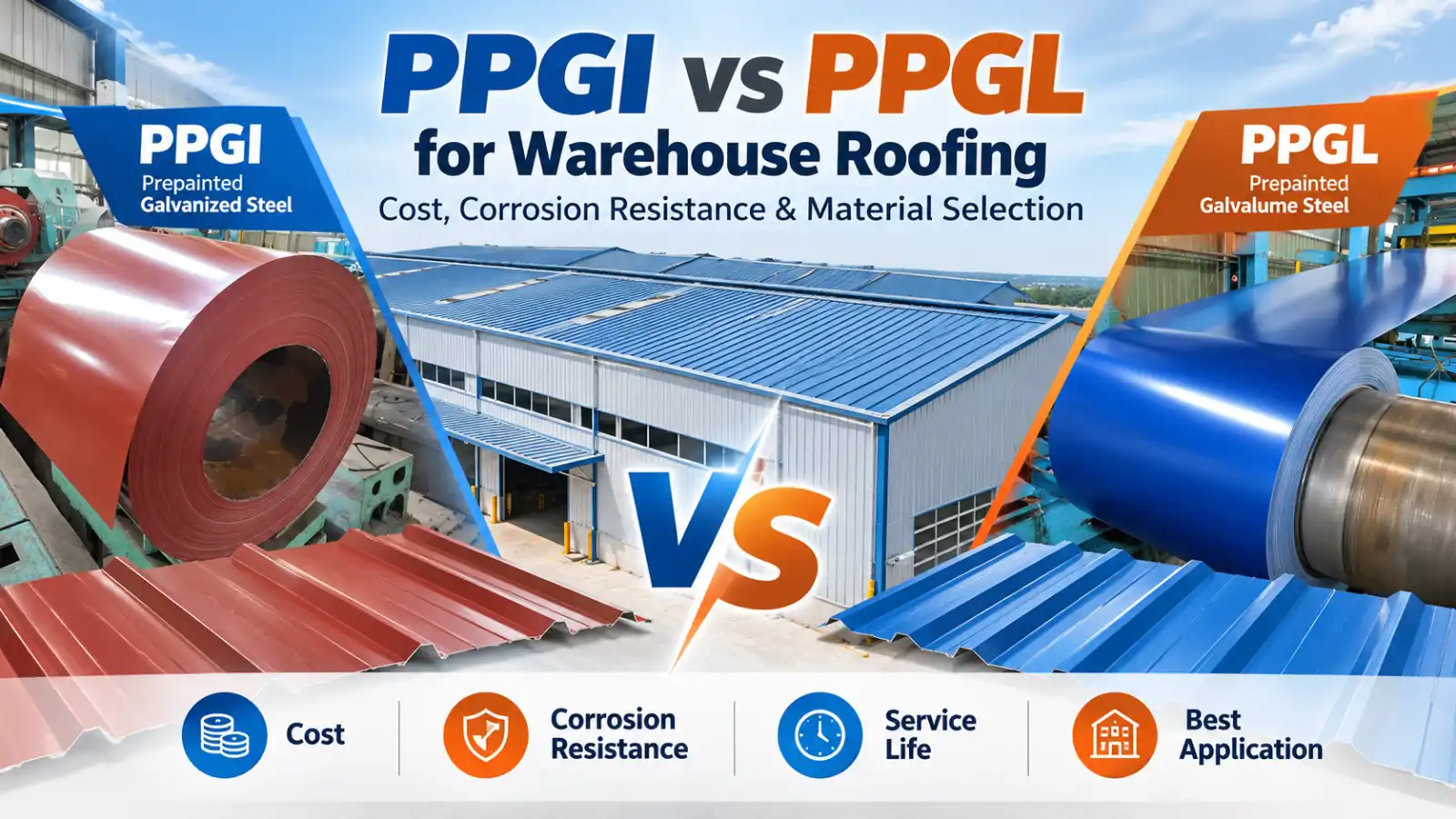
PPGI starts with a galvanized substrate. A zinc layer covers the steel, and the paint system sits on top. PPGL uses an aluminum-zinc alloy coating instead, which combines aluminum and zinc in the metallic layer.
The two coatings behave differently at the surface. Zinc offers sacrificial protection. The aluminum-zinc alloy adds barrier resistance alongside galvanic action.
Protection mechanisms
Zinc corrodes preferentially and shields exposed steel at cut edges and scratches. The aluminum-zinc alloy forms a denser barrier layer, and its zinc content still provides galvanic backup at damaged spots.
Neither mechanism works alone. Paint adhesion, film integrity, and edge treatment all shape real service life. Selection therefore depends on the complete coating specification and actual service conditions, not on the substrate name alone.
Substrate Selection by Application
Roofing exposure and coating weight
Roofs face sustained UV load, thermal cycling, and standing water. Buyers should match metallic coating weight to the exposure category and confirm cut-edge protection at laps and fasteners.
A heavier coating adds corrosion reserve, yet it cannot rescue a weak paint system. Roof specifications should pair coating weight with a proven topcoat.
Wall appearance and formability
Walls prioritize flatness, color uniformity, and forming behavior. Both PPGI and PPGL roll-form well when the paint system offers adequate flexibility. Wall panels often tolerate a lighter metallic coating than roofs at the same site.
Appearance demands deserve equal weight. Buyers should confirm that the chosen substrate and paint combination delivers the agreed gloss and texture.
Mixing Substrates in One Building
Compatibility with production processes
One modular building can combine PPGI walls with PPGL roofing. This approach lets each surface carry a specification suited to its exposure. Production teams must confirm that both substrates run through the same roll-forming and sandwich panel lines without adjustment problems.
Adhesive and backcoat compatibility deserves a check for sandwich panels. Different substrates may need different backcoat systems.
Purchasing and inventory implications
Mixing substrates expands the coil list. Each added specification brings its own minimum order quantity, coil weight, and storage slot. Buyers should weigh the performance gain against the extra SKUs and the risk of batch mismatch on visible elevations.
A practical compromise keeps shared colors and widths across both substrates. That step preserves visual consistency while allowing roof and wall performance to differ where it matters.
Coordinating Thickness, Width, and Grade
Thickness and grade decisions sit at the heart of prepainted steel for modular buildings: coordinating roof and wall specifications here prevents both over-ordering and under-performance. Roof panels and wall panels serve different structural roles, so they rarely need identical steel. A single thickness across every component sounds efficient, yet it usually wastes material on one surface and starves another.
BMT vs. TCT Definitions
Measurement and tolerances
Base metal thickness (BMT) measures the steel substrate alone, before any metallic coating or paint. Total coated thickness (TCT) includes the zinc or aluminum-zinc layer plus the paint film on both sides. The gap between the two values depends on coating weights and paint film builds, and it can reach several micrometers per side.
Buyers who mix these terms across a purchase order create real risk. A supplier quoting TCT may deliver a thinner substrate than a buyer expecting BMT. The panel then fails stiffness checks or wind load calculations. Every purchase order should state which definition applies and reference the measurement method.
Consistent terms across purchase orders
Purchase orders, mill certificates, and inspection reports must use one vocabulary. The buyer should write “BMT” or “TCT” explicitly on every line item. Production teams then verify incoming coils against the same definition the engineer used in design.
A simple rule helps: specify BMT for structural calculations and TCT for coating coverage checks. That split keeps both numbers meaningful and prevents arguments at goods-in inspection.
Thickness and Grade by Panel Type
Roof span and profile design
Roof panels span between purlins, and the profile depth carries much of the load. A deeper trapezoidal profile adds stiffness without extra steel. Designers can therefore reduce thickness when the profile geometry does the work.
Wind uplift governs many roof designs. The fixing points transfer uplift into the panel, so thickness and fastener spacing interact. A thinner panel with closer fixings may outperform a thicker panel with wide spacing.
Wall stiffness and wind loads
Wall panels resist lateral wind pressure and impact. Their support conditions differ from roofing, and flatness matters more than span capacity. Wall panels often use a lighter gauge than roofs at the same building.
Steel grade selection follows the same logic. Yield strength, tensile strength, and elongation all shape forming behavior. Higher yield strength allows thinner sections, yet it can reduce elongation and make tight bends harder. Roll-forming demands adequate ductility, so buyers should confirm bending performance against the actual profile radius.
Roof and wall panels do not need the same thickness or grade. A roof may call for a heavier gauge to handle uplift and traffic, while a wall uses a lighter gauge for flatness and appearance. The table below compares typical coil specifications.
|
Parameter |
Roof Coil |
Wall Coil |
|---|---|---|
|
Primary driver |
Span, uplift, drainage |
Stiffness, flatness, impact |
|
Typical thickness trend |
Heavier gauge |
Lighter gauge |
|
Grade priority |
Strength and stiffness |
Formability and flatness |
|
Coating focus |
Weathering and cut-edge protection |
Appearance and color uniformity |
Coil Width and Line Compatibility
Roll-forming and coverage width
Every roll-forming line accepts a specific coil width range. Roof and wall profiles each have their own entry width, and the finished panel covers less width than the coil because of laps and ribs. Buyers should confirm the required coil width against the line specification before ordering.
A coil that is too narrow cannot form the profile. A coil that is too wide wastes material at the edges. Both errors add cost.
Slitting and material utilization
Slitting converts a master coil into the widths each line needs. Good slitting plans group roof and wall requirements to minimize edge trim. Shared widths across roof and wall panels improve utilization and reduce scrap.
Buyers should also weigh coil weight against crane capacity and storage. Heavier coils reduce handling frequency, yet they demand adequate equipment. A balanced slitting plan ties thickness, width, and grade together into one purchasing decision.
Matching Metallic Coatings and Paint Systems
Metallic coating and paint choices complete the specification picture. Prepainted Steel for Modular Buildings: Coordinating Roof and Wall Specifications depends on these layers working as one system. A strong substrate with a weak topcoat fails early. A premium paint over a thin metallic layer also falls short. Buyers should match each layer to the exposure it will face.
Metallic Coating Weights
Zinc coating for PPGI
Zinc coating weight describes how much zinc sits on each square meter of steel. Suppliers state it as a weight per unit area, and heavier coatings add corrosion reserve. Roofs in aggressive environments usually justify a heavier zinc layer than interior partitions. Buyers should confirm the coating weight designation on the mill certificate and check it against the exposure category. Specifiers usually name the coating class in the purchase order, and the mill certificate should match it.
Zinc protects steel sacrificially. A scratch or cut edge exposes steel, and the surrounding zinc corrodes first to shield it. That mechanism works best when enough zinc sits near the damage. Thin coatings lose this reserve quickly, and cut-edge corrosion follows.
Aluminum-zinc coating for PPGL
Aluminum-zinc coatings combine barrier resistance with galvanic backup. The aluminum-rich layer forms a dense shield, and the zinc content still protects damaged spots. Coating weight selection follows the same logic as PPGI. Exposure severity, cut-edge treatment, and paint quality all shape the final choice. PPGL often suits long-run roofing where appearance and corrosion resistance both matter.
Neither coating wins everywhere. The complete specification and the actual service conditions decide the outcome.
PE, SMP, HDP, and PVDF Coatings
Weathering and color retention
Paint systems differ in how long they hold color and gloss under sunlight. PE (polyester) offers basic performance at low cost. SMP (silicone-modified polyester) improves color retention. HDP (high-durability polyester) adds further resistance. PVDF (polyvinylidene fluoride) delivers the strongest weathering performance of the group.
Roofs under constant UV load benefit most from the durable systems. Interior panels rarely need PVDF. A PE finish often serves interior partitions well, and the savings fund better protection where the sun actually hits.
Forming compatibility and cost
Every coating must survive roll forming without cracking or losing adhesion. Flexible systems handle tight bends better. Hard, highly durable films can demand gentler forming. A T-bend check at goods-in reveals how well the paint adheres after bending. Cost rises with durability, so buyers should match the paint to the exposure rather than defaulting to the top grade.
Using the same paint system for every component is not always necessary or cost-effective. A building can pair PVDF roofing with SMP walls and PE interior panels. Each surface then carries a coating suited to its service life.
|
Paint System |
Weathering Performance |
Relative Cost |
Typical Fit |
|---|---|---|---|
|
PE |
Basic |
Lowest |
Interior panels |
|
SMP |
Improved color retention |
Moderate |
Exterior walls |
|
HDP |
High durability |
Higher |
Demanding walls and roofs |
|
PVDF |
Strongest weathering |
Highest |
Exposed roofing |
Topcoat and Backcoat Roles
Exterior surface protection
The topcoat faces the weather. It carries the color, gloss, and texture the architect specified. It also blocks moisture and UV from reaching the metallic layer. Topcoat thickness and adhesion both influence service life, and buyers should confirm both on inspection reports. Touch-up paint should match the factory topcoat, and the supplier should confirm compatibility.
Backcoat and adhesive compatibility
The backcoat faces inward, yet it matters just as much. In sandwich panel production, the backcoat contacts insulation and adhesives. A backcoat that bonds poorly with polyurethane, PIR, or mineral wool systems weakens the whole panel. Buyers should confirm backcoat compatibility with the panel producer before ordering coils.
Backcoat compatibility matters for insulation and adhesives in sandwich panel production. A mismatch here shows up as delamination, not as a coating defect. That failure mode often escapes incoming inspection.
Interior exposure also shapes backcoat choice. Condensation and cleaning agents can attack an unsuitable backcoat from inside the panel.
Coordinating these layers early keeps the envelope predictable. Buyers who lock metallic coating, paint system, and backcoat into one written matrix avoid surprises at the production line. That matrix also gives the quality team a reference for incoming inspection.
Keeping Color and Surface Consistent
RAL Codes and Reference Samples
Exact color codes and physical samples
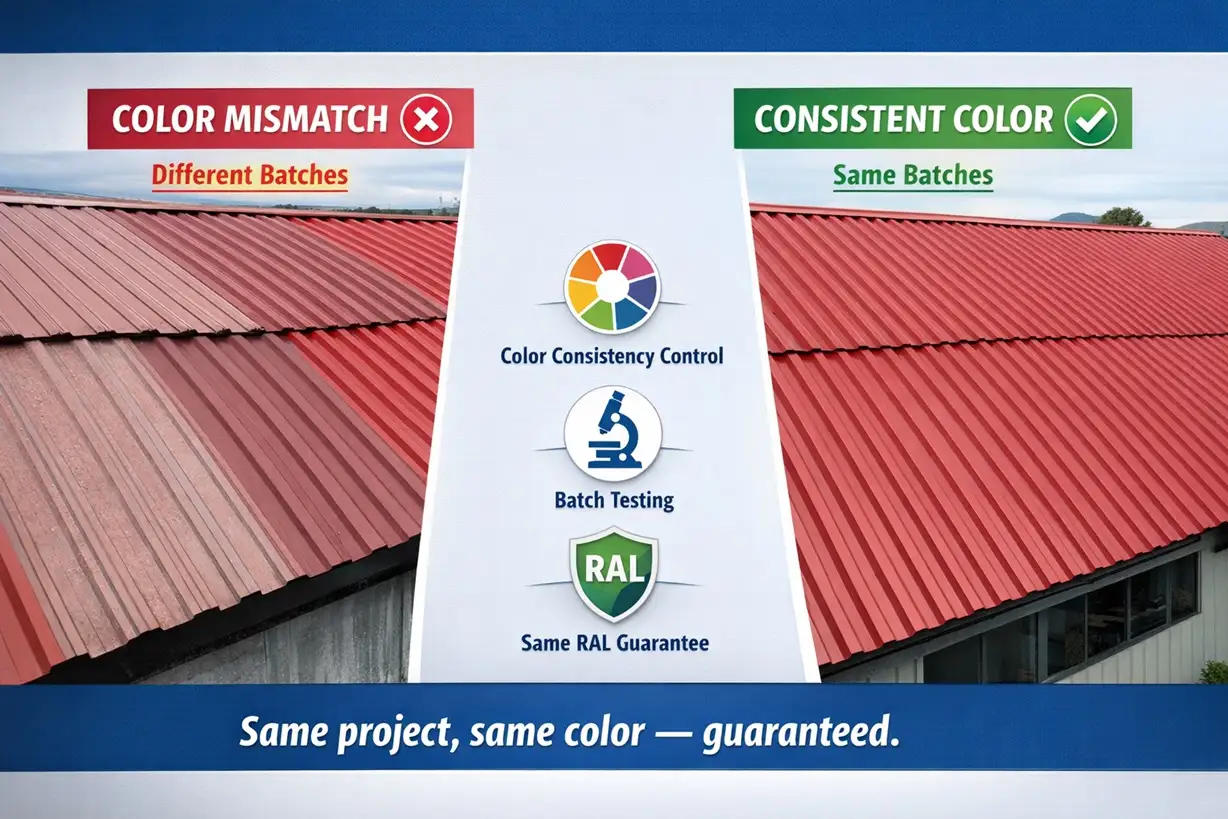
A RAL number narrows the target, yet it cannot carry the full appearance of a finished panel. Identical RAL codes do not guarantee identical visual appearance across substrates and coating systems. Zinc and aluminum-zinc layers reflect light differently, and each paint chemistry builds its own surface character. Buyers should therefore pair every color code with a physical coated sample.
The sample should come from the actual substrate and paint system planned for production. A wall sample approved on PPGI tells the team little about a PPGL roof in the same color. Both parties should sign and retain the reference panel before the coil order leaves the mill.
Agreed acceptance criteria
Color acceptance needs a written standard, not a verbal impression. The buyer and supplier should define how they will judge a match and which lighting condition applies. They should also name who holds the approved sample and how long it stays valid.
A clear acceptance clause protects both sides at goods-in inspection. Inspectors then compare coils against the signed reference instead of personal memory.
Gloss, Texture, and Batch Variation
Lighting, orientation, and profile effects
Gloss level and texture change how a color reads in place. A glossy finish on a flat wall shows waviness, and the same finish on a ribbed roof hides it. Viewing angle and sunlight direction shift the apparent shade across a facade.
Buyers should review samples on the actual profile and under realistic light. A panel that looks uniform in a showroom can show banding on a south-facing elevation.
Batch-to-batch tolerances
Coating lines produce small color shifts between runs. These shifts rarely matter on isolated panels, yet they become obvious where roof and wall meet. Visually connected components should come from coordinated production batches whenever practical.
The purchasing team should record batch numbers and reserve matched coils for adjacent surfaces. A tolerance agreed in writing keeps the judgment consistent across inspectors.
|
Checkpoint |
What to Confirm |
|---|---|
|
Color code |
Exact RAL reference on every order line |
|
Physical sample |
Signed panel from the actual substrate and paint system |
|
Gloss and texture |
Reviewed on the real profile under site lighting |
|
Batch matching |
Shared batch numbers for connected roof and wall panels |
Protecting Surfaces During Assembly
Roll-forming and handling damage
Scratches expose bare metal and start corrosion at the most visible points. Roll-forming rollers, lifting equipment, and stacking practices all leave marks. Production teams should set handling rules before coils arrive and check the first formed panels closely.
Protective film and touch-up
Protective film shields finished surfaces during transport and assembly. The film must suit the paint system and come off cleanly within its rated period. A touch-up kit matched to the factory topcoat handles minor marks, and the supplier should confirm compatibility.
Production Compatibility, Procurement, and Quality Control
Forming and Sandwich Panel Production
Bending, adhesion, and trims
Every coil must survive the forming line before it reaches the building. Roof profiles demand tight bends at the ribs, and wall panels need clean folds at the edges. Corner trims and flashings often bend harder than the panels themselves. Buyers should confirm paint flexibility and adhesion against the tightest bend in the production plan, and a T-bend check at goods-in reveals how the coating behaves after forming.
PU, PIR, EPS, and mineral wool systems
Sandwich panel lines bond facings to polyurethane, PIR, EPS, or mineral wool cores. Each core chemistry places its own demands on the backcoat and the adhesive. A backcoat that bonds poorly with one system may work well with another. Panel producers should confirm compatibility before coils arrive, because a mismatch shows up as delamination rather than a visible coating defect.
Fire resistance, thermal insulation, and structural performance are evaluated at the complete building or panel-system level, not from coil specifications alone. Coil data supports those evaluations but cannot replace them.
Standardizing and Separating Specifications
Shared widths, colors, and grades
Standardization cuts the coil list without touching performance. Shared widths across roof and wall profiles improve slitting yield. A common color range keeps visually connected surfaces consistent. Compatible grades let one substrate serve several panel types. Each shared item removes a minimum order quantity, a storage slot, and a batch-matching risk.
Roof-, wall-, and interior-specific specs
Some specifications must stay separate. Roofs carry the heaviest weathering and uplift demands. Walls prioritize flatness and appearance. Interior panels answer to cleanability. Prepainted Steel for Modular Buildings: Coordinating Roof and Wall Specifications means drawing that line deliberately, then documenting it in one matrix.
Purchasing schedules deserve the same coordination. Buyers should sequence coil deliveries against the production plan, weigh coil weights against crane capacity, and group orders to meet minimum quantities without excess stock.
Inspection, Traceability, and Common Mistakes
Coating weight, film thickness, and adhesion
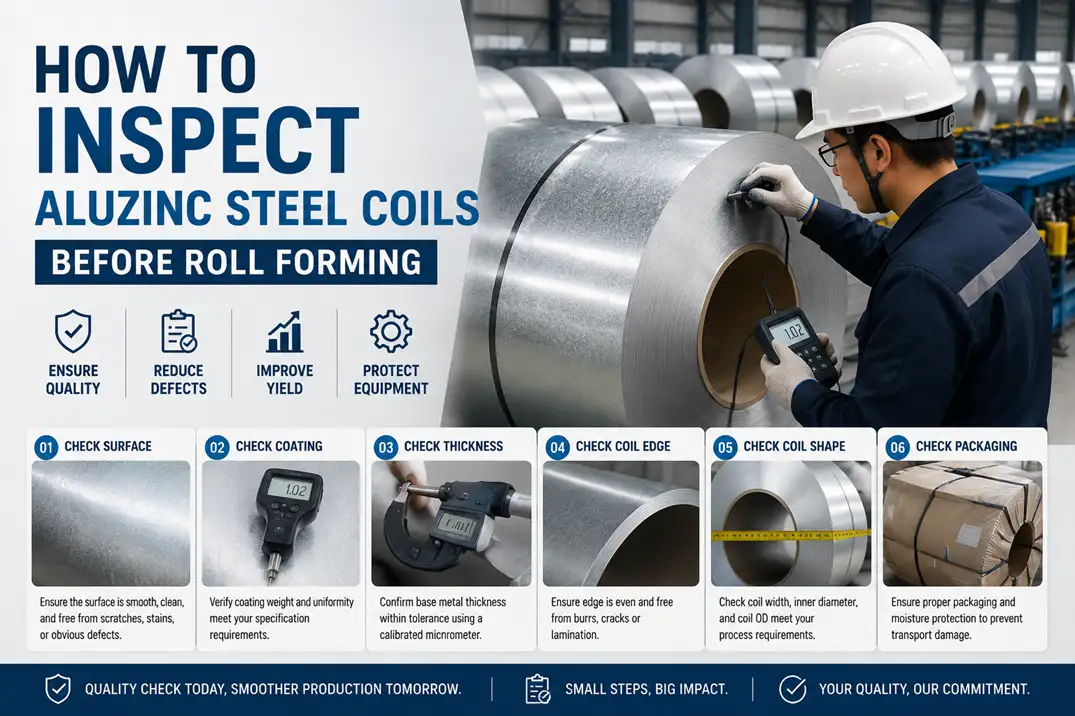
Incoming inspection should verify metallic coating weight, paint film thickness on both faces, and adhesion after bending. Color and gloss checks follow the signed reference sample. Inspectors should record results against the purchase order line, not against memory.
Mill certificates and coil traceability
Mill certificates confirm the substrate and coating class. Coil numbers should link each delivery to its certificate, its inspection record, and the finished modules it becomes. That chain supports warranty claims and isolates problems fast.
Common purchasing mistakes repeat across projects: identical specs for every component, price-only roofing selection, BMT and TCT confusion, ignored backcoat compatibility, assumed RAL matching, overlooked cut-edge corrosion, excess SKUs, and uncoordinated batches. A written checklist catches most of them before the order leaves the desk.
|
Incoming Check |
What to Verify |
|---|---|
|
Base metal thickness |
Matches the stated BMT definition |
|
Coil width |
Fits the roll-forming line |
|
Metallic coating weight |
Matches the ordered class |
|
Paint film thickness |
Topcoat and backcoat both confirmed |
|
Adhesion |
T-bend result acceptable |
|
Color and gloss |
Matches the signed sample |
|
Documentation |
Mill certificate linked to coil number |
Roofs, exterior walls, and interior panels each face different exposure, structural demands, and appearance expectations. Prepainted Steel for Modular Buildings: Coordinating Roof and Wall Specifications means aligning thickness, grade, metallic coating, paint system, and color across all three surfaces. Buyers should balance manufacturing efficiency, material performance, and procurement cost rather than optimizing one surface in isolation.
A complete roof and wall specification matrix, prepared before purchasing, gives every order line a clear reference. It also prevents mismatched coatings, color drift, and schedule conflicts on the assembly line.
Readers who are sourcing prepainted steel coils can share their roof and wall panel specifications, forming requirements, coating preferences, and estimated quantities for a practical material discussion.
FAQ
Can PPGI and PPGL be used in the same modular building?
Yes. One building can pair PPGI walls with PPGL roofing. Each surface then carries a substrate suited to its exposure. Production teams should confirm both materials run through the same roll-forming and sandwich panel lines without adjustment problems.
Should roof and wall panels use the same steel thickness?
No. Roof panels handle span, uplift, and maintenance traffic. Wall panels prioritize stiffness, flatness, and impact resistance. A single thickness across every component usually wastes material on one surface and starves another. Designers should match thickness to each panel’s structural role.
Which paint coating is suitable for modular building roofing?
Exposed roofs benefit from durable systems such as HDP or PVDF. These coatings resist chalking, gloss loss, and color fade under continuous UV load. Interior panels rarely need that level of protection. A PE finish often serves interior partitions well.
How can manufacturers maintain consistent roof and wall colors?
Buyers should pair every RAL code with a signed physical sample from the actual substrate and paint system. Visually connected components should come from coordinated production batches. A written tolerance keeps inspectors consistent. Gloss and texture deserve review on the real profile under site lighting.
What steel coil specifications matter for modular sandwich panel production?
Panel producers should confirm backcoat compatibility with the insulation and adhesive system before coils arrive. A mismatch shows up as delamination, not as a visible coating defect. Coil width, thickness, and paint adhesion also shape panel quality.
How can modular building manufacturers reduce steel coil inventory costs?
Standardization cuts the coil list without touching performance. Shared widths improve slitting yield. A common color range keeps connected surfaces consistent. Compatible grades let one substrate serve several panel types. Each shared item removes a minimum order quantity and a storage slot.
Does a heavier metallic coating always deliver better performance?
No. A heavier zinc or aluminum-zinc layer adds corrosion reserve, yet it cannot rescue a weak paint system. Paint adhesion, film integrity, and edge treatment all shape real service life. Selection depends on the complete coating specification and actual service conditions.
Why does BMT versus TCT confusion cause problems at goods-in inspection?
A supplier quoting TCT may deliver a thinner substrate than a buyer expecting BMT. The panel then fails stiffness checks or wind load calculations. Every purchase order should state which definition applies and reference the measurement method. Mill certificates should use the same vocabulary.