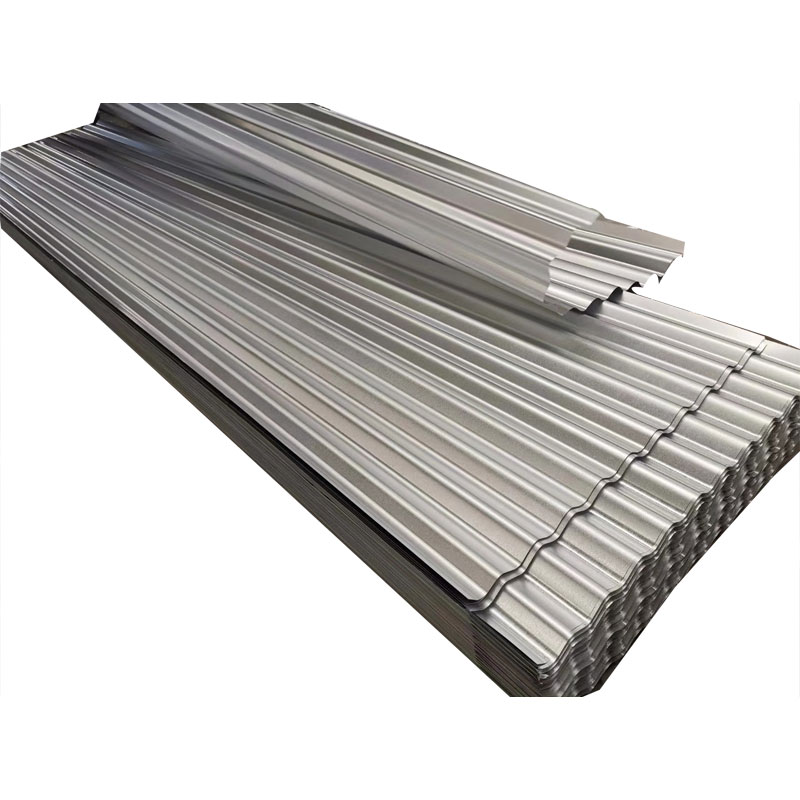
You release roofing orders materials in stages as construction moves forward. The second order may land weeks or months after the first. Between releases, drawings, quantities, finishes, and delivery dates can all shift. Repeating a product name does not confirm that every technical and appearance requirement stayed the same.
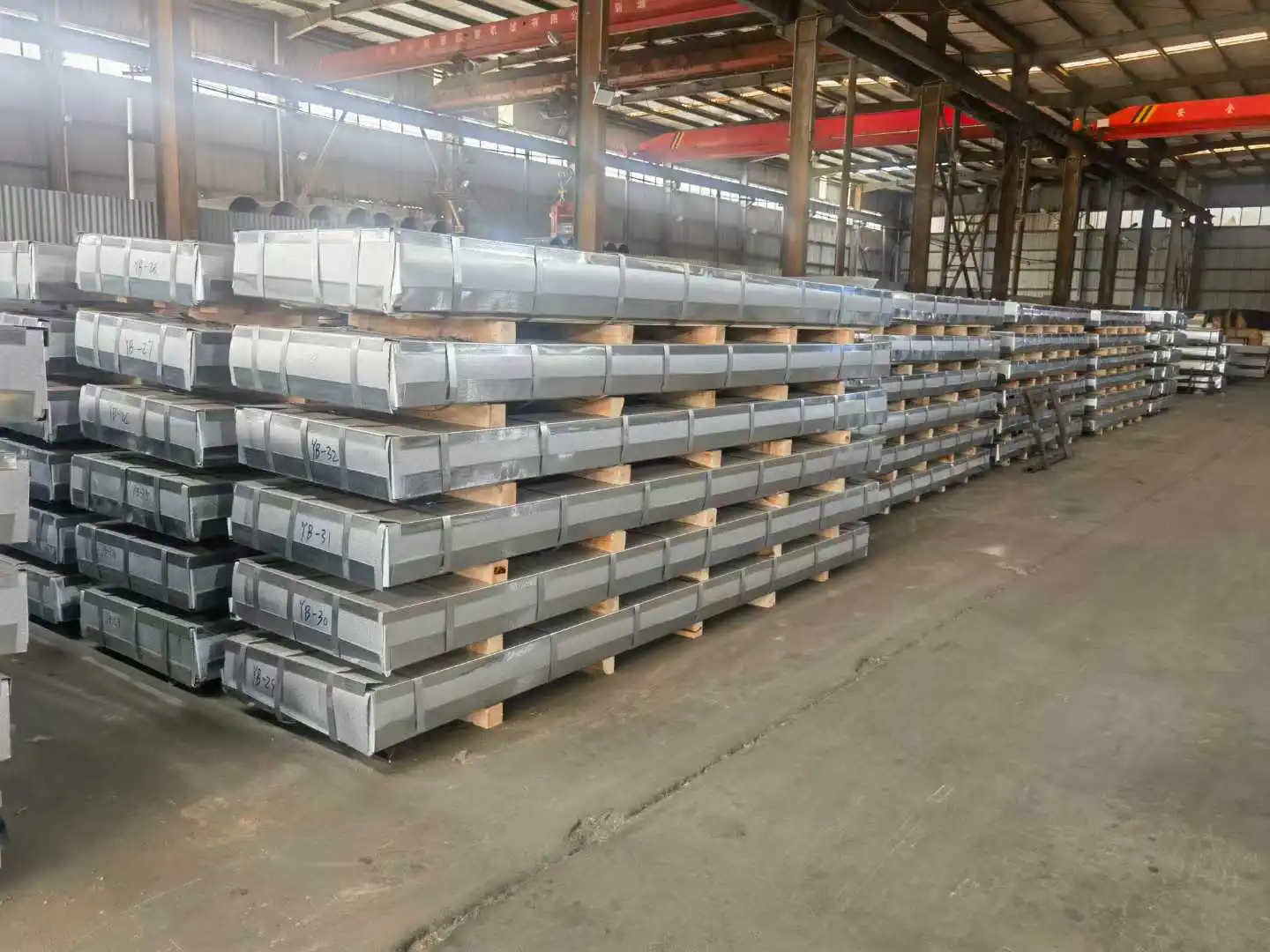
Phased Deliveries for Roofing Projects: Keeping Specifications Consistent Across Orders starts with one approved specification record. You then tie every release to its current revision and check each shipment against that record.
This playbook serves contractors, project buyers, importers, distributors, and procurement managers. You get practical coordination steps, not theory.
Key Takeaways
- Create one master specification before the first order to keep all batches consistent.
- Give each release a unique number and record which revision it follows.
- Confirm product details, quantities, and delivery dates with your supplier in writing.
- Agree on color and appearance standards with your supplier before production starts.
- Inspect each shipment when it arrives and compare it to your approved specification.
- Record any changes in a new revision and get written approval from both sides.
- Keep all old revisions and shipment records together for easy tracking.
- Separate questionable materials and contact your supplier before installation.
Why Phased Deliveries for Roofing Projects Are Common
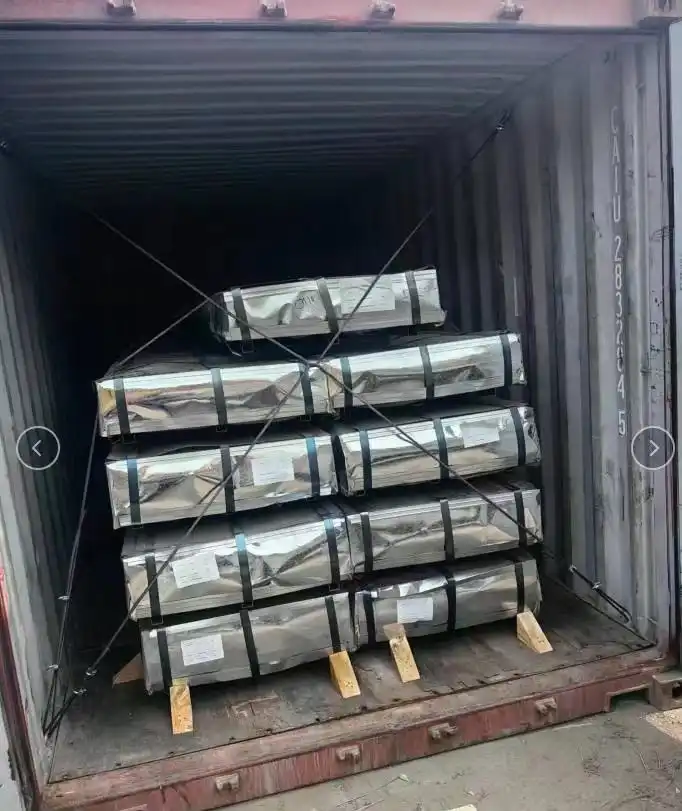
Many roofing projects receive materials in stages rather than in one shipment. You will see this pattern often, though not on every job. Understanding the common reasons helps you plan your own release schedule with confidence.
Site Readiness and Installation Sequencing
Roof Zones and Buildings Ready at Different Times
A large roof rarely becomes available for installation all at once. Different roof zones, wings, or separate buildings reach completion at different points in the construction timeline. You cannot install panels on a section that still lacks decking or structural support. So you release material for each area when that area is ready.
This sequencing keeps your crews productive. They move from one finished zone to the next without waiting for the entire building envelope to close. The approach also reduces the risk of storing large material volumes on an active site for extended periods.
Coordinating with Site Storage and Crew Capacity
Site storage is often limited. You may have nowhere to safely stack weeks of roofing material without blocking access or exposing it to damage. Crew capacity matters too. A single delivery large enough for the whole roof may exceed what your installers can handle before conditions change.
Releasing material in smaller lots lets you match supply to the pace of installation. You avoid overcrowding the site and keep handling manageable. This coordination between storage space and crew output is a practical reason many buyers choose phased deliveries for roofing projects.
Purchasing and Shipping Arrangements
Separate Releases for Separate Phases
Purchasing departments often structure orders around project phases. Each phase may carry its own budget line, approval cycle, or purchase order. Separate releases let you align material spending with the phase it serves. This structure simplifies cost tracking and keeps accounting clean.
When Shipping Logistics Call for Multiple Deliveries
Shipping logistics can also drive the decision. Container capacity, transport routes, and port schedules may not support a single large delivery. You might split shipments across vessels or trucks to meet your timeline. Multiple deliveries also give you flexibility when transport availability shifts.
Why Phasing Works When Specifications Stay Aligned
One Specification and One Release Schedule
Phasing works smoothly when everyone works from the same approved specification and release schedule. One controlled document anchors every delivery. Each release references that document and its current revision. This shared reference prevents drift between batches.
Shared Visibility Between Project Team and Supplier
Your project team and your supplier both need visibility into the same information. When both sides see the same release schedule and revision status, questions get answered before they become problems. Shared visibility turns a complex multi-batch order into a manageable sequence. It is the foundation that makes Phased Deliveries for Roofing Projects: Keeping Specifications Consistent Across Orders achievable in practice.
Why Consistency Matters Across Phases

The Hidden Costs of Batch-to-Batch Variation
Rework, Callbacks, and Warranty Exposure
Variation between batches creates problems you cannot see until installation begins. A panel that differs slightly in thickness or coating may not fit the same fastening pattern. Your crew discovers the mismatch on the roof, not in the delivery yard. They stop work, remove the affected pieces, and wait for replacement material. That rework costs labor hours and delays the next phase.
Callbacks carry a longer tail. A finish that fades or chalks differently from the first batch draws complaints after the building opens. You return to the site, investigate the cause, and negotiate a remedy. Warranty exposure grows when you cannot show that every batch met the same approved specification. Your supplier may question the claim without a clear record linking each shipment to its governing revision.
Schedule Slips When Materials Don’t Match
A mismatch stops the installation sequence. Your crew cannot close a roof zone with panels that do not align with the previous batch. They wait for clarification, replacement, or a decision from the project team. Each day of delay pushes back the next trade and the final handover.
Schedule slips compound across phases. A late second release delays the third. Your crew moves to another area, then returns later at higher mobilization cost. The project team loses confidence in the delivery plan. Simple consistency across batches prevents this chain of delays.
How Small Spec Drift Compounds
Mixed Batches Complicate Inspections and Closeout
Inspectors check the installed roof against the approved documents. Mixed batches make that check harder. A panel from an older revision may carry a different label or coating reference. The inspector flags the discrepancy and requests documentation. You then search for the record that explains the difference.
Closeout packages require a clean paper trail. Mixed batches force you to reconcile multiple revisions after the fact. That reconciliation takes time and often reveals gaps. A controlled approach keeps each batch traceable to one approved revision.
Appearance Mismatches Surface Late
Color differences often hide in the coil or bundle. They become visible only after installation, when sunlight hits the finished roof. A slight shift in paint batch or coating weight shows up as a patchwork across the roof plane. By then, correction means removal and replacement.
Phased Deliveries for Roofing Projects: Keeping Specifications Consistent Across Orders addresses this risk directly. You agree on an appearance reference and acceptable variation before the first release. That agreement gives you a standard to check each shipment against.
The Payoff of a Controlled Approach
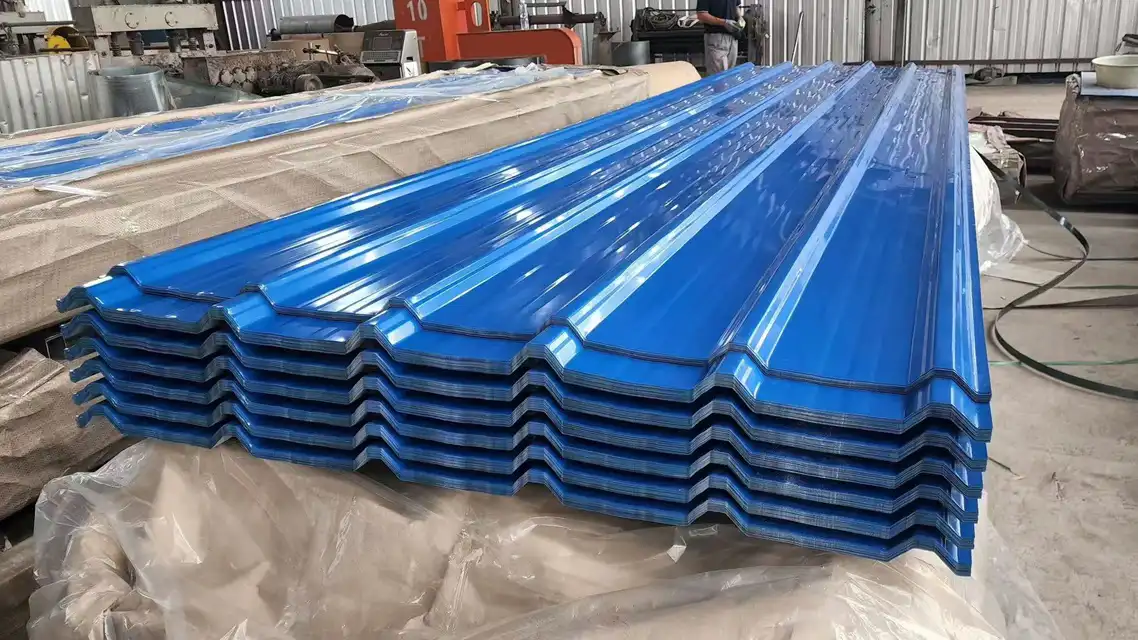
Predictable Installation and Fewer Surprises
One approved specification produces predictable results. Your crew knows the dimensions, coating, and finish for every panel. They install without stopping to question a mismatch. The roof goes down in sequence, and each phase follows the last without interruption.
Fewer surprises mean better cost control. You avoid rework, emergency replacements, and idle crew time. The project team sees steady progress and trusts the delivery plan.
Cleaner Records and Single-Point Accountability
A controlled approach produces one clear record for the whole project. Each release carries a number and a governing revision. You can trace any panel back to its approved specification. That traceability simplifies inspections, closeout, and any warranty discussion.
Single-point accountability strengthens your position. When a question arises, you point to the approved revision and the shipment record. The supplier does the same. Both sides work from the same facts, and disputes resolve faster.
Where Specification Differences Enter
Specification drift rarely arrives as one obvious change. It enters through small, separate decisions made at different times. You need to know the common entry points so you can close them before the first release.
Product and Dimensional Requirements
Coil, Sheet, or Profiled Panel Form
The product form itself sets the first requirement. You may order coil for on-site forming, flat sheet for cutting, or factory-profiled panels for direct installation. Each form carries its own handling and identification needs. A later release that switches form changes the whole downstream process.
Confirm the form in writing for every release. State whether the supplier delivers coil, sheet, or finished profile. Add the profile designation and effective cover width where panels apply. This single field prevents a costly mismatch at the receiving dock.
Grade, Thickness Tolerance, and Cover Width
Grade and thickness define structural performance. Your project drawings specify a grade or standard, and the supplier must meet it. Thickness tolerance matters just as much. A coil at the low end of an acceptable tolerance range behaves differently from one at the high end.
Cover width affects panel count and lap layout. A small shift in effective cover width changes how many panels close a roof zone. Record grade, nominal thickness, tolerance direction, and cover width in your master specification. Ask your supplier to confirm each value per release rather than assuming continuity.
Coating, Paint, and Appearance
Metallic Coating Type and Stated Requirement
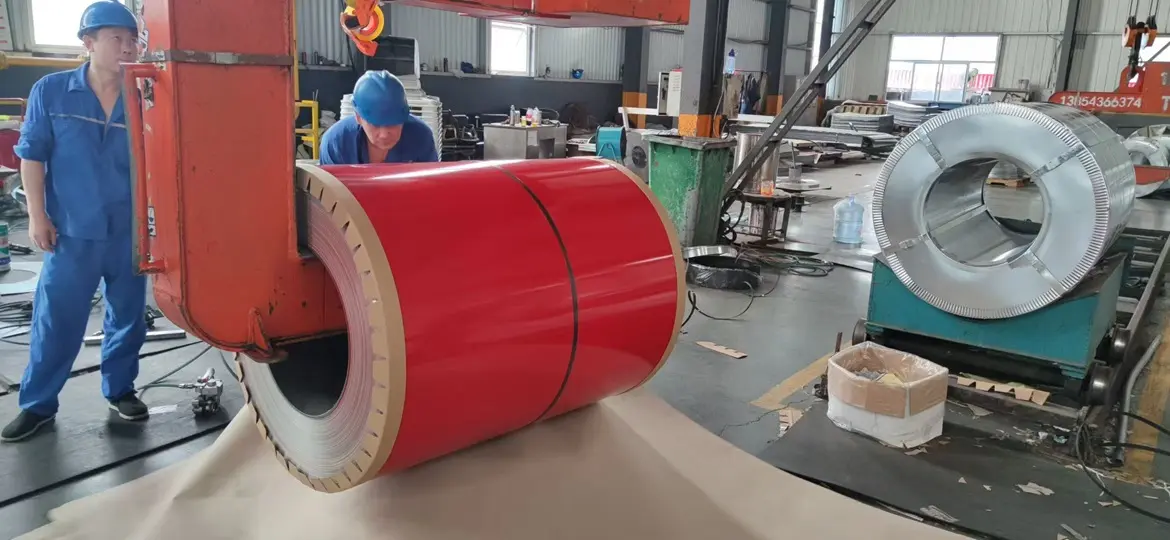
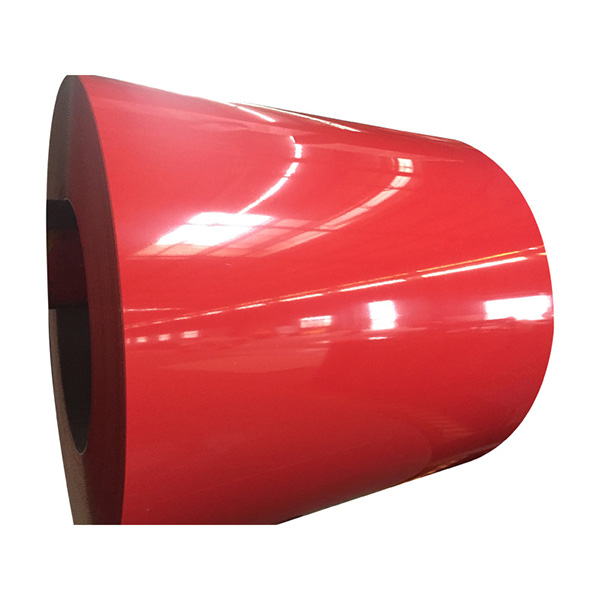
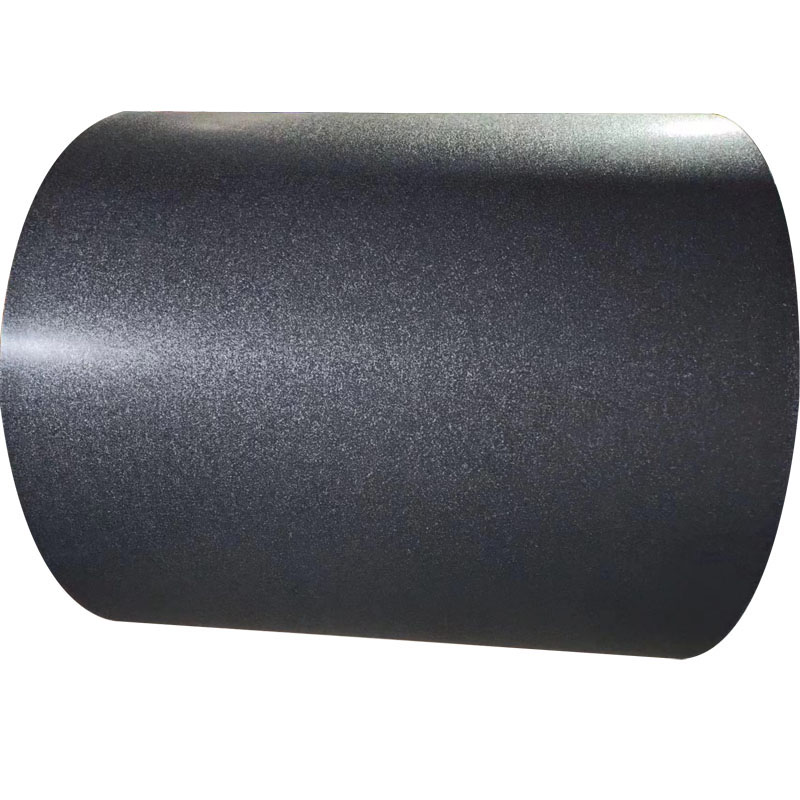
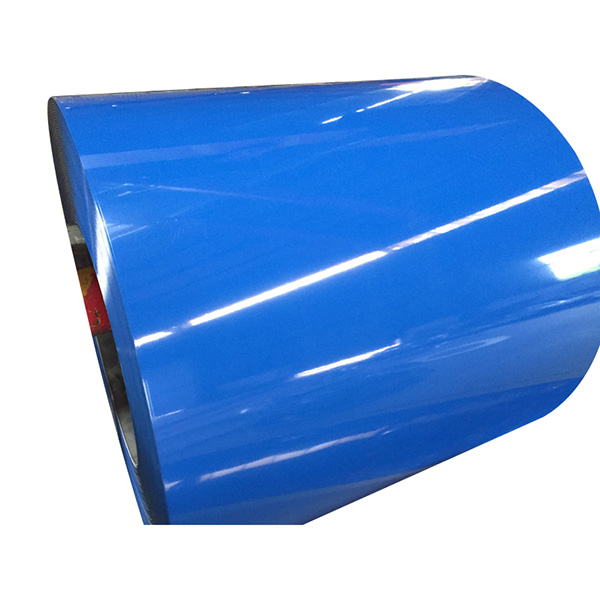
Metallic coating protects the steel substrate. You may specify a coating type and a stated coating weight or mass requirement. PPGI and PPGL products carry prepainted coatings over a metallic layer, and the coating requirement belongs in your specification. Link the exact requirement to the product you order, whether that is PPGI color-coated steel coil or PPGL prepainted galvalume steel coil.
State the coating requirement explicitly for each release. Do not rely on a generic product description. Ask the supplier to confirm the coating type and stated requirement against your approved document.
Color Code, Approved Sample, and Acceptable Variation
A color name alone does not confirm identical appearance across separate production batches. Two batches labeled the same color can differ in shade, gloss, or coating weight. You should agree on an acceptable variation range with your supplier before the first release.
Use a color code plus an approved physical sample as your reference. Record how you will assess variation and who approves a match. This agreement gives your receiving team a clear standard. It also protects you when a later batch looks slightly different from the first.
Packing, Identification, and Documents

Marking Requirements for Coils, Bundles, and Panels
Clear marking ties each item to its release and revision. Specify what each coil, bundle, or panel must show. Include the order reference, release number, product description, and revision status. Marking lets your receiving team sort material by phase without opening every bundle.
Inspection Records and Transport Protection
Each shipment should carry the documents your purchase order requires. These may include inspection records, test certificates, and packing lists. State the document list in your master specification and repeat it per release.
Transport protection also belongs in the specification. Define edge protection, wrapping, and stacking limits for the planned route and site handling. Confirm these details with your supplier before dispatch.
Build a Master Specification Before the First Release
You need one document that every release points back to. Build it before the first shipment leaves the supplier. This master specification becomes the single source of truth for the whole project. It removes guesswork from later releases and gives both sides a fixed reference.
One Controlled Reference Document
Project, Order, and Release References
Start with clear identifiers. Record the project name, the purchase order number, and a release number for each planned shipment. A release number lets you separate phase one from phase two without confusion. Your receiving team can sort material by release before it reaches the roof.
Add the destination and the contact responsible for confirming changes. These fields seem minor, yet they prevent misrouted shipments and unanswered questions. Keep the reference block short and repeat it on every page.
Technical, Appearance, and Packaging Fields
The technical fields capture what the product must be. Record the product form, grade or standard, thickness and tolerance, width, length, profile, and effective cover width where they apply. The appearance fields capture the color code, the approved sample reference, and the agreed variation range. The packaging fields capture labels, bundle or coil IDs, edge protection, and stacking limits.
Use one table to hold these fields. The table below shows the structure you can adopt for your own project record.
| Record field | What you confirm |
|---|---|
| Project and order reference | Project name, purchase order, and release number |
| Product | Coil, sheet, or roofing profile |
| Technical requirements | Grade or standard, dimensions, coating, and finish as applicable |
| Appearance reference | Color code, approved sample, or agreed reference |
| Packaging and identification | Labels, bundle or coil IDs, and handling requirements |
| Required documents | Documents to provide with each shipment |
| Revision status | Revision number, approval date, and authorized approver |
Required Documents and Revision Status
Documents to Provide with Each Shipment
List every document the supplier must send with each release. Common items include the packing list, inspection records, test certificates, and the order reference sheet. State the list once in the master specification. Then repeat it per release so nothing gets dropped between phases.
Your receiving team checks documents against this list at the dock. A missing certificate becomes visible before installation starts, not after closeout.
Revision Number, Approval Date, and Approver
Every revision needs a number, an approval date, and the name of the person who approved it. These three items make the record auditable. When a question arises months later, you can show exactly which version governed which shipment.
A revision without a named approver is not a controlled revision. Treat it as a draft until someone signs it.
Keeping Specifications Consistent Across Orders
Which Revision Governs Each Shipment
Each release must name its governing revision. Write that revision number into the release schedule and onto the shipping documents. When the project changes, you issue a new revision and state which future releases it covers. Material already produced under the old revision stays labeled as such.
This rule keeps Phased Deliveries for Roofing Projects: Keeping Specifications Consistent Across Orders manageable. Every shipment carries a clear link to one approved document.
Retaining Prior Revisions for Traceability
Keep every prior revision in your project file. Do not delete superseded versions. They explain why earlier material looks or measures the way it does. If an inspector questions a panel from phase one, the old revision shows what was approved at that time.
Store revisions together with the shipment records they governed. This pairing gives you a clean trail from drawing to delivery to installed roof. It also supports any warranty discussion later.
Match Every Release to the Approved Revision
Your master specification sets the standard. The release schedule puts that standard into action for each shipment. This section shows you how to connect every delivery to its governing revision and confirm the details in writing before material leaves the supplier.
Build a Release Schedule
A release schedule turns your master specification into a sequence of dated shipments. Build it once, then update it as the project moves. Each row in the schedule represents one release and carries its own reference number.
Quantity, Product Spec, and Phase Served
Record the quantity and product specification for each release. State the roof area, building, or installation phase that release serves. This link between material and location matters. Your receiving team can sort bundles by phase before they reach the roof.
Add the required labels, documents, and packing details for that release. Name the contact responsible for confirming changes. When a question arises about phase two, you know exactly who answers it.
Target Delivery Window and Governing Revision
Set a target dispatch or delivery window for each release. Then record the applicable drawing and specification revision. The table below shows the fields your schedule should carry.
| Schedule field | What you record |
|---|---|
| Release number | A unique number for each shipment |
| Quantity and product spec | Amount and product form for that release |
| Phase served | Roof area, building, or installation stage |
| Target delivery window | Planned dispatch or delivery dates |
| Governing revision | Drawing and specification revision number |
| Labels and documents | Required marking and paperwork |
| Change contact | Person responsible for confirming changes |
Written Acknowledgment Before Each Release
Confirming the Supplier Received the Correct Revision
Ask your supplier to confirm in writing that they received the correct revision before each release. A simple email reply works. The reply should name the release number and the revision it follows. This step catches a stale document before production starts.
Keep these acknowledgments with your project records. They show that both sides worked from the same approved document at the time of each release.
Confirming Timing Per Order, Not a Fixed Lead Time
Delivery timing should be confirmed for each order. Do not assume a fixed lead time carries from one release to the next. Production queues, material availability, and transport schedules shift. Ask your supplier to confirm the timing for each release against your target window.
This per-order confirmation keeps your installation sequence realistic. You plan crew moves around confirmed dates, not assumed ones.
Batch and Appearance Expectations in Writing
Same Specification Versus Same Production Batch
A matching specification does not mean separate releases come from the same production lot. Two shipments can meet every written requirement and still differ in shade or coating weight. Put your batch expectations in writing before the first release.
Ask your supplier whether lot continuity is possible for your project. If reserved material matters to you, request it in writing and confirm what the supplier can arrange. Do not claim separate batches will be visually identical unless both sides have verified and agreed on that point.
Lot Continuity, Reserved Material, and Color Reference
For painted products, name the approved color reference in your schedule. State how you will assess acceptable variation. Agree on who approves a match at receiving. These written expectations give your team a clear standard to check each shipment against.
Phased Deliveries for Roofing Projects: Keeping Specifications Consistent Across Orders depends on this discipline. Every release carries a number, a governing revision, and a written record of batch and appearance expectations. That record turns a complex multi-batch order into a sequence you can verify at every step.
Control Changes When the Project Shifts

A Simple Change-Control Process
Record the Change and Its Reason
Projects shift. A drawing gets updated, a quantity changes, or the client requests a different finish. You need a written record of every change before anyone acts on it. Note what changed and why. A short entry works: the date, the request, and the reason behind it. This record explains later decisions when memory fades.
Identify Affected Unreleased Orders and Areas
Next, find every unreleased order and project area the change touches. A finish change may affect only one roof zone. A dimensional change may reach several phases. List each affected release by number. This step stops a change from spreading silently into shipments that should stay on the old revision.
Issue and Approve a New Revision
Numbered Revision with Written Approval
Give the new specification a clear number. Then obtain written approval from the authorized buyer and supplier contacts. The approval should name the revision and the person who signed it. Follow this six-step sequence for every change:
- Record the requested change and its reason.
- Identify which unreleased orders or project areas it affects.
- Issue a new, clearly numbered specification revision.
- Obtain written approval from authorized buyer and supplier contacts.
- Confirm whether already produced or dispatched material is affected.
- Update the release schedule and retain the previous revision for traceability.
Confirm Impact on Produced or Dispatched Material
Some material may already be produced or on its way when the change lands. Confirm its status with your supplier in writing. That material follows the previous revision. Label it as such and keep it separate from future releases. This confirmation prevents confusion at the receiving dock.
Update the Schedule and Keep Records
Revise the Release Schedule
Update the release schedule as soon as the new revision is approved. Mark which future releases follow the new document. Keep the old revision in your project file for traceability. The schedule now shows a clear break between revisions, and your receiving team can sort material by release number.
Avoid Mixing Revisions in One Roof Area
Do not mix materials from different revisions in the same roof area unless the project team has reviewed and approved the change.
Mixing revisions on one roof plane creates visible seams and complicates inspection. If a change must reach an area already partly installed, get written approval first. Record which panels follow which revision. This discipline keeps the finished roof consistent and your closeout records clean.
Inspect and Reconcile Each Shipment

Acceptance criteria come from your purchase documents and project requirements. Use those documents as the standard for every receiving check.
A Practical Receiving Checklist
Order References, Labels, and Quantities
Compare each shipment’s order reference and labels against your release schedule. Confirm the release number, product description, and revision status match what you approved. Count quantities before you sign off. A short count caught at the dock is easy to resolve. A short count found on the roof is not.
Documents, Packaging, and Visible Condition
Check the required documents against your master specification list. Look for packing lists, inspection records, and test certificates. Inspect packaging and visible condition next. Note crushed edges, wet wrapping, or shifted bundles. Record any damage before you move material to storage.
Appearance Checks Against the Agreed Reference
Comparing Finish to the Approved Sample
Compare the finish to your approved sample under consistent light. Check color, gloss, and coating appearance against the agreed reference. Do this check before installation begins. A finish question answered at the dock costs far less than one answered after the panels are fixed.
Recording Discrepancies with Photos and Shipment Details
Photograph any discrepancy with the shipment label visible in the frame. Record the release number, date, and affected quantity. Send the record to your supplier contact promptly. Clear documentation speeds up the resolution and protects your position.
Update the Project Record
Quantities Received and Balances Remaining
Log received quantities against each release in your project record. Update the balance remaining for that phase. This running record shows whether your schedule stays on track. It also gives you a clean basis for the next release confirmation.
Contact the Supplier Before Using Questionable Material
Set aside any material that may not match the approved requirements. Contact your supplier before installation. Do not install questionable panels while you wait for an answer. Separation and a quick conversation prevent rework.
Hypothetical example: A buyer splits a warehouse roofing project into three phases. Each release carries a phase number and the same approved specification revision. Before phase three, the project requests a finish change. The buyer issues a revised document, confirms it applies to phase three only, and separates material following the previous revision. The receiving team checks labels and records by release before installation.
Before you confirm a phased order, work through this checklist:
- Approve one master specification.
- Number each release and record its governing revision.
- Confirm product, dimensions, coating, finish, packing, and documentation requirements.
- Put batch, color, and variation expectations in writing.
- Confirm timing for each release with the supplier.
- Reconcile received quantities and records before installation.
- Keep change approvals and shipment records together.
Phased deliveries for roofing projects stay manageable when every release follows a controlled specification, revision, and receiving process. You now have a framework built on three pillars. First, approve one master specification before the first release. Second, link every release to its governing revision. Third, verify each shipment against that record at receiving.
This approach keeps Phased Deliveries for Roofing Projects: Keeping Specifications Consistent Across Orders predictable from start to finish. Before you request a quotation or supply review, prepare your product requirements, phase quantities, target delivery windows, destination, and current drawing revision. Share them through our contact page, and confirm project-specific details with our team.
FAQ
Can one specification guarantee an identical appearance in every shipment?
No. A specification sets the agreed requirements, yet separate production batches may still differ in shade or gloss. Define your color reference and acceptable variation with the supplier before the first release. That agreement gives your receiving team a standard to check each delivery against.
Should every delivery come from the same production batch?
That depends on your project’s appearance and traceability needs. Ask your supplier about lot continuity before the first release. If reserved material matters to you, request it in writing. Confirm what the supplier can actually arrange for your project rather than assuming continuity.
What information should accompany each shipment?
Use the documents and identification you agreed in the purchase documents. These may include order references, product identification, packing lists, and applicable inspection records. List the required documents once in your master specification, then repeat the list for every release.
What should you do if drawings change after the first delivery?
Issue a controlled revision with a clear number and written approval. Confirm which future releases the change affects. Review already produced or delivered material separately, and label it under the previous revision. Update your release schedule and keep the old revision for traceability.
How should you handle a shortfall or discrepancy?
Record the affected items and preserve labels and documents. Take photos with the shipment label visible. Contact your supplier before installing material that may not match the approved requirements. Separation and a quick conversation prevent rework on the roof.
How do you confirm delivery timing for each release?
Confirm timing per order, not from a fixed lead time. Production queues and transport schedules shift between releases. Ask your supplier to confirm each release against your target window in writing. Plan crew moves around confirmed dates rather than assumed ones.
Why keep superseded revisions in your project file?
Old revisions explain why earlier material looks or measures the way it does. If an inspector questions a panel from an earlier phase, the prior revision shows what was approved at that time. Store each revision with the shipment records it governed.